Ferment

Michelin Plate
Our verdict
Ferment holds back-to-back Michelin Bib Gourmand recognition for 2024 and 2025, placing it among the Pajottenland's most consistently regarded addresses for traditional cuisine at accessible prices. Located in Sint-Kwintens-Lennik, chef David Goerne's kitchen draws on the agricultural character of the surrounding Flemish Brabant countryside.

Pearl is the En Primeur Club membership app, where members save venues, book tables and use the concierge.
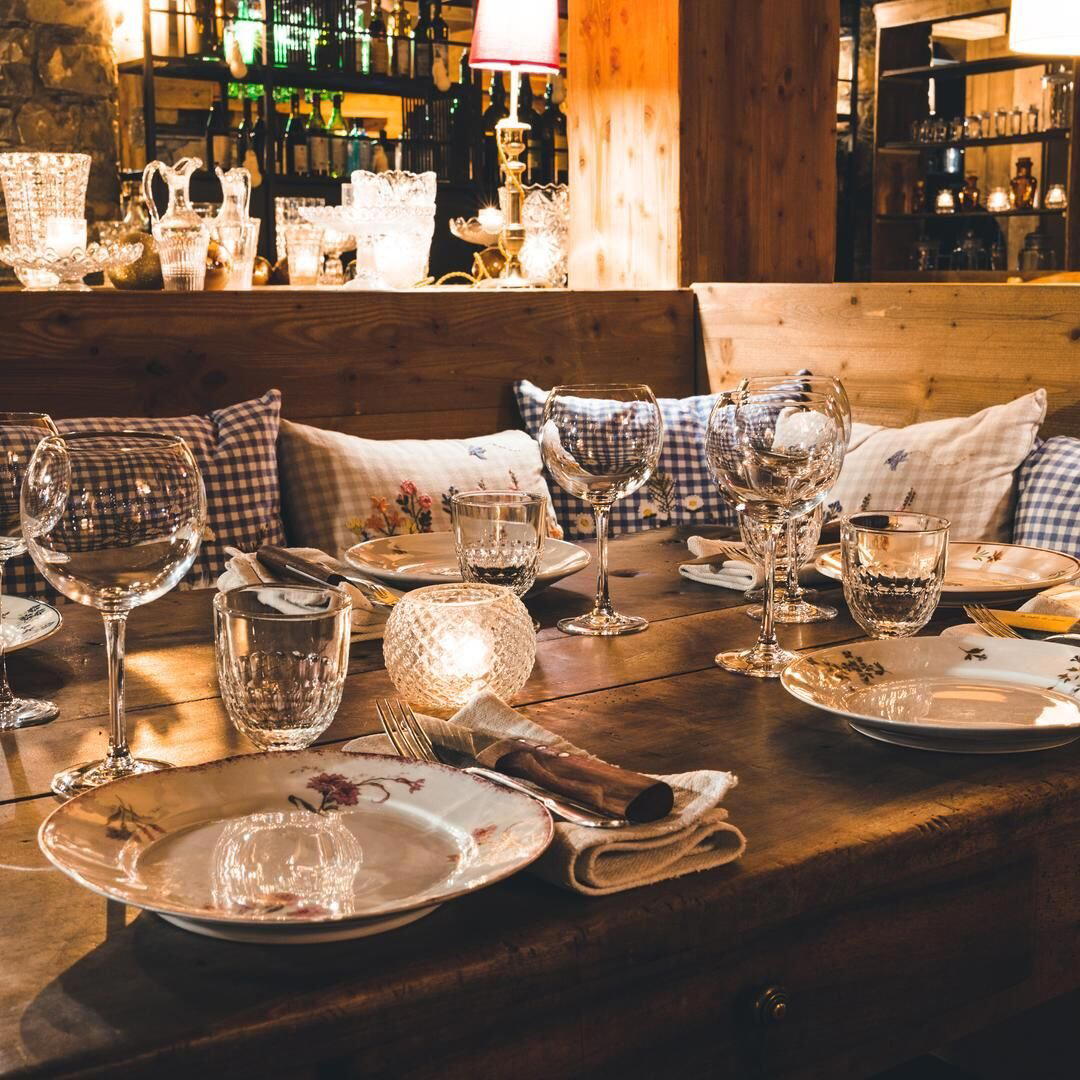
The menu
What to order
- Shrimp fritters
- Grilled loin of pork
- Grilled seabass
Flemish Brabant's Farmland Table
The Pajottenland sits southwest of Brussels in a part of Flemish Brabant that most visitors pass through rather than stop in. Rolling agricultural land, modest village squares, and a food culture shaped by what grows and grazes nearby rather than by urban trend cycles. That context matters when reading what Ferment is doing at Alfred Algoetstraat 1 in Sint-Kwintens-Lennik, because the cooking here draws its logic from the surrounding countryside rather than from any metropolitan reference point. It is a register that Belgium's rural Bib Gourmand tier has always done well, and Ferment's consecutive recognition in 2024 and 2025 confirms it belongs in that conversation.
What the Bib Gourmand Signal Actually Means Here
Michelin's Bib Gourmand designation marks kitchens that deliver what the guide calls "good quality, good value cooking", a deliberately unpretentious category that sits below the star tier but carries real editorial weight. Receiving it once is confirmation; receiving it in consecutive years is a pattern. Ferment has now achieved back-to-back recognition in 2024 and 2025, which places it in a durable rather than a debut position within Michelin's Belgian coverage. For context, Belgium's starred tier runs from Roeselare (Boury at three stars) through Antwerp (Zilte) and coastal addresses like Bartholomeus in Heist and Willem Hiele in Oudenburg, where tasting menus frequently run at €€€€ price points. Ferment operates at €€, which in practice means it sits well below those tasting-menu price brackets while still drawing Michelin's editorial attention. That pricing position is the point.
Sourcing as the Kitchen's Argument
Traditional cuisine in Belgium's rural southwest is inseparable from what the land around it produces. The Pajottenland has historically been farming country, and the restaurants that endure here tend to treat sourcing not as a marketing position but as a structural decision about what the kitchen will and will not cook. At Ferment, the cuisine category listed is Traditional Cuisine, a designation that in Michelin's framework signals attention to regional roots and ingredient integrity over experimental technique. The guambda farm-to-table dynamic visible at nearby August Wijnbar reflects the same broader pull that Flemish Brabant's agricultural setting exerts on its serious kitchens.
What distinguishes this approach from purely nostalgic cooking is the discipline required to make traditional sourcing economically coherent at €€ price points. The premium Belgian table, as seen at addresses like Castor in Beveren or Cuchara in Lommel, can absorb the cost of rare or specialist producers within high-margin tasting formats. A Bib Gourmand kitchen at accessible prices has to make the same sourcing logic work under tighter constraints. Ferment's sustained Michelin attention suggests chef David Goerne has found a workable answer to that equation.
The Room and the Approach
Sint-Kwintens-Lennik is a small municipality, and Alfred Algoetstraat is not a high-traffic address by urban standards. The village setting shapes the rhythm of a meal here in ways that urban dining rooms rarely can. There is no ambient noise from adjacent streets, no theatre of a busy city-centre service, no visible competition. What the Pajottenland offers instead is the particular calm of a rural Flemish evening, which, for a kitchen focused on ingredient-driven traditional cooking, is an appropriate register.
Ferment shares a municipality with Sir Kwinten, which works in a modern cuisine format at a different price tier, giving the area an unusual concentration of Michelin-acknowledged addresses for its size. Together they position Sint-Kwintens-Lennik as something more than an accidental stop on the way to Brussels, though it would be an overstatement to call it a dining destination in the way that Kruishoutem is defined by Hof van Cleve or Brussels by its density of options including Bozar Restaurant.
How Ferment Sits in the Regional Picture
Belgium's restaurant culture has long supported a mid-price tier of serious, ingredient-focused cooking that sits between neighbourhood bistros and destination tasting-menu houses. Ferment occupies that tier with some authority. Comparable traditional-cuisine addresses with Michelin recognition elsewhere in Europe, such as Auberge Grand'Maison in Mûr-de-Bretagne or Auga in Gijón and d'Eugénie à Emilie in Baudour, share the same structural proposition: regional sourcing, cooking that respects product without overworking it, and price points that keep the room accessible to regulars rather than just occasion diners.
The Belgian Bib Gourmand cohort is competitive. Across Flemish Brabant and the broader west-Flemish corridor, Michelin lists a substantial number of addresses in this tier, and the distinction between a first-year recognition and a sustained two-year presence matters. Ferment has moved from arrival to established within a short window.
Planning a Visit
Ferment's address at Alfred Algoetstraat 1, Sint-Kwintens-Lennik places it roughly southwest of Brussels, accessible by road through the Pajottenland. As with most rural Flemish addresses of this calibre, a car is the practical approach. Given the Bib Gourmand status and the 663-review base indicating consistent demand, booking ahead is advisable rather than optional, particularly for weekend services when the room is likely to operate at capacity. The €€ price bracket means a full meal with wine sits well below what comparable Michelin-recognised formats charge in Brussels or Antwerp, making the drive worthwhile for those who treat sourcing and value together as an editorial criterion. For broader planning across the area, the full Sint-Kwintens-Lennik restaurants guide covers the complete local picture, while accommodation options, bars, wineries, and local experiences are mapped separately.
Frequently asked questions
What's the price range at Ferment?
Pricing at Ferment is listed as €€.
Who is the chef connected to Ferment?
The chef associated with Ferment is David Goerne.
Price and Recognition
| Venue | Cuisine | Price | Awards | Notes |
|---|---|---|---|---|
| FermentThis venue (the venue you are viewing) | Belgian Brasserie | $30–50 | Michelin Plate | Not listed |
| Boury | Creative French Fine Dining | $300–500 | 3 Michelin Stars · La Liste Top Restaurants | Modern Frlemish, Creative French |
| Comme chez Soi | French - Belgian, Classic Cuisine | Not listed | Michelin 1 Star | Not listed |
| Hertog Jan at Botanic | Modern Japanese Omakase Fine Dining | Not listed | 2 Michelin Stars · La Liste Top Restaurants | Modern Flemish, Creative |
| L'Eau Vive | Modern French Fine Dining | $150–200 | 2 Michelin Stars · La Liste Top Restaurants | French, Modern French |
| La Durée | Modern French Fine Dining | $150–200 | 2 Michelin Stars · La Liste Top Restaurants | French-Belgian, Creative |
Recognition history
Dated appearances from independent guides and award organizations, with the underlying list record or original source where available.
Michelin Plate
Michelin
Full recognition history (3 entries)
Michelin Bib Gourmand
Michelin
Michelin Bib Gourmand
Michelin
Continue exploring
More in Sint-Kwintens-Lennik
Restaurants in Sint-Kwintens-Lennik
All restaurants in Sint-Kwintens-Lennik →
Bars in Sint-Kwintens-Lennik
Browse all →
Hotels in Sint-Kwintens-Lennik
Browse all →
Wineries in Sint-Kwintens-Lennik
Browse all →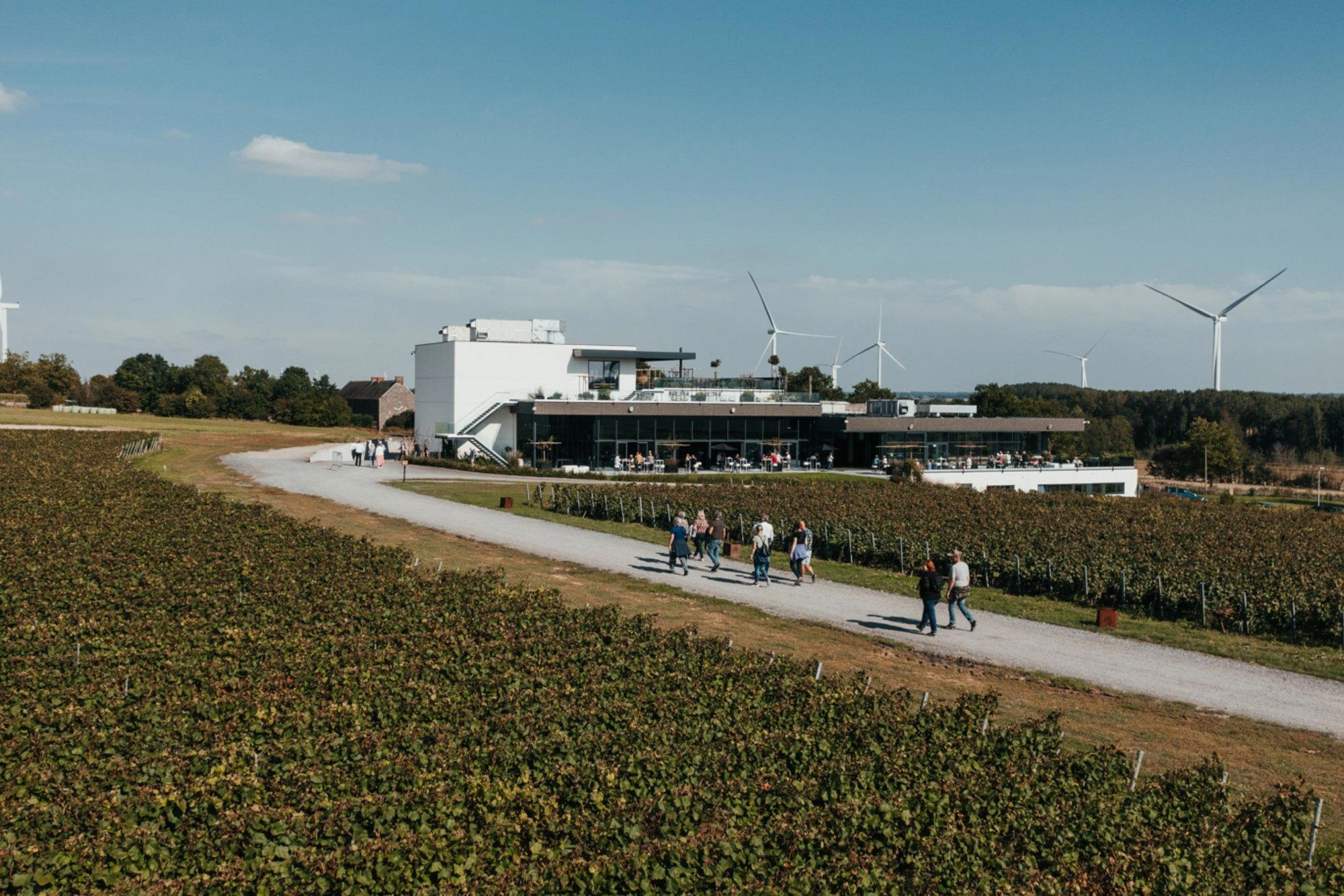
Ferment
The wine
- Wine program
- Deep wine list
- Extensive wine list
Details
- Cozy
- Lively
- Modern
- Date Night
- Group Dining
- Family
- Terrace
- Extensive Wine List
- Local Sourcing
- Street Scene
- A La Carte
- Local Brews
- Vegetarian Friendly
Current opening hours
- Monday
- Closed
- Tuesday
- 3 PM–12 AM
- Wednesday
- 3 PM–12 AM
- Thursday
- 3 PM–12 AM
- Friday
- 3 PM–1 AM
- Saturday
- 3 PM–1 AM
- Sunday
- Closed
Hours can change for holidays and private events. Hours as of .
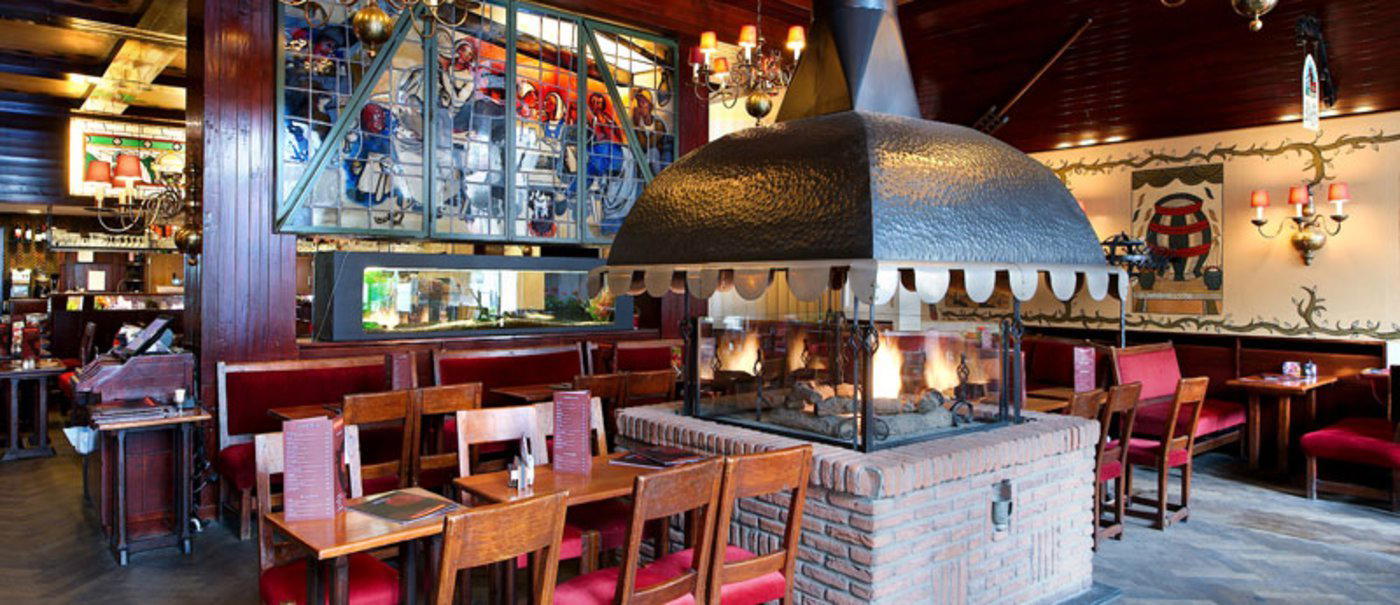
Bustling and cozy brasserie atmosphere with pleasant interior and nice terrace, lively yet relaxed.