Our verdict
Fatto sits in Seef's Al Seef district, where Bahrain's growing appetite for Italian-leaning dining is increasingly met by kitchens that take their sourcing seriously. The address on Road 2827 places it within easy reach of the waterfront corridor, and the name itself signals a made-from-scratch approach that separates it from the proliferation of casual international chains nearby. For anyone tracing Seef's evolving food scene, Fatto is a useful reference point.

Pearl is the En Primeur Club membership app — saves, bookings, and concierge access live there. Same editors, same standards.
- Address
- Road 2827 Restaurant 2214, Al Seef 0428, Seef, Bahrain
- Phone
- +97366778822
- Hours
- Mon–Wed 8 AM–11:30 PMThu–Fri 8 AM–12 AMSat–Sun 8 AM–11:30 PM
- Website
- alghalia.com
- Directions
- Get directions
- Booking
- Book on the venue's website
Where Seef's Dining Scene Lands Right Now
Seef has become one of Bahrain's more consequential dining districts over the past decade, not because of a single landmark address but because of the accumulating density of kitchens that take food seriously at varied price points. The neighbourhood's commercial backbone — the malls, the financial towers, the hotel clusters along the waterfront — has historically attracted the kind of international chain operators that fill seats without necessarily serving the city's food culture. What has shifted more recently is the arrival of independent and semi-independent concepts that treat sourcing and preparation as the story rather than the setting. Fatto, on Road 2827 in the Al Seef precinct, sits within that emerging cohort. Its name, Italian for "made" or "done," points toward a kitchen philosophy built around the act of making things from scratch rather than assembling them.
The Al Seef Corridor and What It Signals
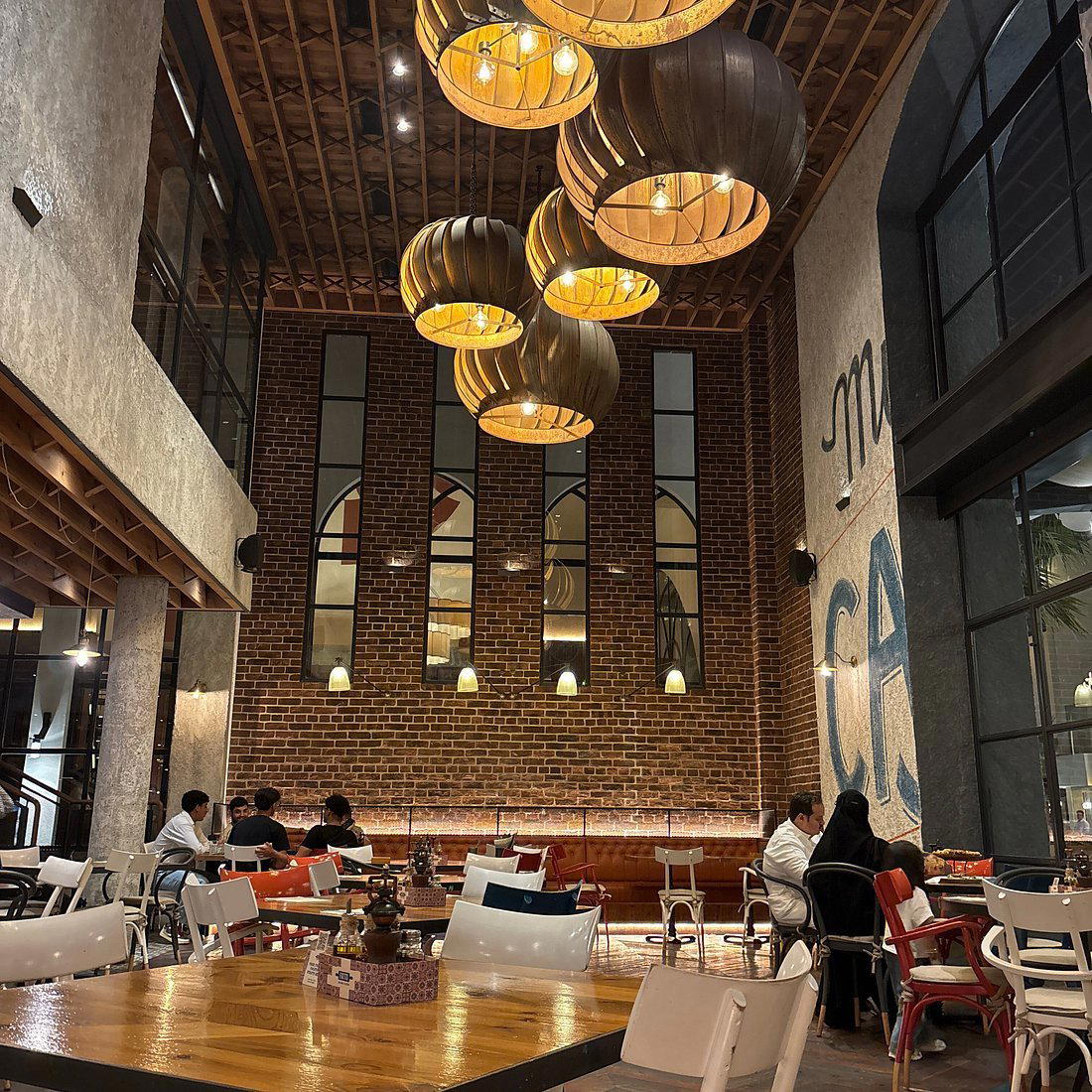
Al Seef as a sub-district has been positioned as a cultural and lifestyle zone, with a development character that leans on Bahraini architectural vernacular to distinguish itself from the more generic commercial strips further inland. Restaurants that open here are making a deliberate location choice: the foot traffic skews toward residents and regional visitors who are spending time rather than rushing through, which tends to favour dining formats built around engagement with food rather than throughput. That context matters when reading what Fatto is attempting. The address itself, in a district designed to encourage lingering, suggests a dining experience where the room and the meal are expected to hold attention together.
For a broader picture of how Seef's dining options map across formats and price points, the our full Seef restaurants guide covers the neighbourhood's competitive landscape in depth. Nearby, Café Lilou occupies the French-inflected café tier, while Cantina Kahlo represents the Latin-American casual end of the market. Fatto's Italian positioning occupies a different register from either.
Sourcing as the Central Argument
In the Gulf, ingredient sourcing carries particular weight as an editorial distinction. The regional climate means that a high proportion of what appears on restaurant menus, fresh produce, cured meats, aged cheeses, specialty grains, arrives by air freight or long-haul cold chain. The gap between a kitchen that simply orders from a standard distribution list and one that actively curates its supply relationships is meaningful, and diners in Bahrain's more attentive food circles have become increasingly alert to it. Italian cuisine, specifically, is one where sourcing fidelity is hard to disguise: the flavour profile of a proper San Marzano tomato, the texture of a well-made pasta dough, the difference between a competent and an exceptional olive oil all announce themselves clearly.
The name Fatto frames a commitment to making things by hand, which in an Italian context implies a particular relationship with raw ingredients. A kitchen that makes pasta in-house is a kitchen that has opinions about its flour, its eggs, its resting times. That chain of decisions, from supplier to dough to plate, is where the sourcing argument becomes tangible. It is the same logic that runs through the Italian restaurants in Bahrain's more established dining tier, places that have used provenance as a point of differentiation to pull their pricing and positioning away from the casual operators, and it is a logic that Fatto, at this address, appears to be working within.
Comparable Italian sourcing conversations are playing out at the highest tier of the global restaurant circuit. 8 1/2 Otto e Mezzo Bombana in Hong Kong has made ingredient provenance central to its identity in another import-heavy market, and Alain Ducasse at Louis XV in Monte Carlo has long argued that local and seasonal sourcing is the primary creative constraint. At the other end of the geographic spread, Aponiente in El Puerto de Santa María has built an entire three-Michelin-star programme around hyper-local marine sourcing. These are different scales of operation, but the underlying argument is the same: what you source determines what you can cook.
Situating Fatto in Bahrain's Broader Italian Tier
Bahrain's Italian restaurant market has fragmented into at least three distinct tiers. At the leading, hotel-backed fine dining rooms with imported wine lists and prix-fixe structures serve corporate accounts and occasion dining. In the middle, independent concepts with Italian-trained or Italian-influenced kitchens target the resident professional demographic. At the entry level, casual pizza and pasta operations run high volume on low margins.
For comparison, Fusions by Tala in Manama represents a different approach to Bahraini dining, drawing on local flavour profiles in a contemporary format. Villas Mamas in Al Markh operates in a distinct register altogether. CUT by Wolfgang Puck in Alwajeha Albahriya anchors the premium steakhouse category. None of these are direct competitors to an Italian sourcing-focused concept, which underlines how distinct Fatto's category position is within the broader Bahrain dining map.
Planning a Visit
Fatto is located at Road 2827, Restaurant 2214, Al Seef 0428, Seef, within the Al Seef waterfront development, which is accessible by car and reasonably well-served by taxi and ride-hailing services from central Manama. Given the Al Seef district's orientation toward extended dining and social time, arriving without a reservation during peak evening hours carries some risk, particularly on weekends when the waterfront area draws steady traffic from across the island.
Those building a wider Seef itinerary might cross-reference with Café Lilou for daytime options and Cantina Kahlo for a contrasting evening format. For reference points further afield, Le Bernardin in New York City, Lazy Bear in San Francisco, and Atomix in New York City each demonstrate, in their own markets, what a kitchen that treats ingredient sourcing as its primary argument can achieve at the top of its category.
Frequently asked questions
Would Fatto be comfortable with kids?
Fatto sits within the Al Seef waterfront development in Seef, a district designed as a lifestyle and cultural zone rather than a high-formality dining precinct. That setting generally suits mixed-age groups.
Is Fatto formal or casual?
Fatto is located at Road 2827 in the Al Seef development, a corridor that skews toward casual-to-midrange dining formats rather than hotel-backed fine dining. The Al Seef district's architectural and lifestyle positioning suggests a relaxed register, though no dress code has been published for the venue.
How does Fatto fit into Bahrain's Italian restaurant scene?
Bahrain's Italian dining market spans at least three distinct tiers, from hotel-backed fine dining rooms to independent neighbourhood trattorias. Fatto's address in the Al Seef corridor places it within a mid-tier of independently positioned restaurants in Seef, a district that has accumulated a concentration of non-hotel dining options over the past decade. That positioning makes it one of the few Italian addresses in Bahrain operating outside a major hospitality group.
What do people recommend at Fatto?
The venue operates in Seef's Italian dining segment, and the Al Seef waterfront area draws a mix of residents and visitors looking for reliable neighbourhood cooking. Checking recent local reviews or contacting the restaurant directly will give the most current picture of standout plates.
What part of town is Fatto in?
Fatto is located at Road 2827 Restaurant 2214, Al Seef 0428, Seef, Bahrain, Seef.
Is Fatto reservation-only?
No booking policy has been published for Fatto in Seef. Given its location within the Al Seef waterfront development, demand can vary significantly around weekends and public holidays in Bahrain. Reaching out to the restaurant ahead of a visit is advisable, particularly for groups.
Fast Comparison
Comparable venues nearby, for context on price, style, and recognition.
| Venue | Cuisine | Price | Awards | Notes |
|---|---|---|---|---|
| FattoThis venue — the venue you are viewing | Italian Pizzeria and Trattoria | $50–100 | Not listed | Not listed |
| Cantina Kahlo | Authentic Mexican Street Food | $50–100 | Not listed | Seef |
| Café Lilou | French Brasserie | $50–100 | Not listed | Seef |
| Masso | Modern Italian Mediterranean | $50–100 | Wine Spectator Award of Excellence · World's Best Wine Lists Awards WBWL 3-Star | Manama |
| Villas Mamas | Modern Bahraini Middle Eastern | $50–100 | Not listed | Al Markh |
| Seoul Restaurant and Lounge (مطعم سيول ذ.م.م) | Korean Restaurant and Lounge | Not listed | Not listed | المنامة |
Details
- Cozy
- Lively
- Modern
- Elegant
- Family
- Group Dining
- Brunch
- Casual Hangout
- Open Kitchen
- A La Carte
- Small Plates
- Vegetarian Friendly
- Vegan Options
Current opening hours
- Monday
- 8 AM–11:30 PM
- Tuesday
- 8 AM–11:30 PM
- Wednesday
- 8 AM–11:30 PM
- Thursday
- 8 AM–12 AM
- Friday
- 8 AM–12 AM
- Saturday
- 8 AM–11:30 PM
- Sunday
- 8 AM–11:30 PM
Hours can change for holidays and private events. Last verified .
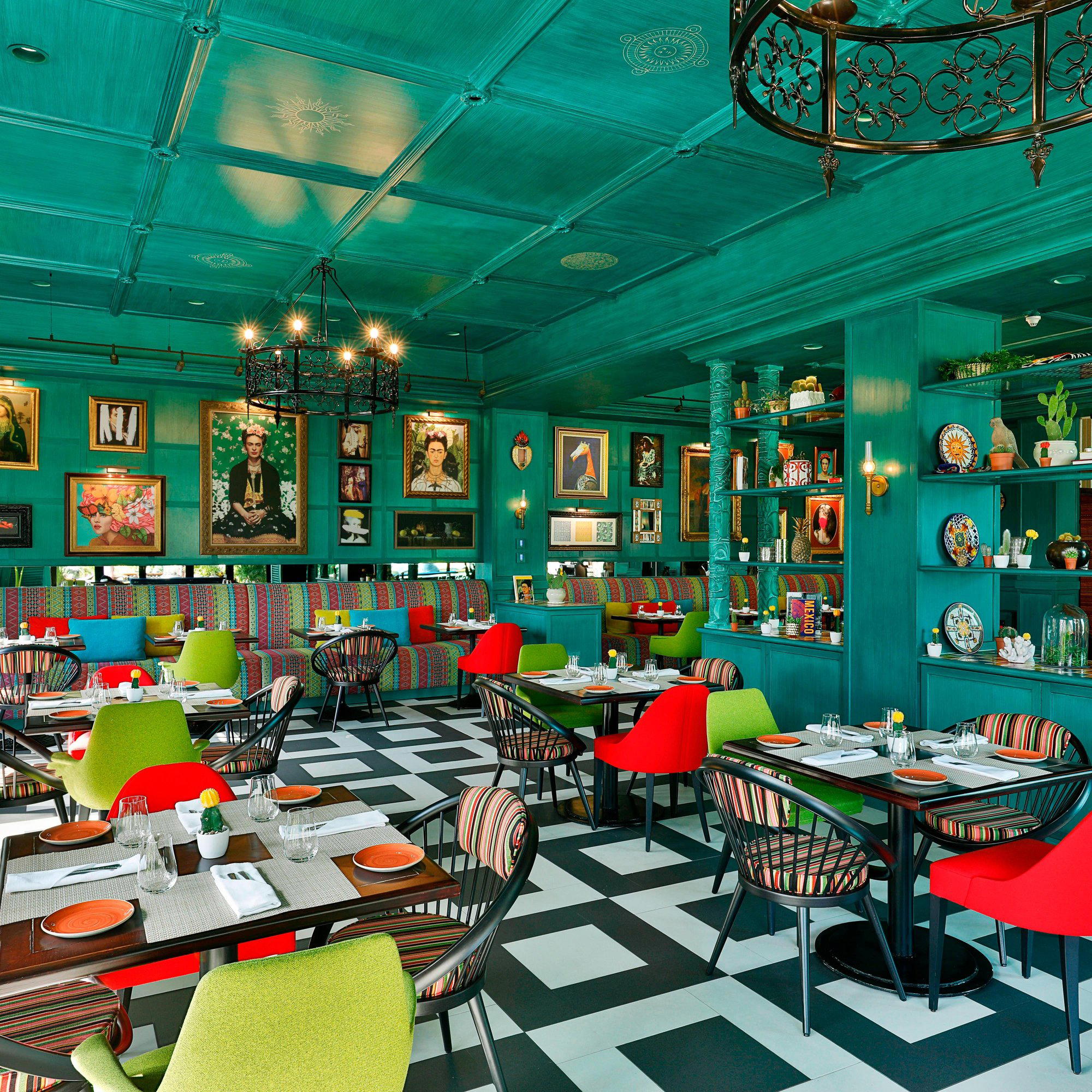
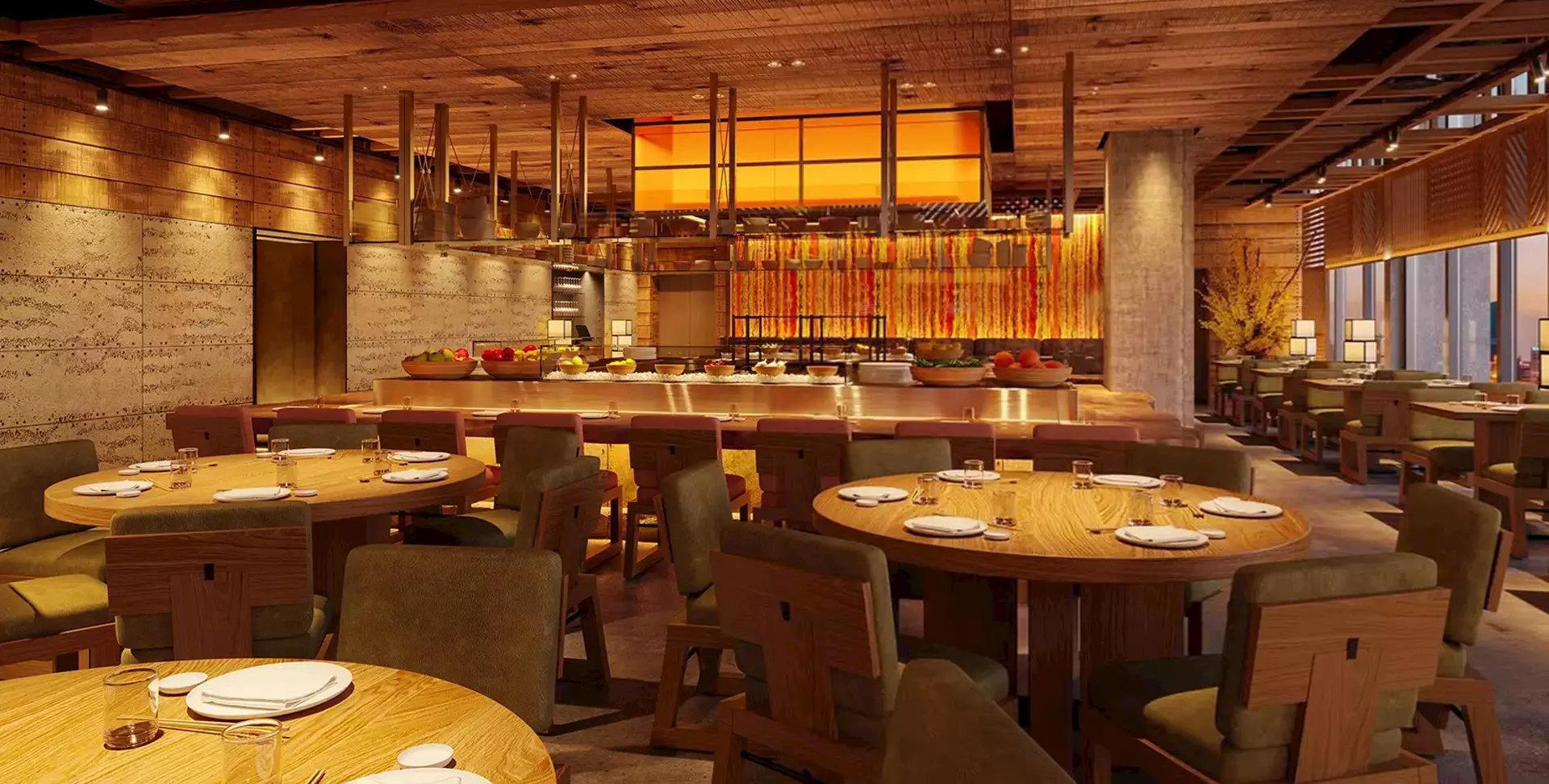
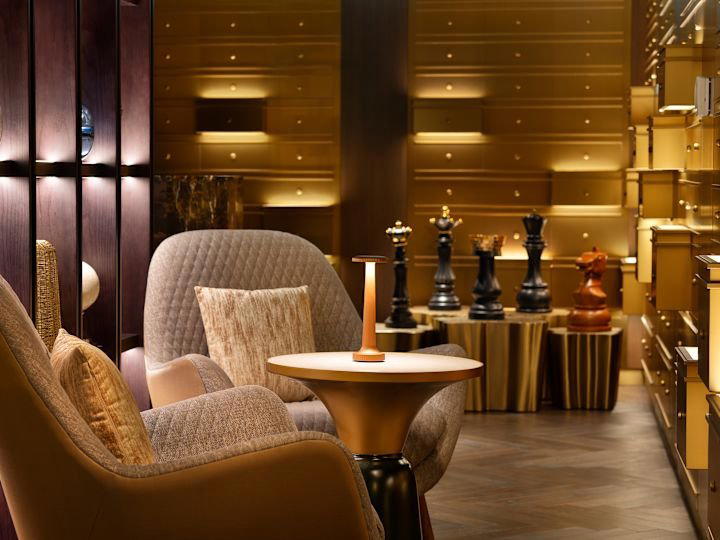
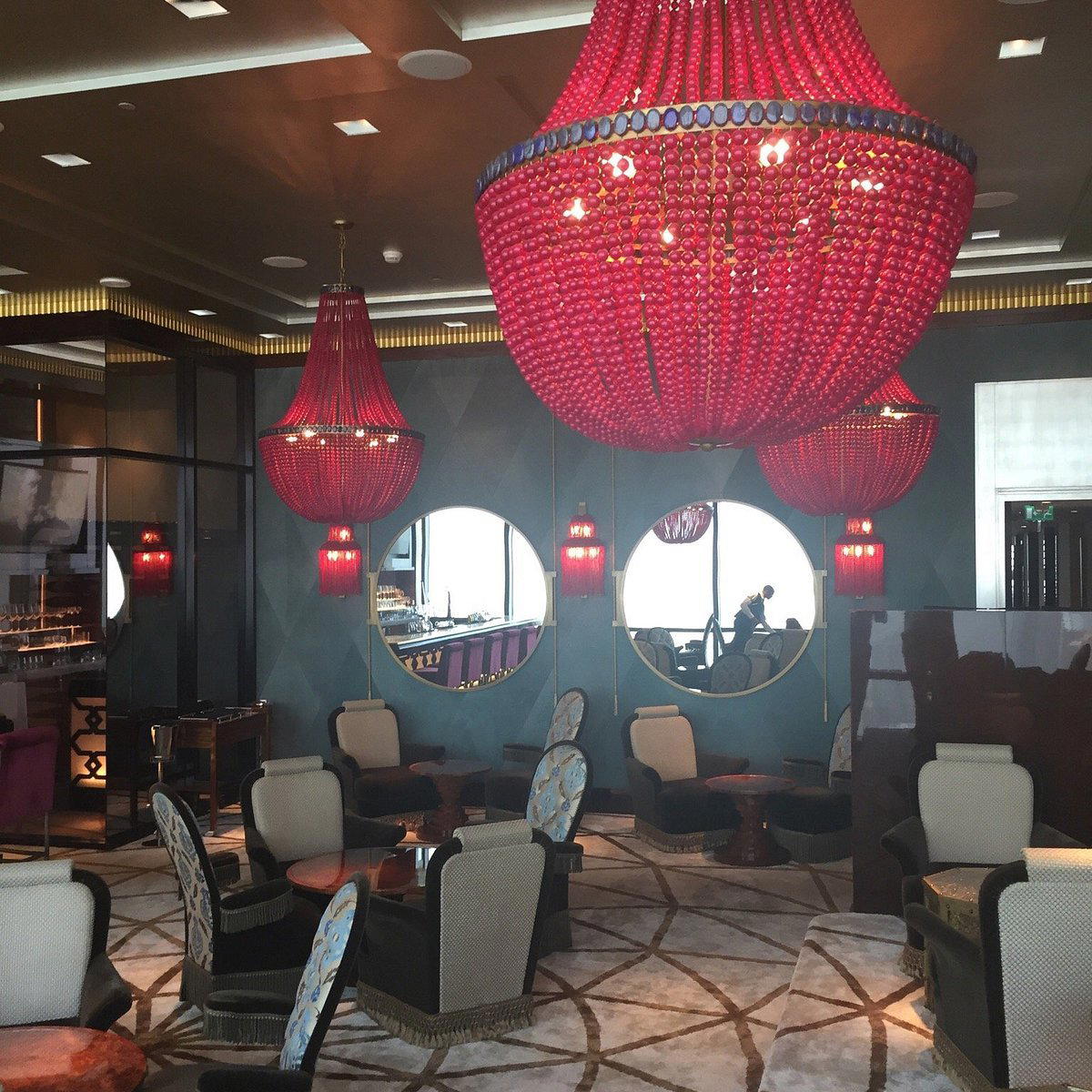
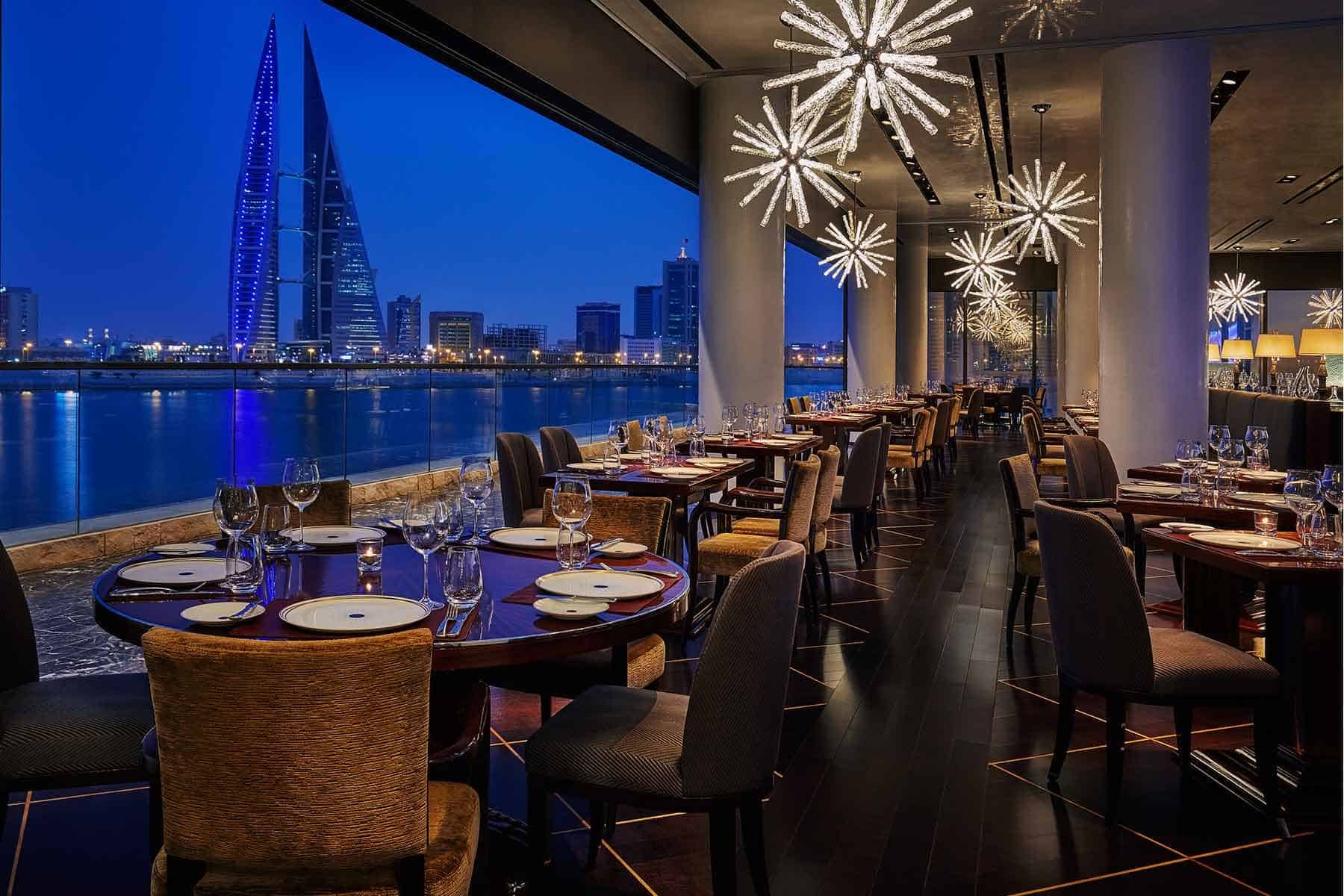
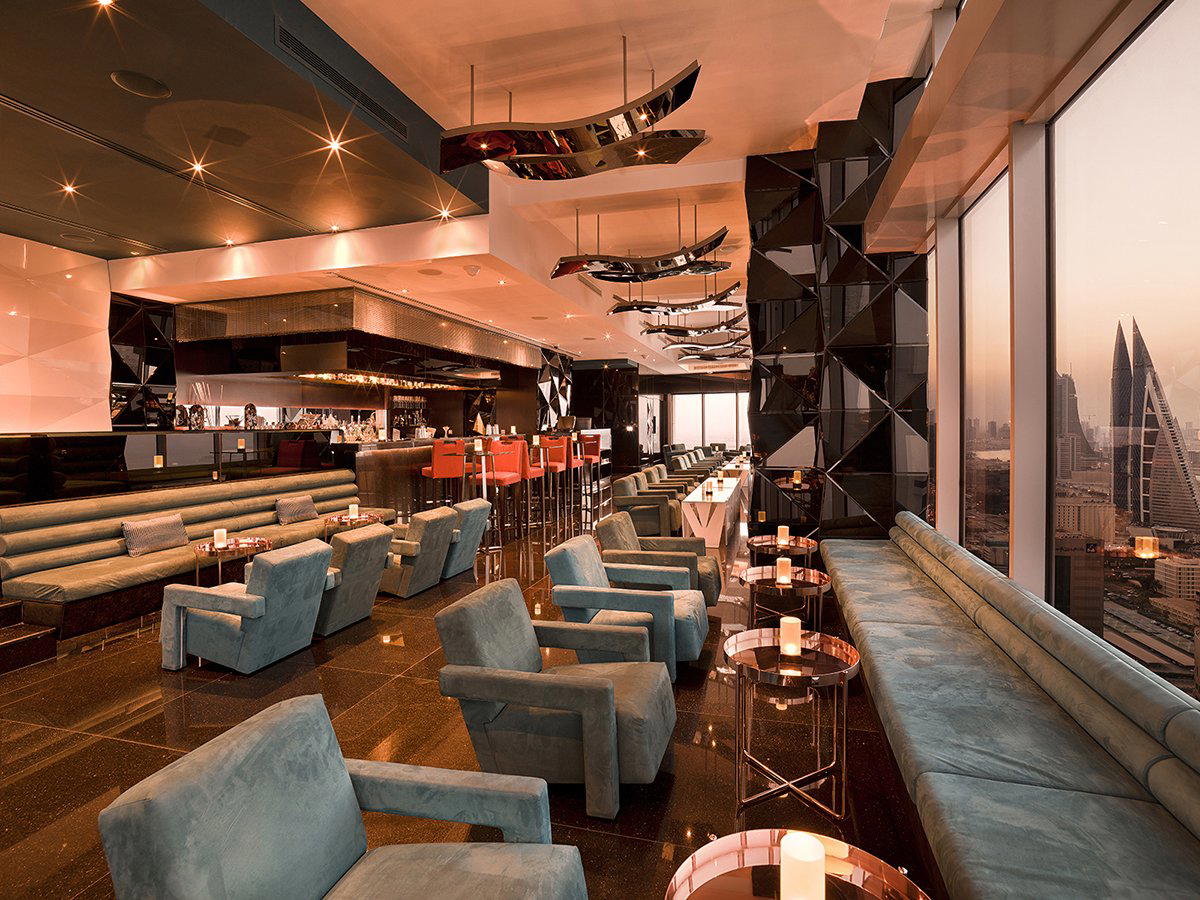
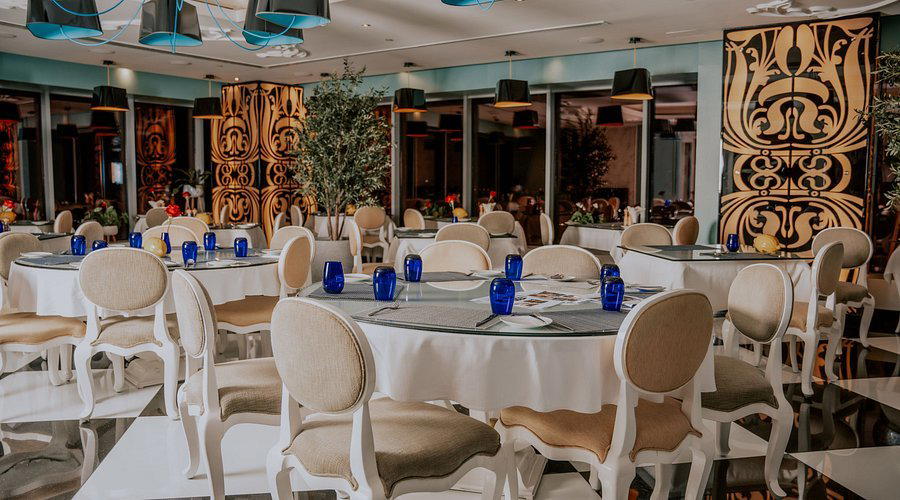
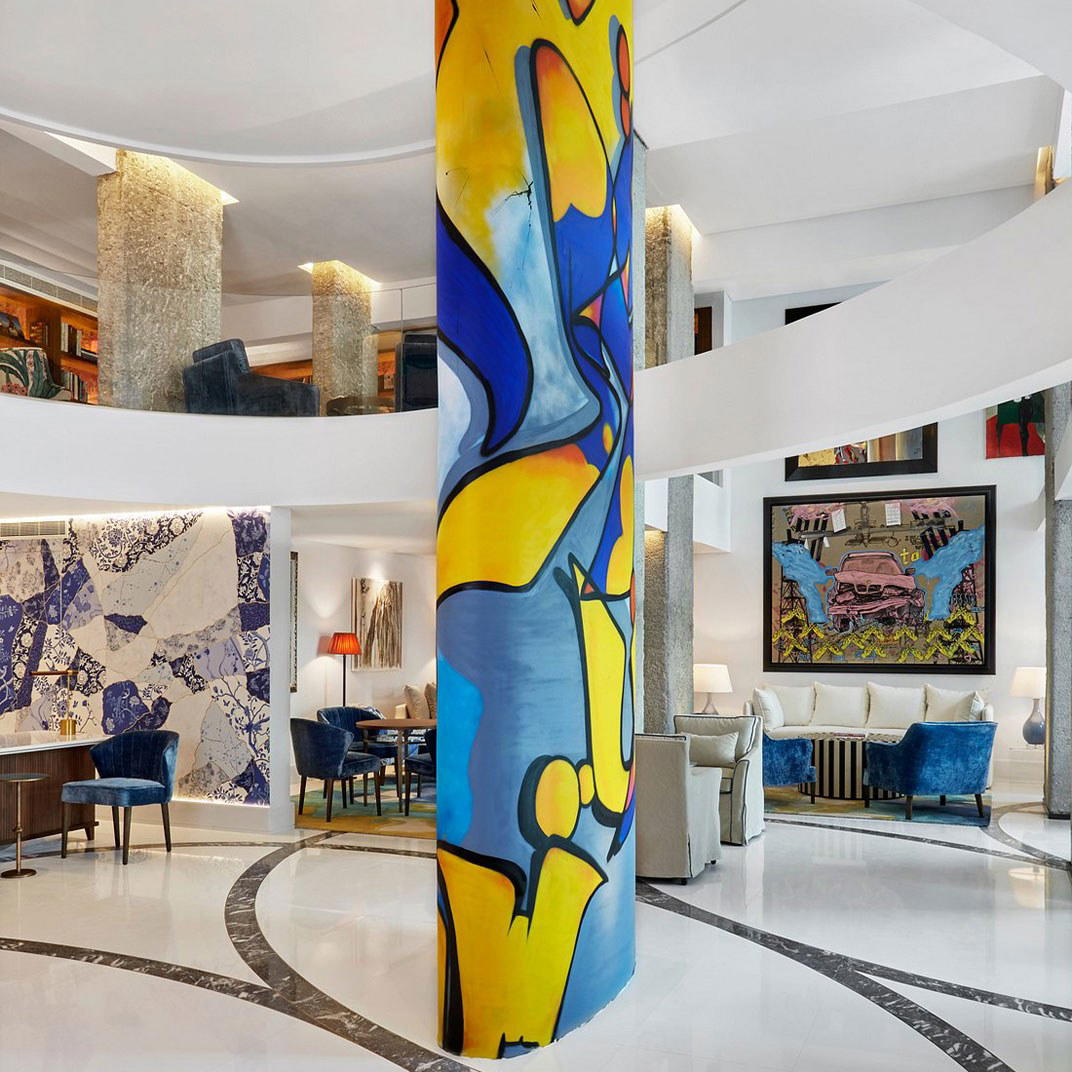
Charming and lively with chunky wooden panelling, exposed brick, and patterned Victorian floor tiles, creating a cosy atmosphere inspired by traditional Italian flour factories.