Our verdict
A Mexican cantina concept in Bahrain's Al Seef District, Cantina Kahlo draws on the visual and cultural weight of its namesake to signal something more specific than generic Latin dining. Set along the Manama waterfront in a neighbourhood that has developed into one of Bahrain's more varied dining corridors, it occupies genuine white space in a Gulf market where Mexican cuisine remains less common than South Asian or pan-Asian formats.

Pearl is the En Primeur Club membership app — saves, bookings, and concierge access live there. Same editors, same standards.
- Address
- Building 173, Road، Al Seef District، 2803 Al Seef, Manama, Bahrain
- Phone
- +97317586401
- Hours
- Mon–Thu 1–3 PM, 6 PM–12 AMFri–Sat 1–4 PM, 6 PM–12 AMSun Closed
- Website
- ritzcarlton.com
- Directions
- Get directions
- Booking
- Book on SevenRooms
The menu
What to order
- Ceviche
- Tacos
- Pulpo Braseado
- Encacahuatado mole
Mexican Identity in the Gulf: What Cantina Kahlo Represents in Seef
The Al Seef District in Manama has developed into one of Bahrain's more considered dining corridors, where waterfront promenades and mixed-use developments have drawn a range of restaurant concepts competing for residents, expatriates, and visitors with appetite for variety. Within that mix, Mexican cuisine occupies a particular position: it travels well culturally, carries strong visual and flavour associations, and tends to perform in markets where diners are accustomed to international formats. Cantina Kahlo, positioned at Building 173 along the Al Seef road, enters that context as a named concept with obvious curatorial intent, drawing on the cultural weight of Frida Kahlo to signal a specific aesthetic register and a Mexican identity that reaches beyond the generic.
The name itself is a positioning statement. Frida Kahlo's visual language, rooted in folk art, bold colour, and a distinctly Mexican self-consciousness, has become shorthand globally for a kind of expressive, culturally grounded Mexican identity. Restaurants that invoke it are making a claim about atmosphere and seriousness of cultural reference, one they then either substantiate or fail to deliver on. In a district that includes European café formats like Café Lilou and Italian-leaning concepts like Fatto, a Mexican cantina concept with this kind of visual anchoring occupies a distinct lane.
The Cultural Architecture of the Cantina Format
Cantina as a dining format has roots in colonial Mexico, originally functioning as informal neighbourhood taverns serving simple food alongside drink. Contemporary cantina concepts outside Mexico have largely reinterpreted the format in one of two directions: the fast-casual, high-volume model built around burritos and margarita pitchers, or the more deliberate cultural presentation that treats Mexican cooking as a serious regional cuisine with geographic and historic specificity. The latter is the more difficult positioning to sustain, because it requires a kitchen that understands regional distinctions, from Oaxacan moles to Yucatecan achiote preparations, rather than treating Mexico as a monolithic flavour profile.
In markets like Bahrain, where Mexican restaurants remain less common than South Asian, Arabic, or pan-Asian formats, the cantina concept holds comparative novelty. Diners at this end of the market, the Al Seef District demographic skewing toward professional expatriates and locally cosmopolitan Bahrainis, tend to bring reference points from travel rather than deep familiarity with regional Mexican cooking. That creates both freedom and responsibility: the concept can define the terms of engagement without competing against deeply informed expectations, but it also means the cultural framing in the room does a lot of the work.
Seef's Dining Context and Where Cantina Kahlo Sits
Seef and the adjacent Al Seef waterfront have matured as a dining district over the past several years, moving beyond mall-anchored chains toward a more varied independent and semi-independent restaurant scene. The broader Manama area supports some of the Gulf's more ambitious dining, including concepts like Fusions by Tala in Manama, which approaches Bahraini culinary identity through a contemporary lens, and premium international formats like CUT by Wolfgang Puck in Alwajeha Albahriya, which places Bahrain within a global fine-dining network. Korean dining has also found an audience, with venues like Seoul Restaurant and Lounge in Manama signalling the breadth of international cuisine the market now absorbs. Against that range, a Mexican cantina concept operates in genuine white space.
The comparison to note is with concepts like Villas Mamas in Al Markh, which frames North African cuisine through a similarly strong cultural identity and residential aesthetic. Both operate in the register of cuisine-as-cultural-experience rather than cuisine-as-international-standard. That register tends to attract diners who are choosing the room and the cultural atmosphere as much as the specific dishes, which puts pressure on visual coherence, music, and service personality as much as kitchen execution.
Atmosphere and What the Room Is Doing
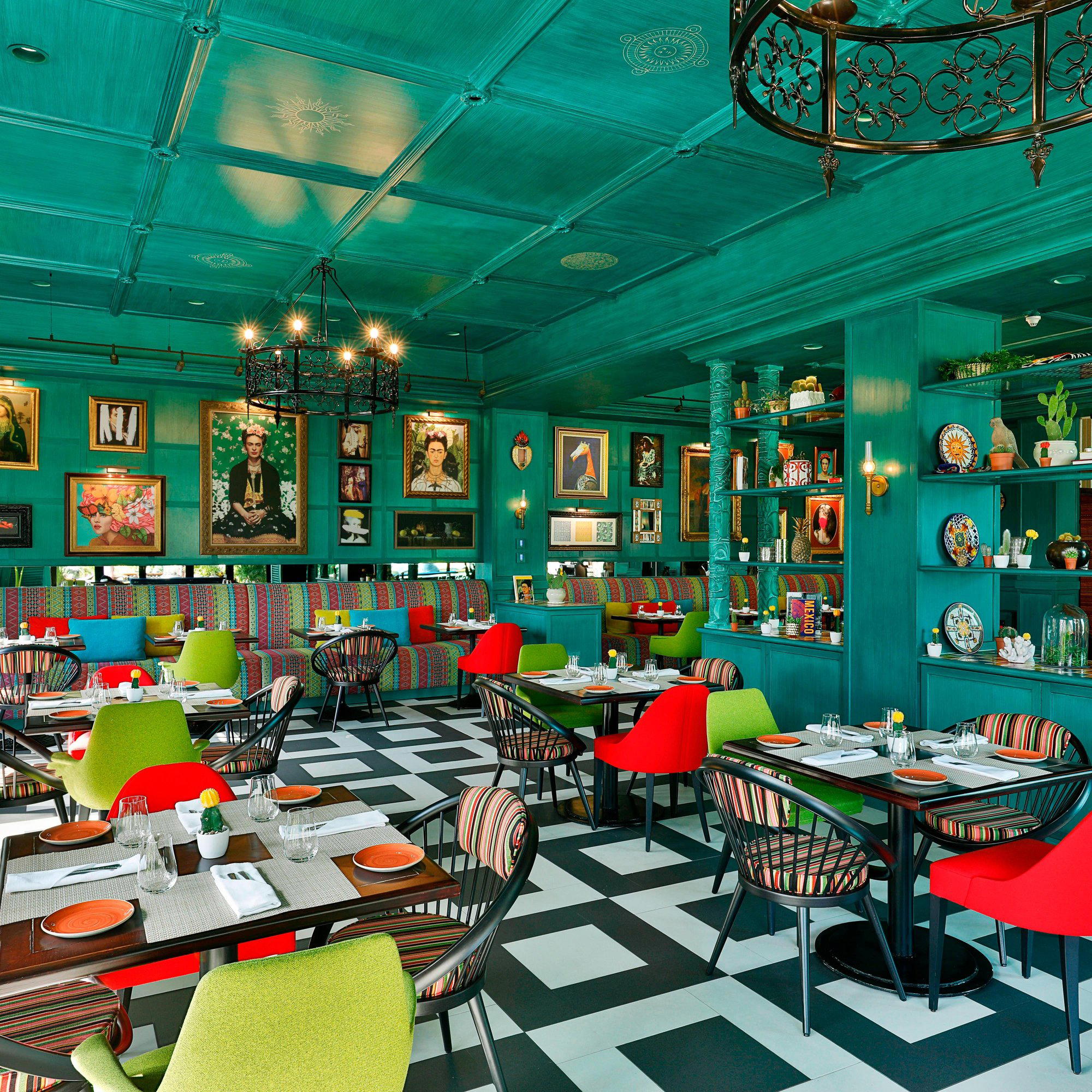
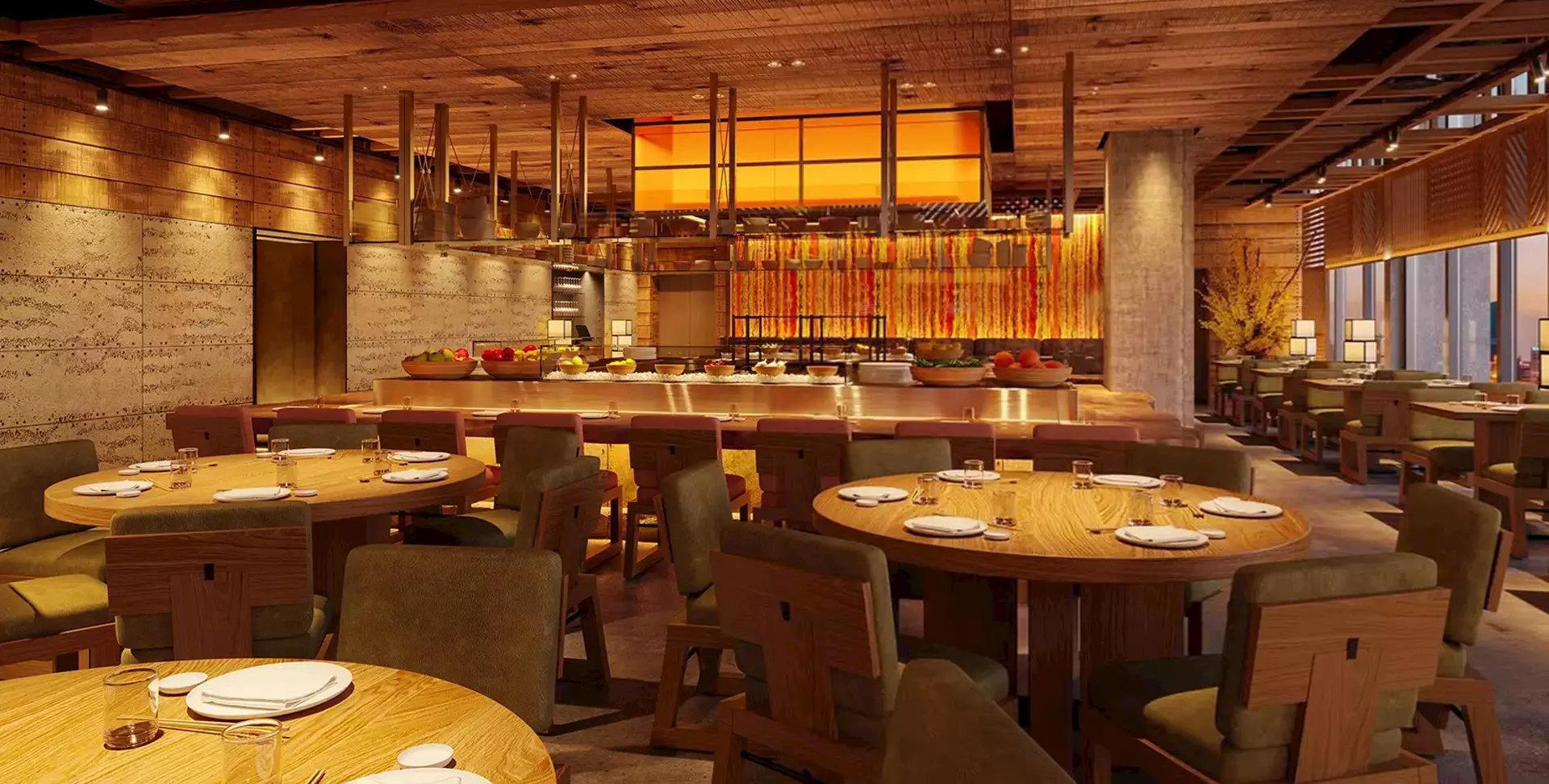
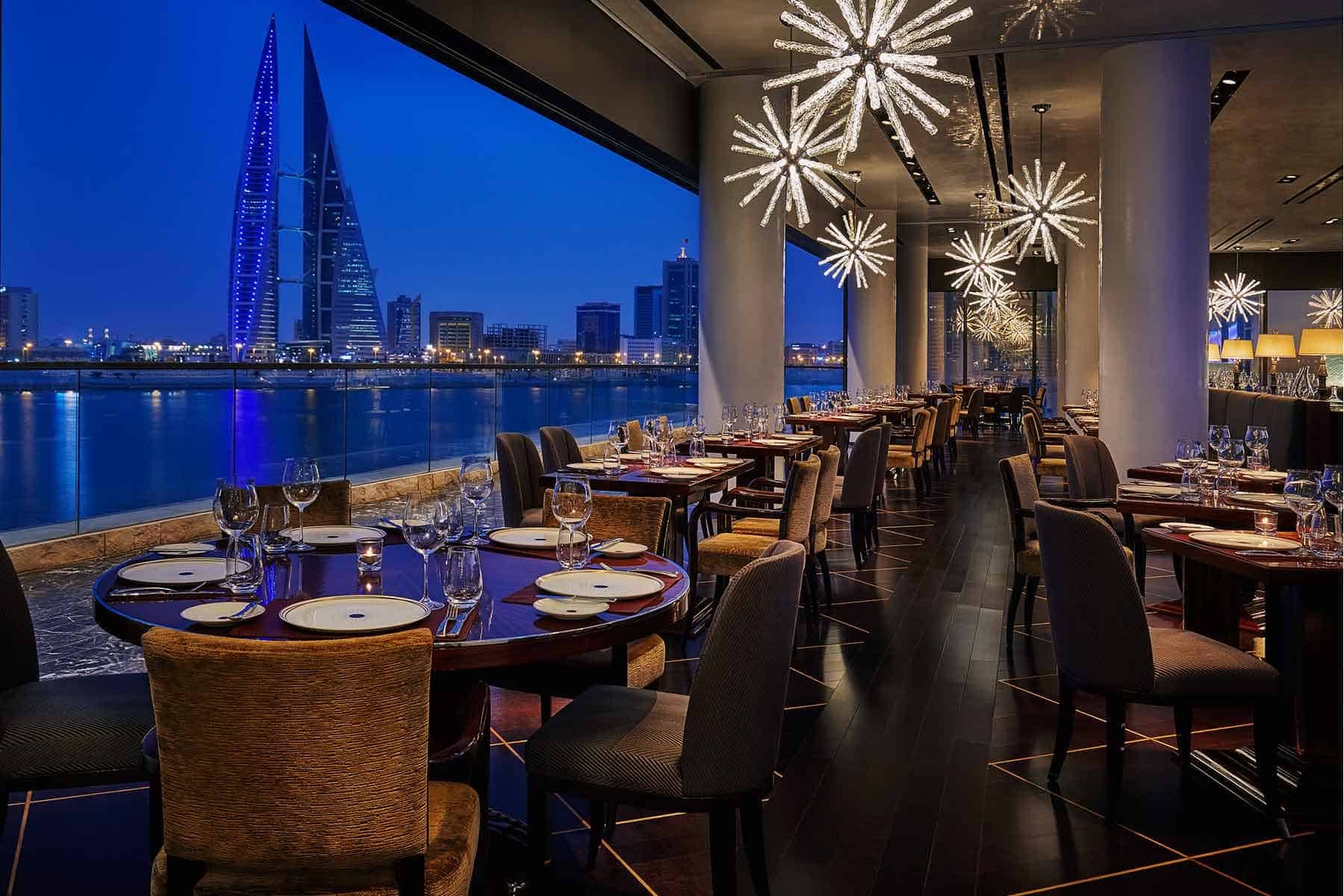
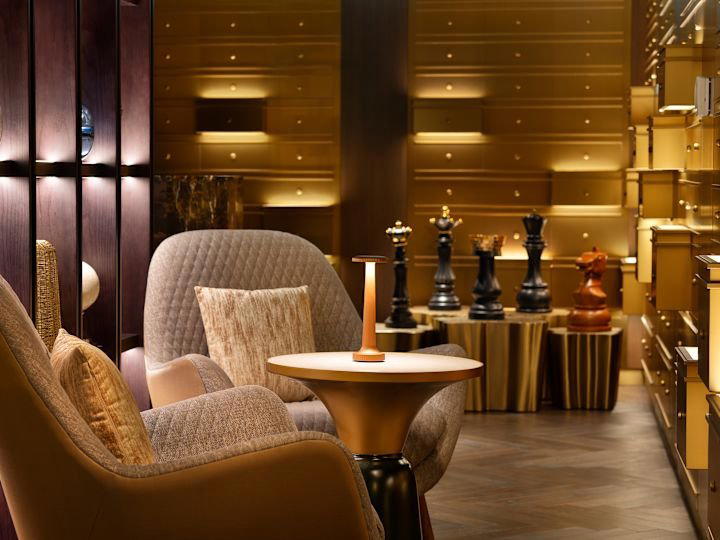
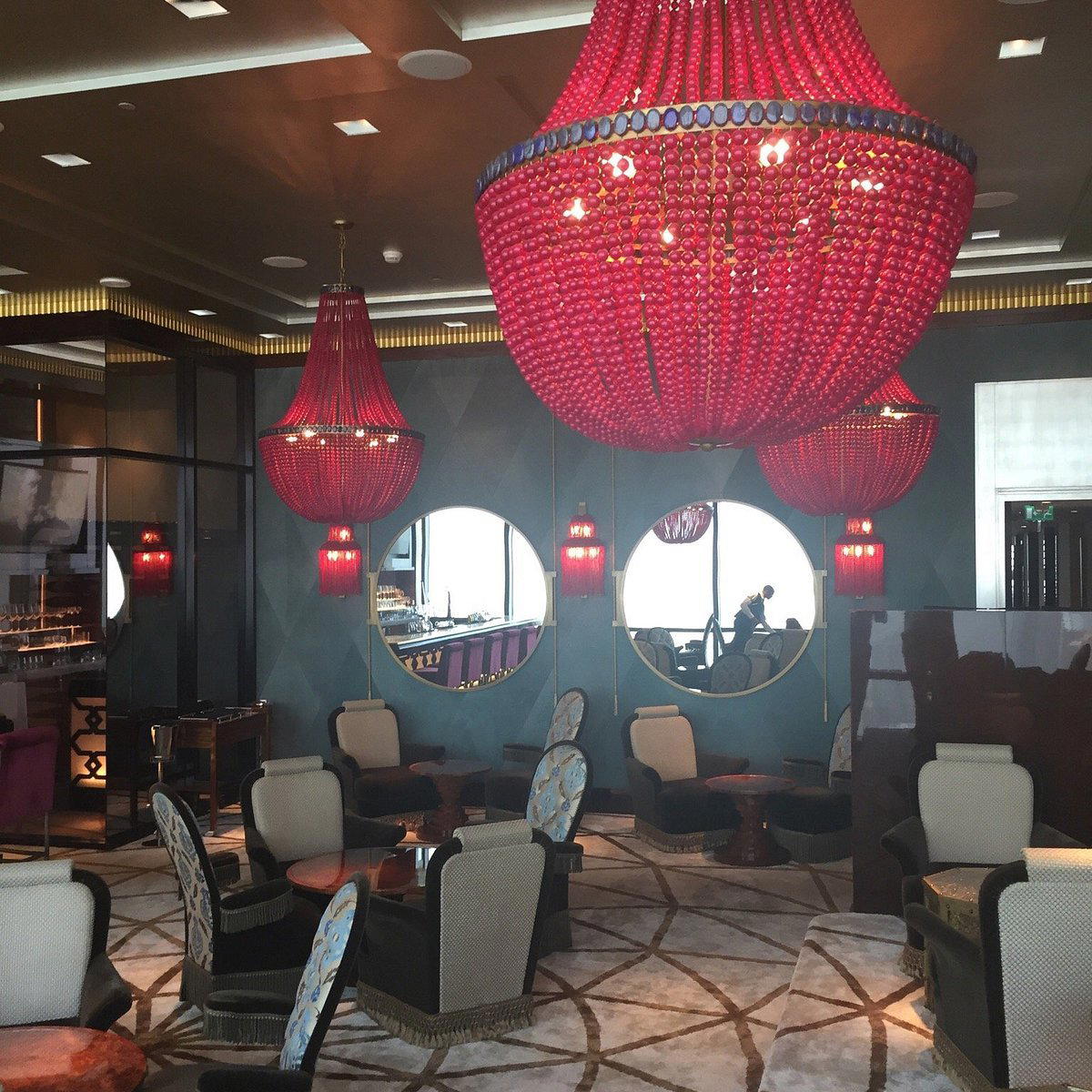
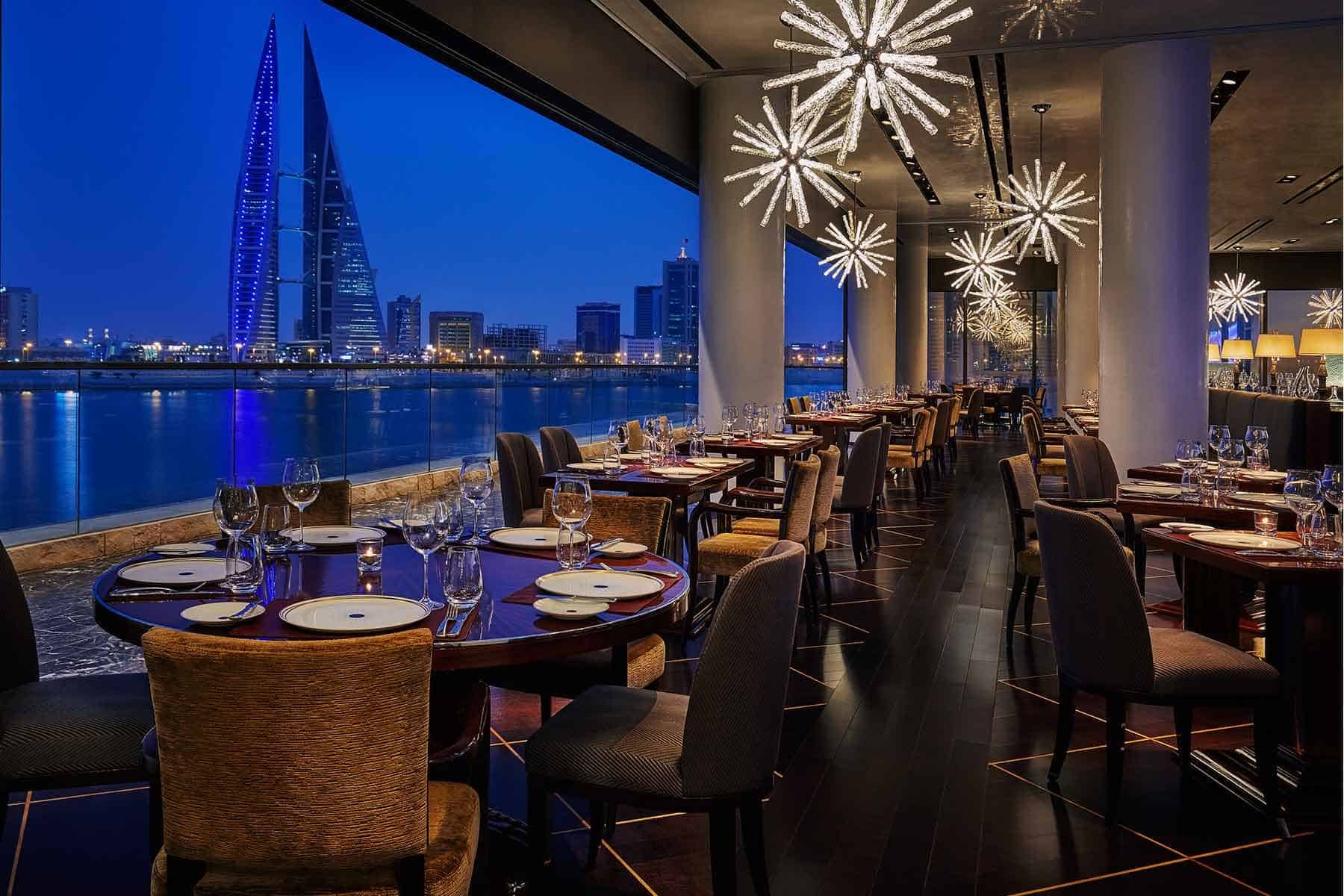
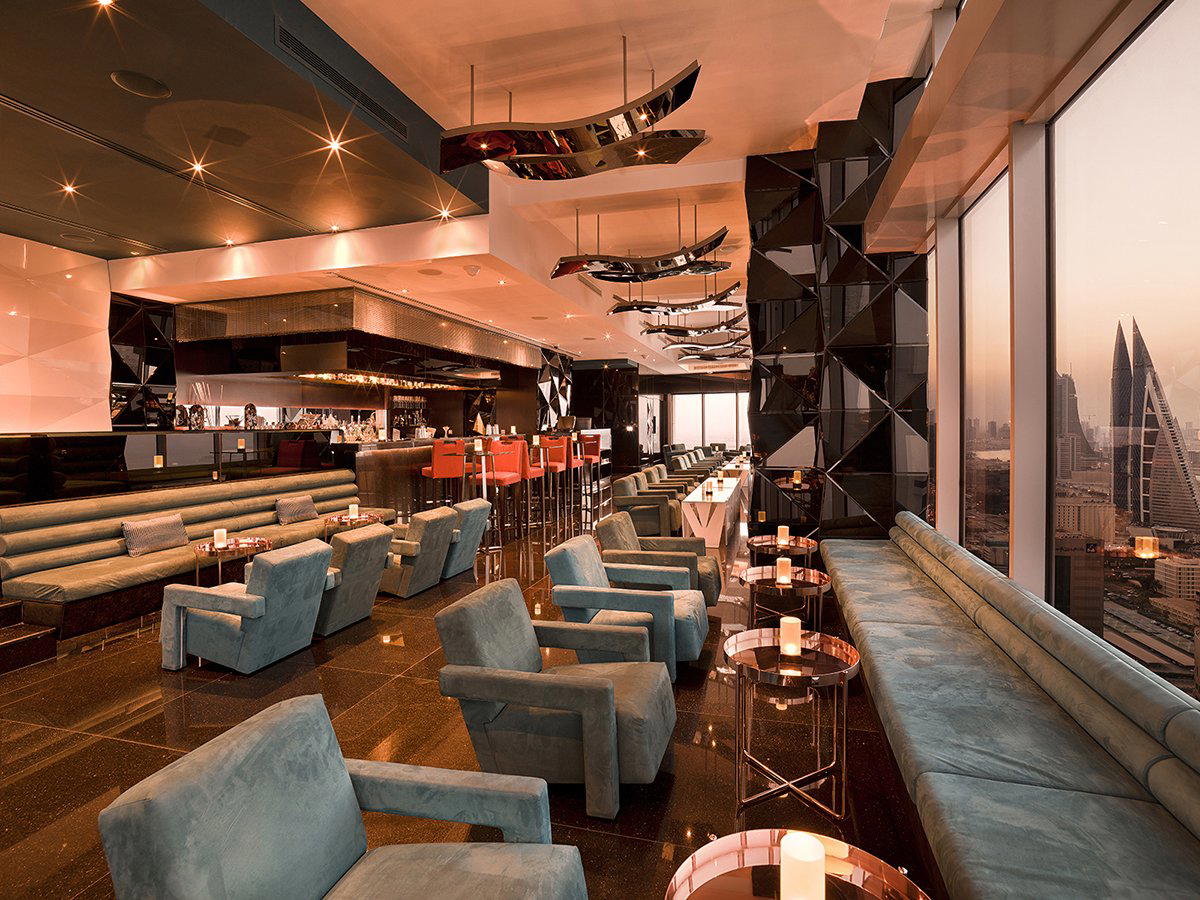
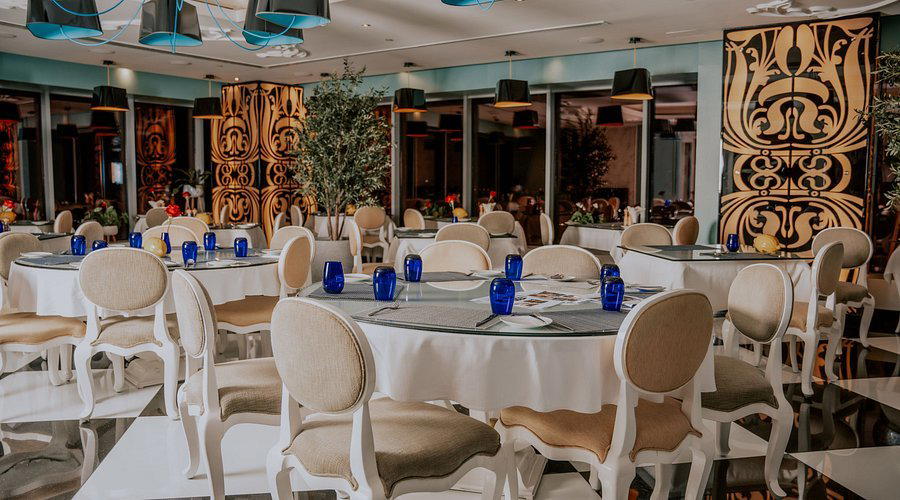
The structural assignment here matters. A cantina concept named for Frida Kahlo is making a bet on immersion: the expectation is colour, reference, and sensory texture that transports rather than simply feeds. In Mexican restaurant design globally, this tends to manifest through hand-painted tiles, botanical motifs, warm amber lighting, and the kind of curated folk-art installation that signals research rather than shorthand. Whether Cantina Kahlo in Al Seef delivers on that promise at the level its naming claims is something a visit confirms; what the name signals is the aspiration toward a particular kind of cultural density in the room.
Cantina format also typically implies a drink program with as much weight as the food. In many Mexican dining contexts internationally, the bar is the anchor and the kitchen the support structure. Agave spirits, from tequila to mezcal, have moved from cocktail-bar curiosity to a serious category with regional and production distinctions that serious programs now engage with. In a Gulf market where alcohol availability depends on venue licensing, the degree to which a cantina concept can build a full agave-led program varies, but the cultural associations of the format remain consistent regardless.
Mexican Cuisine as a Serious Category
It is worth stating clearly that Mexican cooking, at its most serious, belongs in the same conversation as the world's most complex regional cuisines. UNESCO's inscription of traditional Mexican cuisine as an Intangible Cultural Heritage of Humanity in 2010 formalised what food scholars had argued for decades: the depth of pre-Columbian agricultural knowledge, the layering of indigenous and colonial influences, and the regional specificity of preparations from Veracruz to Baja California constitute a culinary tradition with the same rigour and historicity as French or Japanese cooking. Venues like Le Bernardin in New York City or Atomix in New York City demonstrate what culinary seriousness looks like when a cuisine is treated with full technical and cultural attention. A cantina concept that names itself after one of Mexico's most celebrated cultural figures implicitly invites comparison to that standard of intentionality, even at a more casual format level.
That context does not diminish the cantina as a format. It simply raises the question of what the kitchen is doing with the tradition. Are the salsas made in-house from dried chiles with distinct heat profiles? Is the guacamole prepared to order? Do the proteins reflect regional Mexican preparations or a broadly Latin approximation? These are the questions a culturally grounded concept invites, and they are the questions a return visit answers more reliably than a first impression.
Planning a Visit
Cantina Kahlo is located at Building 173 in the Al Seef District, Manama, with the waterfront promenade making the area navigable on foot once you arrive by car or taxi. The Al Seef District is well served by ride-share from central Manama. For a fuller picture of what the Seef dining corridor offers alongside Cantina Kahlo, the full Seef restaurants guide maps the neighbourhood's range across formats and price points. Readers interested in how ambitious dining looks elsewhere across the EP Club network can reference Michelin-recognised venues such as HAJIME in Osaka, Reale in Castel di Sangro, Uliassi in Senigallia, Waterside Inn in Bray, Atelier Moessmer Norbert Niederkofler in Brunico, Dal Pescatore in Runate, Quattro Passi in Marina del Cantone, Lazy Bear in San Francisco, and Emeril's in New Orleans for reference points on what cultural seriousness in dining produces at its most developed.
Frequently asked questions
Is Cantina Kahlo suitable for children?
The cantina format, rooted in informal neighbourhood dining, tends to suit families more readily than formal tasting-menu venues. Located in the Al Seef District along Manama's waterfront promenade, the setting is pedestrian-friendly and relaxed in orientation.
What's the overall feel of Cantina Kahlo?
A cantina concept named for Frida Kahlo signals a deliberate visual identity: expect colour, cultural reference, and an atmosphere built around immersion rather than minimalism. The Al Seef District address places it within a waterfront corridor that has moved past mall-anchored dining toward more characterful operators. The room is making a clear aesthetic argument.
How does Cantina Kahlo fit into the broader dining scene in Bahrain's Al Seef District?
Al Seef District has developed over recent years into one of Manama's more considered dining corridors, moving away from purely chain-led offerings toward operators with a clearer identity. Cantina Kahlo, at Building 173 in that district, represents Mexican cuisine in a Gulf market where the category remains less saturated than European or Levantine cooking. That relative scarcity gives a well-executed cantina concept meaningful room to establish itself among Bahrain diners.
What do regulars order at Cantina Kahlo?
What the cantina format historically anchors to is approachable, shareable Mexican cooking: the kind of food that works alongside drinks rather than requiring ceremony.
Where do I go for Cantina Kahlo?
Cantina Kahlo is located at Building 173, Road، Al Seef District، 2803 Al Seef, Manama, Bahrain, Seef.
Can I walk in to Cantina Kahlo?
No booking policy data is published for Cantina Kahlo at this time. The Al Seef waterfront promenade makes the area easy to reach on foot once you arrive in the district, and the cantina format historically operates with a more drop-in sensibility than reservation-led dining rooms.
What's the signature at Cantina Kahlo?
The venue's name ties it to Frida Kahlo, which typically signals a strong visual and cultural programme alongside the food. Mexican cantinas at their most serious anchor around agave spirits and masa-based cooking, though confirming what this Seef kitchen is doing requires a direct inquiry.
Budget Reality Check
| Venue | Cuisine | Price | Awards | Notes |
|---|---|---|---|---|
| Cantina KahloThis venue — the venue you are viewing | Authentic Mexican Street Food | $50–100 | Not listed | Not listed |
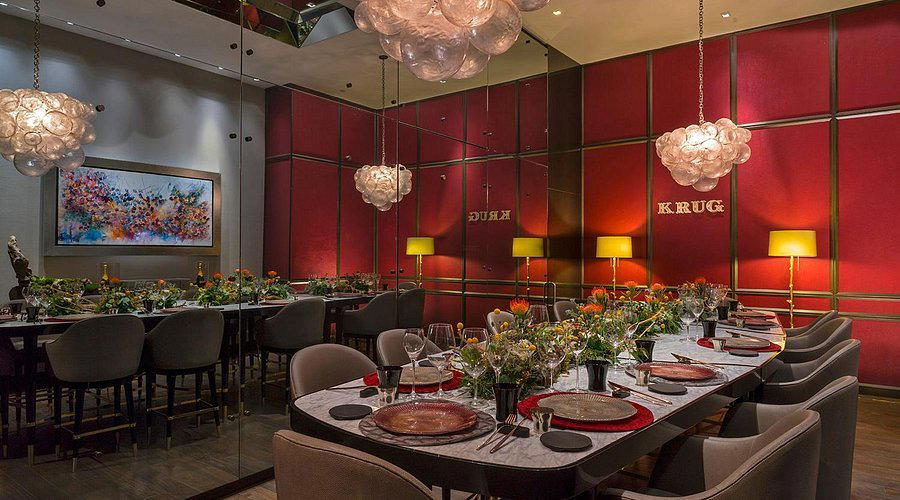
| La Table Krug | French Fine Dining | $100–150 | La Liste Top Restaurants | French Fine |
| Rasoi by Vineet, Gulf Hotel Bahrain | Contemporary Indian Fine Dining | $50–100 | La Liste Top Restaurants | Indian Bahraini |
| Fusions by Tala | Modern Bahraini Fusion | $50–100 | World's 50 Best #6 | Not listed |
| Roka Bahrain | Modern Japanese Robatayaki | $50–100 | Star Wine List | Not listed |
| Masso | Modern Italian Mediterranean | $50–100 | Wine Spectator Award of Excellence · World's Best Wine Lists Awards WBWL 3-Star | Not listed |
Details
- Lively
- Trendy
- Group Dining
- Casual Hangout
- Celebration
- Live Music
- Hotel Restaurant
- Craft Cocktails
- A La Carte
- Small Plates
- Margaritas
- Mezcal Cocktails
- Vegetarian Friendly
Current opening hours
- Monday
- 1–3 PM, 6 PM–12 AM
- Tuesday
- 1–3 PM, 6 PM–12 AM
- Wednesday
- 1–3 PM, 6 PM–12 AM
- Thursday
- 1–3 PM, 6 PM–12 AM
- Friday
- 1–4 PM, 6 PM–12 AM
- Saturday
- 1–4 PM, 6 PM–12 AM
- Sunday
- Closed
Hours can change for holidays and private events. Last verified .
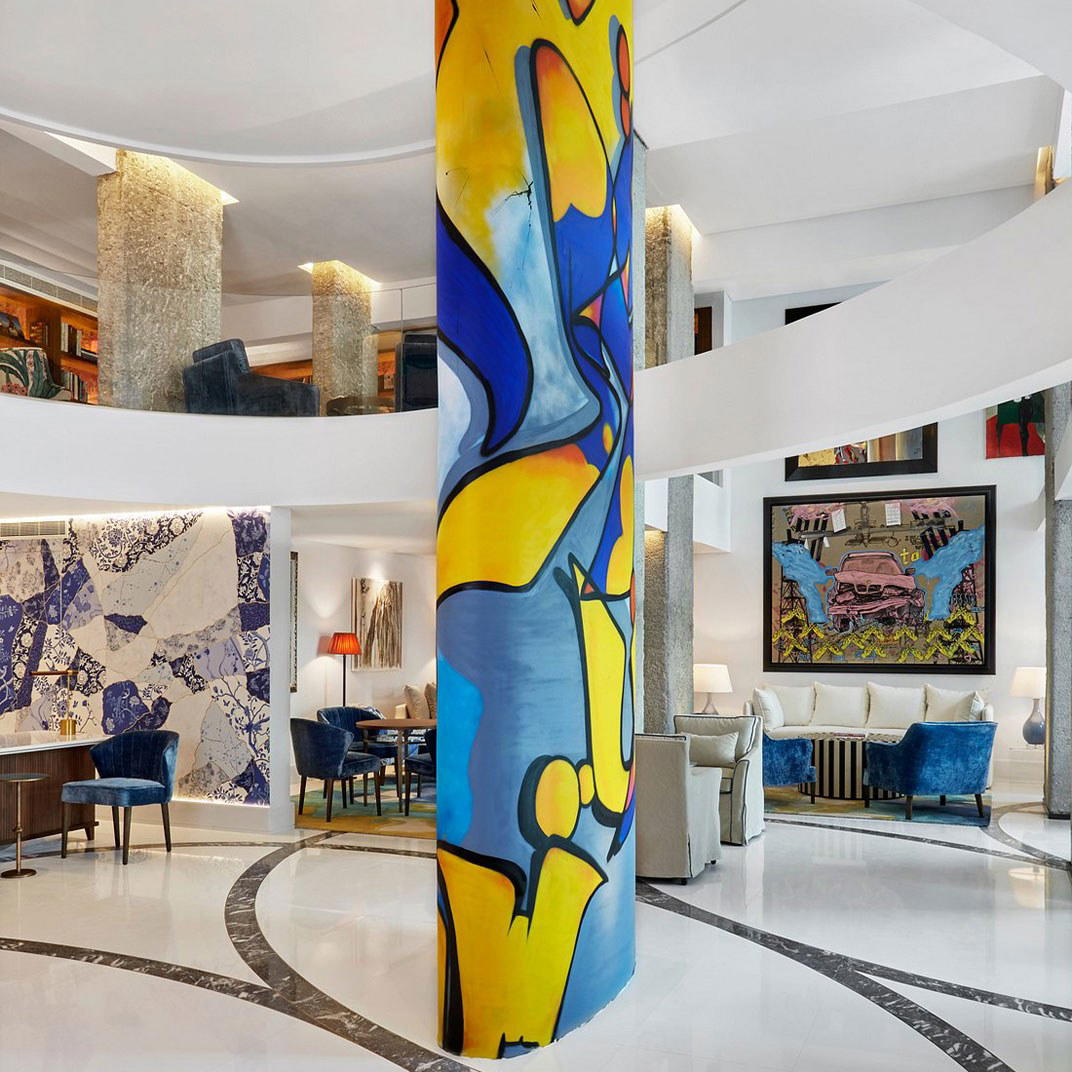
Eye-poppingly bright colors in turquoise, zingy green, and blood red with Frida Kahlo portraits, creating a festive and immersive Mexico City vibe.