CUT by Wolfgang Puck
Our verdict
CUT by Wolfgang Puck brings the celebrated American steakhouse format to Bahrain Bay, placing prime-cut sourcing and the high-heat broiler tradition inside one of Manama's most architecturally considered dining rooms. The address in Alwajeha Albahriya positions it among the Gulf's more deliberate fine-dining destinations, where sourcing provenance and preparation discipline carry more weight than theatre.

Pearl is the En Primeur Club membership app — saves, bookings, and concierge access live there. Same editors, same standards.
- Address
- Building 555, Block 346, Bahrain Bay, Road 4606, Manama, Bahrain
- Phone
- +97317115044
- Hours
- Mon–Tue 12:30–3 PM, 7–11 PMWed–Fri 12:30–3 PM, 7–11:30 PMSat 12:30–3 PM, 7–11 PMSun Closed
- Website
- wolfgangpuck.com
- Directions
- Get directions
The menu
What to order
- Australian Wagyu Ribeye
- USDA Prime Filet Mignon
- Blue Swimmer Crab with Roasted Celery Root
- Philadelphia Cheesesteak
- Banana Cream Pie
- Chocolate Fondant
Bahrain Bay and the Case for Serious Steakhouses in the Gulf
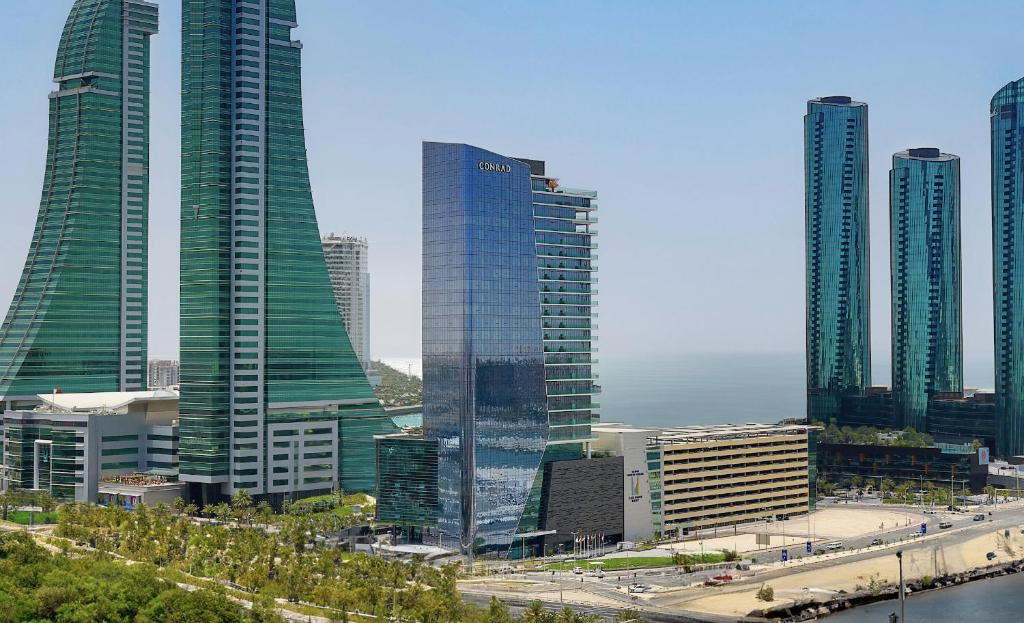
The waterfront district of Alwajeha Albahriya has gradually accumulated the kind of restaurant addresses that signal a city taking its dining infrastructure seriously. CUT by Wolfgang Puck at Building 555 sits squarely inside that logic.
The CUT format, which originated in Beverly Hills and has since operated in Singapore, London, Las Vegas, and a handful of other cities where premium steakhouse culture has taken root, is built on a specific conviction: that the American steakhouse, when pushed into fine-dining territory, is as technically demanding as any European classical tradition. The proposition is not novelty but precision, applied to beef sourcing, dry-aging protocols, broiler temperature, and resting discipline. In Bahrain, that proposition lands in a market where the competition ranges from French-inflected fine dining at properties like La Table Krug to Indian-Bahraini crossover at Rasoi by Vineet at the Gulf Hotel, and casual-premium formats at venues like Roka Bahrain. CUT operates in a different register from all of them.
Sourcing as the Central Argument
Editorial case for any serious steakhouse rests almost entirely on where its beef comes from and what happens to it before service. In the CUT format, this has always been the loudest claim. The broader CUT network has historically drawn from USDA prime-graded American beef alongside Japanese wagyu and Australian grass-fed cuts, giving the menu a comparative structure that functions almost like a tasting framework: the same cut expressed through different breed, feed, and aging philosophies. That sourcing architecture is rare in the Gulf, where many steakhouses default to a single supplier and a single aging approach.
Provenance question matters more in Bahrain than in some other markets because import logistics and cold-chain management in the region add complexity that can erode quality before a cut reaches the broiler. Operators who treat sourcing seriously enough to maintain multiple origin relationships and consistent aging protocols are making a different kind of investment than those who source opportunistically. The CUT model has always been explicit about this, which is part of why it benchmarks against addresses like Le Bernardin in New York City and Waterside Inn in Bray in terms of category seriousness, even though the cuisine types are entirely different. The shared logic is a commitment to sourcing as the primary quality lever, not presentation or room design.
For readers who want to understand how ingredient provenance shapes a menu's identity at the highest level, the work being done at places like Atelier Moessmer Norbert Niederkofler in Brunico, Uliassi in Senigallia, and Piazza Duomo in Alba offers useful reference points, even across culinary traditions. The through-line in each case is that the sourcing decision precedes and constrains every subsequent cooking decision.
The Room and the Format
Walking into a CUT property, the physical environment tends to communicate its priorities before the menu arrives. The design language across CUT locations has historically favoured warm materials, architectural lighting, and a room scale that feels deliberate rather than cavernous. Bahrain Bay's commercial architecture provides the shell; the interior treatment determines whether the room feels like an event or a meal. The format at CUT is primarily a la carte rather than tasting-menu, which is a meaningful distinction in a Gulf market where tasting formats have gained ground among fine-dining operators. A la carte steakhouse dining requires the kitchen to execute at a high level across a longer service window and a wider range of temperatures and doneness preferences simultaneously, which is technically harder than a sequenced tasting menu.
The broader Manama dining scene has become more layered in recent years. Fusions by Tala in Manama represents the creative-casual end of the spectrum, while Café Lilou in Seef operates in the all-day European bistro register. Further afield, Villas Mamas in Al Markh takes a roots-cooking approach to the region. CUT positions itself in none of those categories.
Wolfgang Puck and the Credential Behind the Brand
The CUT name carries weight because of its lineage within Wolfgang Puck's broader restaurant group, which across decades has produced formats ranging from Spago, credited with shifting American fine dining toward California-inflected chef-driven cooking, to the more focused steakhouse discipline of CUT. For readers familiar with how American chef-driven restaurant groups have expanded internationally, the reference points are useful: compare the CUT expansion model with the ambitions of operators like those behind Emeril's in New Orleans or the tightly controlled growth of formats such as Lazy Bear in San Francisco and Atomix in New York City. Each represents a different theory about how a chef's reputation translates across geography. CUT's theory is that format discipline and sourcing consistency can carry the brand's core argument into new markets without dilution.
In Bahrain, that matters because the market is small enough that reputation travels fast and misfires are remembered. The international dining references that Bahraini residents and Gulf visitors carry with them, from experiences at places like HAJIME in Osaka, Reale in Castel di Sangro, Dal Pescatore in Runate, Quattro Passi in Marina del Cantone, or Le Calandre in Rubano, set a calibration bar that local operators now compete against. CUT enters that conversation with an established format rather than a local debut, which is simultaneously an advantage and a constraint.
For context on how the Bahraini dining scene fits into the wider Gulf and regional picture, our full Alwajeha Albahriya restaurants guide maps the competitive field across categories and price tiers. Korean dining options in the capital, such as Seoul Restaurant and Lounge in Manama, illustrate how diverse the city's offer has become outside the traditional steakhouse and French fine-dining axis.
Planning Your Visit
CUT by Wolfgang Puck is located at Building 555, Block 346, Bahrain Bay, Road 4606, Manama. The Bahrain Bay address is accessible by car from central Manama in under fifteen minutes and is within reasonable distance of the major hotels that serve business and leisure visitors to the capital. Given the format and the room's position within the fine-dining tier, evening reservations are advisable, particularly on weekends when the Bay area draws significant foot traffic from both residents and regional visitors. Specific pricing, hours, and booking contact details are best confirmed directly with the venue, as these details are subject to change and were not available at the time of publication.
Frequently asked questions
Can I bring kids to CUT by Wolfgang Puck?
CUT by Wolfgang Puck in Bahrain Bay sits in a formal steakhouse format consistent with the wider Puck restaurant group, which tends to prioritise a composed dining room atmosphere. Families with older children who are comfortable in a structured, table-service setting generally find it appropriate. Younger children or large family groups may find the environment better suited to another occasion. Confirm directly with the restaurant regarding any specific age policies before booking.
What kind of setting is CUT by Wolfgang Puck?
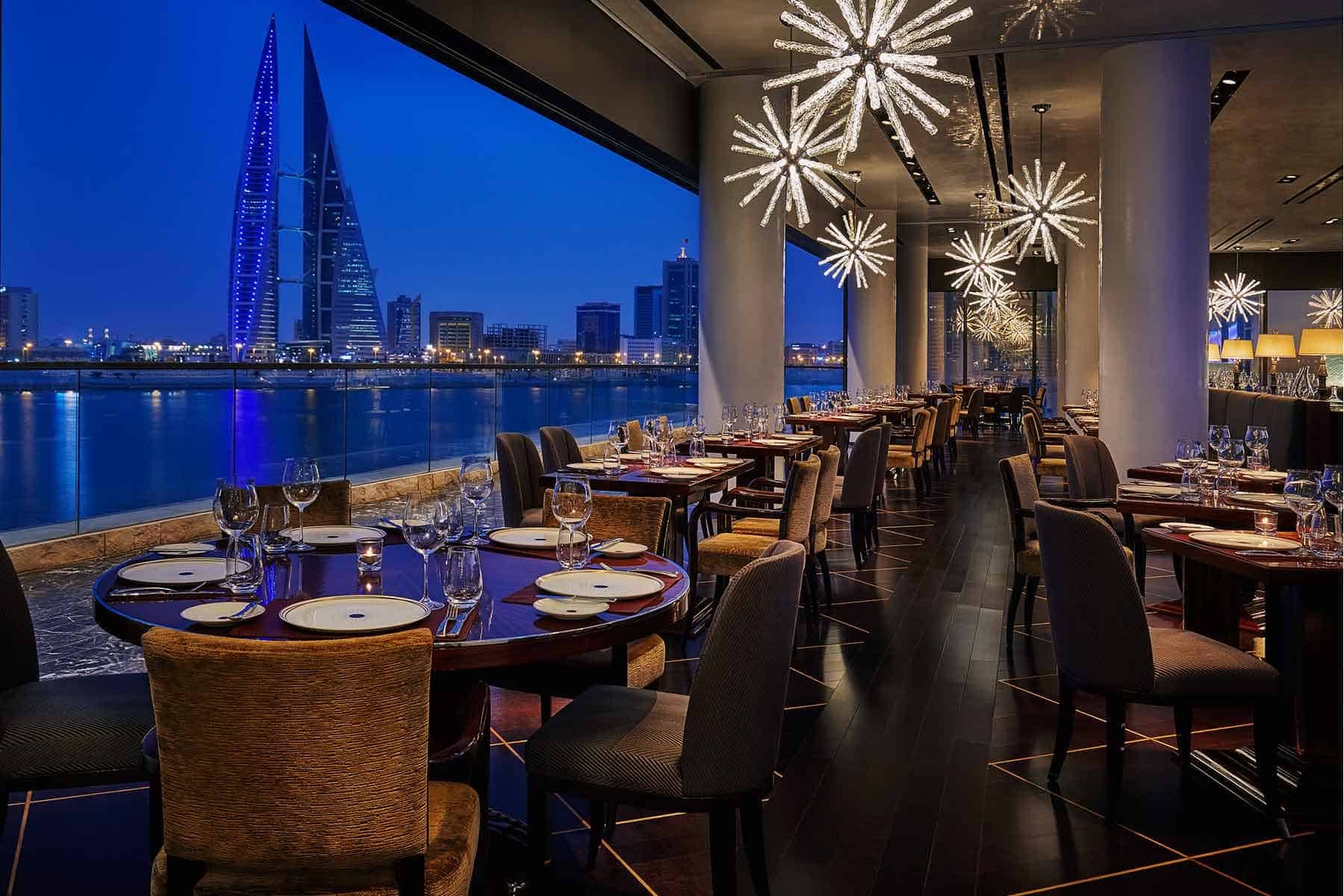
CUT properties are built around a consistent design philosophy: the dining room positions the kitchen's sourcing standards and beef programme as the main event, with interiors that tend toward dark materials, considered lighting, and counter or open-kitchen sightlines. The Bahrain Bay location at Building 555, Block 346 places it within a waterfront commercial district that has drawn several serious restaurant addresses. Expect a formal but not stiff atmosphere, closer in register to a contemporary American steakhouse than a traditional fine-dining room.
Is CUT by Wolfgang Puck in Bahrain Bay part of the same group as the Beverly Hills original?
Yes. CUT by Wolfgang Puck is a flagship brand within the Wolfgang Puck Fine Dining Group, which launched the original CUT in Beverly Hills in 2006 to considerable critical attention, including multiple awards. The Manama outpost at Bahrain Bay, Road 4606, operates under the same group framework, applying the brand's sourcing-led steakhouse format to the Gulf market. It is one of the few international CUT locations outside North America and Europe.
What should I eat at CUT by Wolfgang Puck?
Across CUT locations globally, the core argument is the beef programme: provenance-driven cuts dry- or wet-aged in-house and sourced from named ranches or appellations, prepared over high-heat broilers. Starters built around steak tartare or seafood have been signature features of the format. For the Bahrain Bay location, confirm the current menu directly with the restaurant, as seasonal and regional variations apply.
Comparable Venues
Comparable venues nearby, for context on price, style, and recognition.
| Venue | Cuisine | Price | Notes |
|---|---|---|---|
| CUT by Wolfgang PuckThis venue — the venue you are viewing | Modern American Steakhouse | $150–200 | Not listed |
| Cantina Kahlo | Authentic Mexican Street Food | $50–100 | Seef |
| Villas Mamas | Modern Bahraini Middle Eastern | $50–100 | Al Markh |
| CUT Bahrain | Modern American Steakhouse | $150–200 | Bahrain Bay |
| Haji's Traditional Cafe | Traditional Bahraini | $10–20 | Manama Souq |
| Seoul Restaurant and Lounge (مطعم سيول ذ.م.م) | Korean Restaurant and Lounge | Not listed | المنامة |
Continue exploring
More in Alwajeha Albahriya
Restaurants in Alwajeha Albahriya
Browse all →
Bars in Alwajeha Albahriya
Browse all →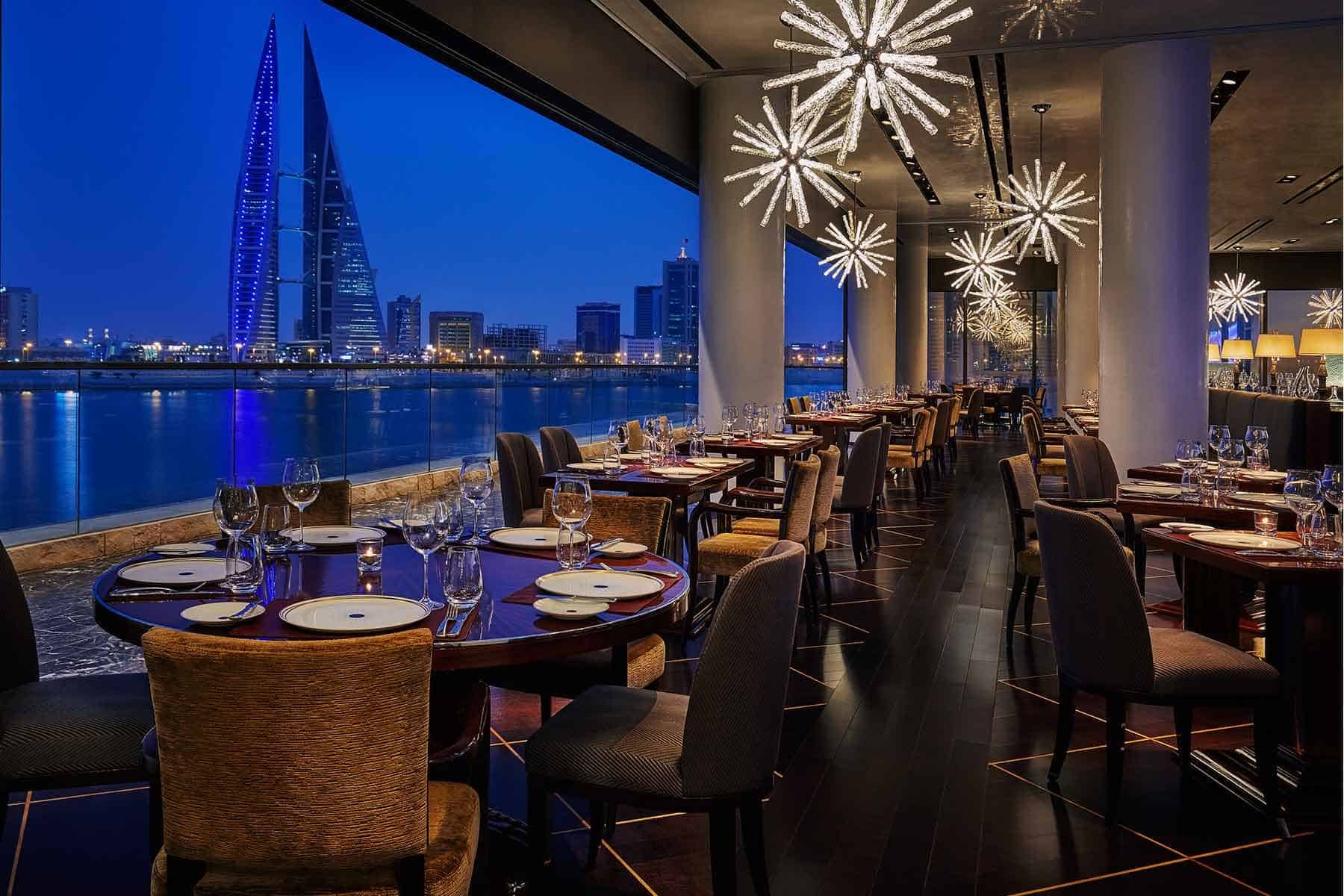
Details
- Elegant
- Sophisticated
- Modern
- Scenic
- Date Night
- Business Dinner
- Celebration
- Special Occasion
- Private Event
- Open Kitchen
- Waterfront
- Panoramic View
- Private Dining
- Hotel Restaurant
- Design Destination
- Extensive Wine List
- Craft Cocktails
- Sustainable Seafood
- Waterfront
- Skyline
- A La Carte
- Prix Fixe
- Counter Dining
- Wine
- Cocktails
- Vegetarian Friendly
- Halal
- Gluten Free Options
- Vegan Options
Current opening hours
- Monday
- 12:30–3 PM, 7–11 PM
- Tuesday
- 12:30–3 PM, 7–11 PM
- Wednesday
- 12:30–3 PM, 7–11:30 PM
- Thursday
- 12:30–3 PM, 7–11:30 PM
- Friday
- 12:30–3 PM, 7–11:30 PM
- Saturday
- 12:30–3 PM, 7–11 PM
- Sunday
- Closed
Hours can change for holidays and private events. Last verified .
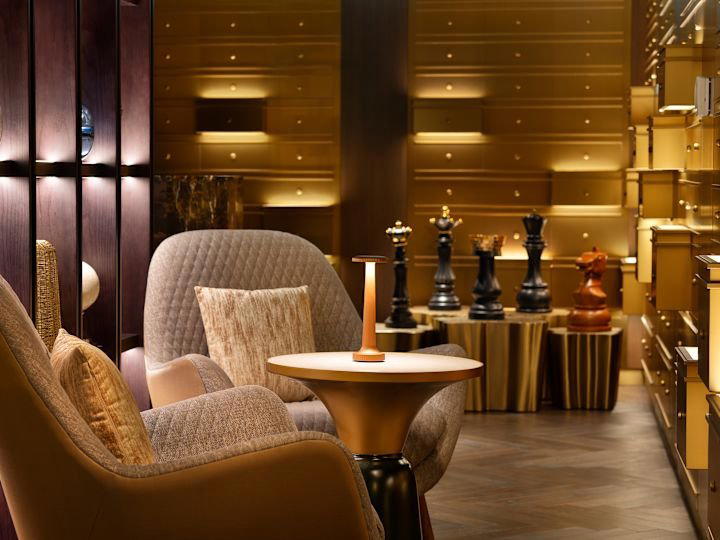
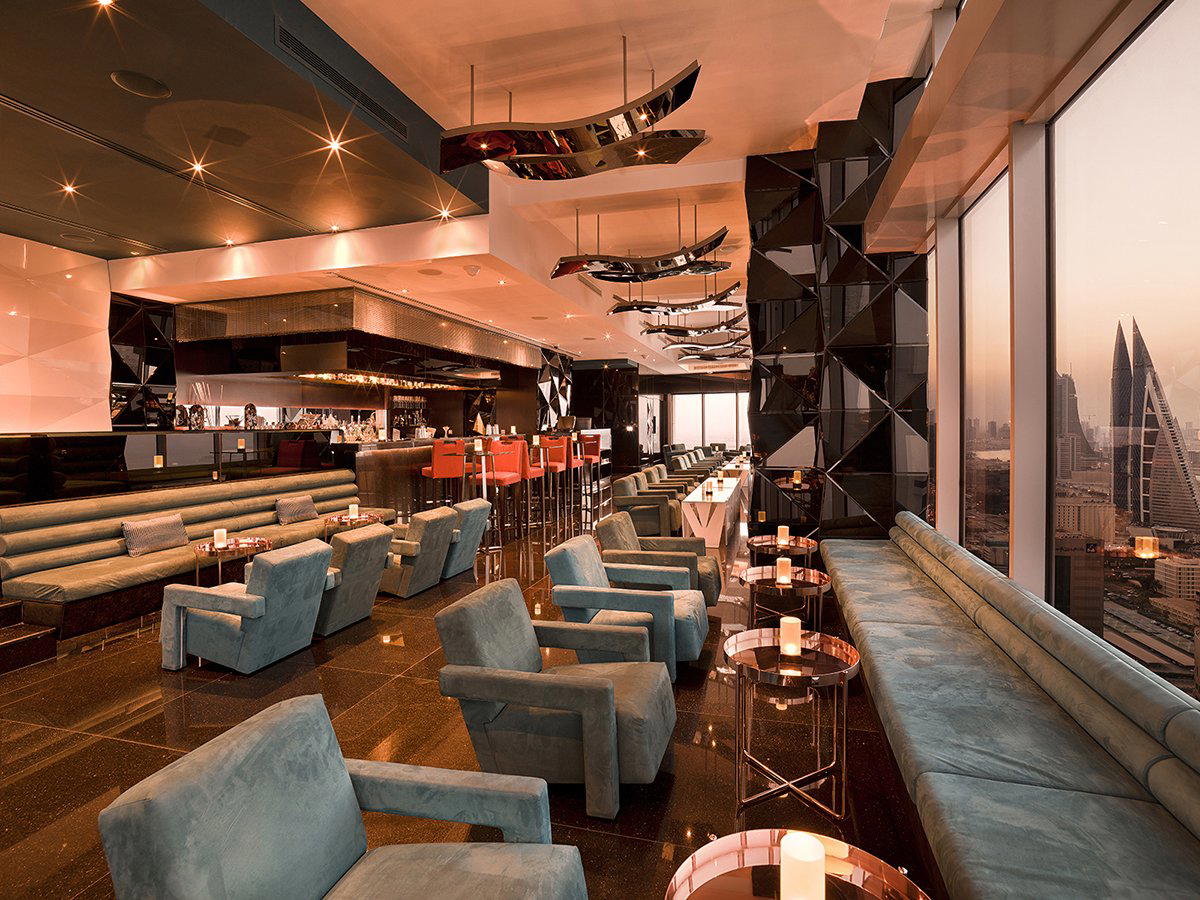
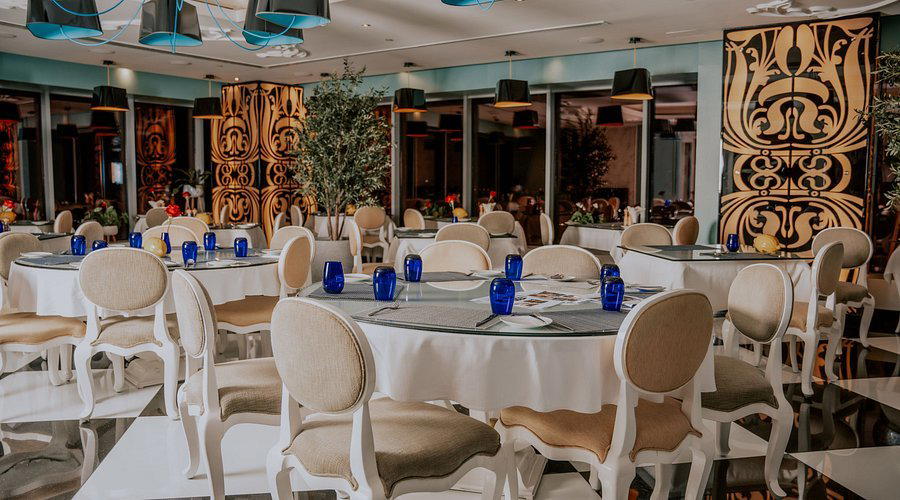
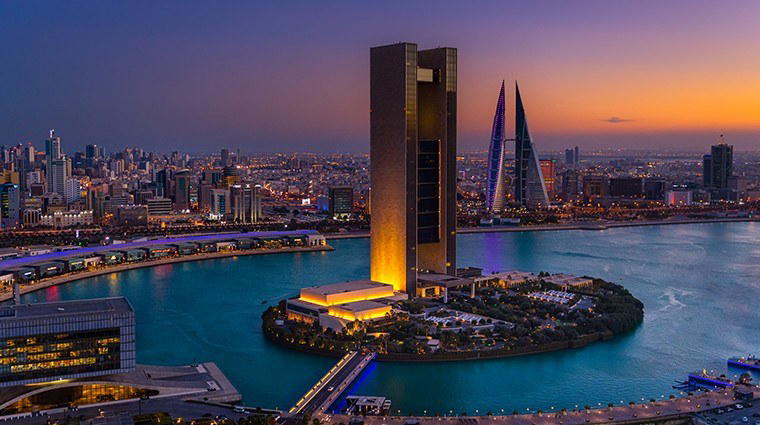
Modern and sleek dining room with warm palm wood and mahogany accents, dramatic staircase entrance, and striking views of the Manama waterfront and hotel grounds; sophisticated yet approachable atmosphere.