Faros Oxford Circus
Faros Oxford Circus occupies a prominent address at 22-24 Great Portland Street, placing it within walking distance of some of London's most competitive dining. The restaurant operates in a part of the West End where the menu's architecture often tells you more than the room does — and at Faros, what the kitchen chooses to serve, and how it structures that offer, is the primary reason to pay attention.
Pearl is the En Primeur Club membership app — saves, bookings, and concierge access live there. Same editors, same standards.
- Address
- 22-24 Great Portland St, London W1W 8QS, United Kingdom
- Phone
- +447796016991
- Website
- farosrestaurant.co.uk
- Directions
- Get directions
 Saves & bookings on Pearl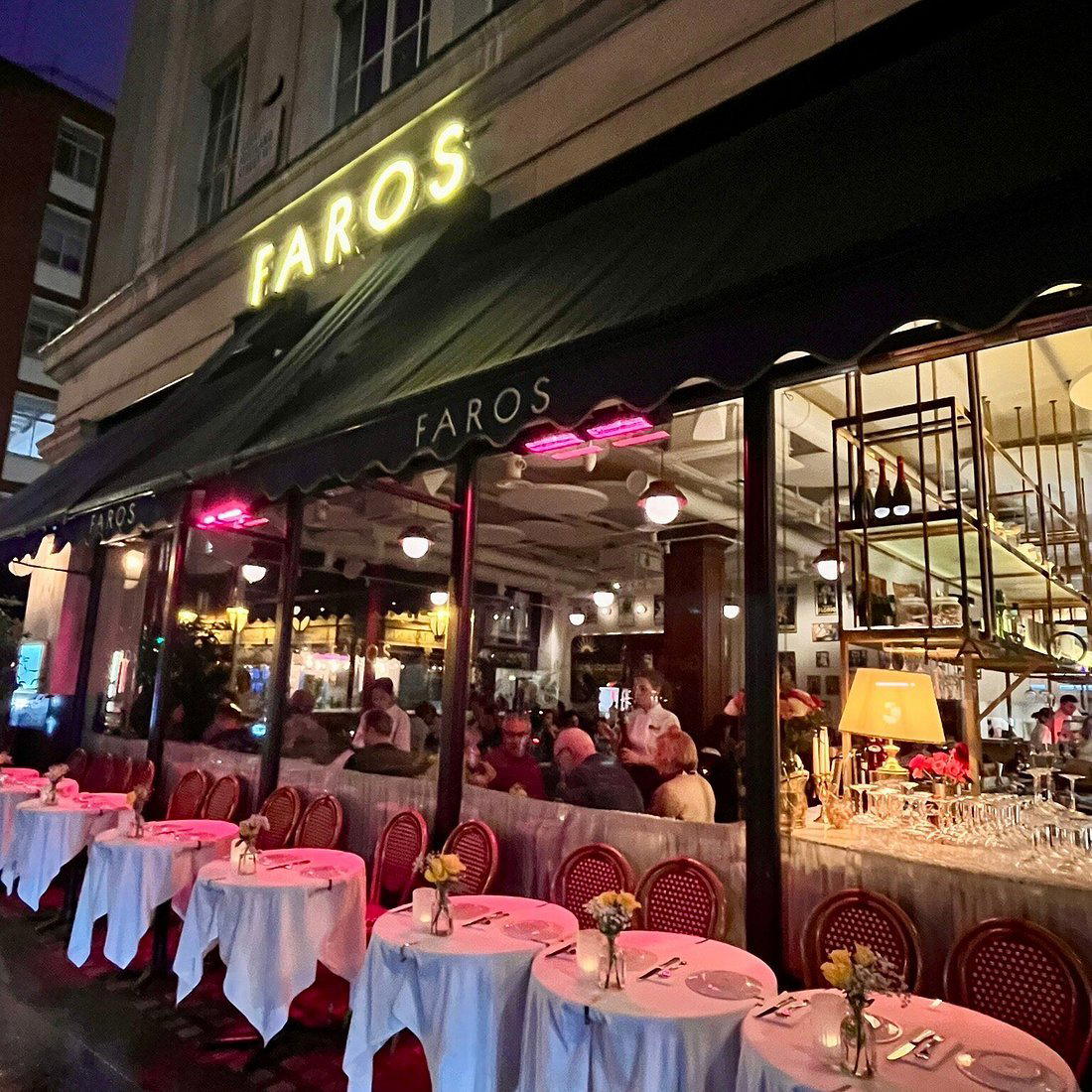
Great Portland Street and the Logic of Neighbourhood Dining
The stretch of Great Portland Street running south from the Fitzrovia border into the Oxford Circus orbit has quietly accumulated a set of restaurants that serve a specific kind of diner: people who work nearby, people who shop the area, and people who want a serious meal without crossing into the more theatrical dining corridors of Mayfair or Covent Garden. It is a neighbourhood defined less by a single culinary identity than by a pragmatic density — the kind of street where a restaurant earns its regulars through consistency rather than spectacle.
Faros Oxford Circus sits at 22-24 Great Portland Street within that framework. The address is not one that announces itself through the cultural weight of, say, the dining rooms attached to the West End's luxury hotel belt. What it offers instead is proximity to a professional and creative audience that treats this part of W1W as a practical base, and whose dining decisions are shaped more by reliability and menu intelligence than by occasion-dressing.
What the Menu Structure Tells You
In London's mid-to-upper restaurant tier, the structure of a menu is one of the more reliable indicators of where a kitchen positions itself. Broad menus with extensive à la carte options signal a kitchen orienting toward volume and accessibility. Tightly edited menus with a shorter range of clearly reasoned choices signal a kitchen betting on depth over breadth. The distinction matters because it shapes everything downstream: sourcing, staffing ratios, table-turn expectations, and the kind of conversation a diner has when they sit down.
The editorial angle at Faros is one that rewards attention to how dishes are grouped and what those groupings imply about the kitchen's priorities. Restaurants in this part of London's West End that achieve durable reputations tend to do so not through a single headline dish but through a menu logic that holds together across multiple visits. The question for any serious diner is whether the structure of what's on offer reflects genuine culinary thinking or simply reflects what sells in the neighbourhood. At Faros, the answer to that question is what separates a first visit from a returning habit.
This is notably different from the approach taken at the city's Michelin-starred flagship rooms. CORE by Clare Smyth, Sketch, The Lecture Room and Library, and The Ledbury operate tasting-menu formats in the ££££ bracket where the menu structure is total and preordained. Restaurant Gordon Ramsay and Dinner by Heston Blumenthal occupy a similar tier where the format itself is the commitment. Faros operates in a different register — one where the reader of the menu retains more agency, and where the kitchen's choices are more exposed as a result.
The West End's Competitive Context
London's dining market has stratified sharply over the past decade. The top tier, dominated by long-form tasting menus, Michelin recognition, and booking windows measured in months, now occupies a clearly separate bracket from everything below it. Between that tier and the casual-dining floor, a substantial middle zone has emerged where restaurants compete on menu intelligence, room quality, and the confidence of their cooking rather than on award credentials alone.
Faros Oxford Circus operates in that middle zone, which is arguably the more demanding commercial position. Restaurants at this level cannot rely on Michelin stars to pre-sell tables, but they face a London audience that has eaten at Waterside Inn in Bray, L'Enclume in Cartmel, and Moor Hall in Aughton, and brings those reference points to the table. The same audience may have visited Gidleigh Park in Chagford, Hand and Flowers in Marlow, or Midsummer House in Cambridge and carries a calibrated sense of what careful cooking looks and tastes like. Even dining rooms outside the UK, such as Le Bernardin in New York City and Lazy Bear in San Francisco, set reference points for what structured, purposeful menus can achieve at different price positions.
That competitive pressure has a useful effect: it filters out restaurants that coast on location alone. Great Portland Street generates enough foot traffic and office proximity to support mediocre restaurants for a time, but the dining audience in this part of London is not a forgiving one. The restaurants that last here tend to be those where the kitchen has a clear point of view and the menu reflects it.
How to Approach a Meal at Faros
For diners approaching Faros Oxford Circus for the first time, the most productive frame is to read the menu as a document before reading it as a set of options. Note which sections receive the most attention in terms of range and which receive the least. Note where the kitchen appears to have genuine confidence, this is usually where the dish count is smaller and the descriptions are less hedged. Those are the sections worth following.
Restaurants with a strong culinary identity in this price band, whether in London or in comparably positioned rooms like hide and fox in Saltwood, Opheem in Birmingham, Ynyshir Hall in Machynlleth, or Restaurant Andrew Fairlie in Auchterarder, tend to reward diners who follow the kitchen's instinct rather than defaulting to the most familiar item on the page. The same principle applies at Faros: the menu's structure is the most reliable guide available.
For a broader map of where Faros sits among London's restaurant options across all price tiers and cuisine types, our full London restaurants guide provides the context.
Planning Your Visit
Faros Oxford Circus is located at 22-24 Great Portland Street, London W1W 8QS, within a short walk of Oxford Circus and Great Portland Street Underground stations. As with most restaurants in this part of the West End, weekday lunches and pre-theatre windows tend to be the busier service periods, with mid-week evenings offering a more settled pace for guests who prefer unhurried meals.
Address: 22-24 Great Portland St, London W1W 8QS
- Carbonara
- Grönsaksrisotto
- Oxfilé
- Pizza Margherita
- Seafood Risotto
- Tiramisu
How Faros Oxford Circus compares with similar nearby venues.
| Venue | Cuisine | Price |
|---|---|---|
| pahli hill | Indian | ££ |
Continue exploring
More in London
Restaurants in London
Browse all →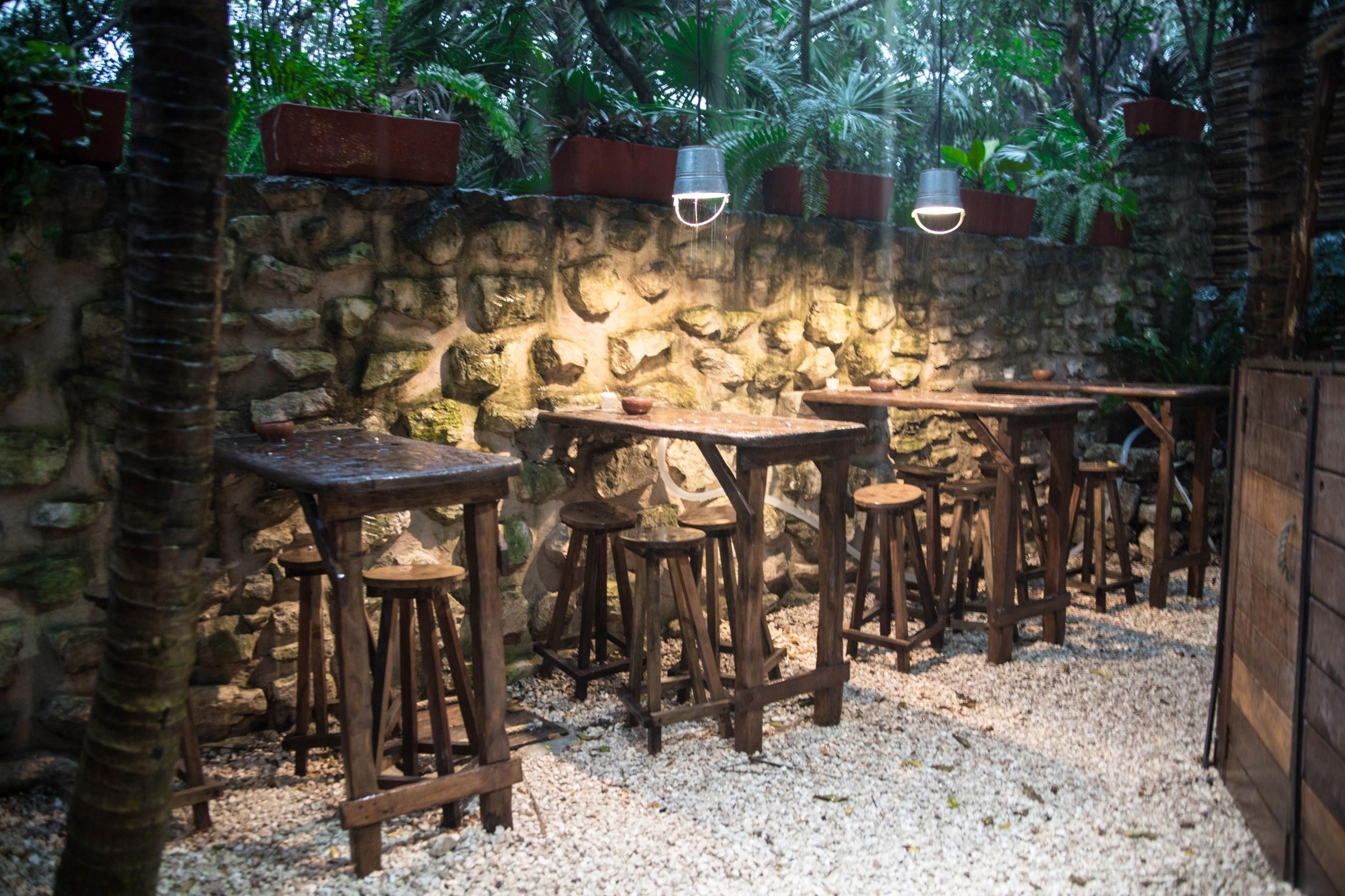
Bars in London
Browse all →
Hotels in London
Browse all →



At a Glance
- Modern
- Romantic
- Elegant
- Lively
- Date Night
- Group Dining
- Casual Hangout
- After Work
- Standalone
- Open Kitchen
- Craft Cocktails
- Beer Program
- Local Sourcing
Current opening hours
- Monday
- 12–11 PM
- Tuesday
- 12–11 PM
- Wednesday
- 12–11 PM
- Thursday
- 12–11 PM
- Friday
- 12–11 PM
- Saturday
- 12–11 PM
- Sunday
- 12–11 PM
Hours can change for holidays and private events. Last verified .
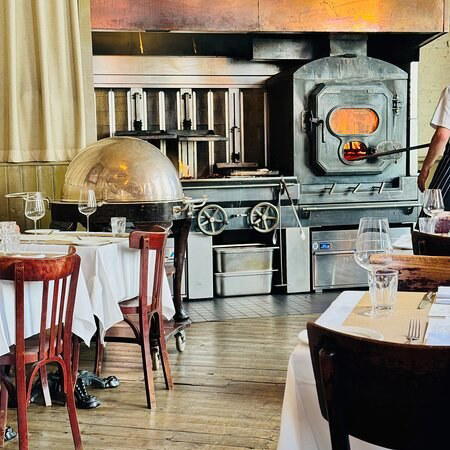
Bright and inviting during the day; moody and quietly buzzy in the evening with flattering lighting that enhances the dining experience.