Farmhouse
Farmhouse on Descanso Drive occupies a quiet but deliberate position in La Cañada Flintridge's compact dining scene, where the suburb's appetite for ingredient-led cooking finds a local address. The name signals an ethos before the door opens: produce proximity, unhurried service, a meal paced like a conversation rather than a transaction. For a community accustomed to driving into Pasadena or Los Angeles for this register of dining, Farmhouse offers a reason to stay local.
Pearl is the En Primeur Club membership app — saves, bookings, and concierge access live there. Same editors, same standards.
- Address
- 1418 Descanso Dr, La Cañada Flintridge, CA 91011
- Phone
- +18189494212
- Website
- farmhousedg.org
- Directions
- Get directions
 Saves & bookings on Pearl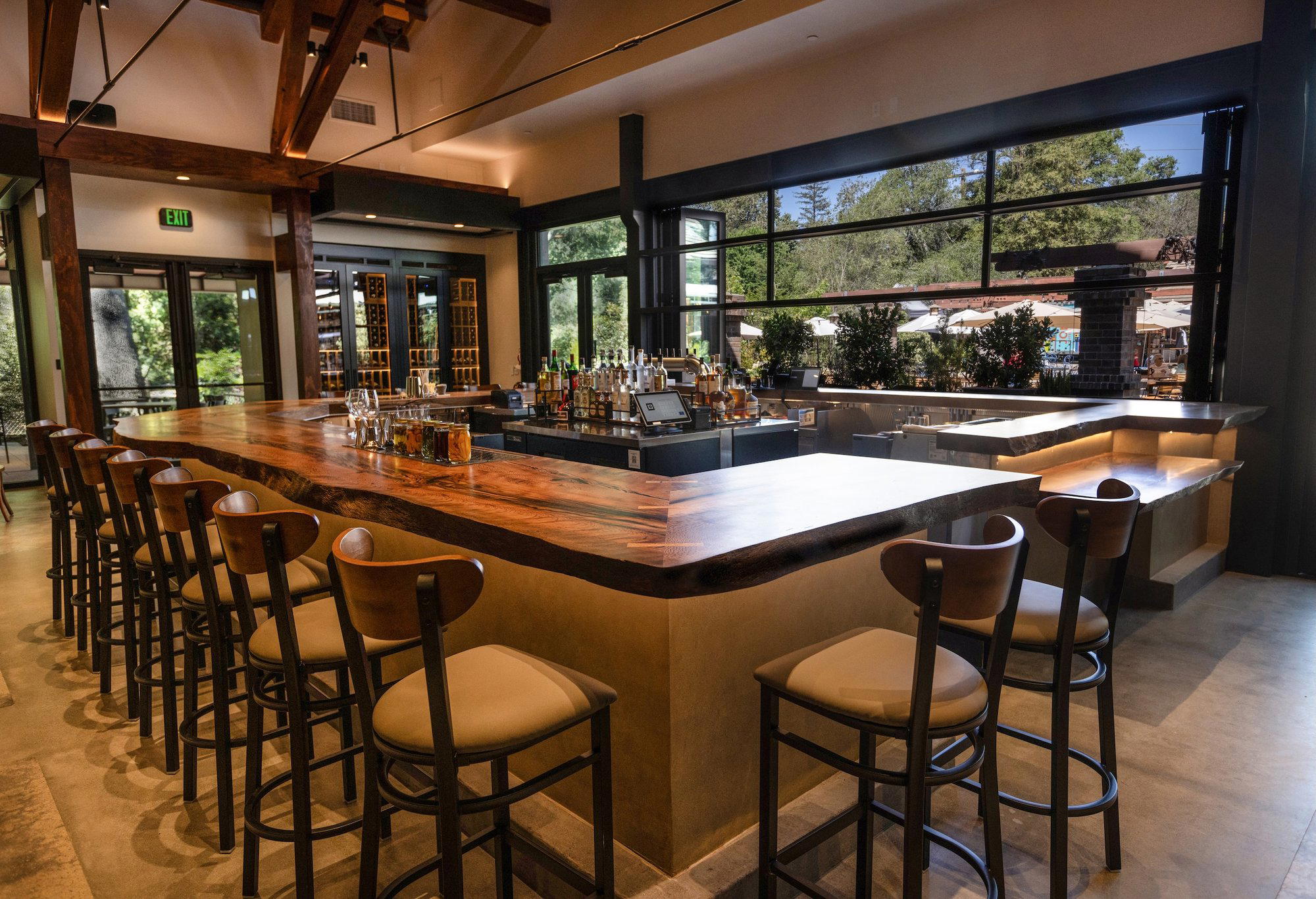
The Ritual Before the First Course
Suburban dining rooms in the San Gabriel foothills tend to operate under a particular social contract: familiar faces, unhurried evenings, and a pace set by the neighbourhood rather than the kitchen's ambition. The address alone places the restaurant inside a community that is small enough for regulars to matter and affluent enough to expect a certain seriousness from its local tables. What a name like Farmhouse promises in 2024 is not nostalgia but commitment: to sourcing discipline, to a meal that moves deliberately, to the kind of cooking where the ritual of eating together is the point, not an incidental setting for something more spectacular happening on the plate.
Across American fine-casual and produce-led dining, this framing has become a distinct genre. Places like Blue Hill at Stone Barns in Tarrytown and Single Thread Farm in Healdsburg anchored the model at its most ambitious tier: farm ownership, multi-course progression, and menus that change week to week with seasonal fidelity. Farmhouse operates at a different scale, and the expectation should be calibrated accordingly. This is neighbourhood dining with a considered identity, not destination dining with an infrastructure budget. That distinction matters when deciding how to approach the evening.
How the Dining Rhythm Works Here
The customs that define a meal at a farmhouse-style restaurant are worth understanding before arrival. The pacing in this genre is typically deliberate: dishes arrive in a sequence meant to read as connected rather than as individual performances. Sauces tend to be built from the week's produce rather than a standardised prep list. Vegetables share billing with proteins rather than serving as garnish. The assumption behind the kitchen's decisions is that the diner wants to understand what is in season rather than what is eternally available.
That rhythm changes how you order. In produce-led rooms, asking what came in that week is a more productive question than cross-referencing a fixed menu. It also changes what to drink: the wine list at restaurants in this register tends toward smaller producers, natural and low-intervention labels, and regional variety rather than recognisable prestige bottles. The focus is on pairing to the vegetable, the grain, or the lighter protein, not dressing a heavier classic dish with a trophy wine.
La Cañada Flintridge's dining scene is compact by design. The suburb has a population under 22,000 and the dining strip along Foothill Boulevard and its adjacent streets reflects that scale. The options sitting alongside Farmhouse in the local set include Cafe Sole, Dish, Honeybird, Magpie's Grill, and Min's Kitchen. Within that peer group, Farmhouse's identity is differentiated by its name's promise: a cooking philosophy organised around origin rather than cuisine category.
Where This Sits in the Wider California Conversation
California's farm-to-table tradition has a long enough history now to be treated as a genre with sub-genres, not a single movement. At its most formal, it runs through restaurants like The French Laundry in Napa and Providence in Los Angeles, where sourcing rigour sits inside multi-course tasting structures and the price point reflects that architecture. A second tier, exemplified by Addison in San Diego, carries similar ambition in a more accessible format. Farmhouse operates in a third register: neighbourhood anchor, where the philosophy informs the kitchen without the formality or the investment required to sustain a destination operation.
That register produces its own version of the dining ritual. The room tends to be smaller, the service more personal, the menu shorter and more responsive. The tradeoff is that the grand architecture of an evening at Smyth in Chicago or Lazy Bear in San Francisco is replaced by something more contingent and local. Critics who cover neighbourhood dining in this mode, including those who have written about comparable rooms for publications like the Los Angeles Times and Eater LA, tend to reward restaurants where the sourcing claim is visible on the plate, not just on the menu's header. The question for Farmhouse, as with any restaurant operating under this identity, is whether the kitchen's execution sustains the philosophy through the full season rather than just at peak harvest.
Farmhouse occupies a different register entirely. It is not a destination to anchor a trip around. It is a neighbourhood restaurant worth understanding on its own terms: a local dining ritual, practised at a human scale, in a suburb that has not historically generated a lot of culinary conversation.
Planning the Visit
Farmhouse is located at 1418 Descanso Drive, La Cañada Flintridge, CA 91011, positioned in a residential neighbourhood rather than on the suburb's primary commercial strip. That setting shapes the experience before you arrive: the approach is quieter, the parking less contested, the feel more deliberate than a busy restaurant row. Booking is recommended, especially for weekend evenings.
Cuisine and Credentials
Comparable venues nearby, for context on price, style, and recognition.
| Venue | Cuisine | Price | Notes |
|---|---|---|---|
| FarmhouseThis venue — the venue you are viewing | California Farm-to-Table | $$$ | Not listed |
| The Flintridge Proper | Modern American Gastropub | $$ | La Canada Flintridge |
| Magpie's Grill | American Comfort Grill | $$ | La Canada Flintridge |
| Dish | American Comfort Food | $$ | La Cañada Flintridge |
| Honeybird | Southern Fried Chicken | $$ | Foothill Blvd |
| Sakana Sushi & Grill | Japanese Sushi & Grill | $$$ | La Canada Flintridge |
Continue exploring
More in La Cañada Flintridge
Restaurants in La Cañada Flintridge
Browse all →
Bars in La Cañada Flintridge
Browse all →
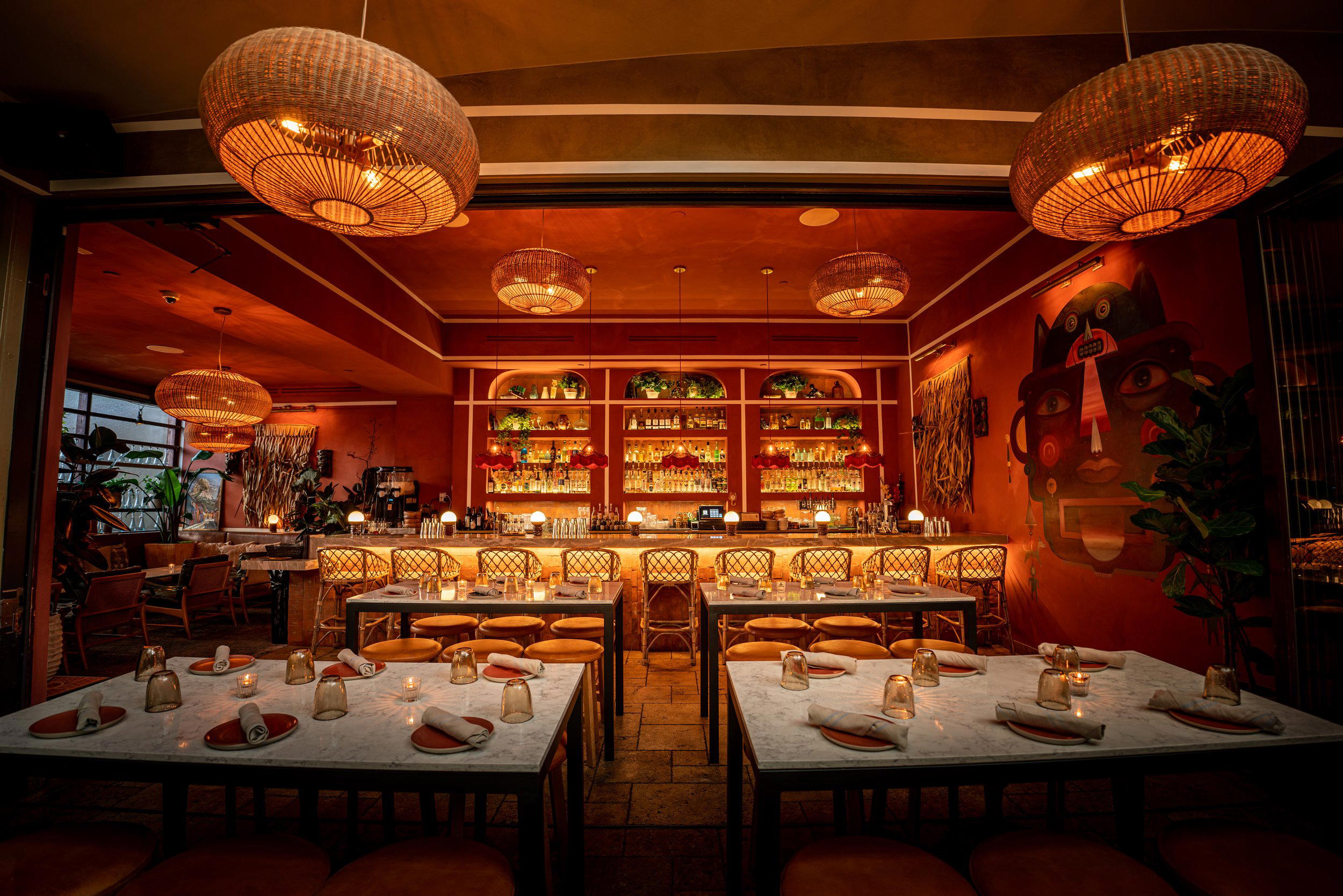
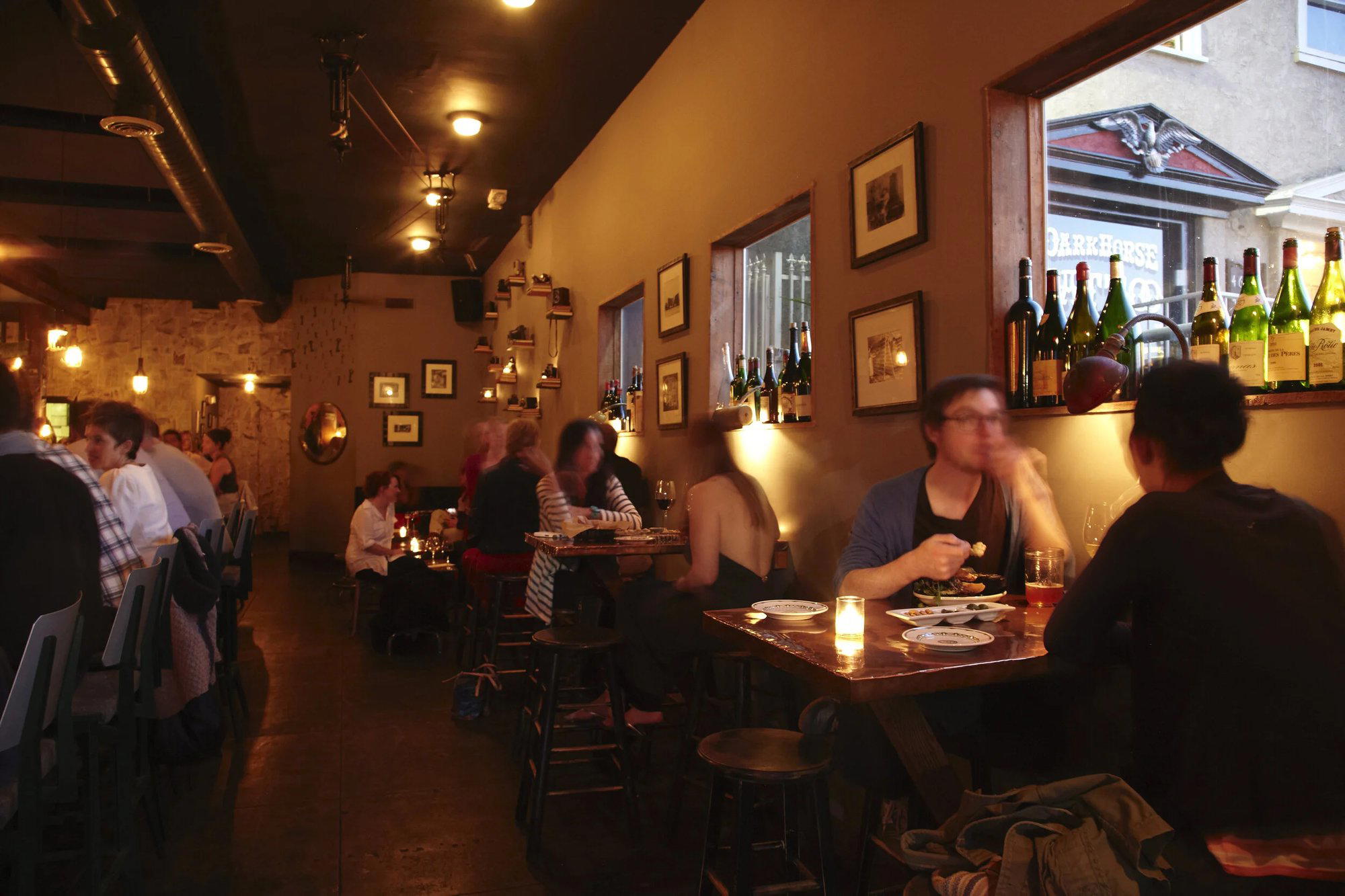

Hotels in La Cañada Flintridge
Browse all →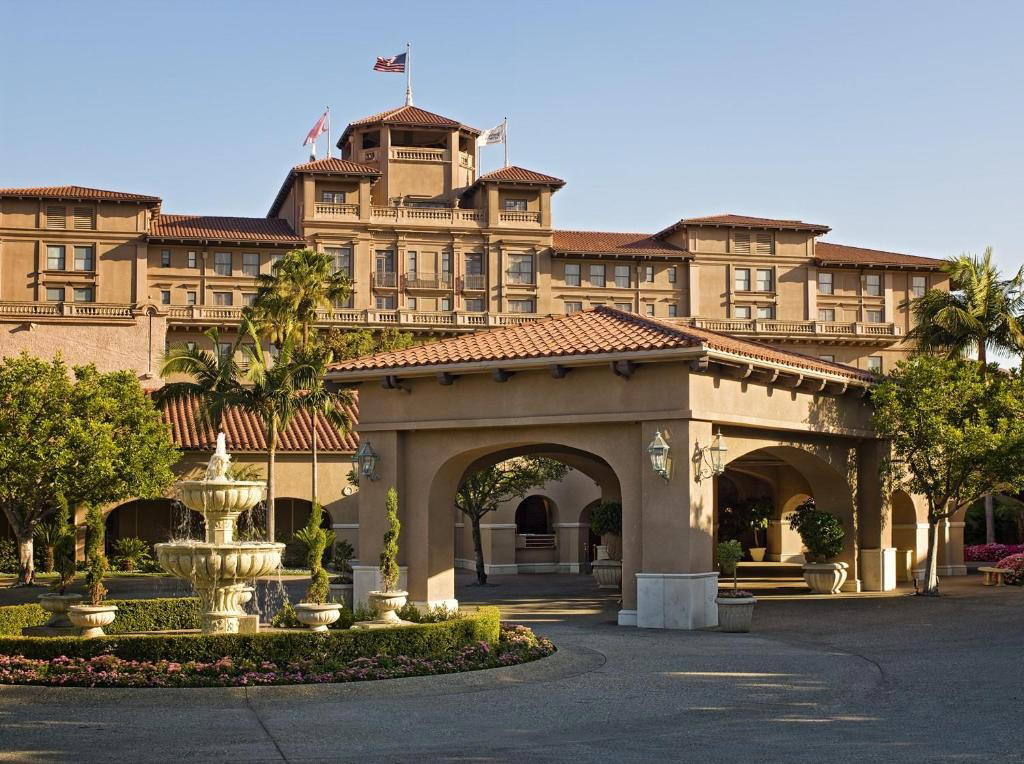
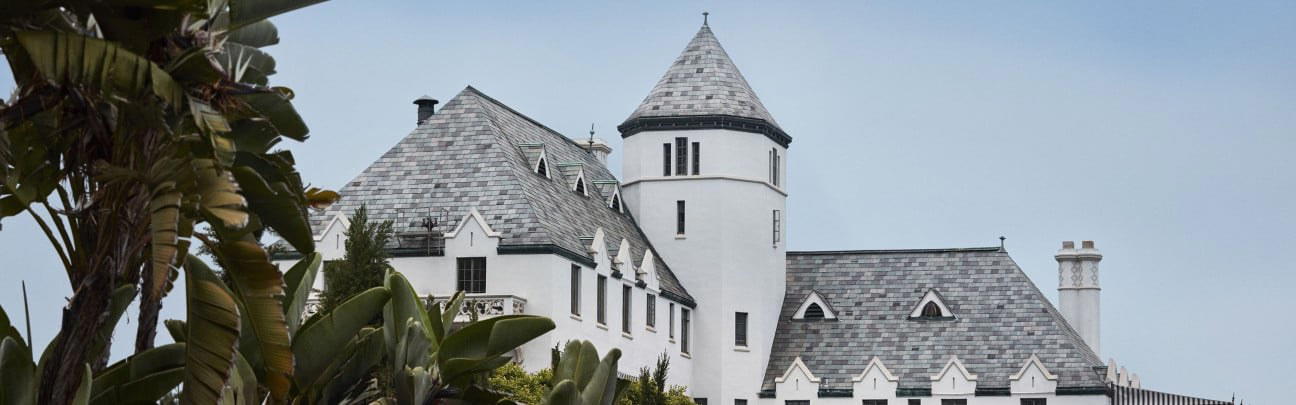
Wineries in La Cañada Flintridge
Browse all →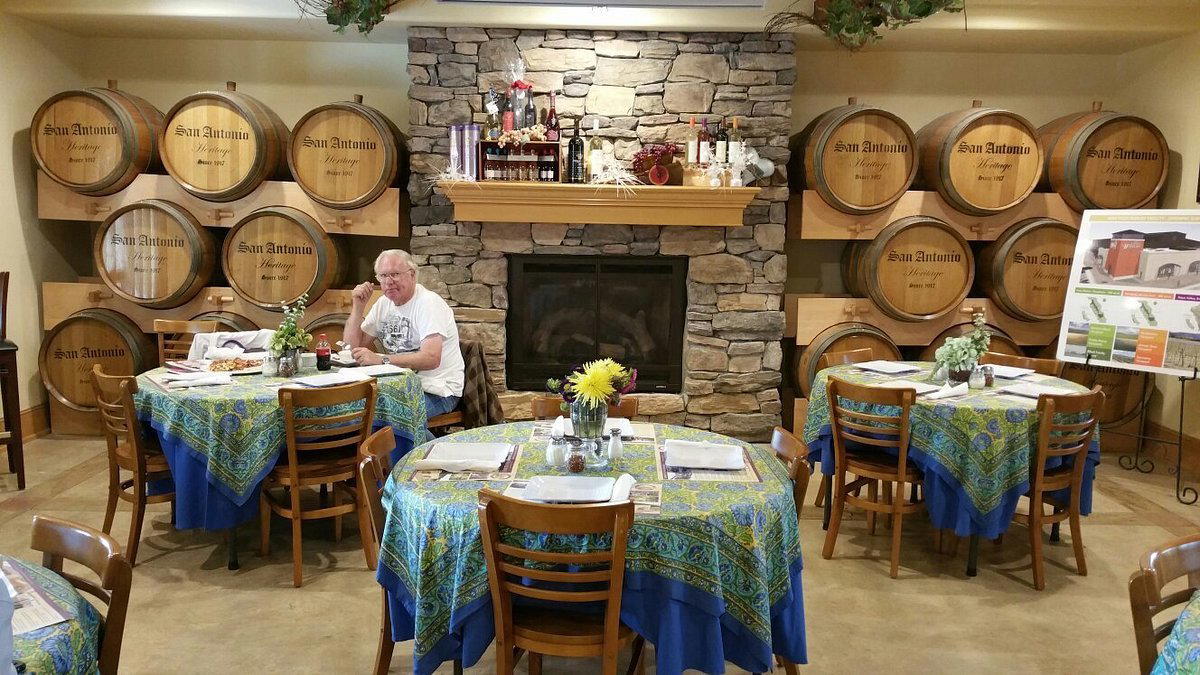
At a Glance
- Rustic
- Cozy
- Scenic
- Elegant
- Brunch
- Casual Hangout
- Special Occasion
- Garden
- Craft Cocktails
- Extensive Wine List
- Farm To Table
- Local Sourcing
- Garden
Current opening hours
- Monday
- 11:30 AM–8 PM
- Tuesday
- 11:30 AM–8 PM
- Wednesday
- 11:30 AM–8 PM
- Thursday
- 11:30 AM–8 PM
- Friday
- 11:30 AM–9 PM
- Saturday
- 10:30 AM–9 PM
- Sunday
- 10:30 AM–9 PM
Hours can change for holidays and private events. Last verified .
Relaxed yet refined atmosphere with moderate noise, inspired by the natural beauty of the gardens.