Dish serves American Comfort Food at 734 Foothill Blvd, La Cañada Flintridge, with Patty Melt, Banana Pancakes, and Turtle Bar on a casual, conversational standalone setup.
Pearl is the En Primeur Club membership app — saves, bookings, and concierge access live there. Same editors, same standards.
- Address
- 734 Foothill Blvd, La Cañada Flintridge, CA 91011
- Phone
- +18187905355
- Website
- dishbld.com
- Directions
- Get directions
 Saves & bookings on Pearl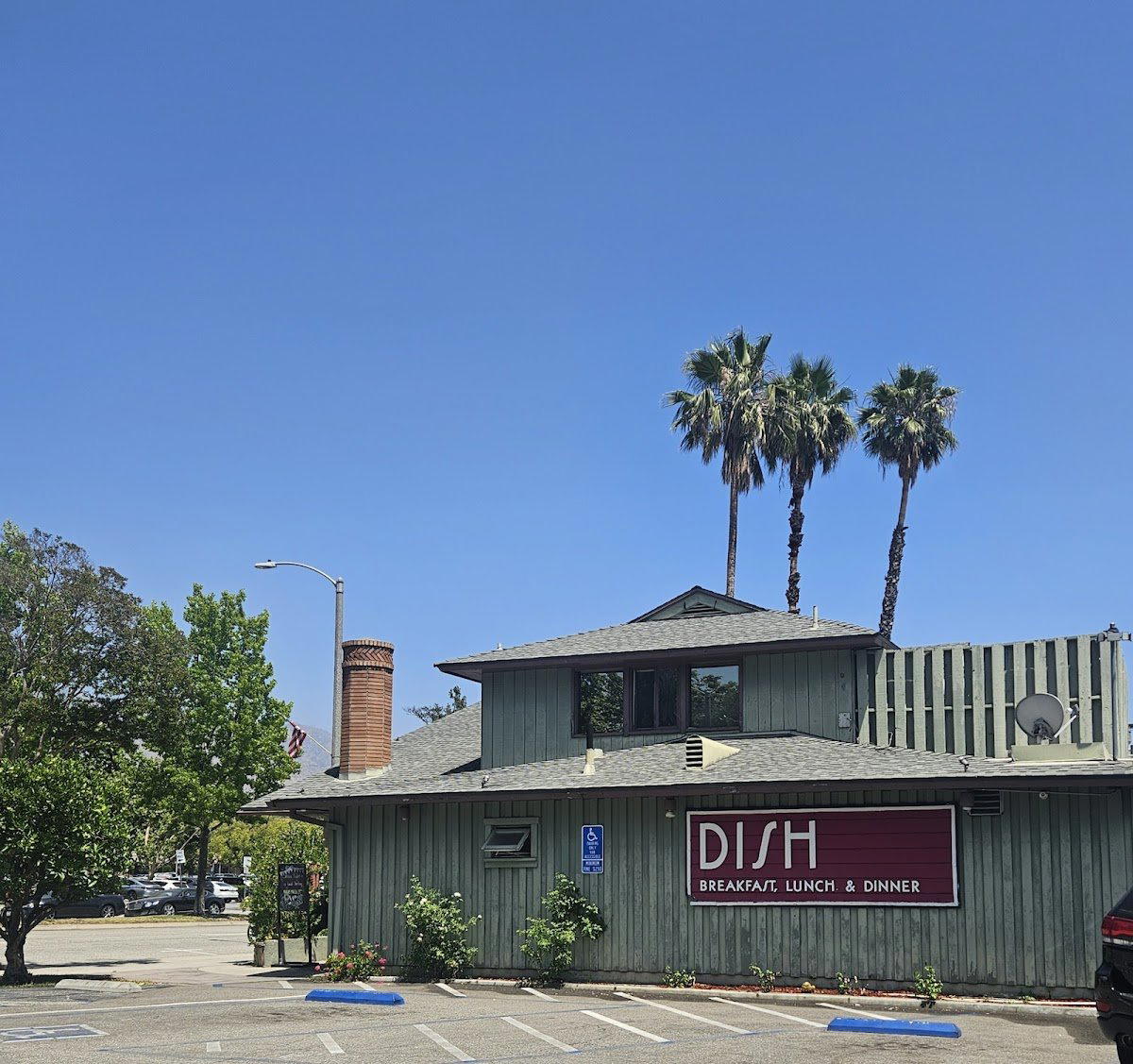
Foothill Boulevard and the Suburban Dining Question
La Cañada Flintridge sits in that particular band of the San Gabriel foothills where Foothill Boulevard carries more than traffic: it carries the full weight of a community's expectations about where and how it eats. The strip is not Pasadena's Old Town, with its curated restaurant rows, nor is it the density of Glendale or Burbank. It operates on a different logic, one where a single address can anchor a neighbourhood's dining identity for years. Dish is a casual American Comfort Food restaurant in La Cañada Flintridge at 734 Foothill Blvd, priced around $20 per person. It occupies exactly that kind of position, a local fixture on a corridor where sustained relevance is harder to maintain than it looks from the outside.
The dining culture of foothill communities like La Cañada tends to sort into two tiers: casual family destinations built around convenience, and slightly more considered neighbourhood spots that function as the go-to for occasions that call for something better than weeknight takeout. The latter category is where Dish has built its local standing.
The Cultural Frame: American Neighbourhood Dining at Its Most Functional
American neighbourhood restaurant culture, at its leading, operates on a principle that high-end dining has largely abandoned: regularity. The great neighbourhood spots of cities like San Francisco or New York earn their status not from a single transformative meal but from being the place a community returns to across years and life events. That tradition, less celebrated in food media than the tasting-menu tier, is where places like Dish operate. It is a format with real craft demands: menus must work across demographics, kitchens must be consistent across services, and the room must carry enough warmth to make a Tuesday dinner feel considered.
The American venues that define this format at its most ambitious, places like Lazy Bear in San Francisco or Smyth in Chicago, demonstrate how far the neighbourhood-anchored format can be pushed when the kitchen has serious ambition. Further up the prestige tier, Le Bernardin in New York City and The French Laundry in Napa represent the endpoint of American fine dining's formal arc. Dish occupies a different position on that spectrum, closer to the community anchor than the destination restaurant, and that is not a diminishment. It is a description of function.
Dish on Foothill: Reading the Local Competitive Set
La Cañada's dining corridor produces a specific competitive set. Cafe Sole occupies the neighbourhood cafe register, where morning and midday traffic drives the business. Farmhouse signals the farm-to-table positioning that has become standard shorthand for considered sourcing in suburban California. Honeybird sits in the fast-casual lane, built around a tighter format and higher throughput. Magpie's Grill and Min's Kitchen round out a local picture that covers casual American, grill formats, and Korean-inflected cooking respectively.
Within that set, the question of where Dish positions is relevant to how a visitor or local should calibrate expectations. The name itself, blunt and unpretentious, signals something about the operating philosophy: no elaborate concept architecture, no category-specific claim. That kind of naming choice in American restaurant culture typically corresponds to a room that wants to be judged on what arrives at the table rather than on a positioning narrative built around it.
The Southern California Suburban Dining Context
Southern California's suburban dining has evolved significantly over the past two decades. The assumption that serious cooking only happens in Los Angeles proper has been eroded by a cluster of destination-quality restaurants in communities along the foothills and the coast. Providence in Los Angeles and Addison in San Diego both demonstrate that the Southern California region can support high-acuity dining well outside the obvious urban core. Further afield, places like Single Thread Farm in Healdsburg have shown how California's agricultural geography can anchor a restaurant's entire identity.
La Cañada Flintridge is not operating at that register, and it does not need to be. Its dining community is built around proximity to Pasadena, a short drive from JPL and the residential streets that make up one of the Los Angeles area's most consistently affluent zip codes. That demographic profile, educated, professional, with real spending capacity and genuine interest in food quality, is exactly the community that sustains a place like Dish across time. It is also a community that does not require the full apparatus of a destination tasting menu to have a serious meal.
What the Broader Award Tier Tells Us
Dish carries no Michelin recognition, no James Beard nomination, and no formal award designation. In the context of the San Gabriel foothills, that is unremarkable: the award infrastructure for American fine dining concentrates in urban cores, and suburban neighbourhood restaurants operate largely outside it regardless of execution quality. The Michelin-tier venues that matter as regional comparisons, Atomix in New York City, Blue Hill at Stone Barns in Tarrytown, The Inn at Little Washington, or Emeril's in New Orleans, are useful as reference points for what formal recognition looks like at scale, but they are not the relevant comparable set for a foothill community restaurant. Even internationally, places like Atelier Moessmer Norbert Niederkofler in Brunico represent a different category of ambition and infrastructure entirely.
The relevant measure for Dish is simpler: does it earn sustained return visits from a community with genuine dining options? The answer to that question, over time, is a more reliable indicator of quality than any single award snapshot.
Planning a Visit
Dish is located at 734 Foothill Blvd in La Cañada Flintridge, accessible from the 210 freeway and within the Foothill corridor that anchors the community's commercial strip. The surrounding Foothill Boulevard stretch offers parking that functions better than comparable strips in denser LA neighbourhoods, which is a practical consideration for an area that remains car-dependent by design.
Budget Reality Check
Comparable venues nearby, for context on price, style, and recognition.
| Venue | Price | Notes |
|---|---|---|
| DishThis venue — the venue you are viewing | $$ | Not listed |
| Farmhouse | $$$ | La Cañada Flintridge, California Farm-to-Table |
| Seoul Cham Soot BBQ | $$ | La Cañada Flintridge, Authentic Korean BBQ |
| Penelope's Cafe Books & Gallery | $$ | La Canada Flintridge, Café Sandwiches & Salads |
| The Flintridge Proper | $$ | La Canada Flintridge, Modern American Gastropub |
| Magpie's Grill | $$ | La Canada Flintridge, American Comfort Grill |
Continue exploring
More in La Cañada Flintridge
Restaurants in La Cañada Flintridge
Browse all →
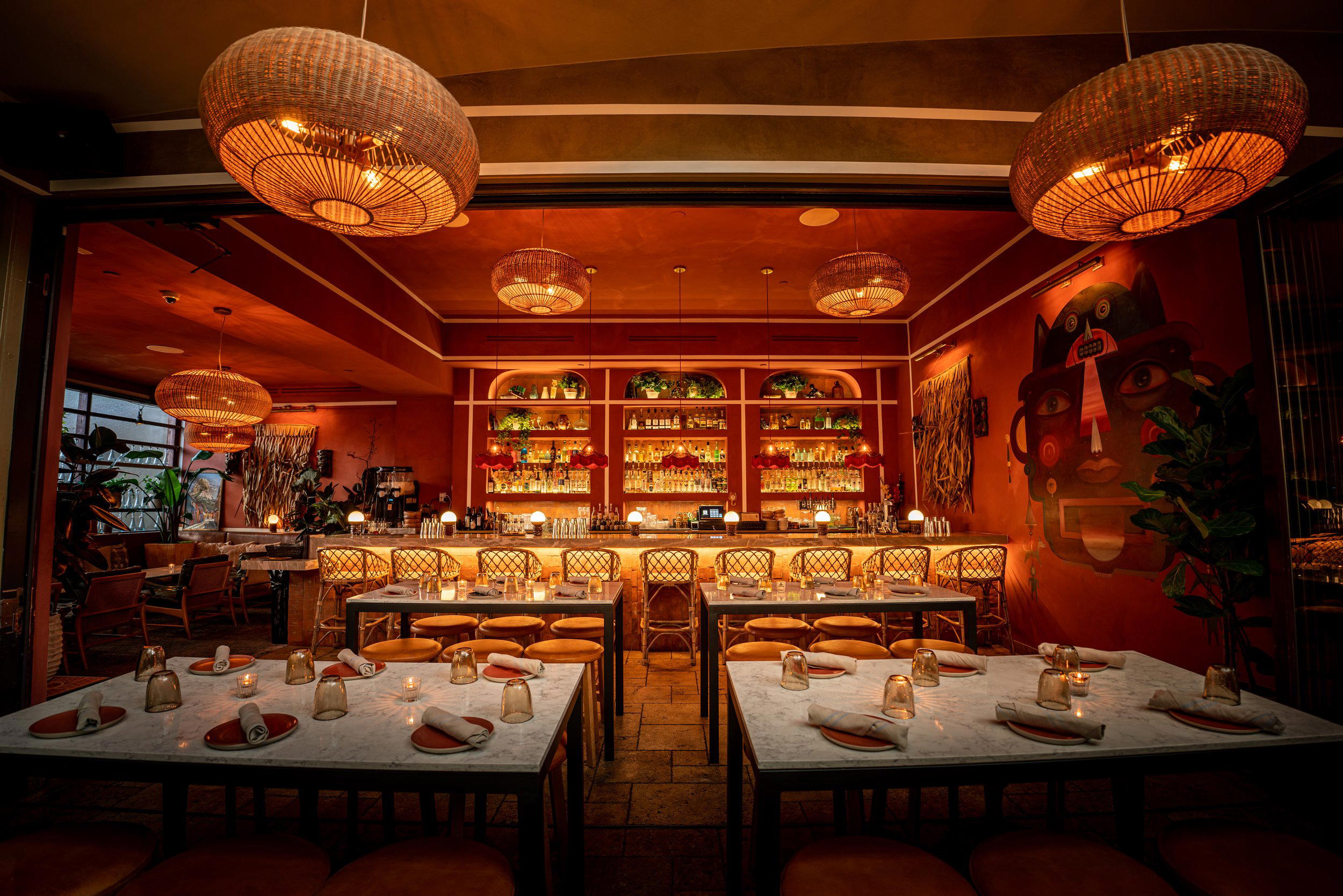
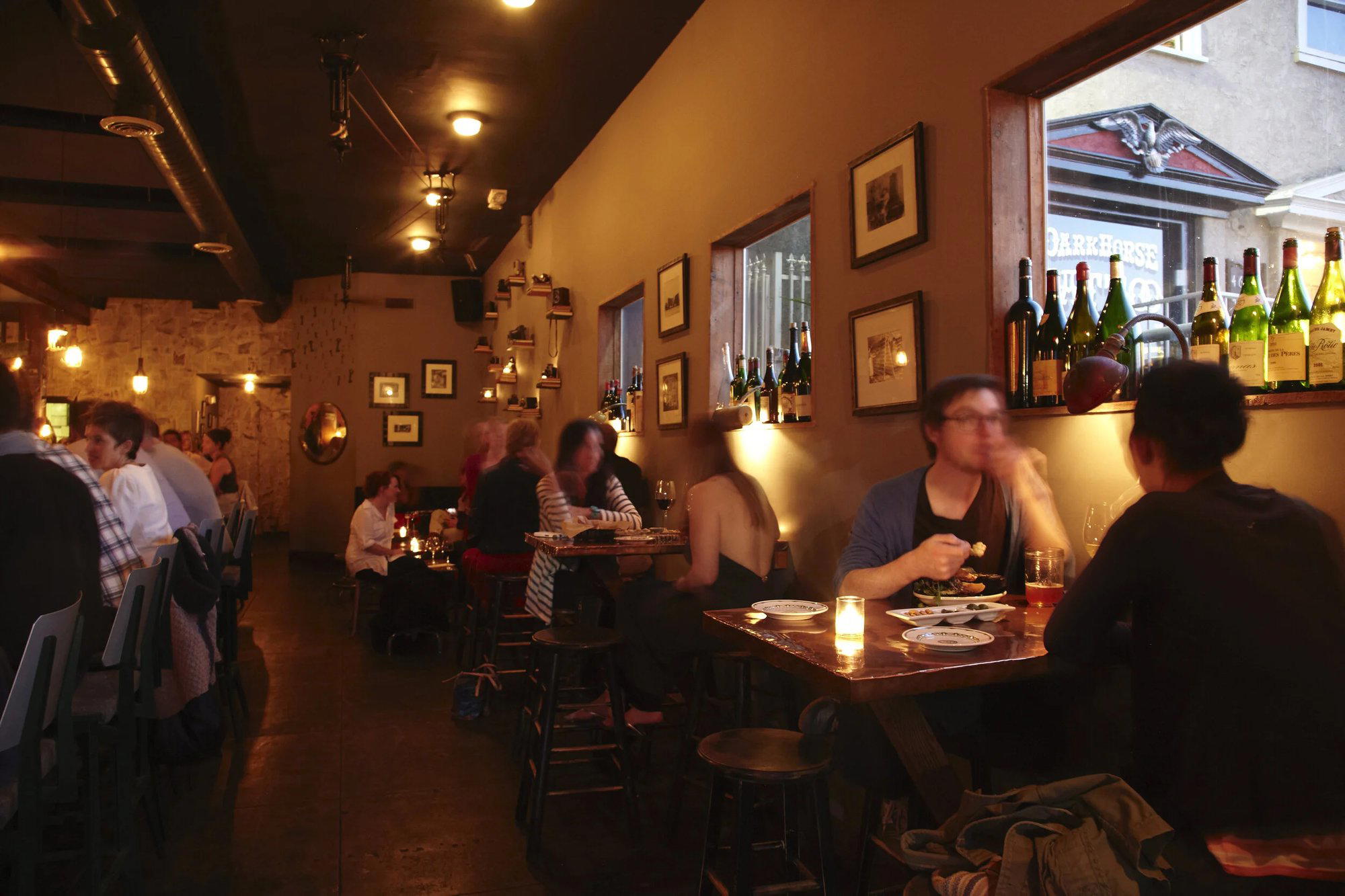
Bars in La Cañada Flintridge
Browse all →

Hotels in La Cañada Flintridge
Browse all →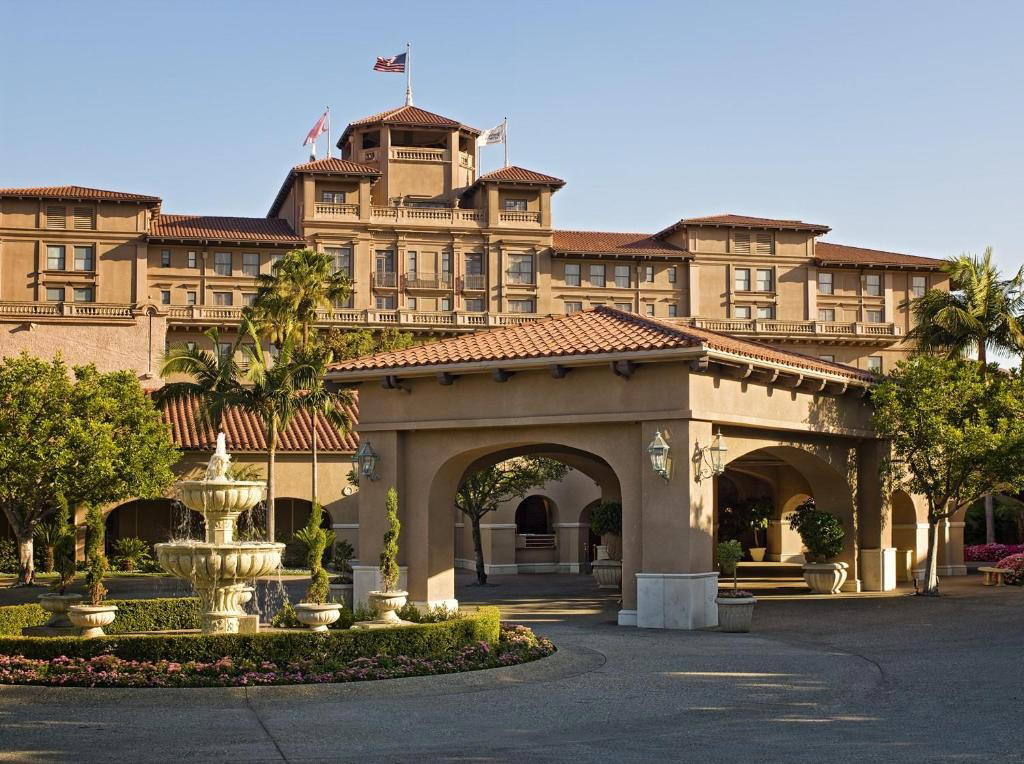
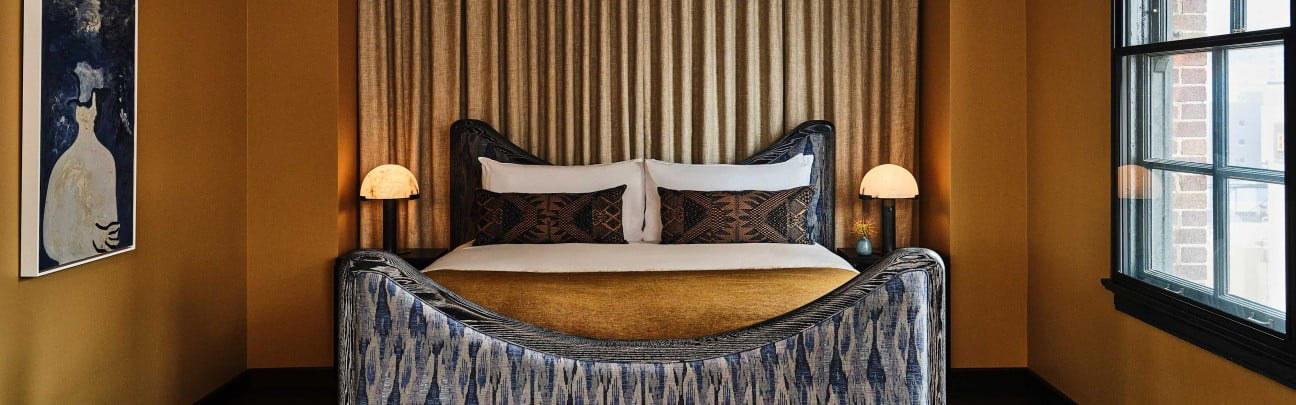
Wineries in La Cañada Flintridge
Browse all →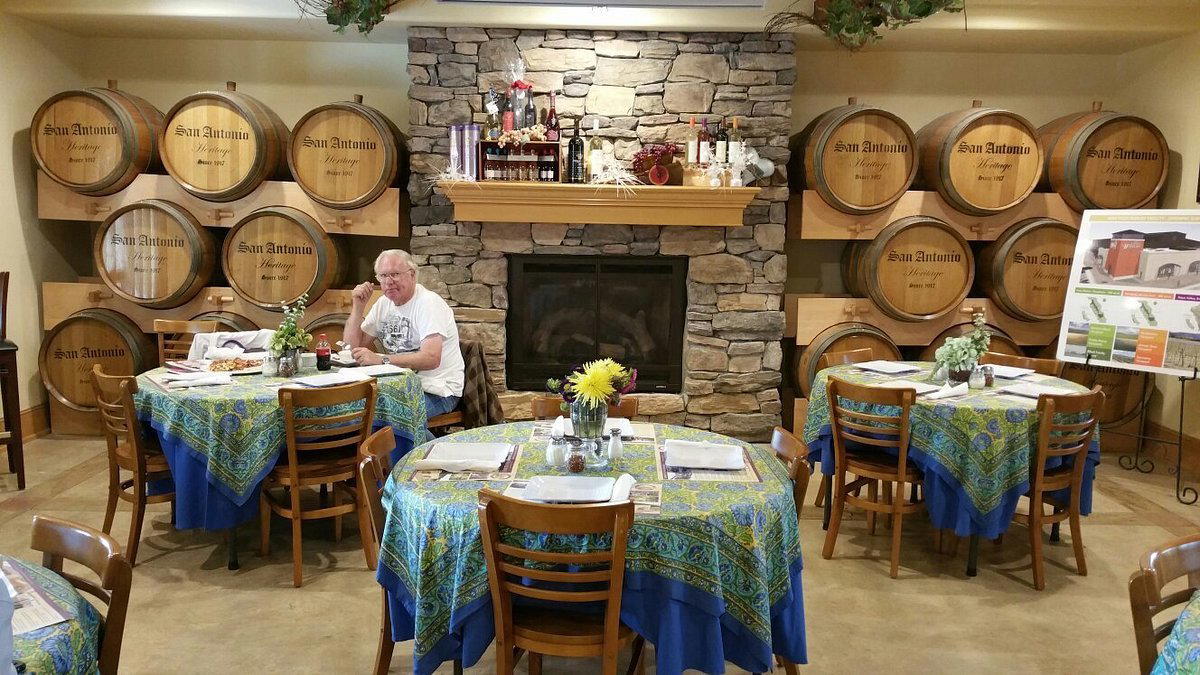
At a Glance
- Cozy
- Family
- Brunch
- Casual Hangout
- Standalone
Current opening hours
- Monday
- 8 AM–8 PM
- Tuesday
- 8 AM–8 PM
- Wednesday
- 8 AM–8 PM
- Thursday
- 8 AM–8 PM
- Friday
- 8 AM–9 PM
- Saturday
- 8 AM–8 PM
- Sunday
- 7 AM–8 PM
Hours can change for holidays and private events. Last verified .
Warm, cozy, and folksy shabby-chic atmosphere that feels welcoming, especially during seasonal celebrations.