Farm Kitchen
Farm Kitchen sits at 6106 S 32nd St in Phoenix's south side, operating in a city where farm-to-table principles have moved from trend to expectation. With an address that keeps it off the central dining circuit, it draws a quieter, more deliberate crowd than the Camelback corridor restaurants. The kitchen's approach connects to a broader Arizona tradition of sourcing from the desert Southwest's agricultural rim.
Pearl is the En Primeur Club membership app — saves, bookings, and concierge access live there. Same editors, same standards.
- Address
- 6106 S 32nd St, Phoenix, AZ 85042
- Phone
- +16022766545
- Website
- thefarmatsouthmountain.com
- Directions
- Get directions
 Saves & bookings on Pearl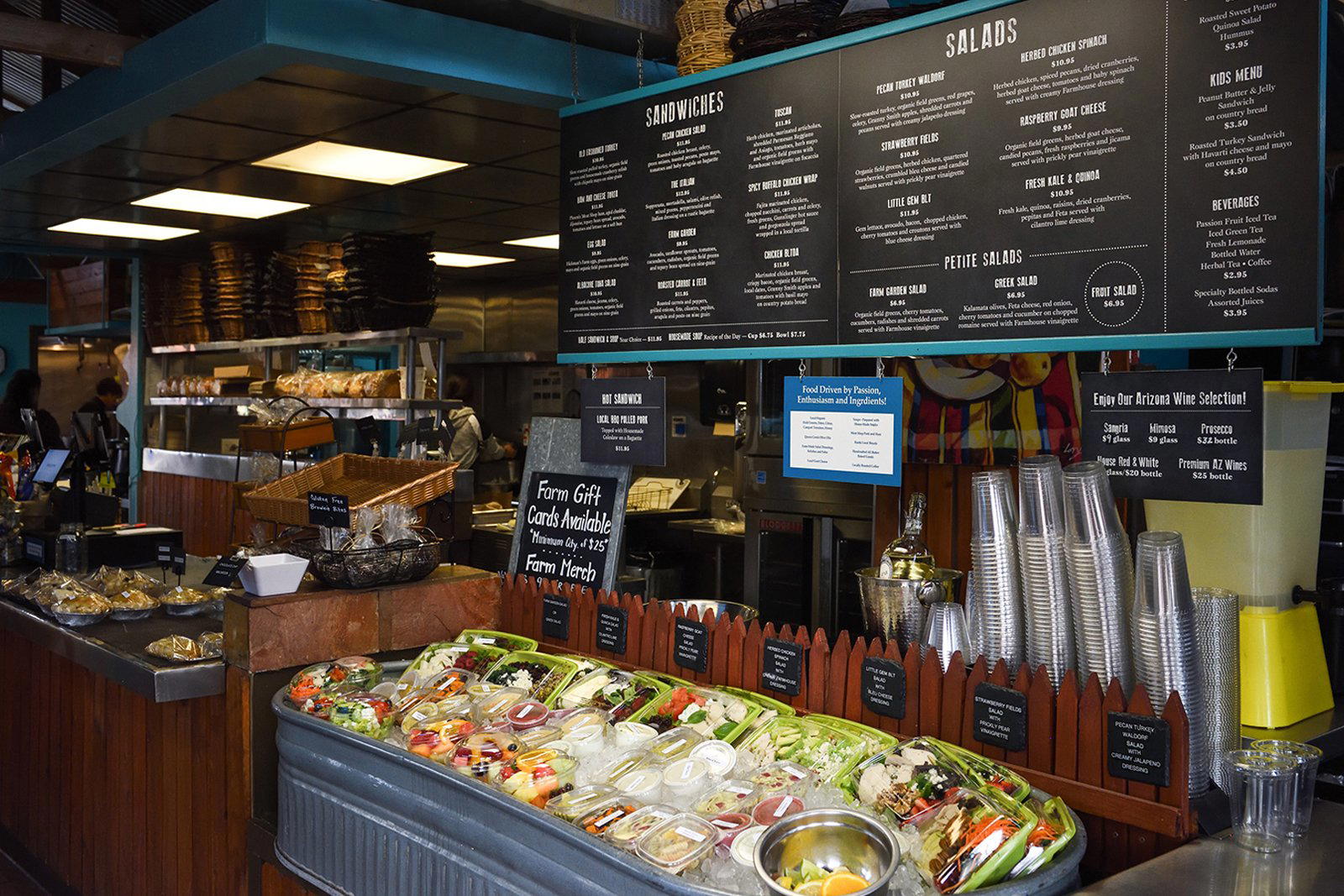
South Phoenix and the Ethics of the Short Supply Chain
Phoenix's dining identity has long been anchored to its northern corridors, where restaurants cluster around Camelback Road and the Biltmore district. Farm Kitchen is a farm-to-table picnic cafe in Phoenix at 6106 S 32nd St, with a casual dress code, walk-in-friendly service, and an average price of about $20 per person. The south side tells a different story. At 6106 S 32nd St, Farm Kitchen occupies a part of the city where the agricultural edge of the Valley is still visible, where the Santa Cruz Flats and the farms stretching toward Maricopa aren't abstract sourcing talking points but a thirty-minute drive from the front door. In American cities where farm-to-table has calcified into a branding exercise, proximity to actual farmland still means something, and south Phoenix has it in ways the restaurant-dense north does not.
The broader movement toward ethical sourcing and waste reduction has produced two distinct camps across American dining. One is the fine-dining tier, where operations like Blue Hill at Stone Barns in Tarrytown or Single Thread Farm in Healdsburg have built vertically integrated farm-restaurant ecosystems at significant price points. The other is the neighborhood-anchored kitchen that does the same work without the tasting menu apparatus, sourcing locally and reducing waste not as a premium differentiator but as a baseline operating principle. Farm Kitchen reads as the latter type: a south Phoenix address, a name that announces its orientation plainly, and a location that suggests it is feeding a community rather than performing for it.
Where Farm-Driven Cooking Sits in the Arizona Context
Arizona's agricultural identity is underappreciated outside the state. The Sonoran Desert's growing season runs counter to most of the continental United States, producing winter vegetables when northern states are frozen and requiring creative adaptation to summer heat. That climatic reality has shaped how serious Arizona kitchens think about sourcing. Bacanora, Phoenix's benchmark for Sonoran Mexican cooking, has built its menu around desert-native ingredients and regional producers, demonstrating that a commitment to local sourcing doesn't require importing a European framework to be credible. Vincent Guerithault on Camelback has long operated at the intersection of French technique and Southwestern ingredients, another model for how Arizona's agricultural distinctiveness can anchor serious cooking.
Farm Kitchen operates in a different register than either of those. Rather than cuisine-led identity or fine-dining formality, the restaurant format in the American Southwest tends to emphasize accessibility and directness: food that communicates its sourcing through simplicity rather than technique. This is a genre with genuine intellectual honesty behind it. When a kitchen names itself after its sourcing philosophy, the menu either substantiates that claim or it doesn't. There is nowhere to hide behind elaborate preparation.
The Sustainability Argument in Phoenix Specifically
Phoenix's water politics make sustainability a more charged conversation here than in most American cities. Agriculture in the Valley of the Sun operates under the shadow of the Colorado River Compact and declines in the aquifer system that has historically supported both urban growth and farming. Restaurants that claim a relationship with local agriculture are, knowingly or not, participating in a debate about what the desert Southwest can sustainably produce and for whom. The farms supplying kitchens in the Phoenix metro range from small urban operations to larger enterprises in the Gila River corridor, each with its own water use profile and economic footprint.
This context elevates what might otherwise seem like a generic farm-to-table positioning into something with more regional specificity. In the same way that Atelier Moessmer Norbert Niederkofler in Brunico has made Alpine environmental constraints the generative logic of its entire menu, or the way Smyth in Chicago has built seasonal sourcing into its operational DNA, Arizona farm-driven kitchens that take the desert's limits seriously are working with material that has genuine stakes. South Phoenix, with its proximity to those agricultural zones, is a more logical location for this kind of cooking than the polished northern corridor.
Comparing the Farm-to-Table Spectrum
Nationally, the farm-anchored kitchen exists across a wide range of formats and ambitions. At the high end, The French Laundry in Napa maintains its own garden as part of a luxury proposition. Providence in Los Angeles has built a reputation around sustainable seafood sourcing within a fine-dining structure. Addison in San Diego integrates California's agricultural abundance into a tasting menu format. At a more democratic register, operations like Lazy Bear in San Francisco have tried to collapse the distance between sourcing philosophy and diner experience without the formality of classical fine dining.
The restaurant, based on its address and positioning, sits outside these tasting-menu and fine-dining frameworks entirely. The south Phoenix location, the direct name, and the absence of a high-profile chef identity all point toward a model where the food itself carries the argument. This is not a criticism. Particularly honest farm-driven cooking in American cities happens in formats that don't require a reservation three months in advance. Pane Bianco, Phoenix's benchmark sandwich operation, demonstrates that a relatively simple format can carry genuine craft and sourcing integrity without a formal dining room. Lom Wong has made a case for Thai cooking in Phoenix with specificity and discipline that belies its neighborhood format.
Planning a Visit
The restaurant sits at 6106 S 32nd St, which places it in south Phoenix, away from the concentrated restaurant clusters around downtown and the Camelback corridor. Visitors arriving from central Phoenix should allow for the drive south, which takes them through a part of the city that sees far less tourist traffic than the northern dining districts. The restaurant is open daily from 10 AM to 3 PM, and walk-ins are welcome; this part of the city rewards the deliberate traveler over the spontaneous one. For those building a broader south-side or farm-focused itinerary, our full Phoenix restaurants guide maps the city's dining by neighborhood and category, useful for orienting a visit around more than a single address. Phoenix's dining scene also includes reference points at opposite ends of the format spectrum, from the direct American comfort of 5 & Diner to the morning-focused crowd at Matt's Big Breakfast, all of which give context to where a farm-kitchen format fits within the city's broader eating culture.
Cuisine and Recognition
Comparable venues nearby, for context on price, style, and recognition.
| Venue | Cuisine | Price | Notes |
|---|---|---|---|
| Farm KitchenThis venue — the venue you are viewing | Farm-to-Table Picnic Cafe | $$ | Not listed |
| The Neighborly | Modern American | $$ | Midtown Phoenix |
| The Joy Bus | American Diner | $$ | The Preserve |
| Matt’s Big Breakfast | Classic American Breakfast | $$ | Roosevelt Row |
| Lo-Lo's Chicken & Waffles | Soul Food Chicken & Waffles | $ | Downtown |
| Carcara | Native American and Sonoran-Inspired Southwestern | $$$ | Copper Square |



At a Glance
- Rustic
- Cozy
- Scenic
- Family
- Casual Hangout
- Group Dining
- Garden
- Beer Program
- Farm To Table
- Local Sourcing
- Garden
Current opening hours
- Monday
- 10 AM–3 PM
- Tuesday
- 10 AM–3 PM
- Wednesday
- 10 AM–3 PM
- Thursday
- 10 AM–3 PM
- Friday
- 10 AM–3 PM
- Saturday
- 10 AM–3 PM
- Sunday
- 10 AM–3 PM
Hours can change for holidays and private events. Last verified .
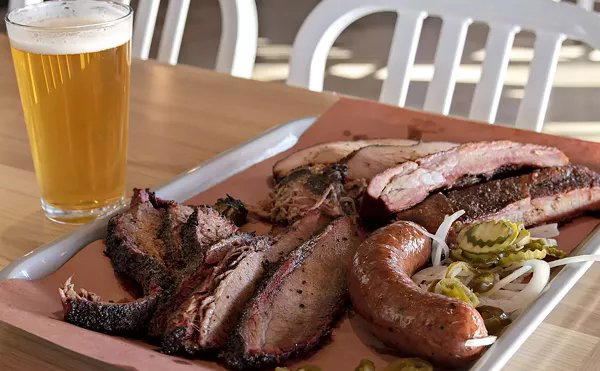
Relaxed, shaded outdoor picnic atmosphere under pecan trees in a rustic farm setting.