Farm 2 Bistro
Farm 2 Bistro on Franklin Avenue brings a farm-to-table sourcing philosophy to Nutley, New Jersey, in a format that positions it apart from the suburban dining mainstream. The name signals a direct supply chain commitment, placing ingredient provenance at the center of the menu rather than at the margins. For Essex County diners looking beyond chain restaurants, it represents a locally grounded alternative worth tracking.
- Address
- 177 Franklin Ave, Nutley, NJ 07110
- Directions
- Get directions
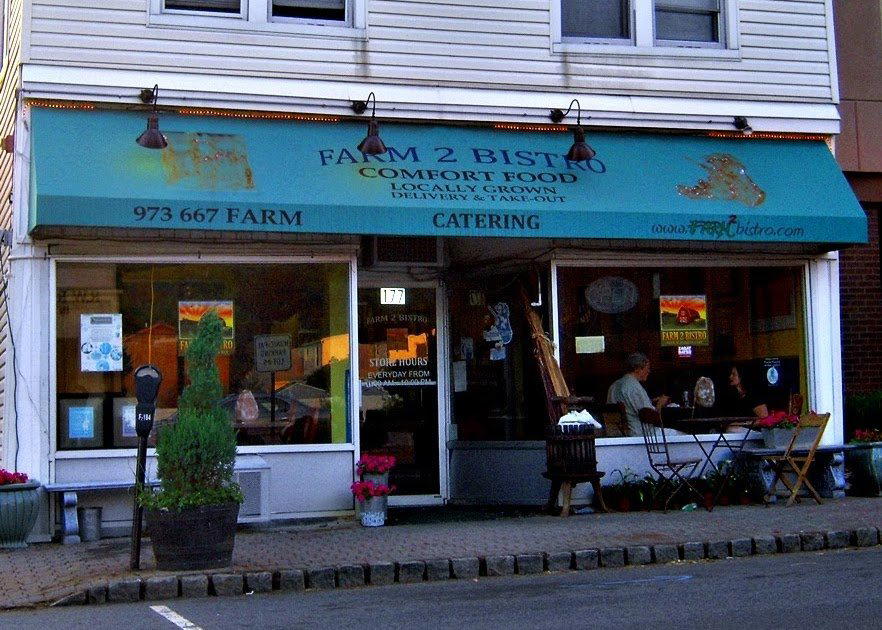
Franklin Avenue and the Sourcing Question in Suburban New Jersey
Suburban New Jersey dining has long operated in the shadow of New York City, with most serious eaters treating the PATH train or the Lincoln Tunnel as the default answer to any worthwhile meal. That calculus has been shifting. A cluster of independently owned restaurants across Essex and Bergen counties has staked out a different position, building menus around regional supply chains rather than metropolitan ambition. Farm 2 Bistro, on Franklin Avenue in Nutley Township, belongs to that cohort. The name is not incidental: it announces an editorial stance on where food should come from, which is a more considered position than most casual-dining operators bother to take in a market where distributor catalogues and prime-cost pressures tend to flatten menus toward interchangeability.
Nutley itself is a small, tight-grid township in Essex County, the kind of place where a genuine neighborhood restaurant carries more weight than a destination concept would. Franklin Avenue is a commercial strip with the texture of a working town rather than a curated dining district, which means a venue like Farm 2 Bistro earns its audience through repeat local trust rather than first-visit tourism. That context matters when thinking about what farm-to-table sourcing means here versus how the same phrase functions at a higher-budget operation. You can find the farm-to-table framework applied at every price tier in the American restaurant market, from Blue Hill at Stone Barns in Tarrytown, where the sourcing infrastructure is its own institution, to Single Thread Farm in Healdsburg, where the farm, inn, and restaurant operate as a single vertically integrated project. Farm 2 Bistro operates in a different register entirely, but the underlying question it poses is the same: does knowing where ingredients come from change what ends up on the plate?
What Farm-to-Table Actually Means at This Price Point
The farm-to-table label has become one of the more contested claims in American dining. At its most rigorous, it implies documented supplier relationships, seasonal menu rotation driven by harvest windows, and a willingness to charge accordingly. At its least rigorous, it is a font choice on a chalkboard menu. The more honest version of the claim tends to show up at the neighborhood scale rather than the marquee scale, because high-volume operations face structural incentives to maintain consistency over provenance. A smaller bistro format, constrained in covers and kitchen complexity, can maintain supplier relationships that a larger operation would find impractical to manage.
The American farm-to-table movement has a well-documented lineage that runs from Alice Waters and Chez Panisse in the 1970s through the proliferation of farmers' market sourcing in the 2000s to the current moment, in which regionalism and supply-chain transparency have become mainstream talking points even at casual price points. Restaurants like Bacchanalia in Atlanta, Smyth in Chicago, The Wolf's Tailor in Denver, and Oyster Oyster in Washington, D.C. each represent a different city's answer to how ingredient-first cooking can anchor a full restaurant program. In each case, the sourcing story is inseparable from the menu structure. Farm 2 Bistro in Nutley works within the same philosophical frame, at a community scale, where the audience is not necessarily seeking a tasting-menu statement but a reliable, locally grounded meal.
The Northeast Supply Context
New Jersey carries an underappreciated agricultural profile. The state's official nickname is the Garden State, and while that branding long predates modern food culture, the underlying reality still holds: New Jersey produces tomatoes, corn, blueberries, peaches, and leafy greens at significant volume, and the mid-Atlantic region more broadly supports a network of small farms, artisan dairies, and specialty producers within a reasonable sourcing radius of Essex County. A restaurant operating with a farm-to-table commitment in northern New Jersey has genuine regional supply to draw from, particularly in warmer months when the mid-Atlantic growing season is at its peak.
That seasonal availability shapes what a menu built around provenance can look like in practice. Summer and early fall represent the widest sourcing window in this part of the country, when local tomatoes, stone fruits, and corn are available from farms in the Raritan Valley and further south in the state. Winter menus require either a pivot to stored and preserved product, sourcing from greenhouse operations, or a more honest acknowledgment that the regional supply chain thins out considerably. The most credible farm-to-table operators tend to let that seasonal reality show in what they serve rather than maintaining a static menu year-round. For context on how other farm-to-table-adjacent programs handle these same seasonal pressures, Lazy Bear in San Francisco and Frasca Food and Wine in Boulder both demonstrate how regional identity can hold across seasonal shifts without compromising menu integrity.
Positioning Within the Broader Dining Conversation
A bistro format in a suburban township occupies a specific and often undervalued position in the American dining ecosystem. It is not trying to compete with Le Bernardin in New York City, Addison in San Diego, The Inn at Little Washington in Washington, or Atomix in New York City for the same audience. It is asking a different question: can a neighborhood restaurant in a working suburban township make ingredient sourcing the center of what it does and build a loyal local following around that commitment? That is, frankly, a harder proposition in some ways than operating a destination restaurant where guests arrive predisposed to invest attention and money. The neighborhood restaurant has to earn that engagement from an audience that mostly just wants a good dinner close to home.
Farm 2 Bistro's address at 177 Franklin Ave puts it within the everyday commercial life of Nutley rather than on a restaurant row designed for out-of-town visitors. For planning purposes, Nutley Township is accessible from Newark and the broader Essex County area, and the Franklin Avenue location is set within a walkable neighborhood context. Given the limited booking and operational data currently available, prospective visitors should check directly for current hours, reservation options, and seasonal menu details before making a special trip. For a broader view of what Essex County and northern New Jersey have to offer, our full Nutley Township restaurants guide covers the range of options across the township.
For readers tracking the farm-to-table conversation across American cities, the comparison set extends well beyond New Jersey. Providence in Los Angeles, ITAMAE in Miami, Emeril's in New Orleans, and Atelier Moessmer Norbert Niederkofler in Brunico each show how a commitment to sourcing specificity can anchor programs across very different formats, price points, and geographies. Farm 2 Bistro in Nutley is a local-scale expression of the same underlying premise, grounded in a community that benefits from having it.
How It Stacks Up
| Venue | Cuisine | Price | Awards |
|---|---|---|---|
| Farm 2 BistroThis venue — the venue you are viewing | This venue | Not listed | Not listed |
| Le Bernardin | French, Seafood | $$$$ | Michelin 3 Star |
| Lazy Bear | Progressive American, Contemporary | $$$$ | Michelin 2 Star |
| Atomix | Modern Korean, Korean | $$$$ | Michelin 2 Star |
| Per Se | French, Contemporary | $$$$ | Michelin 3 Star |
| Masa | Sushi, Japanese | $$$$ | Michelin 3 Star |
Continue exploring
More in Nutley
Restaurants in Nutley
Browse all →
Bars in Nutley
Browse all →

Hotels in Nutley
Browse all →




At a Glance
- Rustic
- Cozy
- Casual Hangout
- Family
- Group Dining
- Standalone
- Farm To Table
- Local Sourcing
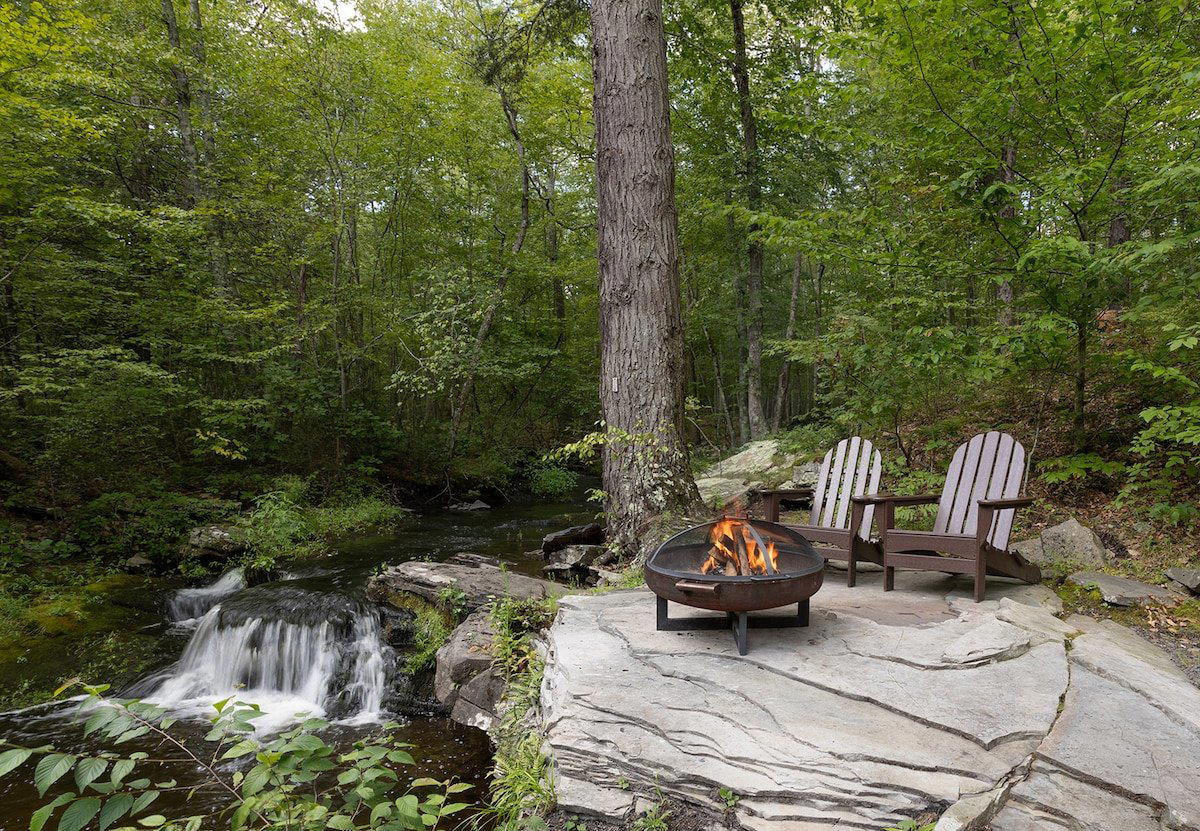
Warm and inviting neighborhood bistro atmosphere with a focus on locally-sourced, seasonal cuisine.