Fandango makes a case for Basilicata's own ingredient tradition through long-fermented sourdough pizza and dishes built around local produce, including the region's crusco peppers. Led by Salvatore Gatta, it roots a Neapolitan technique framework in a distinctly Lucanian larder. Located at Via dei Molinari, 37 in Potenza, it is one of the clearest expressions of the city's unpretentious, territory-first approach to eating.
 Discover on Pearl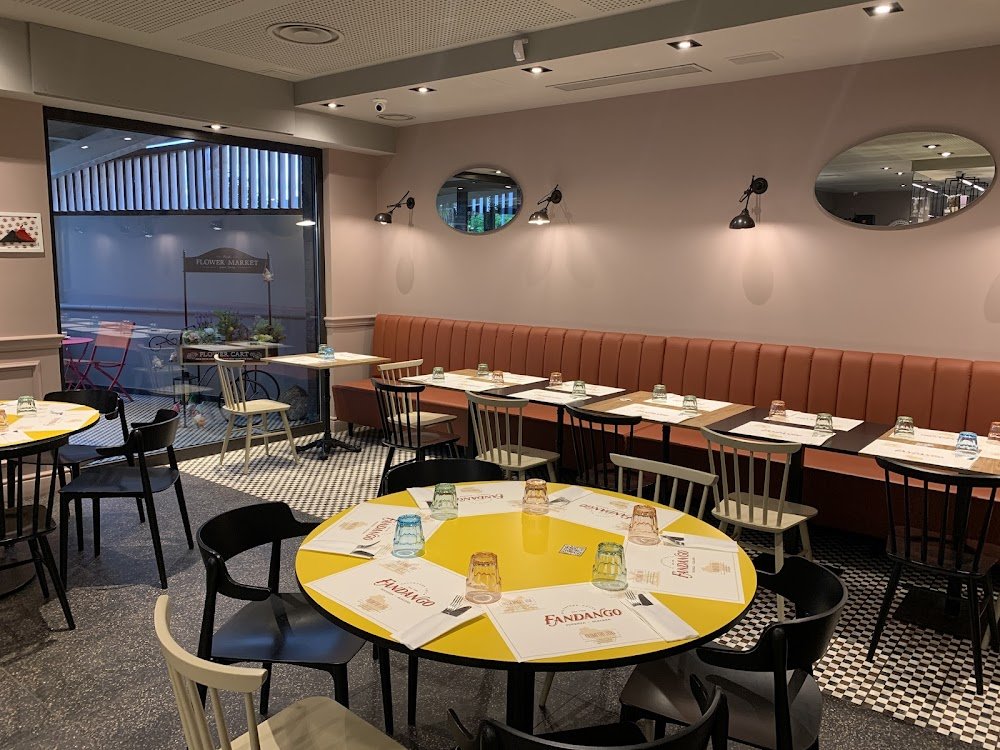
Where Basilicata's Larder Meets the Neapolitan Oven
Via dei Molinari runs through a part of Potenza that feels more workaday than picturesque, which makes the aromatic signal from Fandango's kitchen all the more arresting. The smell of long-fermented dough and wood-fired char arrives before any signage does. Inside, the register is casual and unhurried, the kind of room where the food is the event and the decor makes no argument to the contrary. Potenza is not a city that crowds onto many Italian dining itineraries, but that lower profile has allowed a small number of operators here to cook with real specificity, free from the pressure of tourist-facing menus.
The Basilicata Ingredient Argument
Southern Italian pizza has long been framed as a Naples story, but the ingredient tradition of Basilicata offers a distinct counterpoint. This is a region defined by altitude, aridity, and agricultural stubbornness: small farms producing intensely flavoured peppers, legumes, and cured meats that bear little resemblance to the softer, more abundant produce of the Campanian plain. Fandango, led by Salvatore Gatta, draws on that regional larder deliberately. The result is a pizza concept rooted in Neapolitan technique but oriented toward Basilicata's own pantry rather than any nostalgic recreation of Naples.
The ingredient that most clearly signals this orientation is the crusco pepper, a sun-dried, fried variety that functions as both garnish and flavour engine across Lucanian cooking. It appears in Fandango's menu as a local reinterpretation rather than an accessory, representing a broader editorial choice: that the ingredients of Basilicata are worthy of the same platform that Campanian DOP products occupy at comparable counters further north. For a diner who has been following Italy's regional pizza movement, this framing will feel familiar. For a first-time visitor to Potenza, it is a useful entry point into why this region's food culture deserves attention on its own terms rather than as a footnote to Naples.
Italy's pizza scene at the recognised end of the spectrum, including the three-Michelin-star end occupied by houses like Osteria Francescana in Modena, Enoteca Pinchiorri in Florence, and Le Calandre in Rubano, is built largely on produce provenance and technique precision. Fandango operates at a different price point and scale, but shares that underlying logic: the ingredient comes first, and the preparation exists to make its character legible.
The Dough as a Position Statement
Long-fermentation sourdough has become a marker of seriousness in contemporary pizza across Italy, distinguishing operations with extended preparation cycles from those producing high-volume, rapid-rise product. Fandango's crusts are fragrant and slow-matured, a process that produces a more complex, digestible base than standard commercial yeast methods. This is a production choice with real consequences for flavour, texture, and the amount of advance planning the kitchen requires. It also positions the venue within a peer set that values craft over throughput, which is a meaningful distinction in a city of Potenza's size, where the economics of slow food are harder to sustain than in larger tourist-fed markets.
The long-matured sourdough approach aligns Fandango with a strand of Italian pizza thinking that has emerged significantly over the past fifteen years, one that draws on natural leavening traditions to argue that pizza deserves the same fermentation attention as artisan bread. The argument has been made most visibly in Naples and Rome, but its logic translates directly to a regional operator who can source locally milled flours and time production around a smaller, more predictable daily service.
The Fried Food Dimension
Neapolitan street food traditions include a substantial fried repertoire: montanare, cuoppo, crocché, and frittatine, none of which require a sit-down context to be taken seriously. Fandango's menu extends into this territory with a selection of classic Neapolitan fried formats, a choice that speaks to the breadth of the tradition rather than any confusion about identity. At a venue this rooted in southern Italian cooking, offering fried options alongside pizza is not a concession; it is a coherent reading of how people in this part of Italy actually eat.
This dual format also makes Fandango accessible across different visit durations and appetites, a practical consideration for a city that sees more domestic than international visitors. Someone arriving for a single item from the fritti counter and a glass of something cold is operating within the same culinary logic as a table spending two hours working through pizzas. The room accommodates both without feeling compromised in either direction.
Potenza and the Southern Italy Dining Context
Potenza sits at roughly 820 metres above sea level, making it one of the highest regional capitals in Italy. The city does not attract the same dining attention as Matera, its more famous Basilicata neighbour, which means operators here tend to cook for a local audience rather than a curated international one. That orientation produces a different kind of restaurant culture: less performance-driven, more directly tied to the region's actual produce calendar and the preferences of people who eat here regularly.
For travellers whose Italian itineraries typically run through Michelin-heavy corridors like the ones connecting Piazza Duomo in Alba, Dal Pescatore in Runate, Enrico Bartolini in Milan, or Reale in Castel di Sangro, Potenza offers a corrective. The city's restaurant culture is largely unmediated by the recognition economy, which means you are more likely to encounter cooking shaped by what the surrounding territory produces than by what wins awards in a given season. Fandango is one of the clearer examples of that tendency.
For a broader read of what Potenza has to offer across categories, our full Potenza restaurants guide maps the city's dining scene in detail. Visitors also planning time in the wider region can consult our Potenza hotels guide, bars guide, wineries guide, and experiences guide for context on how to structure a stay. Further afield in Italy, the dining register shifts considerably at houses like Uliassi in Senigallia, Quattro Passi in Marina del Cantone, Atelier Moessmer Norbert Niederkofler in Brunico, and Casa Perbellini 12 Apostoli in Verona, each of which represents a different strand of Italian cooking ambition. International reference points operating at a different scale entirely include Le Bernardin in New York City and Atomix in New York City.
Planning a Visit
Fandango is at Via dei Molinari, 37, in central Potenza. Specific hours, pricing, and booking details are not currently confirmed in our records; arriving earlier in a session tends to be the more reliable strategy at venues of this scale in smaller Italian cities, where covers turn quickly and walk-in availability narrows as the evening progresses. Potenza is accessible by rail from Naples and Taranto, and the address falls within the city's walkable centre.
Frequently Asked Questions
Side-by-Side Snapshot
These are the closest comparables we have in our database for quick context.
| Venue | Cuisine | Price | Awards | Notes |
|---|---|---|---|---|
| Fandango | Fandango, led by Salvatore Gatta, builds its identity on a strong connection to… | This venue | ||
| Atelier Moessmer Norbert Niederkofler | Italian, Creative | €€€€ | Michelin 3 Star | Italian, Creative, €€€€ |
| Dal Pescatore | Italian, Italian Contemporary | €€€€ | Michelin 3 Star | Italian, Italian Contemporary, €€€€ |
| Enoteca Pinchiorri | Italian - French, Italian Contemporary | €€€€ | Michelin 3 Star | Italian - French, Italian Contemporary, €€€€ |
| Enrico Bartolini | Creative | €€€€ | Michelin 3 Star | Creative, €€€€ |
| Osteria Francescana | Progressive Italian, Creative | €€€€ | Michelin 3 Star | Progressive Italian, Creative, €€€€ |
Need a table?
Our members enjoy priority alerts and concierge-led booking support for the world's most difficult tables.
Get Exclusive Access