Our verdict
Etxola Bibi occupies a square address in Biarritz where the Basque Country's instinct for ingredient-led cooking meets the French Atlantic coast's larder. The kitchen draws on one of Europe's most distinctive regional food cultures, where proximity to the Pyrenees, the Bay of Biscay, and the Landes forest shapes what arrives on the plate. It sits within a Biarritz dining scene that has grown sharper and more internationally watched in recent years.

Pearl is the En Primeur Club membership app — saves, bookings, and concierge access live there. Same editors, same standards.
- Address
- Square Jean Baptiste Lassalle, 64200 Biarritz, France
- Hours
- Mon–Tue 8 AM–11 PMWed 8 AM–10:30 PMThu–Sun 8 AM–11 PM
- Website
- etxolabibi.com
- Directions
- Get directions
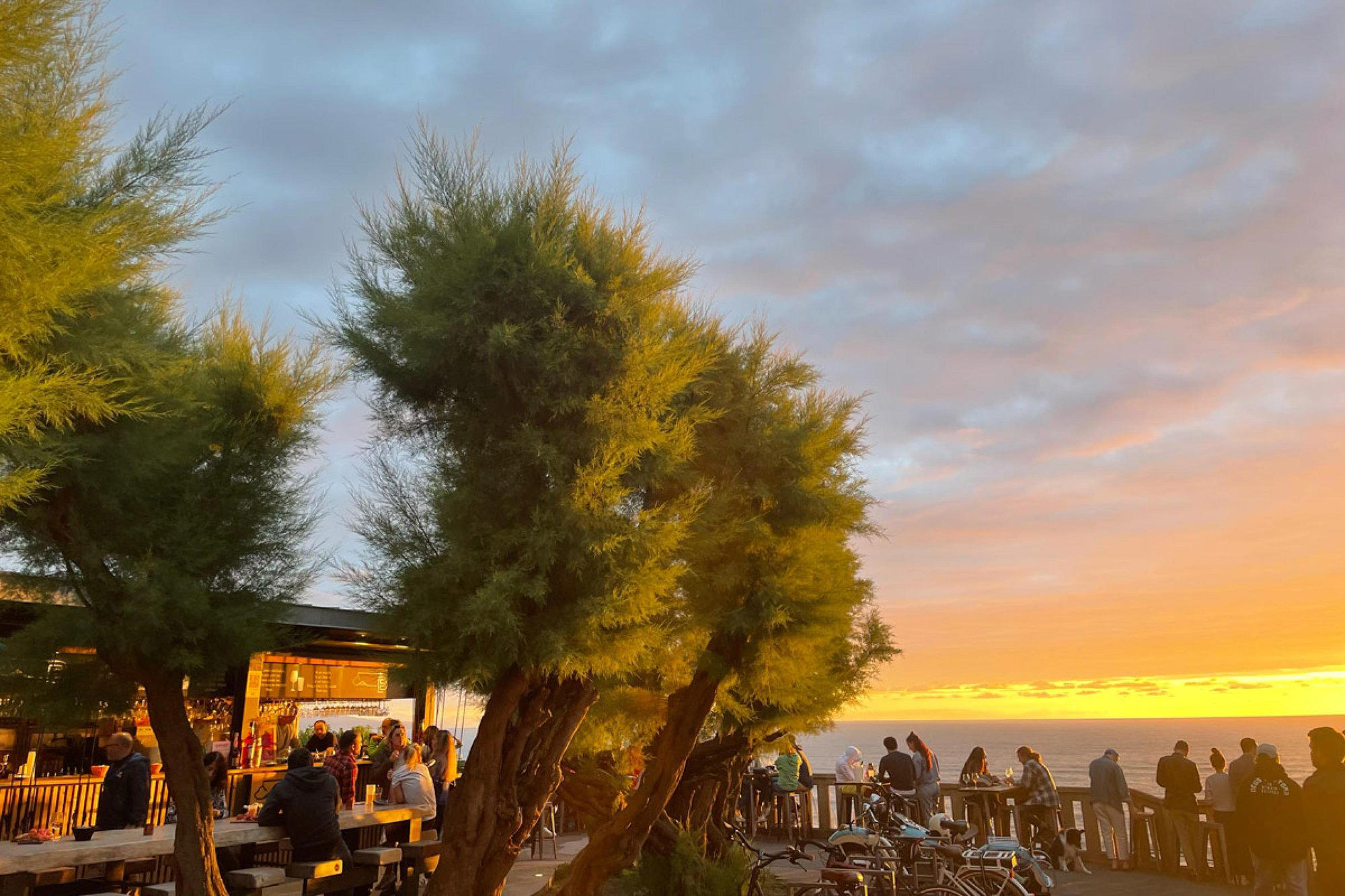
Where the Basque Larder Meets the Atlantic
Square Jean Baptiste Lassalle sits in a residential register of Biarritz that most visitors pass through rather than pause at. The square itself has the unhurried quality of a neighbourhood that hasn't been curated for tourism, which means Etxola Bibi arrives without the theatrical framing of the seafront or the Grand Plage. That absence of spectacle is, in the context of ingredient-led cooking, a useful signal. Restaurants that stake their identity on what they source tend to prefer rooms where the food carries the weight without competition from the view.
Biarritz has spent the better part of the last decade consolidating a reputation as something more than a surf resort with good pintxos nearby. The city now holds a layered dining tier that runs from casual Basque bistros through mid-market creative kitchens to a handful of addresses with serious culinary ambition. L'Impertinent operates at the creative end of that spectrum, while La Table d'Aurélien Largeau and Les Rosiers anchor the modern cuisine bracket. Etxola Bibi sits within this expanding field, and its location on the square positions it closer to the neighbourhood grain of the city than to its resort surface.
The Sourcing Logic of the Basque-Landes Triangle
Few regions in Europe offer a kitchen the range of raw material that the triangle between the Pyrenean foothills, the Bay of Biscay, and the Landes forest provides. Axoa de veau, ttoro, and piperade are not merely traditional dishes; they are the edible record of a geography where mountain livestock, Atlantic fish, and alluvial vegetable plots exist within hours of each other. Any serious kitchen working in this corner of France is, whether it announces it or not, in conversation with that larder.
The Basque ingredient tradition is also unusually codified. Espelette pepper, piment d'Anglet, Ossau-Iraty cheese, and Bayonne ham each carry protected designations that function as quality anchors and geographic guarantees. A kitchen that sources within those designations is making a positioning choice as much as a culinary one. It signals proximity to producers, an understanding of seasonal availability, and a resistance to substitution when local supply is tight. That's a harder discipline to maintain than menus built around imports, and it's the discipline that gives Basque-inflected cooking its regional coherence.
Biarritz's position as the westernmost city on the French Basque coast also means access to the Bay of Biscay's catch: merlu (hake), dorade, bar, and the anchovy haul from Saint-Jean-de-Luz that arrives through summer into early autumn. These are not pantry staples in most of France; here, they are the baseline. Restaurants that treat Atlantic fish well in this city are working with product that the rest of France's fine dining circuit considers a premium import. AHPĒ and Aiete are among the addresses in Biarritz engaging with that fish-forward identity in their own ways.
How Etxola Bibi Fits the Current Scene
Biarritz's dining scene has moved, over the last several years, toward a more self-aware version of its regional identity. The reflexive Frenchification of Basque product, which characterised an earlier generation of ambitious restaurants in the area, has given way to something more direct: kitchens that name their producers, build menus around seasonal availability rather than classic French architecture, and treat the Basque-Landes geography as sufficient creative territory without needing to reach elsewhere for validation.
Etxola Bibi, positioned on a residential square rather than along the hotel strip, fits the profile of a restaurant that is making a local argument. The address alone puts it in the company of places that rely on word-of-mouth and repeat custom rather than foot traffic. In a city where the summer tourist season compresses into July and August, restaurants that survive and develop outside that window tend to have a more durable identity. The shoulder seasons, from April through June and September through October, are when Biarritz's serious dining culture is most legible, and when the ingredients from both the mountain and the sea arrive in their most expressive form.
For context on what the broader French fine dining conversation looks like, consider the range of approaches from Mirazur in Menton, where Mediterranean produce and garden cultivation define the kitchen's sourcing philosophy, to Bras in Laguiole, where the Aubrac plateau's terroir has generated one of France's most studied ingredient-driven menus. These are different geographies making the same essential argument: that the strongest French regional cooking is inseparable from where it grows. Flocons de Sel in Megève makes a comparable case from the Alpine larder. The Basque coast is no less equipped to mount that argument; it simply does so with different product.
France's most decorated kitchens, from Alléno Paris au Pavillon Ledoyen to Troisgros in Ouches and Auberge de l'Ill in Illhaeusern, all share a foundational relationship with their immediate geography, however differently that plays out at the plate. The same logic applies at a more intimate scale in cities like Biarritz. You can extend that frame internationally: Le Bernardin in New York built its reputation on the single-minded sourcing and treatment of fish. Atomix, also in New York, grounds its tasting format in Korean ingredient tradition. The principle that sourcing transparency and regional specificity drive culinary credibility is not geographically bounded.
Planning a Visit
Etxola Bibi is located at Square Jean Baptiste Lassalle, 64200 Biarritz. The shoulder season months, roughly April to June and September to October, offer the city's most settled dining conditions, with full ingredient availability and fewer covers to compete with. Biarritz is served by Biarritz Pays Basque Airport and is approximately two hours from Bordeaux by road. For a broader map of where this restaurant sits within the city's dining tier, the EP Club Biarritz restaurants guide covers the full range from casual to formal, including L'Impertinent, Les Rosiers, and AHPĒ.
Frequently asked questions
Where exactly is Etxola Bibi?
Etxola Bibi is located at Square Jean Baptiste Lassalle, 64200 Biarritz, France, Biarritz.
Is Etxola Bibi a good option for visitors who want to eat Basque cuisine in Biarritz without crossing into Spain?
Etxola Bibi operates on the French side of the Basque corridor, in Biarritz, which gives it access to the same Pyrenean and Bay of Biscay sourcing that defines the broader regional kitchen without requiring a trip to San Sebastián or Bilbao. For visitors exploring French Basque country specifically, the restaurant's location on Square Jean Baptiste Lassalle places it within the residential grain of Biarritz rather than its tourist spine, which is where the more ingredient-driven cooking in this region tends to concentrate.
What do people recommend at Etxola Bibi?
The consistent advice from those familiar with Basque coast restaurants is to follow the kitchen's seasonal direction rather than anchoring to specific dishes. Etxola Bibi sits in the Basque-Landes corridor, where the raw material changes meaningfully across seasons — Bay of Biscay fish in one period, Pyrenean-foothills produce in another. Arriving with flexibility rather than a fixed order in mind tends to produce the better meal.
What's the best way to book Etxola Bibi?
A confirmed phone number and website are not yet on record for Etxola Bibi, so the most direct route is to visit Square Jean Baptiste Lassalle in person or to ask your Biarritz accommodation to make contact on your behalf. Across the French Basque dining circuit, restaurants at this residential-address level often operate with limited advance booking windows, and walk-in attempts earlier in the week tend to succeed more often than weekend arrivals without a reservation.
What's the standout thing about Etxola Bibi?
Its address on Square Jean Baptiste Lassalle positions Etxola Bibi firmly in the neighbourhood-restaurant category — the kind of place that earns its following through what's on the plate rather than a prominent location or destination branding. In a Biarritz dining scene that has been moving toward a more self-conscious expression of Basque regional identity, that residential grounding carries a specific credibility. The kitchen's proximity to Basque-Landes sourcing networks is the structural advantage here.
Is Etxola Bibi allergy-friendly?
French law requires all restaurants to disclose allergens on request, so the kitchen is legally obligated to provide that information when asked. Guests with serious dietary requirements are advised to check the venue's official channels before visiting to confirm what the kitchen can accommodate on any given day.
At-a-Glance Comparison
Comparable venues nearby, for context on price, style, and recognition.
| Venue | Cuisine | Price | Awards | Notes |
|---|---|---|---|---|
| Etxola BibiThis venue — the venue you are viewing | Casual Coastal Basque Bistro | $20–30 | Not listed | Not listed |
| Restaurant LMB | French Basque Bistro | $30–50 | Not listed | near Grand Plage |
| Aiete | Modern Basque Fusion | $30–50 | Not listed | Bibi-Beaurivage |
| Le Marion | Traditional French Bistro | $30–50 | Not listed | Hippodrome |
| Hernani | Basque Sidreria | Not listed | Not listed | Biarritz center |
| La Rotonde | Refined French Gastronomic with Basque Influences | $150–200 | Michelin Plate | centre-ville |
Details
- Lively
- Cozy
- Scenic
- Trendy
- Casual Hangout
- Family
- After Work
- Brunch
- Terrace
- Open Kitchen
- Waterfront
- Craft Cocktails
- Local Sourcing
- Organic
- Waterfront
- Small Plates
- A La Carte
- Cocktails
- Local Beers
- Gluten Free Options
- Vegetarian Friendly
Current opening hours
- Monday
- 8 AM–11 PM
- Tuesday
- 8 AM–11 PM
- Wednesday
- 8 AM–10:30 PM
- Thursday
- 8 AM–11 PM
- Friday
- 8 AM–11 PM
- Saturday
- 8 AM–11 PM
- Sunday
- 8 AM–11 PM
Hours can change for holidays and private events. Last verified .
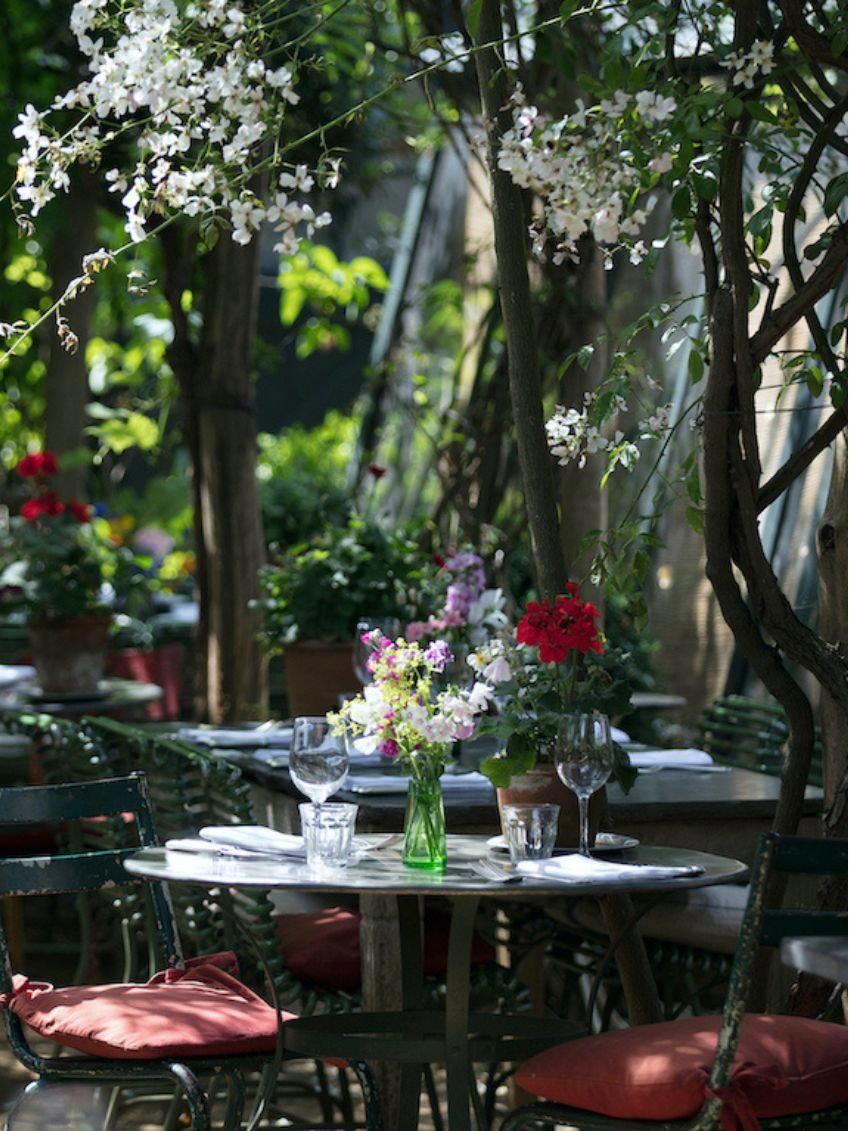
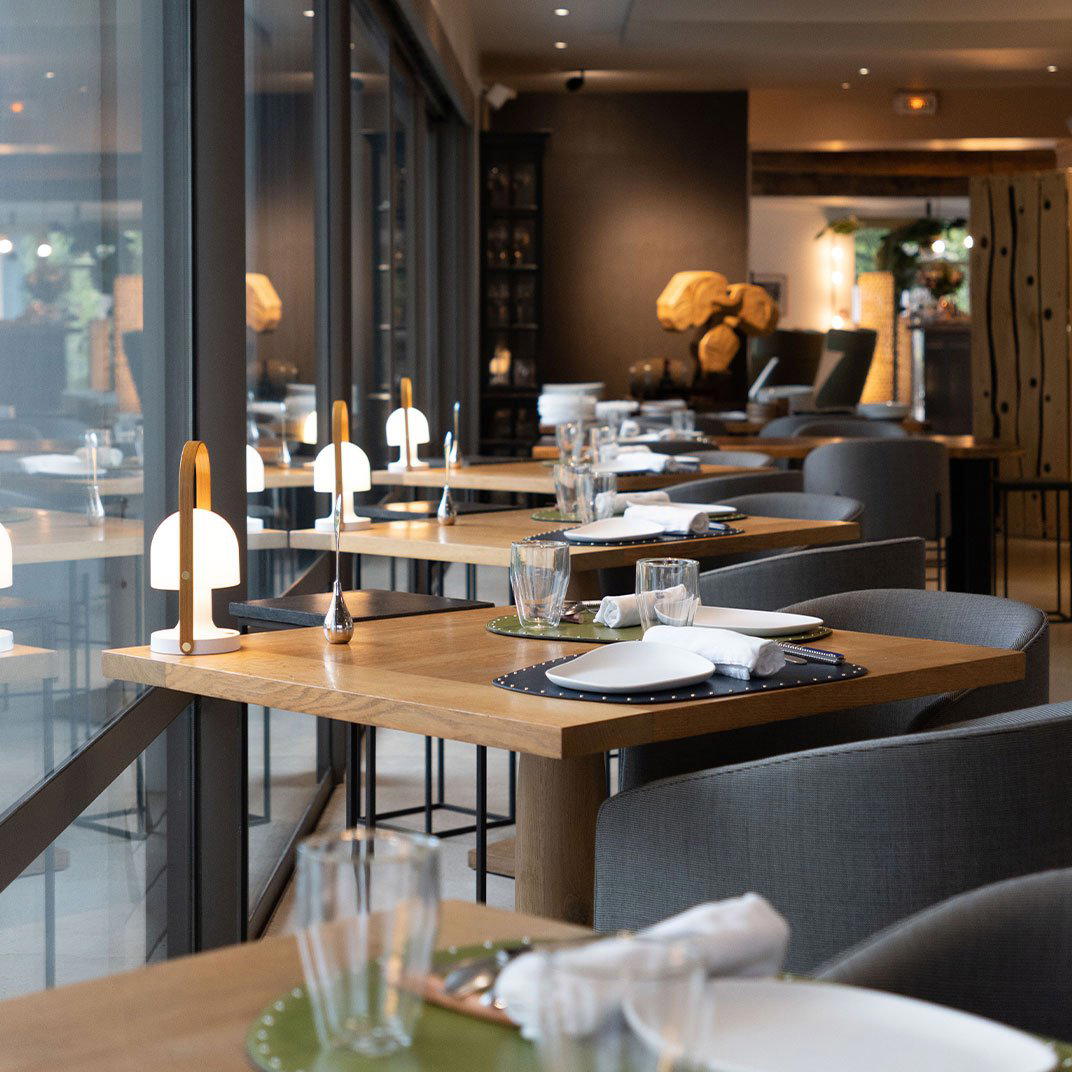
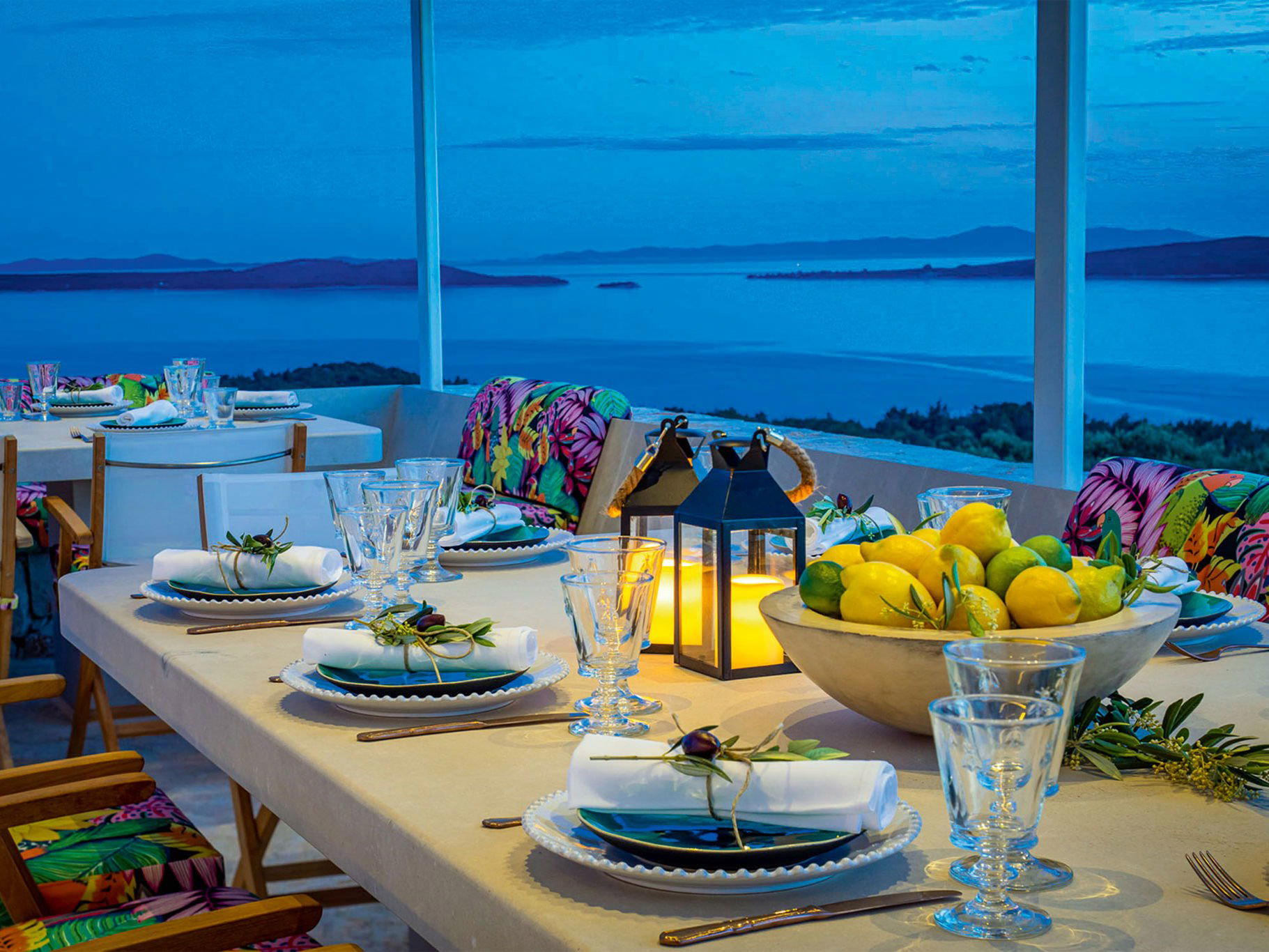
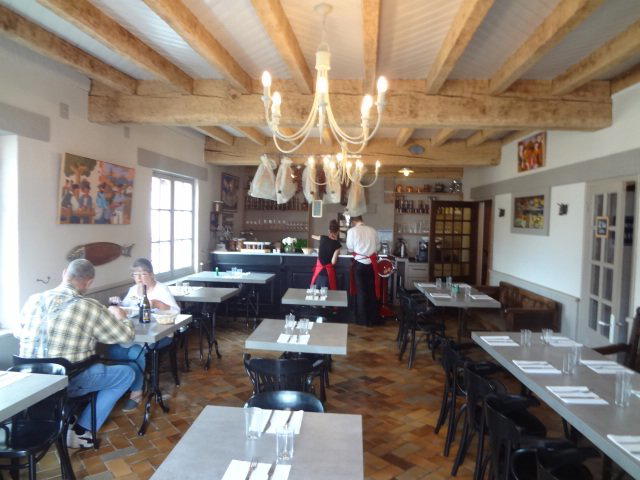
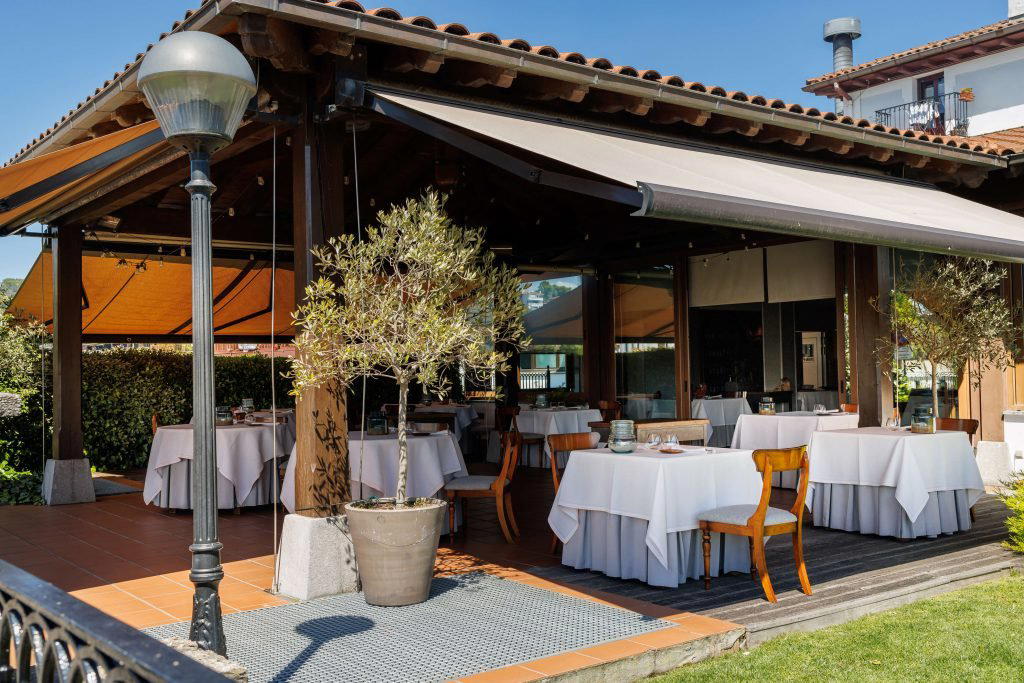
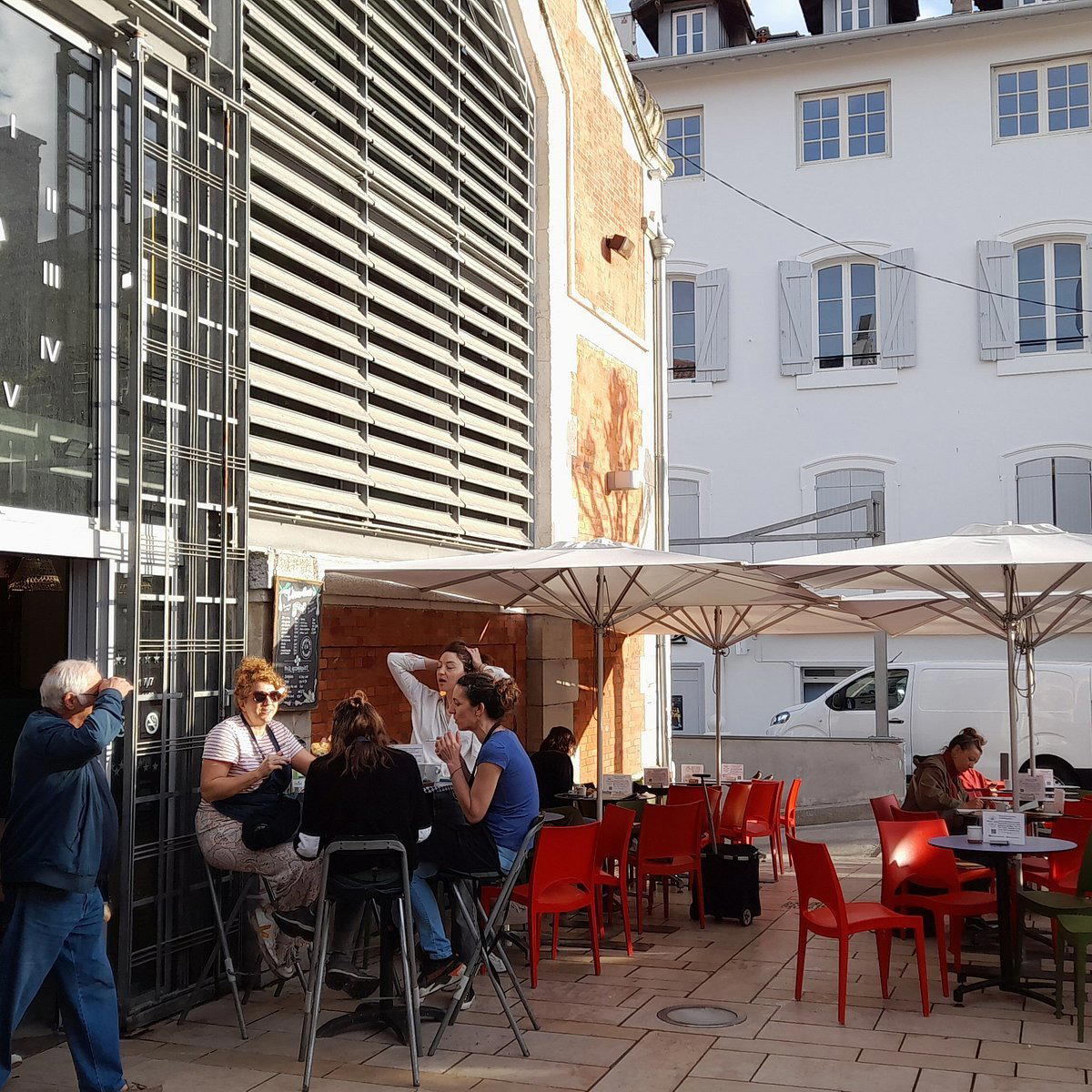
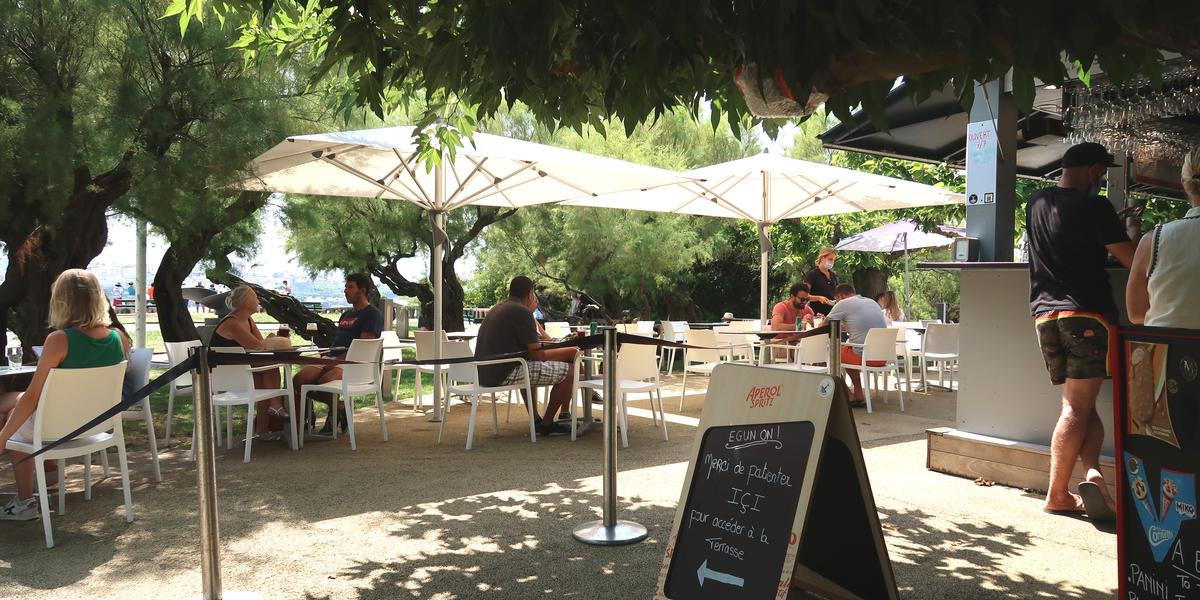
Relaxed, friendly, and convivial open-air atmosphere with dramatic coastal scenery, well-suited for casual hangs from morning coffee to evening aperitifs.