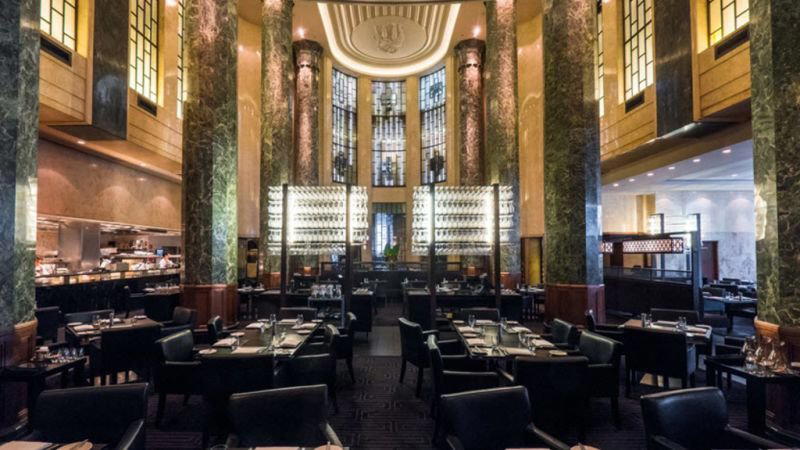
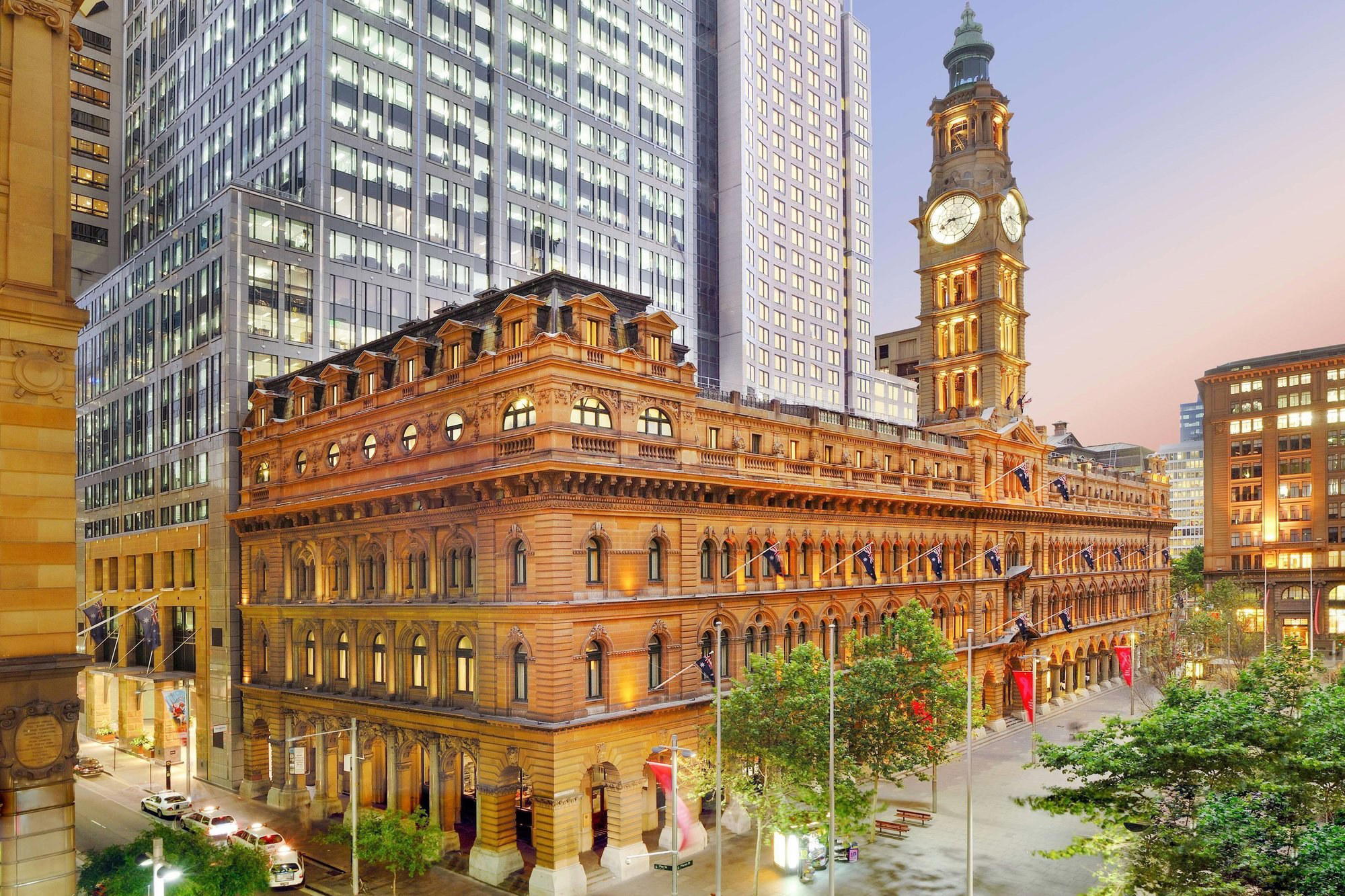
Est occupies the first floor of a heritage sandstone building on George Street in Sydney's CBD, positioning itself within the tight upper tier of Australian fine dining. The room is defined by high ceilings, warm lighting, and a format that draws on classical European technique applied to Australian produce. It sits in the same competitive conversation as Rockpool and Bennelong.
Pearl is the En Primeur Club membership app — saves, bookings, and concierge access live there. Same editors, same standards.
- Address
- Level 1/252 George St, Sydney NSW 2000, Australia
- Phone
- +61 2 9114 7360
- Website
- merivale.com
- Directions
- Get directions
 Saves & bookings on Pearl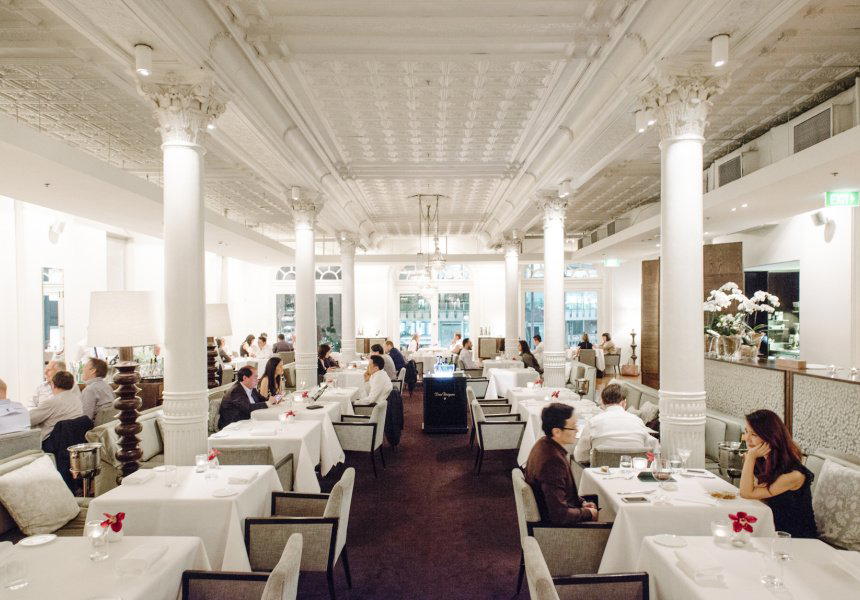
George Street After Dark: The Room That Sets the Register
There is a particular quality to dining on the upper floor of a heritage Sydney building at night. The street noise softens below, the sandstone walls absorb the light differently than glass and steel do, and the overall effect is of a room that asks you to slow down before a single dish arrives. Est, at Level 1 on 252 George St, operates in exactly that register. The CBD has no shortage of ambitious restaurants, but the combination of architectural weight and formal table service places Est in a distinct category: the kind of room where the physical environment is itself an editorial statement about what the kitchen is attempting.
That upper floor position is worth noting not just as a logistical fact but as a sensory one. Arriving via a dedicated entrance and ascending to the dining room creates a threshold moment that most ground-floor venues cannot manufacture. The ceiling height, the quality of ambient sound, the controlled temperature of a room designed for this purpose rather than retrofitted into a retail space: these are the structural conditions that separate Sydney's formal dining tier from its casual mid-market. Est sits in that formal tier and signals it architecturally before the menu is opened.
Sydney's Fine Dining Tier: Where Est Sits in the Competitive Frame
Sydney's upper bracket of contemporary Australian restaurants has consolidated over the past decade into a relatively small peer group. Rockpool defined much of what Sydney understood as premium Australian cuisine through the 1990s and 2000s. AALIA has more recently staked a claim in the CBD with Middle Eastern-inflected modern cooking. Saint Peter carved a specific lane around Australian seafood with a focus that is difficult to replicate. Est operates in the broader fine-dining frame rather than a single-ingredient specialism, drawing on classical European discipline applied to Australian produce — a positioning that places it closer to Bennelong than to Saint Peter in terms of competitive reference points.
That classical European orientation gives Est a different sensory rhythm from the more produce-forward or fermentation-led restaurants that have defined the last few years of Australian fine dining. Where venues like Brae in Birregurra and Attica in Melbourne have built their identities around hyper-local sourcing philosophies, the Sydney CBD fine-dining tradition has generally remained more technique-forward and service-formal. Est is a product of that tradition. Internationally, the comparison set would include rooms like Le Bernardin in New York City, where classical rigour and produce quality intersect without irony.
The Atmosphere as Argument
The case for a formal room in 2024 is not self-evident. Casual dining has taken market share across every price bracket, and the instinct in many cities has been to strip formality from even the most expensive restaurants. Sydney has followed this trend partially but not completely. There remains a cohort of diners — corporate, celebratory, visiting international, for whom the formal room is not a relic but a requirement. Est occupies that position within the George Street and broader CBD dining corridor.
What this means in practice is a sensory experience organised around control rather than spontaneity. The lighting is warm but directed. The spacing between tables allows conversation without projection. The service rhythm is timed rather than reactive. These are not accidental outcomes; they are the result of a room designed and operated with a specific dining tempo in mind. For diners coming from a long day of meetings in surrounding towers, or from a hotel within walking distance, that controlled atmosphere is the product as much as the food.
Contrast this with 20 Chapel or Bathers Pavilion, both of which trade in setting but orient their atmospheres around lightness and openness rather than enclosure and formality. Sydney's dining geography offers these different registers in abundance, and Est's is the specifically urban, architectural one.
What the CBD Position Means for the Practical Visit
252 George Street sits in the heart of Sydney's financial district, which has specific implications for timing and context. The lunch trade here is corporate; the dinner trade skews toward special occasion and visiting interstate or international guests. Both audiences expect a version of formality that the room delivers. For visitors staying in the CBD, the venue is walkable from most major hotels. For those arriving by public transport, Wynyard and Martin Place stations are both within a short walk, making the George Street address one of the most accessible fine-dining locations in the city.
Given the venue's position in the premium tier and the absence of current booking information in the public record, the most reliable approach is to plan ahead and contact the restaurant directly for table availability, particularly for Friday and Saturday evenings when CBD fine dining compresses into a narrower window. The lunch service on weekdays typically offers a quieter entry point into the same room and format. For a broader picture of what Sydney's restaurant scene offers at this tier, our full Sydney restaurants guide maps the competitive set in detail. The city's bar scene, hotel options, winery access, and broader experiences are covered in separate guides.
The Australian Fine Dining Reference Frame
Understanding Est requires some orientation within the broader Australian fine-dining arc. The category has bifurcated over the past fifteen years: one branch moving toward produce-worship, terroir specificity, and native ingredient integration, the other maintaining classical European frameworks as the primary technical language. Agrarian Kitchen in Hobart, Amaru in Armadale, and 400 Gradi in Brunswick East each represent specific sub-niches within Australian premium dining, none of which map directly onto what Est represents. Bacchus in Brisbane is perhaps the closest interstate comparison in terms of formal CBD positioning and European technique orientation.
The comparison with Atomix in New York City is instructive in a different way: Atomix demonstrates how a formal, counter-based tasting format can command significant price premiums and critical attention simultaneously. Sydney's formal dining rooms operate with different cultural inputs but face the same structural question about whether format discipline and technique rigour justify premium pricing against a casualising market. Est's continued presence on George Street suggests the answer, for its specific audience, remains yes.
Comparable Options
| Venue | Cuisine | Price |
|---|---|---|
| EstThis venue — the venue you are viewing | This venue | Not listed |
| Rockpool | Australian Cuisine | Australian Cuisine |
| Saint Peter | Australian Seafood | Australian Seafood |
| BENTLEY Restaurant & Bar | Australian Modern | Australian Modern |
| Bennelong | Australian Cuisine | Australian Cuisine |
| Rockpool Bar & Grill | Australian Grill | Australian Grill |
Continue exploring
More in Sydney
Restaurants in Sydney
Browse all →
Bars in Sydney
Browse all →
Hotels in Sydney
Browse all →

At a Glance
- Elegant
- Classic
- Sophisticated
- Romantic
- Date Night
- Business Dinner
- Special Occasion
- Celebration
- Hotel Restaurant
- Open Kitchen
- Extensive Wine List
- Sommelier Led
- Sake Program
- Local Sourcing
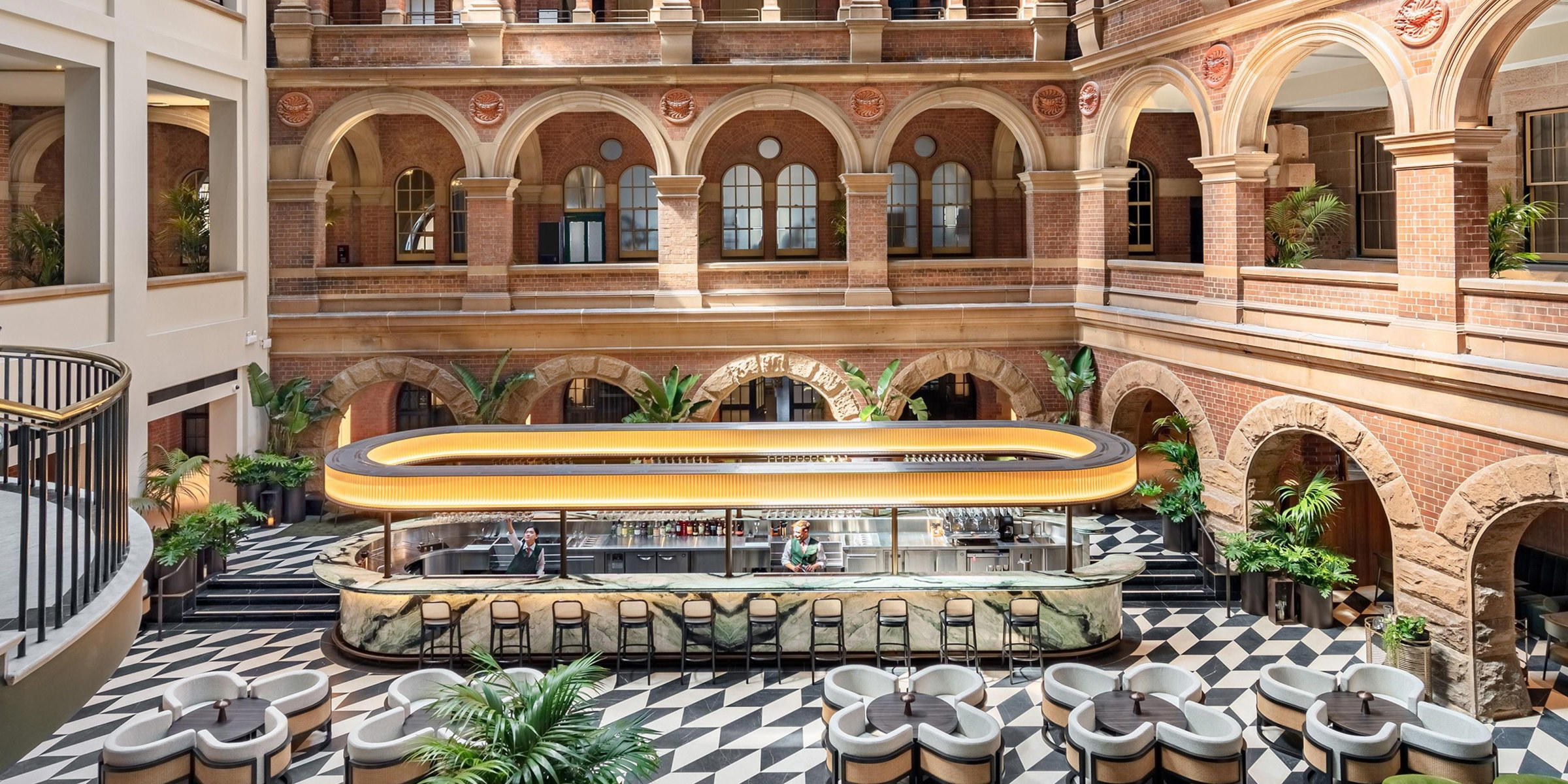
Soft lighting spills through front windows; pressed-metal ceilings soar overhead; plush banquettes with cushions create comfort and elegance; white-dressed tables and chandeliers add refinement; low ambient buzz allows conversation.
Know Before You Go
- Getting there
- Level 1/252 George St, Sydney NSW 2000, Australia