Es Ventall


A Michelin Plate-recognised restaurant in the centre of Sant Antoni de Portmany, Es Ventall operates from a rustic-Ibizan courtyard shaded by a large fig tree. Chef José Miguel Bonet builds a contemporary Mediterranean menu around local produce, much of it from the family's own vegetable garden, with à la carte rice dishes, daily suggestions, and a tasting menu available at €€€ pricing.
Pearl is the En Primeur Club membership app — saves, bookings, and concierge access live there. Same editors, same standards.
- Address
- Es Ventall, Carrer de Cervantes, 07820 Sant Antoni de Portmany, Spain
- Phone
- +34 871 23 12 00
- Website
- restauranteesventall.com
- Directions
- Get directions
 Saves & bookings on Pearl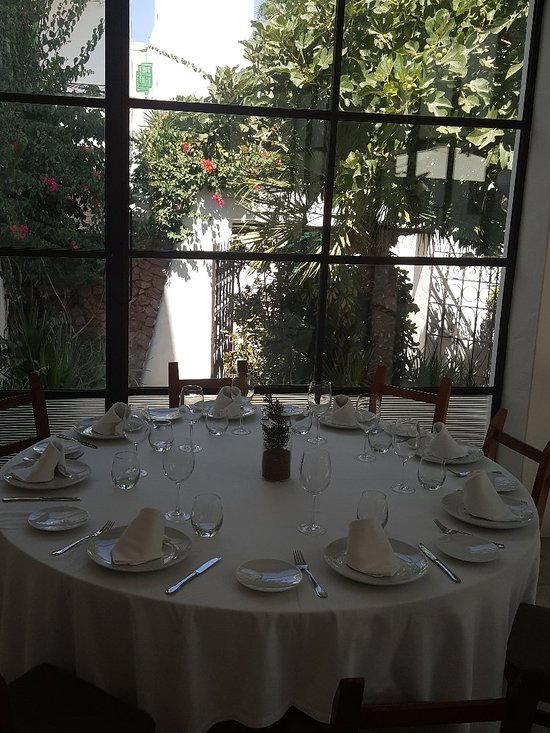
A Courtyard Table in Sant Antoni's Dining Scene
Sant Antoni de Portmany carries a reputation built almost entirely on its nightlife, which makes the town's serious restaurant culture easy to overlook. Tucked along Carrer de Cervantes, a short walk from the clubs and beach bars, a different kind of dining proposition operates: one rooted in Ibizan agricultural tradition, family ownership, and the kind of courtyard setting that belongs more to a rural finca than a town centre address. Es Ventall sits inside that gap between expectation and reality.
In Spain's contemporary dining scene, where €€€€ tasting menus at DiverXO in Madrid, Arzak in San Sebastián, and Azurmendi in Larrabetzu define one end of the spectrum, the Plate tier acknowledges the restaurants doing precise, considered work without the production scale of three-star operations. Es Ventall operates at €€€ pricing and positions itself accordingly.
The Ibizan Agricultural Tradition Behind the Menu
Mediterranean cooking in the Balearics has always been shaped by what the land and sea produce locally, but that principle has been diluted across much of Ibiza's tourist-facing restaurant industry. The more interesting operations on the island have pushed back against that drift by anchoring menus to Ibizan agricultural sources, not as a marketing gesture, but as a structural commitment to ingredient quality.
At Es Ventall, that commitment runs to the family's own vegetable garden, which supplies a portion of the produce reaching the kitchen. This kind of farm-to-table proximity is not novel in Spain's broader contemporary dining conversation, restaurants such as El Celler de Can Roca in Girona and Quique Dacosta in Dénia have long foregrounded Catalan and Valencian terroir, but on an island where supply chains are complicated by insularity, the decision to maintain direct agricultural production represents a meaningful operational choice. It also anchors the menu's character: seasonal variation is built into the format rather than retrofitted as a seasonal special.
Chef José Miguel Bonet leads the kitchen, working within a framework that describes itself as contemporary cuisine with Mediterranean roots. That framing covers significant ground across Spain's restaurant scene, from the Andalusian coast to the Levante, but in Ibiza it carries a specific weight. The island's culinary identity draws on Moorish, Catalan, and North African influences that accumulated across centuries of trade routes. Rice dishes and fideuás, both prominent on the à la carte menu here, belong to that Levantine-Mediterranean lineage and connect Ibizan cooking to a broader coastal tradition running from Valencia through the Balearics.
The Courtyard Setting and What It Means Editorially
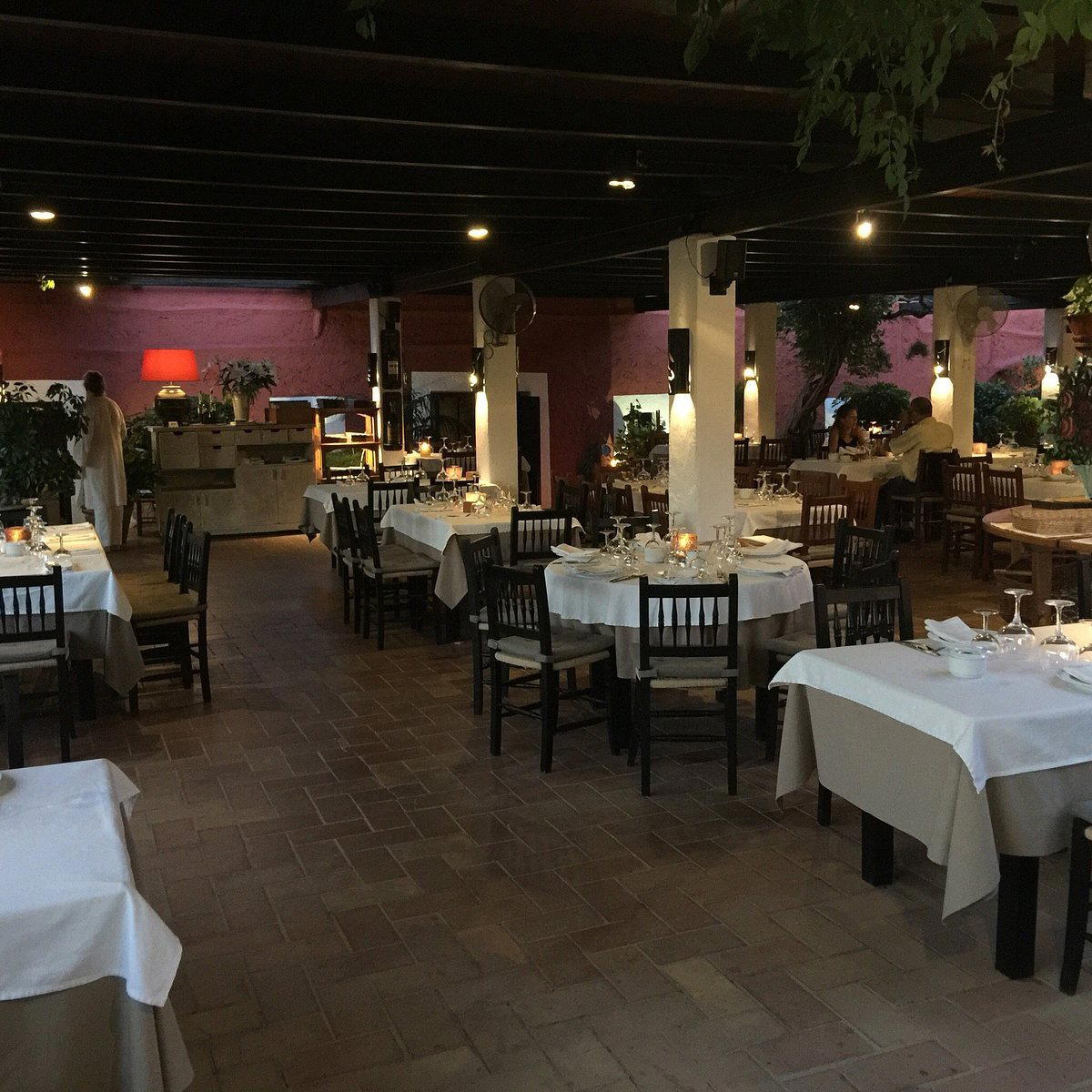
The restaurant's physical environment deserves separate consideration. The interior courtyard, arranged under a large fig tree and filled with vegetation, is the kind of space that takes decades to develop. Fig trees of meaningful canopy size are not installed; they grow into position over time. That single horticultural detail speaks to a long-standing establishment, one that has been tending its physical environment as carefully as its kitchen.
The rustic-Ibizan interior design reinforces this impression. Where much of Sant Antoni's hospitality infrastructure has been rebuilt or repositioned for the island's tourism economy, the aesthetic here reads as preservation rather than renovation. That distinction matters in a town where the visual grammar of most dining rooms is either imported international minimalism or aggressively themed local colour. The restaurant occupies different territory: a genuinely accumulated setting that reflects its location without performing it.
The restaurant makes no claim on that territory. Its setting is quieter and more domestic, which suits a menu built around local vegetables and rice rather than fermentation programs or avant-garde technique.
Format, Service, and How to Approach a Visit
The kitchen operates across three service formats: à la carte, a daily suggestions board, and a tasting menu. That structure gives the room flexibility that many single-format contemporary restaurants sacrifice. Regulars working through the à la carte will find a selection of rice dishes and fideuás that represent the kitchen's most direct engagement with Mediterranean coastal tradition. The daily suggestions reflect what the market and the vegetable garden have produced that week. The tasting menu offers a more structured editorial progression through the kitchen's current thinking.
For visitors planning a trip around Sant Antoni's wider offer, the restaurant sits within a town that has more dining depth than its nightlife reputation implies. Es Tragón (Creative) represents the town's more experimental contemporary cooking, and together these operations define a small but coherent tier of serious dining within the resort context.
Practically: the restaurant's position in the centre of town makes it walkable from most accommodation in the area, removing the logistical friction of dining outside the resort core. Reservations in advance are advisable from June through September. The price tier at €€€ sits above the town's casual beach restaurants but below the island's premium destination dining, making it a reasonable anchor for an evening that combines dinner and the surrounding neighbourhood.
For readers tracking Spain's contemporary restaurant scene more broadly, Martin Berasategui in Lasarte-Oria, Mugaritz in Errenteria, and Ricard Camarena in València represent the national comparable set at the higher end, while César in New York City and Jungsik in Seoul offer an international comparative frame for contemporary Mediterranean-influenced cooking.
What Regulars Order at Es Ventall
The rice dishes and fideuás are the kitchen's most consistent reference point. Both formats belong to the Levantine-Mediterranean tradition that defines coastal cooking from Valencia through the Balearics, and they form the structural backbone of the à la carte. Beyond those, the daily suggestions board reflects the agricultural supply that week, making it one direct expression of the vegetable garden's output. The tasting menu is the appropriate choice for first-time visitors who want a structured introduction to the kitchen's range rather than a single-format meal. Michelin Plate recognition in both 2024 and 2025 confirms that the kitchen's output across these formats meets a consistent quality threshold.
Cost and Credentials
Comparable venues nearby, for context on price, style, and recognition.
| Venue | Cuisine | Price | Awards | Notes |
|---|---|---|---|---|
| Es VentallThis venue — the venue you are viewing | Contemporary | $$$ | Michelin Plate | Not listed |
| Es Tragón | Cap Negret, Modern Spanish Fusion | $$$$ | Michelin 1 Star | Not listed |
| El Carreter | La Xara, Modern Mediterranean | $$$ | Michelin Plate | Not listed |
| Goya Gallery | Not listed | $$$ | Michelin Plate | La Gran Via, Traditional Valencian Rice and Mediterranean |
| Óseo | Not listed | $$$ | Michelin Plate | es Secar de la Real, Modern Mediterranean-Mallorcan |
| Xanglot | La Xerea, Modern Valencian Mediterranean | $$$ | Michelin Plate | Not listed |
Recognition history
Dated appearances from independent guides and award organizations, with the underlying list record or original source where available.
Guía Repsol 1 Sol
Guía Repsol
Michelin Plate
Michelin
Michelin Plate
Michelin
Michelin Plate
Michelin
Continue exploring
More in Sant Antoni de Portmany
Restaurants in Sant Antoni de Portmany
Browse all →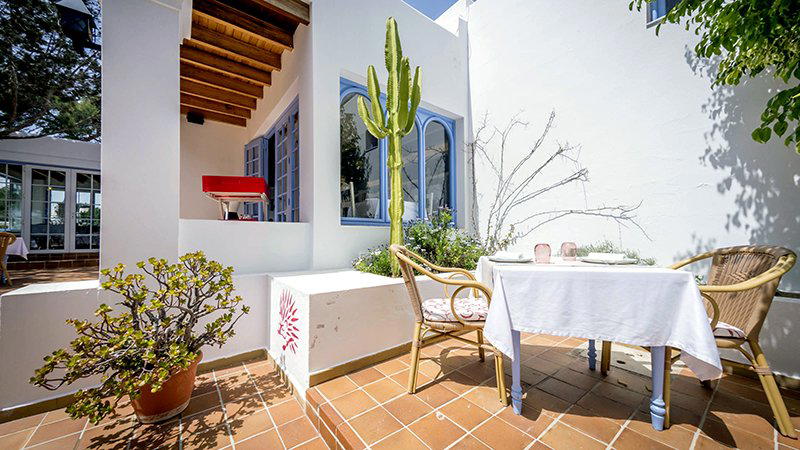
Bars in Sant Antoni de Portmany
Browse all →

Hotels in Sant Antoni de Portmany
Browse all →

Wineries in Sant Antoni de Portmany
Browse all →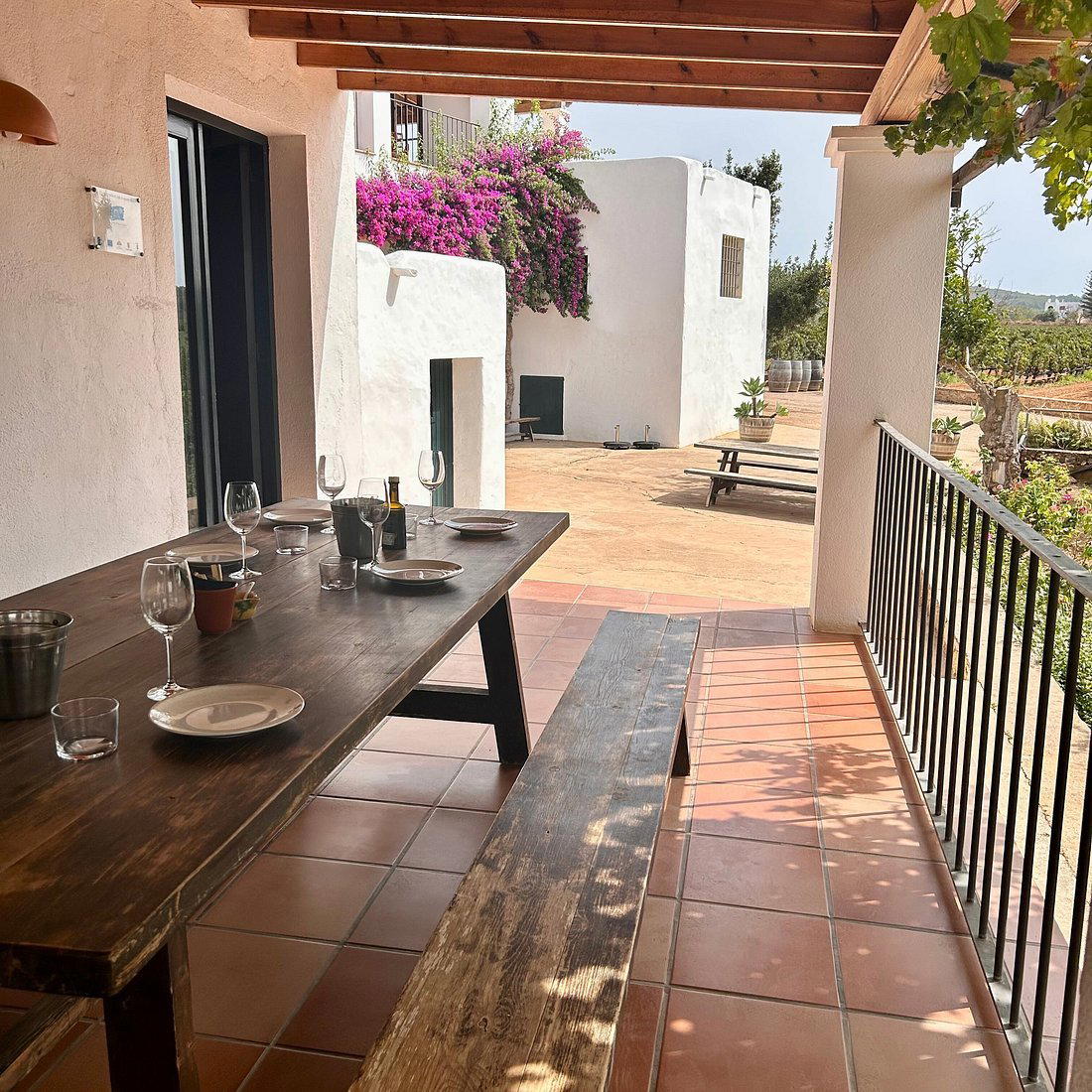
At a Glance
- Rustic
- Elegant
- Cozy
- Sophisticated
- Date Night
- Special Occasion
- Celebration
- Garden
- Open Kitchen
- Terrace
- Extensive Wine List
- Sommelier Led
- Farm To Table
- Local Sourcing
- Garden
Rustic-Ibizan interior with modern style, spacious premises, lush garden terrace with subtle lighting, calm and sophisticated atmosphere.