
Michelin Bib Gourmand
Our verdict
Erbgericht Tautewalde holds back-to-back Michelin Bib Gourmand recognition for 2024 and 2025, a notable achievement for a small-town restaurant in the Oberlausitz region of Saxony. Chef Jonas Nåvik runs an international kitchen at mid-range pricing, making this one of the more considered dining options in rural eastern Germany.

Pearl is the En Primeur Club membership app, where members save venues, book tables and use the concierge.
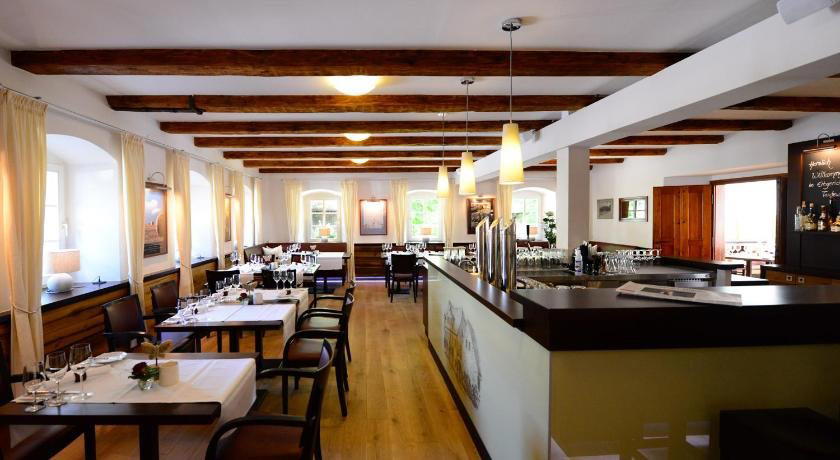
A Village Address with Consecutive Michelin Recognition
The road into Wilthen, a small town in Saxony's Oberlausitz, doesn't prepare you for what Hauptstraße 25 delivers. Rural eastern Germany isn't a region that dominates conversations about serious dining in the way that Munich, Hamburg, or Berlin do. The country's culinary recognition tends to cluster in its larger cities, where venues like JAN in Munich and Restaurant Haerlin in Hamburg operate within dense competitive fields. Erbgericht Tautewalde functions in a different register entirely: a Bib Gourmand-recognised restaurant in a town most visitors wouldn't think to route through at all. That gap between expectation and delivery is worth understanding before you arrive.
The Bib Gourmand, awarded in both 2024 and 2025, signals something specific in Michelin's framework: quality cooking at prices that don't require a special occasion to justify. It sits below the starred tier, venues like Aqua in Wolfsburg or Schwarzwaldstube in Baiersbronn occupy a different category of ambition and price altogether, but the Bib is not a consolation. Michelin awards it to restaurants where the inspector would return on their own money. Consecutive recognition across two years removes any suggestion that the first was an anomaly. At a price range of €€, the restaurant prices in the same bracket as a good local trattoria, not a tasting-menu house.
Chef Jonas Nåvik and the Shape of an International Kitchen
In Germany's smaller towns, the default dining mode tends toward regional comfort: roast meats, seasonal Saxony produce, dishes that read as continuity with local tradition. What distinguishes Erbgericht Tautewalde within this context is the choice to run under an international cuisine designation rather than anchoring to a regional or national identity. Chef Jonas Nåvik operates the kitchen, and while the specifics of his training path aren't part of the public record, the international framing suggests a kitchen that draws across culinary traditions rather than applying a single national grammar to every plate.
That kind of positioning carries its own logic in smaller markets. A chef working in a regional city without access to the competitive peer pressure of a major dining scene often develops range rather than depth in a single tradition. The international tag, when it reflects genuine cross-cultural fluency rather than vague eclecticism, can produce cooking that reads as considered rather than confused. The Michelin inspectors, who assess against their own benchmarks rather than the expectations of a metropolitan food press, appear to have found the execution at Erbgericht Tautewalde credible enough to return annually. That's the more meaningful data point than any category label.
For comparison, Germany's internationally-framed dining rooms in larger cities, venues like Loumi in Berlin or Haubentaucher in Rottach-Egern, operate with a different audience pressure and market density. Nåvik's version of international cooking in Wilthen answers to a smaller, more locally-rooted diner base, which tends to push kitchens toward accessibility without sacrificing craft.
The Oberlausitz Context: Why Location Matters Here
Saxony's Oberlausitz region sits in Germany's far east, bordering Poland and the Czech Republic, and has historically operated outside the circuits that define German fine dining. The region's dining culture tends toward the direct and affordable; serious restaurant investment here reads differently than it would in, say, the Rhineland or Bavaria, where destination dining is embedded in the tourism infrastructure. Venues like Schanz in Piesport or Waldhotel Sonnora in Dreis exist within wine-region tourism ecosystems that naturally support refined hospitality spend. Wilthen offers no such structural support.
That makes the sustained Michelin recognition at Erbgericht Tautewalde a more pointed signal. The inspector doesn't adjust expectations by geography; the standard applied in Wilthen is the same applied in Frankfurt. The restaurant earns its recognition against a fixed benchmark, not a regional curve. For the traveller passing through eastern Saxony, or building a route around the area's natural landscape and cultural heritage, this is the clearest anchor point in a region that otherwise lacks obvious dining reference points. See our full Wilthen restaurants guide for context on how it fits within the local options.
Who Eats Here, and When
When a room fills with locals week after week, consistency becomes non-negotiable in a way that a tourist-dependent kitchen can sometimes avoid.
Seasonal timing in this part of Saxony is worth considering. The Oberlausitz has distinct seasons, with summer bringing cyclists and walkers through the region and winter creating a quieter, more intimate dining context. Neither period seems likely to produce the booking pressure of a starred restaurant in a major city, but it's prudent to check ahead given the small-town setting. For accommodation planning around a visit, our Wilthen hotels guide covers the local options, and our Wilthen experiences guide maps what the region offers beyond the table.
Where It Sits in the Broader German Dining Picture
Germany's Bib Gourmand tier is larger and more geographically dispersed than its starred tier. Across the country, the Bib functions as an endorsement of honest, fairly-priced cooking, a category that includes everything from smart bistros in Hamburg to village restaurants in the Eifel. What puts Erbgericht Tautewalde in a narrower reference class is the combination of its location (genuinely rural, not peri-urban), its international rather than regional positioning, and its consecutive recognition. That combination is less common. The creative end of German fine dining, CODA Dessert Dining in Berlin, Vendôme in Bergisch Gladbach, ES:SENZ in Grassau, Victor's Fine Dining in Perl, and Bagatelle in Trier, operates at a different price point and with a different ambition. But the Bib tier matters precisely because it covers the space where most people actually eat, and does so with the same rigour.
For the traveller who treats a meal as part of understanding a place rather than merely fuelling a day trip, Erbgericht Tautewalde offers something specific: Michelin-acknowledged cooking in a part of Germany that rarely features in food itineraries. That gap is the argument for the detour. Explore further with our Wilthen bars guide and our Wilthen wineries guide to build the fuller picture.
Frequently asked questions
What should I eat at Erbgericht Tautewalde?
Go with whatever the kitchen is running as its current focus. Chef Jonas Nåvik operates an international menu, and Michelin's consecutive Bib Gourmand recognition across 2024 and 2025 suggests the cooking holds its standard across the offer rather than peaking at one signature dish. Without publicly verified dish descriptions, the more useful instruction is to trust the menu's current form rather than seeking a specific item, the inspector's confidence in the kitchen's consistency is the relevant guide.
What's the overall feel of Erbgericht Tautewalde?
It reads as a serious local restaurant, not a destination showpiece. The Bib Gourmand places it in a different tier from the region's casual options without tipping into the formal register of Germany's starred rooms.
Does Erbgericht Tautewalde work for a family meal?
At €€ pricing in a small Saxony town, yes, the cost and setting are unlikely to create barriers for a family dinner.
In Context: Similar Options
| Venue | Cuisine | Price | Awards | Notes |
|---|---|---|---|---|
| Erbgericht TautewaldeThis venue (the venue you are viewing) | Regional German with International Influences | Not listed | Michelin Bib Gourmand | Not listed |
| Schwarzwaldstube | Modern French Fine Dining | $150–200 | 3 Michelin Stars · World's 50 Best #47 | French, Classic French |
| Aqua | Contemporary German, Italian/Japanese, Creative | Not listed | Michelin 3 Star | Not listed |
| CODA Dessert Dining | Dessert-Inspired Fine Dining | $200–300 | 2 Michelin Stars · World's 50 Best #79 | Creative |
| Tantris | Modern French, French Contemporary | Not listed | Michelin 2 Star | Not listed |
| Vendôme | Modern German Haute Cuisine | $200–300 | 2 Michelin Stars · World's 50 Best #47 | Modern European, Creative |
Recognition history
Dated appearances from independent guides and award organizations, with the underlying list record or original source where available.
Michelin Bib Gourmand
Michelin
Full recognition history (3 entries)
Michelin Bib Gourmand
Michelin
Michelin Bib Gourmand
Michelin
Continue exploring
More in Wilthen
Restaurants in Wilthen
All restaurants in Wilthen →
Hotels in Wilthen
Browse all →

Details
- Rustic
- Cozy
- Elegant
- Date Night
- Special Occasion
- Garden
- Historic Building
- Extensive Wine List
- Local Sourcing
- Farm To Table
- Garden
- A La Carte
- Set Menu
- Vegetarian Friendly
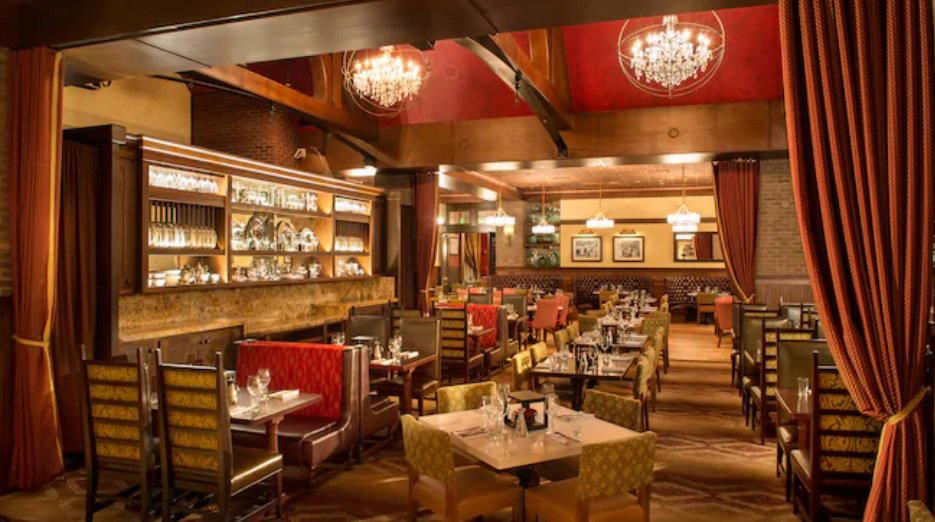
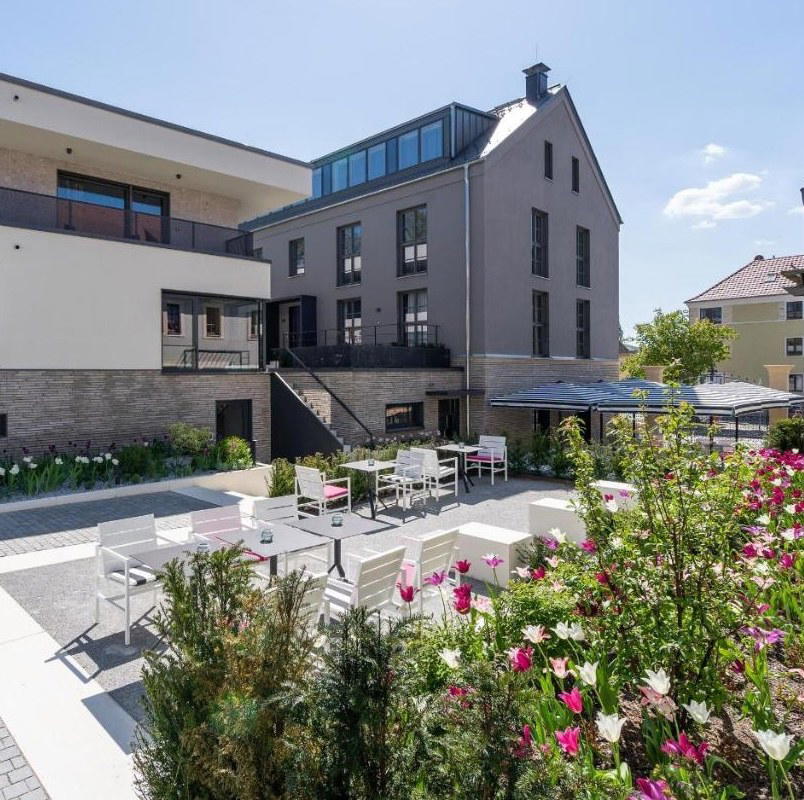
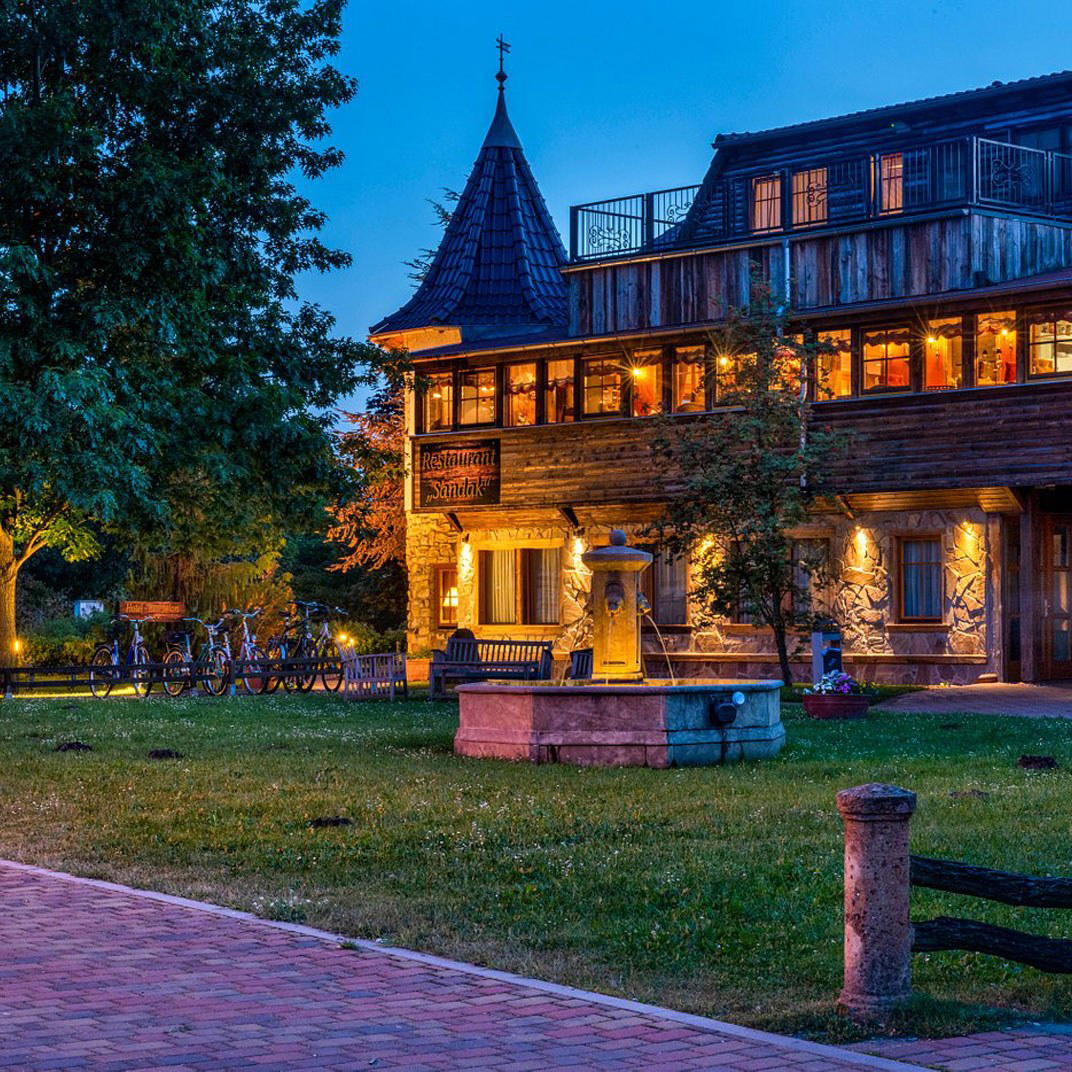
Pretty rural-modern dining rooms inside with a lovely courtyard garden offering views into the kitchen, creating a cozy and scenic atmosphere.