Michelin Plate · We're Smart World 1 Radish
Our verdict
Ephernité brings Chef Vanessa Huang's Parisian training to a quietly elegant room in Da'an District, where a daily-changing menu builds around farm-sourced produce from Taipei's outskirts. Ranked #439 in Opinionated About Dining's Top Restaurants in Asia (2025) and recognised with a Michelin Plate, it operates Wednesday through Sunday, evenings only, at a mid-to-upper price point for contemporary French cooking in Taiwan.

Pearl is the En Primeur Club membership app, where members save venues, book tables and use the concierge.
The menu
What to order
- Vegetable terrine
- Aged duck breast with candy beetroot
- Fresh squid noodles
- Scallop with pineapple and sorbet
French Technique Rooted in Taiwanese Soil
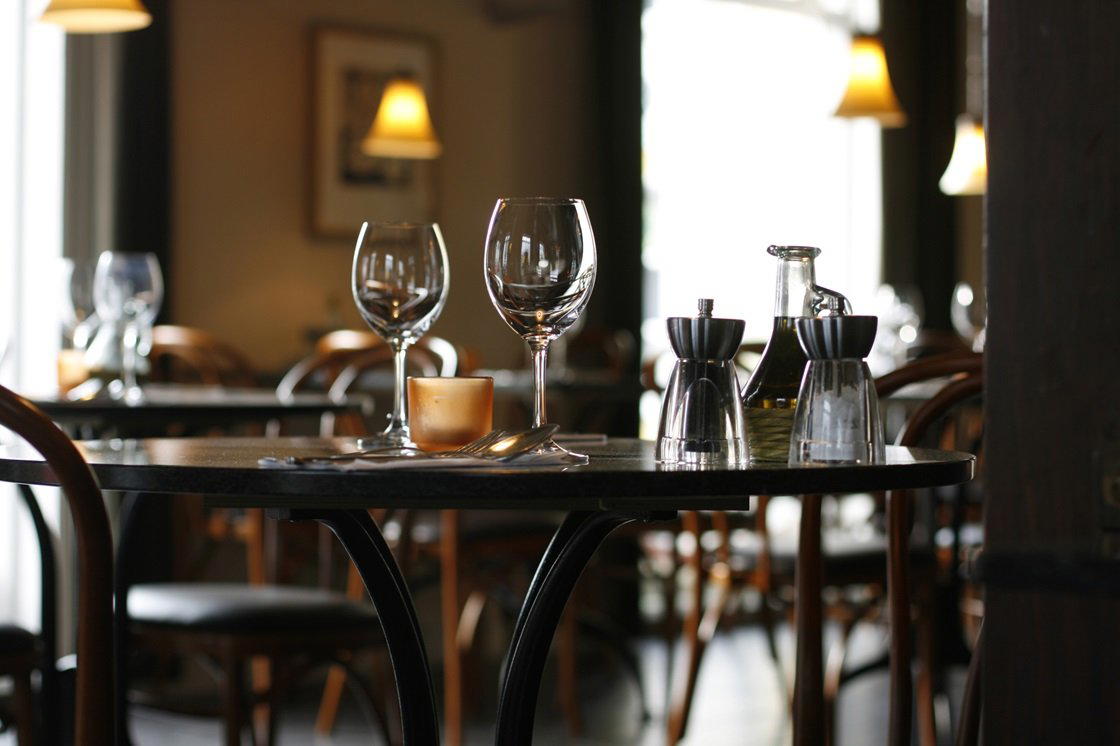
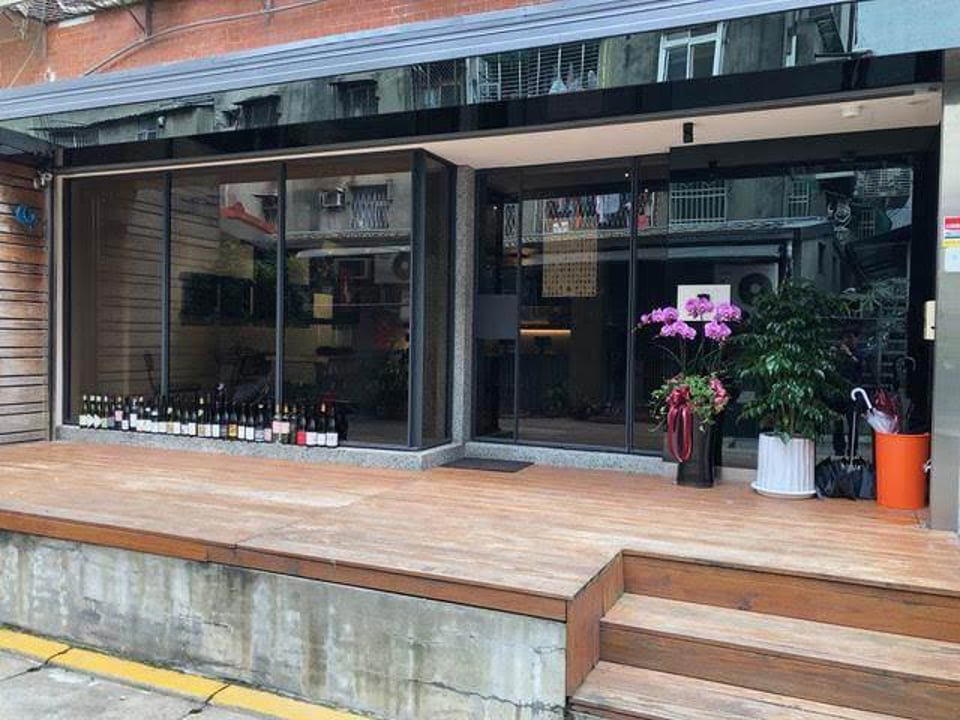
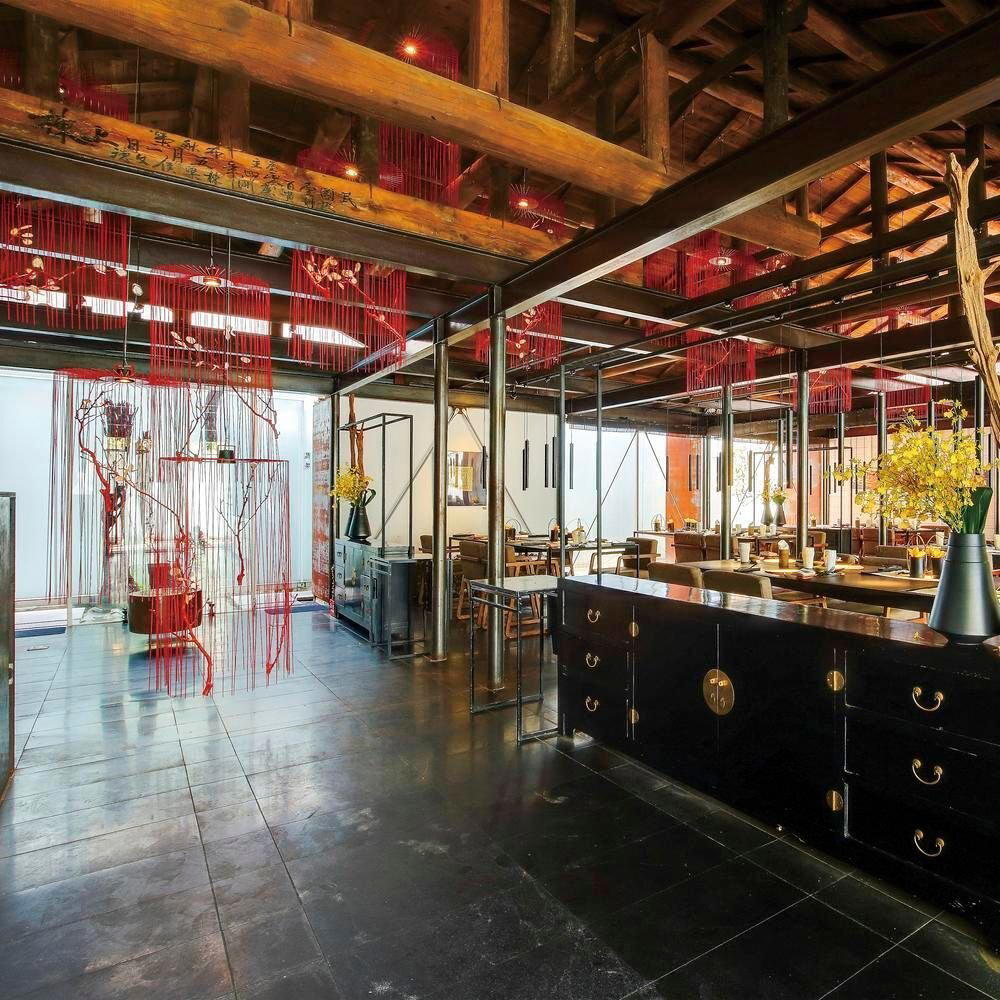
Da'an District has become the address of choice for Taipei's more considered fine-dining rooms: the kind that seat small numbers, change their menus frequently, and draw from French technical lineage without reproducing it wholesale. Ephernité, on Section 2 of Anhe Road, sits precisely in that current. The room is quiet in register, built for conversations that linger rather than evenings that accelerate. Approaching it from the street, the tone is set before you sit down: no marquee energy, no conspicuous branding, just the contained confidence of a space that trusts its cooking to do the work.
That design restraint mirrors a broader shift in how fine dining reads in Taipei's Da'an and Xinyi corridors. Where an earlier generation of ambitious restaurants in the city leaned on imported luxury signals, the rooms that have earned sustained critical attention since the late 2010s tend to strip back the staging and concentrate on sourcing and execution. Ephernité belongs to that cohort. Its place in Taipei's dining scene is defined less by spectacle than by a consistent logic: French method applied to produce that arrives from farms on the city's outskirts, with the menu shifting daily to reflect what is actually ready.
The Cultural Argument for French Training in Taiwan
Contemporary French cuisine has operated as a kind of shared technical language across Asia's fine-dining tier for decades, borrowed and then systematically adapted by chefs working in Tokyo, Hong Kong, Singapore, and Taipei. The adaptation is the interesting part. At its most considered, a kitchen shaped by French classical training but grounded in Asian agricultural cycles produces something that neither France nor a direct European transplant could replicate. The vegetables are different, the herbs arrive with different aromatic profiles, the farms operate on different seasonal rhythms. Chef Vanessa Huang's stated framework at Ephernité works exactly this axis: the technique is French, the sourcing is Taiwanese, and the daily menu is where those two logics negotiate.
That approach connects Ephernité to a wider conversation happening across Taiwan's fine-dining tier. Taïrroir, operating at a higher price point with a Taiwanese-French format, has made a similar cultural argument from a different angle, using Taiwanese ingredients as explicit subject matter rather than background infrastructure. Logy, working in Modern European and Asian Contemporary registers at the $$$$ tier, draws on Japanese technique layered over regional produce.
For comparison, French contemporary cooking at this level elsewhere in the region, such as Caprice and Épure in Hong Kong, tends to arrive with a heavier reliance on classical luxury ingredients. Ephernité's orientation is in a different direction, closer in philosophy to the produce-led French contemporary rooms that have emerged in New York, like Essential by Christophe, than to the imported-protein formulas that characterised Asia's French fine dining a decade ago.
Plant-Forward Without Being Prescriptive
The plant-forward structure here is not ideological in a way that narrows the audience. Ephernité's format is guest-responsive: those who want a fully plant-based experience can have one, and those who want animal proteins included can request them. We're Smart, the specialist plant-based food guide that tracks this category globally, has recognised Huang's kitchen specifically for this flexibility, noting that plants sit at the heart of every dish, with colour and refinement as primary drivers of the plate, whether or not additional proteins are present.
That flexibility is harder to execute consistently than it sounds. A kitchen that holds a clear aesthetic across both tracks, so that a plant-complete plate and a plate with added seafood read as part of the same creative logic, requires genuine command of the underlying compositions. The use of flowers, herbs, and fruits as structural elements rather than garnish is where that command tends to show. It is also what gives Ephernité a specific visual character: plates built on chromatic contrast and botanical variety, shaped by French refinement but not constrained by the protein-centred plating grammar that classical French training typically instils.
Where Ephernité Sits in the Awards Tier
Opinionated About Dining ranked Ephernité at #356 in its Leading Restaurants in Asia list for 2024, moving to #439 in 2025. The directional shift in ranking reflects a competitive field that has grown, particularly in Taipei and across Taiwan's secondary cities, rather than a meaningful drop in standing. The 2024 Michelin Plate recognition confirms a floor of culinary seriousness without placing the kitchen in the starred tier occupied by Taipei's higher-investment counters.
For context on that tier spread: Le Palais, the Cantonese room at the Palais de Chine, operates at a $$$$ price point with multiple Michelin stars, representing a different investment level and cuisine category entirely. L'Atelier de Joël Robuchon Taipei anchors the French fine dining tier in a more traditional register. Ephernité, at the $$$ price point, occupies a position between those institutional rooms and the more casual contemporary French spaces in Da'an: serious enough to carry Michelin and OAD recognition, accessible enough that the evening doesn't demand a formal occasion as pretext.
Taiwan's broader fine-dining geography has diversified significantly. JL Studio in Taichung and GEN in Kaohsiung have extended the country's recognised dining tier beyond Taipei, and the range of formats now includes the indigenous-focused Akame in Wutai Township and regional specialists like A Cun Beef Soup in Tainan. Ephernité's position in this landscape is specifically Taipei, specifically Da'an, and specifically French in lineage, which keeps it in a defined and legible niche.
Planning Your Visit
Ephernité opens Wednesday through Sunday, with sittings from 6:30 pm through to 11 pm; Monday and Tuesday are dark. The address is No. 233, Section 2, Anhe Road, Da'an District, a walkable distance from MRT Linan or Daan stations depending on your entry point. The $$$ price positioning places Ephernité below the city's starred rooms but above the casual contemporary tier, and guests wanting a fully plant-based experience should note that preference at the time of reservation. For a longer stay in the city, see our Taipei experiences guide. For comparison restaurants across Taiwan's western corridor, Volando Urai Spring Spa and Resort in Wulai District offers a distinct counterpoint in a resort format, while Molino de Urdániz anchors the Spanish contemporary option in Taipei for those mapping a broader dining itinerary.
Frequently asked questions
When can I go to Ephernité?
Ephernité is open Wednesday through Sunday from 6:30 pm to 11 pm and closed Monday and Tuesday.
Is Ephernité chef-led?
The chef associated with Ephernité is Vanessa Huang.
What should I order at Ephernité?
Ephernité does not operate from a fixed menu, the kitchen builds each evening's menu around what arrived from farms on Taipei's outskirts that day. The clearest direction chef Vanessa Huang gives guests is to state your preferences upfront: a fully plant-based progression is available, as is a menu that incorporates meat, fish, or seafood. The We're Smart recognition specifically notes her work with flowers, vegetables, herbs, and fruit as the structural core of her cooking, so the plant-forward path is where her French training is most clearly expressed.
What kind of cuisine does Ephernité serve?
Ephernité is a French and French Contemporary restaurant.
Is Ephernité more mid-range or high-end?
Pricing at Ephernité is listed as $$$.
In Context: Similar Options
| Venue | Cuisine | Price | Awards | Notes |
|---|---|---|---|---|
| EphernitéThis venue (the venue you are viewing) | Contemporary French Farm-to-Table | $100–150 | Michelin Plate · We're Smart World 1 Radish | Not listed |
| logy | Modern Japanese-Taiwanese Fusion Omakase | $100–150 | 2 Michelin Stars · World's 50 Best #22 | Modern European, Asian Contemporary |
| Le Palais | Fine Dining Cantonese | $150–200 | 3 Michelin Stars · La Liste Top Restaurants | Cantonese |
| Taïrroir | Taiwanese-French Fusion Fine Dining | $150–200 | 3 Michelin Stars · La Liste Top Restaurants | Taiwanese/French, Taiwanese contemporary |
| Mudan Tempura | Michelin-Starred Tempura | Not listed | 2 Michelin Stars · La Liste Top Restaurants | Tempura |
| de nuit | Contemporary French | $150–200 | 1 Michelin Star · Star Wine List | French Contemporary |
Recognition history
Dated appearances from independent guides and award organizations, with the underlying list record or original source where available.
Michelin Plate
Michelin
Opinionated About Dining Top Restaurants in Asia Recommended
Opinionated About Dining
We're Smart World 1 Radish
We're Smart World
Full recognition history (6 entries)
Opinionated About Dining Top Restaurants in Asia Ranked #439
Opinionated About Dining
Michelin Plate
Michelin
Opinionated About Dining Top Restaurants in Asia Ranked #356
Opinionated About Dining