Emilio
On Zweierstrasse in Zurich's Kreis 4, Emilio occupies a stretch of the city where neighborhood dining has quietly shifted toward more considered sourcing and smaller, more purposeful menus. The address places it among a cohort of Zurich restaurants that trade on local relationships and seasonal restraint rather than volume or spectacle. Confirmation details including hours and booking format are best verified directly with the venue.
Pearl is the En Primeur Club membership app — saves, bookings, and concierge access live there. Same editors, same standards.
- Address
- Zweierstrasse 9, 8004 Zürich, Switzerland
- Phone
- +41442418321
- Website
- emilio-restaurant.ch
- Directions
- Get directions
 Saves & bookings on Pearl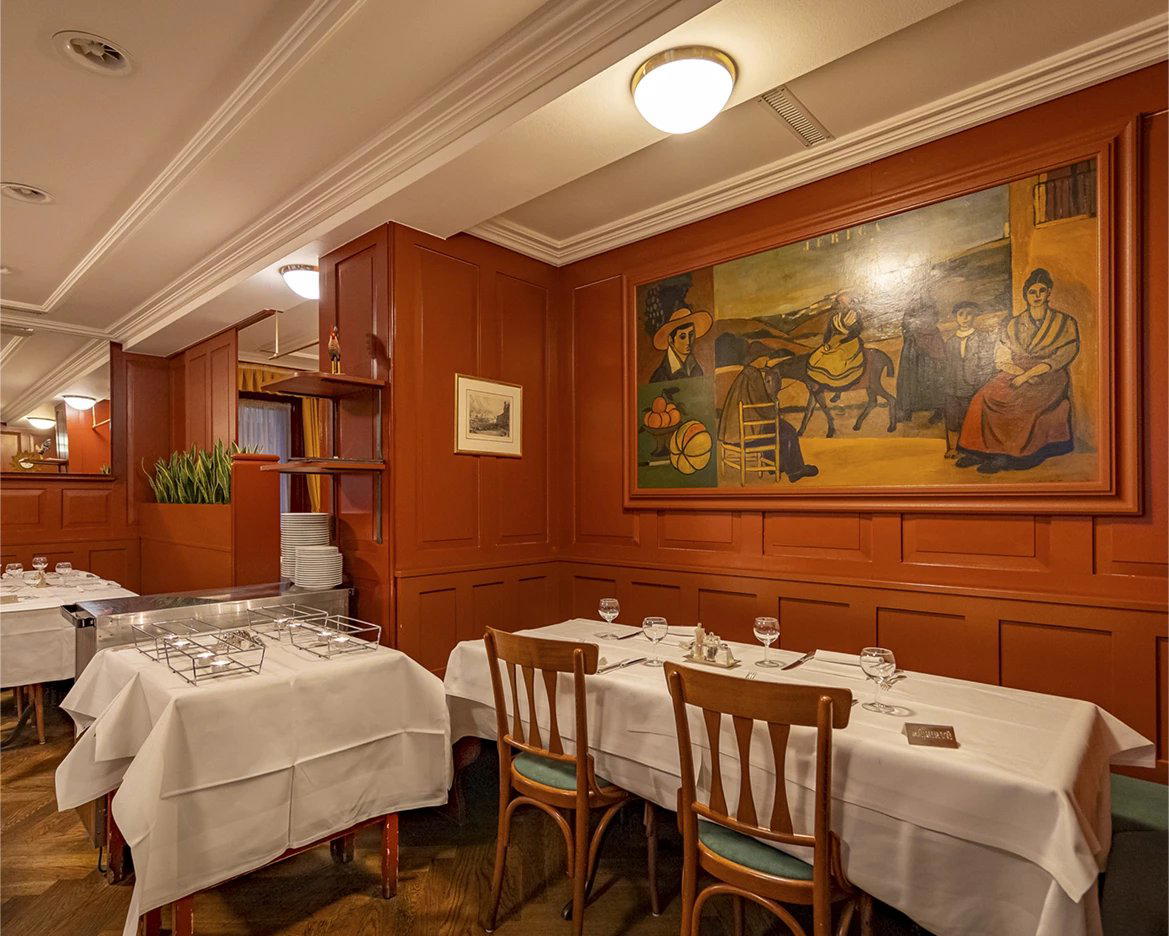
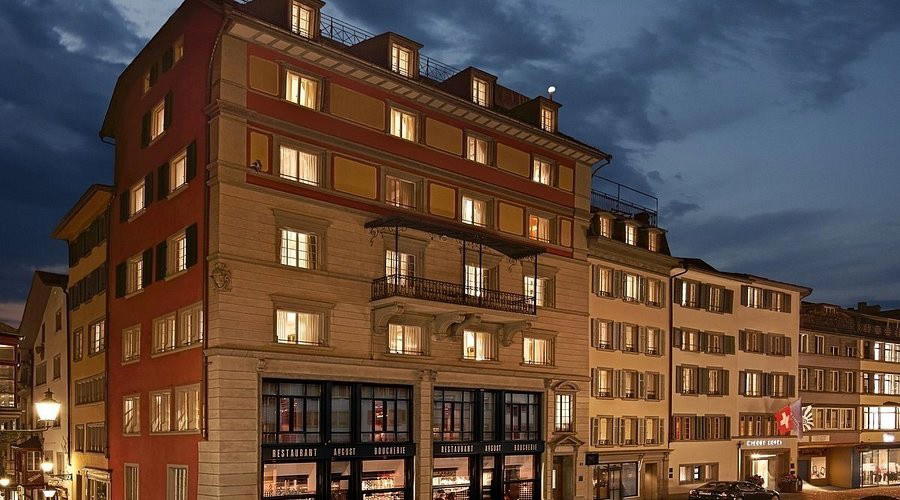
Zweierstrasse cuts through Kreis 4, Zurich's most demographically mixed district, long associated with working-class roots and, over the past decade, with a quieter kind of dining ambition. The street-level restaurant here does not announce itself with doormen or tasting-menu theater. What you find instead, across a growing number of addresses in this part of the city, is a format built around proximity: to the producer, to the season, to the guest sitting two tables away. Emilio, at number 9, sits inside that broader Kreis 4 tendency rather than outside it.
The neighborhood itself provides useful context. Zurich's fine-dining center of gravity tilts toward the lake and the Niederdorf quarter, where rooms like The Restaurant (Creative) and The Counter (Creative) operate at the summit of the city's award-tracked tier. Kreis 4 operates differently. Restaurants here tend to be smaller, more personally run, and more dependent on repeat local trade than on destination diners working through a list. That structural difference shapes everything from menu length to sourcing decisions.
Across Swiss restaurant culture, sustainability has moved from a decorative claim on a menu footer to an actual operating constraint. The country's tight geography, and the cultural weight attached to Swiss agricultural identity, has made local sourcing a more legible commitment than in larger markets. Zurich restaurants increasingly sort into two groups: those using regional relationships as genuine menu architecture, and those deploying the language without the supply-chain discipline behind it.
The more rigorous end of this spectrum shares several characteristics: shorter menus that change with availability rather than on a fixed seasonal schedule, closer working relationships with specific farms or fisheries, and a willingness to drop a dish when the sourcing no longer holds. Schloss Schauenstein in Fürstenau, among the more decorated restaurants in the country, has built its identity partly around estate-grown produce and has influenced how younger Swiss kitchens think about the producer relationship. That influence has filtered through to city-based addresses that cannot replicate the estate model but can adopt its sourcing logic.
Restaurants in the Kreis 4 register tend to operate this way out of practical necessity as much as ideology. Smaller kitchens with tighter margins have less room for waste, which makes precise ordering and whole-ingredient thinking economically rational as well as ethically motivated. The reduction of food waste, a shift toward vegetable-forward sections of the menu, and preference for local over imported proteins are signals of this approach that appear across the neighborhood's more serious addresses.
How Emilio Fits the Current Zurich Dining Map
Emilio's position on Zweierstrasse places it at some distance from the city's most formally credentialed dining tier. That tier includes addresses like IGNIV Zürich by Andreas Caminada (Sharing), where the format is built around a particular kind of celebratory communal eating, and Widder (Swiss), which operates within a hotel context that brings its own service expectations. Emilio operates in a different register, neighborhood scale, with a guest relationship built on regularity rather than occasion.
What the address and district do confirm is a context in which the restaurant would be expected to hold its own against a compact but serious local peer group, one where the Eden Kitchen & Bar (Italian) represents the more polished, higher-price point of Italian-inflected cooking in the city, and where Emilio's Kreis 4 position implies a different set of priorities.
For Swiss dining at a national scale, the reference points extend beyond Zurich. Hotel de Ville Crissier in Crissier and Cheval Blanc by Peter Knogl in Basel represent the formal high-end of Swiss restaurant culture, while addresses like Memories in Bad Ragaz, Einstein Gourmet in Sankt Gallen, and Mammertsberg in Freidorf chart the spread of serious kitchen ambition beyond the country's largest cities. Maison Wenger in Le Noirmont, focus ATELIER in Vitznau, and La Table du Valrose in Rougemont further illustrate that Switzerland's most deliberate kitchens are often found away from urban centers. Internationally, the sourcing-led approach practiced by operations like Lazy Bear in San Francisco or the rigorous ingredient focus at Le Bernardin in New York City show how different price tiers can share a sourcing philosophy even when their formats diverge sharply. Da Vittorio in St. Moritz adds another Italian-rooted reference point within the Swiss context.
A Credentials Check
Comparable venues nearby, for context on price, style, and recognition.
| Venue | Cuisine | Price | Notes |
|---|---|---|---|
| EmilioThis venue — the venue you are viewing | Traditional Spanish | $$$ | Not listed |
| Hongxi | Contemporary Chinese Dim Sum | $$$ | Aussersihl |
| Bodega Espanola | Authentic Spanish Tapas & Mediterranean | $$ | Oberstrass |
| Jao Praya | Authentic Thai | $$$ | Oerlikon |
| Schützengasse | Swiss and Italian Classics | $$$ | Oberstrass |
| Damas | Authentic Syrian & Arabic Mezze | $$$ | Industriequartier |
At a Glance
- Rustic
- Classic
- Cozy
- Intimate
- Date Night
- Group Dining
- Special Occasion
- Historic Building
- Extensive Wine List
Current opening hours
- Monday
- 12–1:30 PM, 6–9:30 PM
- Tuesday
- 12–1:30 PM, 6–9:30 PM
- Wednesday
- 12–1:30 PM, 6–9:30 PM
- Thursday
- 12–1:30 PM, 6–9:30 PM
- Friday
- 12–1:30 PM, 6–9:30 PM
- Saturday
- 12–1:30 PM, 6–9:30 PM
- Sunday
- 12–1:30 PM, 6–9:30 PM
Hours can change for holidays and private events. Last verified .
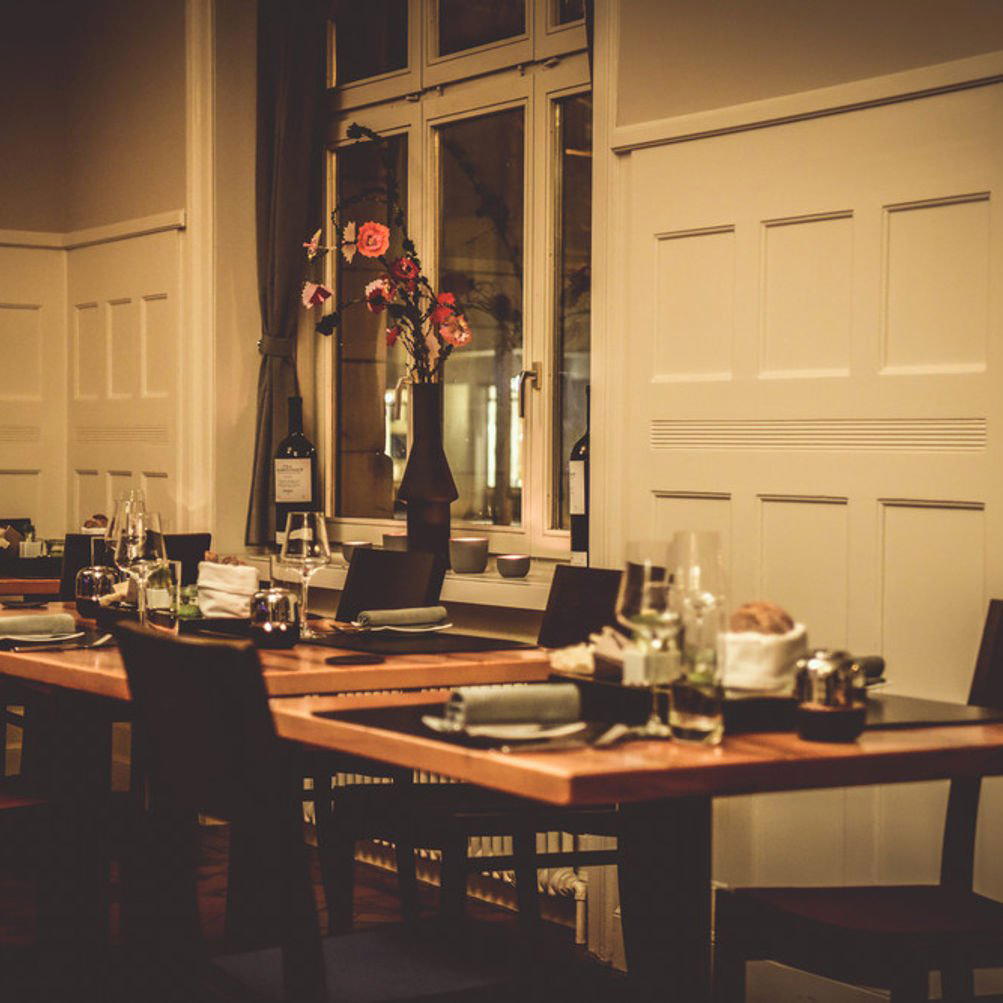
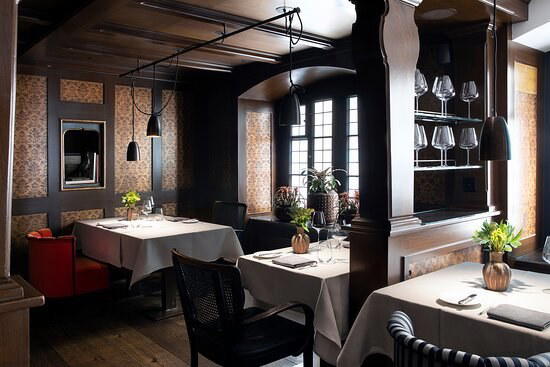
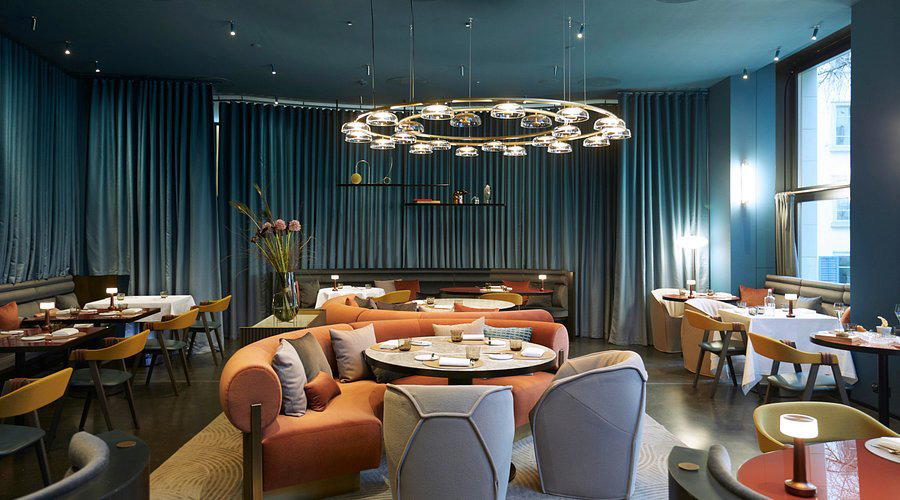
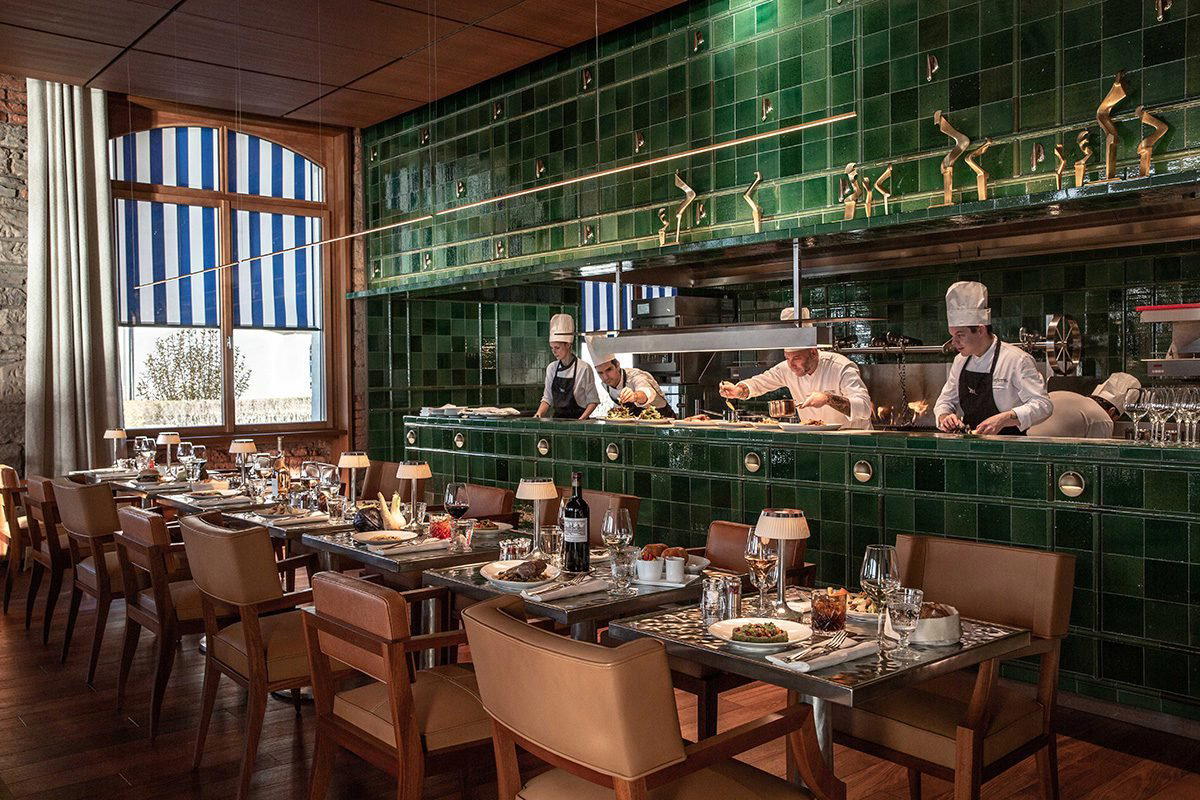
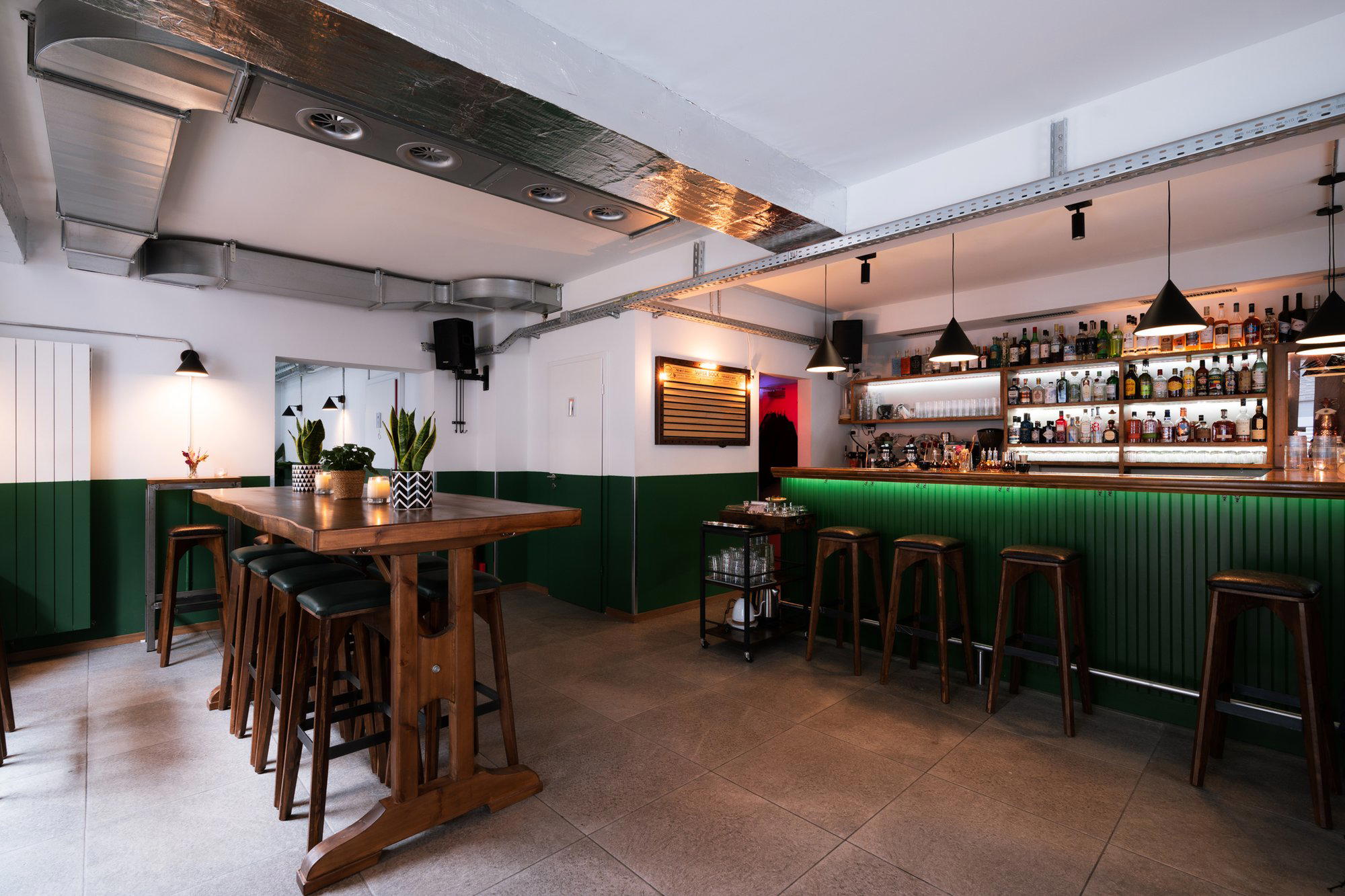
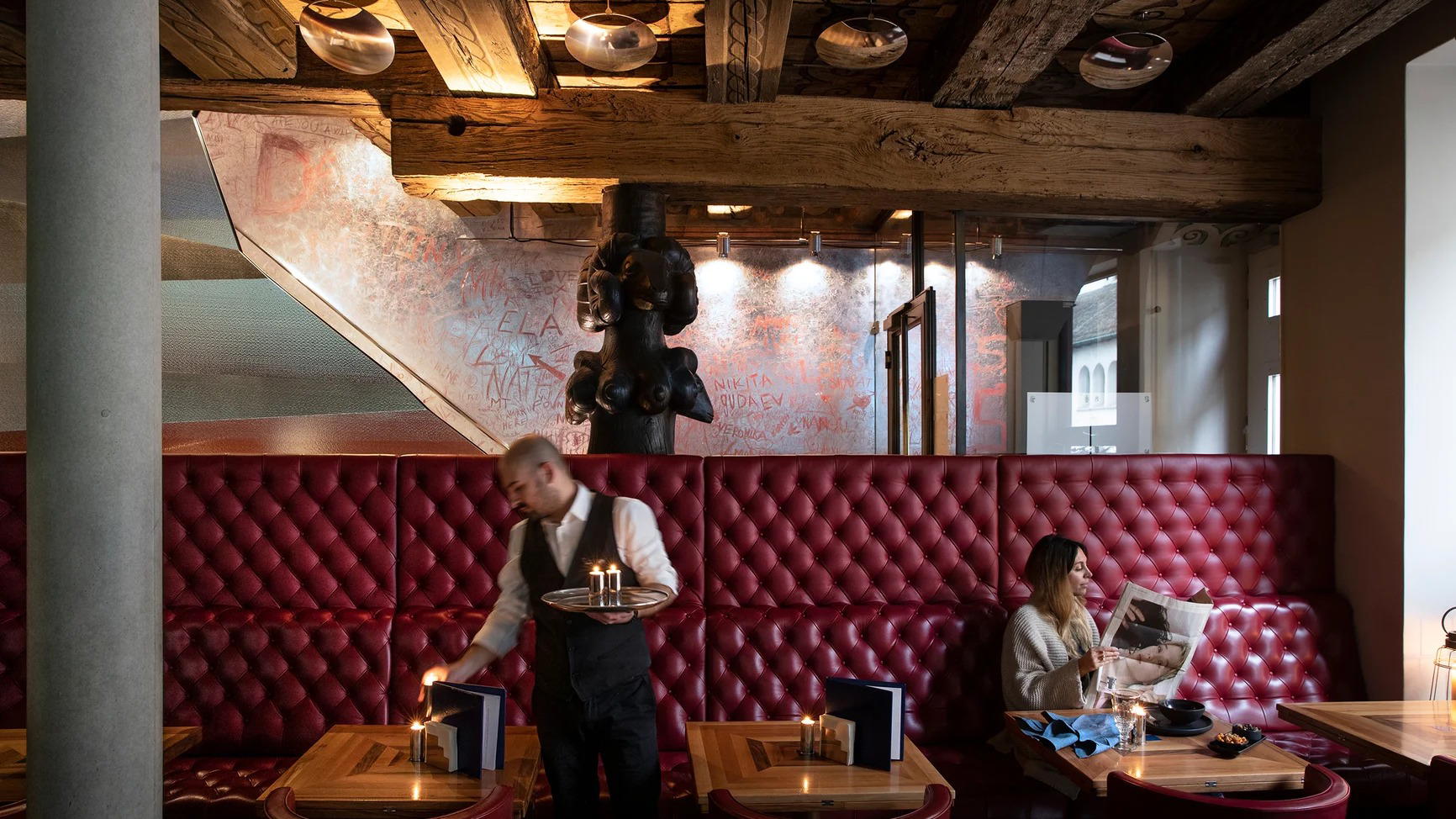
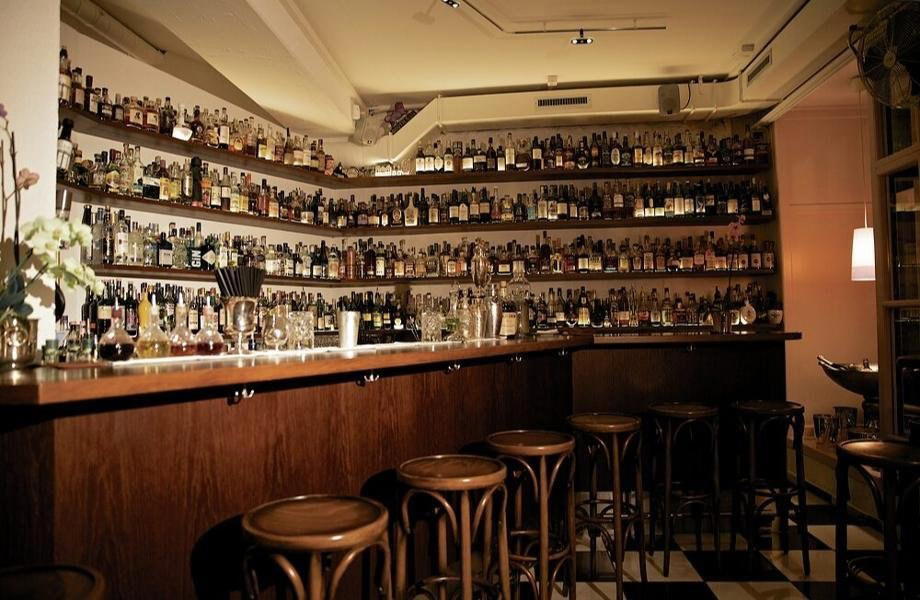
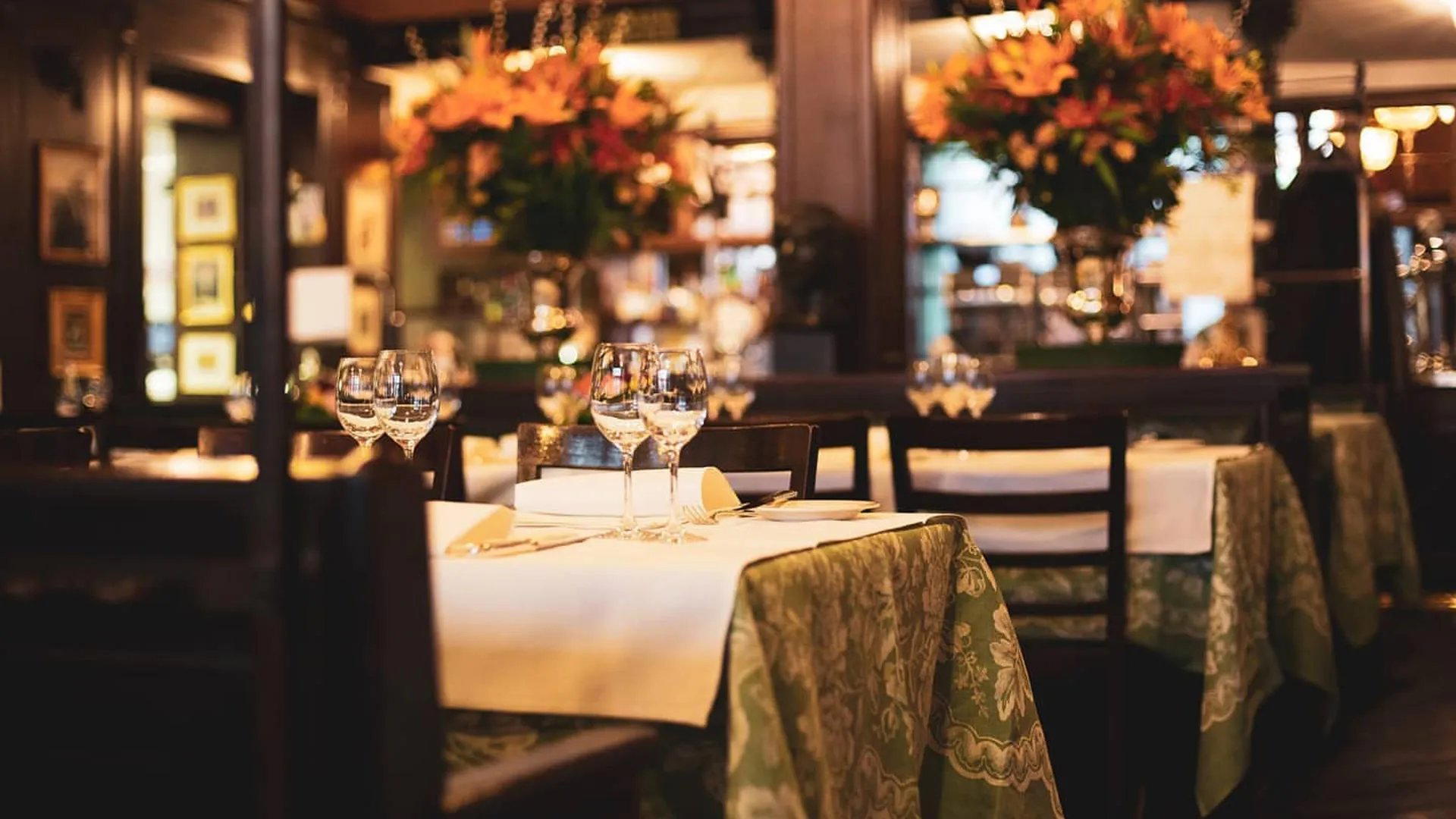
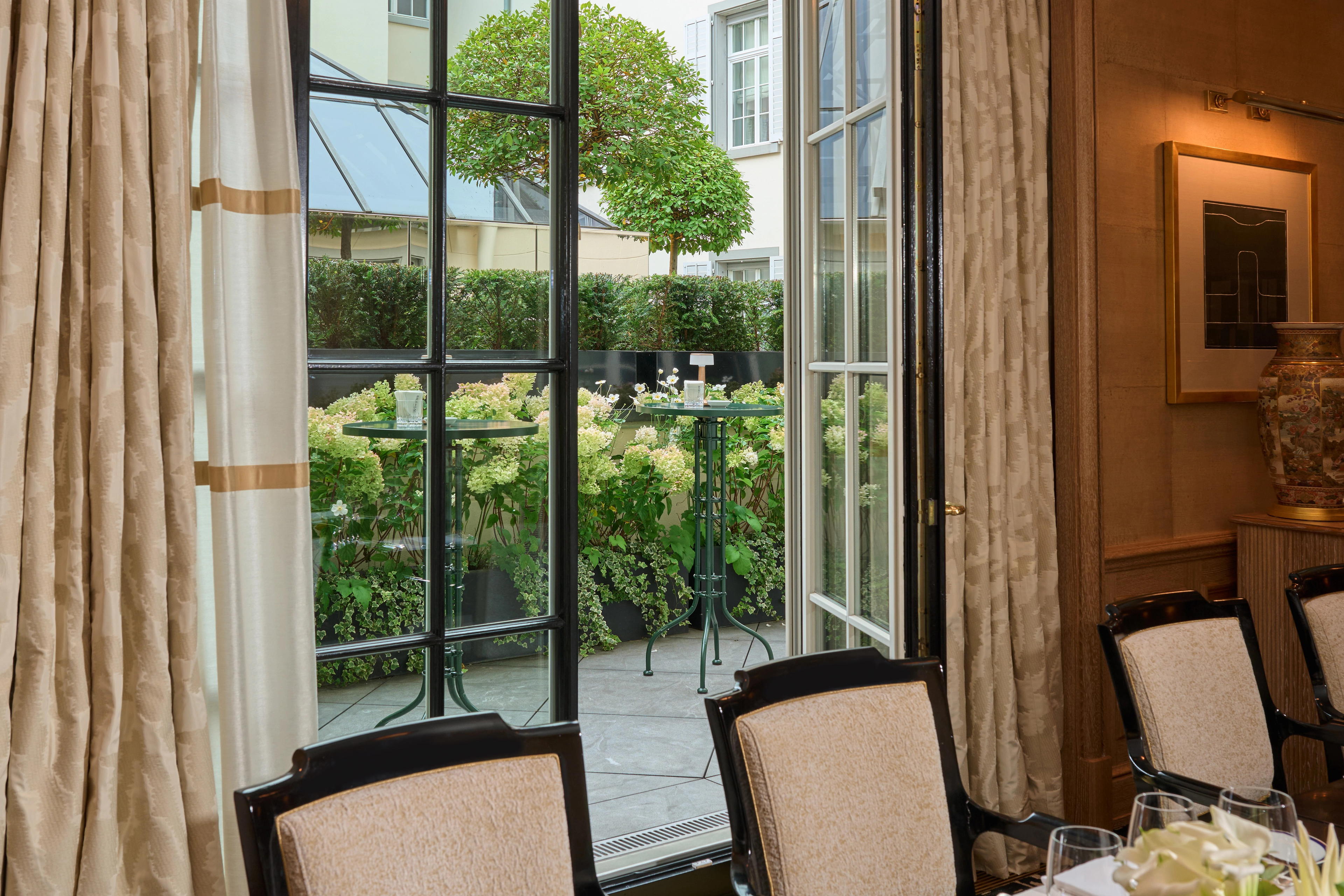
Rustic and welcoming with old-world charm in cozy, traditional rooms.