Bodega Espanola
On Münstergasse in Zurich's Altstadt, Bodega Española occupies a corner of the city where Spanish hospitality traditions have long found an audience among a cosmopolitan dining public. The address places it in one of Zurich's most historically layered dining streets, where the question of what Spanish cuisine means in a Swiss context, local produce, imported technique, or something more hybrid, remains genuinely open.
Pearl is the En Primeur Club membership app — saves, bookings, and concierge access live there. Same editors, same standards.
- Address
- Münstergasse 15, 8001 Zürich, Switzerland
- Phone
- +41442512310
- Website
- bodega-espanola.ch
- Directions
- Get directions
 Saves & bookings on Pearl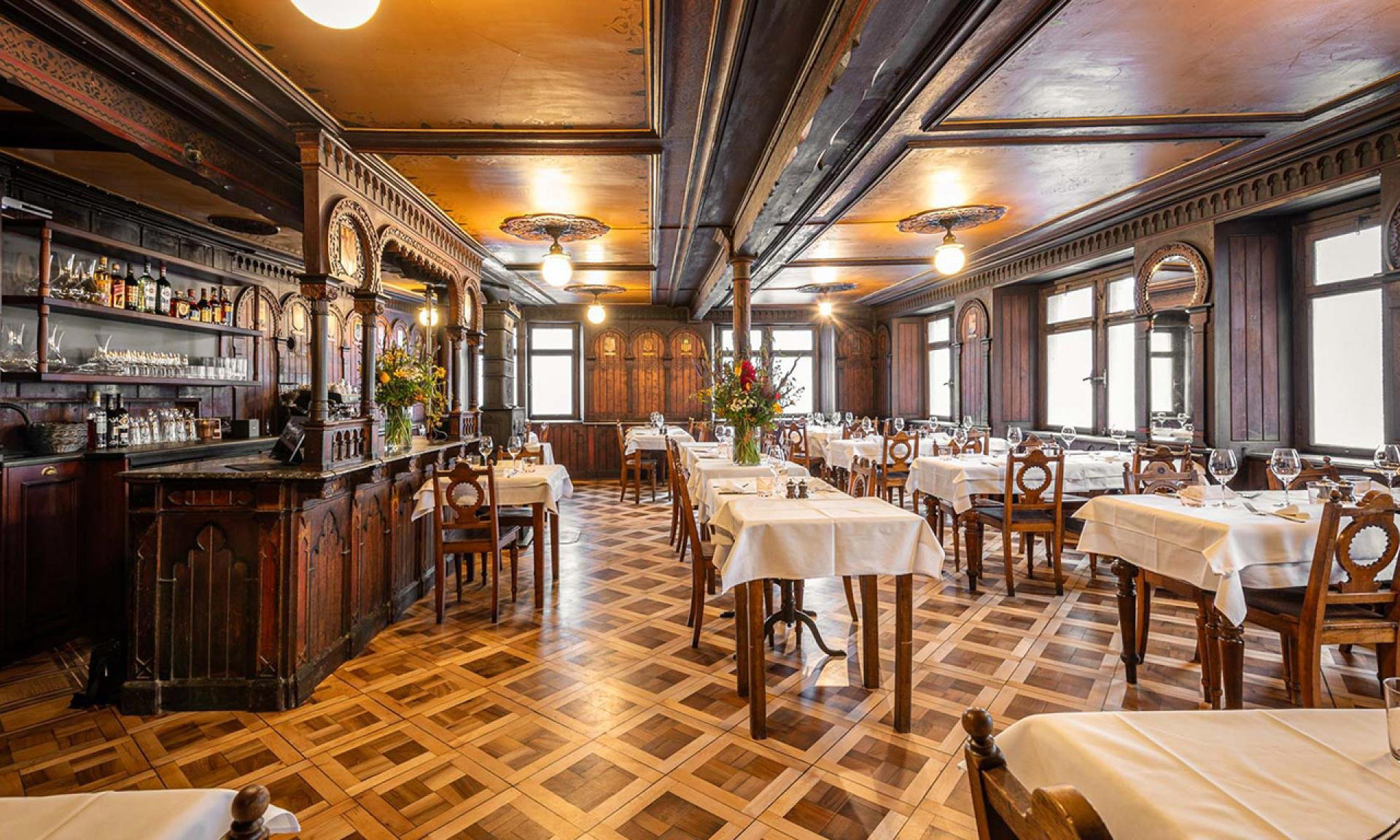
A Spanish Address on One of Zurich's Oldest Streets
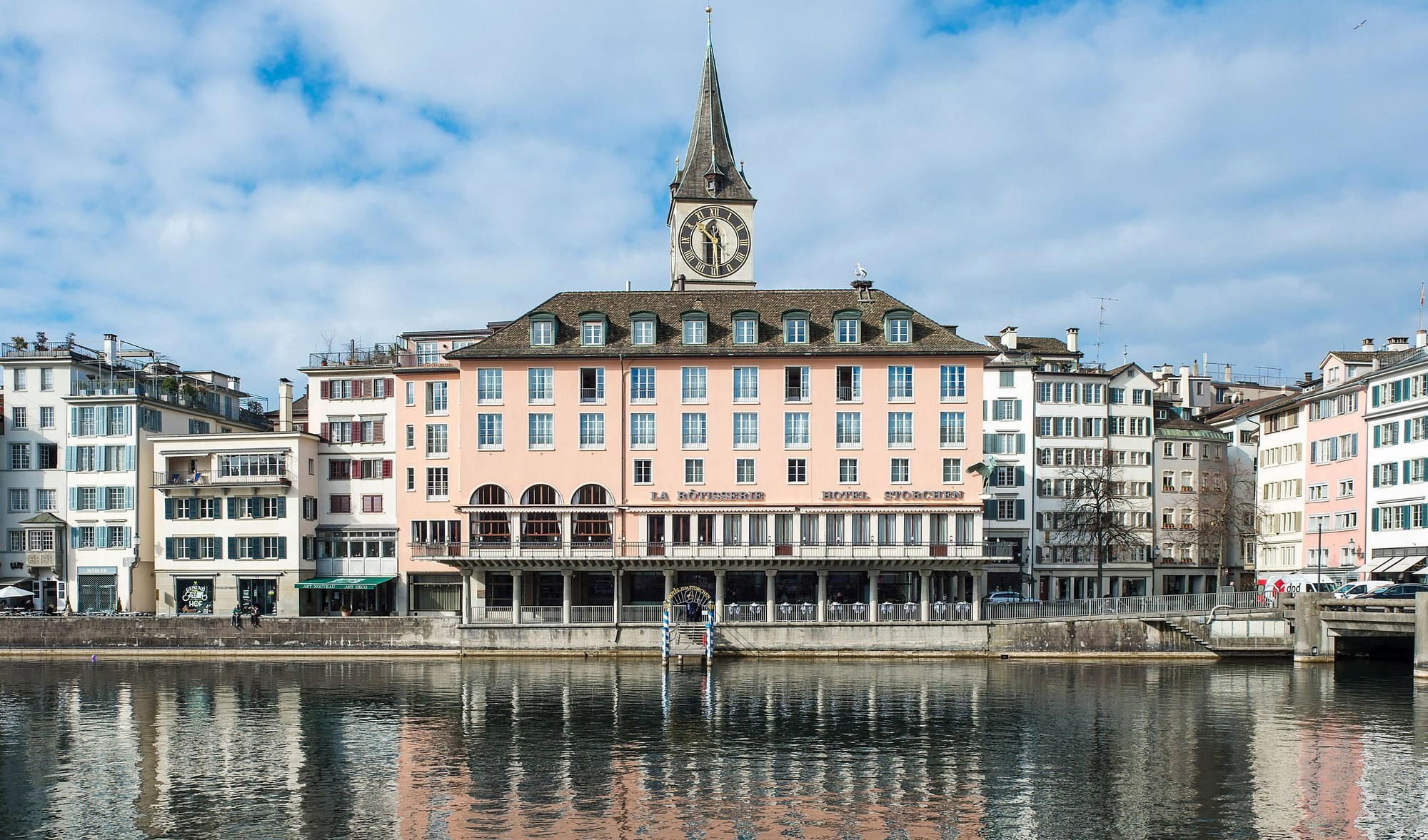
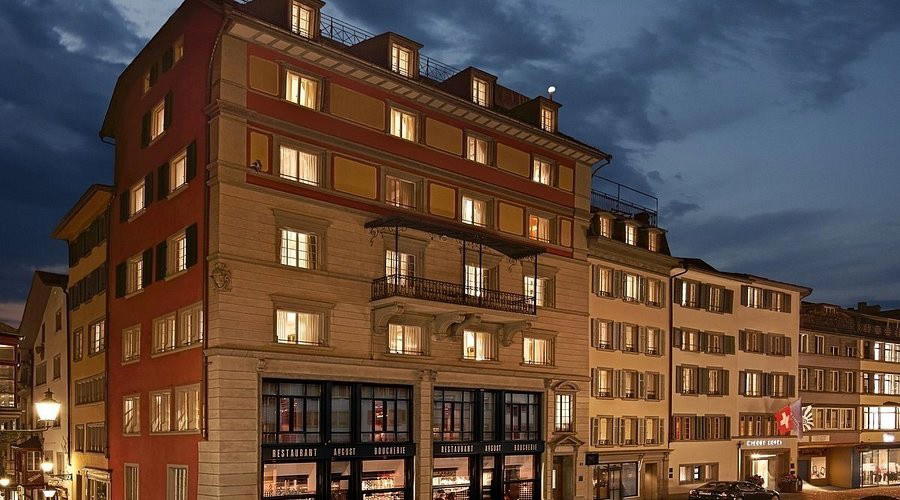
Münstergasse runs through the heart of Zurich's Altstadt with the kind of architectural weight that makes newer restaurants feel provisional by comparison. The street connects the Grossmünster to the old guild quarter, and the buildings along it carry centuries of civic and commercial history. Into this setting, Bodega Española arrives as something of a counterpoint: a Spanish-inflected address in a city whose dining identity has long been anchored in Swiss-French classicism and, more recently, in the globally mobile cooking style that defines places like The Counter and The Restaurant. The presence of a Spanish bodega on this particular street is worth pausing on: Zurich's appetite for Iberian food and wine has grown steadily as the city's international population has deepened, and Münstergasse 15 sits at an intersection of old-city geography and new-city taste.
The Iberian Kitchen in a Swiss Context
Spanish cuisine, when it travels, tends to lose one of two things: either the quality of the raw ingredients that define its regional traditions, or the technical confidence that distinguishes serious Spanish cooking from its tourist-facing imitations. The more interesting question for any Iberian address operating in Switzerland is how it resolves that tension. Switzerland is not short of high-quality local produce, dairy, cured meats, lake fish, mountain vegetables, and particularly considered Spanish kitchens outside of Spain tend to work with what the local land offers rather than importing everything at a premium. This is the editorial angle worth attending to at Bodega Española: not whether it replicates a Barcelona or San Sebastián experience, but whether it finds a productive negotiation between Iberian culinary logic and Swiss ingredient reality.
That negotiation is the central story of Spanish diaspora cooking across northern Europe. The bodega format itself, wine-led, often informal, built around small dishes and extended table time, translates reasonably well to Swiss dining culture, which has historically supported both the long lunch and the serious wine list. Zurich's fine-dining tier, represented by addresses like IGNIV Zürich by Andreas Caminada, has moved decisively toward sharing formats, so the Spanish approach to the table is no longer culturally foreign to the city's dining public.
Altstadt Dining and the Competitive Set
Zurich's Altstadt operates as the city's most historically anchored dining district, and restaurants here compete on atmosphere and longevity as much as on cuisine. Widder holds down the Swiss-classic end of the spectrum, while Eden Kitchen & Bar represents the Italian-inflected international approach that appeals to the city's hotel and finance crowd. A Spanish bodega occupies a different niche in that map: more convivial than a formal dining room, more wine-focused than a casual trattoria, and carrying a national culinary identity that remains genuinely underrepresented in a city dominated by French and Italian influences.
Switzerland's broader restaurant scene has continued to push toward technical ambition and tasting-menu formats. The country's density of Michelin-starred addresses, from Hotel de Ville Crissier to Schloss Schauenstein in Fürstenau and Memories in Bad Ragaz, reflects an outsized investment in haute cuisine relative to population. But Zurich's everyday dining scene has room for formats that sit below that register: good wine, well-executed dishes, a room that encourages staying rather than turning tables. The bodega tradition fits that space, and Münstergasse is a credible address for it.
Wine as the Organizing Principle
The word bodega carries specific meaning: it is, at root, a wine cellar or wine shop, and Spanish dining culture has long organized the meal around the bottle rather than treating it as an accessory. That logic runs counter to the Swiss fine-dining tendency to treat wine as a paired afterthought to a tasting menu. An Iberian address that takes the bodega identity seriously should carry Spanish regional wines with genuine depth, Rioja, Ribera del Duero, Galician whites, sherry, and present them in a way that gives the table permission to drink widely rather than deferring to a sommelier's prescription.
For context on what technically serious wine programs look like in the broader Swiss context, addresses like Cheval Blanc by Peter Knogl in Basel and Einstein Gourmet in Sankt Gallen set a high bar. A Spanish bodega operates on a different but complementary axis: the wine list should feel like the thing you came for, not the thing you ordered alongside the food.
The Broader Swiss Fine Dining Picture
Zurich sits within a country that punches well above its weight in terms of destination dining. Beyond the city itself, the Swiss restaurant circuit includes Da Vittorio in St. Moritz, Mammertsberg in Freidorf, La Table du Valrose in Rougemont, and focus ATELIER in Vitznau, each representing a different model of what ambitious Swiss hospitality can mean. Internationally, the technical ambition visible at Le Bernardin in New York City or the community-driven format of Lazy Bear in San Francisco illustrates just how broadly the category of serious dining has expanded. Bodega Española is not competing in that register, nor should it. Its relevance is as a counter-proposition: a format built around conviviality, wine, and a regional culinary tradition that has too rarely found a serious home in Zurich's Altstadt.
For anyone building a Zurich dining itinerary with range, a Spanish bodega provides a different rhythm from the French-influenced haute cuisine and global tasting-menu formats that dominate the city's upper tier.
Maison Wenger in Le Noirmont rounds out the Swiss regional picture for those planning day trips from the city.
Know Before You Go
- Address: Münstergasse 15, 8001 Zürich, Switzerland
- Neighbourhood: Altstadt (Grossmünster quarter)
- Booking: Recommended
- Hours: Mon: 10:30 AM-12 AM; Tue: 10:30 AM-12 AM; Wed: 10:30 AM-12 AM; Thu: 10:30 AM-12 AM; Fri: 10:30 AM-12 AM; Sat: 10:30 AM-12 AM; Sun: 10:30 AM-12 AM
- Price range: About USD 45 per person
- Leading approach: On foot from Grossmünster or via tram to Central; the Altstadt is largely pedestrianised
- Paella
- Gambas al Ajillo
- Tortilla Española
- Iberico Ham
- Croquetas
- Octopus
- Oxtail
Cuisine and Recognition
Comparable venues nearby, for context on price, style, and recognition.
| Venue | Cuisine | Price | Notes |
|---|---|---|---|
| Bodega EspanolaThis venue — the venue you are viewing | Authentic Spanish Tapas & Mediterranean | $$ | Not listed |
| Al Paso | Fresh Seasonal Sandwiches & Soups | $$ | Oberstrass |
| La Taqueria | Authentic Mexican Taqueria | $$ | Aussersihl |
| Venus | Swiss Bistro with International Influences | $$ | Oerlikon |
| kreuterbar | Plant-Based Vegetarian Street Food | $$ | Altstetten |
| Le Dézaley | Traditional Swiss Vaudois Fondue | $$ | Fluntern |
At a Glance
- Rustic
- Classic
- Cozy
- Lively
- Casual Hangout
- Group Dining
- Date Night
- After Work
- Celebration
- Wine Cellar
- Live Music
- Historic Building
- Private Dining
- Extensive Wine List
- Sommelier Led
- Local Sourcing
- Organic
Current opening hours
- Monday
- 10:30 AM–12 AM
- Tuesday
- 10:30 AM–12 AM
- Wednesday
- 10:30 AM–12 AM
- Thursday
- 10:30 AM–12 AM
- Friday
- 10:30 AM–12 AM
- Saturday
- 10:30 AM–12 AM
- Sunday
- 10:30 AM–12 AM
Hours can change for holidays and private events. Last verified .
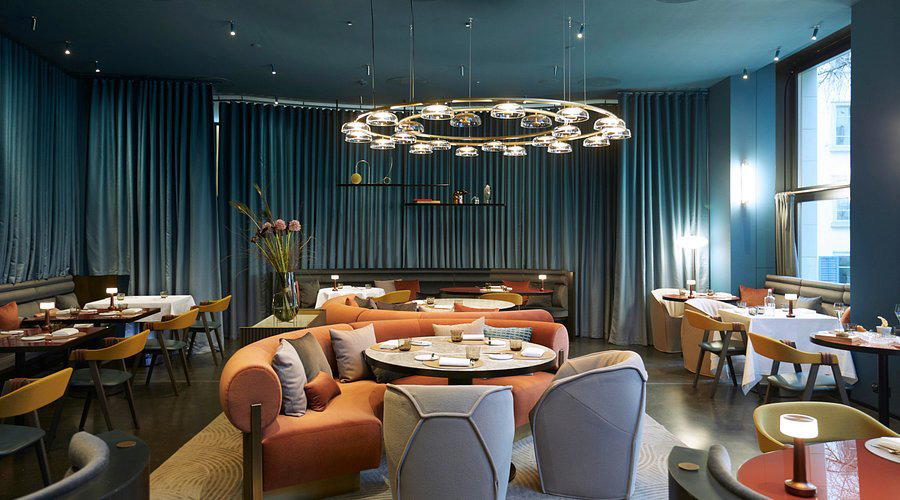
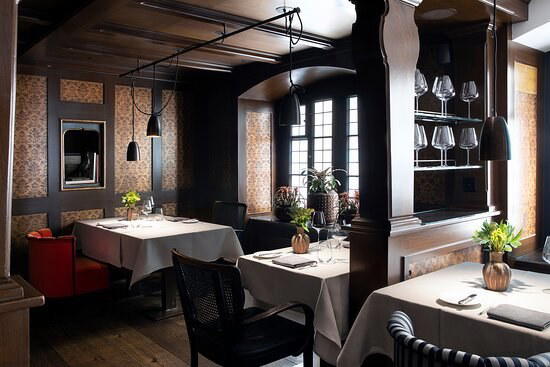
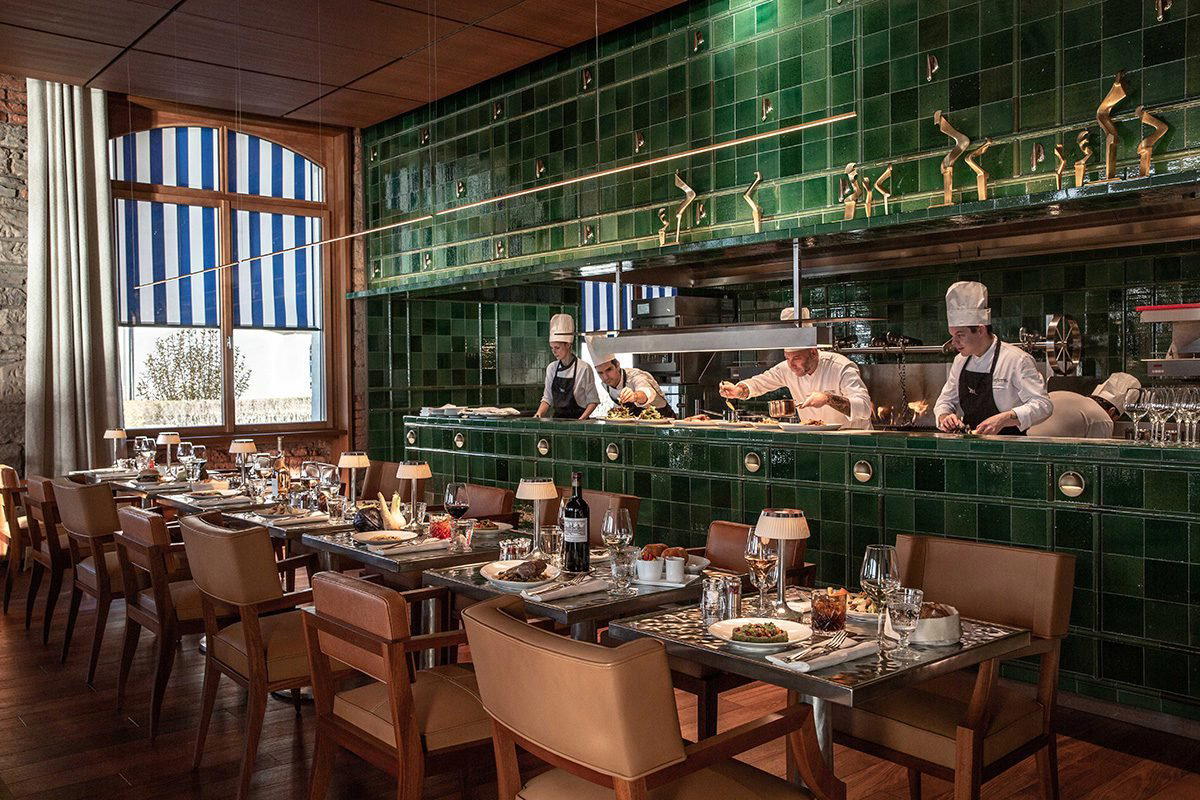
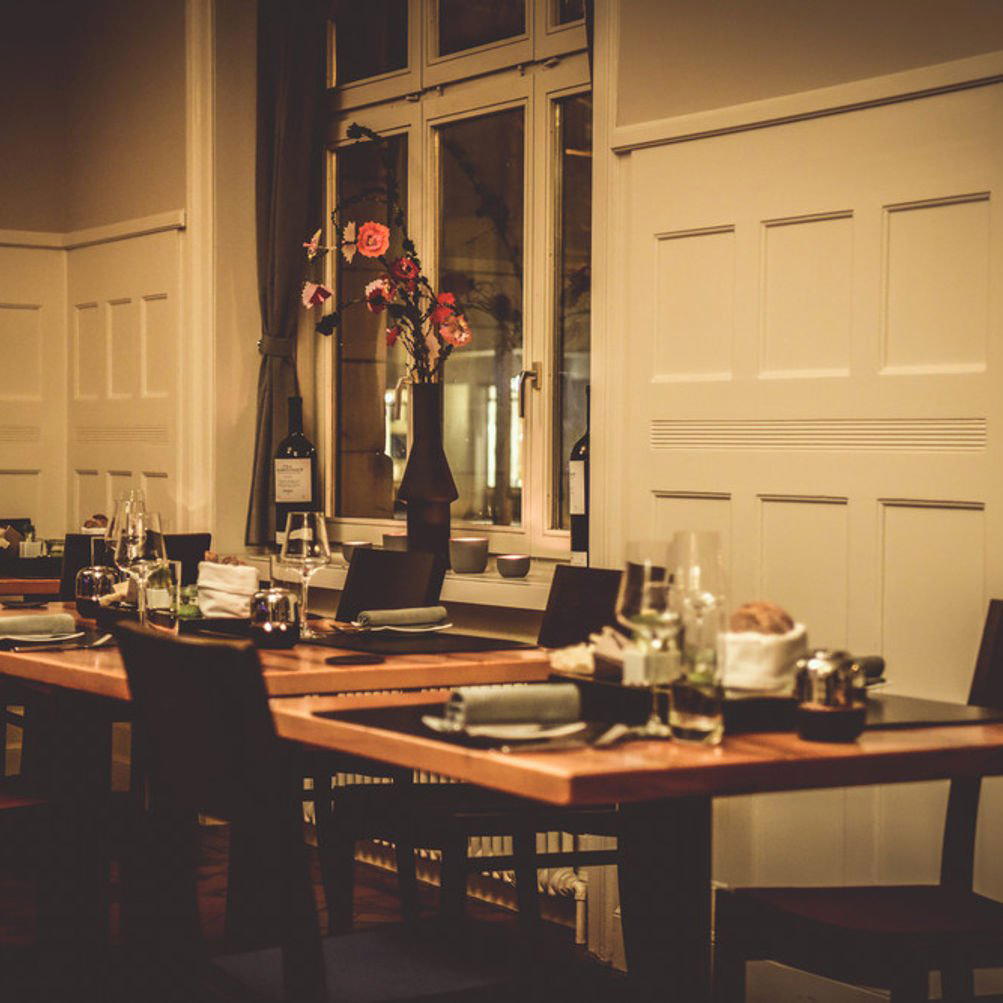
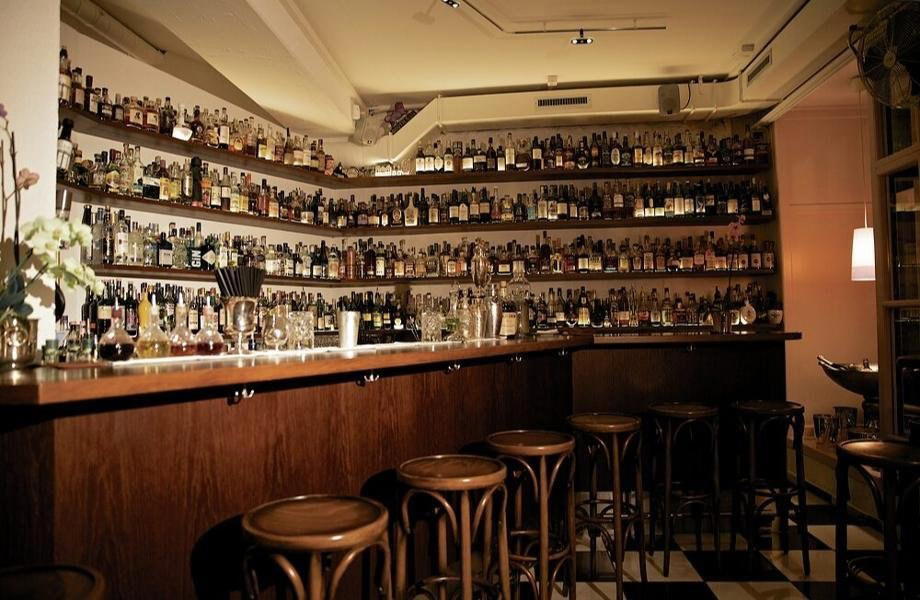
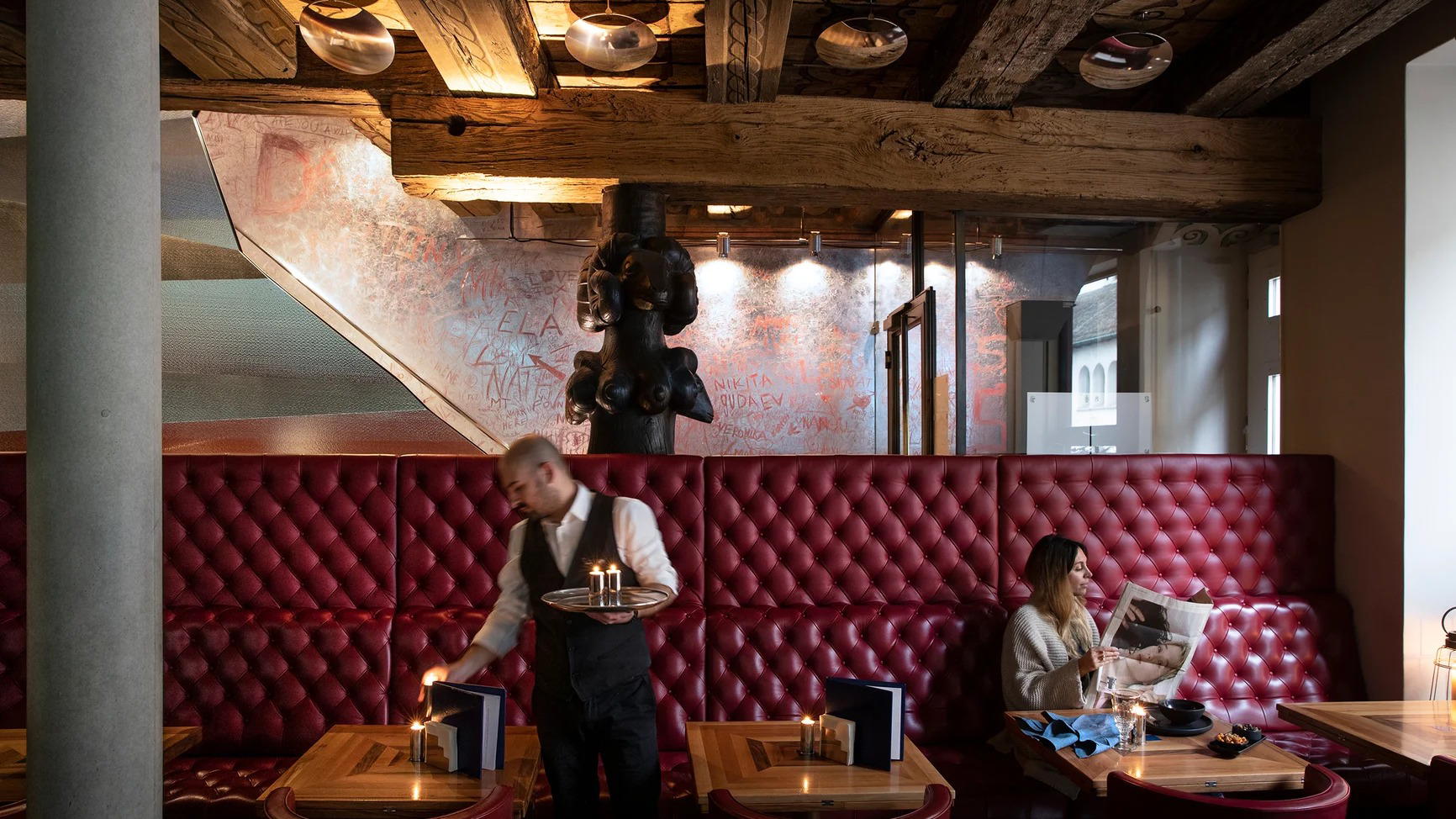
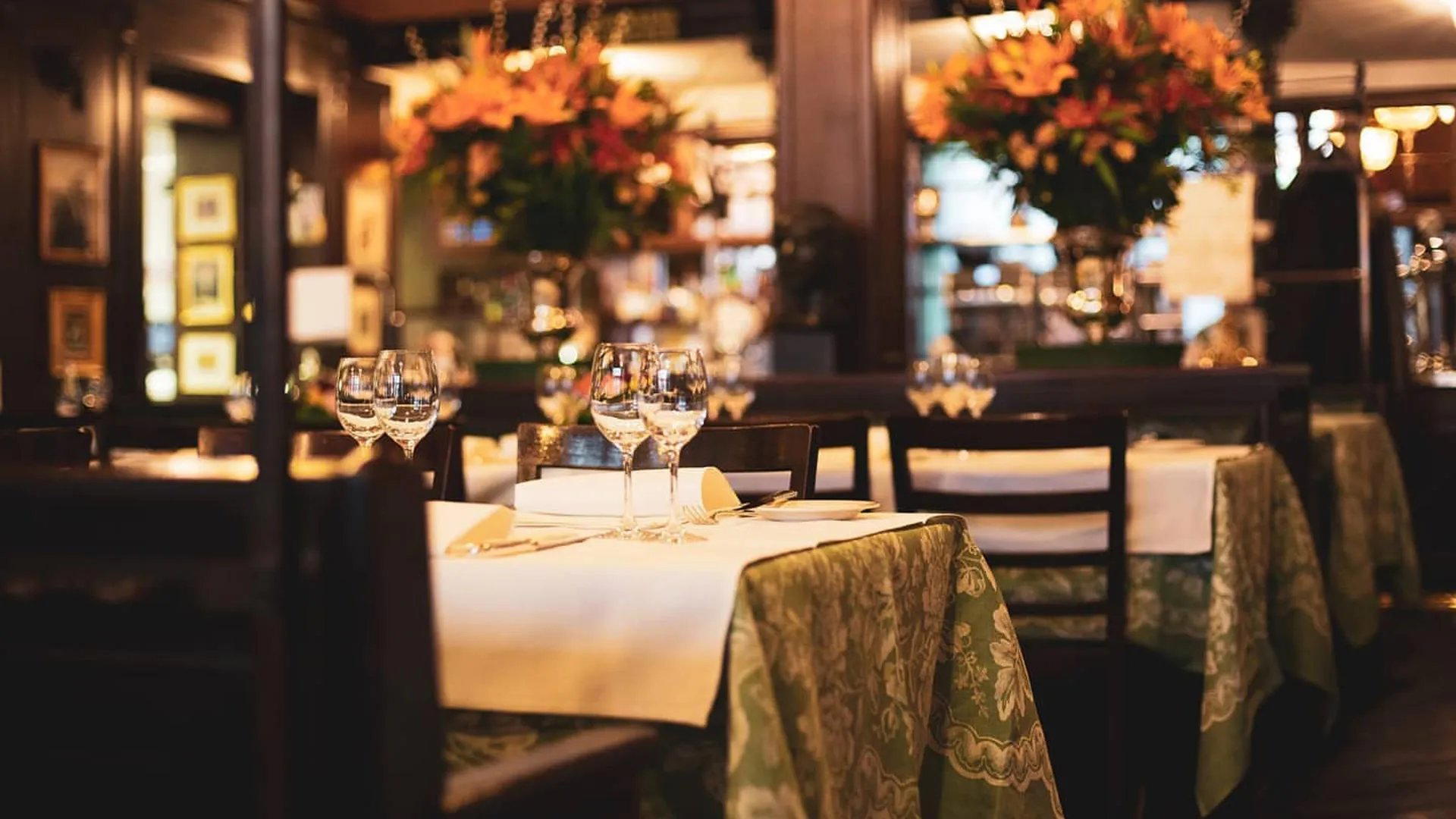
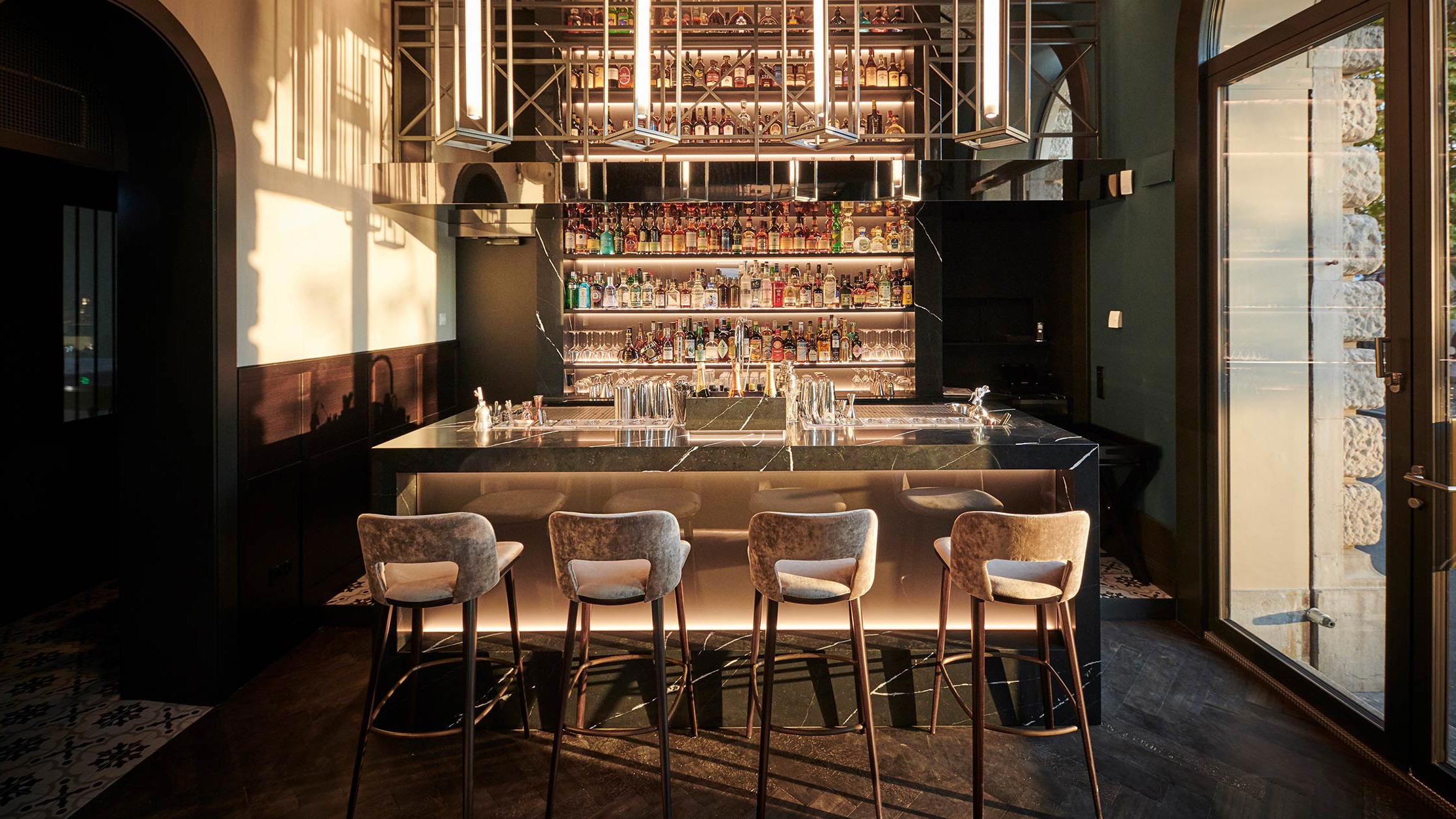
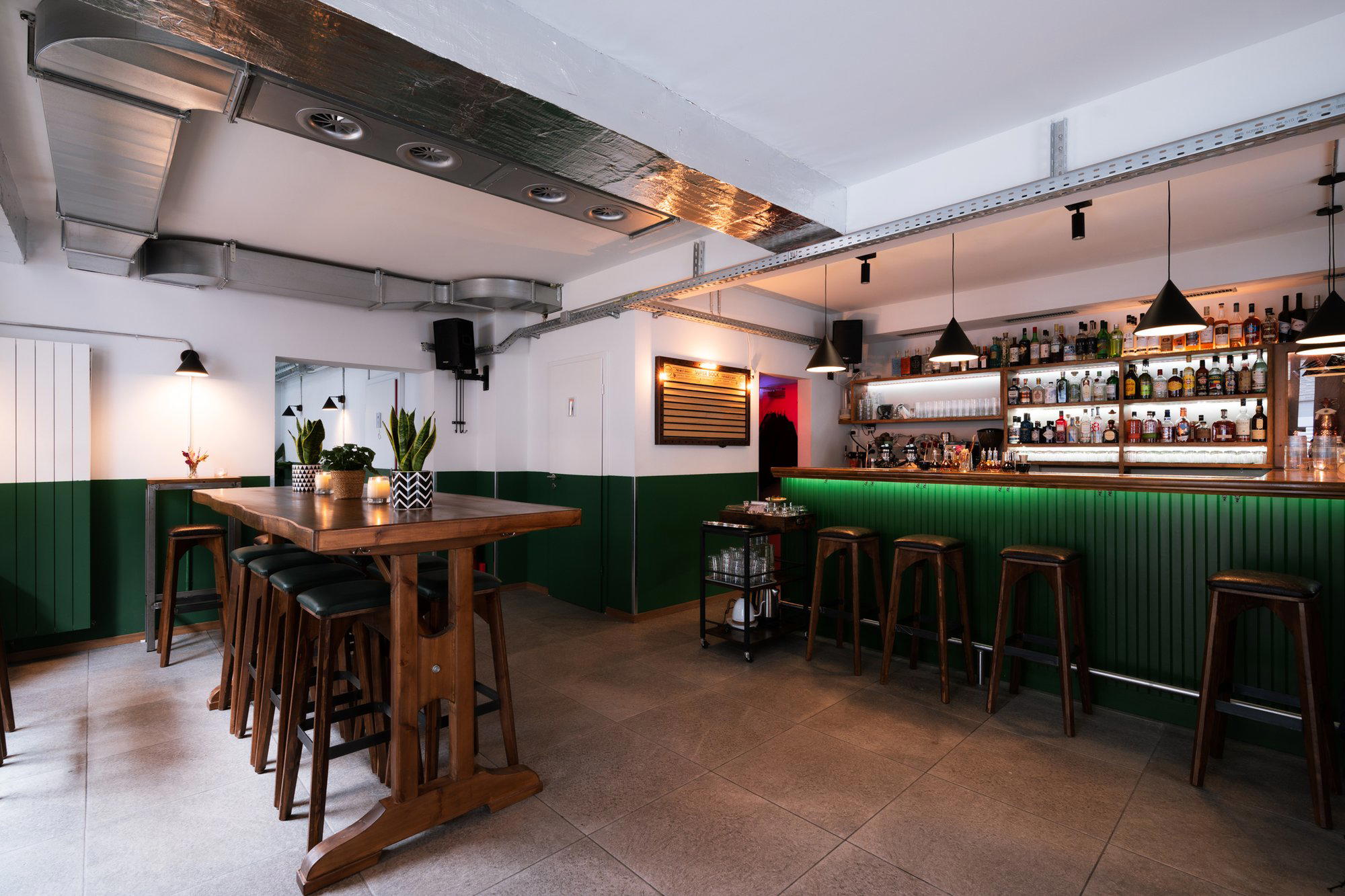
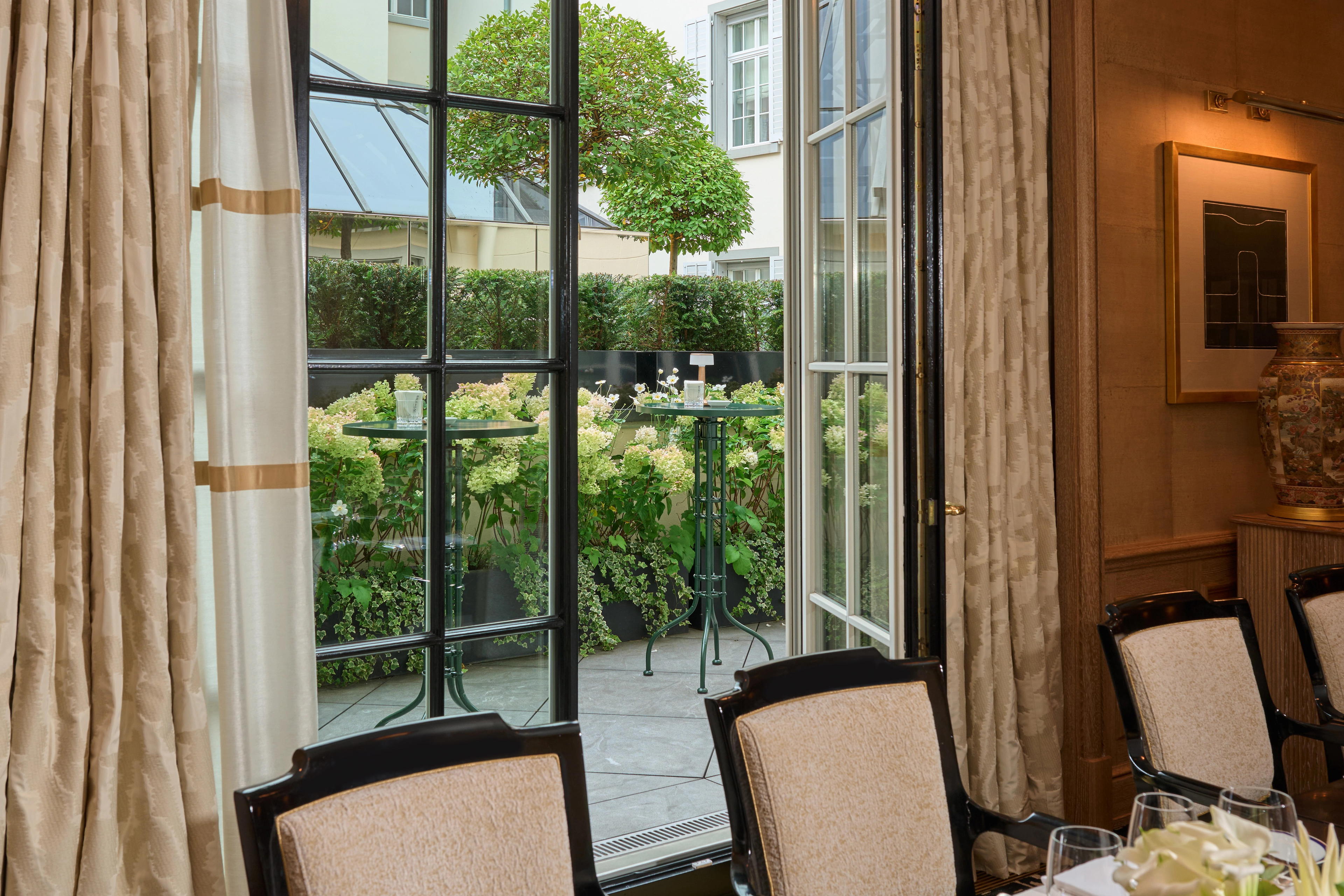
Warm and inviting with Spanish charm; rustic wood-paneled interiors with original Spanish furniture; atmospheric wine cellar; lively tapas bar with large communal tables; live guitar music creates a southern European vacation feel.