Hongxi
Our verdict
The address places it among a compact cluster of independent operators working outside the Michelin-flagged tier, making it a reference point for anyone tracking how Chinese cuisine is positioning itself in one of Europe's most expensive dining cities.

Pearl is the En Primeur Club membership app — saves, bookings, and concierge access live there. Same editors, same standards.
- Address
- Zwinglistrasse 3, 8004 Zürich, Switzerland
- Phone
- +41435492020
- Hours
- Mon ClosedTue–Sat 11:30 AM–2 PM, 5:30–10 PMSun Closed
- Website
- hongxi-restaurants.ch
- Directions
- Get directions
- Booking
- Book on the venue's website
The menu
What to order
- Xiao long bao
- Char siu bao
- Braised pork belly
District 4 and the Question of Chinese Cooking in Zurich
Zurich's dining conversation tends to anchor itself in a familiar set of coordinates: the lakeside grand hotels, the Michelin-flagged Swiss-European kitchens, and a handful of creative independents like The Counter or The Restaurant that have earned international attention. What sits in the spaces between those anchors is less frequently mapped, and that gap is where the real character of a city's eating culture develops. District 4, the Aussersihl neighbourhood running west from the main station toward the Langstrasse axis, has accumulated a density of independent restaurants operating at the mid-to-upper price tier without relying on institutional prestige.
Chinese cooking in European cities has spent the better part of two decades in a transitional phase. The older model, canteen-format Cantonese and pan-Chinese restaurants aimed at the broader market, has been gradually supplemented by a more differentiated wave: regional specialists, high-end dim sum formats, and restaurants willing to price and present Chinese cuisine on the same footing as the French and Italian kitchens that European diners have historically treated as the default reference points for serious eating. Cities like London and Amsterdam moved through this shift earlier; Zurich, partly due to its size and partly due to the strong gravitational pull of its Swiss and European fine-dining identity, has been slower. Hongxi's address in District 4 rather than the more tourist-facing centre is itself a signal about who the restaurant is cooking for and how it wants to be read. The area draws a local clientele rather than a tourist one, and the restaurants that do well here tend to earn repeat business from the neighbourhood rather than relying on destination footfall. For Chinese cooking specifically, this matters: the format and register of a restaurant aimed at diners who know what they're eating is different from one calibrated for a passing audience with lower baseline familiarity. Whether Hongxi operates closer to the specialist or the accessible end of that spectrum is a question the address alone can't fully answer, but the location suggests a specific rather than broad ambition.
For comparison within the city's broader dining picture, the high-end sharing format at IGNIV Zürich by Andreas Caminada and the Italian positioning of Eden Kitchen & Bar both represent how non-Swiss cuisines have secured premium positioning in the city. The Swiss tradition itself, carried through venues like Widder, sets a certain baseline expectation around craft and ingredient sourcing that the city's dining public brings to any table. Chinese cooking in this context needs to clear a high bar of technical credibility to be taken seriously at price points that match the city's European fine-dining tier.
Chinese Cuisine and the European Fine-Dining Conversation
The broader cultural question around Chinese cooking in European fine-dining cities is worth stating directly: the cuisine encompasses more regional variety, more technical range, and more codified tradition than most European culinary categories, yet it has historically been priced and positioned well below its European counterparts in Western markets. That asymmetry has been correcting in major cities, driven partly by a more culinarily educated dining public and partly by a generation of chefs willing to insist on premium positioning and the ingredient quality that justifies it. Restaurants like Atomix in New York City have shown how East Asian fine dining can command serious critical attention in highly competitive Western markets when the execution and framing are right, even if Korean and Chinese cuisines occupy different cultural positions in the conversation. The country carries a disproportionate number of Michelin-starred restaurants relative to its population, with references like Schloss Schauenstein in Fürstenau, Hotel de Ville Crissier, and Cheval Blanc by Peter Knogl in Basel anchoring a national identity built around precision and sourcing discipline. Memories in Bad Ragaz, 7132 Silver in Vals, and focus ATELIER in Vitznau extend that geography of serious cooking beyond the major cities. Against that backdrop, a Chinese restaurant in Zurich is implicitly in dialogue with a dining culture that treats craft as non-negotiable, regardless of cuisine origin. The surrounding neighbourhood has enough independent restaurants and bars to support an evening built around the area rather than a single booking.enprimeurclub.com/restaurants/colonnade-lucerne-restaurant">Colonnade in Lucerne, Einstein Gourmet in Sankt Gallen, and Da Vittorio - St. Moritz for those extending eastward. Internationally, the conversation around Asian fine dining at its most ambitious runs through references like L'Atelier Robuchon in Geneva and Le Bernardin in New York City, both useful benchmarks for how technique-driven restaurants price and present themselves in competitive markets. Our full Zurich restaurants guide covers the broader city eating picture for visitors building a complete itinerary.
Frequently asked questions
Is Hongxi suitable for children?
Nothing in Hongxi's setup at Zwinglistrasse 3 formally excludes younger diners, but the quieter residential atmosphere of Aussersihl's southern fringe suggests a venue oriented toward adults seeking a composed meal rather than a casual family outing. Families with older children who eat adventurously should have no difficulty, but it is worth confirming the current format directly with the restaurant before booking.
What's the overall feel of Hongxi?
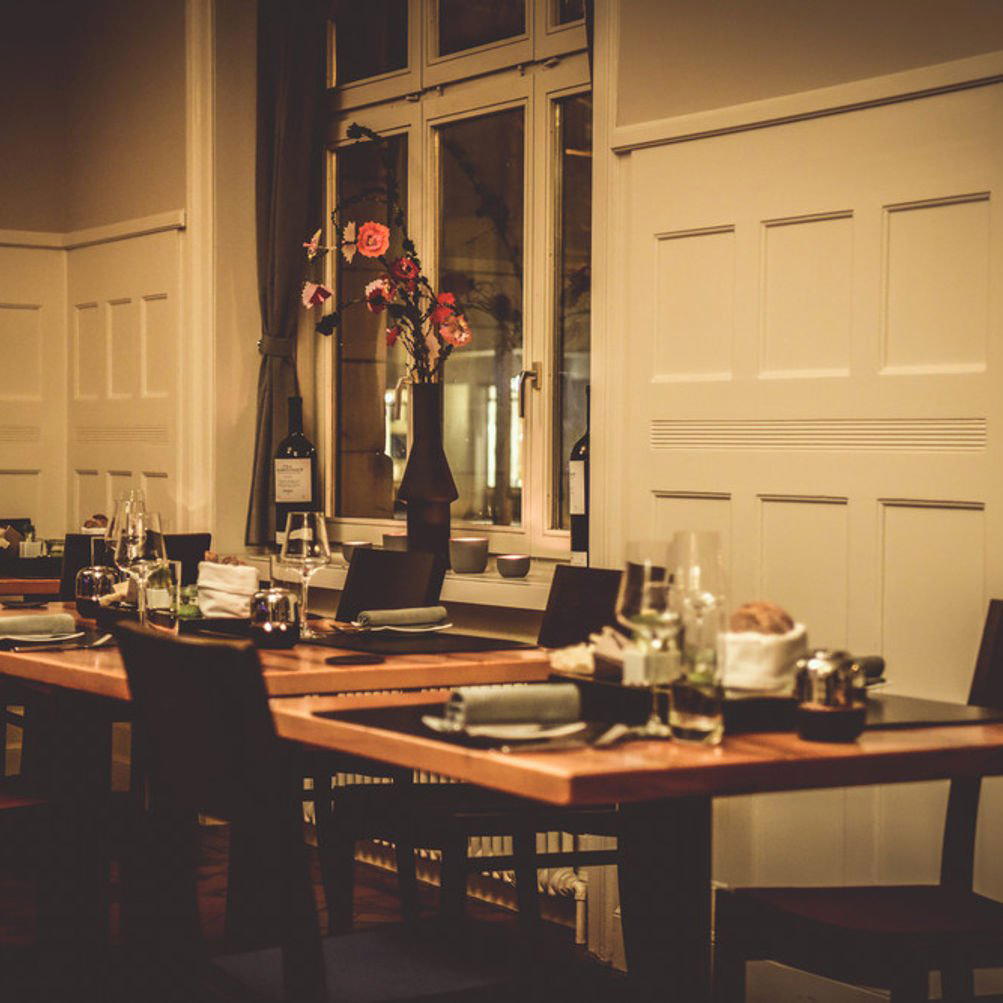
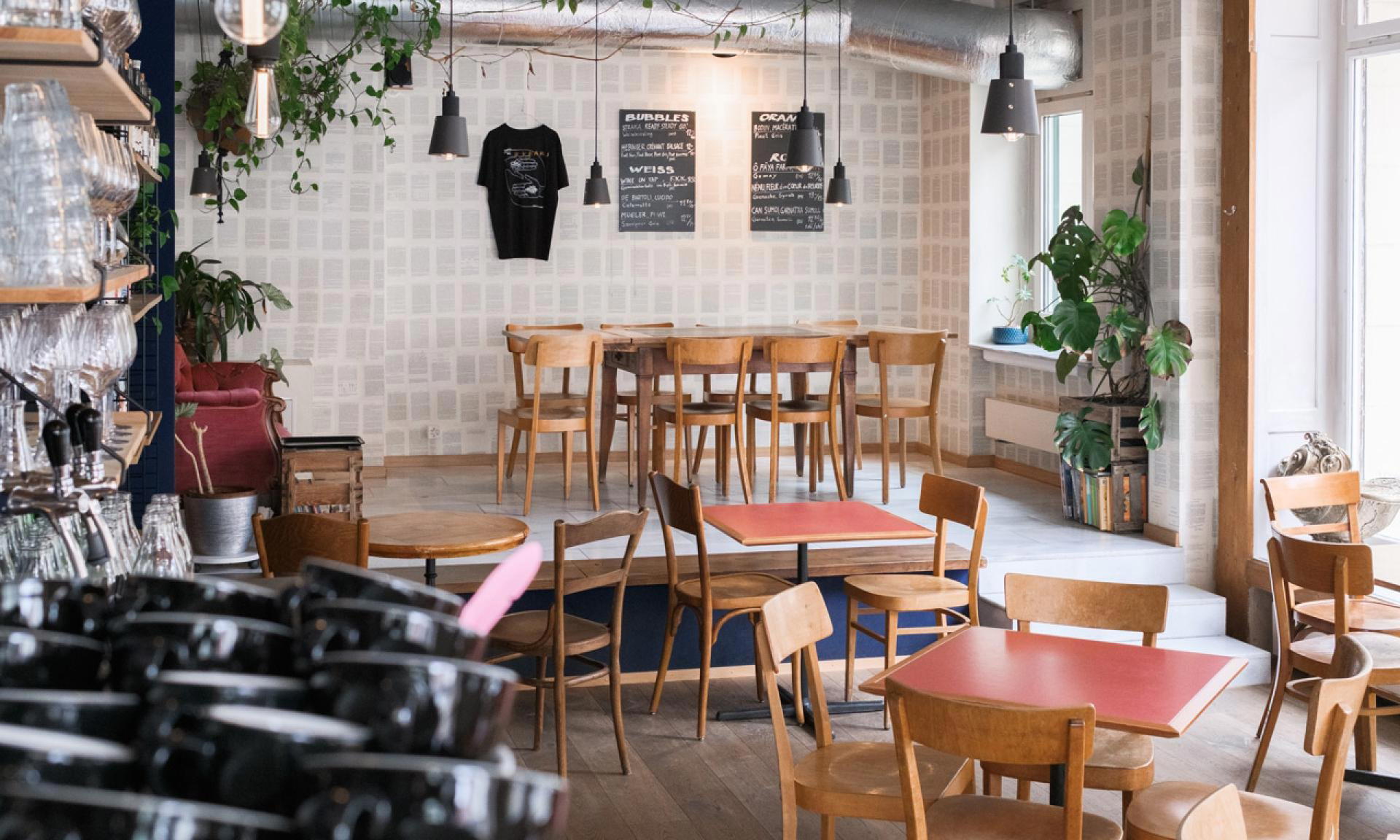
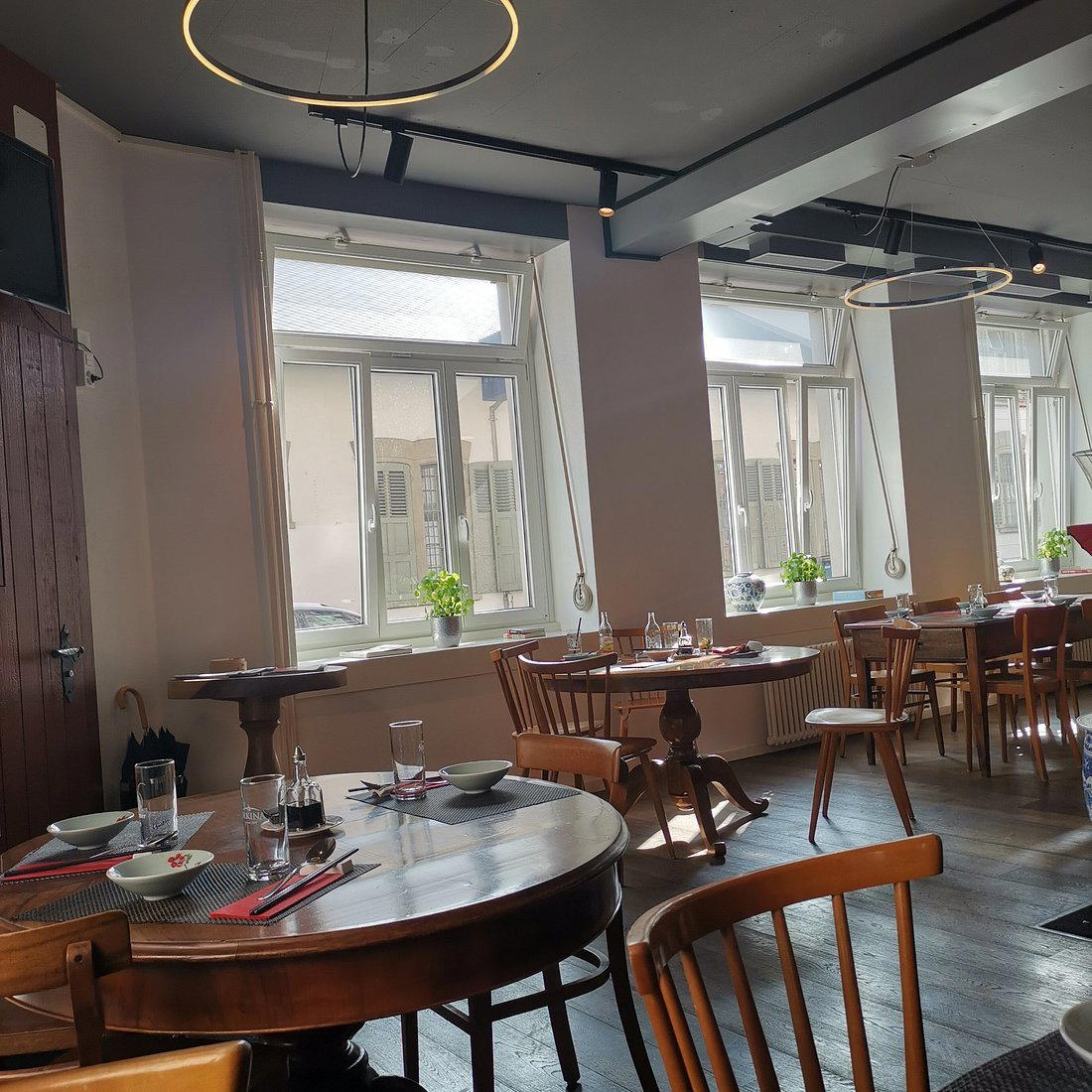
Hongxi sits on Zwinglistrasse in the calmer edge of District 4, away from the louder bar-and-counter strip of Langstrasse. That address gives the venue a neighbourhood-restaurant register rather than a destination-dining formality, placing it closer to the residential rhythm of Aussersihl than to Zurich's lakeside hotel circuit.
How does Hongxi fit into Zurich's Chinese restaurant scene?
Zurich's Chinese dining options have historically clustered around generalist menus aimed at a broad audience, while venues like Hongxi in District 4 position themselves within a more considered neighbourhood-dining framework. The Aussersihl address at Zwinglistrasse 3 places it among a growing set of restaurants reshaping the district's identity beyond its bar-heavy reputation. For anyone mapping Chinese cooking across European cities, Zurich is an underexamined city, and District 4 is where that conversation is most active.
What's the best thing to order at Hongxi?
Chinese cooking in Switzerland often draws on regional traditions that shift with season and supply, and the cooking at Zwinglistrasse 3 is best read in that context.
What's the address for Hongxi?
Hongxi is located at Zwinglistrasse 3, 8004 Zürich, Switzerland, Zurich.
What's the best way to book Hongxi?
Visiting the restaurant directly at Zwinglistrasse 3, Zurich 8004, or checking current listings on local reservation platforms, is the most reliable approach for confirming availability and making a booking.
Comparable Venues
Comparable venues nearby, for context on price, style, and recognition.
| Venue | Cuisine | Price | Awards | Notes |
|---|---|---|---|---|
| HongxiThis venue — the venue you are viewing | Contemporary Chinese Dim Sum | $30–50 | Not listed | Not listed |
| Kultur Lokal Rank | Modern Swiss with live music | Not listed | Not listed | Oberstrass |
| Die Waid | Swiss Seasonal with Asian Wok Fusion | $30–50 | Not listed | Wipkingen |
| Klingler's Zürich | Modern Italian Mediterranean | $50–100 | Not listed | Enge |
| Anna | Mediterranean-inspired with Italian influences | $100–150 | Michelin Plate | Unterstrass |
| Certo | Modern Italian Pasta | $50–100 | Not listed | Aussersihl |