
Michelin Plate
Our verdict
A white farmhouse on the edge of Hasparren, Elizaberriko Etxeberria serves Spanish Basque-inflected cooking over a wood-fired parilla: wild turbot, txuleta, tripe in spicy tomato, tarama with fried flat beans. The cooking is precise and unfussy, rooted in the ingredients and traditions of the French-Spanish Basque borderland. One of the more quietly serious kitchens in the Labourd interior.

Pearl is the En Primeur Club membership app, where members save venues, book tables and use the concierge.
Where the Basque Borderland Ends Up on the Plate
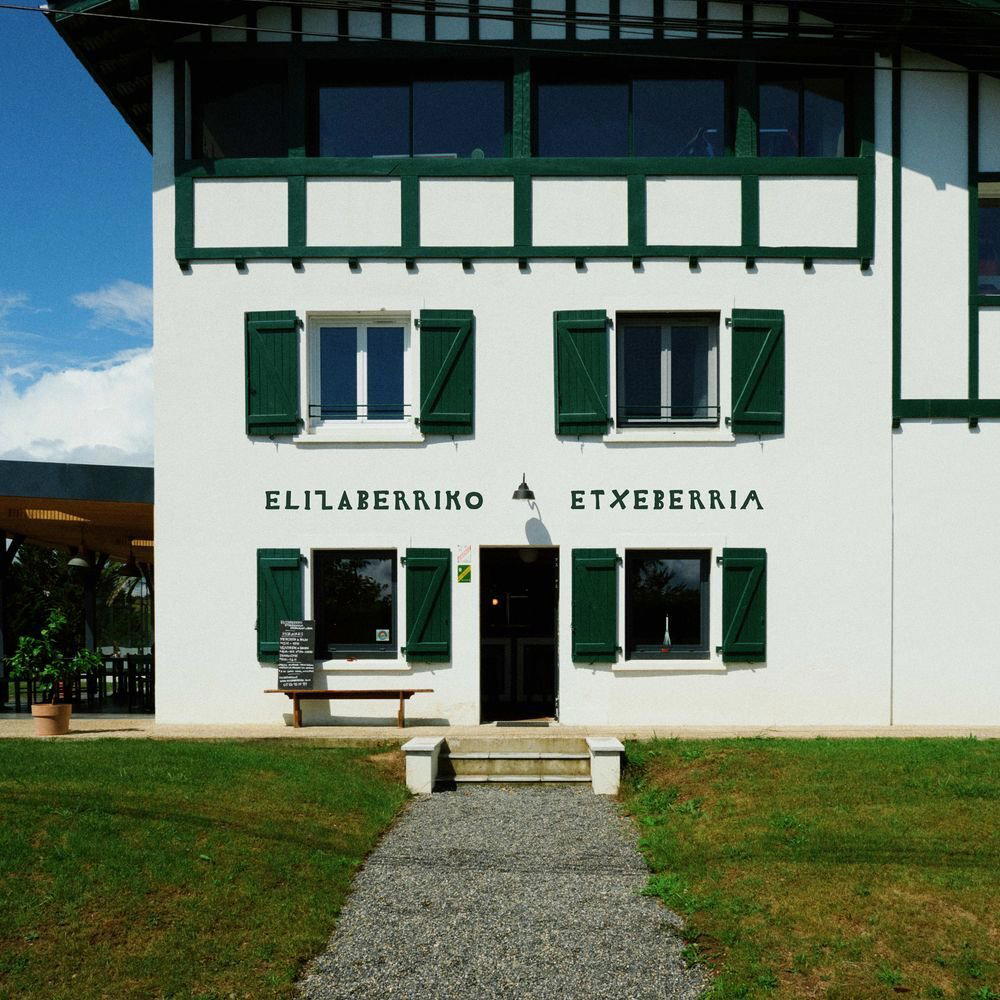
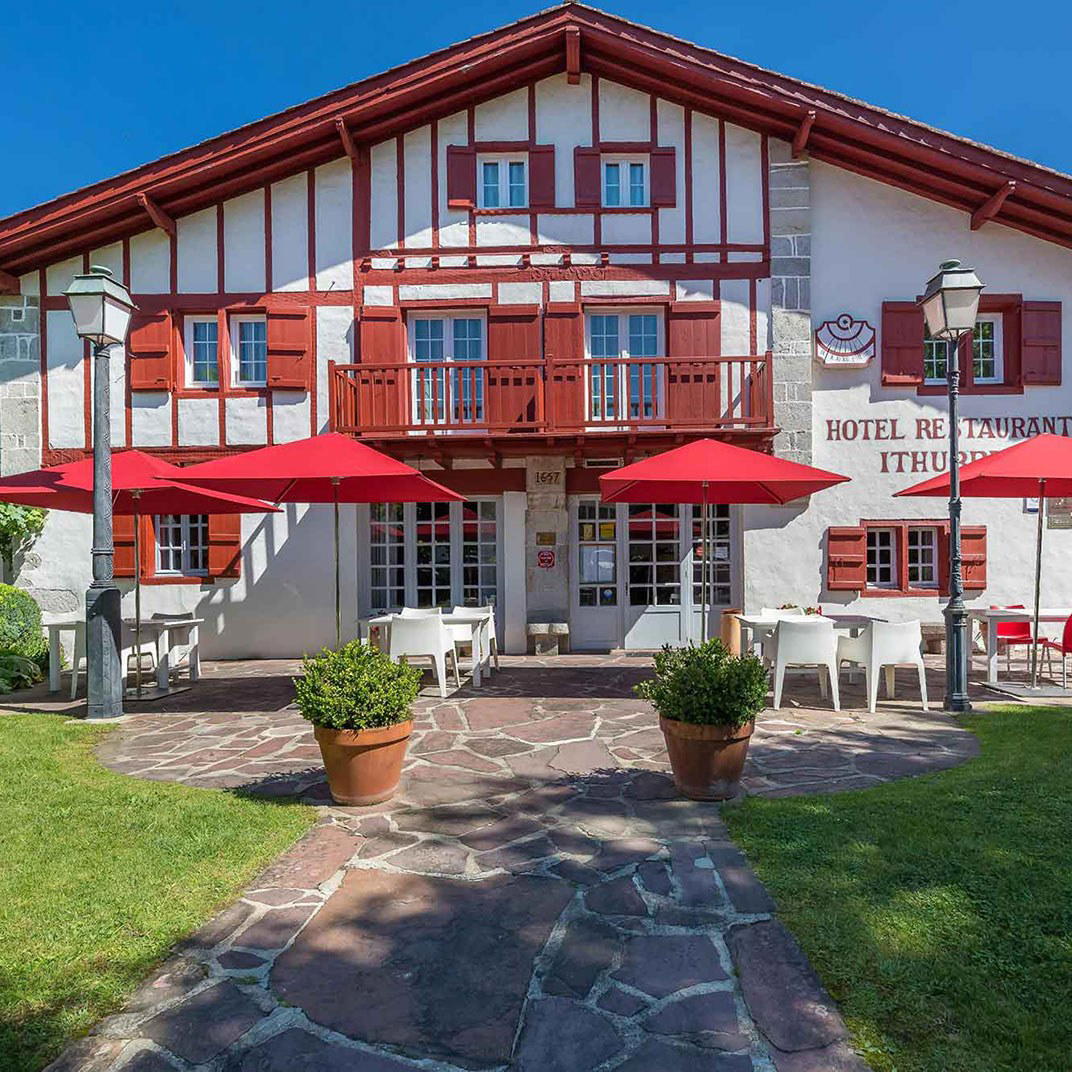
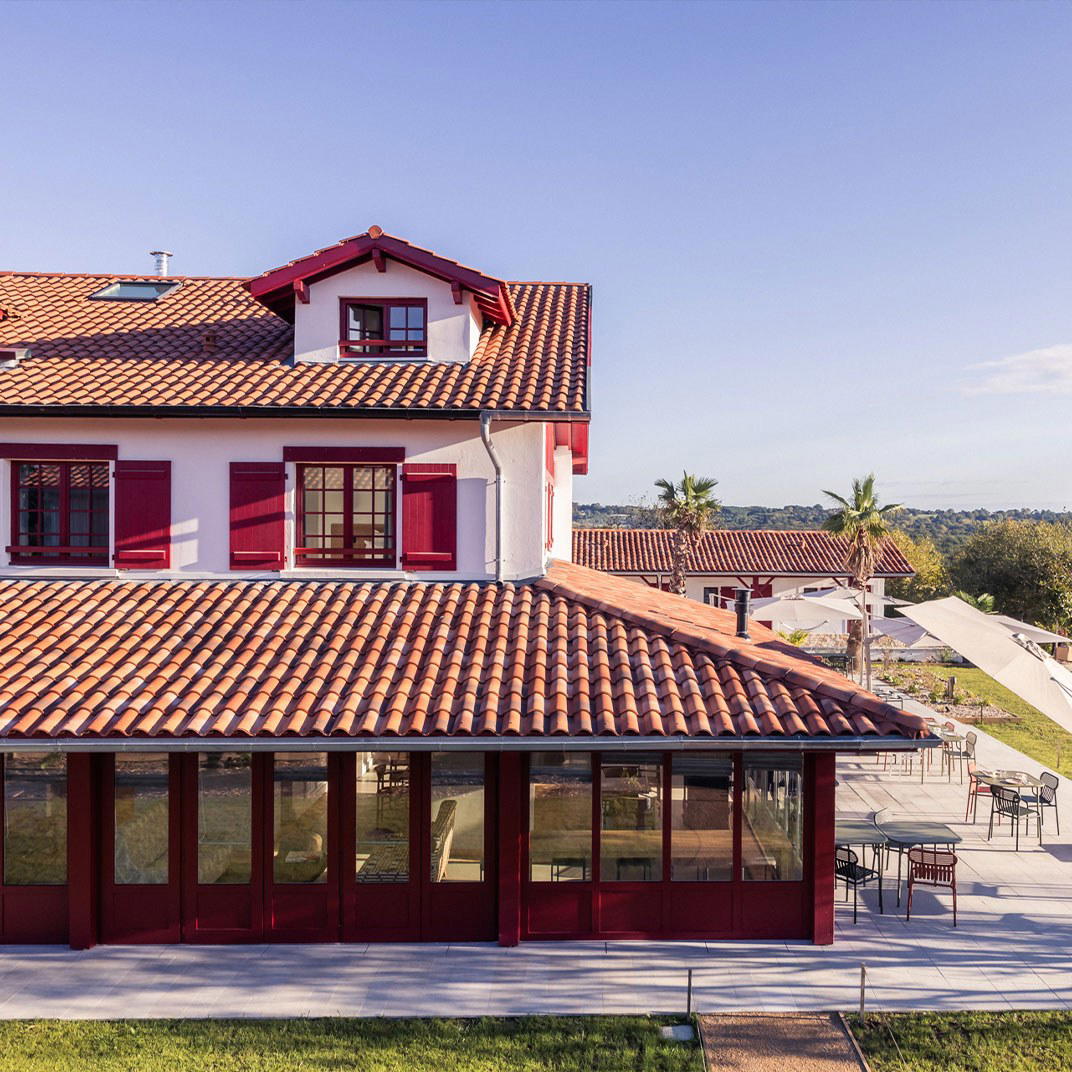
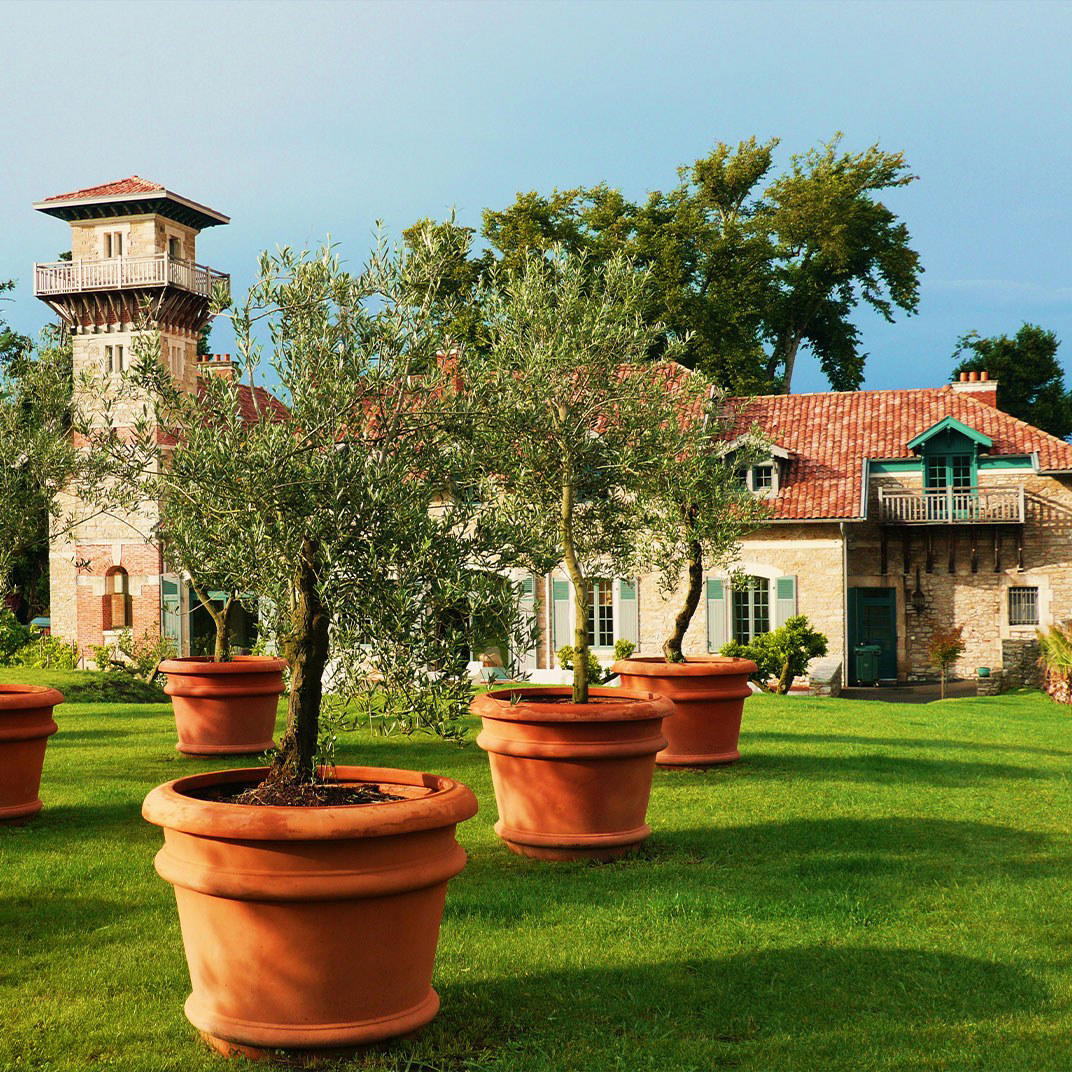
The road out to the quartier Elizaberri does not announce itself. Hasparren sits in the Labourd interior, far enough from the Côte Basque to feel removed from the coastal restaurant circuit yet close enough to the Spanish border that the culinary pull from south of the Pyrenees is tangible. It is in this in-between geography that Elizaberriko Etxeberria makes most sense: a white building with green shutters at 85 chemin d'Errelua, cooking food that draws equally from the French side of the Basque Country and the Spanish traditions that define the parilla culture of San Sebastián and the surrounding valleys. Approach it on a clear day and the setting is spare, even understated. That understatement carries through to the kitchen.
The Parilla Tradition and What It Demands of Ingredients
Wood-fire cookery over a traditional parilla is not a technique that flatters average produce. The parilla strips preparation back to almost nothing: heat, smoke, time, and the quality of whatever is being cooked. In the Spanish Basque Country, the parilla format has long been the structural logic behind some of the region's most serious eating, from the txuleta counters of the Basque interior to the fish restaurants along the Cantabrian coast. Those places built their reputations entirely on sourcing discipline, because a method that removes the safety net of sauce and technique requires ingredients that can carry the weight alone.
At Elizaberriko Etxeberria, that same logic governs the menu. Wild turbot, grilled whole over wood fire, appears as a direct expression of this philosophy: the fish is chosen precisely because it can hold its structure and flavour at high heat, and because sourcing wild rather than farmed turbot in this part of the Atlantic coast remains achievable. Txuletas come from carefully selected breeds, which in the Basque context means older working cattle with long-marbled fat and a depth of flavour that younger commercial beef cannot replicate. The sourcing is the cooking, in the sense that the decision of what to buy and from where determines the outcome before the fire is even lit. For a comparison in the French fine-dining tradition where sourcing discipline operates at a different scale and price point, see Bras in Laguiole or Mirazur in Menton, where the relationship between kitchen and producer is similarly foundational. Elizaberriko Etxeberria operates at a fraction of those restaurants' profile, but the underlying sourcing logic is recognisably the same.
Beyond the Grill: The Rest of the Menu
The parilla is the anchor, but the cooking here extends into territory that maps the fuller range of the Franco-Basque table. Tortilla arrives as a demonstration of restraint and execution: done well, a Basque tortilla is nothing more than egg, potato, and olive oil, and its quality depends entirely on timing and temperature. Tripe in spicy tomato sauce places the kitchen within a tradition of offal cookery that runs deep through both Spanish and French Basque cooking, where nose-to-tail preparation predates its fashionability in European restaurant culture by generations. House-made botifarra sausage with cavolo nero, tarama with fried flat beans, and ice cream churned on site all point to a kitchen that treats preparation from scratch as a baseline rather than a selling point.
The coq au lait, infused with rum, sits in slightly different territory: it draws on the French Basque engagement with the Atlantic trade routes that brought rum from the Caribbean into the region's cooking centuries ago. That dish, alongside the others, suggests a kitchen that has thought carefully about where the food comes from historically as well as geographically. The dishes are not presented as heritage recreations; they read as the natural output of two cooks who have absorbed these traditions and applied them with precision. The result is a menu where nearly every dish qualifies as a classic of the region in the sense that these are preparations with long local histories, executed here without embellishment.
The People Behind the Kitchen
Franco-Basque borderland has attracted cooks from elsewhere for decades. British chef Alex Mahood runs the kitchen alongside Eva Jaurena, who brings a background in community catering. Their presence at Elizaberriko Etxeberria fits a pattern visible in Basque gastronomy more broadly: the region's culinary traditions are strong enough to absorb outside influences without diluting, and cooks who arrive from elsewhere tend to anchor themselves in the local ingredient logic rather than impose external frameworks. The fact that the DNA described here is explicitly that of the Spanish Basque Country, applied in a French Basque setting, is itself an interesting editorial note about how the border functions culturally. The cooking sits firmly in the tradition; the chefs happen to have come to it from different directions.
At the high-recognition end of French restaurant culture, kitchens like Alléno Paris au Pavillon Ledoyen or Assiette Champenoise in Reims operate within a different set of expectations entirely, where the chef's identity and creative arc are central to the restaurant's positioning. Elizaberriko Etxeberria does not operate in that register. Here, the tradition is the point, and the kitchen's job is to execute it honestly. That is not a lesser ambition; it is a different one, and in the context of Hasparren's scale and the simplicity of the format, it is arguably the more disciplined approach.
Planning a Visit
Hasparren is reachable from Bayonne in roughly 25 minutes by car, making it a viable lunch or dinner destination from the coast without requiring an overnight stay. The address at 85 chemin d'Errelua, quartier Elizaberri, is on the edge of town rather than in the centre; arriving by car is the practical option. For context on what else Hasparren offers, see La Maison de Pierre, which represents a different mode of modern cuisine in the same town. A broader sense of what the area supports is available through our full Hasparren restaurants guide, as well as hotels, bars, wineries, and experiences in the region. For those building a wider French dining itinerary, reference points at different scales and regions include Flocons de Sel in Megève, Troisgros in Ouches, Auberge de l'Ill in Illhaeusern, Au Crocodile in Strasbourg, Paul Bocuse in Collonges-au-Mont-d'Or, and AM par Alexandre Mazzia in Marseille. Across the Atlantic, Le Bernardin in New York and Emeril's in New Orleans represent American points of reference for serious seafood and regional American cooking respectively.
Frequently asked questions
Is Elizaberriko Etxeberria a family-friendly restaurant?
The setting at 85 chemin d'Errelua is a white-shuttered farmhouse in the rural quartier Elizaberri, which suggests an unhurried, informal pace suited to families. The menu anchors around sharing-friendly formats, whole wood-fired fish, txuletas, and tortilla, rather than a rigid tasting structure, which makes the table adaptable to different appetites and ages.
What's the overall feel of Elizaberriko Etxeberria?
No-frills in execution, serious in sourcing. The white building with green shutters sits in the Labourd interior well away from the coastal tourist circuit, and the cooking reflects that remove: carefully selected breeds for the rib steaks, whole fish over wood fire, house-made charcuterie. British chef Alex Mahood and Eva Jaurena, whose background is in community catering, run a room that feels local rather than destination-performative.
Does Elizaberriko Etxeberria have a Michelin star or similar recognition?
Elizaberriko Etxeberria has received recognition including: This white building with green shutters is home to a restaurant run by British chef Alex Mahood and Eva Jaurena, who comes from a background in community catering. The DNA of the Spanish Basque Country runs through the couple's cuisine, whi….
What dish is Elizaberriko Etxeberria famous for?
The parilla cookery is the defining reference point, wild turbot and txuleta rib steaks grilled over a wood fire on a traditional Basque grill. Several dishes have already acquired the status of house classics, including the tortilla and the rum-infused coq au lait, which speaks to how quickly the kitchen has established a coherent identity in Hasparren.
Comparable Venues
Comparable venues nearby, for context on price, style, and recognition.
| Venue | Cuisine | Price | Awards | Notes |
|---|---|---|---|---|
| Elizaberriko EtxeberriaThis venue (the venue you are viewing) | Traditional Basque-Spanish Grill | $50–100 | Michelin Plate | Not listed |
| La Maison de Pierre | Modern French Gastronomique | $100–150 | 1 Michelin Star | Centre-ville Hasparren |
| Alcalde | French-Basque Tapas and Grill | Not listed | Michelin Plate | rue de la République |
| Argi Eder | Basque Farm-to-Table Fine Dining | $50–100 | Michelin Plate | Ainhoa |
| Gaztelur | Basque French with Spanish influences | $30–50 | Michelin Plate | Arcangues |
| Erroa | Modern Basque-French Bistro | Not listed | Michelin Plate | Saint-Jean-de-Luz |
Recognition history
Dated appearances from independent guides and award organizations, with the underlying list record or original source where available.
Michelin Plate
Michelin
Continue exploring
More in Hasparren
Details
- Rustic
- Cozy
- Elegant
- Special Occasion
- Open Kitchen
- Natural Wine
- Farm To Table
- Local Sourcing
- Mountain
- A La Carte
Current opening hours
- Monday
- Closed
- Tuesday
- Closed
- Wednesday
- 12–2:30 PM
- Thursday
- 12–2:30 PM
- Friday
- 12–2:30 PM, 6–11 PM
- Saturday
- 10 AM–3 PM, 6–11 PM
- Sunday
- 10 AM–4 PM
Hours can change for holidays and private events. Hours as of .
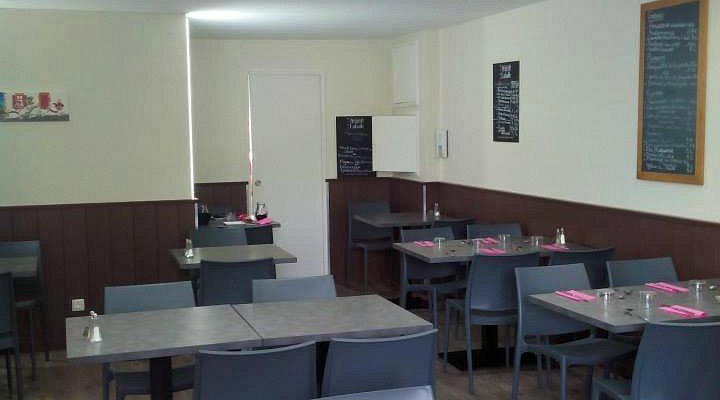
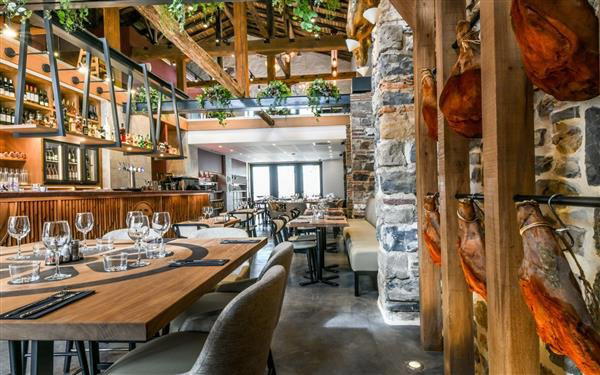
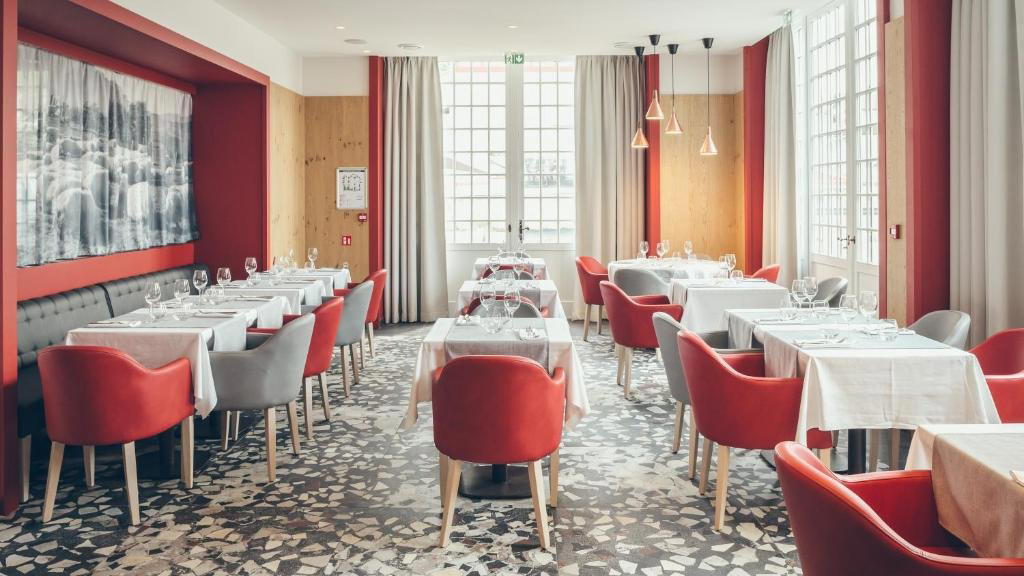
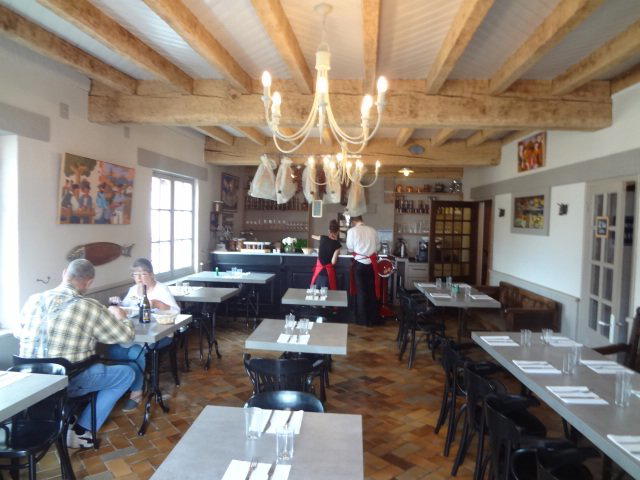
Sleek dining room with exposed wooden rafters, providing a rustic yet elegant atmosphere amid Basque countryside views.