What the Menu Reveals About the Kitchen
Greek-inflected cooking at the serious end of the American restaurant market has always occupied an interesting structural position. It is not a cuisine that fits neatly into the tasting-menu economy that drives much of the prestige dining conversation — places like The French Laundry in Napa, Lazy Bear in San Francisco, or Smyth in Chicago operate within a different architectural logic entirely. Greek food, when it is being taken seriously rather than being simplified for accessibility, tends to resist the course-by-course formalism that defines those rooms. Its natural structure is abundance: multiple dishes arriving in overlapping sequence, the table as a shared surface rather than a staged platform.
That architecture, what gets described as meze culture in its broadest form, is actually a sophisticated menu philosophy. It demands that a kitchen maintain quality across a wider range of preparations simultaneously, rather than sequencing a controlled tasting progression. It also demands that the guest's experience of a meal be self-directed to a greater degree than a set menu allows. Whether Eleni's Philoxenia adheres strictly to that shared-table format or applies a more hybrid structure, the name alone signals that the underlying logic is hospitality-first rather than theater-first.
This matters in Portland's context. The city's dining scene has split in the last decade between venues that operate as curated experiences, Langbaan, with its fixed Thai tasting menu, is a clear example, and venues that build their identity around a different kind of generosity. Nostrana belongs to the latter camp, as does Ken's Artisan Pizza in its own register. Eleni's Philoxenia, with its philoxenia framing, is declaring a position in that tradition rather than in the prestige-tasting camp.
Portland's Independent Table: Where Eleni's Philoxenia Sits
The Pearl District is not Portland's most historically dense dining neighbourhood, that distinction belongs to areas like Southeast Portland, where the city's independent restaurant culture first concentrated in the early 2000s. But the Pearl has developed its own cohort of serious independents, and NW 9th Ave specifically sits close enough to the Kearney and Hoyt blocks that it draws from the same walking-distance audience that fills the neighbourhood's better tables on weekday evenings.
Portland's competitive restaurant set, taken at the level just below national flagship destinations like Kann, which brought Haitian cooking into the James Beard conversation, and Berlu's Vietnamese fine dining approach, includes a growing number of culturally specific kitchens treating their source cuisines with the same rigor that the broader American fine-dining establishment reserves for French or Japanese frameworks. Eleni's Philoxenia's philoxenia positioning puts it inside that current. Greek cooking has the culinary depth and regional variation to sustain that level of seriousness; the question any such restaurant faces is whether the execution matches the framing.
For comparison, the national conversation around Mediterranean and Aegean cuisines at the serious-dining level has been moving: restaurants that take the pantry and technique of the eastern Mediterranean on their own terms, rather than as a simplified alternative to French-derived cooking, have found audiences at tables across the country. Atomix in New York City demonstrated what it looks like when a non-European culinary tradition is given full formal ambition, Le Bernardin operates in an entirely different register, but both clarify the range of what serious independent dining can hold.
Reading the Room: Atmosphere and Scale
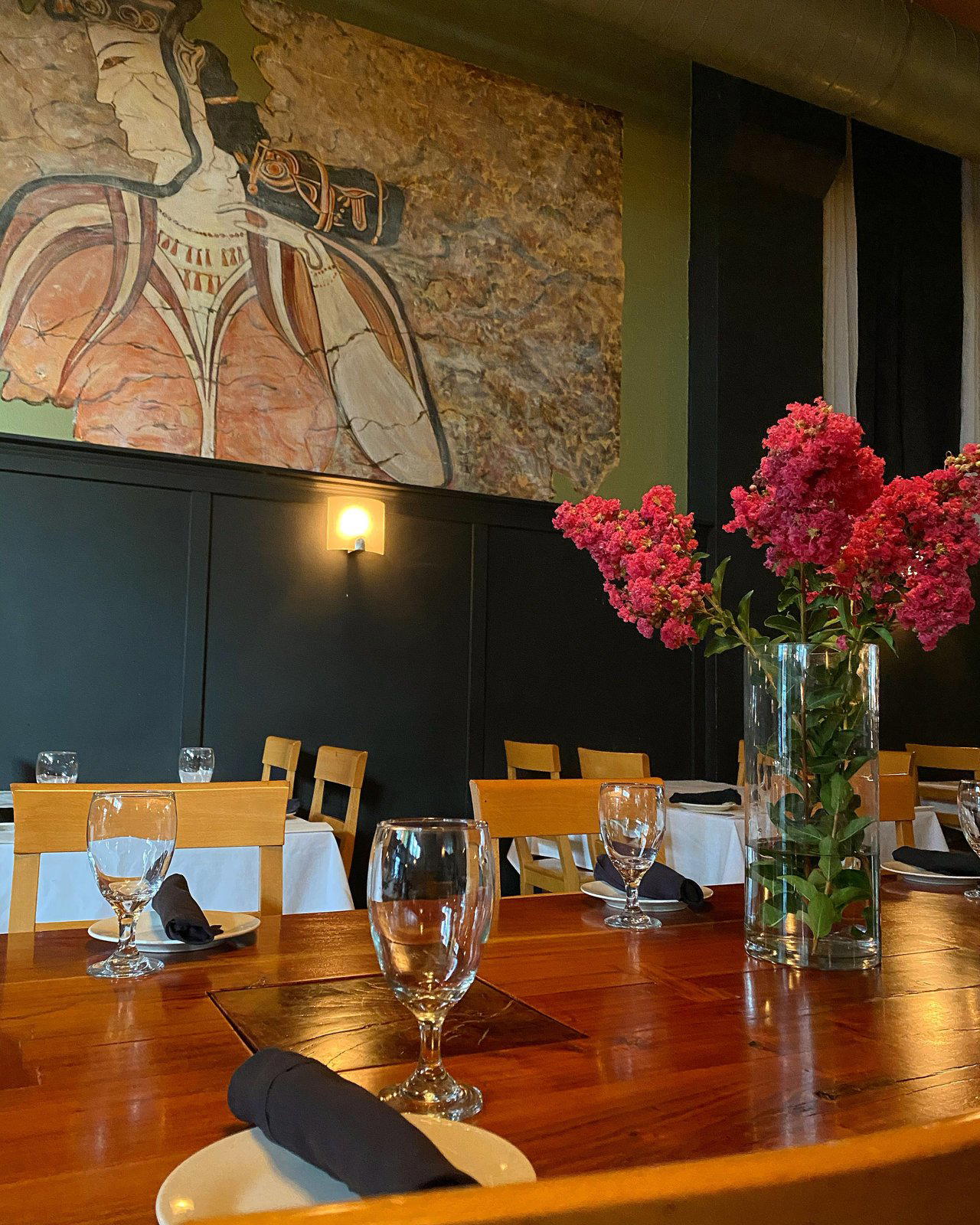
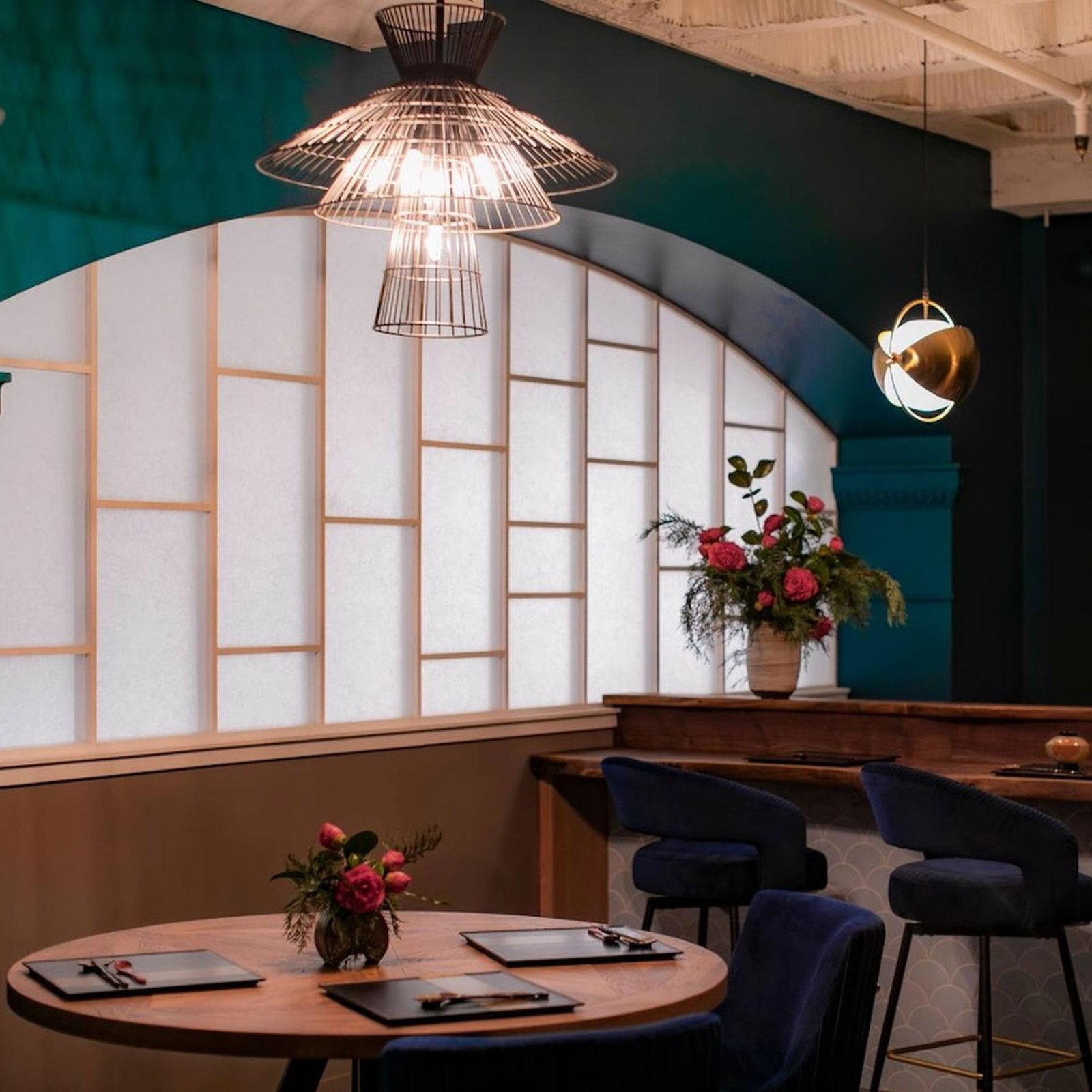
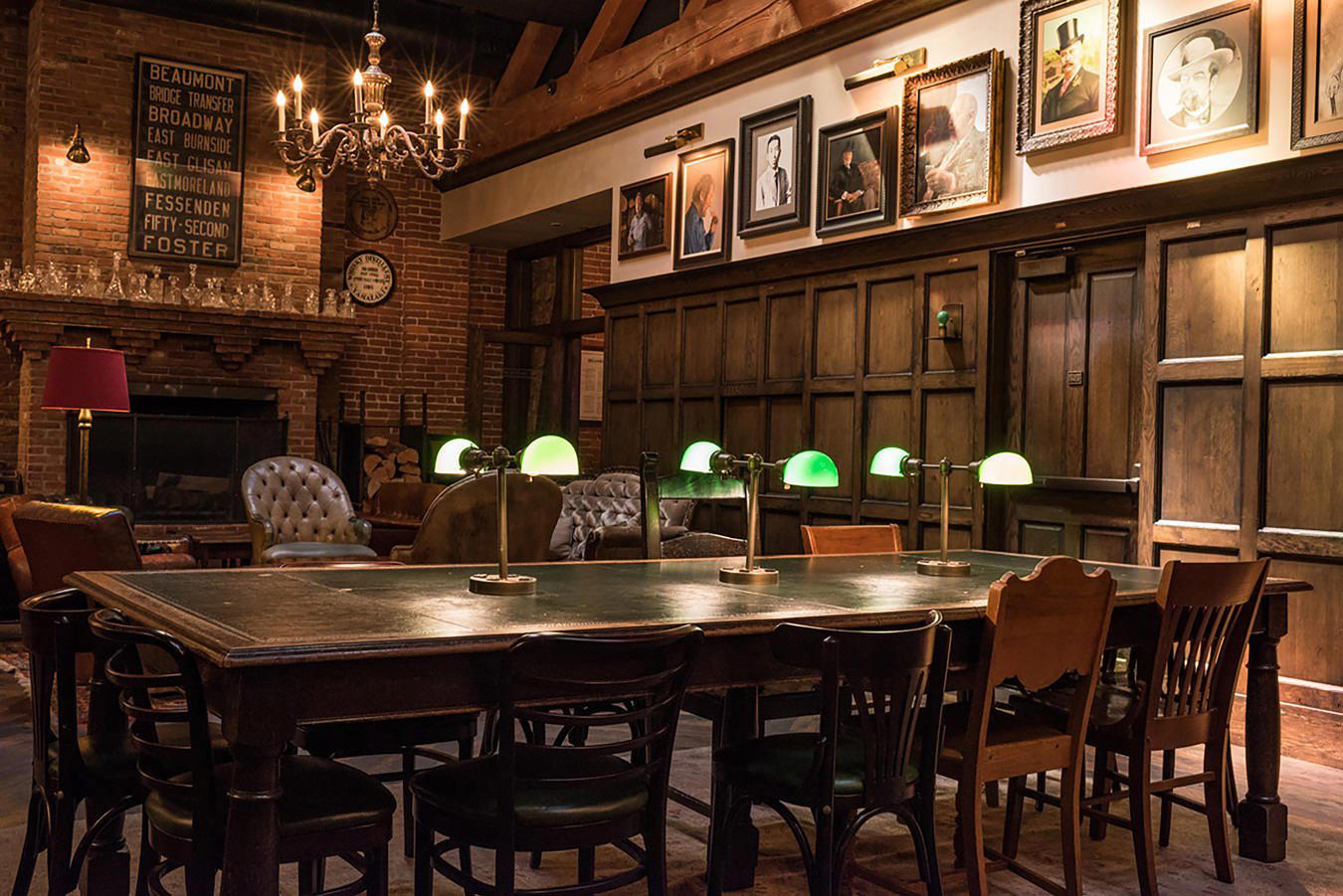
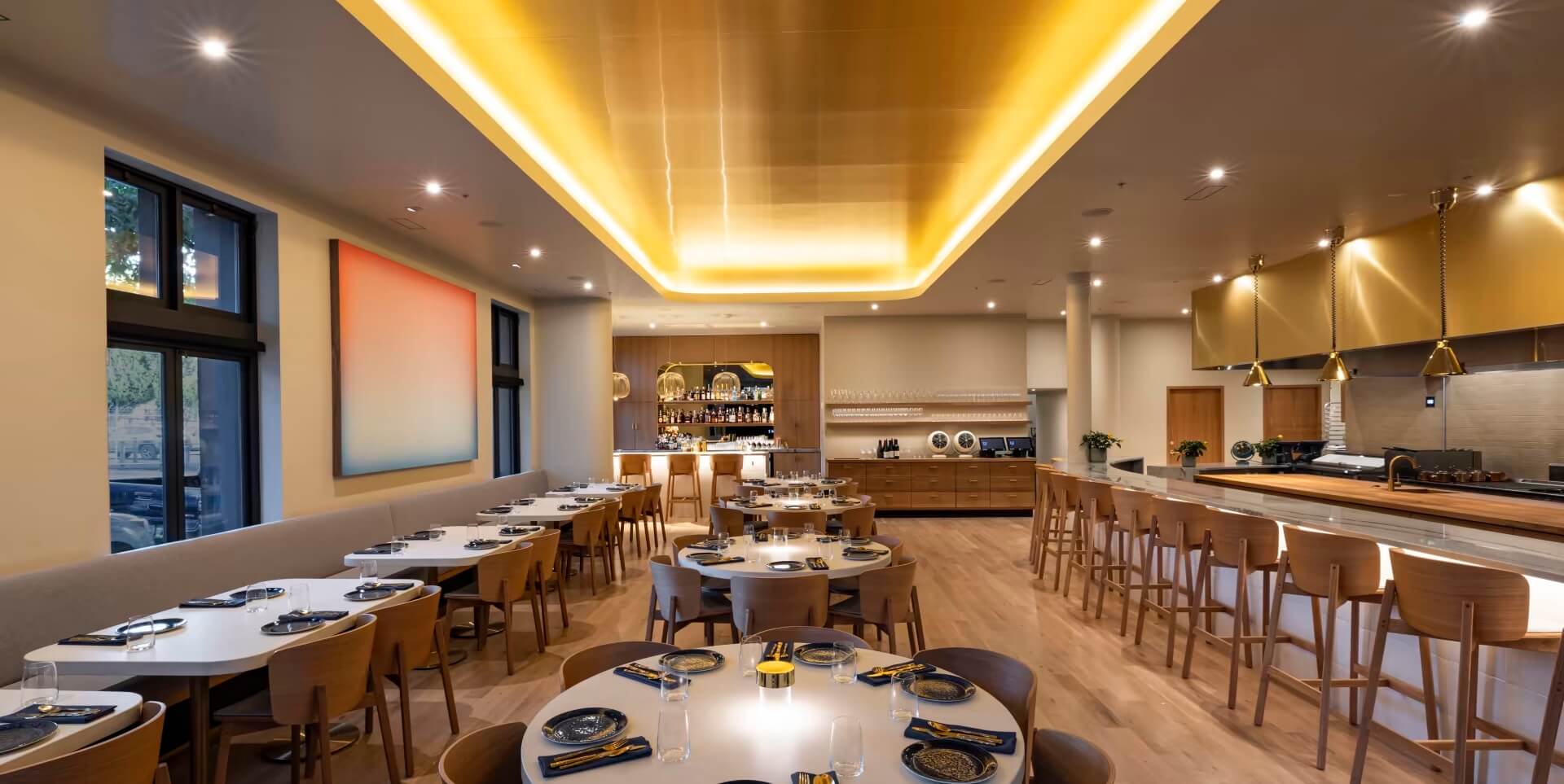
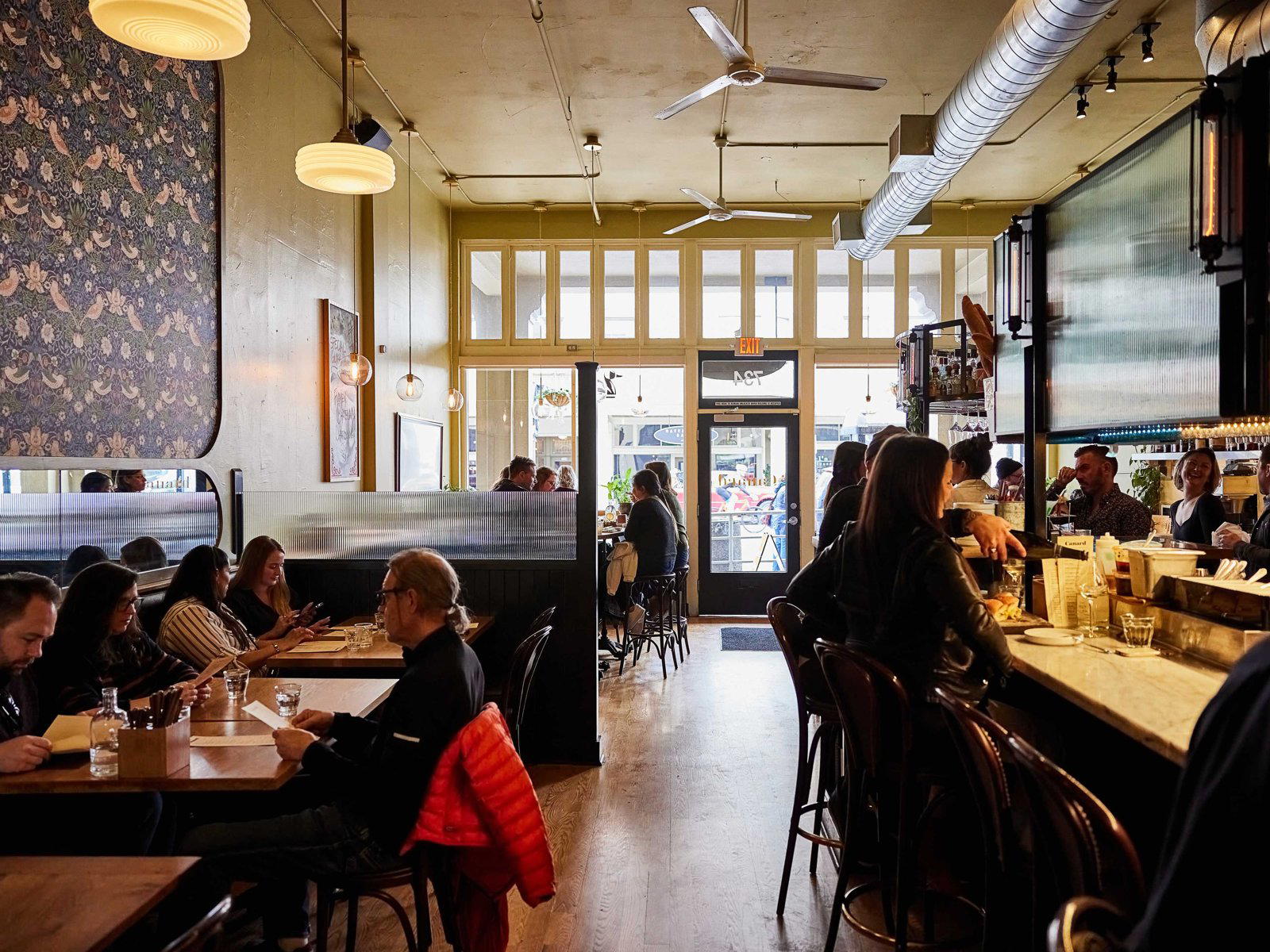
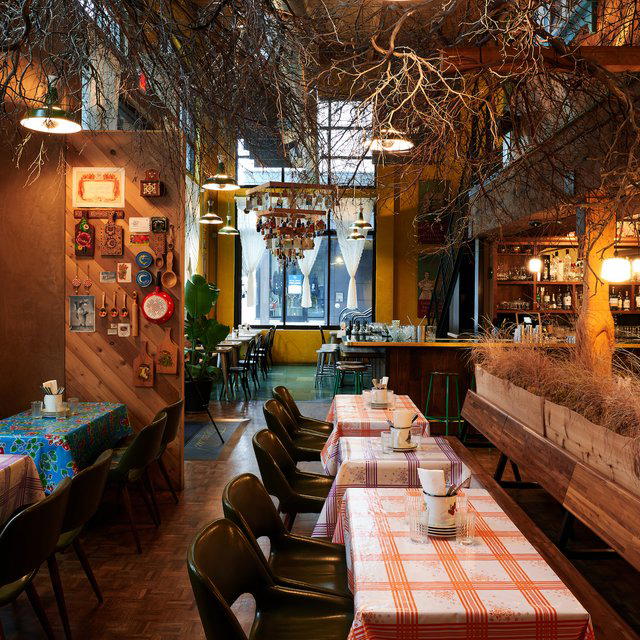
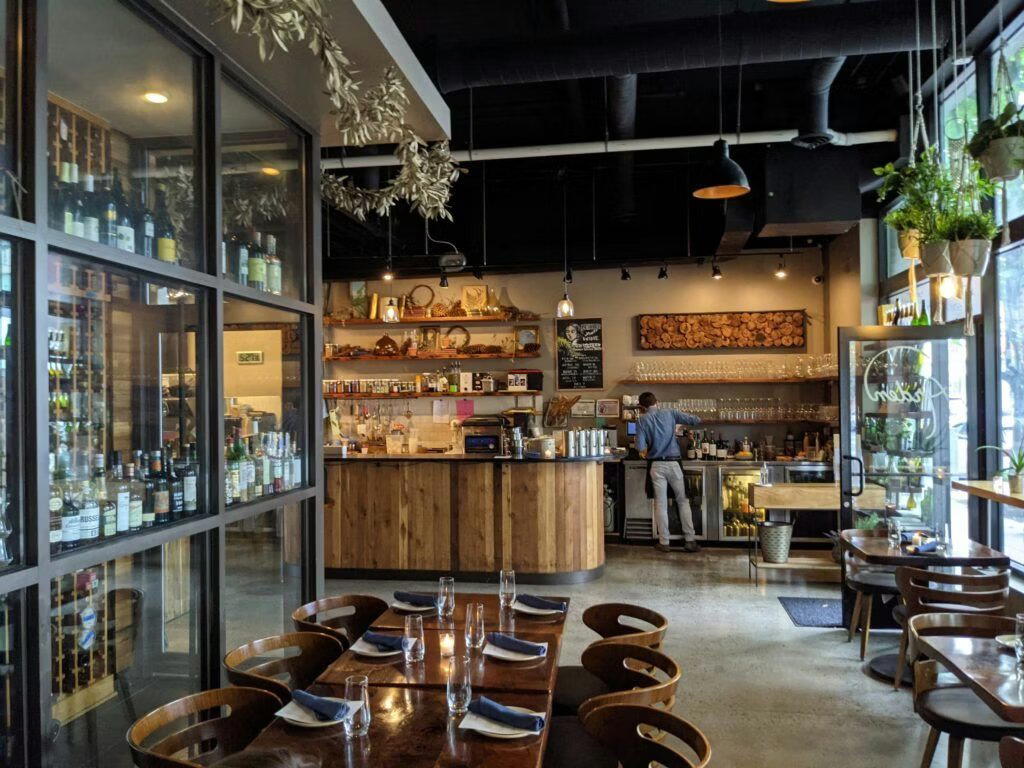
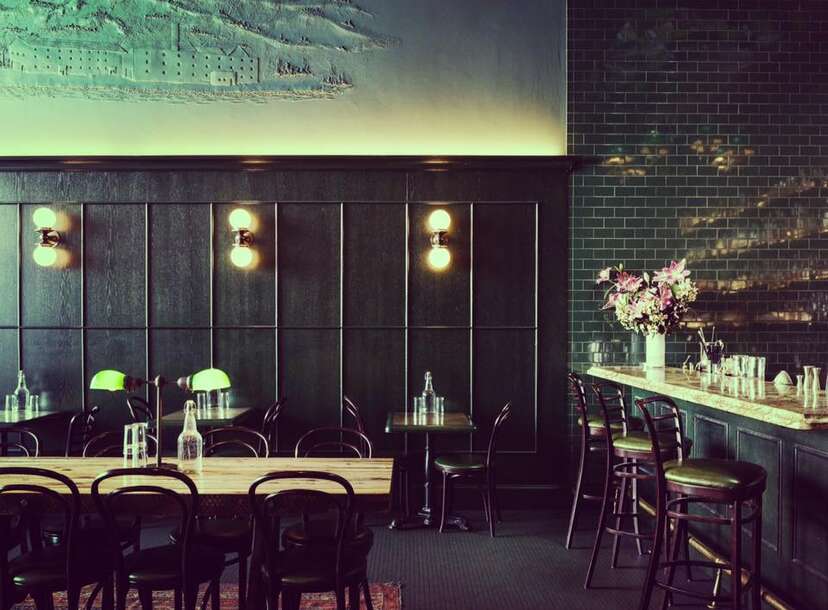
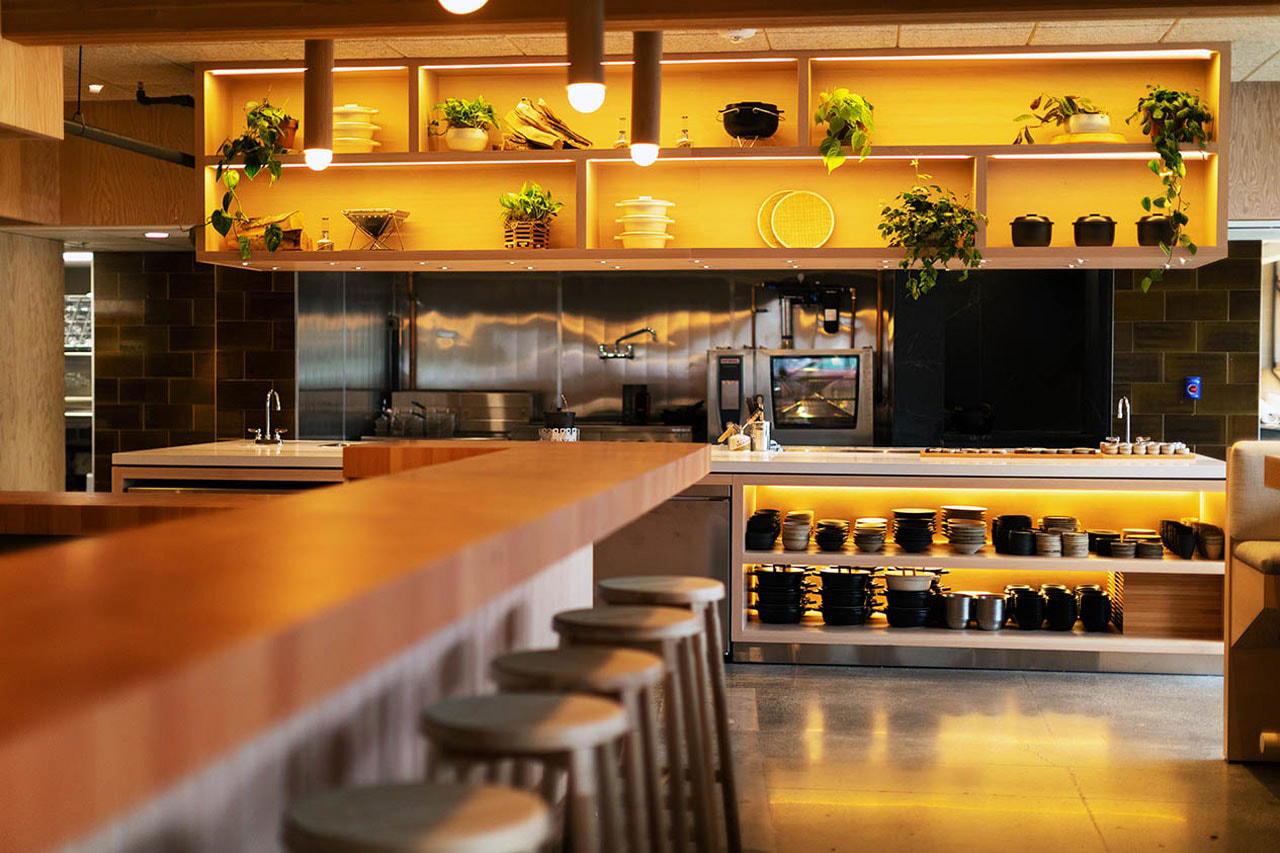
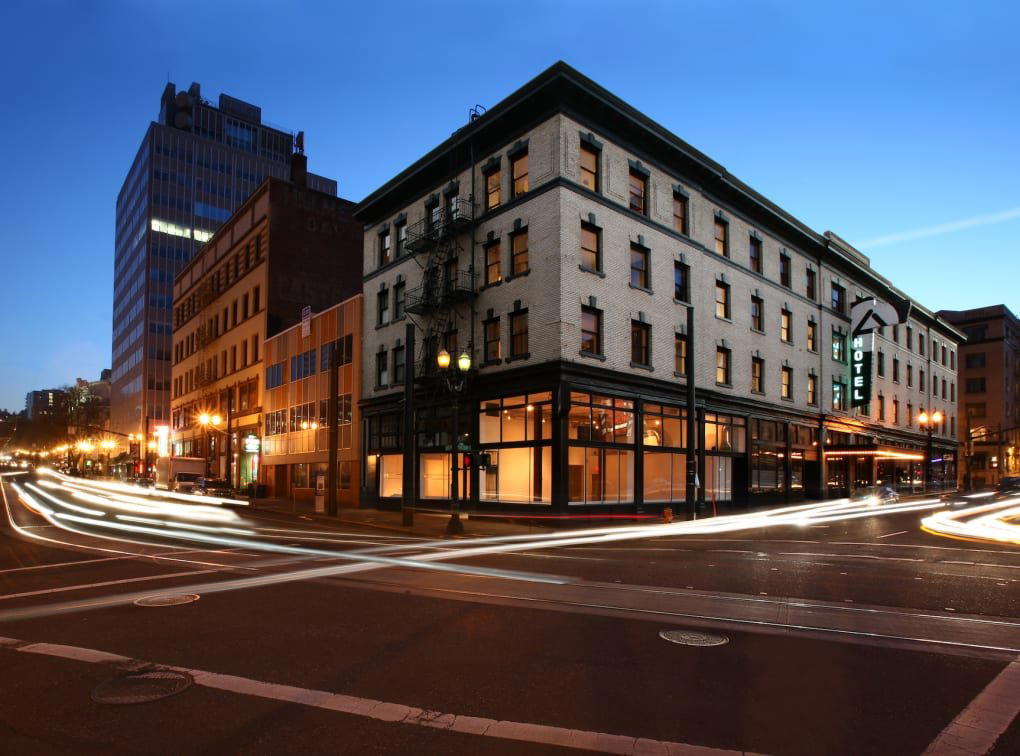
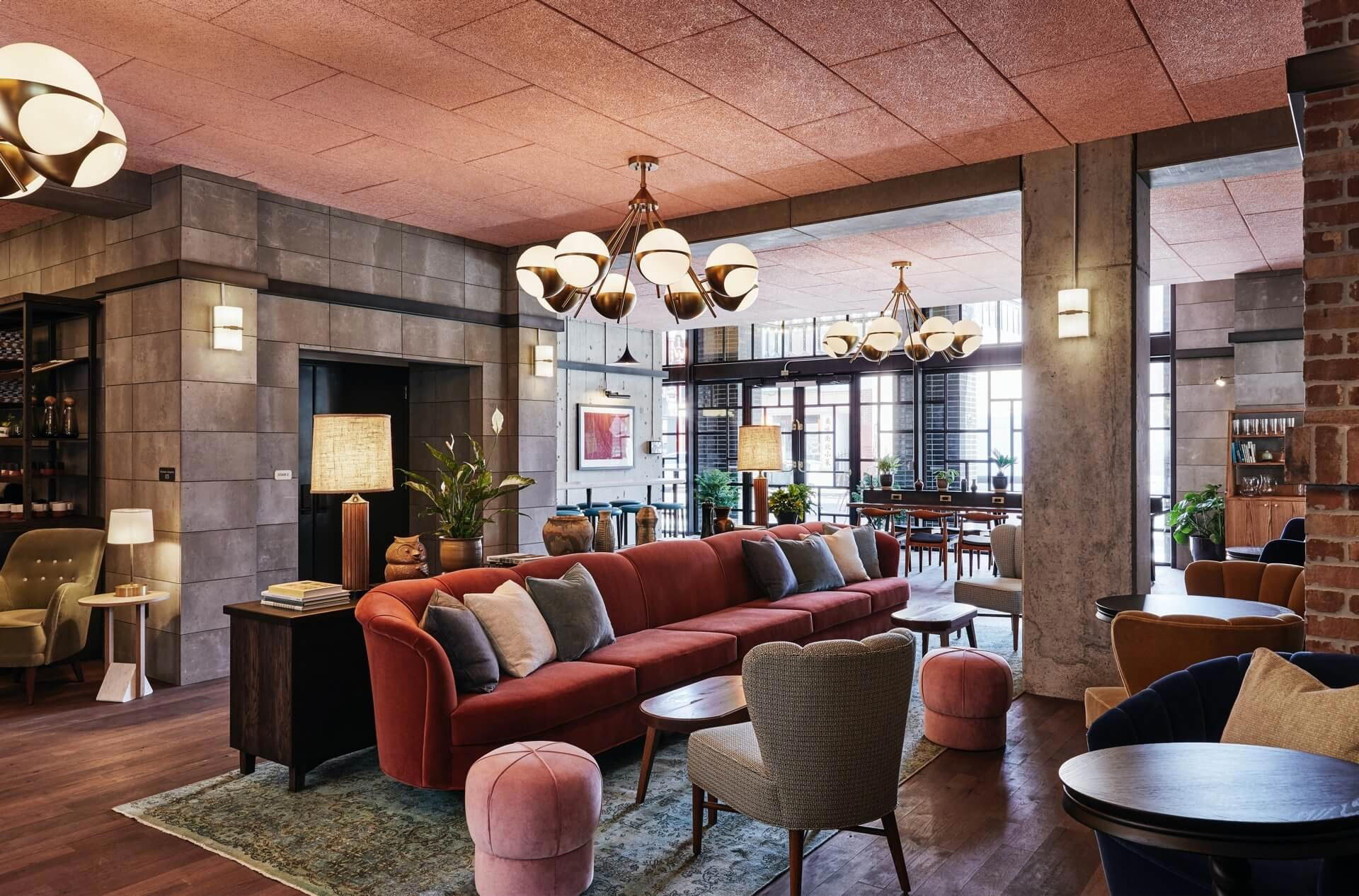
The Pearl District address, 112 NW 9th Ave, places Eleni's Philoxenia in a neighbourhood where the built environment tilts toward converted warehouse and mid-century commercial, with the kind of ceiling heights and material density that smaller, more intimate restaurants can either fight or use. Greek hospitality spaces, when they are interpreting the tradition honestly, tend toward the warm end of the spectrum: materials that absorb rather than reflect, lighting that flatters a table's occupation rather than the room's geometry.
That physical character matters for how a menu lands. A shared-plate format reads differently in a room that encourages lingering than it does in a space designed for turnover. The philoxenia concept implies the former, hospitality as an extended obligation, not a timed service window.
Portland diners who have moved through the city's broader independent scene, and who have eaten at venues across the American spectrum, from Blue Hill at Stone Barns in Tarrytown to Providence in Los Angeles to Addison in San Diego, will recognize the type of ambition Eleni's Philoxenia's name signals, even where the format differs from those destination rooms. The ambition here is cultural rather than gastronomic in the technical sense: it is about reframing what hospitality means, rather than demonstrating what a kitchen can do with precision and restraint.
That is a different kind of seriousness, and it has a legitimate place in the argument about what restaurants are for. Some of the most considered dining experiences in the world, from Atelier Moessmer Norbert Niederkofler in Brunico to Single Thread Farm in Healdsburg, make a similar argument, that hospitality as a guiding principle shapes the food as much as technique does. Eleni's Philoxenia is making a version of that case from within the Greek tradition and within a Portland neighbourhood that has room for exactly this kind of declaration.
For a full picture of Portland's restaurant culture across neighbourhoods and formats, see our full Portland restaurants guide. Those planning a broader Pacific Northwest itinerary can also reference Emeril's in New Orleans and The Inn at Little Washington for a sense of how different American independent dining traditions have built durable identities over time.
Know Before You Go
- Address
- 112 NW 9th Ave, Portland, OR 97209
- Neighbourhood
- Pearl District, Portland
- Booking
- Walk-ins
- Walk-in availability is not confirmed; reservations are advisable for first visits, particularly on weekends when Pearl District dining traffic is highest.
- Dietary needs
- Greek-rooted menus typically accommodate dietary restrictions across shared-plate formats, but allergy-specific requirements should be communicated directly with the restaurant before arrival.
- Peer context
- Sits within a Pearl District independent dining cohort that includes culturally specific kitchens operating at serious intent levels.