Elefanthai sits in Cancun's Zona Hotelera at La Isla, positioning itself within a dining district where international concepts compete for attention alongside established seafood and Mexican traditions. The name signals a Southeast Asian reference point in a city more associated with Caribbean and regional Mexican cooking. Verify current hours, menus, and booking options directly before visiting.
Pearl is the En Primeur Club membership app — saves, bookings, and concierge access live there. Same editors, same standards.
- Address
- Blvd. Kukulcan, La Isla, Zona Hotelera, 77500 Cancún, Q.R., Mexico
- Phone
- +52 998 144 0364
- Website
- elefanthai.com
- Directions
- Get directions
 Saves & bookings on Pearl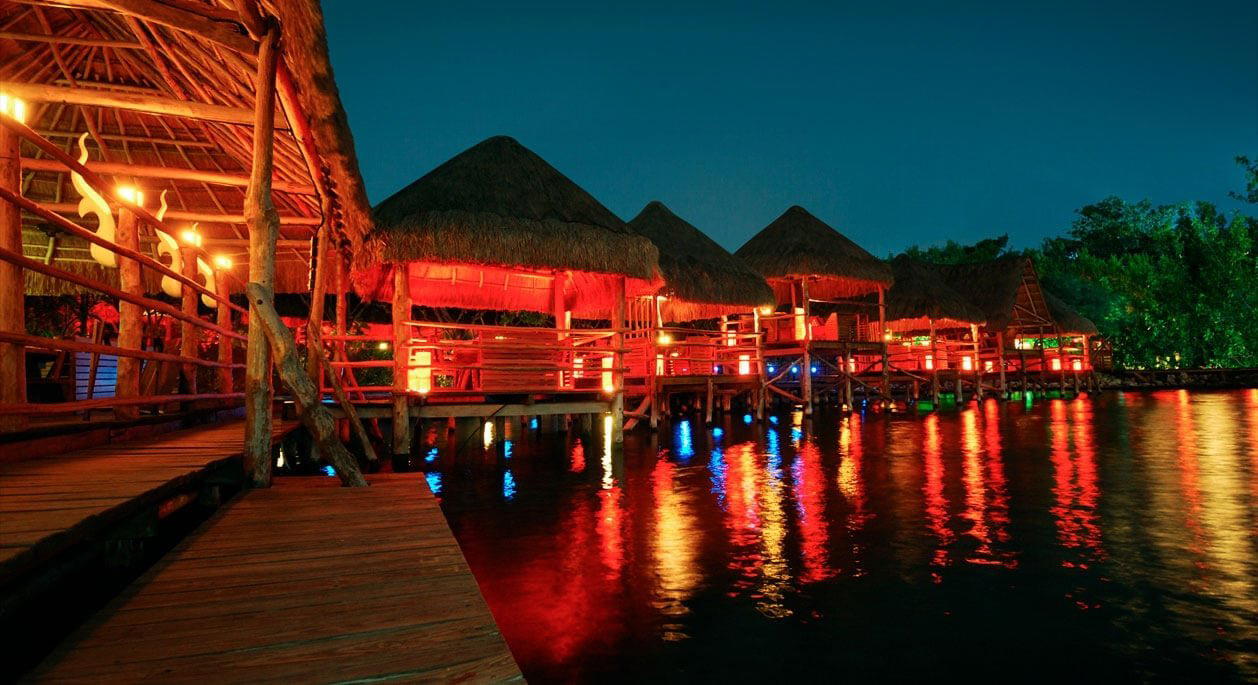
A Southeast Asian Reference in the Caribbean Hotel Zone
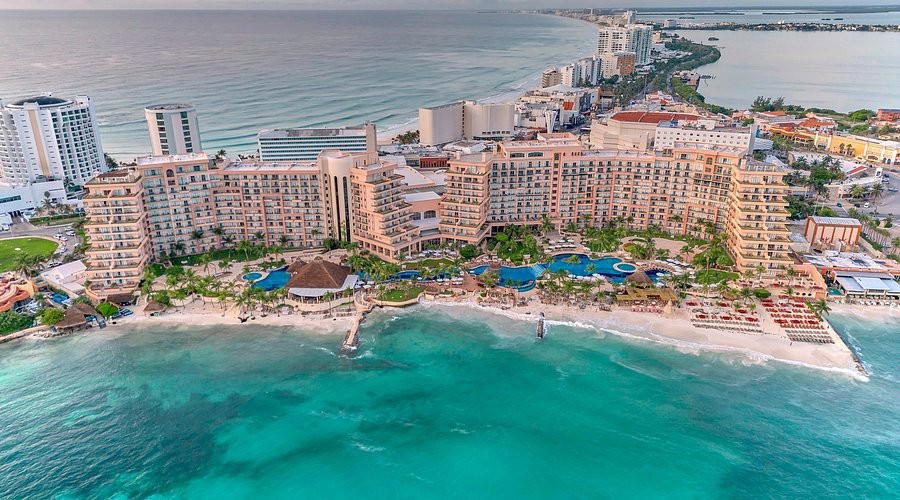
Cancun's Zona Hotelera runs along a narrow strip of land between the Caribbean and Laguna Nichupte, and the dining scene along Boulevard Kukulcan has long reflected the pressures and possibilities of that geography. International hotel brands anchor the strip's food identity at the mass-market end, while a smaller tier of independent and concept-driven restaurants has carved out space for more specific culinary proposals. Elefanthai, located at La Isla within the Zona Hotelera, occupies that second category: a name suggesting Southeast Asian roots in a corridor more commonly associated with fresh seafood, Mexican regional cooking, and Argentine grills. That positioning alone makes it worth examining in the context of what the Hotel Zone's dining scene is actually doing.
La Isla is one of the Zona Hotelera's more concentrated dining and retail nodes, drawing both resort guests and Cancun residents who make the trip for a specific table rather than for proximity. The surrounding competitive set illustrates how varied the strip has become: Lorenzillo's holds a long-standing position in the local seafood tier, while Le Basilic represents the French-inflected end of the spectrum. Closer in format to casual international dining, Kiosco Verde sits in the accessible mid-market bracket. Elefanthai's name implies a departure from all of these — Southeast Asian cuisine remains a comparative rarity in Quintana Roo's dining portfolio, which makes its presence at La Isla editorially interesting even before the specifics of the menu are considered.
Southeast Asian Cooking in a Mexican Caribbean Context
The cultural distance between the Gulf of Thailand and the Gulf of Mexico is substantial, but the ingredient logic is not as foreign as it might appear. Both regions depend heavily on fresh fish and shellfish, both use citrus and chili in ways that prioritize brightness over heat alone, and both have strong street-food traditions that inform more formal restaurant settings. What changes is the technique, the spice architecture, and the condiment vocabulary. Thai cooking, for instance, builds flavour through the layering of fish sauce, tamarind, galangal, and lemongrass in proportions that differ entirely from the recados and achiote pastes of the Yucatan Peninsula. A restaurant that is serious about Southeast Asian cuisine in Cancun must make that distinction legible to a dining public that is sophisticated about Mexican flavour but potentially less familiar with the grammar of Thai or wider Asian cooking.
Across Mexico, the better international restaurants have succeeded not by softening their source cuisine for local palates but by finding the ingredients locally that allow them to cook with integrity. Operations like Le Chique in Puerto Morelos and HA' in Playa del Carmen demonstrate what focused, technically specific cooking looks like in the Riviera Maya when it is built around a clear point of view. The question any international concept in the Zona Hotelera faces is whether it brings that same discipline or whether it defaults to the diluted internationalism that hotel-zone dining can fall into when volume overtakes intention.
Where Elefanthai Sits in the Cancun Dining Conversation
Cancun's dining scene is frequently underestimated by visitors who assume the Hotel Zone is the whole picture. The city supports a more layered food culture than the resort strip suggests, with Mexican regional cooking represented by places like Café con Gracia and Argentine-influenced grills like Asador La Vaca Argentina and Bodega Argentina sitting alongside Italian-leaning options such as Capri Pizza Moderna. South Asian cooking has a presence through Bombay Cancún. Elefanthai's position within this plurality suggests Cancun diners are willing to travel the Zona Hotelera for a specific cuisine rather than defaulting always to proximity or familiarity.
That willingness reflects a broader shift in how Mexican dining audiences engage with international food. Cities like Mexico City and Monterrey have developed sophisticated international dining scenes — Pujol in Mexico City anchors one end of that conversation, while Pangea in San Pedro Garza Garcia and KOLI Cocina de Origen in Monterrey point to how regional Mexican cities have built serious food cultures of their own. Cancun's resort geography has always meant a different kind of dining pressure, but the appetite for more specific international proposals is clearly present. Elefanthai, whatever its current format and execution, is a data point in that evolution.
For the wider context of what serious restaurant ambition looks like across Mexico, it is worth tracking the work happening in wine-producing regions and smaller cities: Animalón in Valle de Guadalupe, Lunario in El Porvenir, Olivea Farm to Table in Ensenada, Levadura de Olla Restaurante in Oaxaca, and Alcalde in Guadalajara each represent a version of what focused, place-rooted cooking can achieve when the framework is right. Internationally, the precision end of fine dining is illustrated by Le Bernardin in New York City and the communal tasting format by Lazy Bear in San Francisco. These are not direct comparisons to Elefanthai but they map the spectrum of intent against which any dining room ultimately positions itself.
Planning a Visit
Elefanthai is located at Blvd. Kukulcan, La Isla, Zona Hotelera, Cancun, one of the more accessible points on the hotel strip for both resort guests and visitors staying elsewhere in the city. La Isla's concentration of restaurants means the surrounding block rewards exploration before or after a meal. The Zona Hotelera's dining demand peaks during the December-to-April high season and again during spring break periods, when reservations at any concept with a following become significantly harder to secure at short notice. Arriving outside those windows generally offers more flexibility. For a broader view of what the city's dining scene offers across all cuisine types and price points, the full Cancun restaurants guide provides a mapped overview with editorial context for each entry.
A Pricing-First Comparison
A quick peer list to put this venue’s basics in context.
| Venue | Cuisine | Price |
|---|---|---|
| ElefanthaiThis venue — the venue you are viewing | Not listed | Not listed |
| Lorenzillo's | Seafood | Not listed |
| Kiosco Verde | Seafood | $$ |
| La Casa De Las Mayoras | Mexican | $$ |
| Le Basilic | French Seafood | Not listed |
| The Club Grill | Mexican Steakhouse | Not listed |

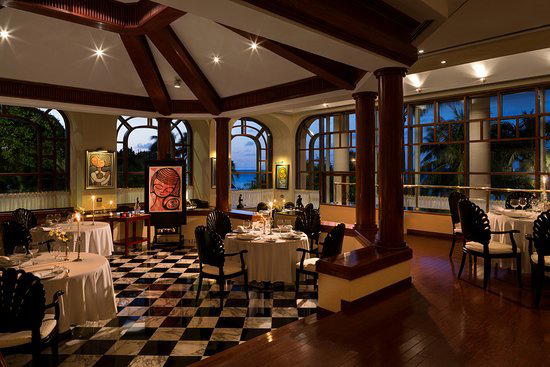
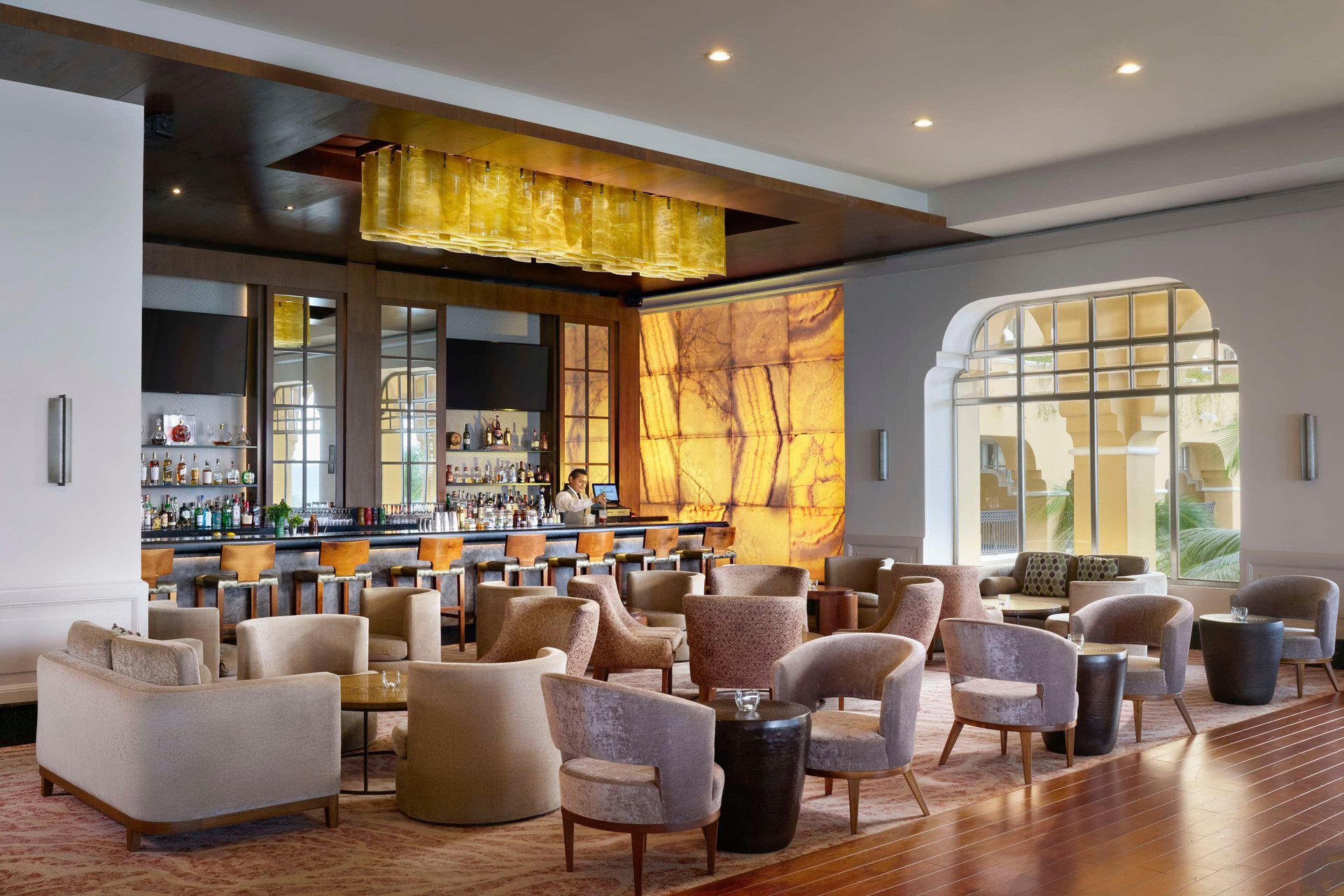

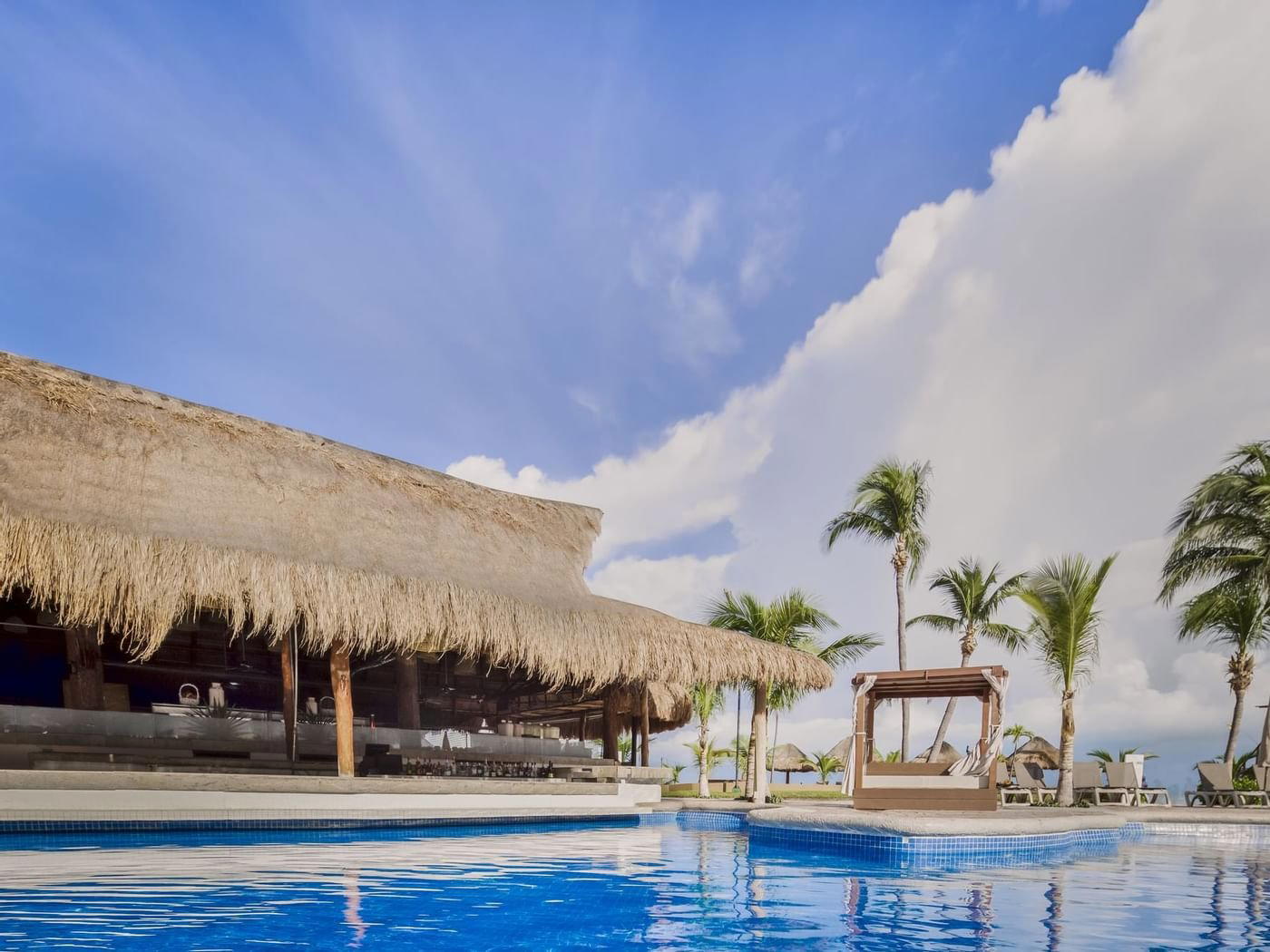
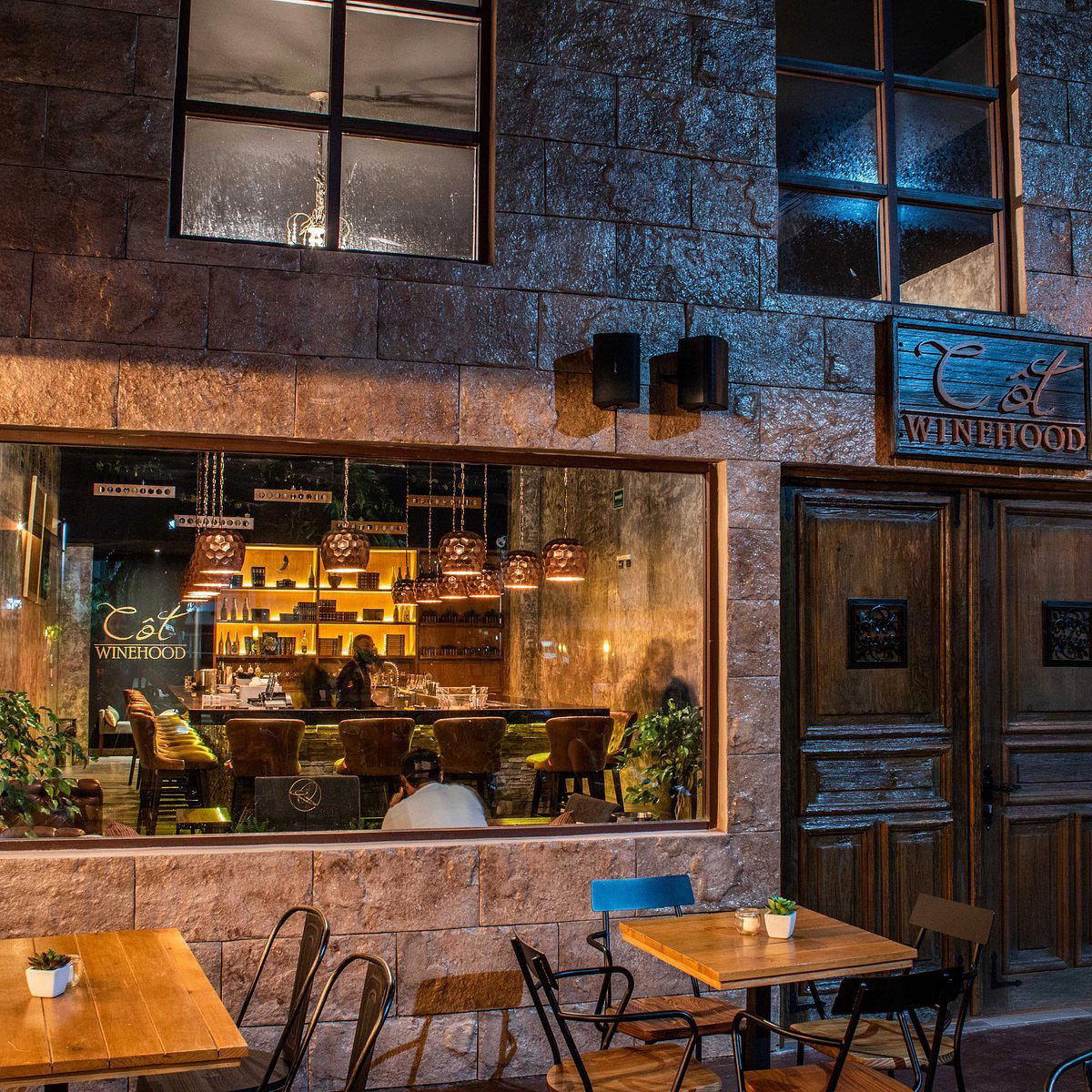

At a Glance
- Elegant
- Serene
- Intimate
- Sophisticated
- Date Night
- Special Occasion
- Celebration
- Waterfront
- Terrace
- Private Dining
- Waterfront
Current opening hours
- Monday
- 5–11:30 PM
- Tuesday
- 5–11:30 PM
- Wednesday
- 5–11:30 PM
- Thursday
- 5–11:30 PM
- Friday
- 5–11:30 PM
- Saturday
- 5–11:30 PM
- Sunday
- 5–11:30 PM
Hours can change for holidays and private events. Last verified .
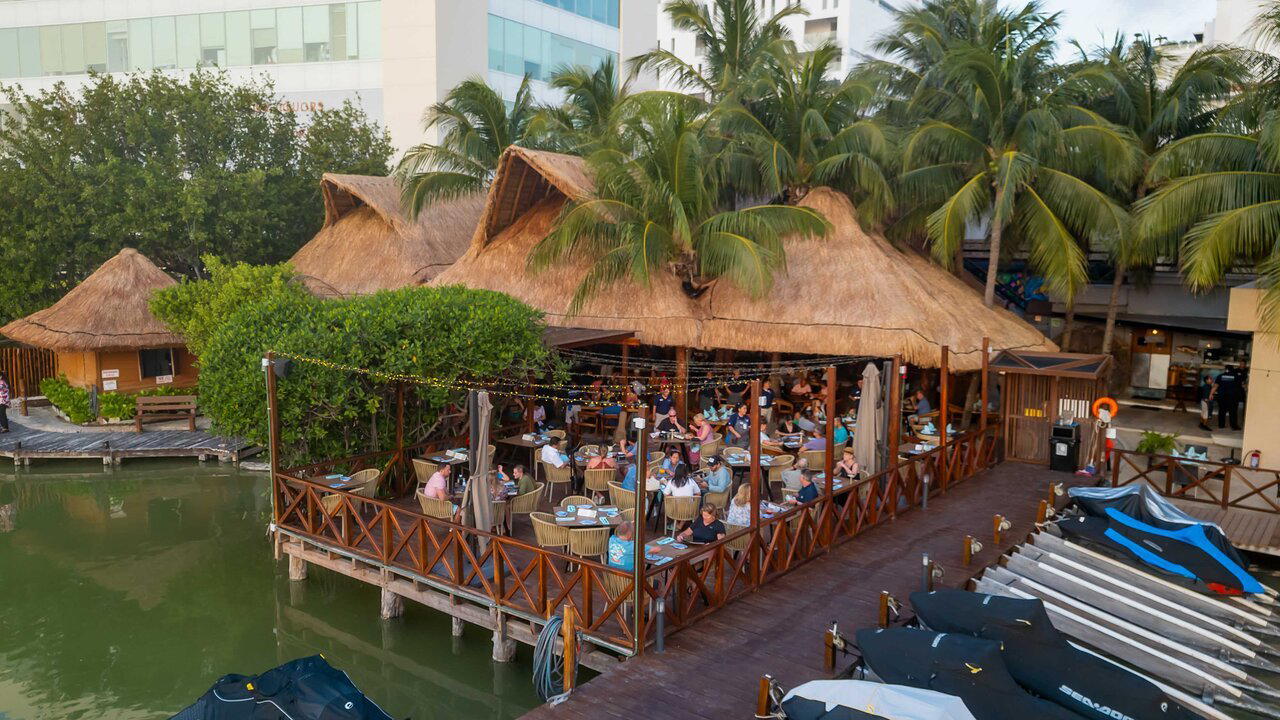
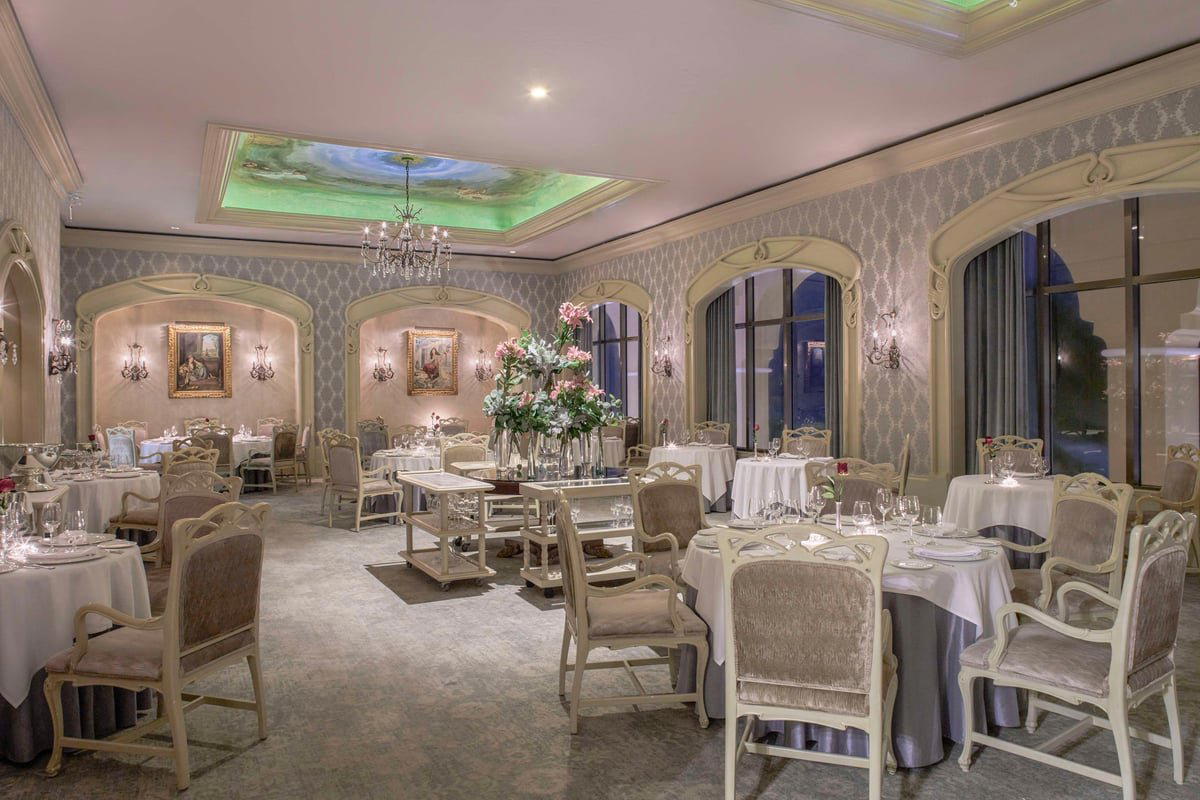
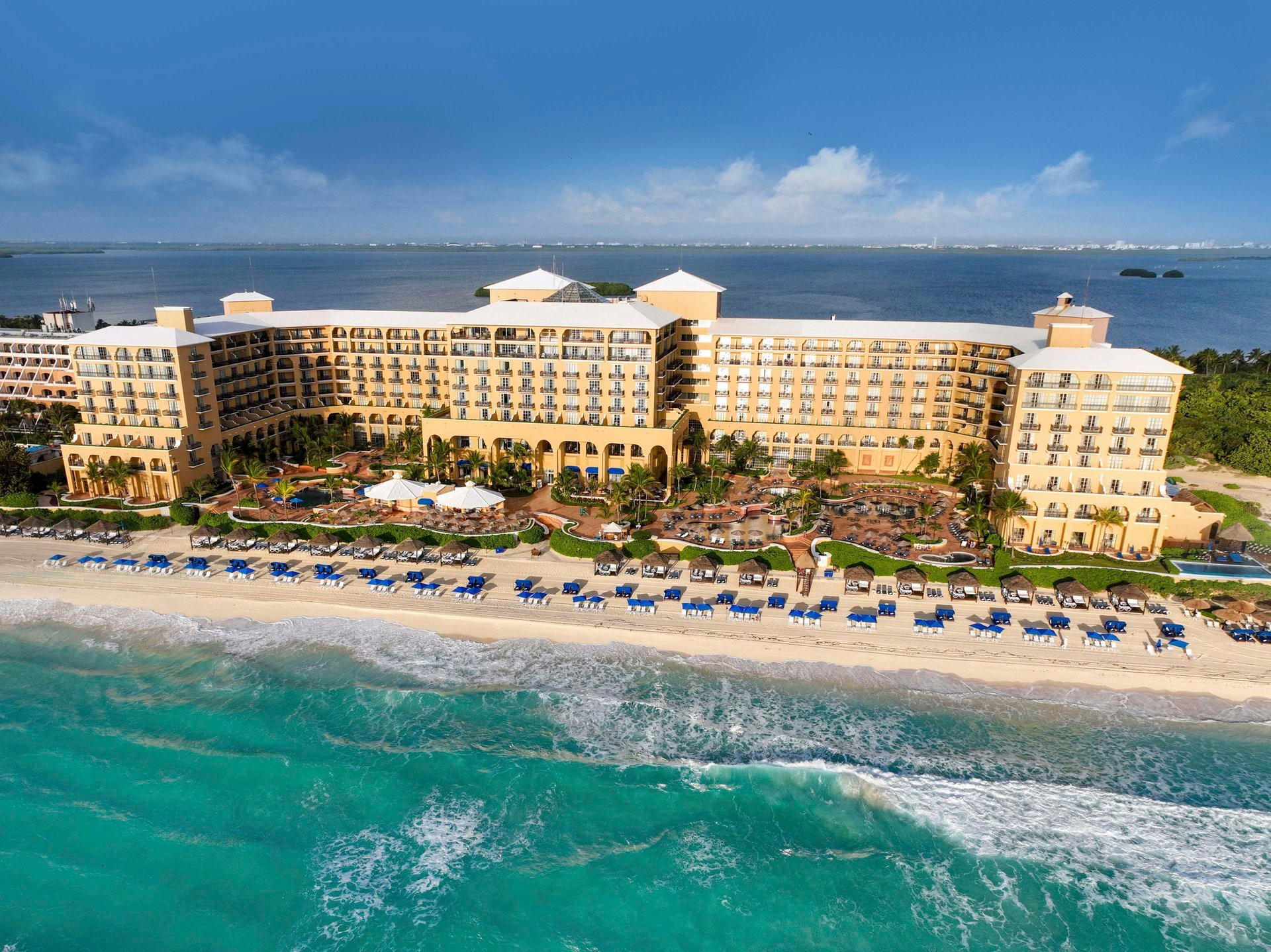
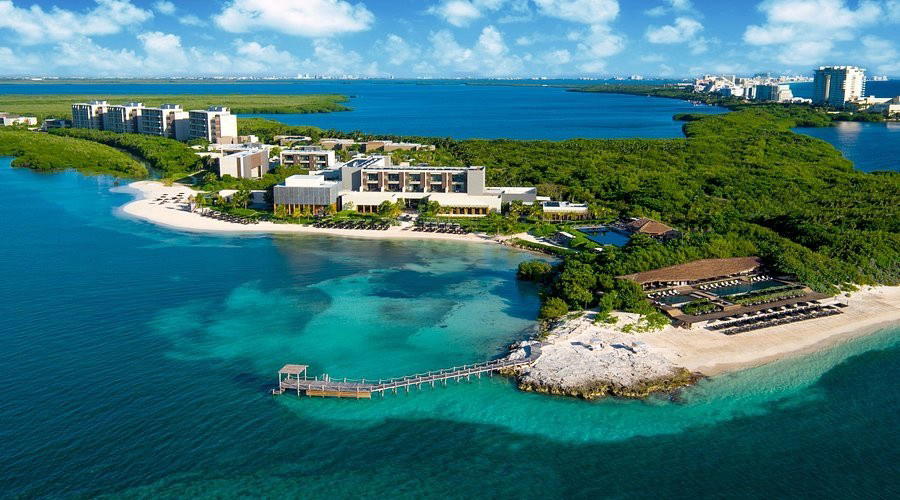
Serene and elegant ambiance with tranquil gardens, gentle water sounds, and warm breezes in waterfront bungalows.
Know Before You Go
- Getting there
- Blvd. Kukulcan, La Isla, Zona Hotelera, 77500 Cancún, Q.R., Mexico