Our verdict
Eladio sits in Patraix, one of Valencia's working neighbourhoods west of the old city, where the dining culture runs closer to daily habit than occasion. The address on Carrer de Xiva places it squarely in a residential pocket that rewards the curious visitor willing to move beyond the tourist-facing centre. For a fuller picture of Valencia's dining scene, see our complete city guide.

Pearl is the En Primeur Club membership app — saves, bookings, and concierge access live there. Same editors, same standards.
- Address
- C. de Xiva, 40, Patraix, 46018 València, Valencia, Spain
- Phone
- +34963842244
- Hours
- Mon 1:30–4 PMTue–Wed 1:30–4 PM, 9–11 PMThu 1:30–4 PM, 9 PM–12 AMFri–Sat 1:30–4 PM, 9–11 PMSun Closed
- Website
- mymenuweb.com
- Directions
- Get directions
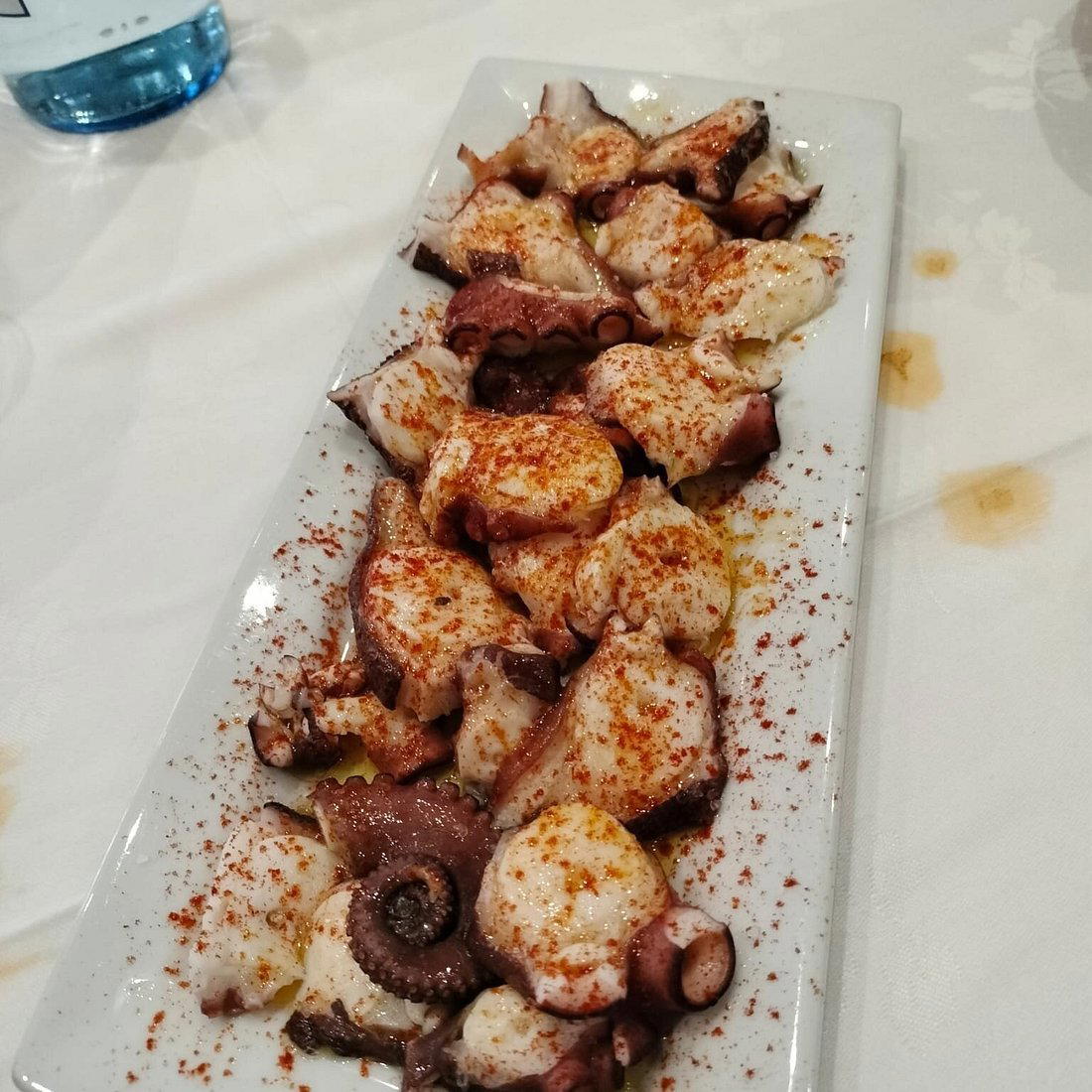
Patraix and the Geometry of Neighbourhood Eating in Valencia
Valencia's food culture has always operated on two tracks that rarely intersect: the internationally legible tier anchored by addresses like Ricard Camarena in València and the far larger network of neighbourhood restaurants that serve the city's daily rhythm. Patraix belongs firmly to the second track. The district sits west of the historic centre, beyond the main tourist axes, in a grid of apartment blocks and local commerce that hasn't been repackaged for visitors. Walking Carrer de Xiva, you pass bakeries, hardware shops, and the kind of corner bars where coffee is ordered standing up. Eladio occupies number 40 on that street, which tells you something immediately about the register it operates in.
That register matters. Spain's most decorated dining addresses, from El Celler de Can Roca in Girona to DiverXO in Madrid, represent one end of a very long spectrum. Neighbourhood restaurants like those in Patraix represent the other, and in Valencia that other end carries genuine cultural weight. The city's food identity was built not in tasting-menu kitchens but in barracas and family-run comedores where rice dishes were cooked to order, portions were calibrated for appetite rather than theatre, and the relationship between kitchen and regular customer ran across years, sometimes generations.
Valencia's Cultural Kitchen: Rice, Proximity, and Tradition
To understand where a Patraix address like Eladio sits in the broader picture, it helps to understand what Valencia's neighbourhood restaurant tradition actually represents. The city is the origin point of paella, a dish whose cultural meaning in Valencia is almost impossible to overstate and frequently misunderstood abroad. Authentic Valencian paella — made with rabbit, chicken, ferradura beans, and garrofó, cooked over wood fire in a wide pan — is not the seafood-heavy version that spread across the Mediterranean coast. It is a specific, codified tradition, and Valencians defend it with the kind of seriousness that wine regions apply to appellation rules.
Beyond paella, the Valencian table draws on a coastal larder and an agricultural hinterland that together produce some of Spain's most varied primary ingredients: citrus, rice, fresh fish from the Albufera and the Mediterranean, the small game birds that appear in autumn stews. The neighbourhoods west of the historic centre, including Patraix, have historically been where that larder gets cooked plainly and eaten practically, without mediation. Restaurants in this zone tend to operate as extensions of domestic cooking rather than departures from it.
That tradition is increasingly worth tracking precisely because it exists in contrast to the tasting-menu culture that draws international attention to Spanish cooking. Venues like Quique Dacosta in Dénia, Mugaritz in Errenteria, Arzak in San Sebastián, Azurmendi in Larrabetzu, and Aponiente in El Puerto de Santa María represent Spain's avant-garde tier. Neighbourhood restaurants represent something older and arguably more structurally significant: the daily infrastructure of a food culture that doesn't need occasion to express itself.
Where Eladio Sits in Valencia's Wider Map
Valencia's restaurant scene has diversified considerably over the past decade. The old centre and the Ruzafa district carry the bulk of the more visited dining addresses, while pockets like Patraix operate at a quieter frequency. Within that quieter register, a Carrer de Xiva address puts Eladio in proximity to the kind of restaurant that serves the neighbourhood rather than the city's tourism apparatus.
For visitors already familiar with the more-covered side of Valencia's table, the comparison venues active in this zone provide useful orientation. Anyora, Bouet, and Colmado LaLola each occupy different points on the spectrum between local habit and considered destination dining. Ca' Pepico and Barraca Toni Montoliu sit closer to the traditional rice-and-fire format that defines the city's more ceremonial version of itself. Eladio's Patraix address suggests a different positioning: functional, residential, rooted in the daily rather than the occasional.
That positioning is worth taking seriously. In cities where neighbourhood restaurants are being displaced by format dining and delivery platforms, the survival of an address embedded in working residential fabric carries its own significance. The fact that Eladio operates on Carrer de Xiva in Patraix rather than in a more obviously curated district suggests a customer base that is primarily local, which in Valencia's context means a kitchen held to the standards of people who know the source material intimately.
Planning a Visit: What to Know Before You Go
Patraix sits to the west of Valencia's historic centre. The neighbourhood is accessible by public transport from the city centre, and the street-level character of Carrer de Xiva gives the area a domestic, unhurried quality that differs markedly from the restaurant-dense blocks of Ruzafa or the old town. As with many neighbourhood restaurants in Valencia, early booking or an early arrival is advisable for lunch service, which remains the primary meal in this tradition. The Valencian lunch hour, typically running from 2pm to 4pm, is when neighbourhood restaurants operate at full expression.
For a broader map of where Eladio sits relative to other addresses worth considering in the city, our full Valencia restaurants guide covers the range from neighbourhood tables to the fine-dining tier. Internationally, the comparison tier for tasting-menu dining extends to addresses like Cocina Hermanos Torres in Barcelona, Martin Berasategui in Lasarte-Oria, Le Bernardin in New York City, and Lazy Bear in San Francisco, all of which operate in a structurally different register from what a Patraix neighbourhood address represents.
Frequently Asked Questions
- Can I bring kids to Eladio? Valencia's neighbourhood restaurants are generally family-oriented by culture, and a Patraix address at the everyday end of the city's dining spectrum is likely to be more accommodating to families than a formal or high-price venue would be.
- What's the overall feel of Eladio? Based on its Patraix location and residential street address, the feel reads as a local neighbourhood restaurant rather than a destination venue, which in Valencia's dining culture places it closer to the everyday end of the spectrum, distinct from the tasting-menu tier or the more curated addresses in Ruzafa.
- What do regulars order at Eladio? Valencian regulars at this type of address tend to orient around whatever the kitchen considers its rice of the day.
- Is Eladio representative of the kind of Valencian cooking that locals actually eat day to day? Its address in Patraix, a residential district west of the historic centre with limited tourist traffic, points toward a kitchen serving a predominantly local clientele.
Frequently asked questions
Can I bring kids to Eladio?
Patraix is a residential neighbourhood in Valencia, and the restaurants along streets like Calle de Xiva tend to attract family groups as part of their regular weekday and weekend trade. Nothing in Eladio's address or setting suggests a format that excludes children. Confirming specific arrangements directly with the venue is the safest step before visiting with young ones.
What's the overall feel of Eladio?
Eladio sits at Calle de Xiva 40 in Patraix, a working residential district that sits well outside Valencia's tourist circuit. The feel here is shaped by the neighbourhood itself: regulars who live within walking distance, a pace set by local custom rather than visitor expectations. It operates on the kind of social contract typical of Valencian barrio restaurants, where the room knows the kitchen and the kitchen knows the room.
Is Eladio in Patraix worth travelling across Valencia for?
Patraix sits to the west of Valencia's historic centre, accessible by public transport, and Eladio's position on Calle de Xiva places it firmly within a residential district where restaurants earn their trade from locals rather than passing visitors. That context is itself an indicator: a kitchen that sustains a neighbourhood audience in Valencia, where the standard for rice and traditional cooking is set high by regional habit, is holding itself to a different kind of accountability than a tourist-facing address would. Whether the journey makes sense depends on what draws you to the visit.
What do regulars order at Eladio?
Valencia's neighbourhood restaurant tradition is built on rice dishes, market-driven daily menus, and the kind of vegetable-forward cooking that reflects the Huerta surrounding the city. In Patraix, regulars at barrio addresses like Eladio typically gravitate toward whatever reflects that day's market and the kitchen's own strengths. For the most current picture of what's on the pass, the venue itself is the right source.
Where exactly is Eladio?
Eladio is located at C. de Xiva, 40, Patraix, 46018 València, Valencia, Spain, Valencia.
Booking and Cost Snapshot
| Venue | Cuisine | Price | Awards |
|---|---|---|---|
| EladioThis venue — the venue you are viewing | Traditional Galician Seafood | $50–100 | Not listed |
| Ca' Pepico | Traditional Valencian Paella & Mediterranean | $50–100 | Star Wine List |
| Tavella | Traditional Valencian Grill & Mediterranean | $50–100 | Star Wine List · Macarfi 8.1 Food Rating |
| Anyora | Traditional Spanish Tapas Bodega | $20–30 | Star Wine List · Macarfi 7 Food Rating |
| Entrevins | Modern Mediterranean with Wine Focus | Not listed | Star Wine List · Macarfi 7.4 Food Rating |
| Teca | Traditional Spanish Tapas with Mediterranean Influences | $20–30 | Star Wine List |
Continue exploring
More in València
Restaurants in València
Browse all →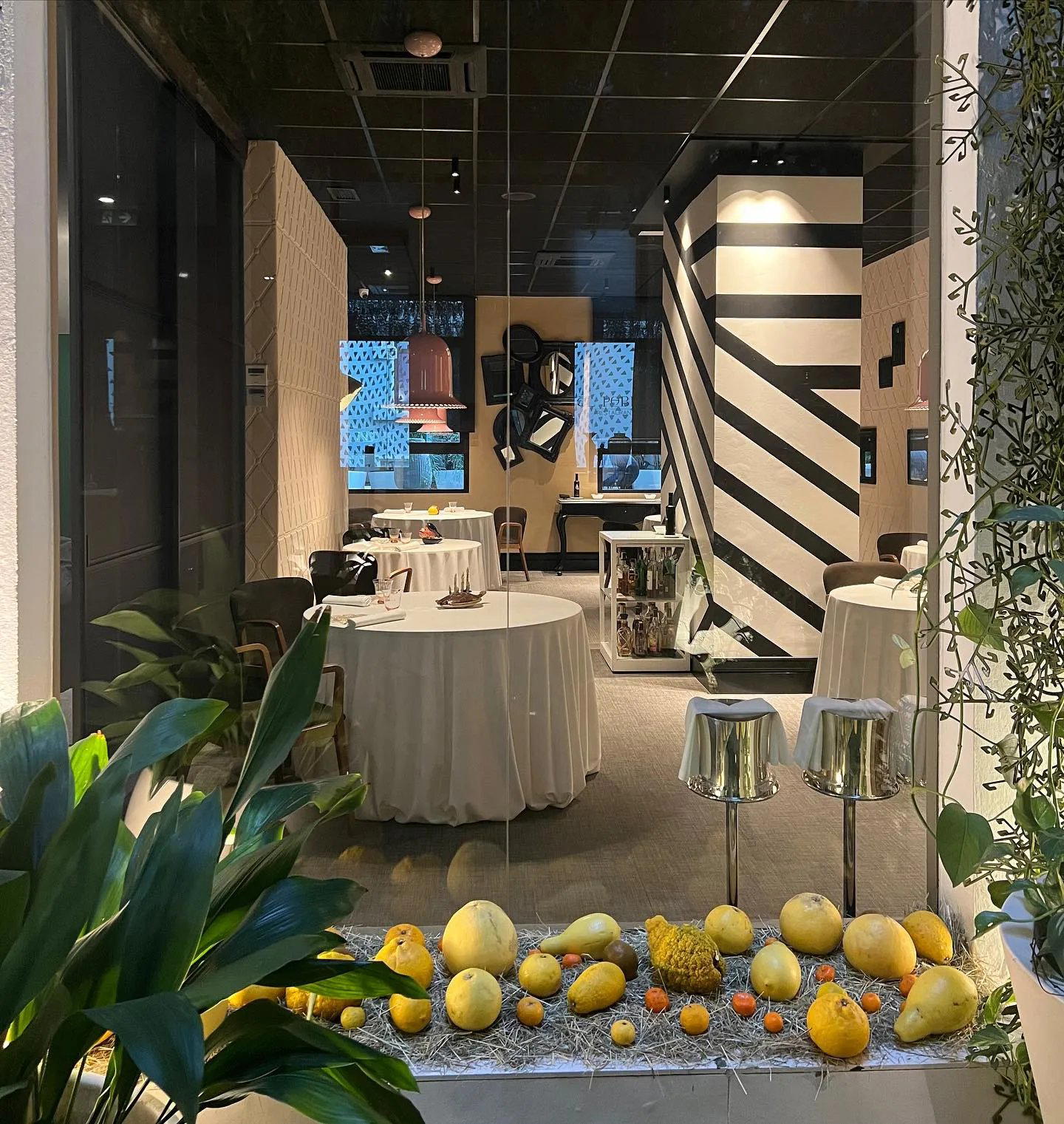
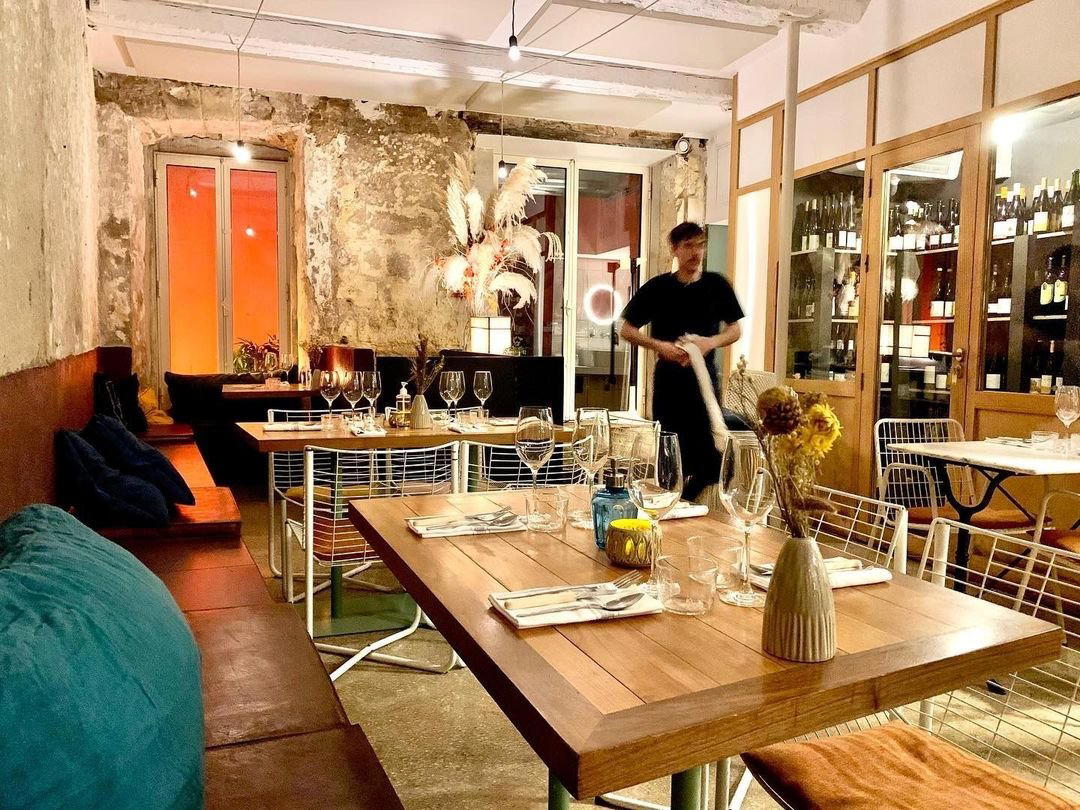
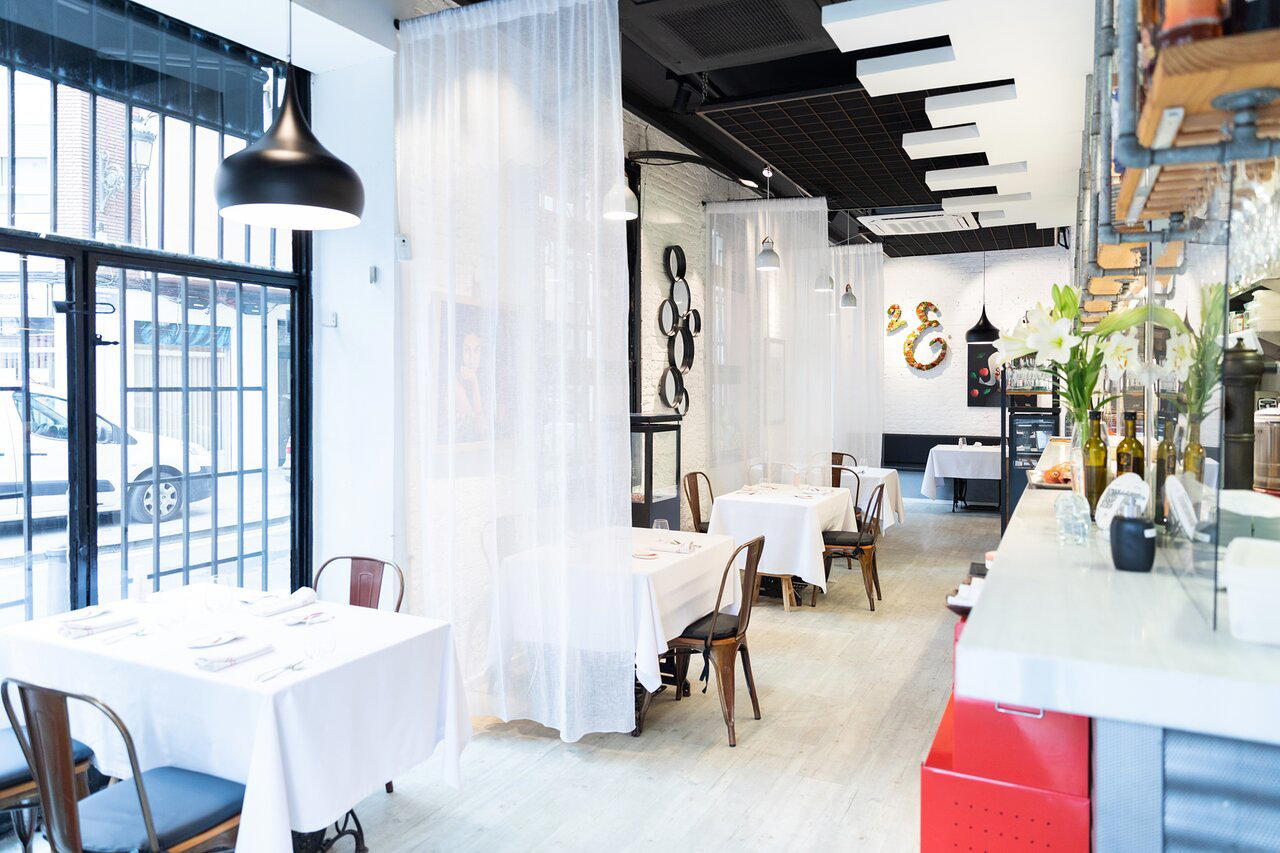
Bars in València
Browse all →
Hotels in València
Browse all →
Wineries in València
Browse all →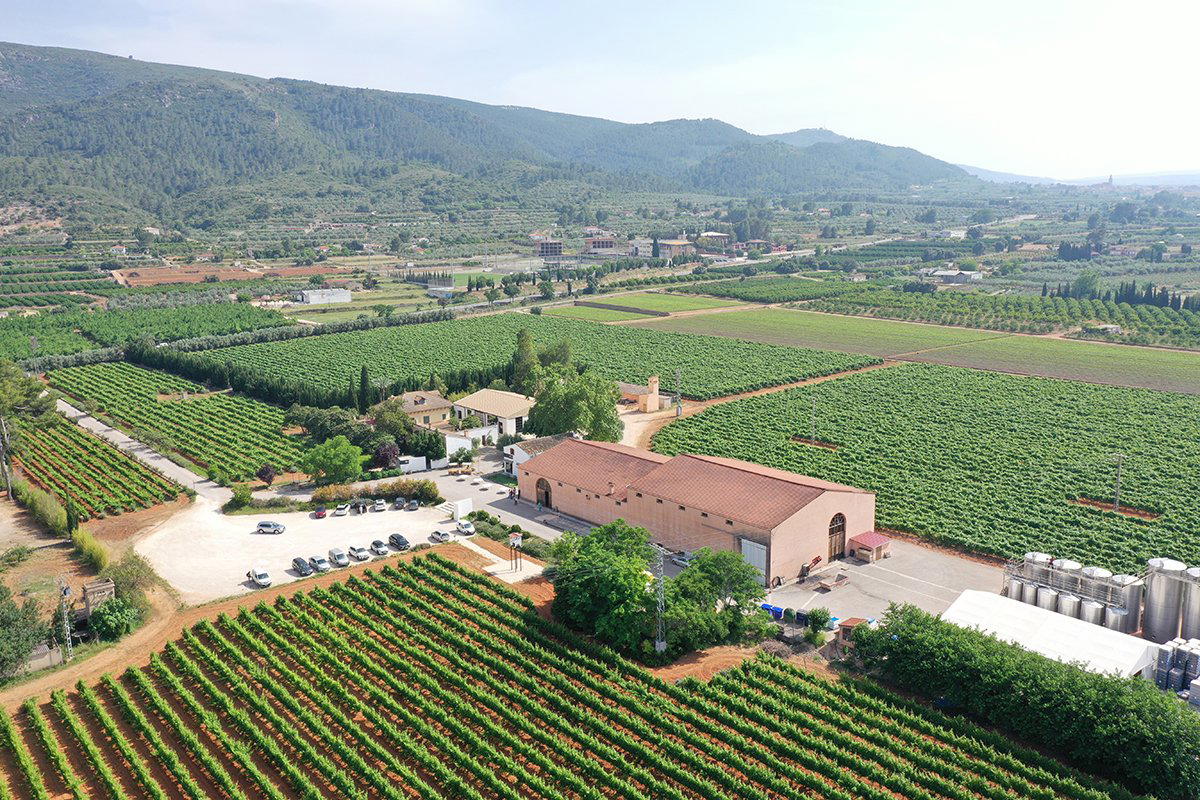
Details
- Classic
- Elegant
- Date Night
- Special Occasion
- Standalone
- Extensive Wine List
- Local Sourcing
- A La Carte
- Small Plates
- Wine
- Pescatarian Friendly
Current opening hours
- Monday
- 1:30–4 PM
- Tuesday
- 1:30–4 PM, 9–11 PM
- Wednesday
- 1:30–4 PM, 9–11 PM
- Thursday
- 1:30–4 PM, 9 PM–12 AM
- Friday
- 1:30–4 PM, 9–11 PM
- Saturday
- 1:30–4 PM, 9–11 PM
- Sunday
- Closed
Hours can change for holidays and private events. Last verified .
Classic and elegant atmosphere highlighting the chef-owner's Galician roots with a focus on seafood.