El Viejo Central American Kitchen

Washingtonian 100 Very Best Restaurants #99
Our verdict
El Viejo Central American Kitchen gives Silver Spring’s Central American dining conversation a sharper editorial marker: regional cooking treated as a serious restaurant category rather than a casual side note. Its inclusion at No. 99 on Washingtonian’s 100 Very Best Restaurants 2026 places it inside the broader D.C.-area discussion about immigrant kitchens, sourcing, and suburban dining rooms with citywide pull.

Pearl is the En Primeur Club membership app, where members save venues, book tables and use the concierge.
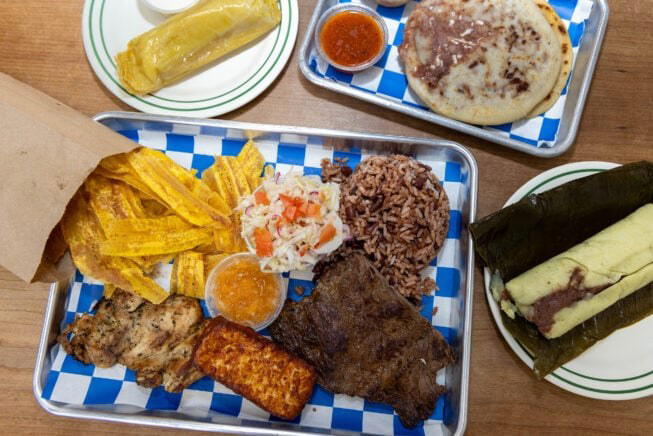
The menu
What to order
- Pupusas
- Tamales
- Baleada
- Plato Tipico
- Fritanga Nicaragüense
- Fried Corn Tamal
The first read is not luxury theater; it is the familiar density of a Silver Spring dining room shaped by families, office regulars, and diners crossing county lines for cooking that carries more regional memory than decoration. In this part of Maryland, El Viejo Central American Kitchen sits within an everyday restaurant culture built around staple flavors, regular customers, and repeat visits rather than the tasting-menu vocabulary that dominates downtown dining coverage. The restaurant matters because it pushes that local language into a more visible critical frame without needing to turn the experience into something unrecognizable.
Silver Spring is a better place than Washington proper for this kind of restaurant to make sense. The suburb’s dining identity has been built less by imported concepts than by community-rooted rooms, neighborhood cafés, and places with repeat local audiences. Varied regional restaurants operate close together here, creating a dining map where specificity matters. Within that mix, El Viejo Central American Kitchen is not a novelty; it is part of the area’s social grammar.
Regional cooking gets judged on its own terms
The 2026 Washingtonian 100 Very Best Restaurants list included El Viejo Central American Kitchen, a useful signal not because lists settle taste, but because they widen the category of what gets reviewed seriously in the D.C. region. A Silver Spring kitchen appearing in that company shifts attention toward restaurants often treated as casual, inexpensive, or peripheral to the region’s prestige dining conversation.
The ingredient story is the point. Restaurants in this lane depend on staple crops, preservation habits, and family-style reference points that predate restaurant trends: foundations built around grains and beans, pickled and fresh accompaniments for acidity, fruit where climate and diaspora meet, and long cooking where texture carries as much meaning as seasoning. When a restaurant in this category gains regional recognition, the attention should stay on those systems of flavor, not on forcing the cooking into a formal-service language.
That matters in Silver Spring because the city’s stronger restaurants often work from communities rather than spectacle. Other Silver Spring dining rooms point to the area’s regional depth, while Cubano's reflects the suburb’s long comfort with Caribbean and Latin American dining. The relevant comparison is not a white-tablecloth room downtown; it is the cluster of restaurants where regional cooking has enough local fluency to be judged by people who already know the reference points.
Why Silver Spring is the right setting
Silver Spring’s restaurant geography rewards places that can serve both regulars and destination diners. The city sits close enough to D.C. to pull attention from regional critics, but its strongest food culture is not built around expense-account polish. That tension helps explain why a restaurant such as El Viejo Central American Kitchen can register more clearly here than it might in a more conventional fine-dining corridor. The room does not need to perform rarity; the value is in making a familiar local experience legible to a wider audience without sanding away its structure.
The broader local circuit supports that reading. Other Silver Spring dining rooms show how varied the restaurant field has become, from neighborhood formats to more ambitious places. El Viejo Central American Kitchen belongs to the strand where cultural specificity is the draw: not fusion for its own sake, not heritage reduced to nostalgia, but a restaurant with enough internal logic to hold critical attention.
For diners building a fuller Silver Spring itinerary, the restaurant makes more sense as part of a city study than as an isolated stop. Our full Silver Spring restaurants guide maps the local dining field, while our full Silver Spring hotels guide, our full Silver Spring bars guide, our full Silver Spring wineries guide, and our full Silver Spring experiences guide help place the meal within a wider stay. That context is useful because suburban dining often works by accumulation: one strong meal clarifies the city, but several reveal the pattern.
The wider lesson: regional kitchens are shaping serious dining
Across the United States, the more interesting restaurant conversation is not confined to expensive tasting menus. It is happening wherever regional kitchens insist on specificity, and Silver Spring offers its own version through restaurants that hold close to community taste, repeat local audiences, and clearly defined cooking traditions. The same editorial reality applies here: serious dining now includes restaurants that protect a narrow vocabulary rather than chase a universal luxury code.
That is the useful way to read El Viejo Central American Kitchen. Its Washingtonian 100 Very Best Restaurants 2026 recognition gives diners permission to look closely at a restaurant that already had local depth. The critical question is not whether this kind of cooking can be dressed up for awards culture. It is whether awards culture has finally widened enough to notice the local traditions that have been feeding Silver Spring all along.
Frequently asked questions
Can I bring kids to El Viejo Central American Kitchen?
Yes, El Viejo Central American Kitchen is in Silver Spring. Its Washingtonian 2026 recognition suggests a dining room with local appeal beyond special-occasion tables.
What should I expect atmosphere-wise at El Viejo Central American Kitchen?
Expect a neighborhood restaurant setting in Silver Spring rather than a formal tasting-room format. The Washingtonian 100 Very Best Restaurants 2026 listing points to a place with enough consistency and local pull to draw regulars as well as destination diners.
Where do I go for El Viejo Central American Kitchen?
Silver Spring.
What is El Viejo Central American Kitchen known for?
El Viejo Central American Kitchen is known for its Washingtonian 100 Very Best Restaurants 2026 recognition in Silver Spring.
Comparable Spots, Quickly
Comparable venues by cuisine and price in the same metro.
| Venue | Cuisine | Price | Awards |
|---|---|---|---|
| El Viejo Central American KitchenThis venue (the venue you are viewing) | Central American | $10–20 | Washingtonian 100 Very Best Restaurants #99 |
| Cubano's | Authentic Cuban Cuisine | Not listed | Not listed |
| La Malinche | Spanish and Mexican Tapas | $30–50 | Not listed |
| Kefa Cafe | Not listed | $10–20 | Not listed |
| Langano Ethiopian Restaurant | Authentic Ethiopian | $10–20 | Not listed |
| Negril | Authentic Jamaican | $10–20 | Not listed |
Recognition history
Dated appearances from independent guides and award organizations, with the underlying list record or original source where available.
Washingtonian 100 Very Best Restaurants #99
Washingtonian
Continue exploring
More in Silver Spring
Restaurants in Silver Spring
All restaurants in Silver Spring →
Bars in Silver Spring
Browse all →


Details
- Cozy
- Modern
- Whimsical
- Brunch
- Casual Hangout
- Family
- Solo
- Group Dining
- Standalone
- Design Destination
- Beer Program
- Street Scene
- A La Carte
- Aguas Frescas
- Horchata
- Hot Chocolate
- Vegetarian Friendly
Current opening hours
- Monday
- 7 AM–3 PM
- Tuesday
- 7 AM–3 PM
- Wednesday
- 7 AM–3 PM
- Thursday
- 7 AM–3 PM
- Friday
- 7 AM–3 PM
- Saturday
- 7 AM–3 PM
- Sunday
- Closed
Hours can change for holidays and private events. Hours as of .
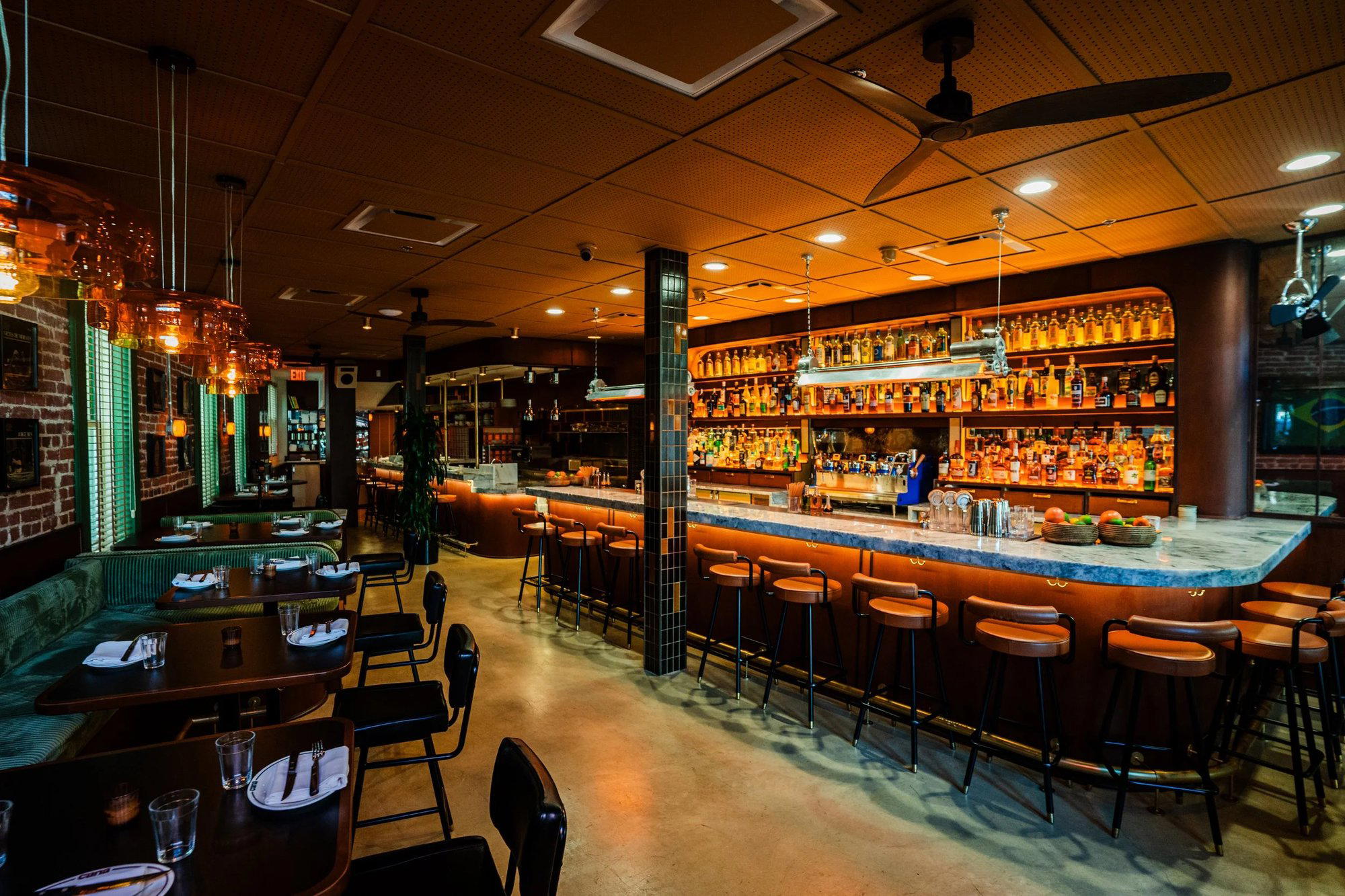
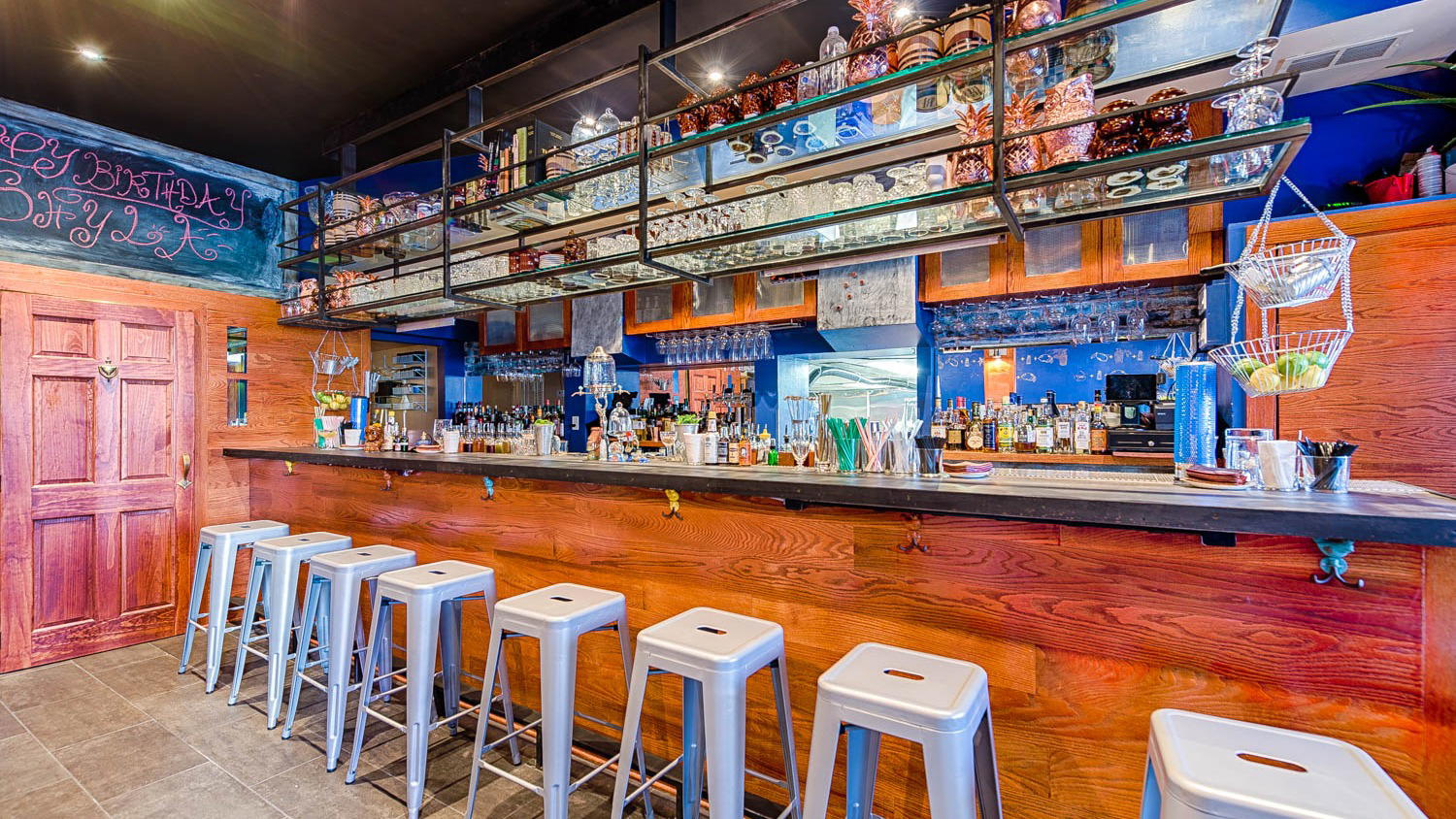
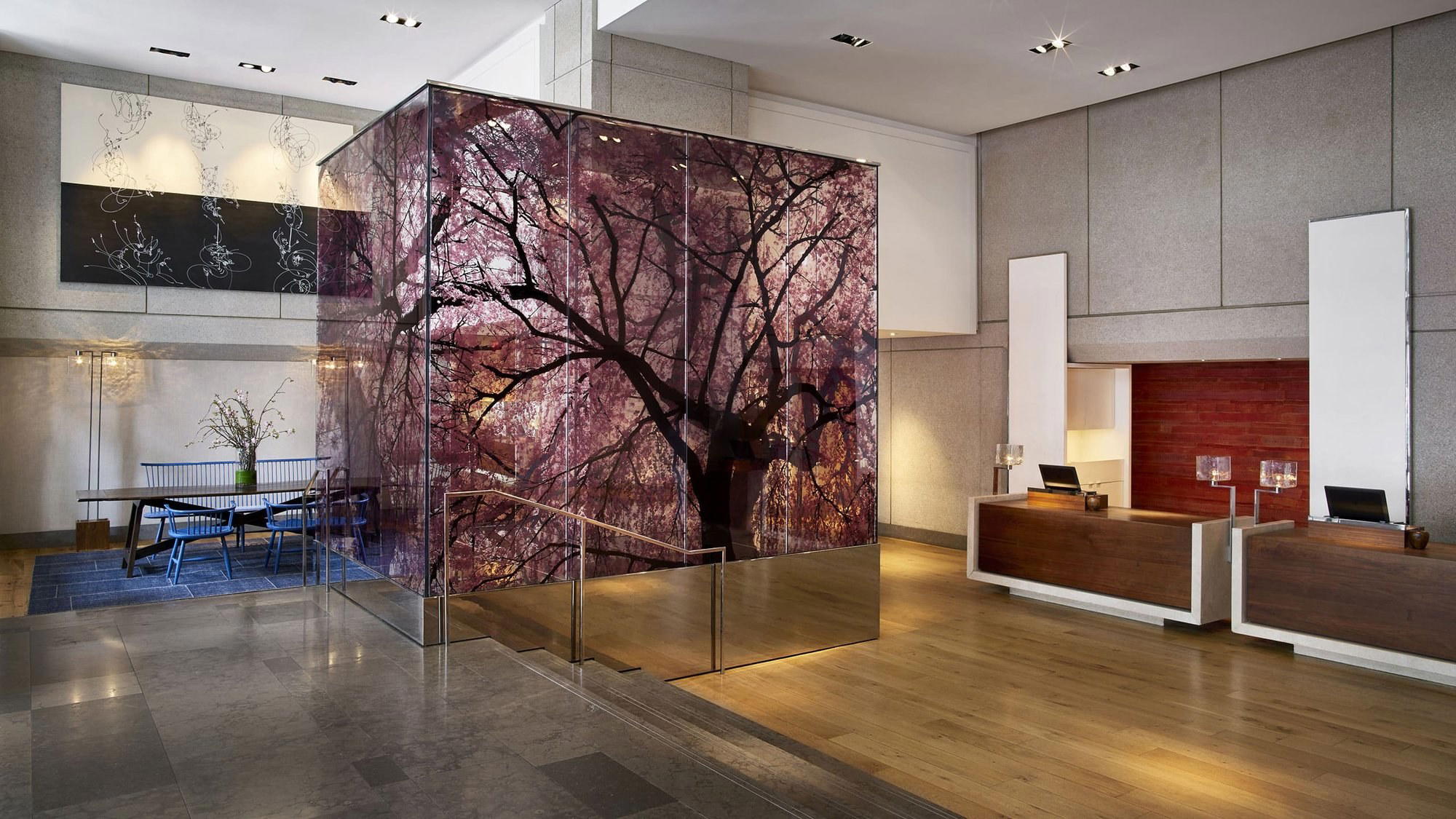
Casual and humble, with a modern touch in the decor and a lively neighborhood-lunch feel that still reads as unfussy and welcoming.