El Urogallo Majadahonda
El Urogallo Majadahonda serves Traditional Spanish & Mediterranean with an extensive wine list and terrace seating, a fit for lunch, dinner, or brunch in Majadahonda.
Pearl is the En Primeur Club membership app — saves, bookings, and concierge access live there. Same editors, same standards.
- Address
- C. Salvador Dalí, 1, 28222 Majadahonda, Madrid, Spain
- Phone
- +34916795665
- Website
- elurogallo.es
- Directions
- Get directions
 Saves & bookings on Pearl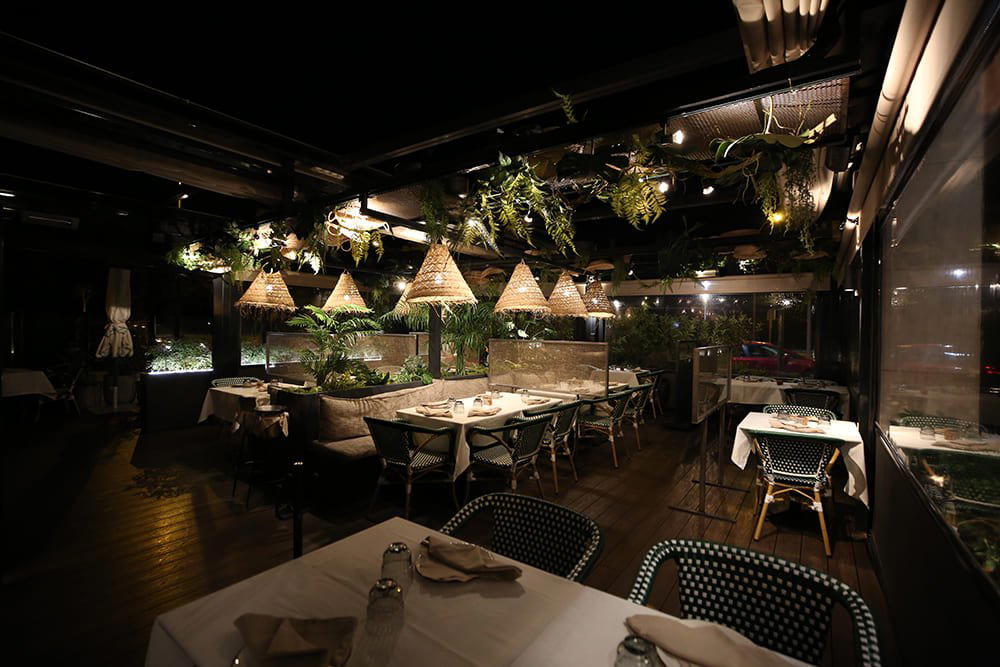
Dining on the Western Edge of Madrid
Majadahonda sits roughly 20 kilometres northwest of central Madrid, part of a ring of prosperous residential municipalities that have developed their own dining cultures largely independent of the capital's noise. The town draws a professional, well-travelled crowd that supports restaurants with serious kitchens rather than tourist-facing premises, and Calle Salvador Dalí, where El Urogallo Majadahonda occupies its corner, reflects that appetite. The street itself is unremarkable in the way that Spain's leading neighbourhood restaurants often are: low signage, parking nearby, no queue theatre. What distinguishes a room like this from Madrid's centro is the clientele's relationship with the place. They come back regularly, know the rhythm of the menu, and measure the kitchen against memory rather than against a guidebook.
Urogallo: The Bird, the Name, the Signal
The name deserves a moment of attention. El urogallo is the western capercaillie, a large game bird native to the forests of northern Spain and historically associated with Asturian and Cantabrian hunting traditions. It appears on menus less often now than it did in earlier decades, partly because of conservation restrictions and partly because contemporary Spanish kitchens have moved toward coastal and garden-led sourcing. Choosing this name anchors the restaurant conceptually in a particular tradition: the inland, forest-edged, game-oriented cooking of northern Spain, a lineage that runs through stews, charcuterie, and seasonal produce shaped by altitude and Atlantic weather rather than the Mediterranean sun that drives the country's more celebrated restaurant exports. That culinary tradition is less internationally prominent than the Basque and Valencian schools, but it carries considerable depth. Asturian fabada, roasted game, cider-braised preparations, and intensely mineral mountain ingredients form a canon that rewards attention and that Spanish diners in a town like Majadahonda would recognise immediately.
This places El Urogallo Majadahonda in a different competitive conversation from, say, the high-concept tasting menus at DiverXO in Madrid or the technique-forward rooms like Mugaritz in Errenteria. Spain's restaurant spectrum runs from those experimental flagships through to rigorous traditional houses, and the northern-inflected kitchen occupies a respected middle register: neither casual nor avant-garde, but grounded in technique and produce that has taken generations to refine.
Where Majadahonda Eats: A Local Context
Majadahonda's restaurant scene rewards patience rather than rapid scanning. The town's size and demographics support a range of kitchens that would be impractical in a smaller municipality: Italian-leaning rooms such as Lazzaroni Trattoria, contemporary Spanish kitchens like El Toque, and more traditionally anchored options such as El Viejo Fogón, which operates in the €€ bracket with a traditional cuisine focus. El Urogallo Majadahonda reads as a step up from that casual-traditional tier in ambition if not necessarily in formality, the kind of place that takes sourcing and kitchen craft seriously without requiring the full-evening commitment of a tasting menu format.
For broader context on what the town's dining scene offers across price points and cuisine styles, the full Majadahonda restaurants guide maps the options with editorial detail.
Spain's Traditional Cooking in a National Frame
To understand what a restaurant grounded in northern Spanish tradition represents, it helps to hold it against the country's more visible culinary exports. Spain's international restaurant reputation has been built largely by Basque and Catalan kitchens: Arzak in San Sebastián, El Celler de Can Roca in Girona, Azurmendi in Larrabetzu, Martin Berasategui in Lasarte-Oria. Further south, Quique Dacosta in Dénia has made the Mediterranean larder globally legible, and Aponiente in El Puerto de Santa María has reframed Atlantic seafood through a fine-dining lens. Inland, Atrio in Cáceres holds two Michelin stars and represents the Extremaduran tradition. Ricard Camarena in València and Cocina Hermanos Torres in Barcelona extend the Catalan and Valencian pedigrees. Cenador de Amós in Villaverde de Pontones is among the few Michelin-starred rooms doing serious work in Cantabria.
Northern Spanish cooking without those international medals doesn't mean lesser execution. It often means kitchens working with wild and seasonal ingredients, charcuterie aged on-site, cider vinegars and mountain herbs, and a pace dictated by the hunting and harvest calendar rather than the demands of year-round tasting menus. That slower, produce-first approach has parallels in formats recognised internationally, from the fire-led Nordic kitchens to the game-forward British country house dining that publications like The World's 50 Best have increasingly acknowledged.
Getting There and Planning a Visit
Majadahonda is served by the Cercanías C-7 line from Atocha and Chamartín stations in central Madrid, with the journey running around 35-40 minutes depending on the service. By car, the A-6 motorway places the town within 25 minutes of the capital during off-peak hours, making an evening drive from central Madrid practical. Calle Salvador Dalí, where the restaurant is addressed at number 1, sits within the town centre and has street parking options that a Madrid resident would find considerably more navigable than anything in Salamanca or Chamberí. Reservations are recommended, and the restaurant is open daily from midday, with later service on Thursday through Saturday.
Pricing, Compared
Comparable venues nearby, for context on price, style, and recognition.
| Venue | Cuisine | Price | Awards | Notes |
|---|---|---|---|---|
| El Urogallo MajadahondaThis venue — the venue you are viewing | Not listed | $$$ | Not listed | Not listed |
| El Toque | Majadahonda, Modern Spanish Tapas | $$$ | Not listed | Not listed |
| Lazzaroni Trattoria | Not listed | $$ | Not listed | Majadahonda, Authentic Italian Trattoria & Pizzeria |
| El Viejo Fogón | Majadahonda, Modern Spanish Fusion | $$ | Michelin Plate | Not listed |
| Asador Errazki | Getafe, Basque and Navarre Grill | $$$ | Not listed | Not listed |
| La Paloma | Recoletos, Spanish Fine Dining | $$$ | Not listed | Not listed |
Continue exploring
More in Majadahonda
Restaurants in Majadahonda
Browse all →
Bars in Majadahonda
Browse all →
Hotels in Majadahonda
Browse all →

At a Glance
- Rustic
- Cozy
- Brunch
- Casual Hangout
- Terrace
- Extensive Wine List
Current opening hours
- Monday
- 12 PM–12 AM
- Tuesday
- 12 PM–12 AM
- Wednesday
- 12 PM–12 AM
- Thursday
- 12 PM–1 AM
- Friday
- 12 PM–1 AM
- Saturday
- 12 PM–1 AM
- Sunday
- 12 PM–12 AM
Hours can change for holidays and private events. Last verified .
Casual dining with friendly table service and outdoor seating options.