El Raval

El Raval occupies a South Lamar address in a city where Spanish and Catalan cooking rarely earn the same serious attention as the Texas barbecue and New American tasting menus that dominate Austin's upper tier.
Pearl is the En Primeur Club membership app — saves, bookings, and concierge access live there. Same editors, same standards.
- Address
- 1500 S Lamar Blvd #150, Austin, TX 78704
- Phone
- +15124732211
- Website
- opentable.com
- Directions
- Get directions
 Saves & bookings on Pearl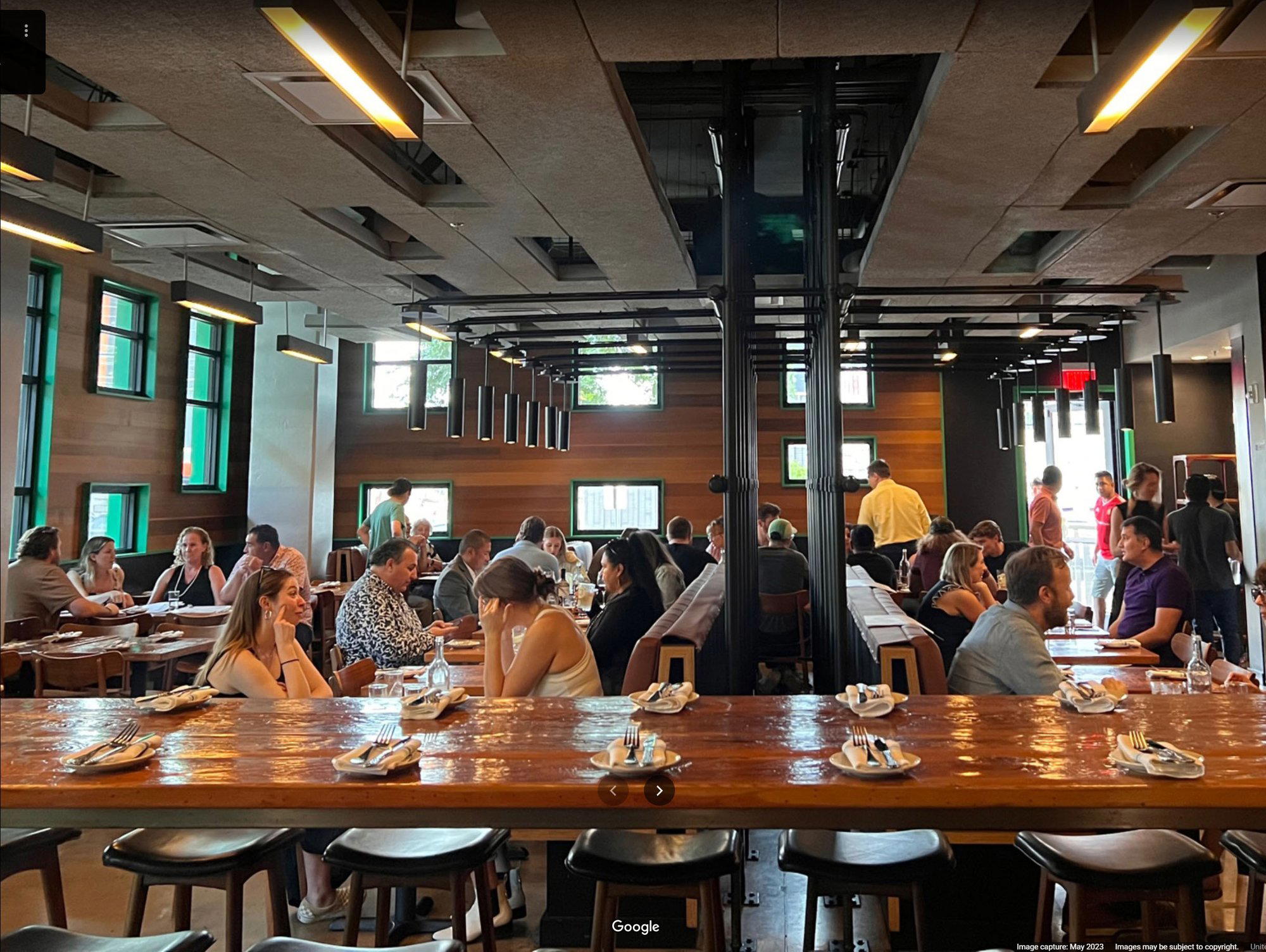
South Lamar and the Spanish Table
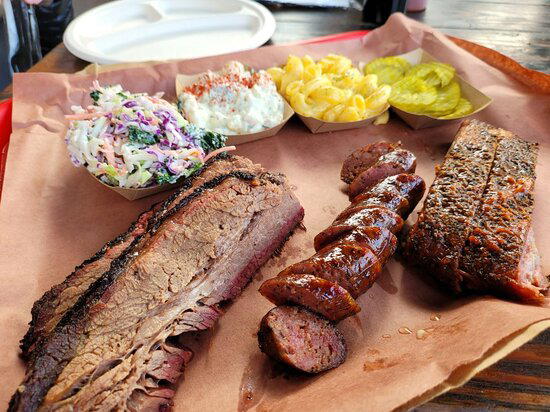
South Lamar Boulevard runs through one of Austin's most restaurant-dense corridors, where the competition for attention is constant and the range of formats is wide. The address at 1500 S Lamar puts El Raval in a stretch that includes casual counter-service spots, ambitious tasting menus, and everything between. What distinguishes the Spanish dining tradition in this context is precisely how far it sits outside the city's default culinary conversation, which tends to rotate between Texas barbecue institutions like la Barbecue and InterStellar BBQ on one end, and ingredient-forward New American cooking at places like Barley Swine and live-fire programs like Hestia on the other.
Spanish and Catalan cooking carries a logic of its own that does not map neatly onto either of those poles. The Iberian kitchen is built around restraint in technique but intensity in ingredient: dry-aged meats, cured fish, preserved vegetables, and the long tradition of small plates that preceded the American small-plates trend by several centuries. In a city where dining culture still skews toward abundance and informality, that kind of precision-through-simplicity reads differently than it might in New York or San Francisco.
The Catalan Reference Point
The name El Raval is a direct reference to one of Barcelona's oldest and most culturally layered neighborhoods — a district that for decades housed the city's working port population, its immigrant communities, and later its artist class. Raval sits just outside the Gothic Quarter, and its dining culture reflects that borderland status: neither purely traditional Catalan nor entirely cosmopolitan, but shaped by the friction between both. For a restaurant to take that name in Austin is to make a conscious claim about cultural lineage, not just culinary inspiration.
Catalan cooking itself occupies a particular position within Spanish gastronomy. The region around Barcelona produced some of the late twentieth century's most technically radical cooking — the movement centered on the Costa Brava that reframed what a restaurant meal could be. That legacy now coexists with an equally strong counter-movement: chefs and restaurants in Catalonia reclaiming slower, ingredient-led traditions that predate modernist experimentation. Across the Atlantic, in cities like Austin, the Catalan and broader Spanish reference tends to arrive filtered through both of those currents simultaneously.
The broader American Spanish restaurant category has matured significantly over the past decade. Cities like New York, Chicago, and Los Angeles have developed sophisticated Iberian programs, from Basque pintxos bars to serious sherry-focused dining rooms, that have shifted the baseline expectation for what Spanish cooking in the U.S. can deliver. Austin has been slower to develop that tier, which means the arrival of any serious Spanish-focused address represents a gap closing rather than a market already crowded.
Where El Raval Sits in the Austin Scene
Austin's restaurant scene has fragmented into distinct clusters over the past several years. At the high end, tasting-menu formats with serious wine programs have proliferated, putting Austin in conversation with destinations like those covered in our guides to Smyth in Chicago, Lazy Bear in San Francisco, and Providence in Los Angeles. At the accessible end, the city's barbecue identity remains intact. The middle tier, casual but serious, ingredient-focused, rooted in a specific culinary tradition, is where competition has grown most intense, and where a Spanish-inflected address like El Raval finds its natural competitive set.
That middle tier in Austin increasingly draws comparisons not to the city's own history but to what diners have encountered in other cities. Austin's population has absorbed large numbers of transplants from coastal metros over the past decade, and that demographic shift has changed what the restaurant market demands. A dining room that draws on Iberian tradition, shared plates, cured and preserved ingredients, wine programs that give prominence to Spanish regions, is no longer a novelty proposition. It is a response to a market that has developed the reference points to appreciate it.
Comparison venues in Austin's mid-to-upper casual tier tend to price between the $$ and $$$$ range, with spots like Olamaie and Jeffrey's anchoring the higher end of that spectrum in terms of price-to-formality ratio. Spanish small-plates formats, where the per-person spend builds incrementally through shared ordering, often land in a similar effective range without requiring a prix-fixe commitment. That flexibility tends to suit the Austin dining temperament, which even at higher price points often favors choice over choreography.
Japanese Precision and Iberian Casualness: The Format Question
Austin's fine dining conversation increasingly includes formats that sit at opposite ends of the control spectrum. Craft Omakase represents the fully choreographed end: a fixed sequence, chef-directed, with no menu decisions required of the diner. The Spanish tradition operates almost entirely differently. A table at a serious Spanish restaurant is expected to negotiate its own meal, ordering in rounds, adjusting by appetite and curiosity, building toward a shared experience rather than moving through a predetermined arc. The skill of the kitchen shows not in revealing a composed sequence but in making each individual element worth ordering on its own terms.
That format logic connects El Raval to a broader pattern visible in Spanish dining from Barcelona to the Basque Country: the idea that the most serious cooking does not need the scaffolding of tasting-menu ritual to be taken seriously. Restaurants operating at the level of Le Bernardin in New York City or The French Laundry in Napa use fixed format as a precision instrument. The Iberian model argues that precision is equally achievable without it, through product quality, kitchen discipline, and the accumulation of small decisions across a shared table.
Know Before You Go
Planning Details
- Address: 1500 S Lamar Blvd #150, Austin, TX 78704
- Neighbourhood: South Lamar, Austin
- Cuisine Focus: Spanish / Iberian
- Further Reading: See our full Austin restaurants guide for context on the broader dining scene
How El Raval Austin compares with similar nearby venues.
| Venue | Cuisine | Price |
|---|---|---|
| Odd Duck | New American, American | $$$ |
Recognition history
Dated appearances from independent guides and award organizations, with the underlying list record or original source where available.
Wine Spectator Award of Excellence
Wine Spectator
Continue exploring
More in Austin
Restaurants in Austin
Browse all →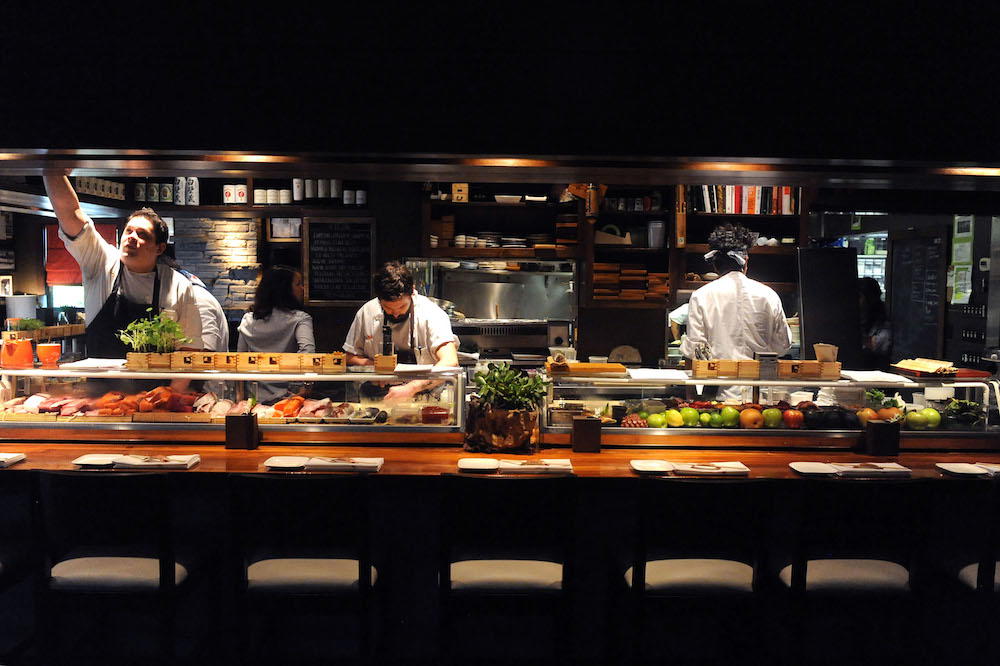

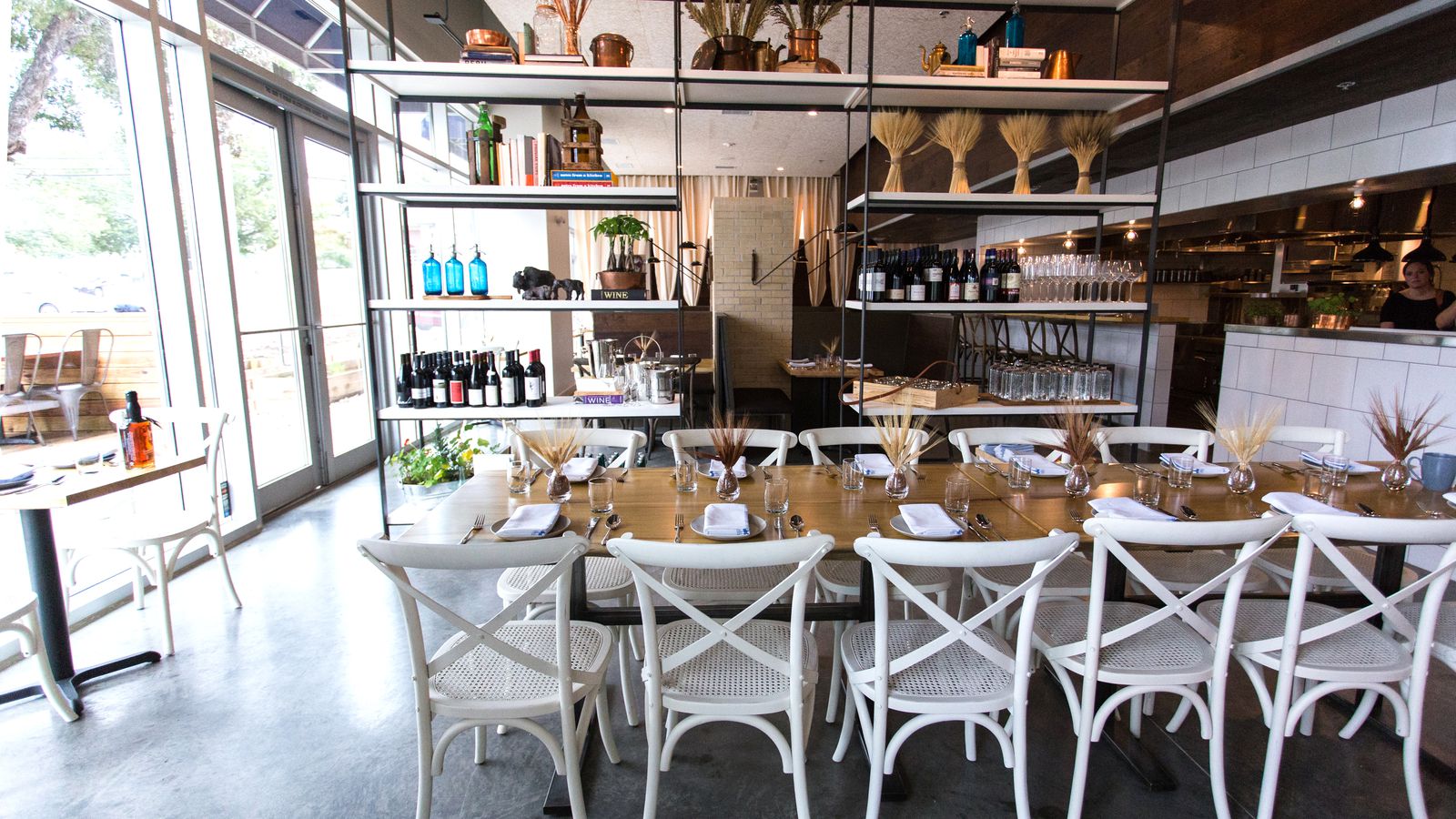
Bars in Austin
Browse all →
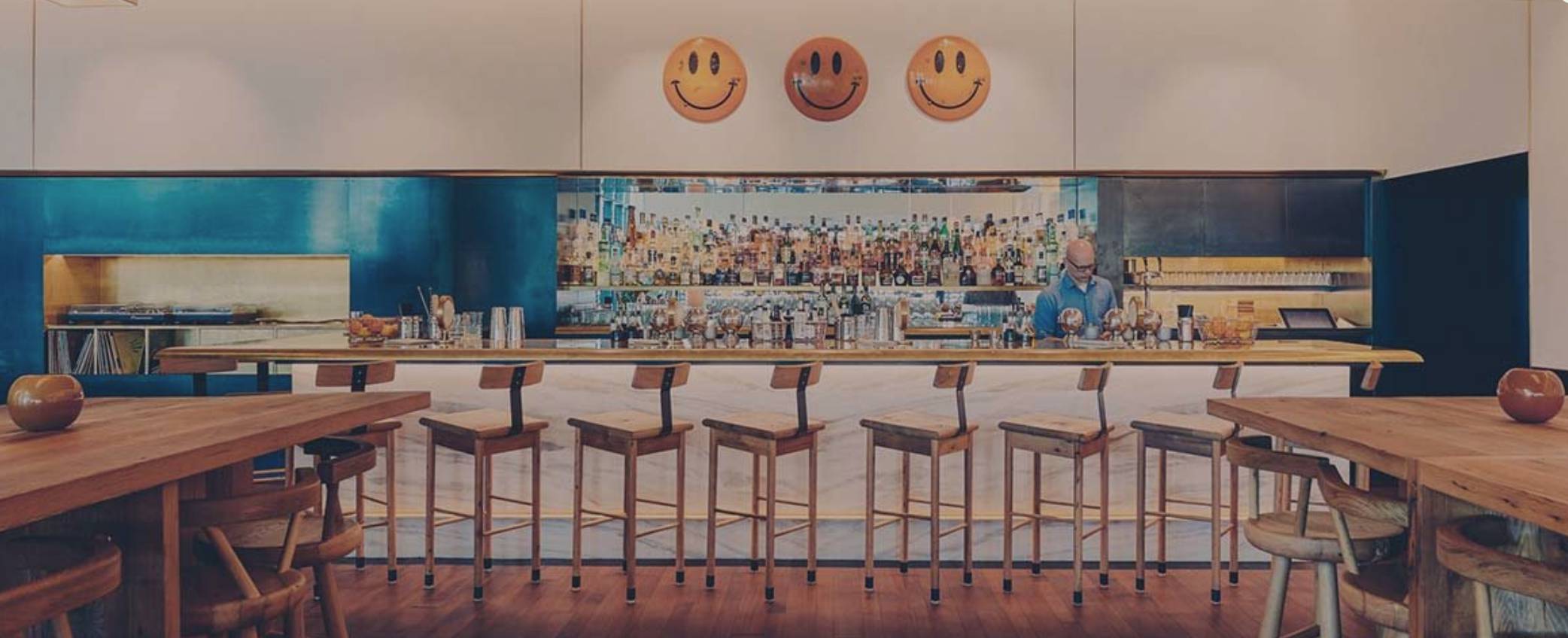
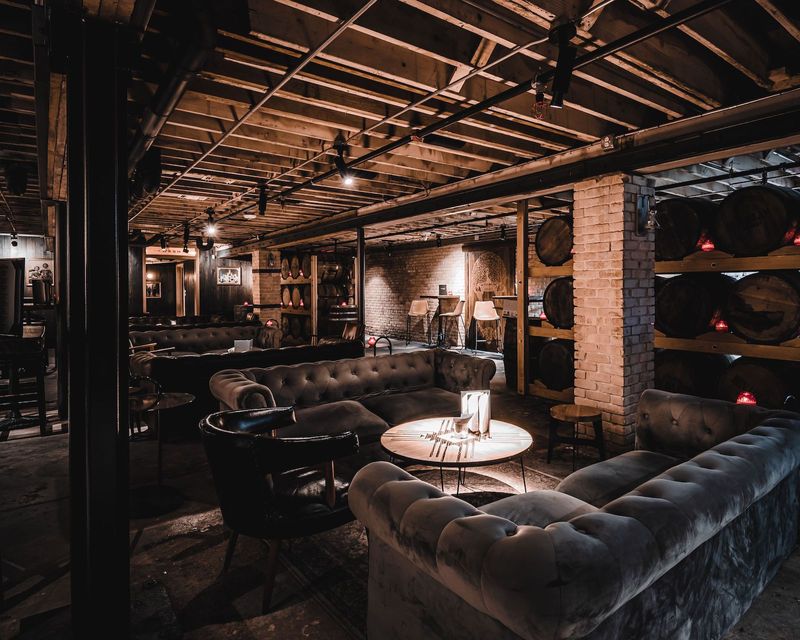
Hotels in Austin
Browse all →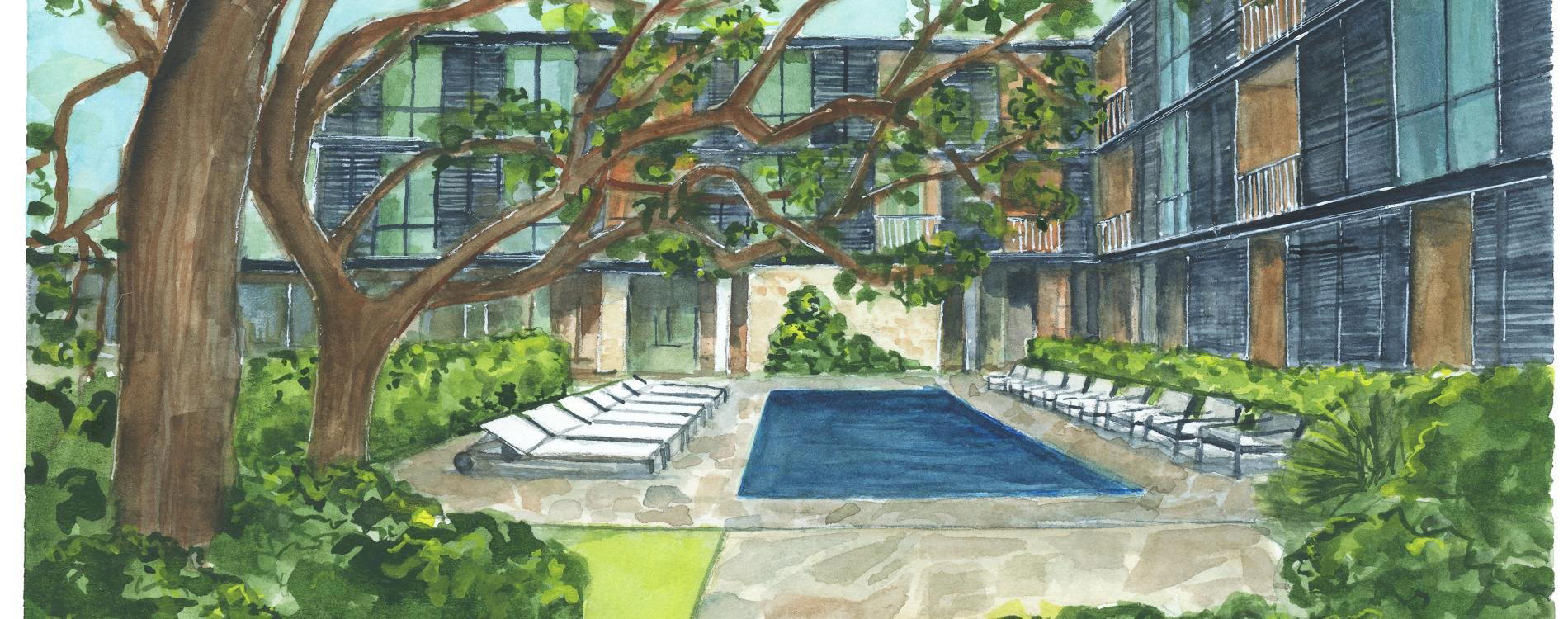
At a Glance
- Lively
- Trendy
- Intimate
- Date Night
- Group Dining
- Casual Hangout
- Open Kitchen
- Craft Cocktails
- Extensive Wine List
- Local Sourcing
Current opening hours
- Monday
- 5–8:30 PM
- Tuesday
- 5–8:30 PM
- Wednesday
- 5–9 PM
- Thursday
- 5–9 PM
- Friday
- 5–10 PM
- Saturday
- 5–10 PM
- Sunday
- 12–9 PM
Hours can change for holidays and private events. Last verified .
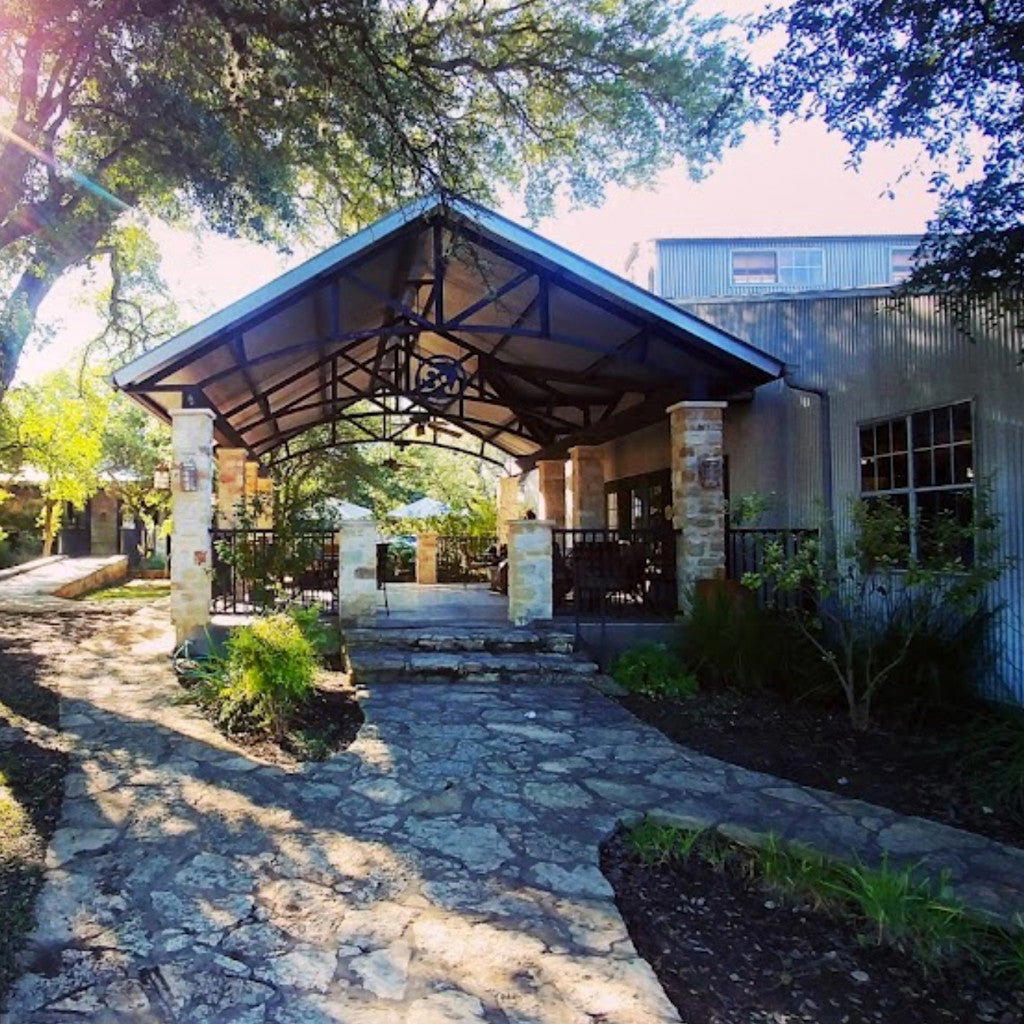
Fun and convivial atmosphere with lively energy from shared tapas and cocktails.
Know Before You Go
- Getting there
- 1500 S Lamar Blvd #150, Austin, TX 78704