El Nido
El Nido serves wood-fired Italian steakhouse dishes in a historic building, with craft cocktails and an extensive wine list that suit a leisurely dinner.
Pearl is the En Primeur Club membership app — saves, bookings, and concierge access live there. Same editors, same standards.
- Address
- 1577 Bishops Lodge Rd, Santa Fe, NM 87506
- Phone
- +15059541272
- Website
- elnidosantafe.com
- Directions
- Get directions
 Saves & bookings on Pearl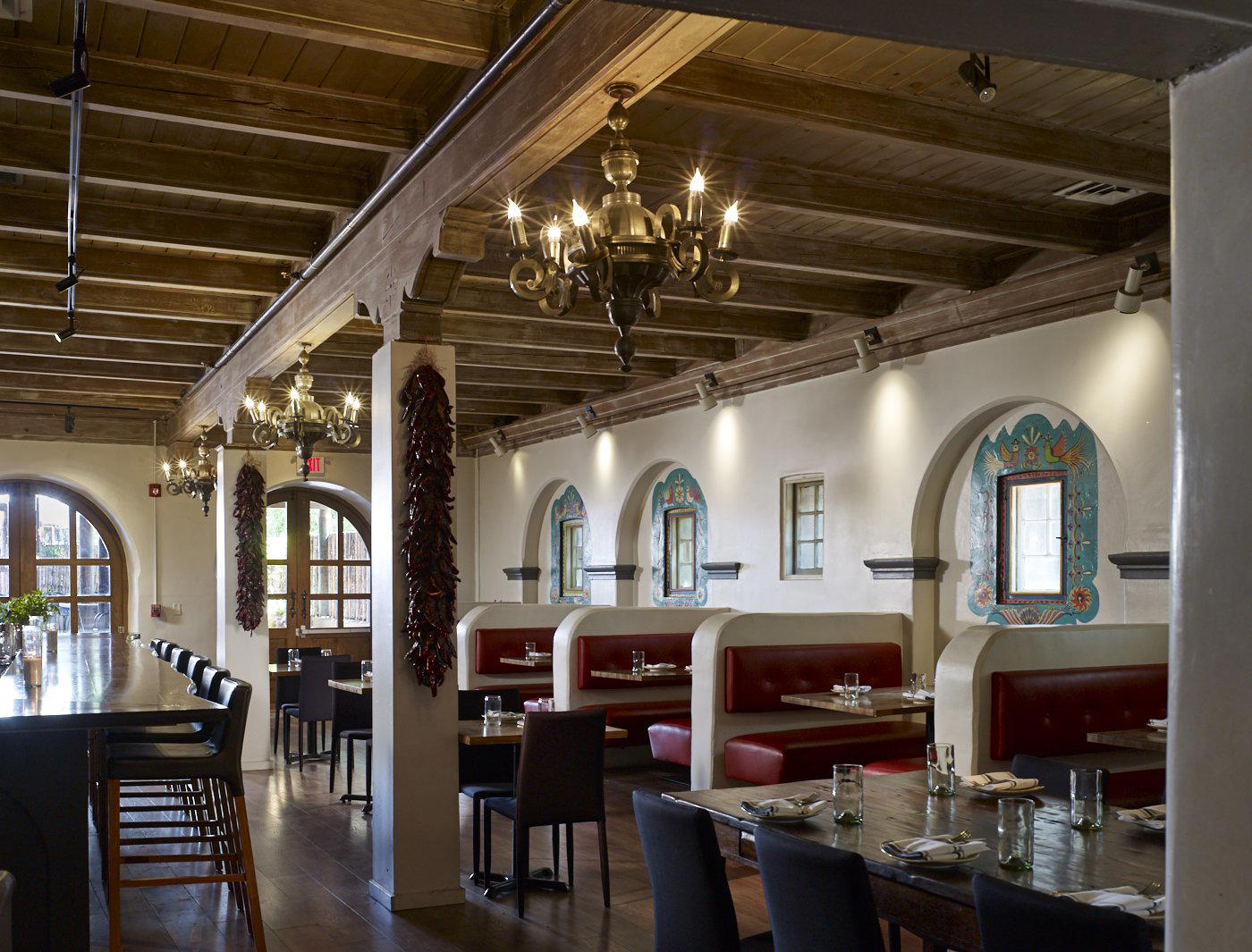
Bishop's Lodge Road, After Dark
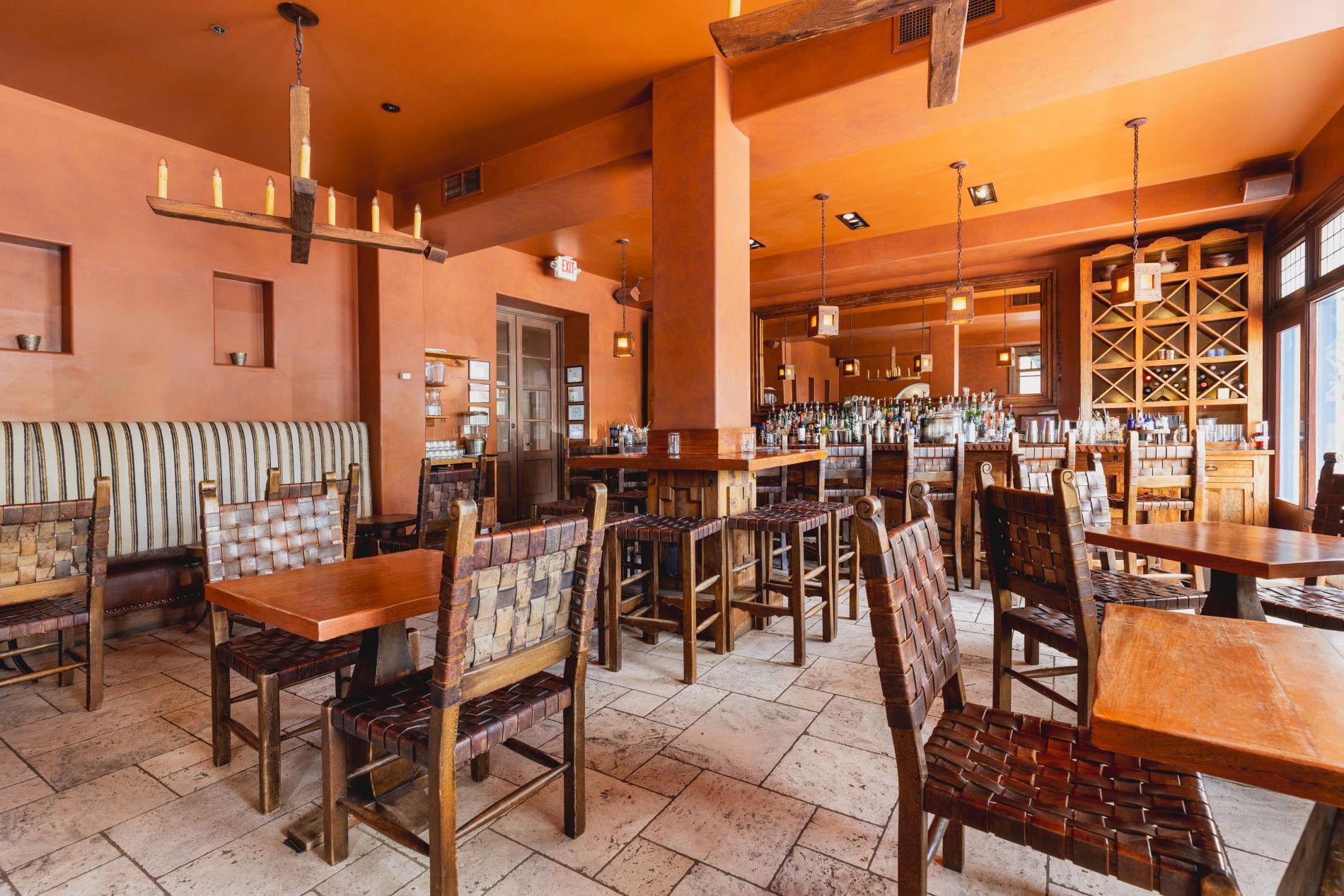
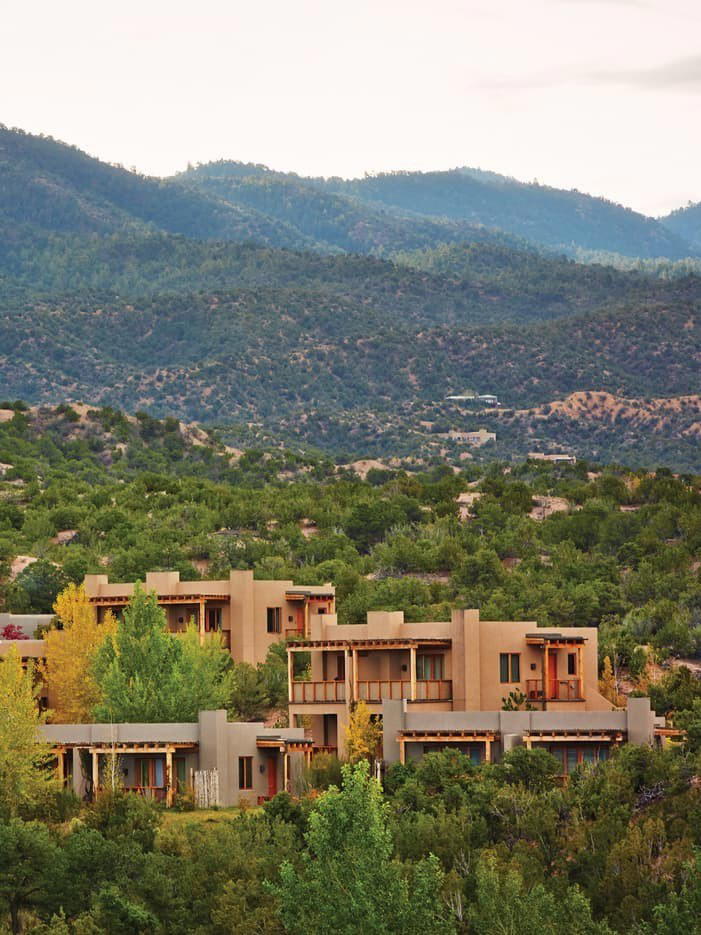
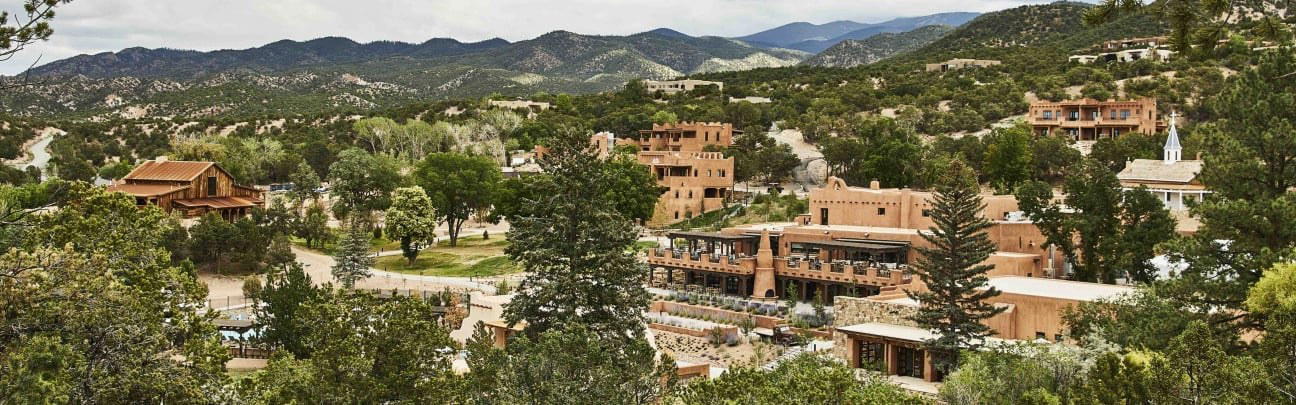
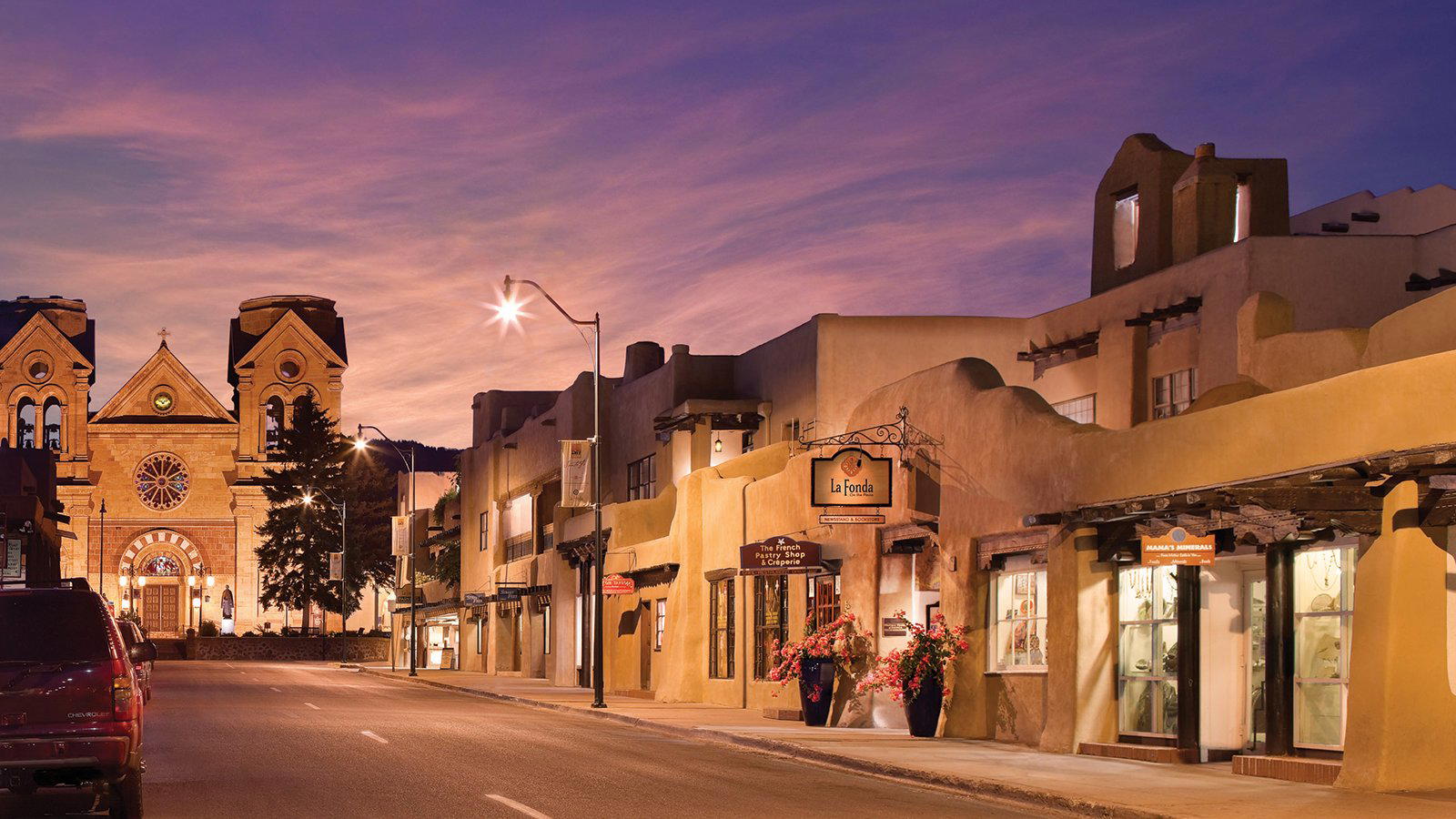
El Nido is a Wood-Fired Italian Steakhouse at 1577 Bishops Lodge Rd in Santa Fe, where dinner is a smart casual affair and reservations are recommended. The drive north on Bishop's Lodge Road sets a particular expectation. You leave Santa Fe's plaza district behind, pass the acequia corridors and adobe walls softened by high-desert scrub, and arrive at a low-slung building that feels rooted in the landscape. El Nido, at 1577 Bishop's Lodge Rd, occupies that category of northern New Mexico institution where the architecture and the atmosphere are inseparable from the food, where the physical act of arriving is part of the meal.
Santa Fe's dining scene has split clearly in recent years between places capitalizing on the city's tourism economy and places that feed the city itself. El Nido operates closer to the latter register. The surrounding Tesuque corridor, a few miles from the plaza, draws a quieter clientele, locals, the occasional visitor who has done enough research to look beyond Canyon Road, people who know that honest cooking in the Southwest rarely happens at the address with the leading foot traffic.
Sourcing in a High-Desert Context
Restaurants that argue for ethical sourcing in major coastal cities operate within dense supplier networks: farmers' markets, regional distributors, established farm-to-table infrastructure. Santa Fe's position changes that calculus significantly. At 7,000 feet elevation, with a short growing season and limited arable land nearby, sourcing locally is harder work than in the Bay Area or the Hudson Valley. The restaurants in this city that do it anyway, that pursue northern New Mexico chile growers, that maintain relationships with small ranchers in the surrounding high desert, are making a structural commitment, not a marketing decision.
That commitment reads differently here than it does at venues like Blue Hill at Stone Barns in Tarrytown, where farming infrastructure is literally on the premises, or at Single Thread Farm in Healdsburg, where a working farm anchors the whole enterprise. In high-desert New Mexico, sustainability means working with seasonality that is more compressed and more extreme, and it means the menu shifts in ways that reflect actual supply, not a curated aesthetic.
El Nido sits inside this tradition. The building and its long local history suggest a kitchen that has always needed to work with what the region offers. That kind of embedded relationship with place is harder to perform than it is to inherit.
Where El Nido Fits in the Santa Fe Conversation
Santa Fe's most discussed restaurants cluster around New Mexican cuisine, red and green chile, posole, blue corn, the Pueblo and Spanish colonial traditions that define the state's culinary identity. Sazón operates at the fine-dining end of that tradition, translating New Mexican ingredients into a more structured format. The Pink Adobe has held a similar institutional position for decades, though its reputation rests more on longevity than on current critical momentum. Paper Dosa represents a separate strain entirely, bringing South Indian technique to Santa Fe's increasingly diverse food scene.
The restaurant occupies a different position: a neighborhood restaurant with a longer history than most of its peers, on a road that runs through one of the city's quieter residential corridors. Its peers are not the plaza-adjacent restaurants competing for tourist attention, nor the destination-dining operations that draw visitors specifically for the tasting menu experience. Comparisons to Le Bernardin in New York City, The French Laundry in Napa, or Atomix in New York City illuminate the category difference. The restaurant is a place you go because you live here, or because someone who lives here told you to go.
That distinction is not a criticism. Particularly instructive dining in any city happens at restaurants that are not trying to win awards or attract international press. Lazy Bear in San Francisco, Smyth in Chicago, and Addison in San Diego all operate in the destination tier. The restaurant does not compete in that space, and doesn't need to. The Santa Fe restaurants that repay attention most reliably are often the ones, like Alkemē and 229 Galisteo St, that have a clear point of view and a consistent relationship with their immediate community.
The Broader Stakes of Regional Cooking
American regional cuisine has had a complicated relationship with recognition. Emeril's in New Orleans helped put Southern regional cooking on a national critical map in the 1990s. The Inn at Little Washington built a national reputation on mid-Atlantic ingredients decades before farm-to-table became a category. Providence in Los Angeles made a similar case for Pacific Coast sourcing. The pattern across all of these is a kitchen committed to a specific geography, willing to be constrained by what that geography produces.
New Mexico's culinary identity is older than most American regional traditions, rooted in Indigenous agricultural practice, Spanish colonial exchange, and Anglo settlement patterns that all left marks on the larder. Restaurants that engage seriously with that history, rather than using it as surface decoration, are doing something harder and more interesting than the sustainable-sourcing story that has become routine in American fine dining. Atelier Moessmer Norbert Niederkofler in Brunico represents the European version of this commitment: a kitchen that has removed itself from global ingredient networks and works exclusively within its alpine region. The discipline required is significant. Santa Fe's geography imposes a comparable discipline on any kitchen willing to work within it rather than around it.
Getting There and Planning Ahead
The restaurant is located at 1577 Bishop's Lodge Rd in Tesuque, a short drive north of central Santa Fe. The Tesuque corridor does not have significant pedestrian traffic, so arriving by car is the practical approach. For visitors staying in Santa Fe's downtown hotels, the drive takes under ten minutes and adds a quality of remove from the city that suits the experience.
Given the restaurant's established local following and relatively compact dining room, planning ahead is advisable, particularly on weekend evenings and during Santa Fe's summer high season, when the city's population swells with visitors attending the opera and the Indian Market. Restaurants in this position, locally embedded, not heavily marketed to tourists, tend to fill from their regular base before outside visitors have claimed tables. The same pattern holds at Back Road Pizza and Bert's Burger Bowl, other neighborhood-anchored Santa Fe operations. For a broader orientation to the city's dining options before committing to a reservation, our full Santa Fe restaurants guide maps the scene across neighborhoods and price tiers.
Cuisine-First Comparison
Comparable venues nearby, for context on price, style, and recognition.
| Venue | Cuisine | Price | Notes |
|---|---|---|---|
| El NidoThis venue — the venue you are viewing | Wood-Fired Italian Steakhouse | $$ | Not listed |
| Sweetwater Harvest Kitchen | Global Clean Eating Café | $$ | Pacheco Street |
| Bert's Burger Bowl | Classic New Mexico Green Chile Cheeseburgers | $$ | Downtown Santa Fe |
| Jambo Cafe | African & Caribbean Fusion | $$ | College Plaza |
| Tomasita's | Northern New Mexican | $$ | Railyard District |
| Plaza Cafe | New Mexican Diner | $$ | Downtown |
At a Glance
- Cozy
- Rustic
- Intimate
- Elegant
- Date Night
- Special Occasion
- Open Kitchen
- Historic Building
- Terrace
- Craft Cocktails
- Extensive Wine List
- Local Sourcing
Current opening hours
- Monday
- Closed
- Tuesday
- 4:30–9 PM
- Wednesday
- 4:30–9 PM
- Thursday
- 4:30–9 PM
- Friday
- 4:30–9 PM
- Saturday
- 4:30–9 PM
- Sunday
- 4:30–9 PM
Hours can change for holidays and private events. Last verified .
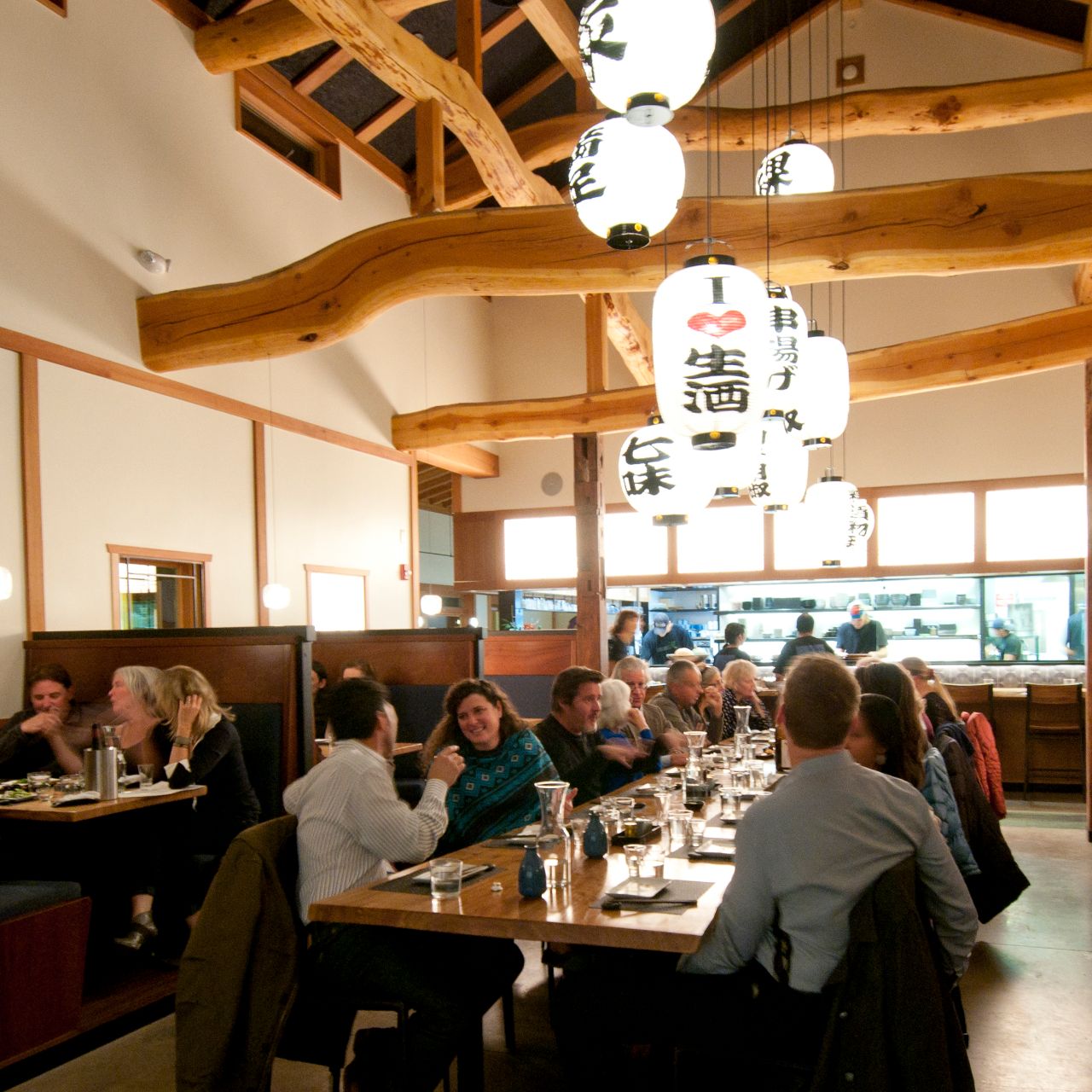
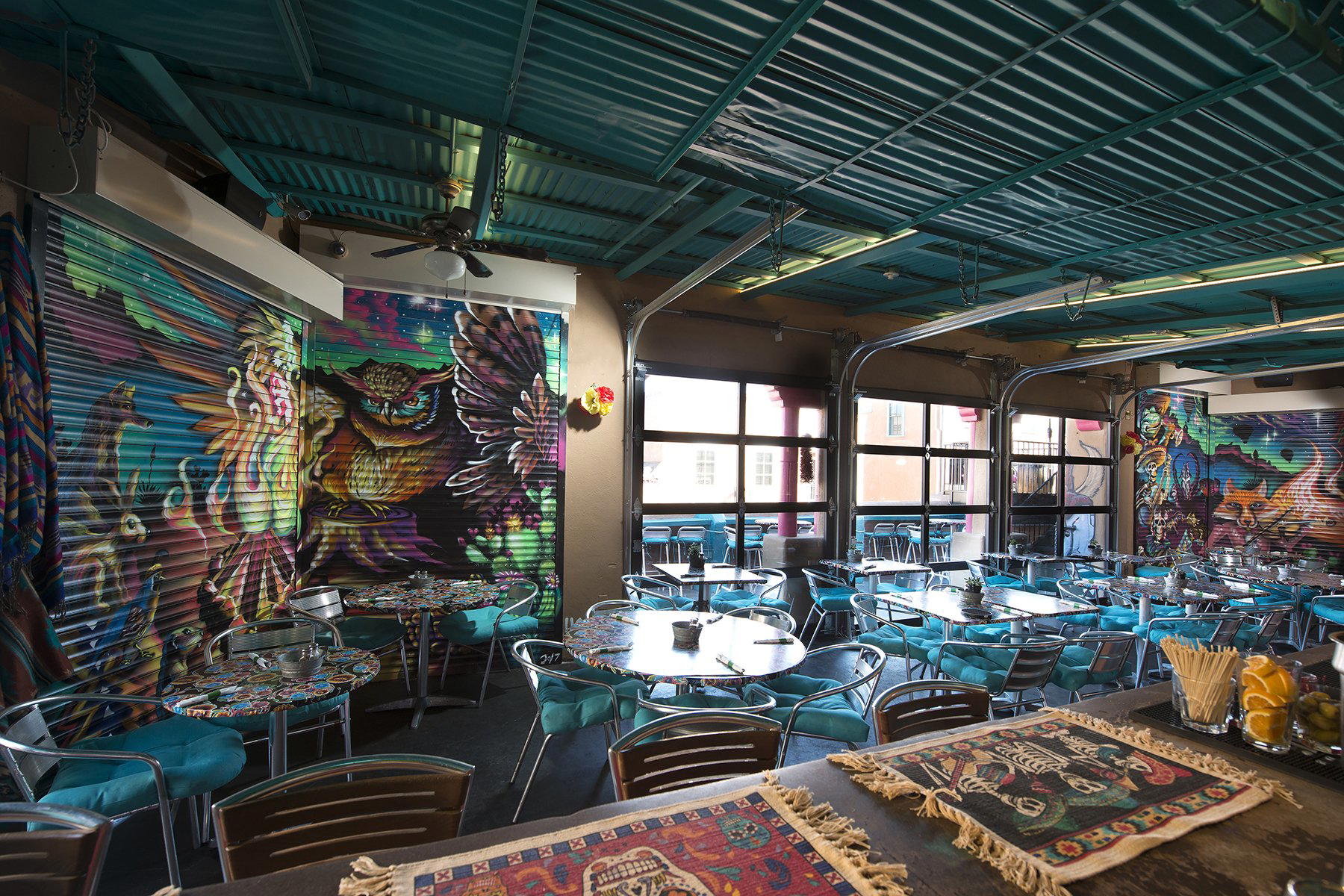
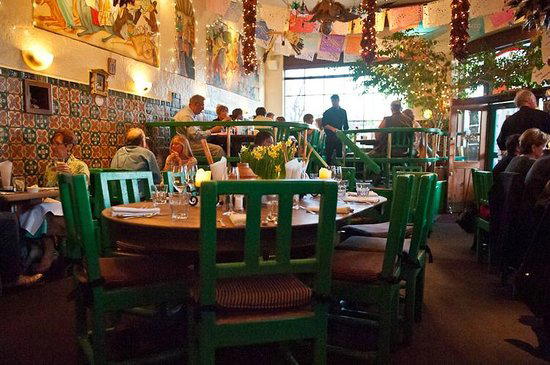
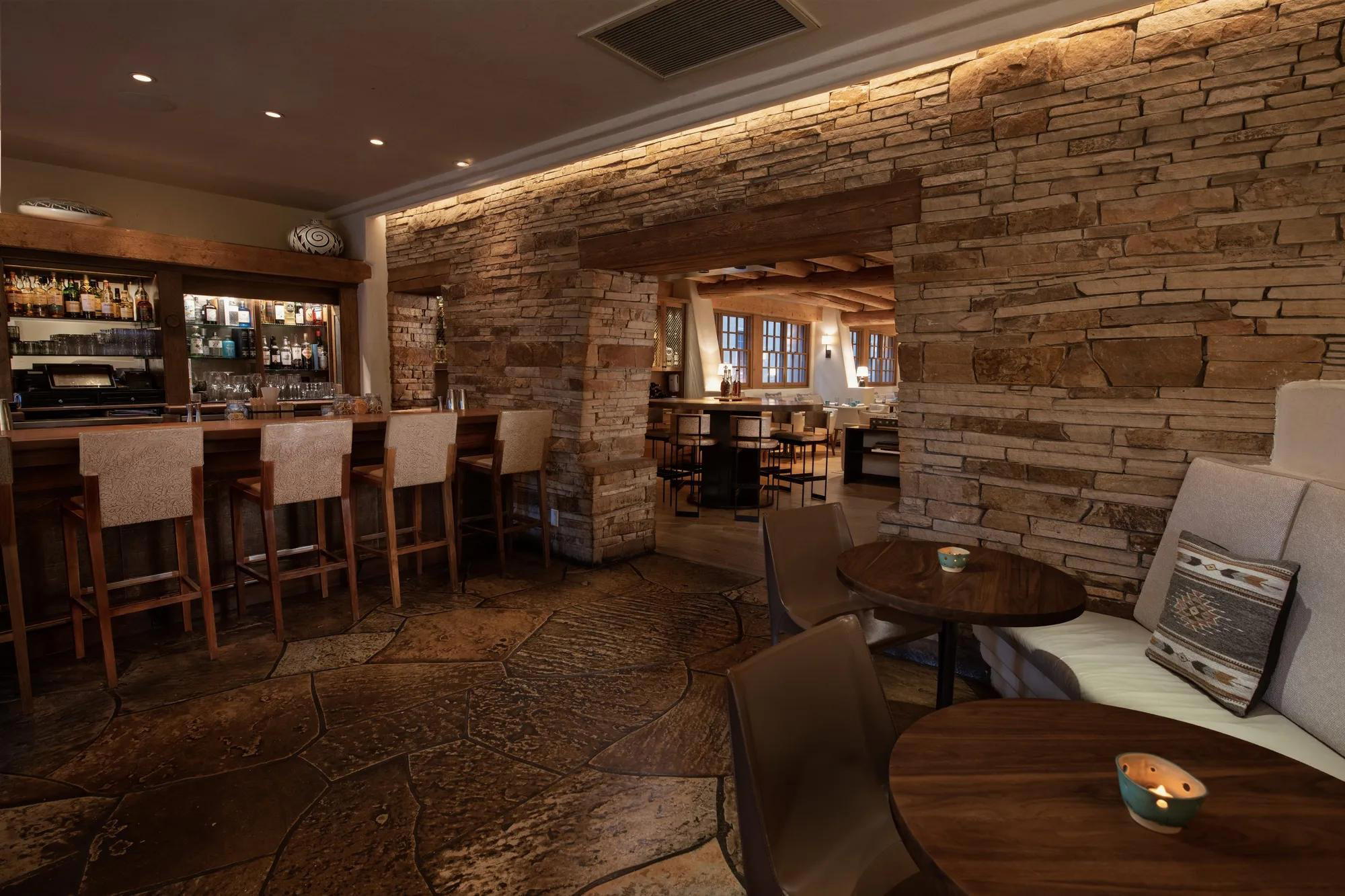
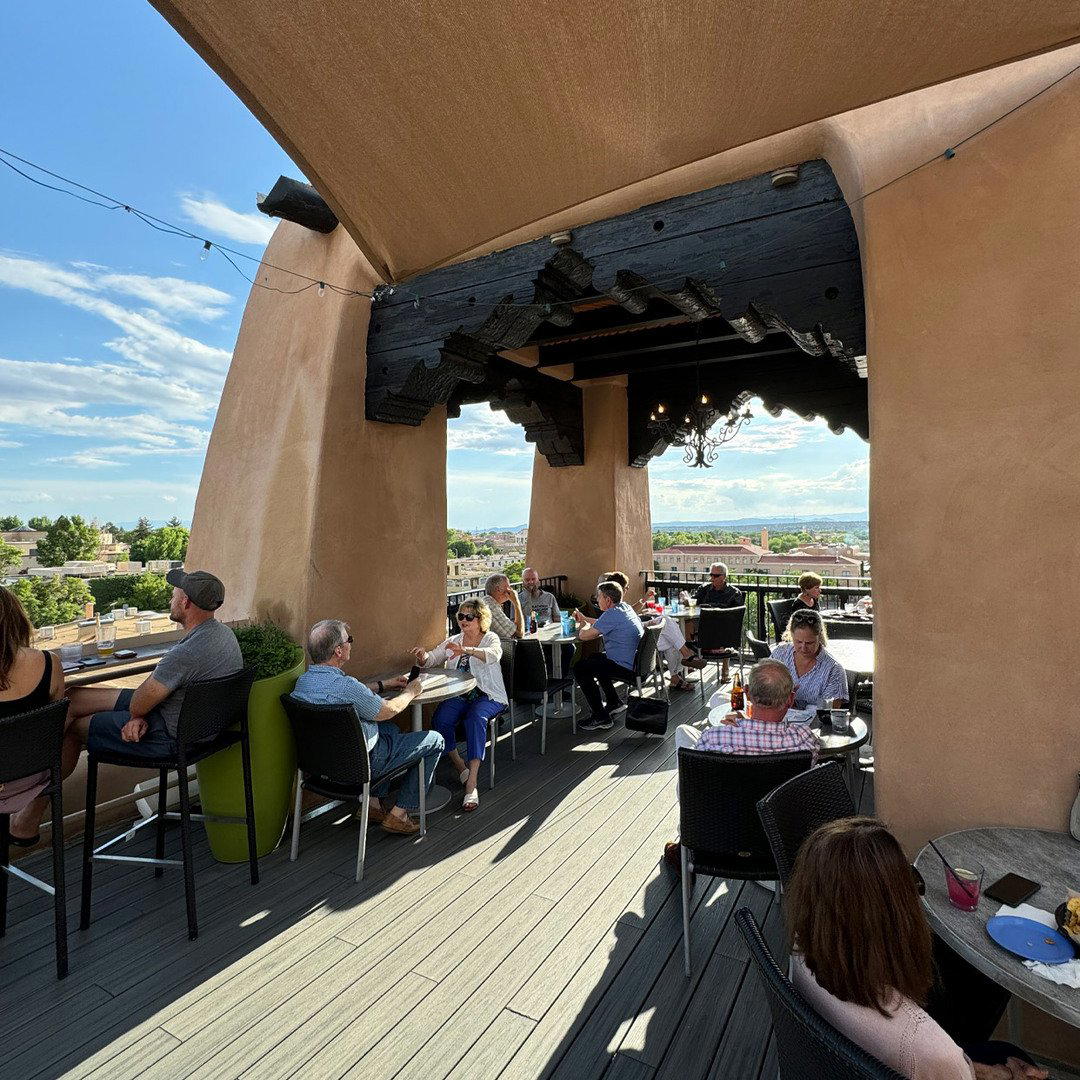
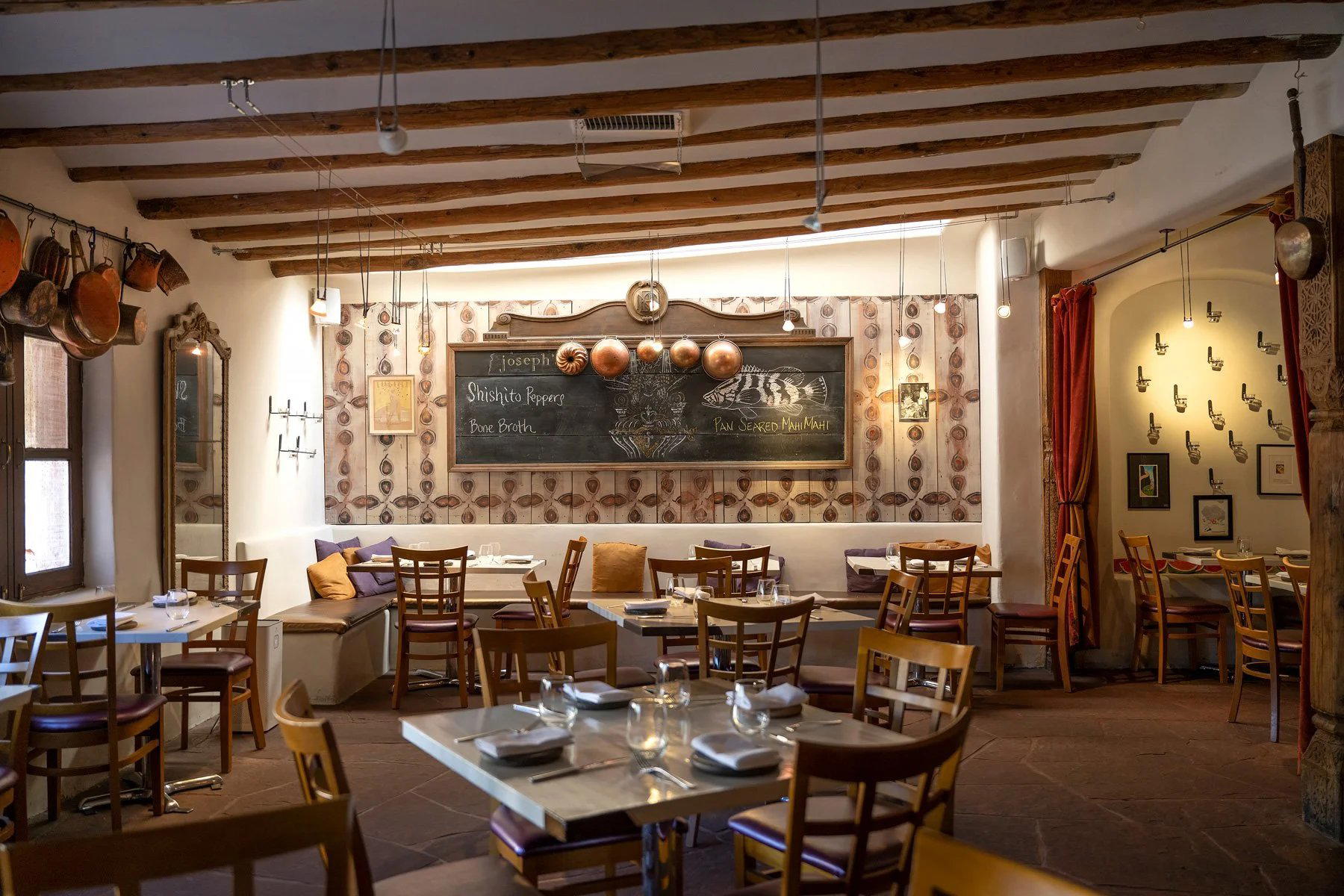
Warm and engaging with fireplaces, original tin chandeliers, colorful murals, and open view of live fire cooking station; relaxed vibe in the bar and al fresco patio.