
Our verdict
Set within a golf and country estate outside Málaga, El Campanario Golf & Country House brings Spanish cooking under chef Manuel Marin Anaya to a setting that trades city-centre density for open terrain and a different pace.

Pearl is the En Primeur Club membership app — saves, bookings, and concierge access live there. Same editors, same standards.
- Address
- Calle del Priorato n-1, Estepona, Andalusia, Spain
- Phone
- +34 952 90 42 33
- Hours
- Mon–Fri 9 AM–9 PMSat–Sun 10 AM–8 PM
- Website
- elcampanarioresort.com
- Directions
- Get directions
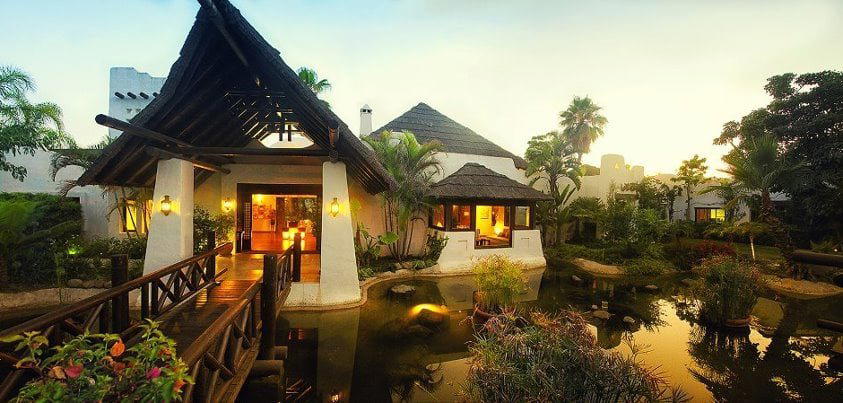
A Different Angle on the Málaga Dining Scene
Málaga's restaurant map has sharpened considerably over the past decade. The city now hosts Michelin-starred addresses including Kaleja (Andalusian, Contemporary) and Blossom (Chinese, Fusion), alongside a generation of contemporary tables like Aire (Contemporary) and Alaparte pushing technique-led menus across tighter urban formats. El Campanario Golf & Country House sits outside that city-centre cluster, on the C. del Priorato in the 29688 postal zone west of the city, within a golf and country estate. The address changes the terms of the visit: more space, a different rhythm, and a dining proposition shaped as much by its surroundings as by what arrives at the table.
Country-house dining in Andalusia has its own logic. It has historically leaned toward celebratory occasions and leisure-focused guests, with menus built for comfort rather than provocation. What is notable about the post-elBulli generation of Spanish cooking is how thoroughly it dissolved the boundary between formal gastronomy and rural hospitality. Chefs trained in or adjacent to that era brought technical awareness into settings that would once have defaulted to roast lamb and house wine, and the effect is visible across Andalusia's larger estates and resort properties. The question, at any given venue of this type, is where exactly the kitchen has landed on that spectrum.
The Physical Setting as Context
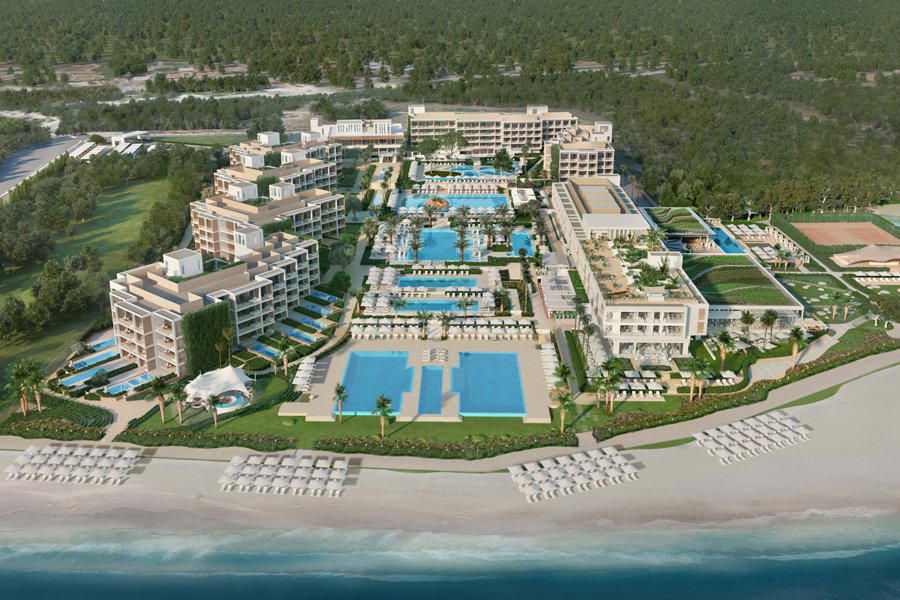
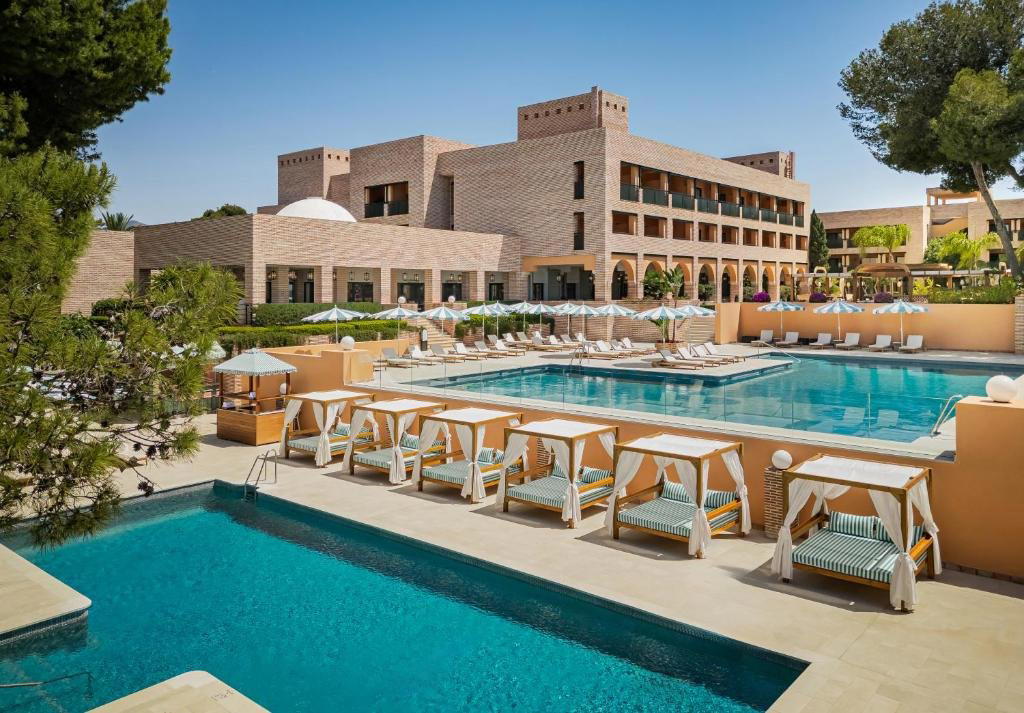
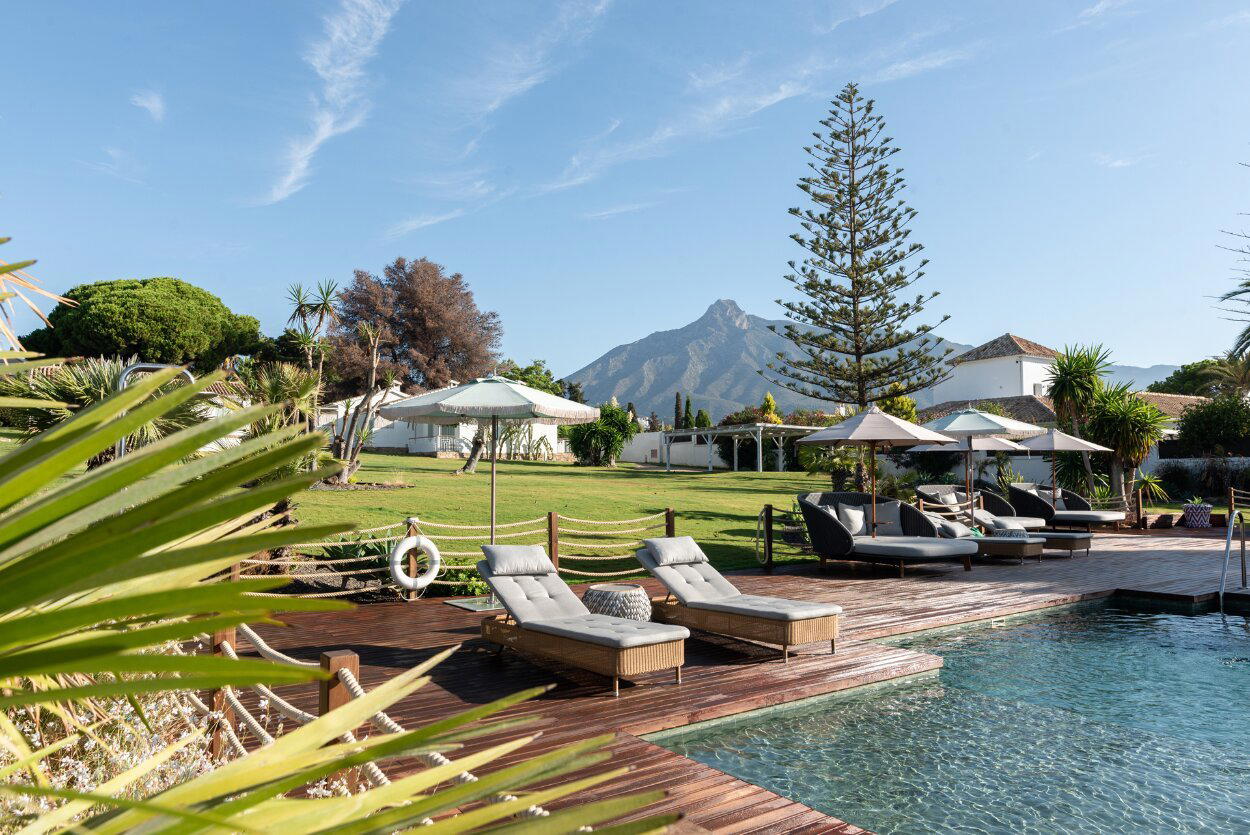
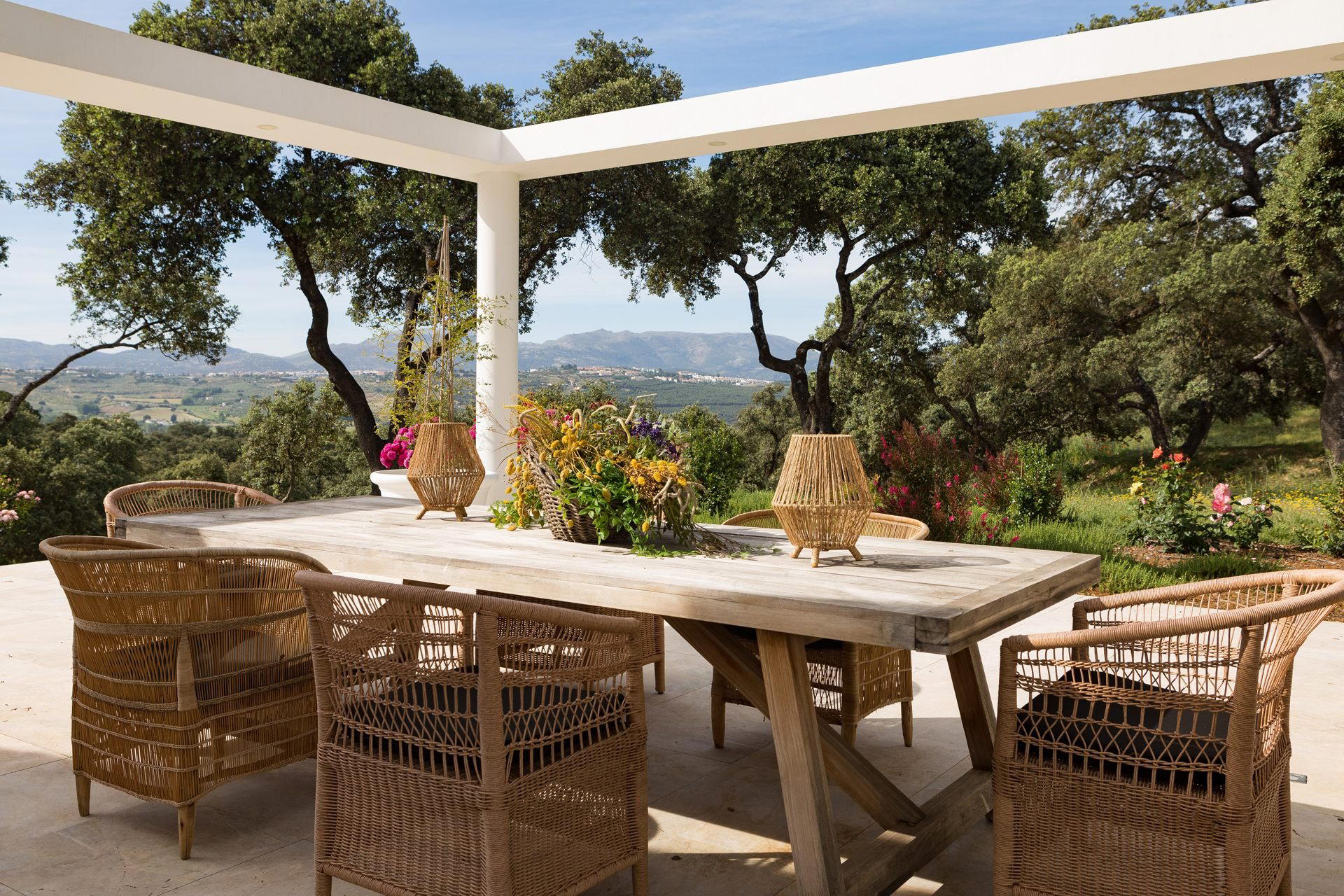
Approaching an estate restaurant like this one, the first information arrives before the food does. Golf and country properties in the Málaga province tend toward wide horizons, stone-and-render architecture, and a deliberate separation from the noise of the Costa del Sol's more commercial zones. The setting on C. del Priorato suggests exactly that kind of remove: a venue where the visual context is land rather than street, and where the meal is framed by the wider environment rather than competing with a dense urban block. For the right kind of visit — a long lunch with space to decompress, or a dinner that benefits from arriving from a round of golf rather than a taxi — this framing is a feature rather than a compromise.
Spain's most discussed restaurants of recent decades have largely been urban or suburban propositions: DiverXO in Madrid, El Celler de Can Roca in Girona, Arzak in San Sebastián. The estate or resort-anchored table is a different category entirely, and it is one that rewards a different kind of reader: someone who values the whole context of a visit rather than the concentrated intensity of a destination tasting counter.
Spanish Cooking in the Modern Register
Chef Manuel Marin Anaya leads the kitchen at El Campanario. In the contemporary Spanish context, that means operating against a backdrop where technique, product sourcing, and an awareness of regional identity all carry weight as markers of seriousness. The post-elBulli generation did not simply produce a cohort of molecular gastronomy practitioners, it produced a more broadly curious approach to Spanish ingredients, one that drew on the Basque tradition of product reverence, the Catalan tradition of intellectual ambition, and Andalusia's own deep larder of seafood, olive oil, and Moorish-inflected flavour architecture. Where a kitchen positions itself within that inheritance matters more than any single dish.
Andalusia is a particularly rich context for this conversation. The region's cooking history is long and layered: centuries of Arab agricultural influence, Atlantic and Mediterranean seafood traditions running in parallel, a sherry culture in Jerez that has shaped how acidity and salinity function in local food pairings. Aponiente in El Puerto de Santa María and Azurmendi in Larrabetzu represent different poles of what Spanish fine dining can do when it takes its regional identity seriously. The reach of Spain's culinary influence now extends well beyond its borders: ZURRIOLA in Tokyo and Arco by Paco Pérez in Gdańsk are evidence of how far that technical and cultural vocabulary has traveled. An estate kitchen in Málaga province sits at a different scale, but it participates in the same wider story of what Spanish cooking means in 2024.
Reception and Standing
In the resort and country-house category, where the dining audience spans hotel guests, golfers, and destination-driven visitors rather than a purely self-selected foodie public, maintaining that average across a varied clientele requires reliability across multiple service and kitchen registers. The score places it in creditable company within Málaga's broader restaurant ecosystem, even without the formal award recognition held by the city's Michelin-decorated addresses. For context, tables like Yerbagüena Restaurant operate within the same city framework, and Cocina Hermanos Torres in Barcelona illustrates what the upper end of the Spanish estate-adjacent dining format can look like at full elaboration.
Planning a Visit
The logistics of a visit to El Campanario are shaped by its out-of-city location on C. del Priorato, 29688, Málaga. Arriving by car is the practical default for most visitors, and the estate setting implies dedicated parking. For those combining the meal with a golf visit, coordination with the club side of the operation makes sense to align tee times with table reservations. Given the 4.5-rated standing and the likelihood of event bookings and group reservations that accompany country-house properties, planning ahead by at least a week or two for weekend visits is a reasonable precaution, particularly during the Málaga high season from late spring through early autumn when the Costa del Sol's visitor population peaks.
For those building a wider Málaga itinerary, the full picture is covered in our full Málaga restaurants guide, as well as our full Málaga hotels guide, our full Málaga bars guide, our full Málaga wineries guide, and our full Málaga experiences guide.
Frequently asked questions
Who is the chef connected to El Campanario Golf & Country House?
The chef associated with El Campanario Golf & Country House is Manuel Marin Anaya.
How do I find El Campanario Golf & Country House?
El Campanario Golf & Country House is located at C. del Priorato, s/n, 29688, Málaga, Spain, Málaga.
What do people recommend at El Campanario Golf & Country House?
The Spanish cuisine programme under chef Manuel Marin Anaya is the central draw. The estate setting outside Málaga adds a dimension that purely urban venues on the city's dining circuit cannot match.
How far ahead should I plan for El Campanario Golf & Country House?
The estate sits on C. del Priorato in the 29688 postcode outside Málaga, which means arrival by car is essentially required — factor that into scheduling. Demand at country-house properties in the Málaga province rises sharply between April and October, so booking several weeks ahead during high season is a practical minimum. Outside that window, lead times are generally shorter.
What is El Campanario Golf & Country House known for?
El Campanario operates as the dining destination within a golf and country estate on the outskirts of Málaga, serving Spanish cuisine directed by chef Manuel Marin Anaya. The combination of estate grounds and an Andalusian kitchen separates it from the city-centre restaurant cluster that has grown around Málaga over the past decade.
Recognition history
Dated appearances from independent guides and award organizations, with the underlying list record or original source where available.
Opinionated About Dining Casual in Europe Recommended
Opinionated About Dining
Continue exploring
More in Estepona
Restaurants in Estepona
Browse all →
Bars in Estepona
Browse all →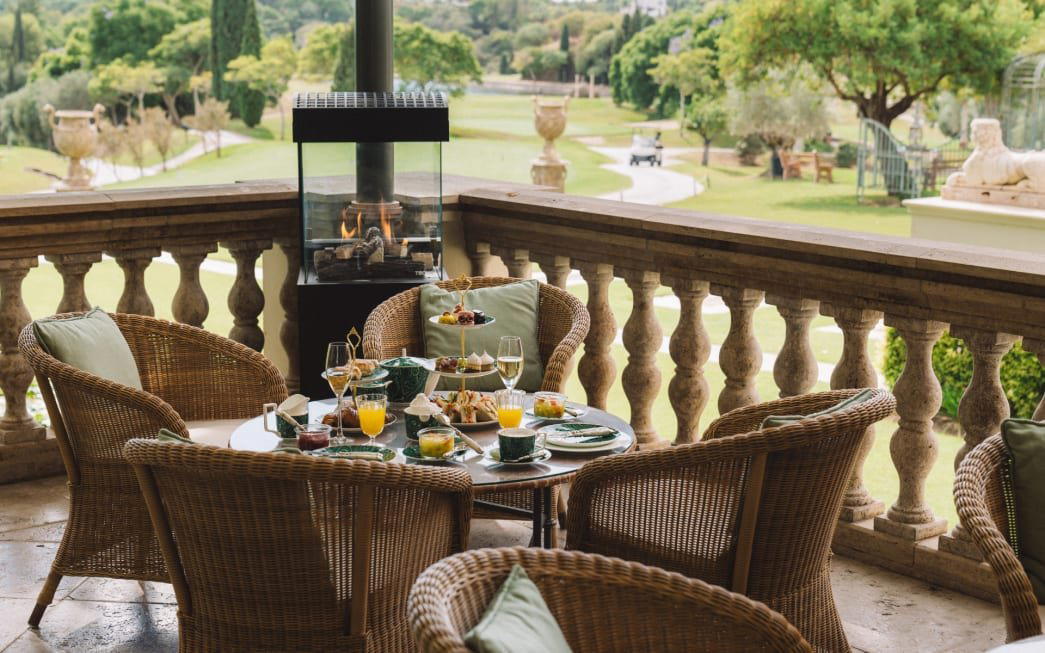
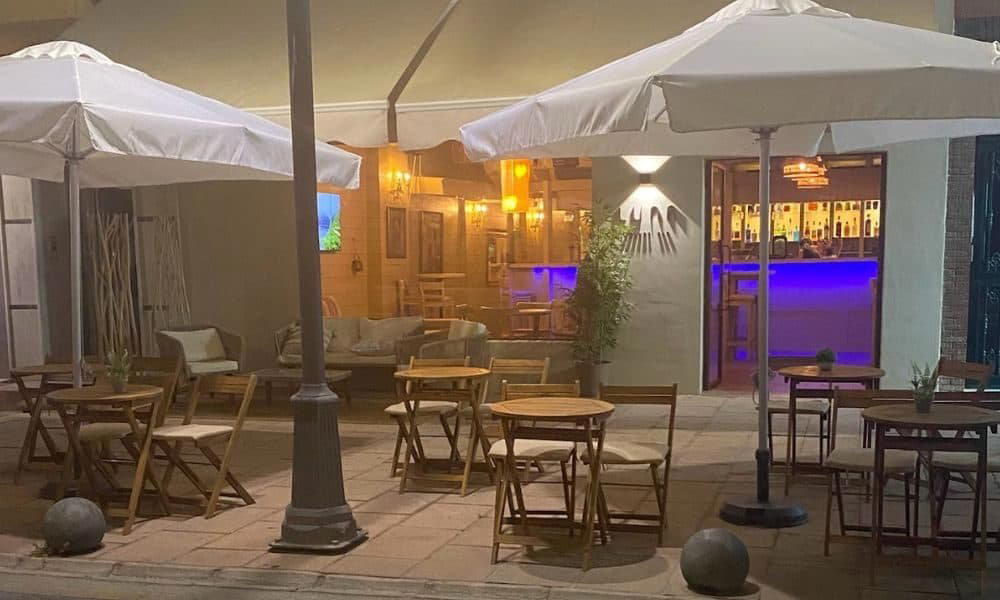
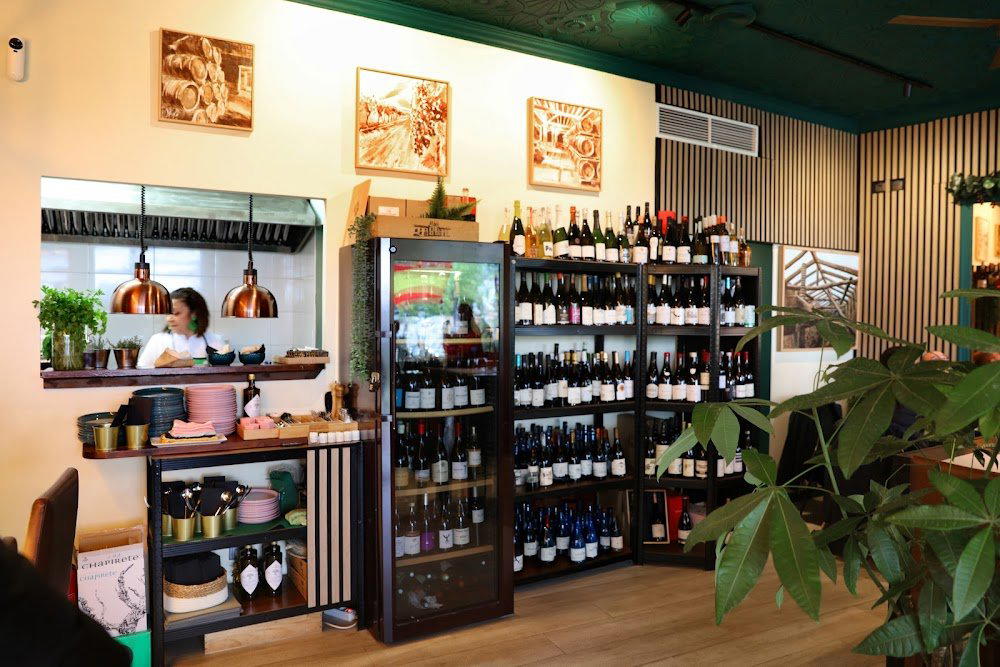
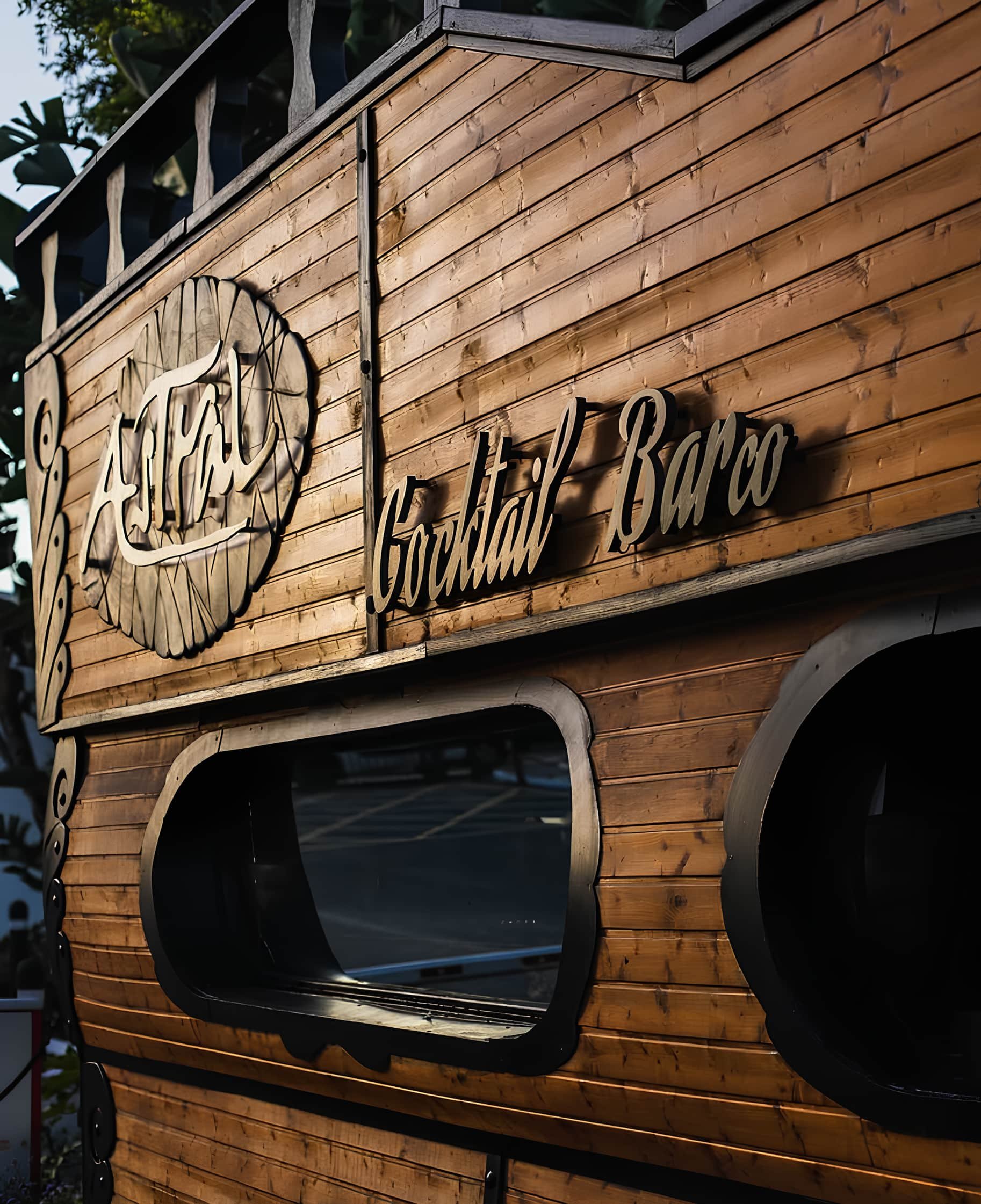
Hotels in Estepona
Browse all →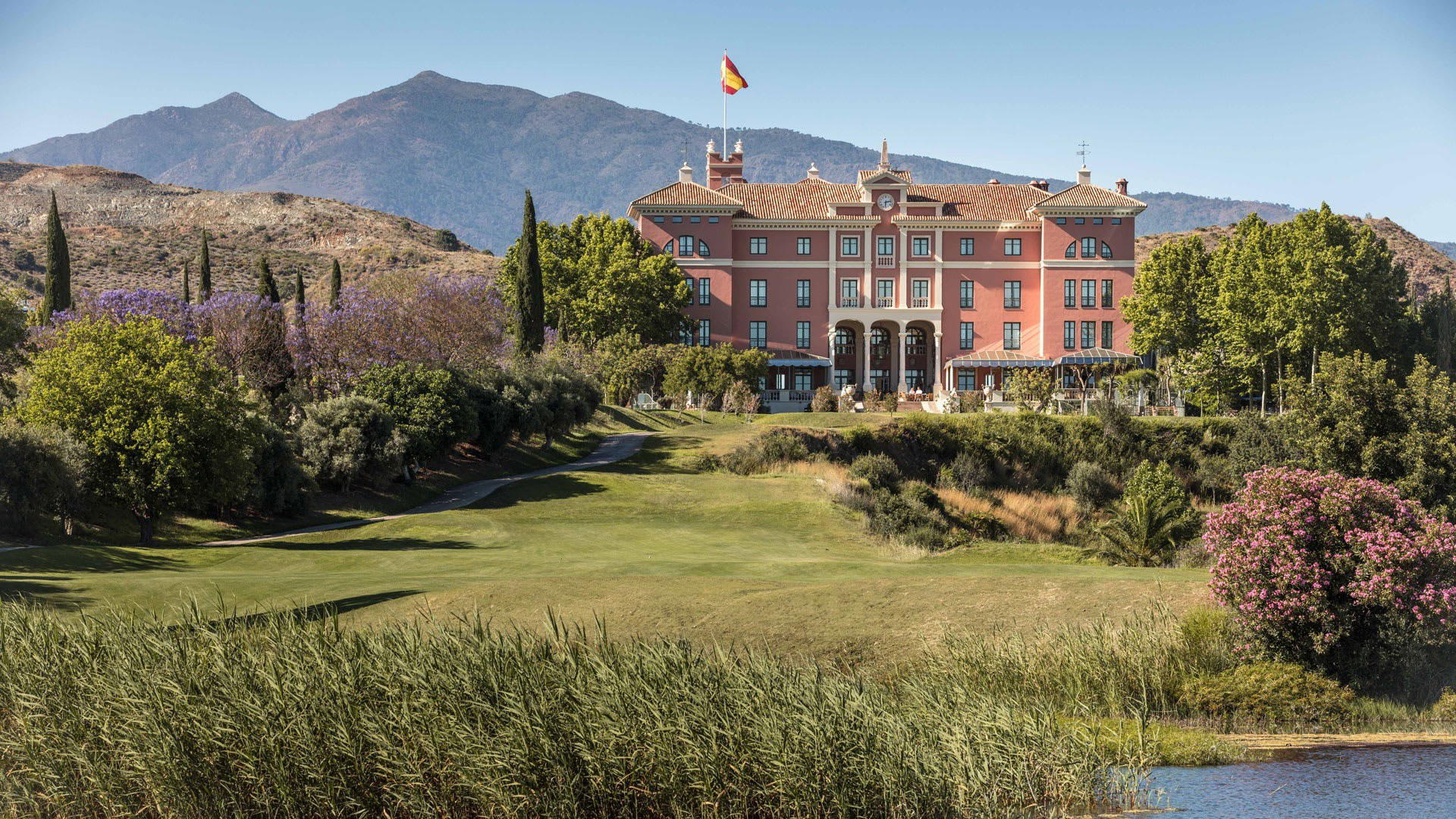

Details
- Scenic
- Elegant
- Romantic
- Lively
- Cozy
- Date Night
- Family
- Group Dining
- Celebration
- Special Occasion
- Brunch
- Private Event
- Garden
- Terrace
- Live Music
- Private Dining
- Hotel Restaurant
- Garden
- A La Carte
- Set Menu
Current opening hours
- Monday
- 9 AM–9 PM
- Tuesday
- 9 AM–9 PM
- Wednesday
- 9 AM–9 PM
- Thursday
- 9 AM–9 PM
- Friday
- 9 AM–9 PM
- Saturday
- 10 AM–8 PM
- Sunday
- 10 AM–8 PM
Hours can change for holidays and private events. Last verified .
Warm, relaxed country-club atmosphere in a tranquil setting overlooking the golf course, with a welcoming feel suited to couples, families and groups.