Eight at Gazegill by Doug Crampton

Michelin Plate
Our verdict
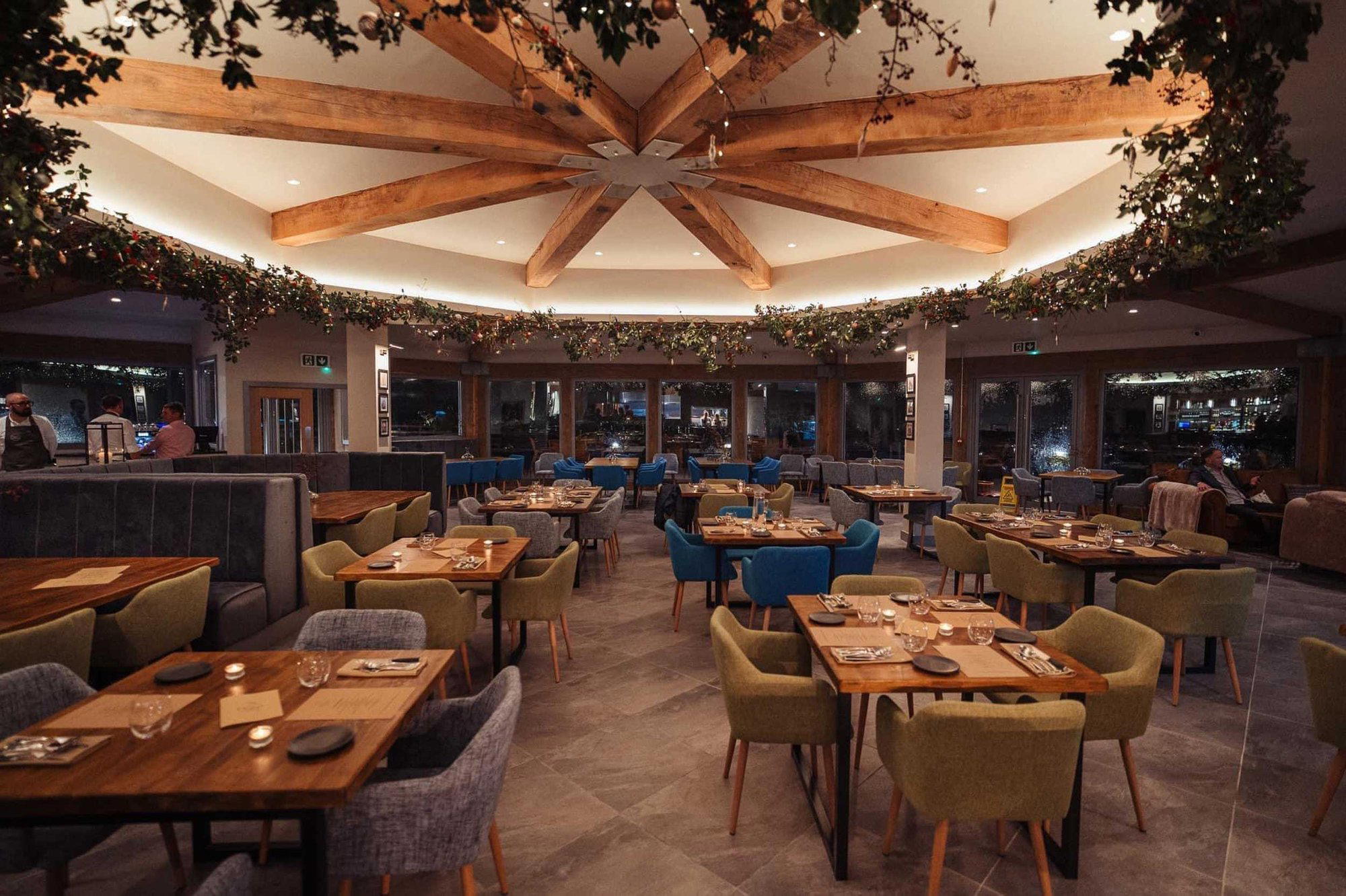
Eight at Gazegill sits on a working organic farm outside Clitheroe, where the distance between field and plate is measured in metres rather than miles. The restaurant's bright, modern interior looks out across grazing land toward Pendle Hill, and the cooking draws heavily on home-reared beef and farm-grown produce. The Sunday roast, built around that same beef, has become the anchor dish for a reason.

Pearl is the En Primeur Club membership app — saves, bookings, and concierge access live there. Same editors, same standards.
- Address
- Eight at Gazegill, Gazegill Organics, Dancer Ln, Clitheroe BB7 4EE, United Kingdom
- Phone
- +44 1200 445519
- Hours
- Mon–Wed ClosedThu 12–7 PMFri 12–8:30 PMSat 10 AM–8:30 PMSun 12–4:30 PM
- Website
- eightatgazegill.co.uk
- Directions
- Get directions
- Booking
- Book on OpenTable
The menu
What to order
- Sunday roast
- Tasting menu
- Home-reared beef
Down a Single-Track Road in the Lancashire Countryside
The approach matters here. Dancer Lane narrows as you leave Rimington behind, and the route into Eight at Gazegill takes you through the working yards of Gazegill Organics Farm before it delivers you to the restaurant door. That sequence is not incidental. It tells you, before you have sat down or ordered a drink, that this is a place where the provenance of the food is not a marketing footnote but a physical fact you can observe on arrival. The farm is the supply chain, and you pass through it on the way in.
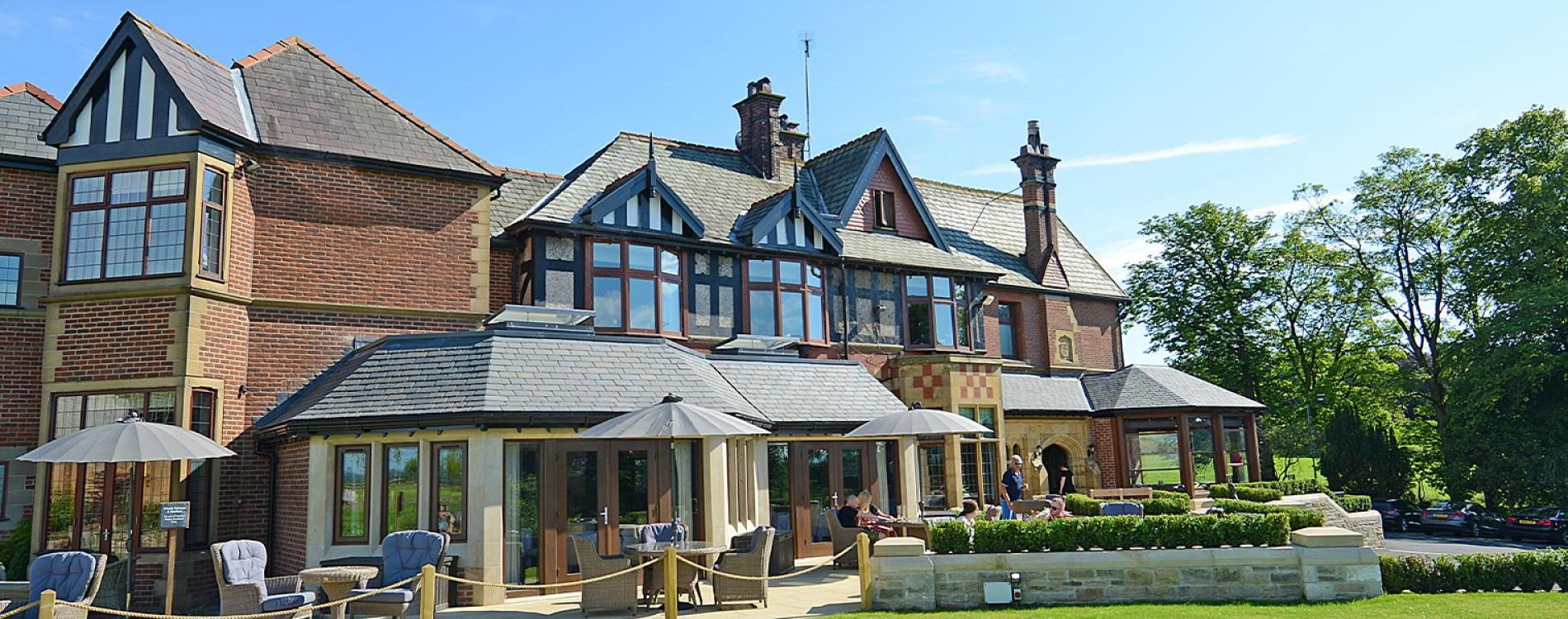
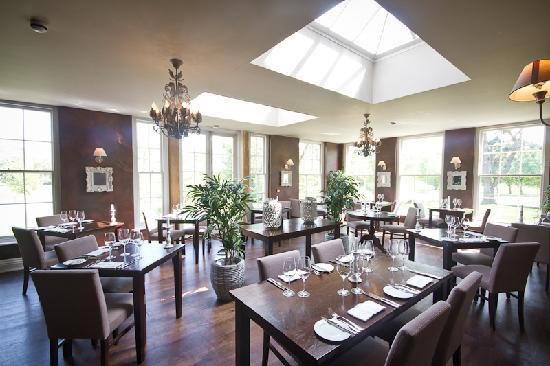
The building itself reads as a deliberate counterpoint to its surroundings. Where the lane and the farmyard are old Lancashire stone and weathered timber, the restaurant interior is bright, contemporary and colourful, with windows positioned to frame views across the fields toward Pendle Hill. It is a setting that works in both directions: the light and colour inside, the working pastoral landscape outside. The contrast sharpens your attention toward what arrives on the plate.
Field-to-Fork as Operating Principle, Not Branding
Phrase field-to-fork has been stretched so thin by overuse that it now functions more as aspiration than description for most venues. At Gazegill, the geography makes it a literal statement. The organic farm that surrounds the restaurant raises its own beef cattle, and that home-reared beef is the foundation of the cooking. In the broader context of British farm-to-table dining, this kind of vertical integration, where a single site controls both the rearing and the cooking, represents a more committed position than most establishments can claim.
Across the country, the farm-to-table spectrum runs from restaurants with genuine agricultural partners to those with a seasonal section on an otherwise conventional menu. Eight at Gazegill sits at the committed end of that spectrum. The kitchen does not need to source its headline protein elsewhere or negotiate with third-party suppliers for its primary ingredient. What Gazegill Organics raises is what Doug Crampton cooks. That proximity produces a different kind of cooking discipline: when the raw material is this close and this specific, the job of the kitchen is not to obscure or transform but to present it honestly.
This approach shares philosophical ground with a number of the British Isles' more serious rural restaurants, places like L'Enclume in Cartmel and Moor Hall in Aughton, where the relationship between kitchen and land is structural rather than decorative. Those venues operate at a different price and formality tier, but the underlying argument about sourcing is the same: the quality of the ingredient, raised with care on known land, carries more weight than technical intervention.
The Sunday Roast and What It Represents
In Lancashire, as across the North of England, the Sunday roast occupies a specific cultural position. It is not simply a dish; it is a weekly ritual with strong expectations attached. Beef is central to that ritual, and the version at Eight at Gazegill draws on home-reared cattle from the farm on the same site. When the primary protein has been raised and finished on the land visible from the dining room windows, the Sunday roast stops being a conventional menu category and becomes something closer to an argument about why sourcing matters.
The Sunday roast is the dish that most directly translates the farm's work into something on the table. For visitors making a single trip, it represents the clearest expression of what Eight at Gazegill is actually doing. It is worth planning a visit accordingly.
Where This Sits in the Broader Dining Scene
Lancashire's restaurant scene has always been shaped by its agricultural character. The county produces strong dairy, lamb, and beef, and the cooking that draws on those materials honestly tends to outlast the trends that move through urban dining at higher velocity. Eight at Gazegill belongs to a tradition of rural British restaurants where the story of the food begins before the kitchen, in the fields and yards that supply it.
The wider British fine dining conversation is anchored in urban venues, from CORE by Clare Smyth in London and The Fat Duck in Bray to Midsummer House in Cambridge and Opheem in Birmingham. Internationally, the same concentration applies, whether at Le Bernardin in New York City or Atomix in New York City. Rural venues that attract serious attention do so by anchoring their cooking in the specificity of their location. Gidleigh Park in Chagford has done it on Dartmoor; Restaurant Andrew Fairlie in Auchterarder does it in Perthshire. Eight at Gazegill makes the same case in the Ribble Valley, with the advantage that the farm is not a nearby supplier but the actual ground on which the restaurant stands.
Other rural British restaurants in the broader comparison set, including Hand and Flowers in Marlow, hide and fox in Saltwood, and Le Manoir aux Quat' Saisons in Great Milton, each locate their identity in a specific relationship between landscape and kitchen. At Gazegill, that relationship is compressed to an unusually short distance.
Planning a Visit
Eight at Gazegill is located at Gazegill Organics, Dancer Lane, Clitheroe, BB7 4EE. The address places it in the Ribble Valley, south of the Forest of Bowland, a stretch of Lancashire that sees less through-traffic than the Peak District to the south or the Lake District to the north. Getting there requires a car; the lane approaching the farm is single-track, so the drive calls for some attention. Clitheroe is the nearest town of any size, with direct rail connections from Manchester Victoria running roughly every hour, making a lunch visit manageable from the city without an overnight stay.
For those extending a trip into the area, the Ribble Valley rewards exploration. The Rimington, [](), and experiences guide round out the picture for a longer visit to the valley.
Frequently asked questions
Is Eight at Gazegill by Doug Crampton suitable for children?
The combination of a working farm setting and a Sunday roast built around home-reared beef gives Eight at Gazegill an accessible quality that translates well for families with children. The countryside surroundings on Dancer Lane, Clitheroe, add an element of novelty for younger visitors, and the wholesome, recognisable format of the cooking is less likely to present obstacles than a tasting-menu-only format would.
Is Eight at Gazegill by Doug Crampton better for a quiet night or a lively one?
Eight at Gazegill suits an unhurried visit over a high-energy one. The restaurant sits within a working farm off a single-track road outside Rimington, and the approach alone signals the pace: this is a destination you drive to with purpose, not somewhere you drift into. The views across the fields to Pendle Hill reinforce the deliberate, grounded character of the place.
What's the signature dish at Eight at Gazegill by Doug Crampton?
The home-reared beef is the defining ingredient at Gazegill, raised on the family farm that surrounds the restaurant on Dancer Lane. The Sunday roast is the dish that most directly expresses this: the beef travels yards rather than miles to the kitchen, which is a claim most venues advertising field-to-fork credentials cannot make with the same literalness.
Where exactly is Eight at Gazegill by Doug Crampton?
Eight at Gazegill by Doug Crampton is located at Eight at Gazegill, Gazegill Organics, Dancer Ln, Clitheroe BB7 4EE, United Kingdom, Rimington.
Side-by-Side Snapshot
Comparable venues nearby, for context on price, style, and recognition.
| Venue | Cuisine | Price | Awards | Notes |
|---|---|---|---|---|
| Eight at Gazegill by Doug CramptonThis venue — the venue you are viewing | Modern British Farm-to-Fork | $50–100 | Michelin Plate | Not listed |
| Freemasons | Creative British Gastropub | Not listed | Michelin Plate · AA Rosettes 3 Rosettes | Wiswell |
| Punch Bowl Inn | Traditional British Gastropub | $30–50 | Michelin Plate · The Good Food Guide GFG Good | Lyth Valley |
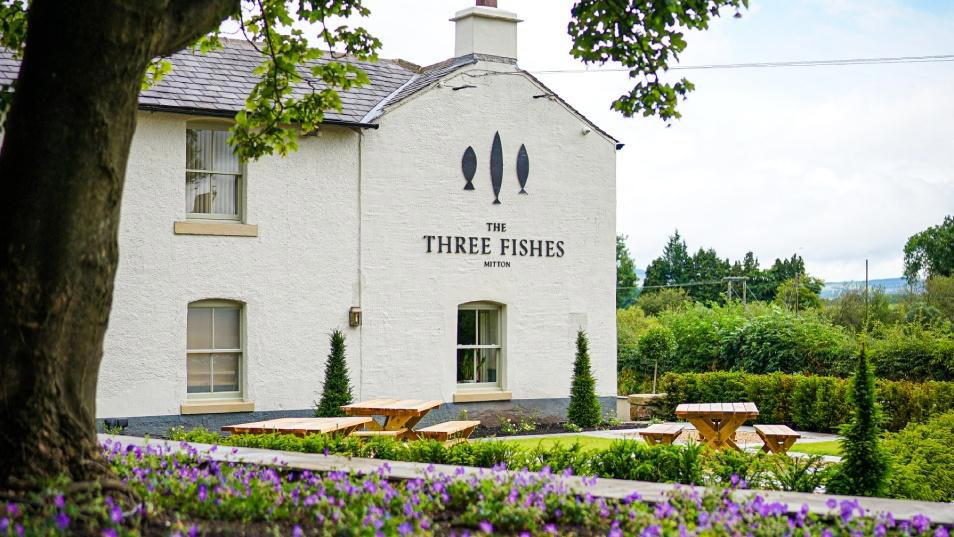
| The Three Fishes | Lancashire Farm-to-Fork Gastropub | $50–100 | Michelin Plate · The Good Food Guide GFG Good | Great Mitton |
| Shibden Mill Inn | Modern British Gastropub | $50–100 | Michelin Plate | Shibden Valley |
| Sticky Walnut | Modern British Bistro | $30–50 | The Good Food Guide GFG Good | Hoole |
Recognition history
Dated appearances from independent guides and award organizations, with the underlying list record or original source where available.
Michelin Plate
Michelin
Continue exploring
More in Rimington
Restaurants in Rimington
Browse all →

Bars in Rimington
Browse all →
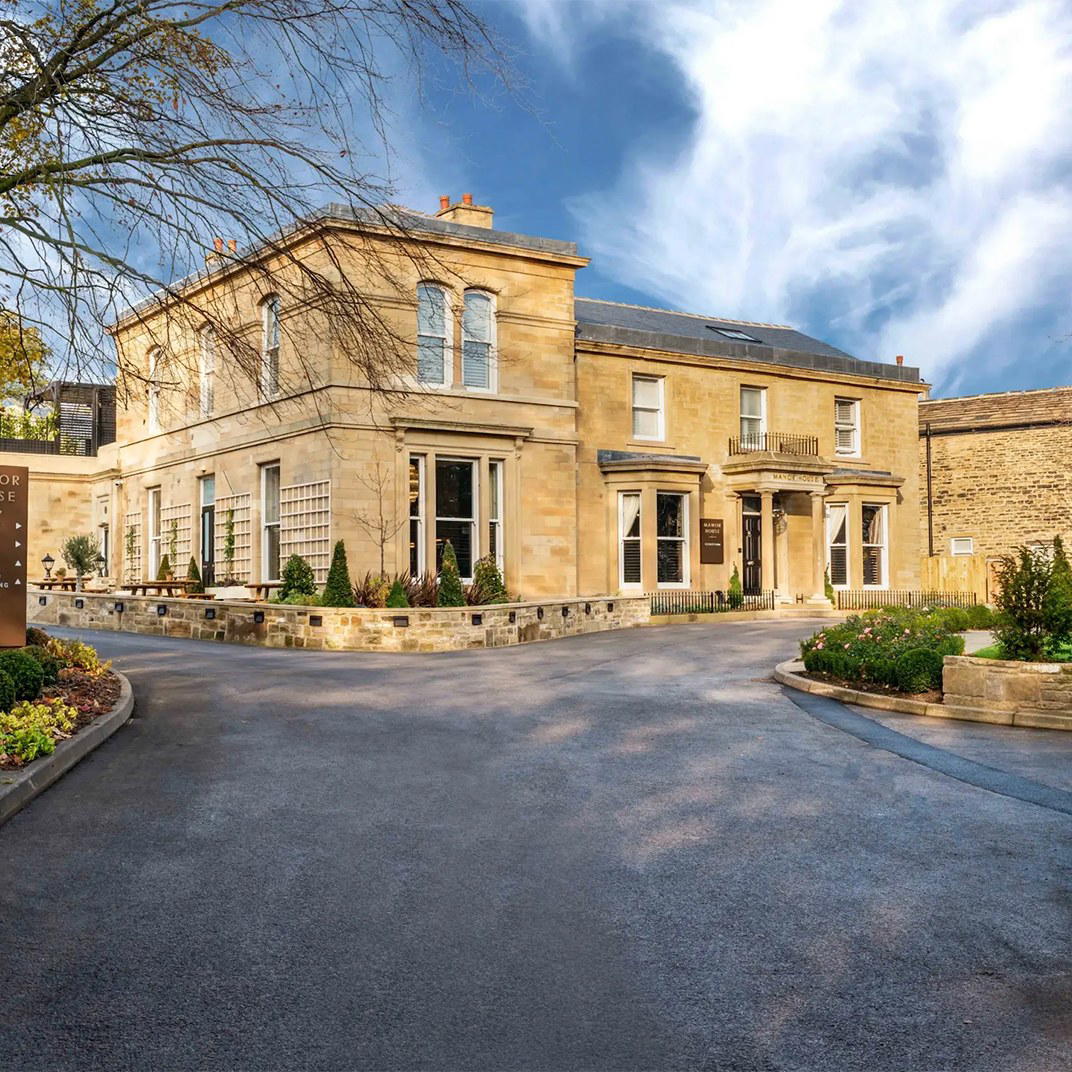
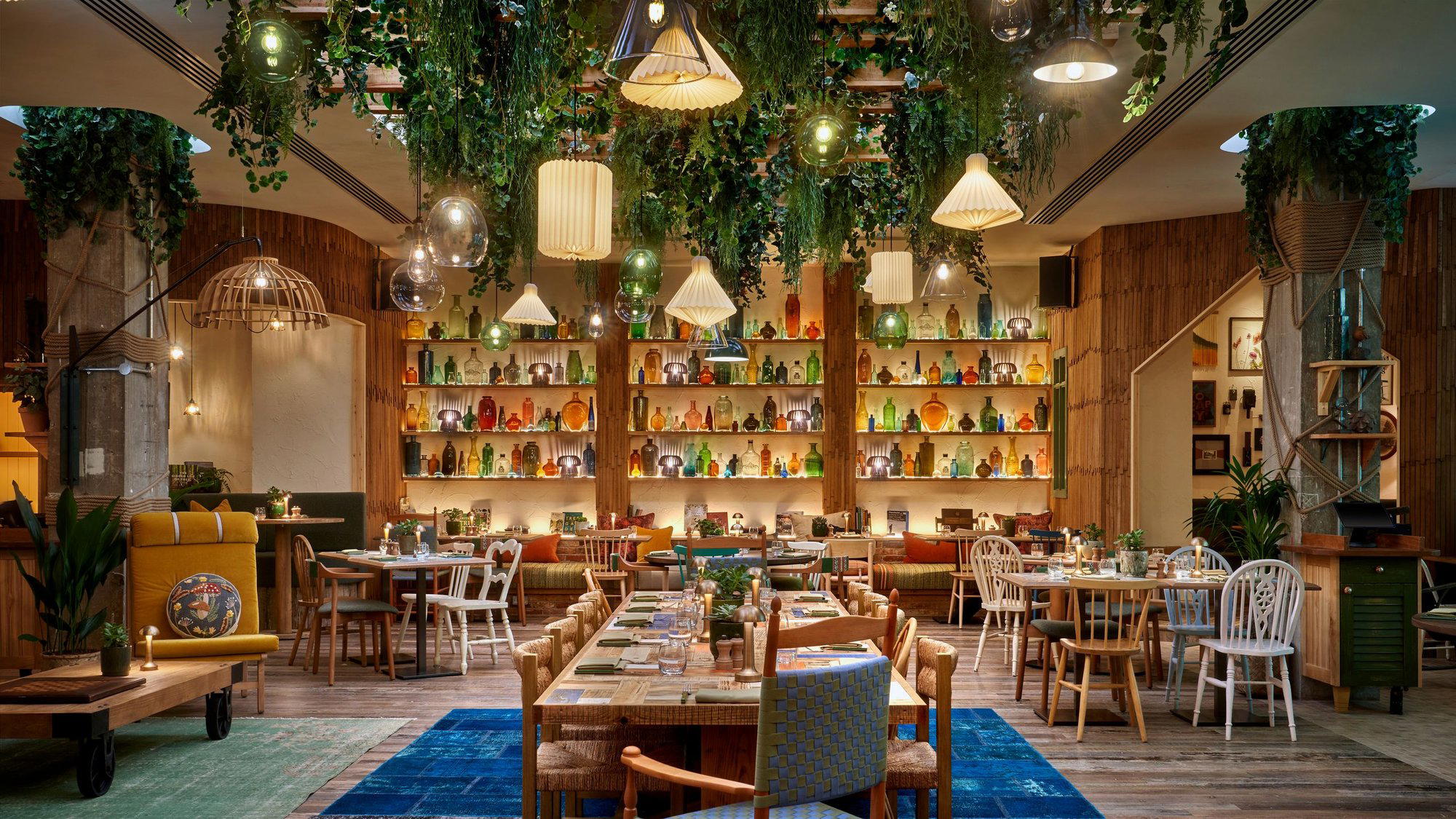
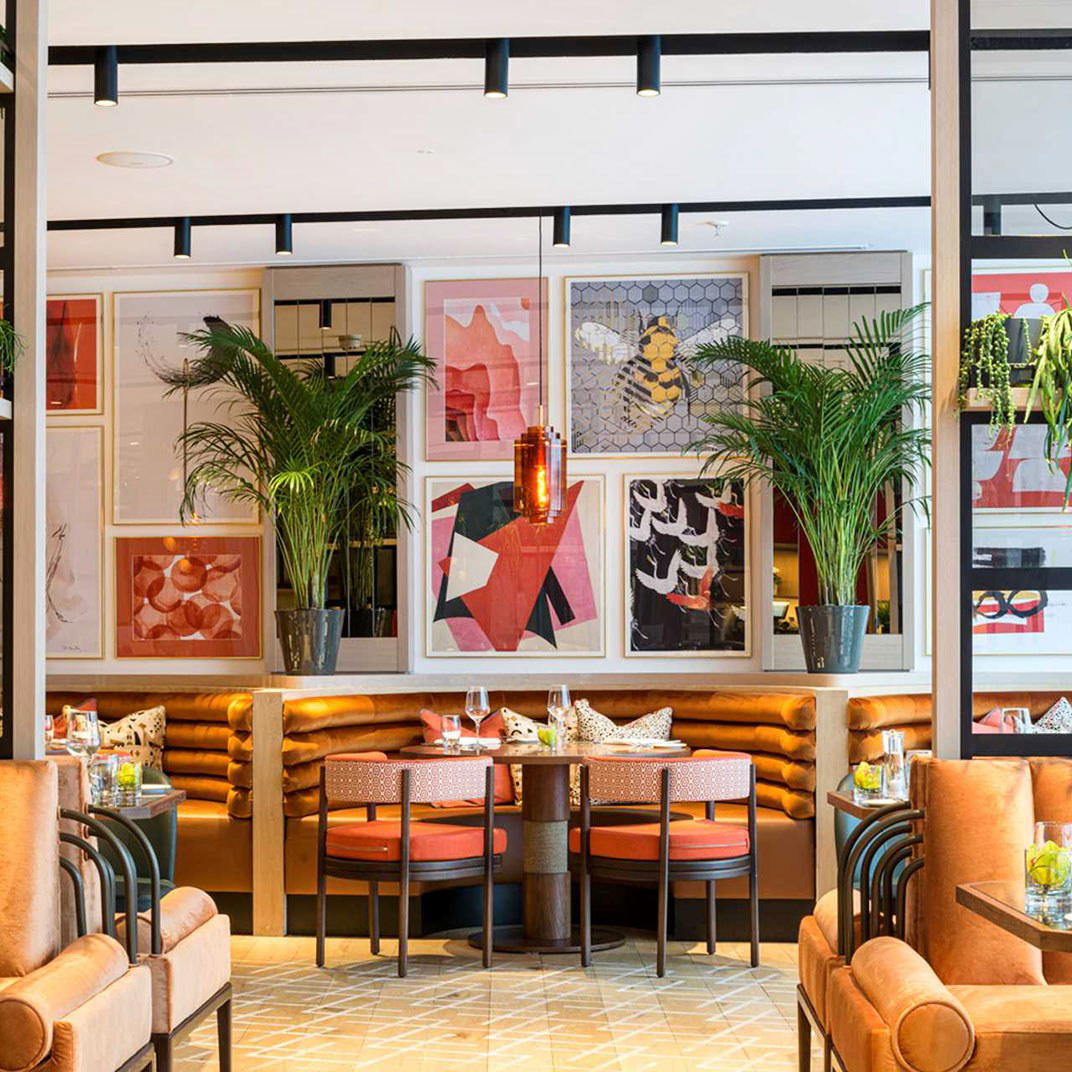
Eight at Gazegill by Doug Crampton
The wine
- Wine program
- Curated wine list
- Extensive wine list
Details
- Scenic
- Cozy
- Elegant
- Rustic
- Intimate
- Date Night
- Special Occasion
- Family
- Celebration
- Open Kitchen
- Standalone
- Historic Building
- Extensive Wine List
- Farm To Table
- Organic
- Local Sourcing
- Garden
- Mountain
- Tasting Menu
- A La Carte
- Set Menu
- Vegetarian Friendly
Current opening hours
- Monday
- Closed
- Tuesday
- Closed
- Wednesday
- Closed
- Thursday
- 12–7 PM
- Friday
- 12–8:30 PM
- Saturday
- 10 AM–8:30 PM
- Sunday
- 12–4:30 PM
Hours can change for holidays and private events. Last verified .
Light and airy modern interior with far-reaching views over rolling countryside, calm and relaxed atmosphere.