Eetcafe de Gadri
On Zeelandiaweg in central Paramaribo, Eetcafe de Gadri occupies a position where Surinamese everyday dining culture plays out in an accessible, neighbourhood-anchored format. The eetcafe tradition in the Dutch-influenced Caribbean context sits between a brown cafe and a casual diner, making it a practical entry point for visitors mapping the city's food scene across its Creole, Javanese, and Hindustani registers.
 Discover on Pearl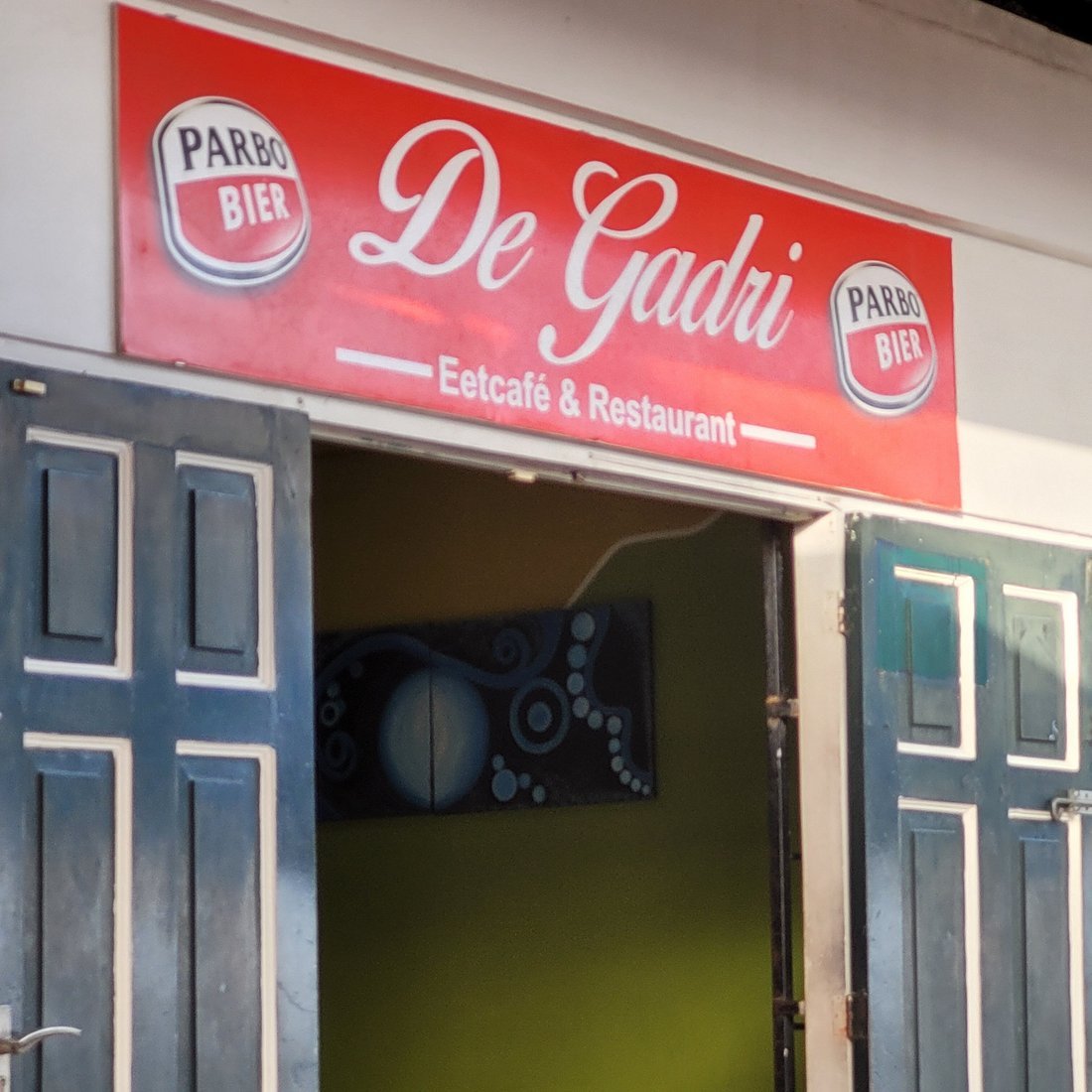
Where Paramaribo Eats Without Ceremony
Paramaribo's dining culture is defined less by formal restaurant hierarchies than by the layered coexistence of Creole, Javanese, Hindustani, and Chinese culinary traditions operating side by side on the same city block. The eetcafe format, a Dutch colonial inheritance meaning roughly 'eating cafe', is the civic glue between those traditions: a casual, drink-and-eat format that never pretends to be a restaurant but consistently anchors a neighbourhood. Eetcafe de Gadri, located at Zeelandiaweg 1, sits within that tradition, positioned along one of central Paramaribo's main arteries in the kind of address that functions as a crossroads rather than a destination.
To understand what this venue represents, it helps to understand what Paramaribo is as a dining city. Suriname's capital carries a food culture that has no direct equivalent elsewhere in South America. Its history as a Dutch colony drawing labour from West Africa, Java, India, and China produced a kitchen that blends roti flatbreads with pom, a Creole dish of chicken and grated tayer root baked together, with Javanese saoto soup and Chinese-influenced noodle preparations all existing within a few blocks of each other. The eetcafe sits at the bottom of this system, unpretentious by design, where those traditions blend into everyday eating rather than aspirational cuisine.
The shortlist, unlocked.
Hard-to-book tables, cellar releases, and concierge-planned trips.
Get Exclusive Access →The Eetcafe Tradition in a Colonial City
The eetcafe as a format arrived in Suriname through Dutch colonial administrative culture, but it absorbed the local food system thoroughly enough that what emerges bears little resemblance to its Amsterdam counterpart. Where a Dutch brown cafe serves bitterballen and jenever, a Paramaribo eetcafe is more likely to carry a menu that reflects the city's Creole and Javanese majority while accommodating the Hindustani roti culture that runs through much of the country's street food. This is the context into which Eetcafe de Gadri fits: not a fine-dining address, not a heritage preservation project, but a neighbourhood eating format that matters precisely because it is ordinary.
For visitors accustomed to framing their restaurant choices around Michelin recognition or structured tasting menus, the reference points are different here. Operations like Le Bernardin in New York City, Atomix in New York City, or HAJIME in Osaka operate in formal award ecosystems where credentials are traceable and peer comparisons are published. Waterside Inn in Bray and Piazza Duomo in Alba belong to dining cultures with centuries of codified technique behind them. Paramaribo doesn't operate in that system, and the eetcafe format is in part a rejection of it: no tasting menu, no tableside theatre, no sommelier. The value is in the directness.
Surinamese Cuisine and Its Culinary Registers
What makes Suriname's food culture worth understanding at this level of detail is that it is genuinely plural rather than hybrid. These are not fusion dishes invented to appeal to tourists; they are parallel culinary traditions that have coexisted for generations and inform each other without merging. Pom is Sephardic-influenced through the Portuguese Jewish community that arrived in the 17th century and adapted to tropical ingredients. Roti in Suriname follows the Hindustani tradition brought by indentured labourers from Bihar and Uttar Pradesh, filled with chicken curry or curried potatoes and aloo. Javanese-Surinamese cooking draws on the same labour migration from Indonesia and produces dishes like bami goreng and nasi goreng prepared with distinctly Surinamese spice inflections. An eetcafe format that sits across these traditions is not making a curatorial choice so much as reflecting the demographic reality of who walks through the door.
The Zeelandiaweg address places the venue in a part of Paramaribo where the colonial-era wooden architecture of the inner city gives way to more functional urban fabric. Zeelandia, as a place name, references Fort Zeelandia, the 17th-century Dutch fortification that still stands along the Suriname River and now houses the country's historical museum. Proximity to that kind of civic geography means foot traffic that mixes local workers with the occasional tourist, which shapes what an eetcafe in that spot is expected to do: feed people efficiently, at accessible prices, without asking them to perform any particular dining ritual.
Reading Paramaribo's Restaurant Scene
Paramaribo's restaurant tier above the eetcafe format is represented by places like Chi Min and Garden of Eden, which operate in more structured formats within the city. Lee's Korean represents the kind of international cuisine import that any capital city accumulates over time. These are different registers of the same city's eating culture, and the eetcafe sits at the accessible end of that spectrum deliberately. For a fuller map of how those tiers interact, the full Paramaribo restaurants guide provides the most complete picture of how the city's cuisines are distributed across price points and formats.
For comparison, cities with similarly layered colonial food cultures, like New Orleans with its Creole-French-African matrix at venues such as Emeril's, or coastal Italy's seafood-forward cooking at places like Uliassi in Senigallia and Quattro Passi in Marina del Cantone, tend to produce both high-end expressions and deeply rooted everyday formats. Paramaribo is no different; it simply lacks the international restaurant press infrastructure that those cities attract. The eetcafe category is the informal sector that keeps the food culture alive between the more photographed addresses.
Planning Your Visit
Eetcafe de Gadri is on Zeelandiaweg 1, close to the Fort Zeelandia area, which makes it walkable from much of central Paramaribo's historic core. Eetcafes in this format typically operate across lunch and early dinner hours rather than late into the evening, though specific opening hours for this venue are not published in available sources and are leading confirmed locally or on arrival. Pricing at this category level in Paramaribo is low by any international benchmark, with meals in the eetcafe format generally costing well under USD 10 per person including a drink. No booking infrastructure is referenced for this venue, and walk-in access is standard for the format. Parallel options for visitors mapping the city's cuisine more broadly include Lazy Bear in San Francisco as a reference for how a completely different city's communal-format dining operates, and European benchmark addresses like Reale in Castel di Sangro, Dal Pescatore in Runate, Le Calandre in Rubano, Atelier Moessmer Norbert Niederkofler in Brunico, and Quique Dacosta in Dénia illustrate how award-structured systems work in contrast to Paramaribo's informal food culture.
Frequently Asked Questions
- Is Eetcafe de Gadri suitable for children?
- The eetcafe format in Paramaribo is generally family-oriented and operates without the formality that makes some dining environments uncomfortable for younger guests. At the accessible price points typical of this category in Suriname, a family meal here represents a low-stakes, practical choice. As with most casual neighbourhood venues in the city, there are no dress requirements or booking formalities that would complicate a family visit.
- What's the vibe at Eetcafe de Gadri?
- Eetcafes in Paramaribo function as neighbourhood anchors rather than destination restaurants. The atmosphere at this category level is casual and functional: locals eating between tasks, workers on a lunch break, the occasional visitor who has stepped away from the Fort Zeelandia tourist circuit. There are no awards or formal recognition attached to this venue; the draw is the everyday character of a city whose food culture rarely performs for an outside audience.
- What should I eat at Eetcafe de Gadri?
- Surinamese eetcafes typically carry dishes drawn from the city's dominant culinary traditions: Creole preparations, Javanese rice and noodle dishes, and roti from the Hindustani tradition. Without confirmed menu data for this specific venue, the safest approach is to follow what the kitchen is making that day rather than arriving with a fixed expectation. The format rewards flexibility: order what the person next to you is eating, and the cuisine's logic becomes clearer than any description.
- Where does Eetcafe de Gadri sit within Paramaribo's broader food culture?
- The Zeelandiaweg address places it within the older, civic-adjacent part of central Paramaribo, near the Fort Zeelandia historical site. Within the city's restaurant hierarchy, the eetcafe format operates below the structured restaurant tier represented by places like Chi Min or Garden of Eden, serving as an accessible, walk-in format that reflects Suriname's multicultural food heritage without framing it as a cultural exhibition. It is where the city eats rather than where it performs eating for visitors.
Price Lens
These are the closest comparables we have in our database for quick context.
| Venue | Price | Awards | Notes |
|---|---|---|---|
| Eetcafe de Gadri | This venue | ||
| Chi Min | |||
| Garden of Eden | |||
| Lee's Korean |
Need a table?
Our members enjoy priority alerts and concierge-led booking support for the world's most difficult tables.
Get Exclusive AccessThe shortlist, unlocked.
Hard-to-book tables, cellar releases, and concierge-planned trips.
Get Exclusive Access →