Edo Zushi
Japanese Dining in the Vale do Paraíba: Where Sushi Lands in São José dos Campos São José dos Campos occupies an unusual position in Brazil's culinary geography. As the technological and industrial anchor of the Vale do Paraíba corridor between...
Pearl is the En Primeur Club membership app — saves, bookings, and concierge access live there. Same editors, same standards.
- Address
- Av. Barão do Rio Branco, 421 - Jardim Esplanada, São José dos Campos - SP, 12242-690, Brazil
- Phone
- +5512988682233
- Website
- edozushi.com.br
- Directions
- Get directions
 Saves & bookings on Pearl
Japanese Dining in the Vale do Paraíba: Where Sushi Lands in São José dos Campos
Edo Zushi is a Japanese restaurant in São José dos Campos, Brazil, serving Premium Traditional Japanese Sushi & Sashimi. São José dos Campos occupies an unusual position in Brazil's culinary geography. As the technological and industrial anchor of the Vale do Paraíba corridor between São Paulo and Rio de Janeiro, the city has cultivated a restaurant scene that reflects its demographic: engineering professionals, aerospace workers from Embraer's campus, and a significant Nikkei community whose presence in the region stretches back generations. That last detail matters considerably when assessing Japanese cuisine here. Brazilian-Japanese cooking is not an import or a trend in this part of the country, it is a settled tradition, with sushi and sashimi as embedded in the local dining vocabulary as churrasco or feijoada.
Edo Zushi, located on Av. Barão do Rio Branco in the Jardim Esplanada district, operates inside this tradition. The Barão do Rio Branco axis is one of the city's established commercial corridors, a stretch that combines service businesses with neighbourhood-facing restaurants. Arriving on foot from the central zones, the street moves at a different pace than the tech parks to the north, this is a district oriented toward regular, returning clientele rather than destination traffic.
The Cultural Architecture of Japanese Cuisine in Brazil
To understand any Japanese restaurant in Brazil, it helps to understand how the cuisine arrived and adapted. Japan sent its first large wave of immigrants to São Paulo state in 1908, and by the mid-twentieth century, Nikkei communities had reshaped the country's relationship with rice, fish, and fermentation. São Paulo city hosts the largest Japanese diaspora outside Japan; the interior cities of São Paulo state, including São José dos Campos, developed their own nodes of that community. What emerged over the following decades was a Brazilian interpretation of Japanese food, sometimes faithful to Edomae technique, sometimes hybridised into the kind of hot rolls and cream cheese variations that now define casual sushi across the country.
That bifurcation defines the competitive split in most Brazilian cities today. On one side sit the traditional counters, where the sourcing logic and knife discipline remain close to the Japanese model, and where restraint rather than abundance is the point. On the other sit the rodízio-style Japanese houses, where volume, variety, and price-per-head are the draw. Cities like São Paulo have both at high density, places like D.O.M. in São Paulo represent the apex of fine dining ambition, while Oteque in Rio de Janeiro shows how technical precision shapes premium restaurants in Brazilian metros. São José dos Campos, at a smaller scale, contains versions of both categories.
Edo Zushi holds a position in that local ecosystem, serving a neighbourhood on Barão do Rio Branco where the expectation is consistency and value over occasion-dining ambition. The name itself signals intent: Edo is the historical name for Tokyo, the origin point of Edomae sushi, the style defined by hand-pressed nigiri, seasoned rice, and precisely sourced fish, developed in the Edo period when Tokyo Bay supplied the protein directly to counter masters. Invoking that lineage, even informally through a name, places the restaurant in a specific part of the genre's history.
The Sushi Counter Tradition and What It Asks of a City
Sushi, in its most reduced form, is a demanding format. The ingredient list is short and the margin for error is correspondingly narrow. A nigiri counter reveals its sourcing standards almost immediately: rice temperature and seasoning, fish texture, the ratio of fish to rice, and the skill of the hand that presses each piece are all visible within the first few bites. For diners trained on volume-led rodízio houses, this can feel sparse. For those who have eaten at precision counters in São Paulo or at international references like Le Bernardin in New York City, the same restraint reads as discipline.
In São José dos Campos, the dining public covers both reference points. The city's cosmopolitan professional class, many of whom travel frequently for work, brings international expectations into local restaurants. That creates pressure on neighbourhood sushi houses to execute beyond the minimum, to think about rice quality, fish freshness logistics, and knife work seriously, even without the volume of a metro market to subsidise premium sourcing. Restaurants in smaller Brazilian cities that do this well tend to develop loyal regular bases who return weekly rather than occasionally. That regularity, more than any award or review, is the metric that sustains a neighbourhood sushi counter.
Placing Edo Zushi in the São José dos Campos Restaurant Scene
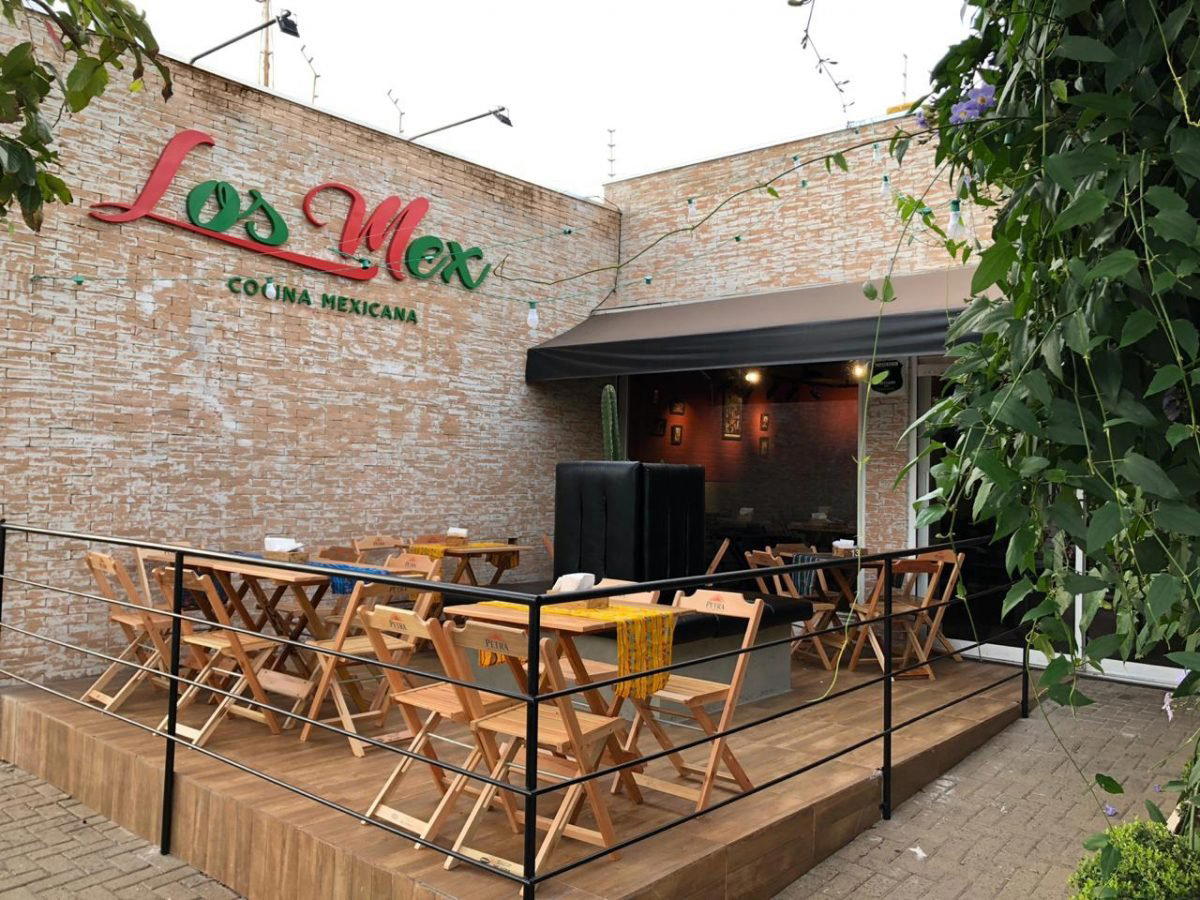
The Jardim Esplanada address puts the restaurant in a part of the city that houses a range of restaurant styles. The broader São José dos Campos dining scene includes formats as varied as Burger Time, KRSNA Soul Food Restaurante Indiano, Le Quintal Vip Gourmet Club, Los Mex Comida Mexicana, and Osteria Itália, a cross-section that reflects a city comfortable with international culinary references without necessarily anchoring itself to any single tradition. Japanese food sits comfortably in that mix, given the regional Nikkei history.
For travellers moving through the São Paulo state interior, the comparison set extends outward. Mina in Campos do Jordão and Olivetto Restaurante E Enoteca in Campinas represent the kind of regional dining ambition that interior São Paulo can sustain. Further out, Manu in Curitiba, Primrose in Gramado, Castelo Saint Andrews in Vale do Bosque, Birosca S2 in Belo Horizonte, Orixás | North Restaurant in Itacaré, State of Espírito Santo in Rio Bananal, and Lazy Bear in San Francisco each show how regional identity and culinary technique intersect at different latitudes. Our full Sao Jose Dos Campos restaurants guide maps the city's complete dining picture for those planning a longer visit.
Planning a Visit
The restaurant is located at Av. Barão do Rio Branco, 421, in the Jardim Esplanada neighbourhood of São José dos Campos. The Barão do Rio Branco corridor is accessible by car with street parking typical of the district, and by local transit from the city centre. The restaurant accepts recommended reservations and follows these hours: Mon: Closed; Tue: 11:30 AM to 2 PM, 6:30 to 10 PM; Wed: 11:30 AM to 2 PM, 6:30 to 10 PM; Thu: 11:30 AM to 2 PM, 6:30 to 10 PM; Fri: 11:30 AM to 2 PM, 6:30 to 10 PM; Sat: 12 to 3 PM, 7 to 10 PM; Sun: 12 to 3 PM. The dress code is smart casual.
Cost and Credentials
Comparable venues nearby, for context on price, style, and recognition.
| Venue | Cuisine | Price | Notes |
|---|---|---|---|
| Edo ZushiThis venue — the venue you are viewing | Not listed | $$$$ | Not listed |
| Restaurante Detroit Steakhouse | Jardim America, American Steakhouse | $$$ | Not listed |
| Los Mex Comida Mexicana | Jardim São Dimas, Authentic Mexican | $$ | Not listed |
| Osteria Itália | Vila Ema, Traditional Italian Trattoria | $$$ | Not listed |
| Le Quintal Vip Gourmet Club | Not listed | $$$ | Jardim das Indústrias, French-Brazilian Fusion Bistro |
| Burger Time | Jd Sao Dimas, Handmade Burgers & Snacks | $$ | Not listed |
Continue exploring
More in Sao Jose Dos Campos
Restaurants in Sao Jose Dos Campos
Browse all →
Hotels in Sao Jose Dos Campos
Browse all →
At a Glance
- Elegant
- Romantic
- Quiet
- Sophisticated
- Date Night
- Business Dinner
- Group Dining
- Special Occasion
- Open Kitchen
- Standalone
- Beer Program
- Sake Program
- Sustainable Seafood
- Local Sourcing
Current opening hours
- Monday
- Closed
- Tuesday
- 11:30 AM–2 PM, 6:30–10 PM
- Wednesday
- 11:30 AM–2 PM, 6:30–10 PM
- Thursday
- 11:30 AM–2 PM, 6:30–10 PM
- Friday
- 11:30 AM–2 PM, 6:30–10 PM
- Saturday
- 12–3 PM, 7–10 PM
- Sunday
- 12–3 PM
Hours can change for holidays and private events. Last verified .
Dimly lit, sophisticated dining room with an impressive marine aquarium dominating the space, Japanese medieval armor, and thematic decor creating an immersive Japanese atmosphere.