Edelweiss sits in Frazione Viceno, a hamlet above the Valle Antigorio in the Piedmontese Alps, where the sourcing logic of mountain cooking, proximity, seasonality, necessity, shapes every plate. The restaurant draws from one of northern Italy's more isolated culinary pockets, where high-altitude ingredients and Val d'Ossola tradition define what arrives on the table. For context on the wider scene, see our full Crodo restaurants guide.
Pearl is the En Primeur Club membership app — saves, bookings, and concierge access live there. Same editors, same standards.
- Address
- Frazione Viceno, 7, 28862 Crodo VB, Italy
- Phone
- +39324618791
- Website
- albergoedelweiss.com
- Directions
- Get directions
 Saves & bookings on Pearl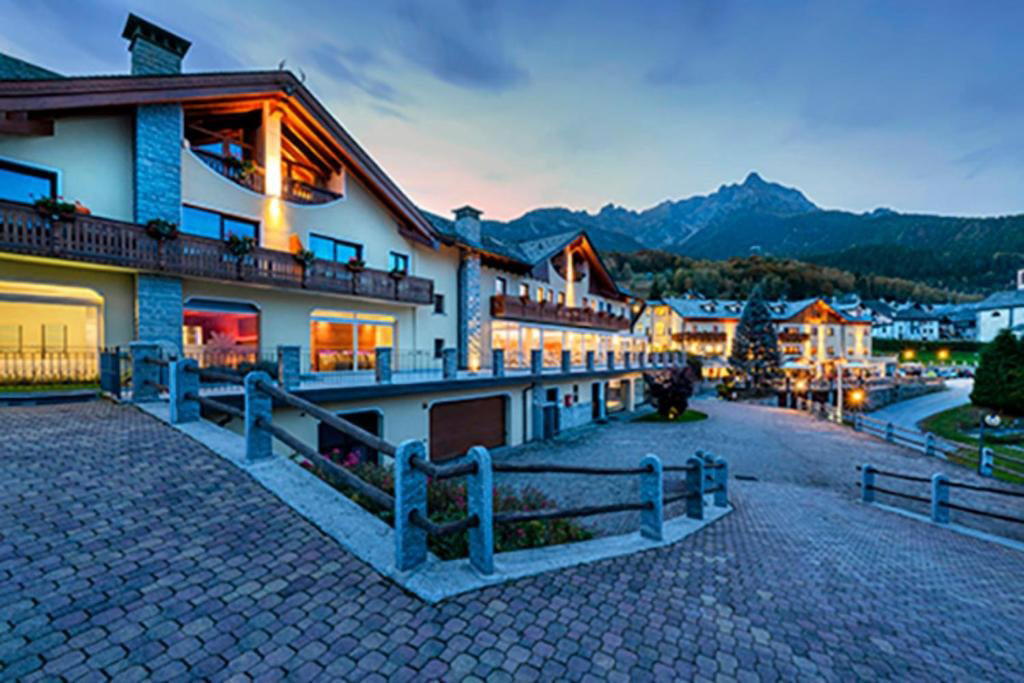
Where the Alps Set the Menu
The Valle Antigorio rises steeply from Crodo toward the Swiss border, and the hamlets that cling to its slopes operate on a different food logic than the lowland towns of Piedmont. In mountain communities like Frazione Viceno, where Edelweiss is located, the distance from major supply chains is not a shortcoming. It is the founding condition of a cooking tradition that pre-dates any contemporary interest in local sourcing. What grows, grazes, or is preserved within reach is what gets cooked. That principle, practiced here by necessity for generations, now reads as a considered editorial stance in the broader conversation about where Italian regional cuisine is going. For a sense of how that conversation plays out at the summit of the market, compare the alpine ingredient discipline at Atelier Moessmer Norbert Niederkofler in Brunico.
The Val d'Ossola, the broader valley system that contains Crodo, has a distinct local food culture in northern Italian gastronomy. Unlike the Langhe, which has been thoroughly mapped by wine tourism and the gravitational pull of Piazza Duomo in Alba, or the Po Valley tradition anchored by Dal Pescatore in Runate, the Ossola valley remains peripheral to most itineraries. That relative obscurity has a practical upside: the food culture here has not been reshaped by outside expectation. The cooking at places like Edelweiss reflects what the valley actually produces rather than what visitors arrive expecting to find.
The Sourcing Logic of High-Altitude Piedmont
Mountain kitchens in this part of northern Italy draw from a specific larder. The terraced slopes of the Antigorio valley support small-scale vegetable cultivation across a short growing season, concentrated in the months when snowmelt provides reliable water and temperatures climb enough for brassicas, root vegetables, and hardy greens. Dairy from the alpine pastures above Crodo feeds a tradition of aged cheeses and fresh curd preparations that vary by altitude and season. Wild forage, mushrooms, herbs, berries, follows an elevation calendar that experienced local cooks read with precision.
Preserved and cured products carry weight in winter, when the valley closes in and fresh supply contracts sharply. This is not a new sustainability narrative; it is the original one, practised in places like Frazione Viceno because geography demanded it. The result, at its leading, is cooking with a strong internal logic: ingredients arrive on the plate in the form that leading suits what the landscape delivered that week. That discipline separates the mountain kitchen from lowland cooking that can reach for almost anything at any time of year. It also places Edelweiss in a different context than the elaborate seafood creativity of Uliassi in Senigallia or the coastal Mediterranean register of Quattro Passi in Marina del Cantone, both operating from different geographic pantries.
Placing Edelweiss in the Ossola Dining Picture
The dining options in Crodo and its surrounding frazioni are limited in number but consistent in their local orientation. This is not a resort town with a diversified hospitality economy. It is a small spa and valley community where restaurants serve local residents and the modest seasonal traffic drawn by the Terme di Crodo and the mountain walking routes above the valley. Edelweiss, positioned in Frazione Viceno, sits within that community-facing model. It is not competing for the same audience as Osteria Francescana in Modena or Le Calandre in Rubano. The comparison set is local and regional, shaped by the expectations of diners who know what Val d'Ossola cooking looks like and will notice when it deviates.
That positioning has an editorial implication for visitors arriving from outside the valley. The experience here is not calibrated to international fine-dining conventions. Expect the rhythms and register of a place that feeds its own community first. That includes the timing, the portion logic, and the degree of formality, all of which tend toward the relaxed end of the spectrum in this kind of mountain trattoria or family-run ristorante context.
Within northern Italy's fine dining tier, there are useful reference points for understanding what separates the mountain kitchen tradition from other regional styles. The lake-country elegance of Villa Crespi in Orta San Giulio, just a valley system away, and the grand institutional tradition of Enoteca Pinchiorri in Florence both operate at the opposite end of the formality and production scale from what the Ossola valley delivers. Understanding that gap helps calibrate expectations before arrival.
Planning a Visit
Crodo is accessible from the Piedmontese lowlands via the SS659 through Domodossola, roughly an hour's drive from the Lago Maggiore basin. The valley road narrows considerably as it climbs toward Viceno, so driving is the practical default, public transport connections are infrequent and do not reach the higher frazioni. The area sees the highest visitor traffic in the summer walking season and during the brief autumn foliage and mushroom period, when demand at local restaurants in the valley tends to concentrate. Arriving outside those windows, in spring or the quieter shoulder of autumn, generally means more availability and a more local-facing room.
The contrast in dining format and sourcing logic between a place like Edelweiss and urban destination restaurants such as Le Bernardin in New York City or Lazy Bear in San Francisco illustrates how differently geography shapes what ends up on the plate.
Fast Comparison
Comparable venues nearby, for context on price, style, and recognition.
| Venue | Cuisine | Price | Notes |
|---|---|---|---|
| EdelweissThis venue — the venue you are viewing | Mountain-Style Italian | $$ | Not listed |
| Monzù Vladì | Creative Regional Italian | $$ | Trastevere |
| Taverna del Borgo Antico | Italian Trattoria & Pizzeria | $$ | Brera |
| Il Tavolino | Traditional Italian Trattoria & Pizzeria | $$ | Porta Garibaldi - Porta Nuova |
| CANTINE A MARE | Italian Seafood | $$ | Buenos Aires - Porta Venezia - Porta Monforte |
| Farmhouse Maison Rosset | Traditional Aosta Valley Farmhouse Cuisine | $$ | Nus |
Continue exploring
More in Crodo
Restaurants in Crodo
Browse all →
Bars in Crodo
Browse all →
Hotels in Crodo
Browse all →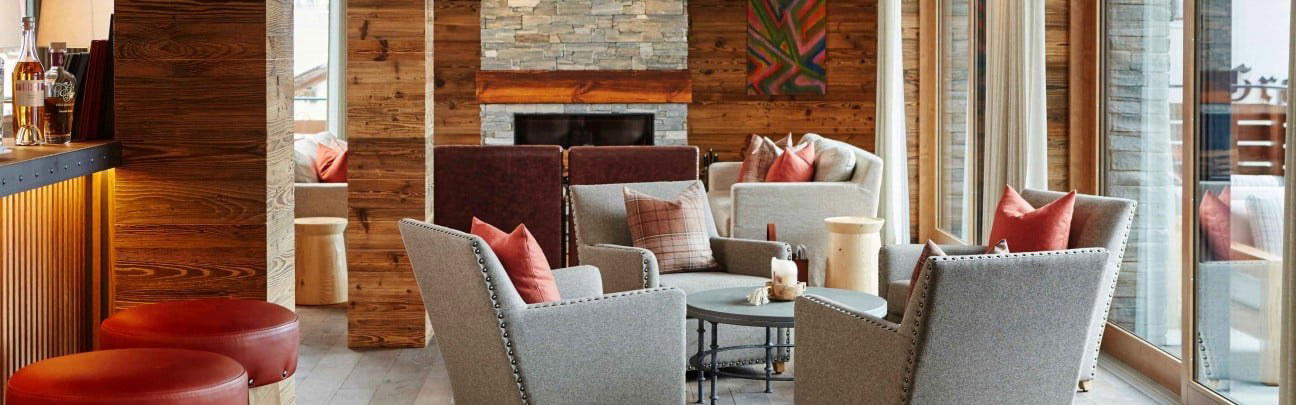

At a Glance
- Rustic
- Cozy
- Classic
- Family
- Group Dining
- Special Occasion
- Historic Building
- Local Sourcing
- Mountain
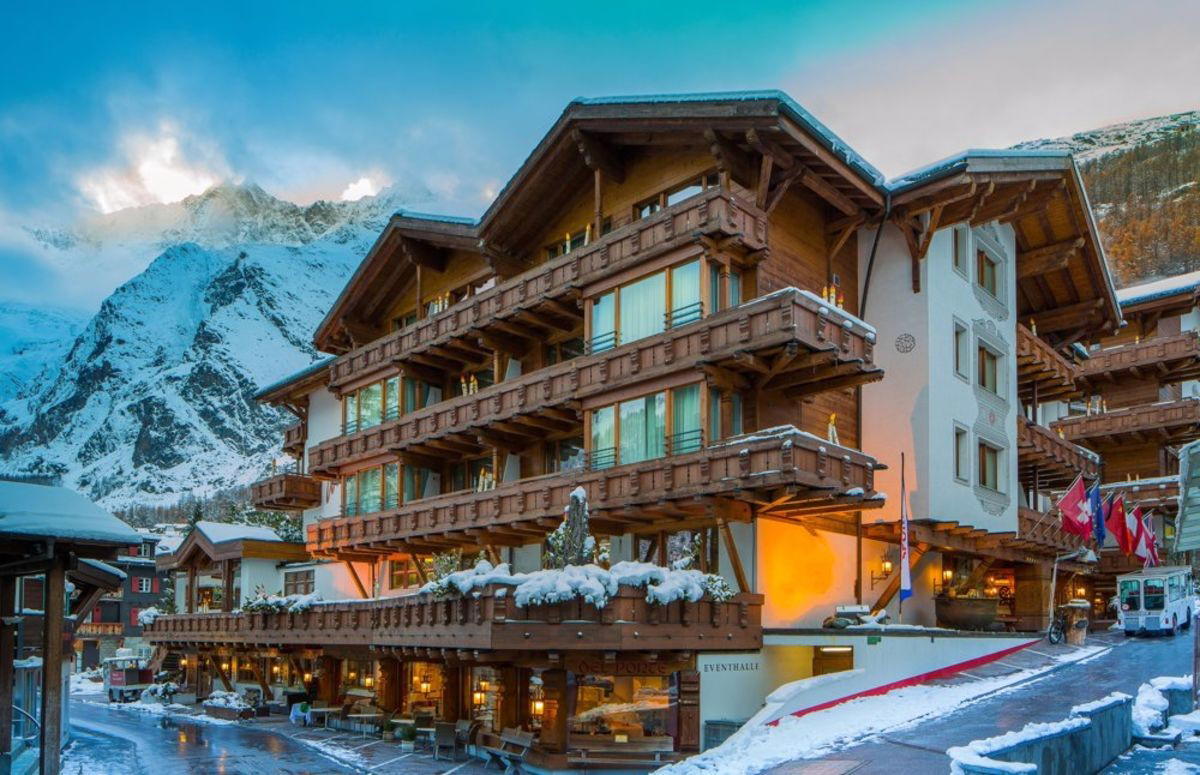
Relaxed and informal mountain atmosphere with wooden interiors, hunting trophies, and cozy, clean environments.