Atelier

1 Michelin Star
Our verdict
In the market town of Domodossola, Atelier occupies a position at the intersection of Alpine tradition and contemporary Italian cooking. The Bartolucci family's operation draws diners from well beyond the Ossola valley with an evening menu anchored in local mountain ingredients and a bistrot format at lunch. The wine-by-the-glass selection is notably considered, making it a serious stop on any northern Piedmont itinerary.

Pearl is the En Primeur Club membership app — saves, bookings, and concierge access live there. Same editors, same standards.
- Address
- Piazza G. Matteotti, 36, 28845 Domodossola VB, Italy
- Phone
- +39 0324 481326
- Hours
- Mon ClosedTue–Sat 12–2 PM, 7–9 PMSun 12–2 PM
- Website
- eurossola.com
- Directions
- Get directions
The menu
What to order
- Chateaubriand with Truffle Sauce
- Ancient Gnocchi d'Ossola in Black Bread Basket
- Veal Rolls with Apple and Scampi Tartare
- Vegetarian Tasting Menu with Wine Pairing
Where the Ossola Valley Comes to the Table
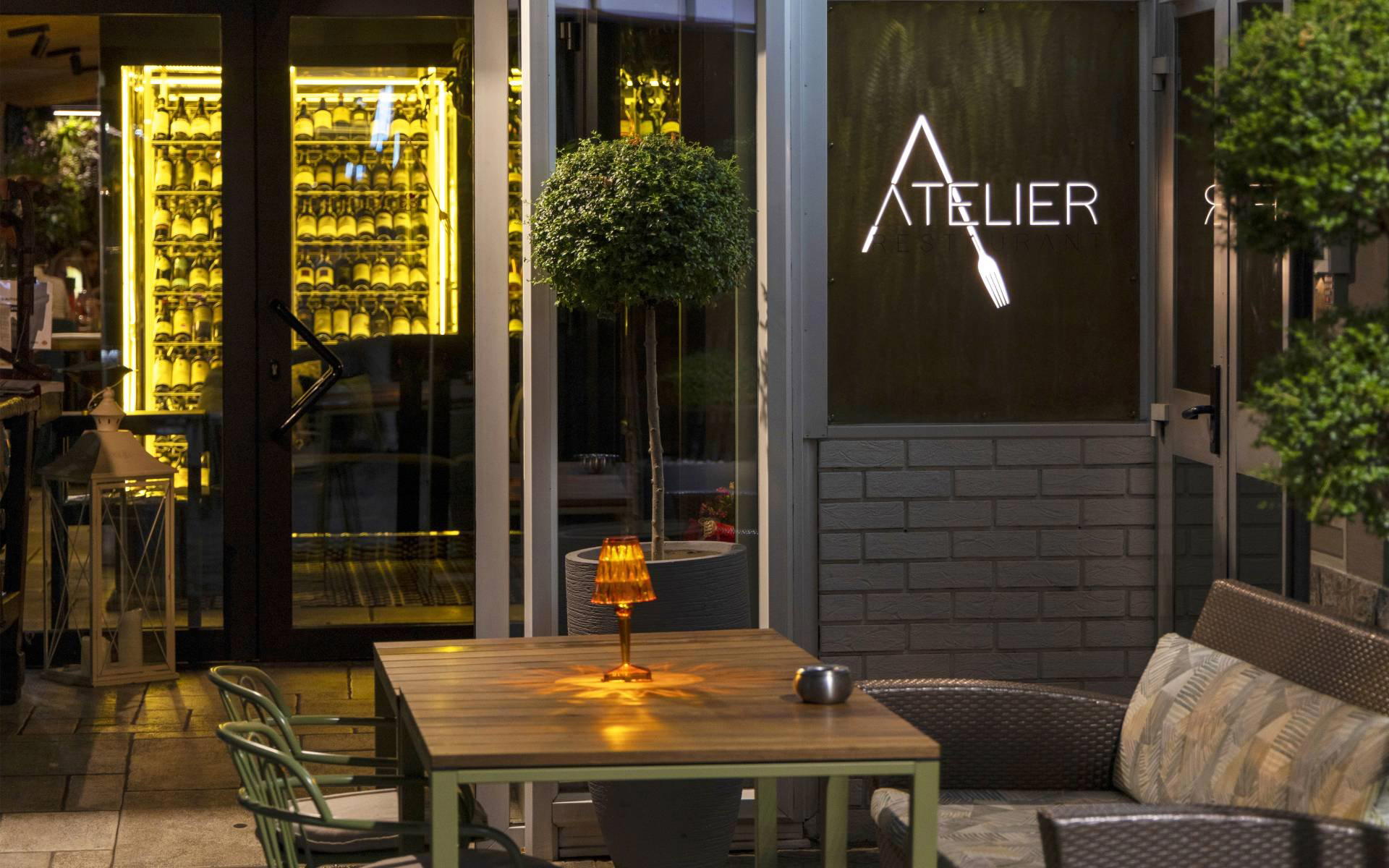
Domodossola sits at an elevation and a cultural crossroads that most Italian food writing overlooks. The town marks the southern terminus of the Simplon Pass route, the point where Swiss precision meets Piedmontese depth, and its market square has fed travellers and locals for centuries. Piazza G. Matteotti, where Atelier occupies number 36, is the civic and commercial heart of the town centre: a proper square with arcades and stone buildings rather than a tucked-away alley. Approaching the restaurant, the context does the framing for you. This is a place that belongs to its town rather than floating above it.
That rootedness matters because it shapes what ends up on the plate. In the Alpine arc from Val d'Ossola across to South Tyrol, the most interesting kitchens are not the ones that import their identity from Milan or Turin. They are the ones that treat local geography as a sourcing mandate. At Atelier, the evening menu reads as a document of what this particular valley produces and how a skilled kitchen can extend those ingredients without erasing them.
Mountain Ingredients as Editorial Argument
The Ossola valley's food culture is built on a relatively short list of reliable ingredients: local veal, freshwater fish from Lake Maggiore and the rivers feeding it, alpine dairy, and produce from the valley floor. What separates a serious kitchen from a merely competent one in this context is the willingness to work within those parameters rather than supplement them with imports that dilute the sense of place.
Atelier's tasting menu, titled "Flavours and Aromas of the Mountains," operates as a structured argument for that approach. The dishes gathered under it represent revisited Ossola citations, which is a way of saying the kitchen uses the valley's culinary history as a reference point without reproducing it literally. This is a common methodology at the better end of Italian regional cooking, and you can find it executed at very different scales: from the three-Michelin-star ambition of Reale in Castel di Sangro to more market-facing operations like this one. The difference at Atelier is that the mountain context is not decorative. It is structural.
One dish in the source material makes the point specifically: small local veal rolls stuffed with apple and scampi tartare. The combination sits at the intersection of surf and turf, a pairing that is technically difficult to balance and conceptually easy to get wrong. That this dish works, according to the restaurant's own published record, reflects a kitchen that understands both the valley's veal tradition and the proximity of Lake Maggiore's fishing culture. It also reflects a contemporary Italian sensibility that is comfortable with hybridity without being destabilised by it. Restaurants like Uliassi in Senigallia and Quattro Passi in Marina del Cantone have made similar surf-and-turf negotiations central to their identity at higher price points. Atelier does it in a town most food tourists drive through on the way to Switzerland.
The Family Operation and What It Signals
Family-run restaurants in provincial Italian towns exist on a spectrum from unreconstructed trattoria to ambitious gastronomic projects with serious wine programs. The Bartolucci operation at Atelier positions itself closer to the latter end of that range without abandoning the warmth that makes the former category worth seeking out. Chef patron Giorgio leads the kitchen, while Elisabetta handles the operational and commercial side, and Katia anchors the front of house. This is a structure common to serious provincial Italian restaurants: the kitchen and the dining room both have accountable leadership rather than a single figurehead carrying all the weight.
The front-of-house dimension matters here because ingredient-forward cooking requires front-of-house fluency to complete the narrative. A table that understands what it is eating, and why the veal comes from where it does, is a table that gets more from the meal. Italian regional restaurants at this level operate on that assumption, which is why the service register at places like Dal Pescatore in Runate or Piazza Duomo in Alba tends to be knowledgeable rather than merely polished.
The Wine Program and the Dual Format
A considered wine-by-the-glass selection at a provincial Italian restaurant is not incidental. It signals a kitchen that thinks about pairing as part of the meal's architecture rather than an afterthought, and it signals a management that has the storage and rotation discipline to keep open bottles in condition. At Atelier, the glass program is described as a splendid selection, which is the kind of language the source material uses, but the operational implication is more practical: guests eating the tasting menu can follow a pairing path without committing to a full bottle at each course.
Piedmont's wine geography gives Atelier access to a range of serious regional references, from the nebbiolo-based reds of the broader Piemonte DOC to the whites of Gavi and the Colli Novaresi. For a different take on serious Italian wine programs, Enoteca Pinchiorri in Florence represents the ceiling of that category in Italy.
The dual format, evening tasting menu alongside a lunchtime bistrot, serves a practical function in a town like Domodossola. Midday diners in transit or locals on a work schedule get a lighter, more accessible version of the kitchen's cooking. Evening guests get the full structured argument. This split is operationally efficient and commercially sensible, and it keeps the room filled across both services without diluting the evening offer.
How Atelier Fits the Northern Piedmont Circuit
Domodossola is not a destination most Italian fine dining itineraries build around. It is, however, a logical stop for anyone moving between Milan and the Swiss Alps, or anyone exploring the Ossola valley's hiking and lake country. La Meridiana offers an alternative dining perspective in the same town. For the broader northern Piedmont context, our full Domodossola restaurants guide covers the range of options across price points and formats. The town's accommodation and bar scenes are documented in our Domodossola hotels guide and bars guide respectively, with wineries and local experiences covered separately.
For reference points at the ambitious end of Italian regional cooking operating on a larger stage, Osteria Francescana in Modena, Le Calandre in Rubano, and Enrico Bartolini in Milan each illustrate what the category looks like at three Michelin stars. Atelier Moessmer Norbert Niederkofler in Brunico is the most direct Alpine-sourcing comparison in the Italian context, operating at a significantly higher price point and formality. For non-Italian reference points in ingredient-driven cooking, Le Bernardin in New York City and Atomix in New York City show how rigorous sourcing logic translates across very different culinary traditions.
Planning Your Visit
Atelier operates Tuesday through Saturday across both lunch and dinner services, with Sunday limited to lunch only. Monday is closed. Both the midday and evening sittings run within tight windows, with lunch from noon to 2 PM and dinner from 7 PM to 9 PM, so timing your arrival matters more here than at restaurants with longer service windows. The restaurant sits on Piazza G. Matteotti in the town centre, making it walkable from most accommodation in Domodossola. Booking ahead for the evening tasting menu is advisable, particularly on weekends when the restaurant draws from a wider regional catchment.
Frequently asked questions
What days is Atelier closed?
Hours at Atelier: Monday closed Tuesday 12 PM-2 PM 7 PM-9 PM Wednesday 12 PM-2 PM 7 PM-9 PM Thursday 12 PM-2 PM 7 PM-9 PM Friday 12 PM-2 PM 7 PM-9 PM Saturday 12 PM-2 PM 7 PM-9 PM Sunday 12 PM-2 PM.
In Context: Similar Options
| Venue | Cuisine | Price | Awards | Notes |
|---|---|---|---|---|
| AtelierThis venue — the venue you are viewing | Contemporary Italian with Ossola Valley Heritage | $50–100 | 1 Michelin Star | Not listed |
| Atelier Moessmer Norbert Niederkofler | Italian, Creative | Not listed | Michelin 3 Star | Not listed |
| Dal Pescatore | Italian, Italian Contemporary | Not listed | Michelin 3 Star | Not listed |
| Enoteca Pinchiorri | Contemporary Italian Fine Dining | $200–300 | 3 Michelin Stars · World's 50 Best #32 | Italian - French, Italian Contemporary |
| Enrico Bartolini | Creative | Not listed | Michelin 3 Star | Not listed |
| Osteria Francescana | Avant-Garde Italian Contemporary | $300–500 | 3 Michelin Stars · World's 50 Best #1 | Progressive Italian, Creative |
Recognition history
Dated appearances from independent guides and award organizations, with the underlying list record or original source where available.
Michelin 1 Star
Michelin
Full recognition history (2 entries)
Michelin 1 Star
Michelin
Continue exploring
More in Domodossola
Restaurants in Domodossola
Browse all →
Bars in Domodossola
Browse all →
Hotels in Domodossola
Browse all →

Details
- Elegant
- Sophisticated
- Modern
- Intimate
- Date Night
- Special Occasion
- Celebration
- Open Kitchen
- Hotel Restaurant
- Extensive Wine List
- Sommelier Led
- Local Sourcing
- Farm To Table
- Tasting Menu
- A La Carte
- Prix Fixe
- Wine Pairing
- Local Vineyards
- Wine By The Glass
- Vegetarian Friendly
- Vegan Options
- Gluten Free Options
Current opening hours
- Monday
- Closed
- Tuesday
- 12–2 PM, 7–9 PM
- Wednesday
- 12–2 PM, 7–9 PM
- Thursday
- 12–2 PM, 7–9 PM
- Friday
- 12–2 PM, 7–9 PM
- Saturday
- 12–2 PM, 7–9 PM
- Sunday
- 12–2 PM
Hours can change for holidays and private events. Last verified .
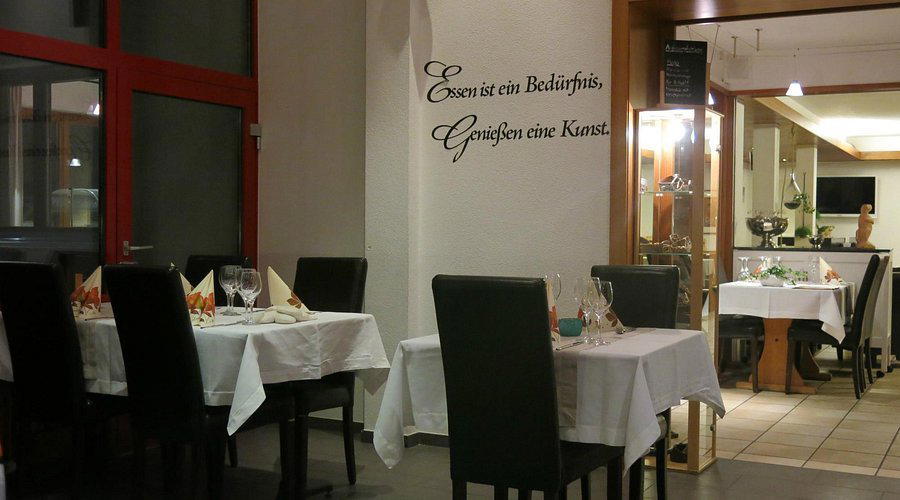
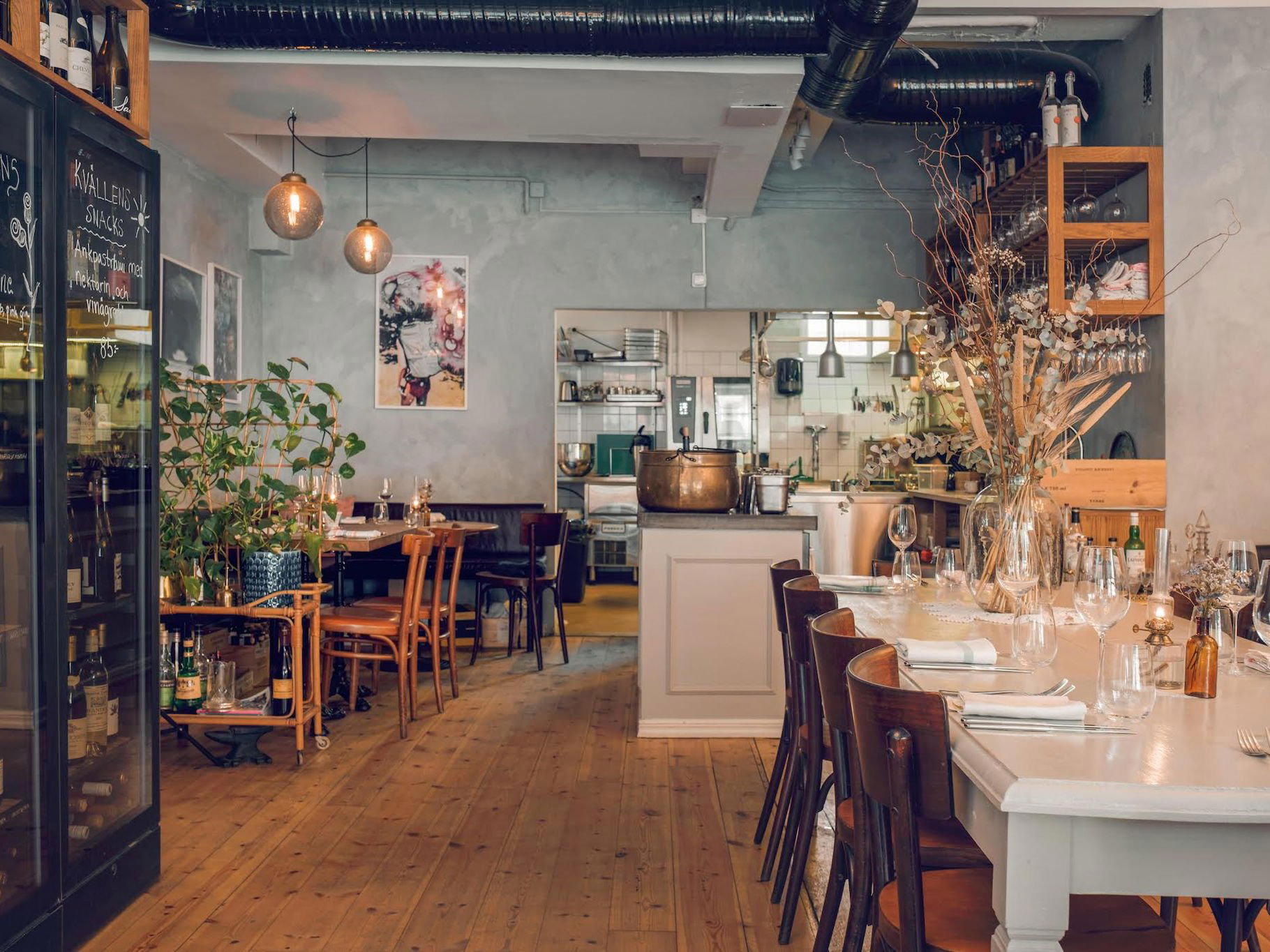
Elegant and reserved environment with refined, modern design; the open kitchen overlooks the dining room, creating an engaging atmosphere where diners can observe the culinary artistry firsthand.