St. Jodern Kellerei

Falstaff Winery - 3 Stars
St. Jodern Kellerei is a Valais cooperative winery in Visperterminen, a mountain village closely tied to Heida and high-altitude viticulture. Founded in 1979 and backed by more than 500 members, it channels hand-worked alpine vineyards into a range led by Heida, Rèze and other regional varieties, with guided and self-guided tasting formats available.

Pearl is the En Primeur Club membership app, where members save venues, book tables and use the concierge.

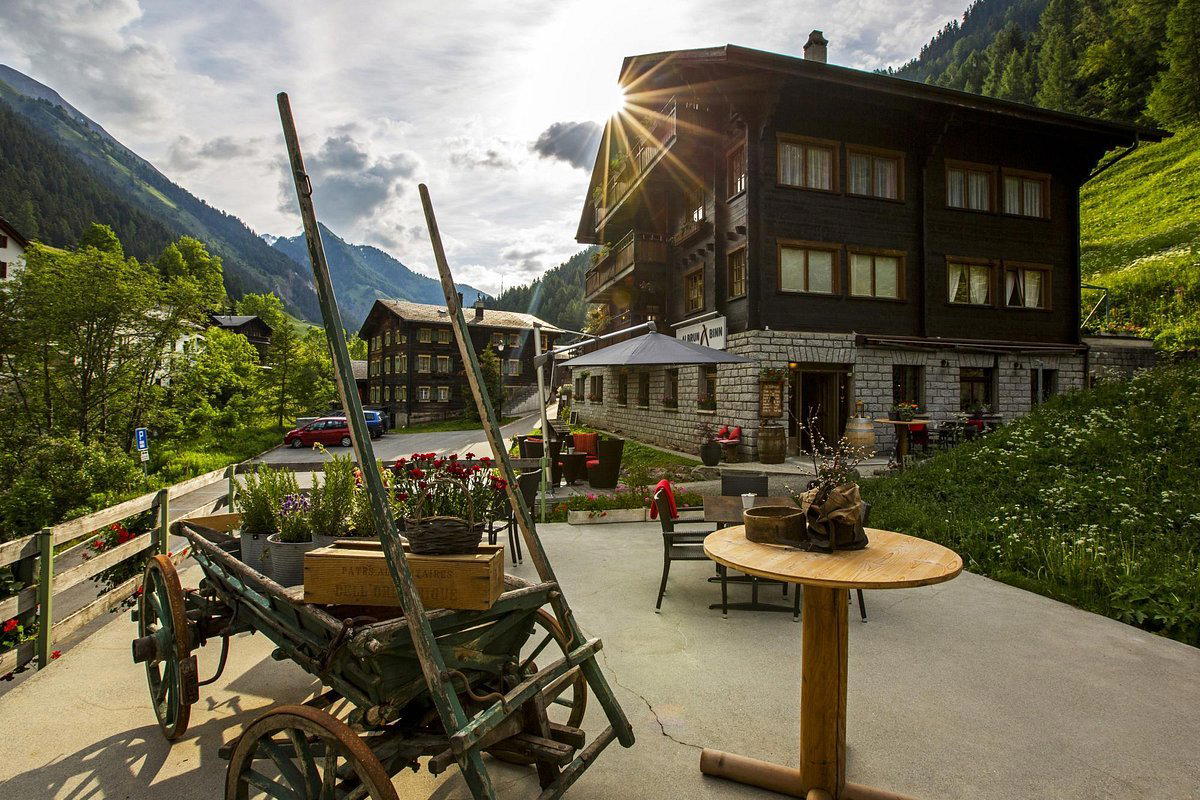
Approaching wine in Visperterminen means reading altitude before labels. The village belongs to an alpine Valais setting where vineyard work is shaped by slope, weather and hand labour rather than by cellar theatrics. St. Jodern Kellerei fits that landscape as a traditional cooperative winery set among Europe’s highest vineyards, with a focus on local wine heritage and the agricultural culture around it. Its importance comes less from spectacle than from the way it makes the surrounding mountain environment feel inseparable from the wine itself.
For travellers, the appeal is not an invented luxury script or a list of services. It is the chance to encounter a quiet, rustic and classic Valais wine stop whose identity is tied to its mountain setting. The story here is simple but distinctive: a cooperative cellar, hand-farmed alpine vineyards, and a hidden-gem atmosphere in Visperterminen. That simplicity is part of the value, because the venue does not need to be read as a polished destination in order to feel meaningful.
Altitude and the Valais mountain grammar
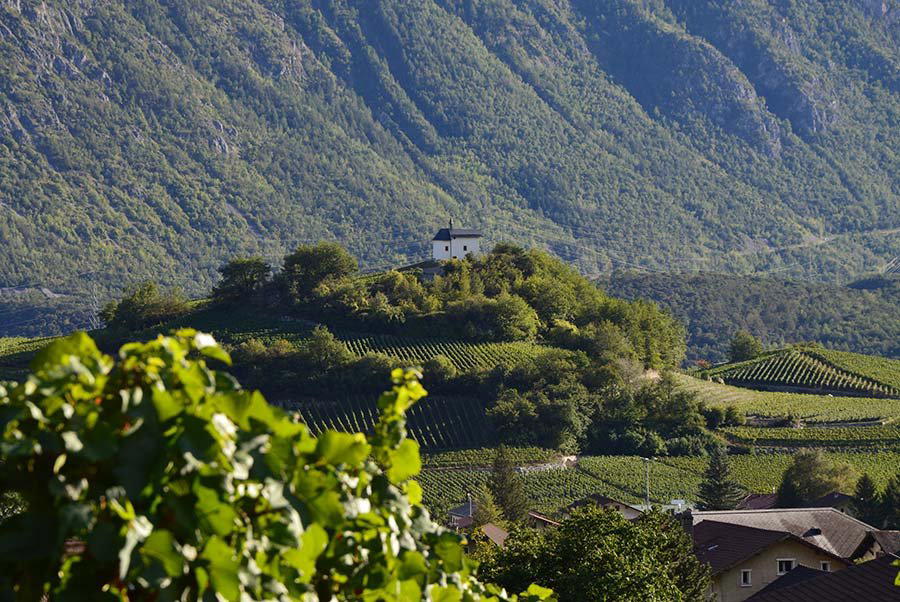
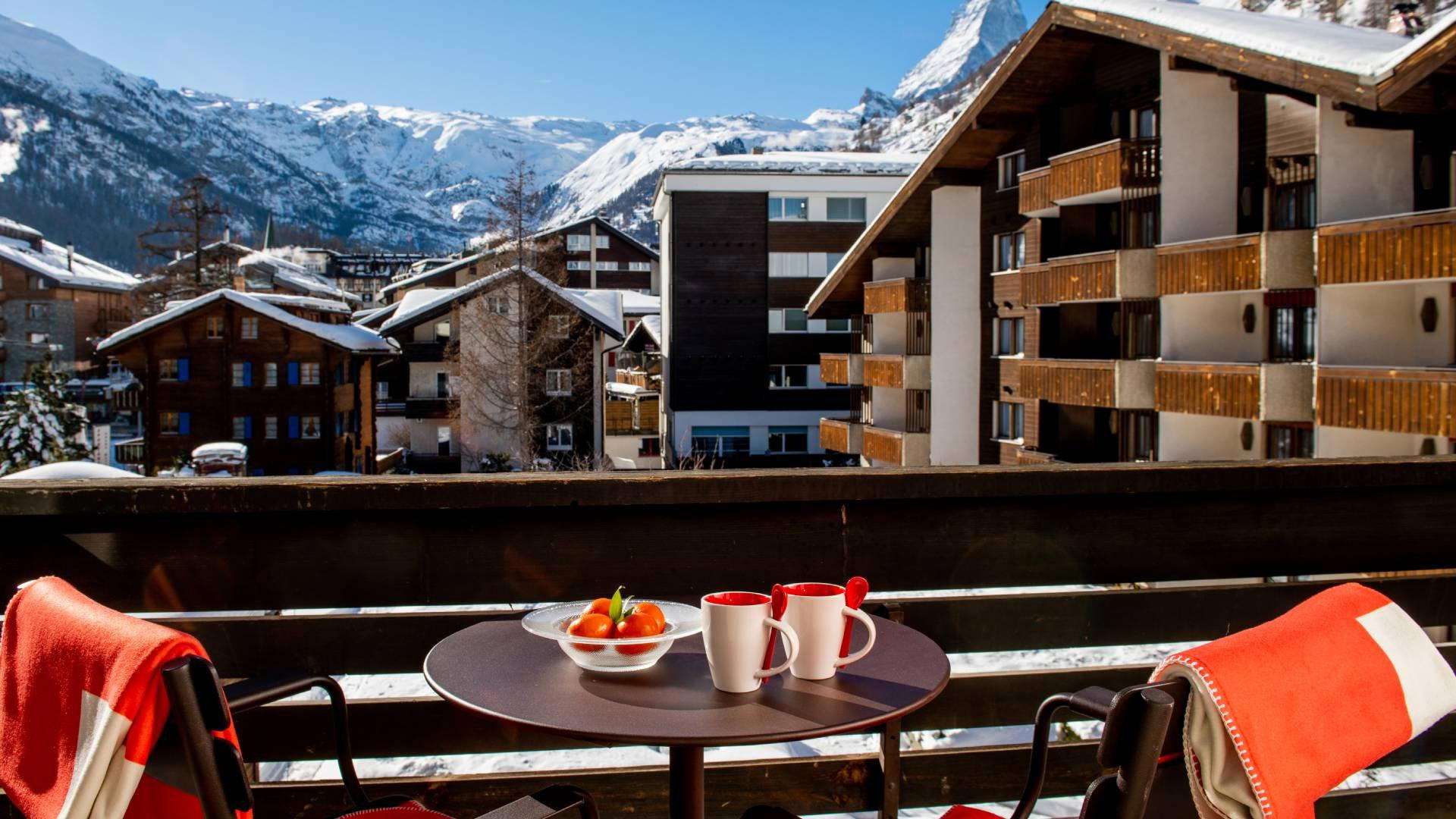
Altitude is the anchor. In this context, elevation is not just a scenic footnote; it is part of the way the place is understood. St. Jodern Kellerei is set among vineyards described as some of Europe’s highest, and that fact gives the winery a clear sense of place even without relying on claims about individual bottles, grape varieties or production figures. The high-vineyard setting gives the visit a particular grammar: terraces, exposure, effort and weather become part of the conversation before any formal tasting language is needed.
The hand-farmed setting also matters. Mountain vineyard work is physically demanding, and the phrase points to a landscape where the slope and the scale of the terrain are inseparable from the wine culture. St. Jodern Kellerei should therefore be read first as a Valais agricultural institution: cooperative, local, alpine and rooted in the traditions of Visperterminen. Its sense of place is not decorative; it is the central reason the stop belongs in a guide for travellers who care about context.
Those details may appear elsewhere, but they are not part of the confirmed data used here. What can be said with confidence is that the venue’s premium-guide value comes from its setting, cooperative character and connection to local wine heritage. That is enough to define the visit clearly, without stretching the entry into unsupported claims about production, service or cellar experience.
A cooperative experience rooted in place, not performance
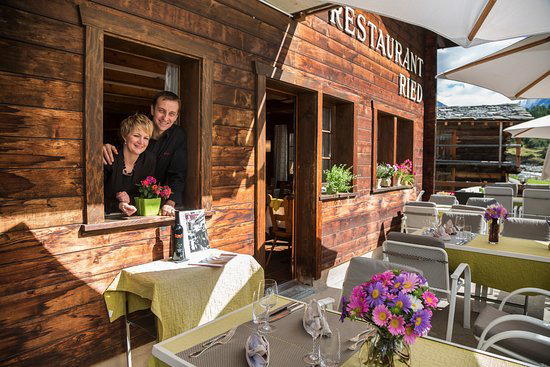
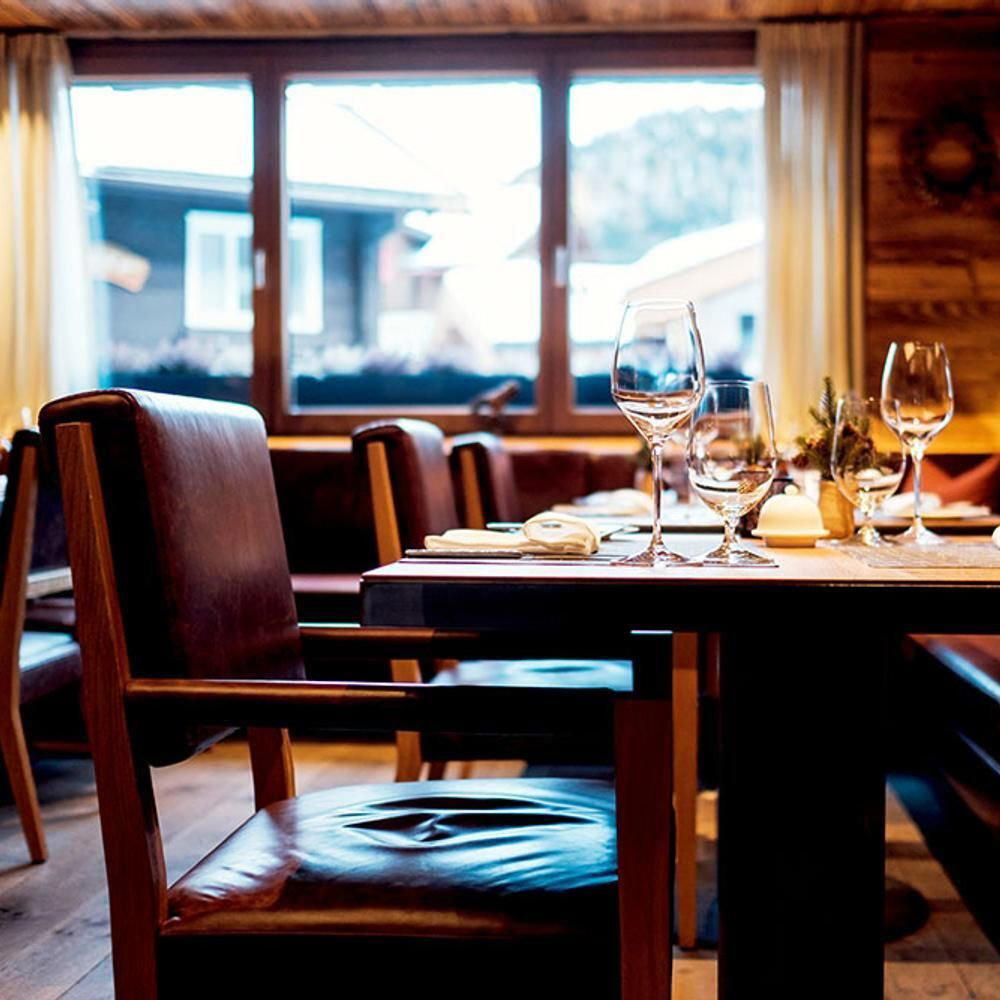
St. Jodern Kellerei is best understood as a place-led winery rather than a performance-led destination. Its atmosphere is scenic, rustic, classic and quiet, with the feeling of a working wine stop rather than a heavily staged hospitality venue. That makes it especially relevant for travellers who want a sense of Valais wine culture in its local context, where the setting, the village and the agricultural background carry much of the meaning.
The cooperative structure is central to that reading. A cooperative winery tells a different story from a single-estate or personality-led cellar: it points toward shared agricultural work, village identity and continuity across growers. In Visperterminen, that collective frame sits naturally beside the alpine vineyard landscape, where farming conditions are part of the meaning of the visit. The result is a venue that feels more communal than theatrical, and more rooted than branded.
Planning should remain flexible and fact-based. Travellers should also avoid assuming a restaurant-style lunch service or a detailed hospitality program unless St. Jodern Kellerei confirms it for the date of travel. That caution is not a weakness of the listing; it is simply the right way to approach a traditional winery whose confirmed appeal lies in place, heritage and mountain viticulture rather than in a guaranteed leisure format.
For a broader itinerary, keep the focus on Visperterminen and the surrounding Valais wine context. Other dining or lodging in Visperterminen can round out the day, but St. Jodern Kellerei’s role is clearest as a winery stop grounded in local wine heritage, mountain agriculture and the unusual drama of high vineyards. It works well when treated as one element in a wider encounter with the village and its landscape.
Who should prioritise this stop
This is a strong fit for travellers interested in terroir, cooperative wine culture and the practical realities of alpine viticulture. It is less useful for visitors looking for a confirmed fine-dining format, a named chef narrative, a published tasting-menu structure or a list of specific bottles. The reward is quieter: a chance to place Valais wine within the terrain and community that shape it.
At the confirmed price level of $$, St. Jodern Kellerei reads as an accessible premium-guide entry rather than a luxury spectacle. Its value is the setting: a traditional cooperative winery in Visperterminen, surrounded by high vineyards and connected to local Valais wine heritage. For visitors who appreciate quiet places with a strong sense of agricultural identity, that is the reason to prioritise it. The visit is most compelling when expectations are aligned with that character: grounded, local, alpine and deliberately unshowy.
Recognition history
Dated appearances from independent guides and award organizations, with the underlying list record or original source where available.
Falstaff Winery - 3 Stars
Falstaff
Continue exploring
More in Visperterminen
Wineries in Visperterminen
All wineries in Visperterminen →

Bars in Visperterminen
Browse all →
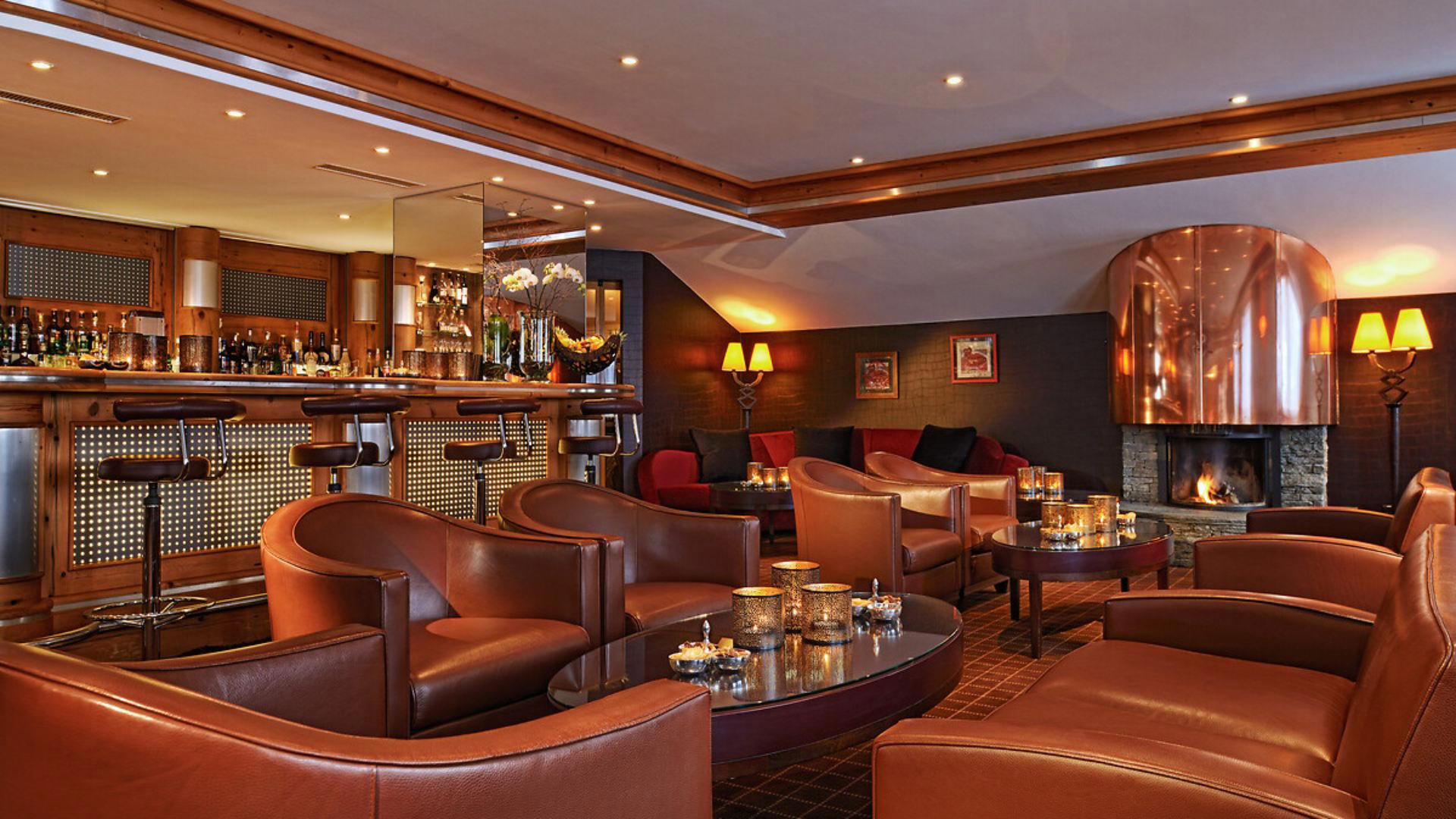
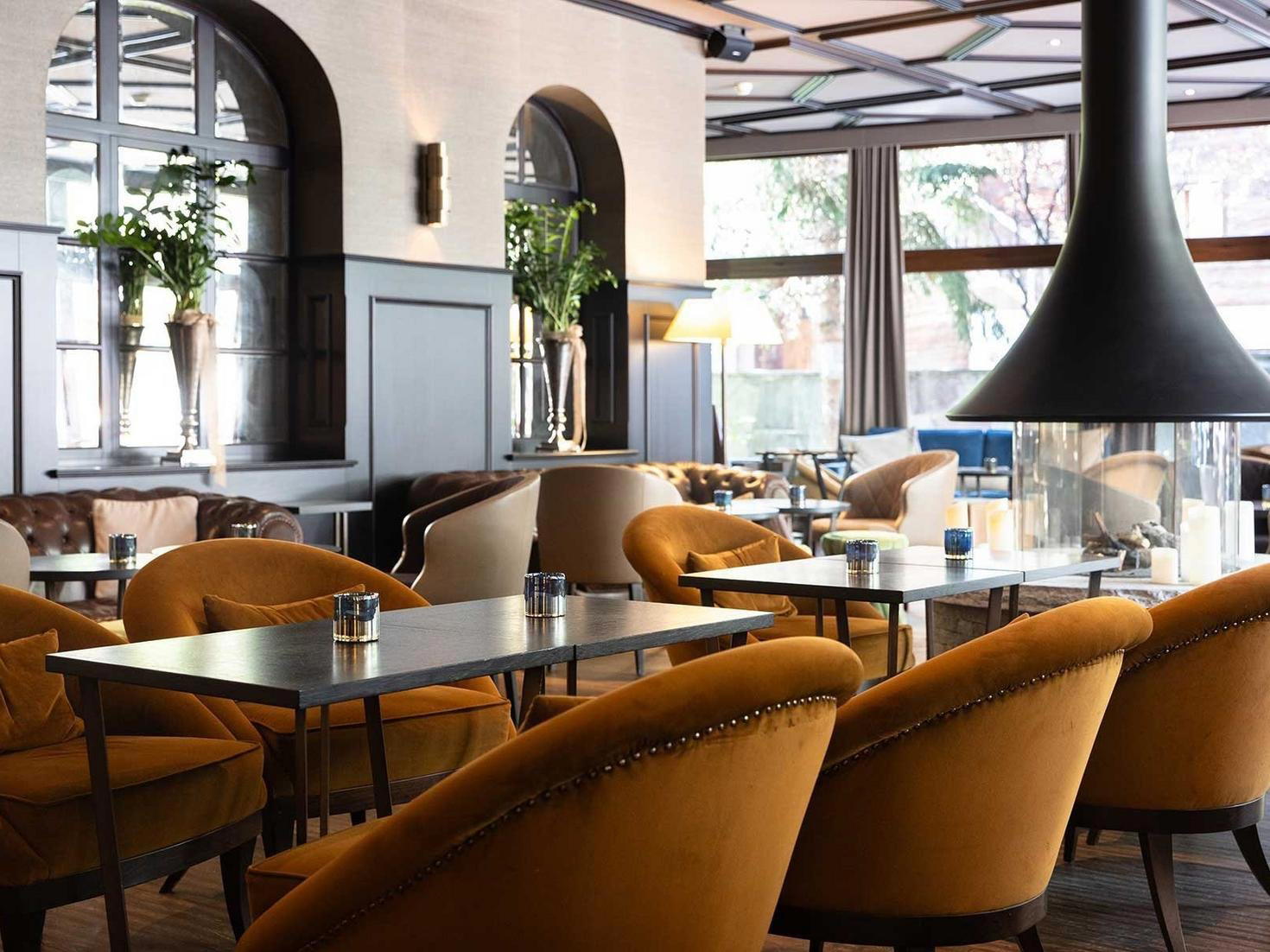
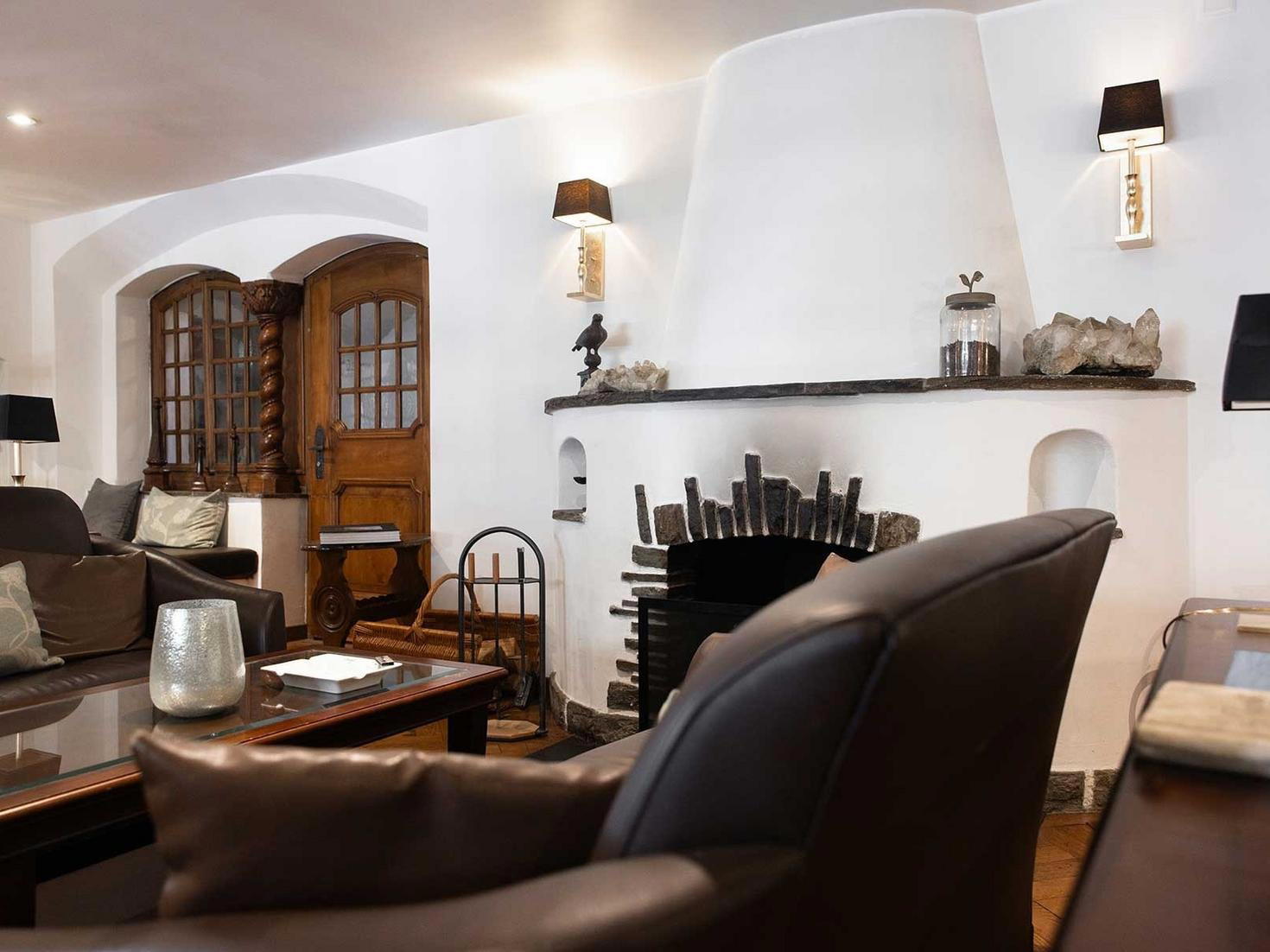
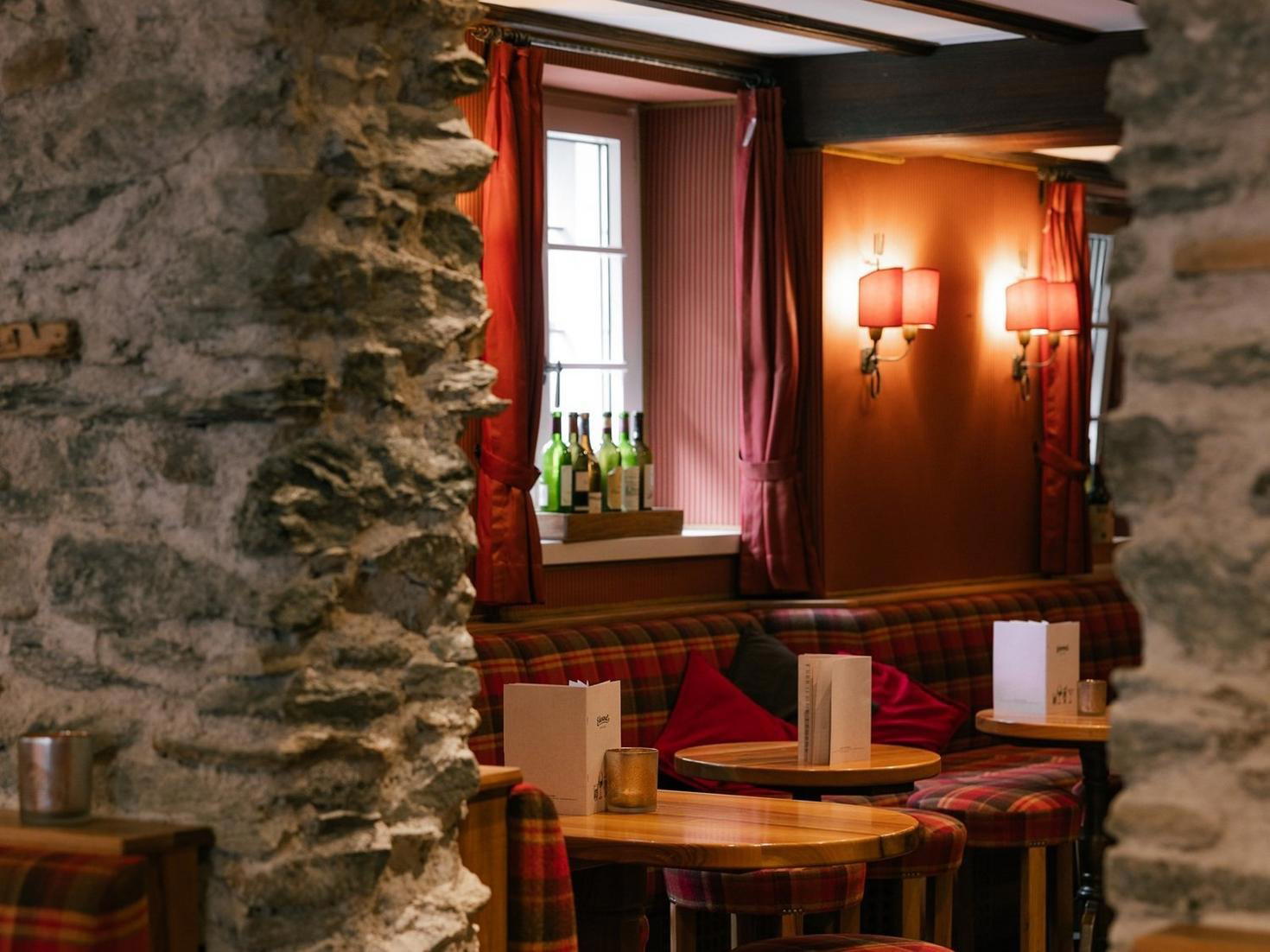
Details
- Scenic
- Rustic
- Classic
- Quiet
- Group Outing
- Wine Education
- Special Occasion
- Vineyard Tour
- Historic Building
- Sustainable
- Mountain
- Vineyard
- Heida
- Rèze
- Pinot Noir
- Gamaret
- Syrah
- Gewürztraminer
- Sylvaner
- Still White
- Still Red
- Sparkling
- Guided Tasting
- Self Guided Tasting
- Group Tasting
- German
- French
- English
A traditional cooperative winery set among Europe’s highest vineyards, with a hand-farmed, alpine Valais setting and a strong focus on local wine heritage.