Our verdict
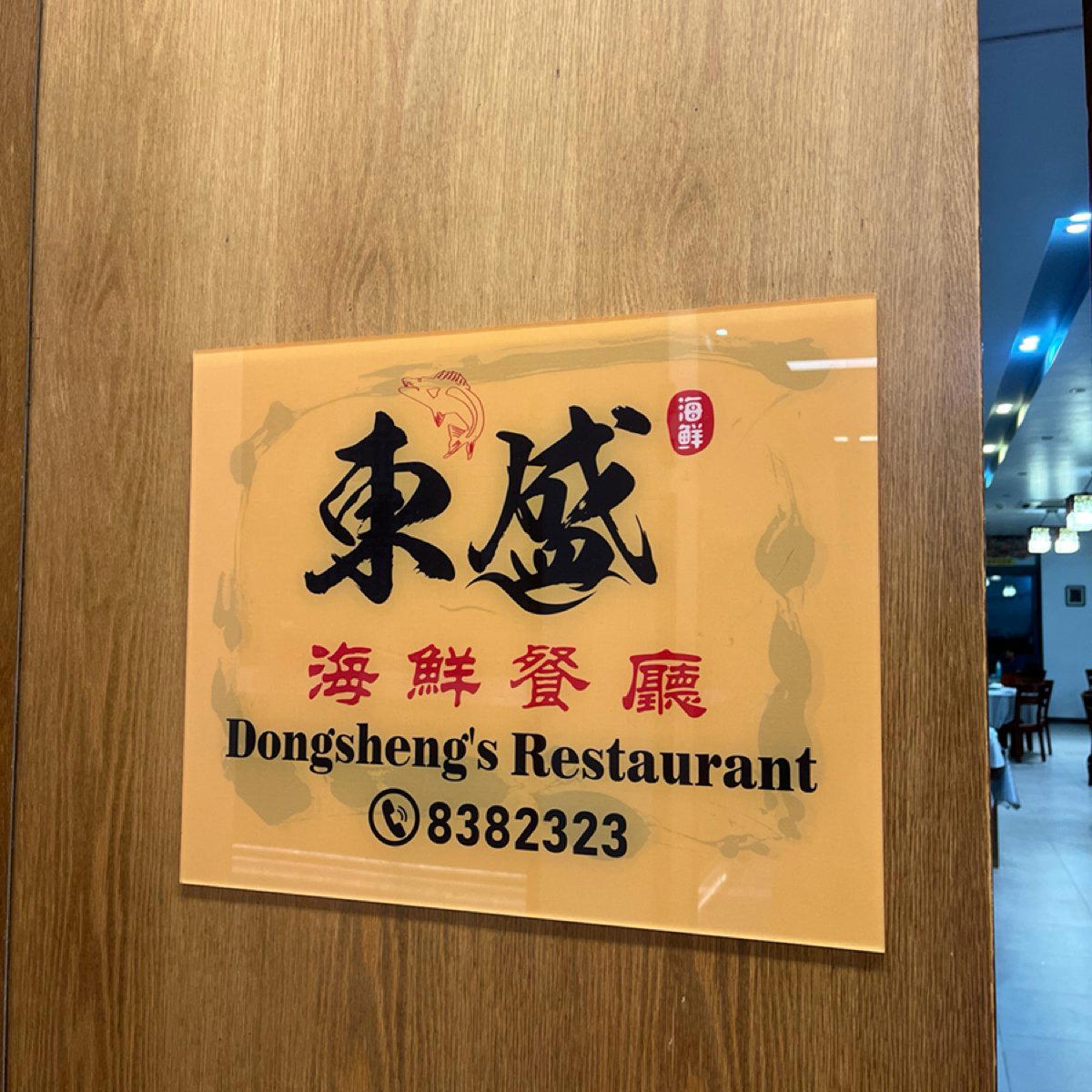
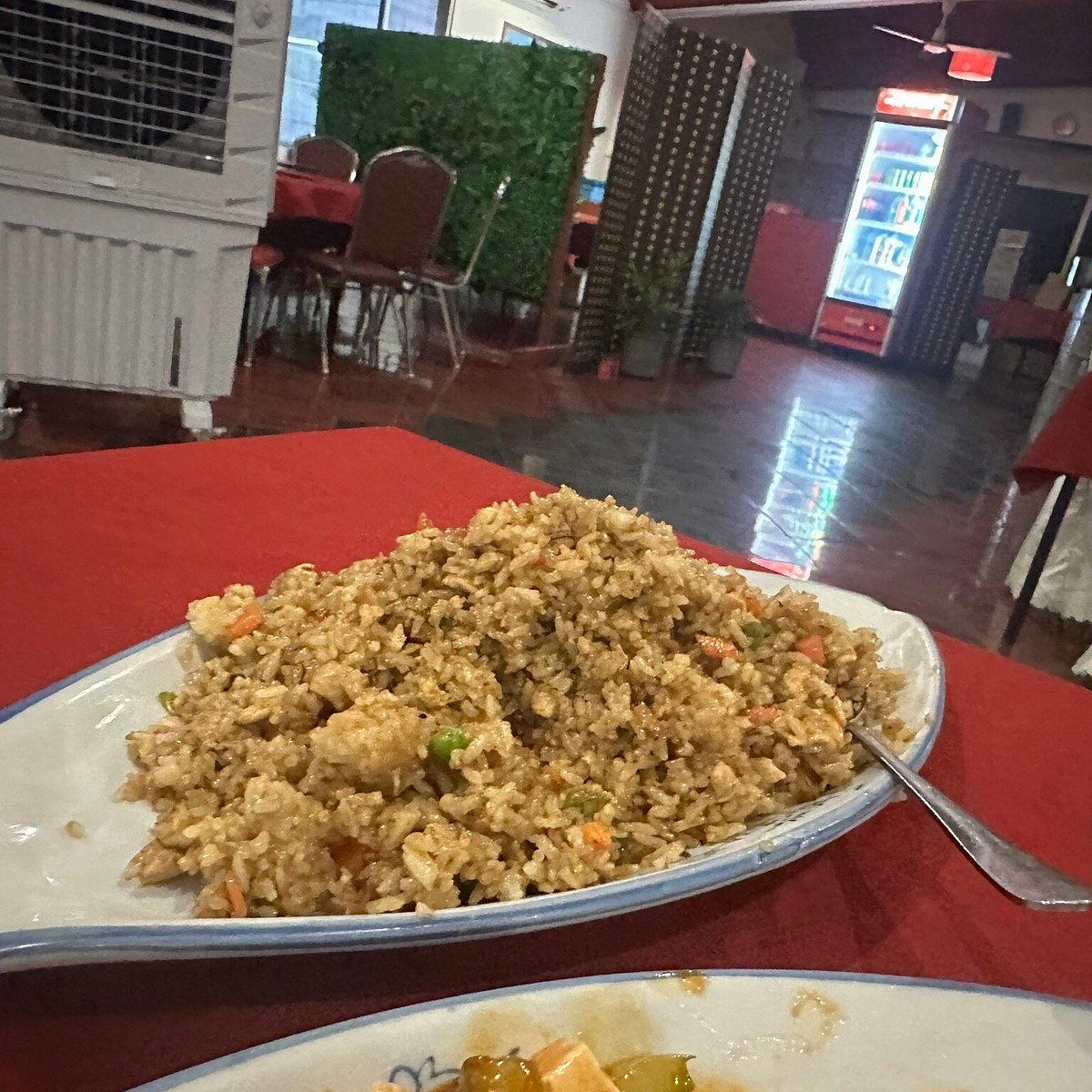
Dongsheng's Restaurant (东盛海鲜餐厅) occupies the first floor of the Aliz Center Martinar in central Nadi, positioning itself within the small but active tier of Chinese and seafood dining that serves both the local community and visiting travellers. The name signals a seafood focus, placing it in a category where fresh catch and Cantonese-influenced preparation tend to define the offer in Pacific Chinese restaurants of this type.

Pearl is the En Primeur Club membership app — saves, bookings, and concierge access live there. Same editors, same standards.
- Address
- Level 1, Aliz Center Martinar, Nadi
- Directions
- Get directions
The menu
What to order
- Salt and pepper prawns
- Pine cone fish
Chinese Seafood Dining in Nadi's Commercial Core
Nadi's dining scene divides fairly cleanly between resort-facing restaurants calibrated for international tourists and locally anchored venues that serve the town's resident population, including its long-established Chinese-Fijian community. Dongsheng's Restaurant (东盛海鲜餐厅), located on the first floor of the Aliz Center Martinar on Martinar Road, sits in the latter category. The setting is urban and functional rather than scenic, which is itself an editorial signal: venues positioned this way typically orient their offer toward regular diners who return for consistency and value rather than for occasion dining or resort-bubble convenience.
The name 东盛海鲜餐厅 translates broadly as "Dongsheng Seafood Restaurant," with 海鲜 (hǎixiān) specifically denoting fresh seafood. That naming convention has weight in Chinese restaurant culture, where a seafood designation in the title represents a direct commitment to the category rather than a secondary menu line. In Pacific Chinese restaurants operating from Fiji to Papua New Guinea, this format typically means a menu anchored in whole fish, shellfish, and crustacean preparations, often executed with Cantonese or Fujianese technique depending on the kitchen's lineage.
The Chinese-Fijian Culinary Thread
To understand where a restaurant like Dongsheng's fits, it helps to understand the broader Chinese-Fijian story. Chinese migration to Fiji intensified in the late nineteenth and early twentieth centuries, initially tied to commercial trade networks. Over several generations, Chinese-Fijian families established restaurants, grocery businesses, and community institutions that remain embedded in towns like Nadi, Suva, and Lautoka. The restaurant culture that emerged is not the same as what you find in Hong Kong, Guangzhou, or even Sydney's Chinatown. It is a Pacific adaptation, shaped by local ingredient availability, mixed-heritage clientele, and the particular social function of the Chinese restaurant as community gathering point in diaspora settings.
That context matters for how to read a venue like Dongsheng's. The seafood offer likely reflects both Fijian waters (the South Pacific supplies abundant fish, prawns, and shellfish) and the Chinese kitchen's preference for live or fresh-killed seafood treated with restraint: steamed with ginger and spring onion, wok-fried with black bean, or braised with soy and aromatics. These are techniques that preserve the integrity of fresh catch rather than masking it, which gives Pacific Chinese seafood restaurants a natural advantage when sourcing is local and seasonal. For comparison, the same philosophy of letting the primary ingredient speak through minimal intervention defines the approach at celebrated seafood-focused kitchens globally, from Le Bernardin in New York City to Uliassi in Senigallia, though the register and price tier at Dongsheng's are obviously a different proposition entirely.
Where It Sits in Nadi's Dining Mix
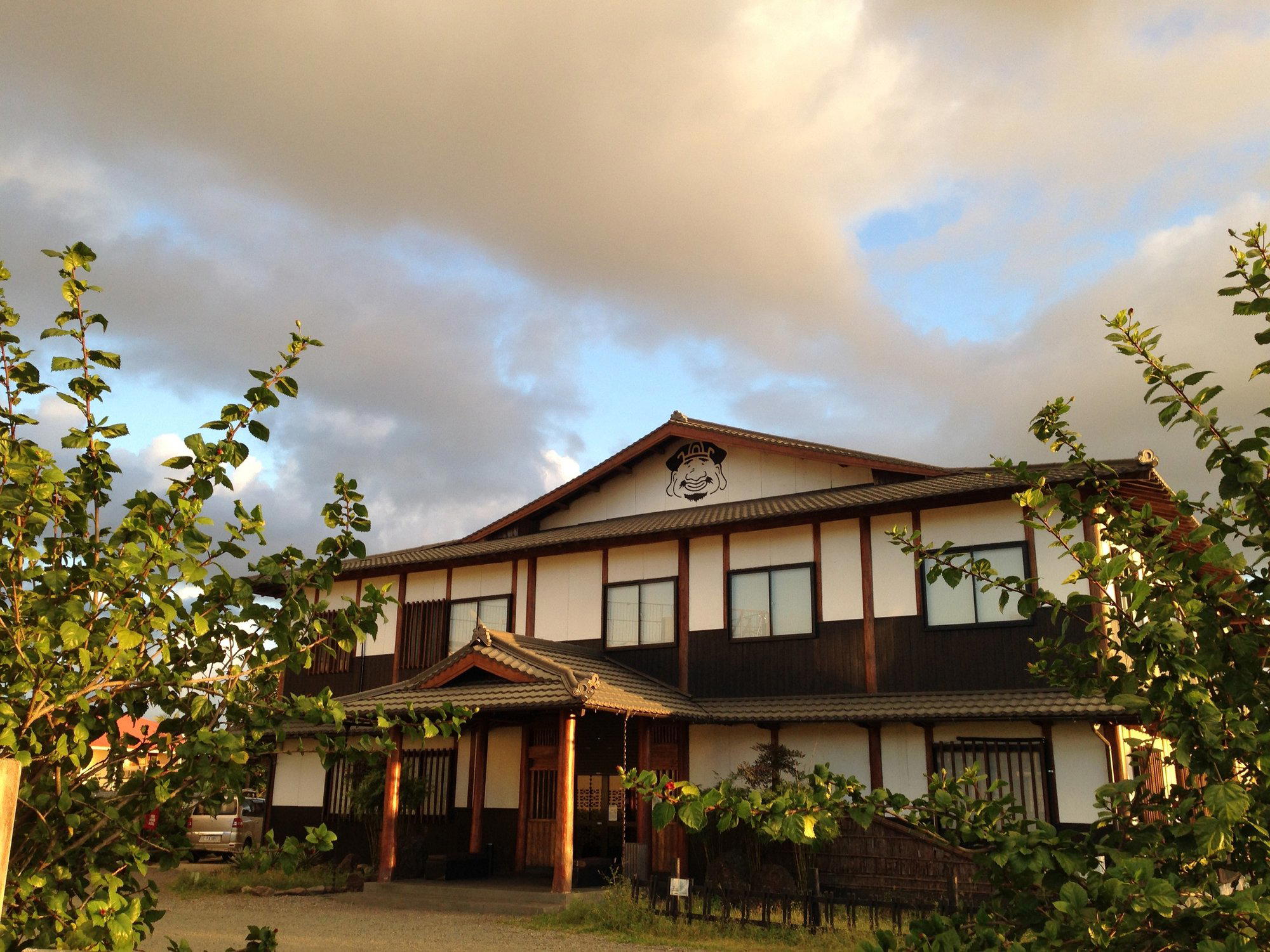
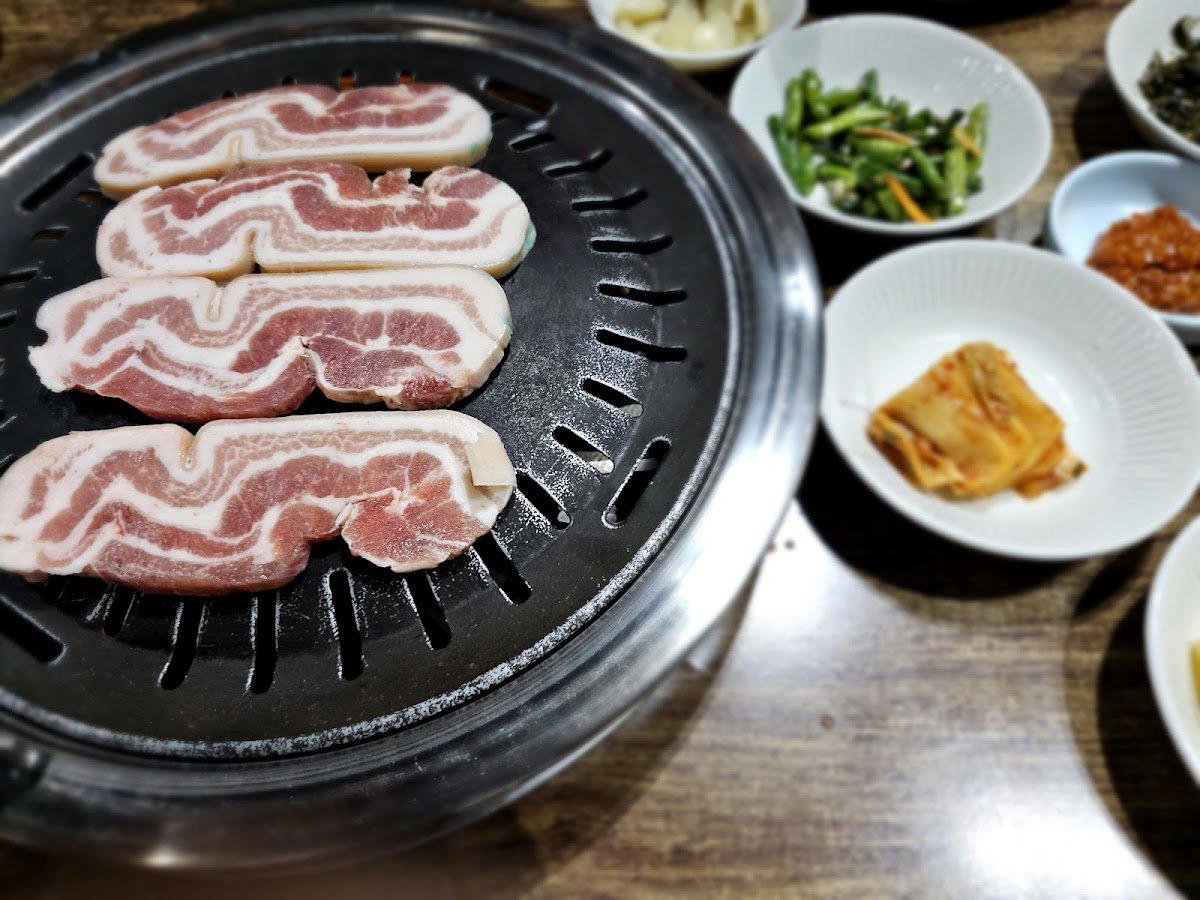
Nadi has a compact but varied dining offer when you look past the resort corridors. The town centre and its immediate commercial surrounds include a handful of Chinese restaurants serving the resident population alongside Indian-influenced Fijian cooking, local warungs, and the occasional Japanese or Korean option. Daikoku Restaurant and Gen Korean BBQ House represent the Japanese and Korean ends of Nadi's Asian dining range, while LC's Chinese Restaurant offers the most direct comparison point within the Chinese category itself.
That distinction tends to sort restaurants into a slightly more focused kitchen model, where the sourcing relationship with local fish markets or suppliers carries more operational weight than at a generalist Chinese restaurant offering dishes across a wide regional range. For travellers interested in how Chinese culinary technique meets Pacific ingredients, this kind of venue offers something that the resort dining circuit does not: a kitchen operating within the rhythms of a local supply chain rather than a standardised hotel procurement system.
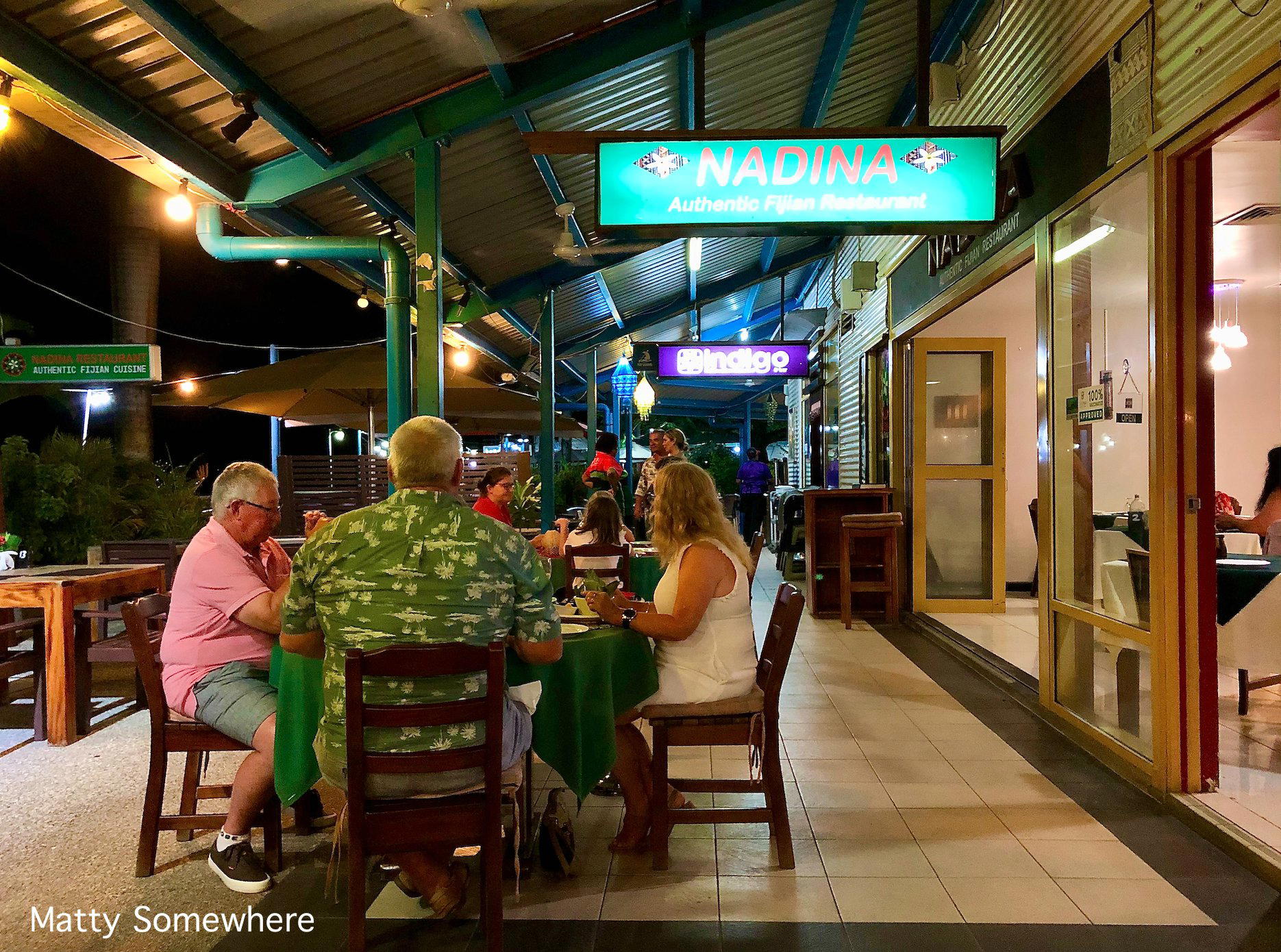
Visitors seeking specifically Fijian cooking can also look to Nadina Authentic Fijian Restaurant in Port Denarau, which represents the other end of Nadi's dining spectrum in terms of cuisine identity. Our full Nadi restaurants guide maps the broader scene across categories and price points.
Planning Your Visit
Dongsheng's Restaurant is located on Level 1 of the Aliz Center Martinar, a commercial building in central Nadi that functions as a local shopping and services hub. The ground-floor approach is urban and practical rather than atmospheric in the resort sense. Walk-in dining is characteristic of this restaurant type and this location, though lunch service at Chinese seafood restaurants in the Pacific often draws stronger trade than dinner, particularly among the local working population.
For those building a wider picture of how Chinese seafood dining sits within the global tradition, the technique lineage connects to kitchens at very different scale and formality: HAJIME in Osaka and Atomix in New York City both demonstrate how Asian culinary traditions can be executed at high formality, while Dongsheng's represents the community-scale version of that same broader Asian culinary inheritance, without the tasting menu architecture or the booking lead times. Restaurants like Dal Pescatore in Runate, Quattro Passi in Marina del Cantone, and Waterside Inn in Bray each show how seafood and tradition intersect at the formal end of the spectrum in their respective countries; Dongsheng's occupies a very different position on that axis but draws from a culinary tradition no less coherent. For further editorial reference, Reale in Castel di Sangro, Piazza Duomo in Alba, Le Calandre in Rubano, Atelier Moessmer Norbert Niederkofler in Brunico, Lazy Bear in San Francisco, and Emeril's in New Orleans illustrate the range of contexts in which a defined culinary identity, executed consistently for a community that returns regularly, constitutes the core of a restaurant's reputation.
Frequently asked questions
Where do I go for Dongsheng's Restaurant 东盛海鲜餐厅?
Dongsheng's Restaurant 东盛海鲜餐厅 is located at Level 1, Aliz Center Martinar, Nadi, Nadi.
Is Dongsheng's Restaurant in Nadi a good option for Chinese food away from the resort areas?
Dongsheng's sits in the Aliz Center Martinar in central Nadi, placing it squarely within the town's commercial core rather than along the resort corridors of Denarau or the Coral Coast. That positioning reflects the Chinese-Fijian community dining tradition that has shaped Fiji's urban food culture for generations. For travellers wanting to eat where Nadi's working population eats, it is a more grounded choice than hotel-adjacent alternatives.
What do regulars order at Dongsheng's Restaurant 东盛海鲜餐厅?
The restaurant's name — 东盛海鲜餐厅 translates directly as Dongsheng Seafood Restaurant — signals where the kitchen focuses its attention. Seafood dishes prepared in a Chinese style are the core draw for the local Nadi crowd that returns regularly.
Do they take walk-ins at Dongsheng's Restaurant 东盛海鲜餐厅?
The restaurant occupies Level 1 of the Aliz Center Martinar, a working commercial building in central Nadi rather than a resort-facing venue, which typically means a more casual entry format. Arriving at off-peak hours reduces the risk of a wait, particularly at lunch on weekdays.
Price and Recognition
Comparable venues nearby, for context on price, style, and recognition.
| Venue | Cuisine | Price | Notes |
|---|---|---|---|
| Dongsheng's Restaurant 东盛海鲜餐厅This venue — the venue you are viewing | Authentic Cantonese Seafood | Not listed | Not listed |
| LC's Chinese Restaurant | Chinese with Fijian Influences | $10–20 | Namaka, Chinese with Fijian Influences |
| Gen Korean Bbq House | Authentic Korean BBQ | $20–30 | Martintar, Authentic Korean BBQ |
| Daikoku Restaurant | Authentic Japanese Teppanyaki & Sushi | $30–50 | Martintar, Authentic Japanese Teppanyaki & Sushi |
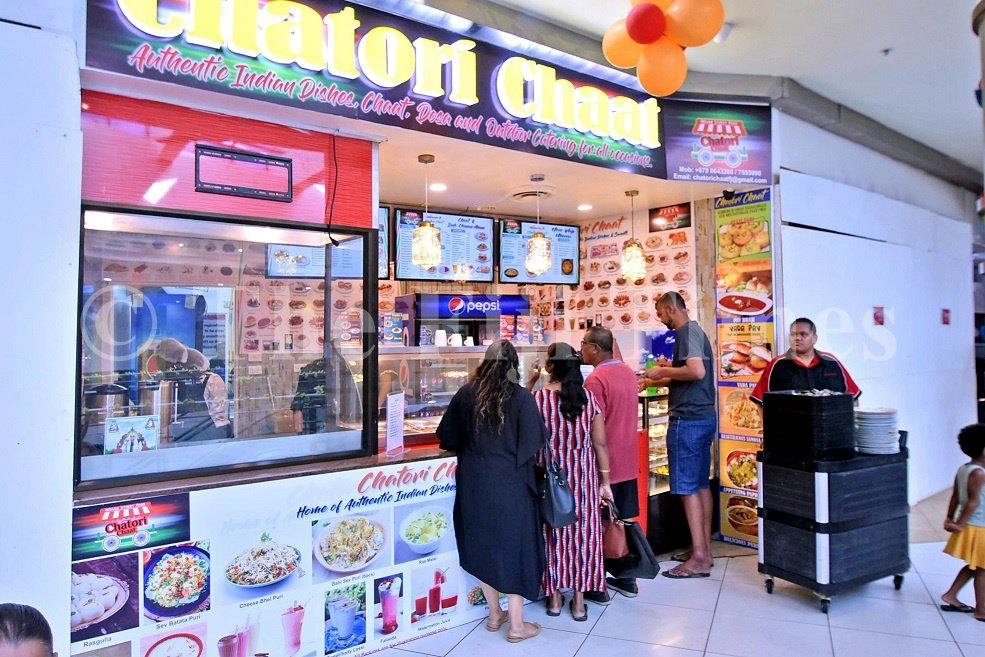
| Chatori Chaat | Authentic Indian Street Food | Not listed | Namaka, Authentic Indian Street Food |
| Nadina Authentic Fijian Restaurant | Authentic Fijian Seafood | $30–50 | Port Denarau, Authentic Fijian Seafood |



Details
- Family
- Casual Hangout
- Hotel Restaurant
- Private Dining
- Beer Program
- A La Carte