In the Namaka district of Nadi, LC's Chinese Restaurant occupies a familiar position in Fiji's Chinese dining tradition: a neighbourhood-oriented room where the food draws on long-established Cantonese and regional Chinese cooking rather than resort-facing fusion. For travellers moving through Nadi's commercial corridor, it represents the kind of local Chinese table that sustains a community rather than performs for tourists.
Pearl is the En Primeur Club membership app — saves, bookings, and concierge access live there. Same editors, same standards.
- Address
- Namaka, Nadi
- Directions
- Get directions
 Saves & bookings on Pearl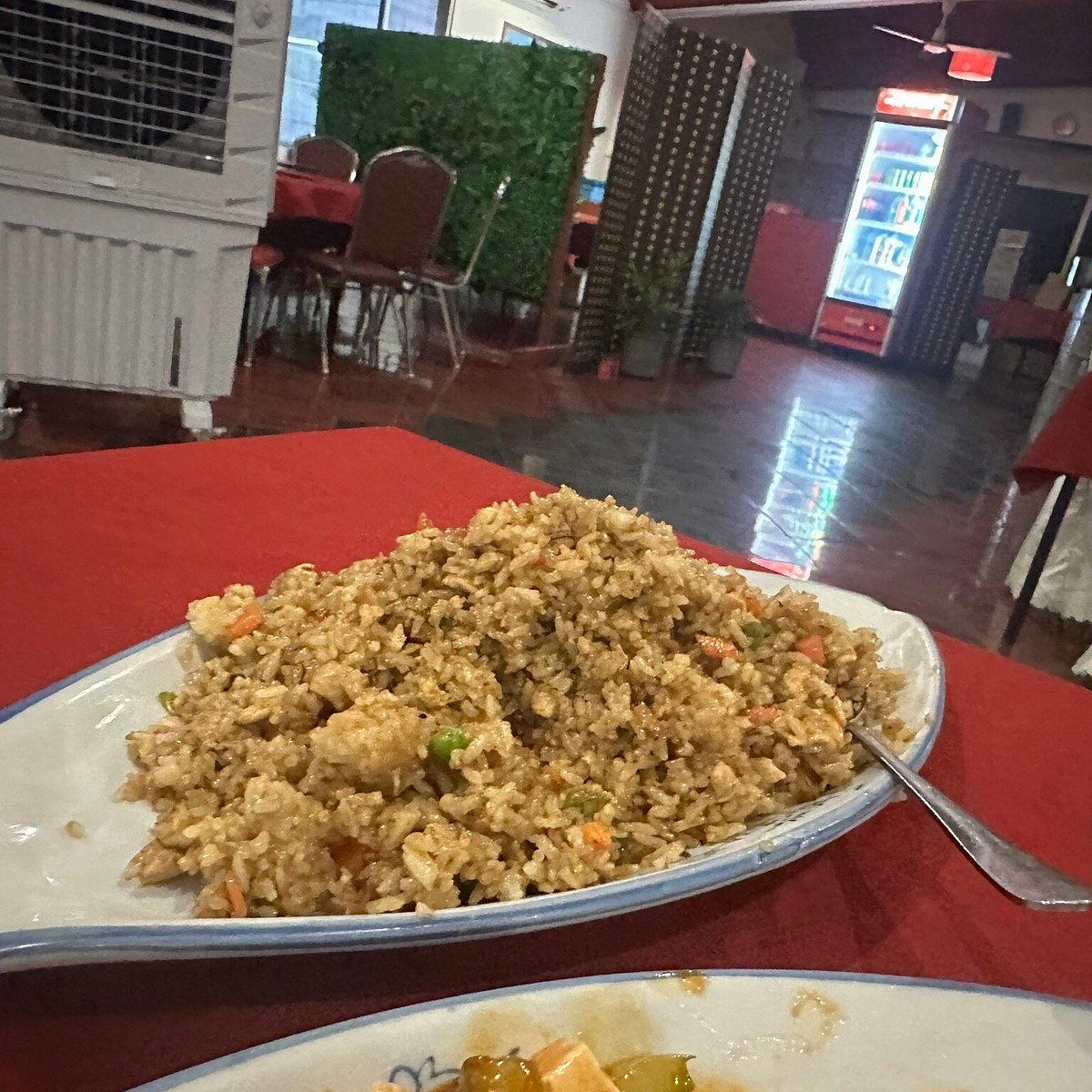
Chinese Cooking in Nadi's Commercial Corridor
Fiji's Chinese restaurant tradition runs deeper than most visitors realise. The first waves of Chinese migration to the Pacific islands in the nineteenth and early twentieth centuries brought cooking traditions that gradually adapted to local ingredients, local tastes, and the rhythms of a small island economy. In Nadi, that history is most visible not in the resort dining rooms of Denarau but in the Namaka district, the commercial stretch between the airport and the town centre where working restaurants serve the people who actually live and work here. LC's Chinese Restaurant is part of that fabric, operating in a neighbourhood context that shapes what it does and who it does it for.
The Namaka setting matters as editorial context. This is not a destination dining strip in the manner that might connect to celebrated international addresses like Le Bernardin in New York City or Arpège in Paris. It is a workaday commercial zone where restaurants survive on repeat local business, competitive pricing, and consistent output. That environment tends to produce food that is honest rather than theatrical, and Chinese restaurants operating in this tier across the Pacific tend to anchor their menus around dishes that have staying power: braised proteins, wok-fried vegetables, rice and noodle foundations, and soups that stretch across multiple uses on a menu.
Ingredient Geography in the Pacific Chinese Kitchen
The editorial angle worth pressing on here is sourcing. Chinese restaurants operating outside major urban centres in the Pacific work with a constrained and sometimes unpredictable supply chain. Some ingredients arrive via import from New Zealand or Australia; others are sourced domestically from Fiji's agricultural sector, which produces cassava, taro, leafy greens, and a range of tropical produce that Chinese kitchens have, over generations, learnt to fold into their repertoire.
Fijian seafood is a particularly relevant factor. The country's coastal and reef fisheries produce snapper, grouper, prawns, and crab that feed directly into the Chinese cooking tradition's affinity for whole-fish preparations and seafood stir-fries. A Chinese restaurant operating in Nadi with access to fresh local catch is working with materially better base ingredients than the same restaurant would have if dependent entirely on frozen imported product.
The wok itself is also part of the sourcing story. High-heat wok cooking depends on flame intensity that not every kitchen in a smaller market can sustain at the level of a Hong Kong rooftop dai pai dong or a mainland Chinese specialist. Restaurants like 8½ Otto e Mezzo Bombana in Hong Kong operate at the opposite end of the Chinese dining spectrum, where kitchen infrastructure and sourcing are near-unlimited. In Nadi's Chinese restaurants, the interest lies in how cooks adapt to what is available and what the equipment allows, producing food that reflects the specific circumstances of the place.
Where LC's Sits in Nadi's Dining Pattern
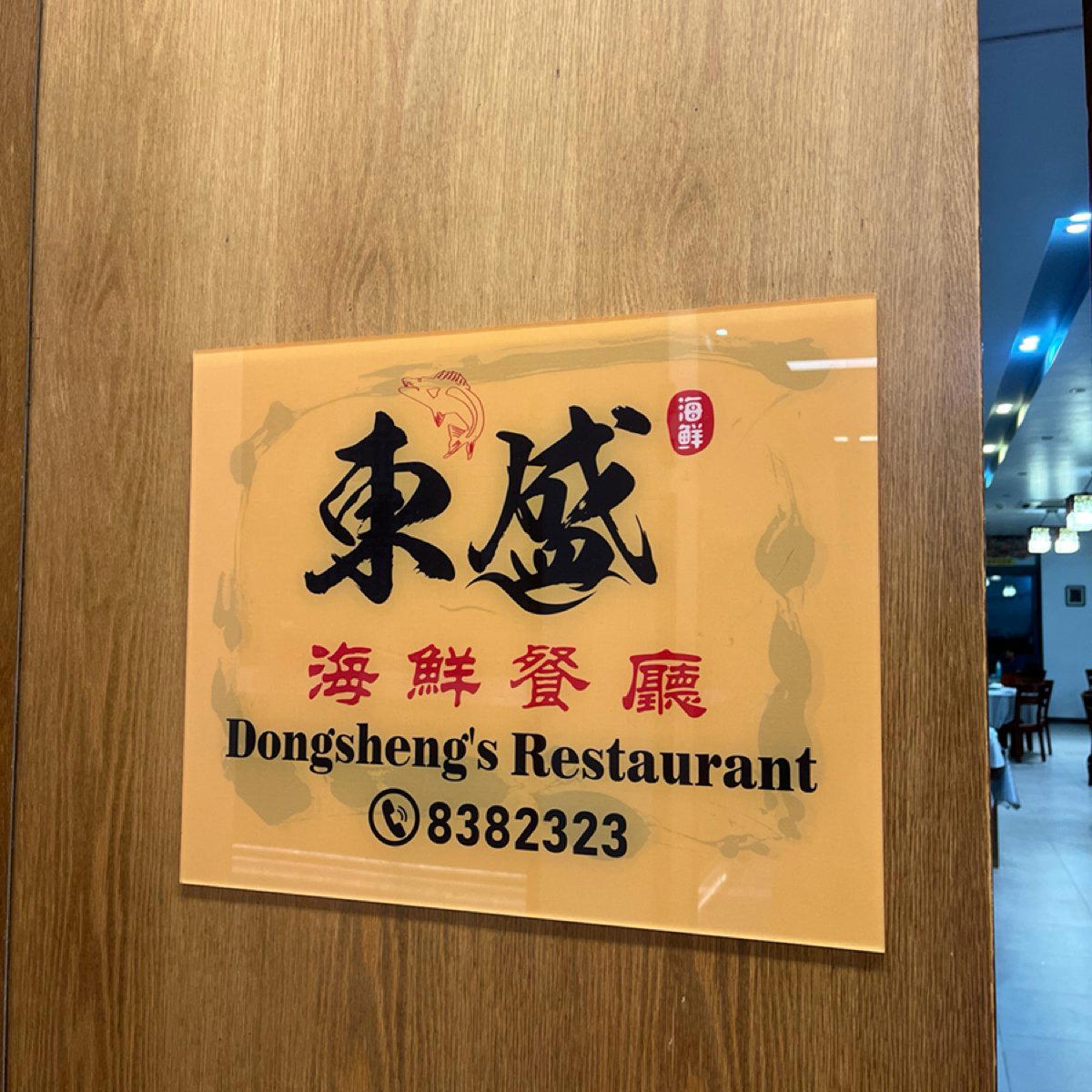
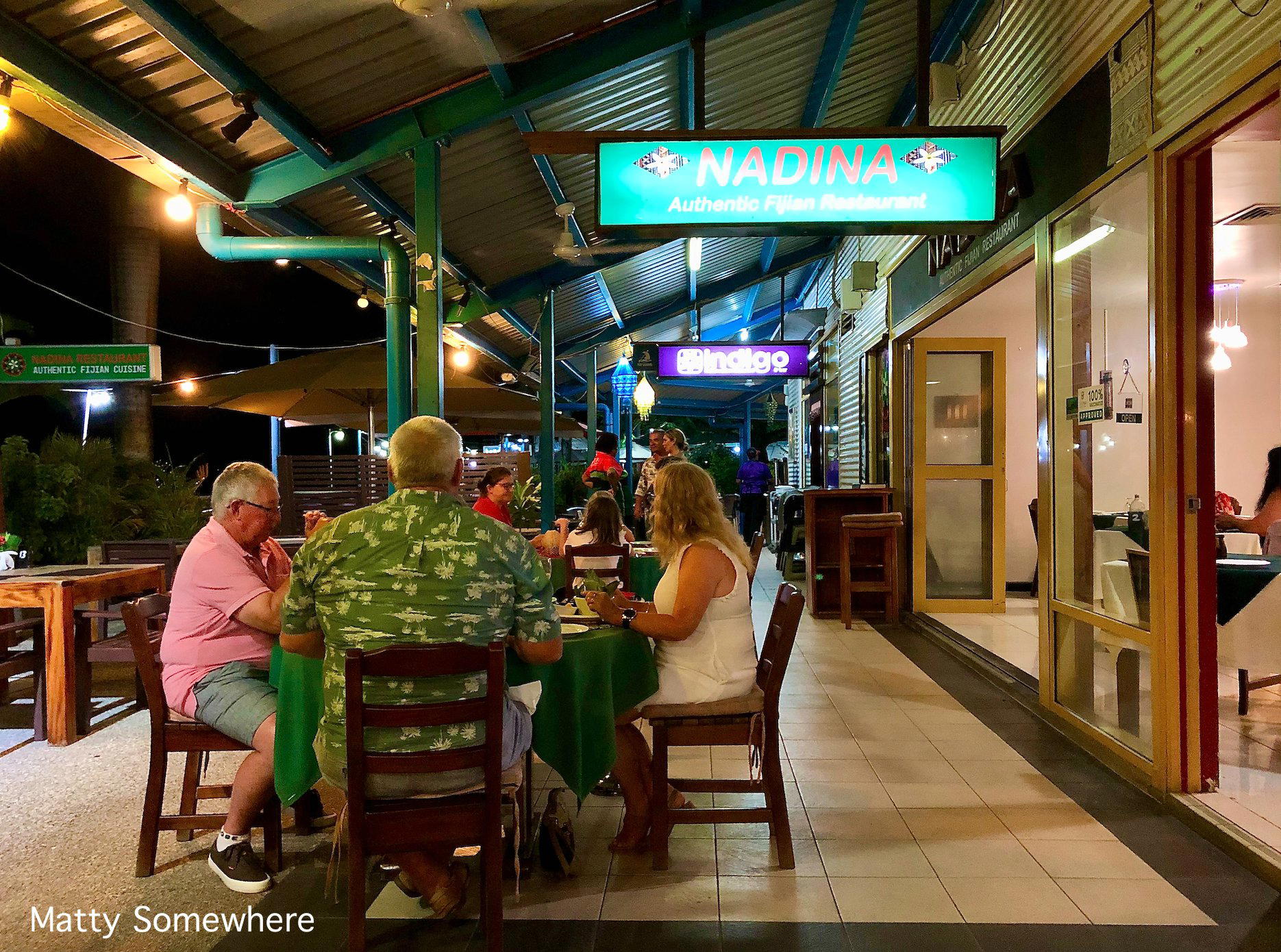
Nadi's restaurant scene organises itself roughly into three tiers: resort and marina dining aimed at international visitors, mid-range independent restaurants serving a mix of locals and travellers, and neighbourhood-level rooms focused on the local population. Chinese restaurants in Nadi sit predominantly in the middle tier, sometimes sliding toward the third. They occupy a different competitive set from the formal Fijian dining available at places like Nadina Authentic Fijian Restaurant in Port Denarau, and a different register from the Japanese cooking at Daikoku Restaurant. They also differ in format and cultural origin from Korean barbecue formats like Gen Korean BBQ House or the seafood-focused proposition at Dongsheng's Restaurant, the latter of which represents one direct comparison in terms of cuisine category.
In this comparable set, differentiation comes down to consistency, value, and the specific regional Chinese influences a kitchen leans on. Cantonese cooking, with its emphasis on steaming, clear sauces, and ingredient freshness, has historically been the dominant Chinese culinary dialect across the Pacific, partly because Cantonese migrants formed the largest Chinese communities in the region. Sichuan or Hunanese influence is less common in Fiji's Chinese restaurants, though it appears occasionally in dishes adapted for local palates.
The contrast with internationally decorated rooms such as Alinea in Chicago, Arzak in San Sebastián, or Aponiente in El Puerto de Santa María is obvious, but that comparison misses the point. What a neighbourhood Chinese restaurant in Namaka offers is a different kind of value proposition entirely: food that belongs to the place rather than performing for outside audiences.
Planning a Visit
LC's Chinese Restaurant is located in the Namaka area of Nadi, positioning it conveniently for visitors staying near the airport or passing through the commercial district. Specific hours are not listed in the record, so plan ahead. No formal dress code applies in rooms of this type.
Comparable Spots, Quickly
Comparable venues nearby, for context on price, style, and recognition.
| Venue | Cuisine | Price | Notes |
|---|---|---|---|
| LC's Chinese RestaurantThis venue — the venue you are viewing | Chinese with Fijian Influences | $$ | Not listed |
| Dongsheng's Restaurant 东盛海鲜餐厅 | Authentic Cantonese Seafood | $$ | Nadi |
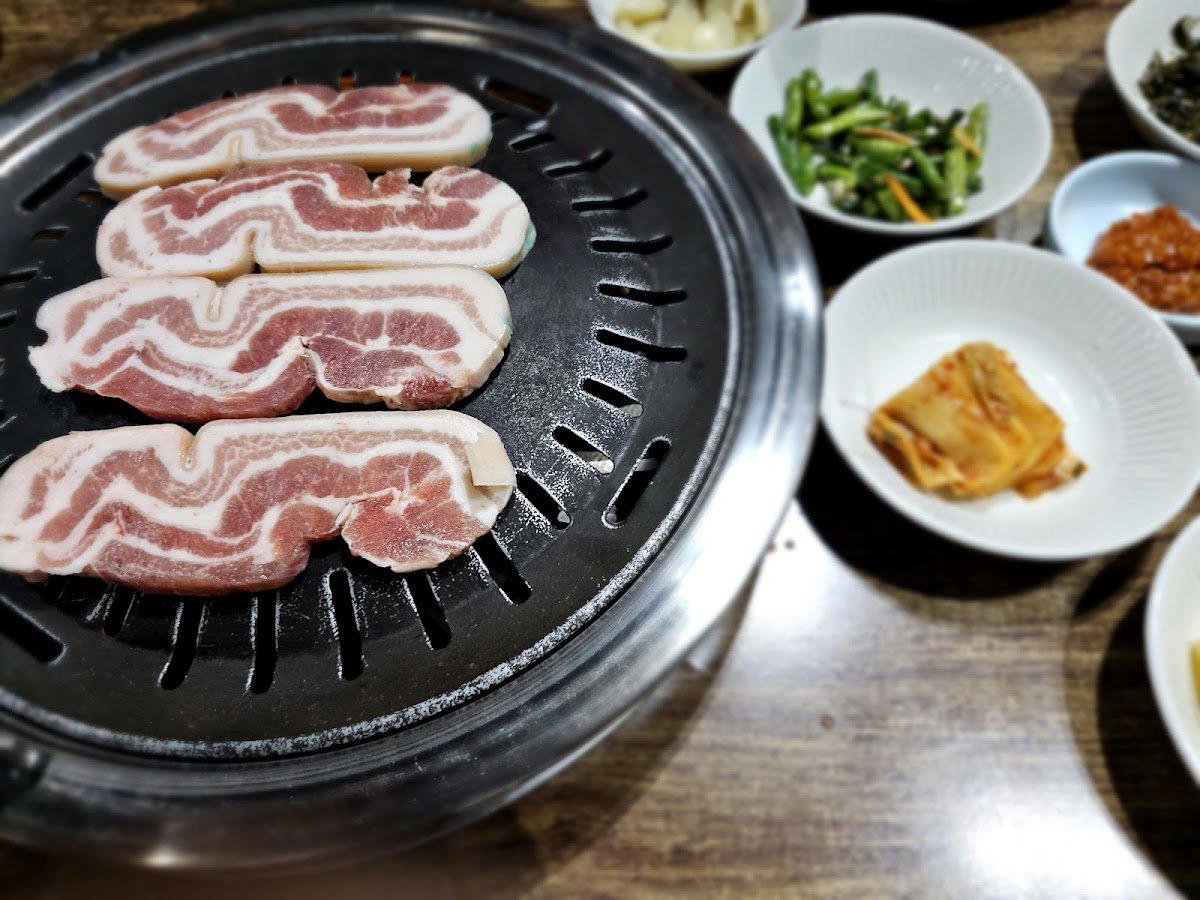
| Gen Korean Bbq House | Authentic Korean BBQ | $$ | Martintar |
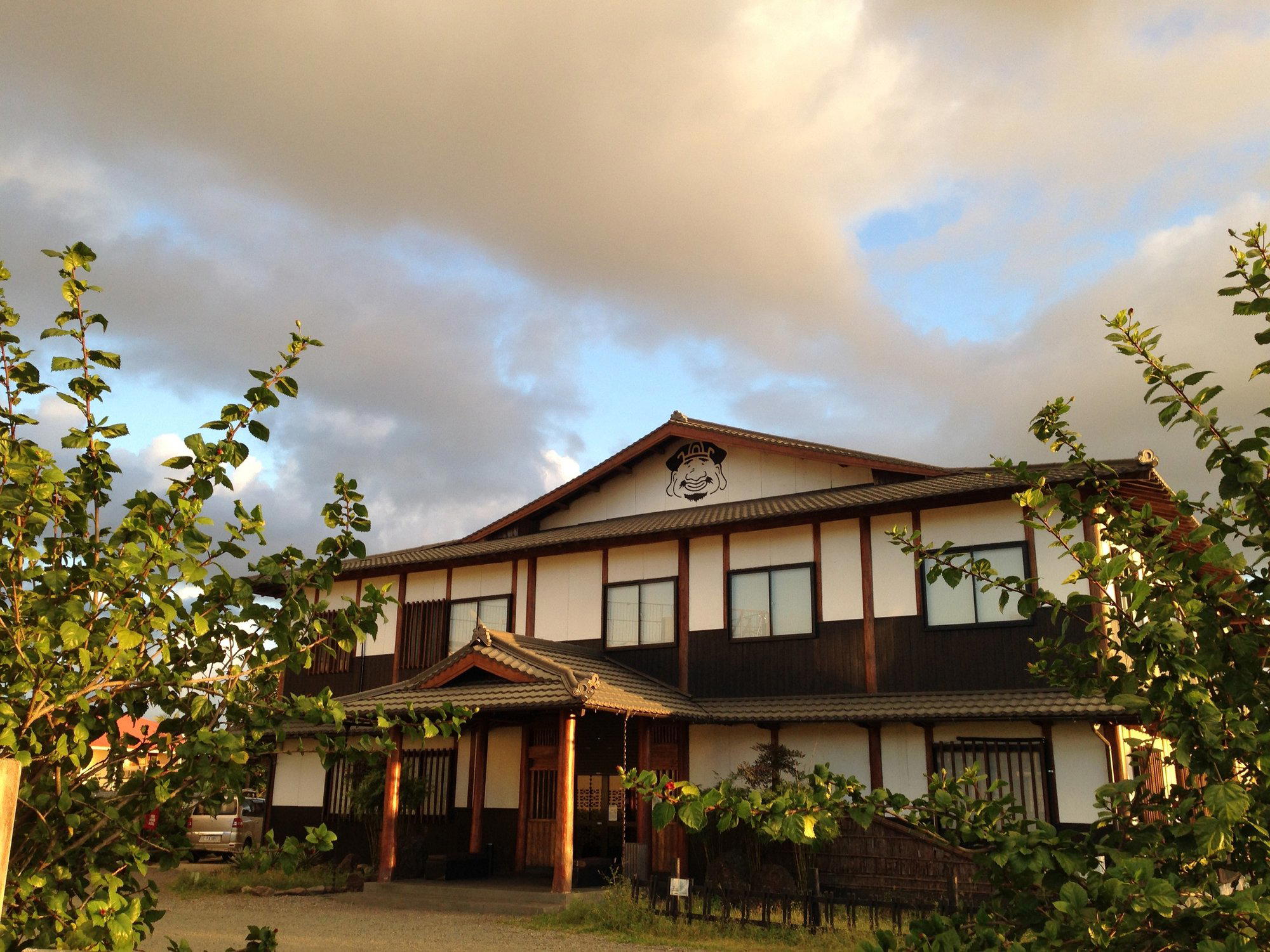
| Daikoku Restaurant | Authentic Japanese Teppanyaki & Sushi | $$ | Martintar |
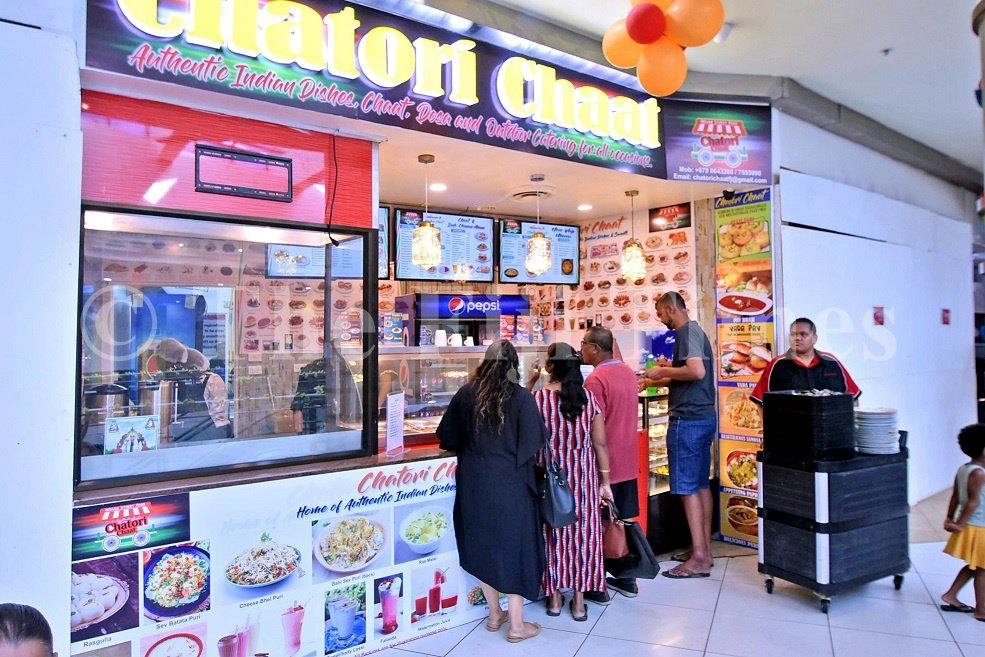
| Chatori Chaat | Authentic Indian Street Food | $$ | Namaka |
| Nadina Authentic Fijian Restaurant | Authentic Fijian Seafood | $$$ | Port Denarau |






At a Glance
- Cozy
- Classic
- Family
- Casual Hangout
- Group Dining
- Local Sourcing
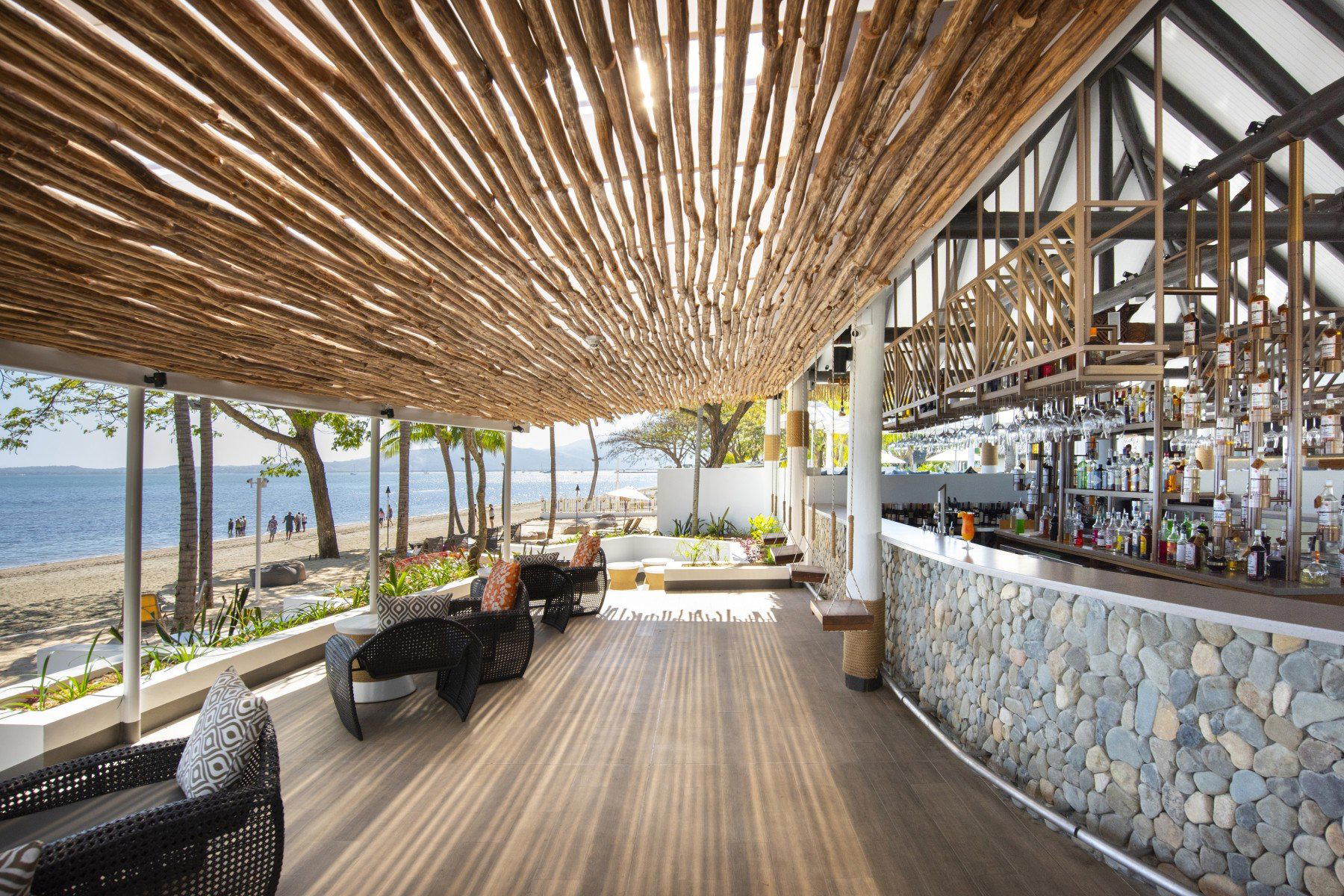
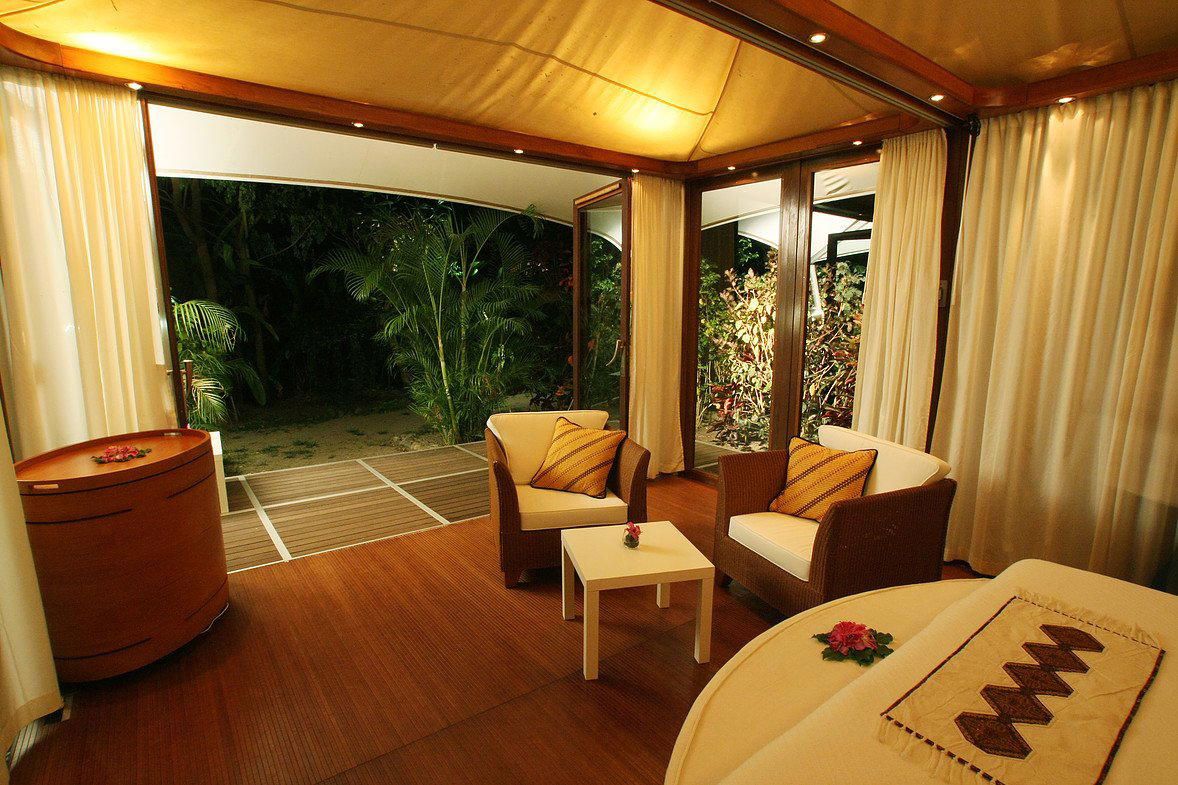
Cozy and light spacious interior with a contemporary feel, tucked away but welcoming for family dinners.