Nadina Authentic Fijian Restaurant
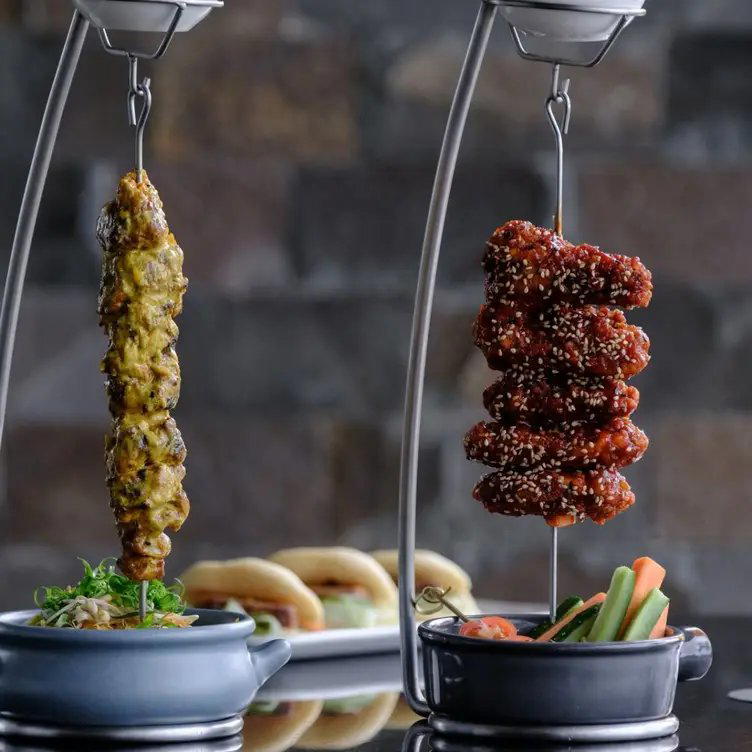
At Port Denarau's The Cove, Nadina Authentic Fijian Restaurant makes the case that Fiji's indigenous culinary traditions deserve the same serious attention given to any Pacific regional cuisine. The kitchen draws on local sourcing as both a philosophy and a practice, placing lovo-style cooking and root vegetable traditions at the centre of the menu rather than the margins. For visitors eating their way through the resort strip, Nadina represents the clearest available argument for staying on the archipelago's own terms.
Pearl is the En Primeur Club membership app — saves, bookings, and concierge access live there. Same editors, same standards.
- Address
- The Cove, Port Denarau
- Directions
- Get directions
 Saves & bookings on Pearl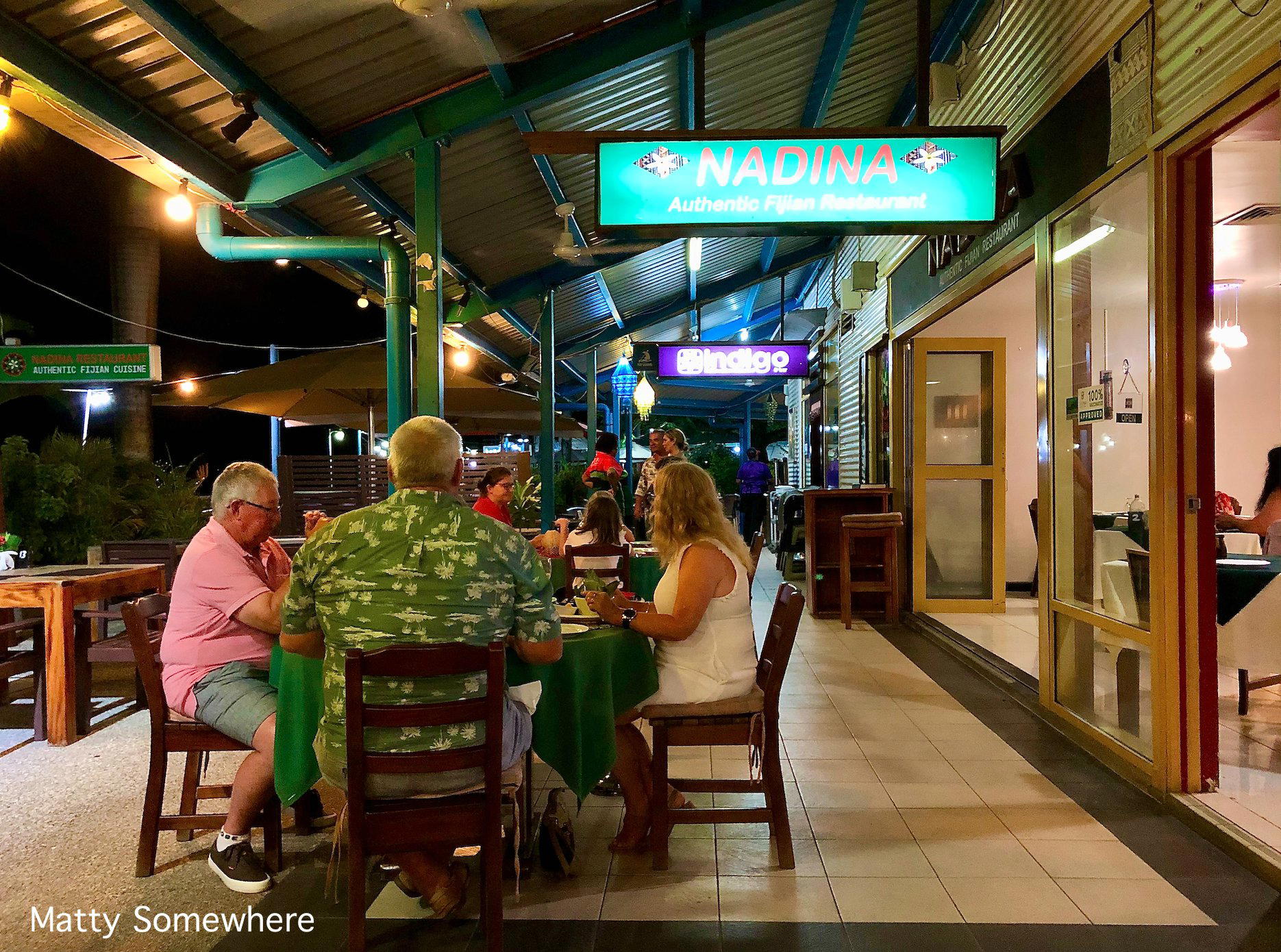
Where the Pacific Plate Begins on Land
Port Denarau's dining strip runs predictably toward international formats: Japanese izakayas, Chinese seafood halls, the kind of pan-Asian menu that travels well and offends nobody. Nadina Authentic Fijian Restaurant, positioned at The Cove within the marina precinct, sits against that current. The restaurant presents authentic Fijian cooking in a marina setting.
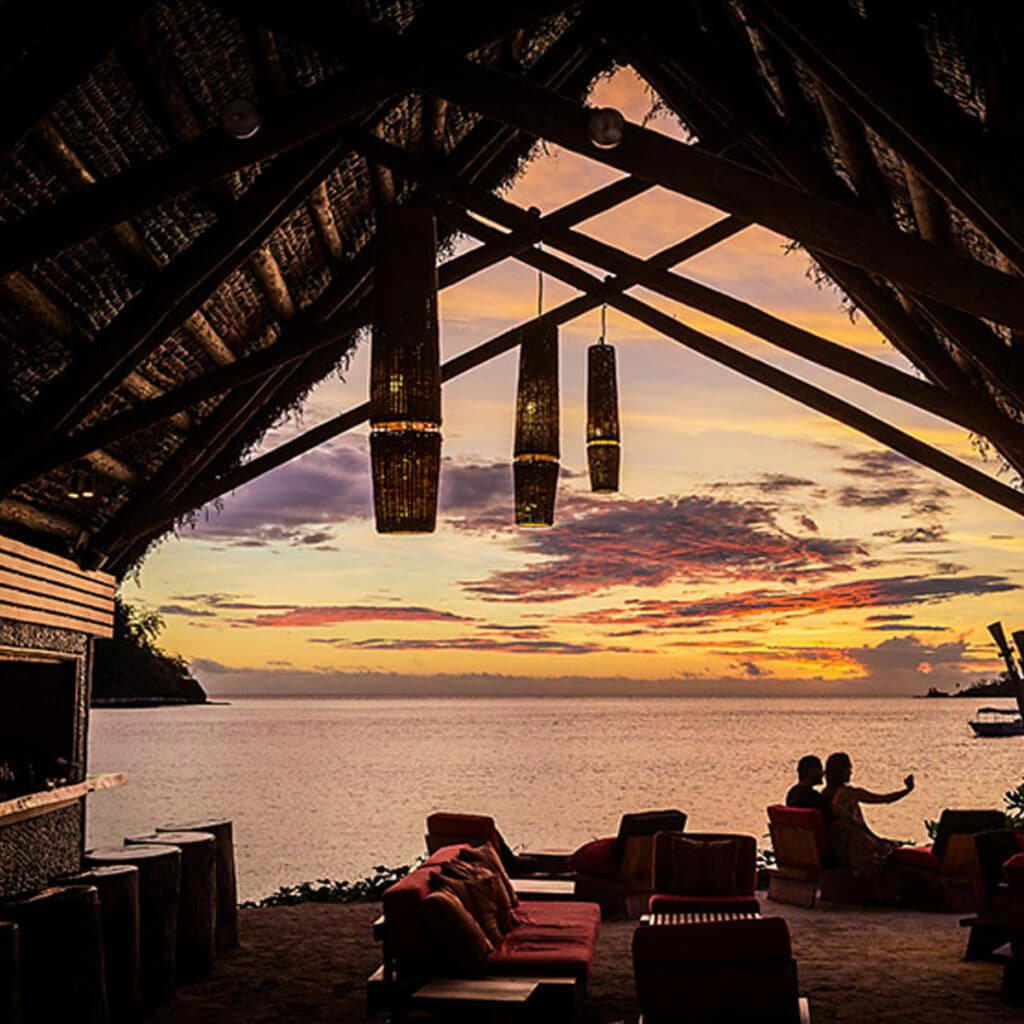
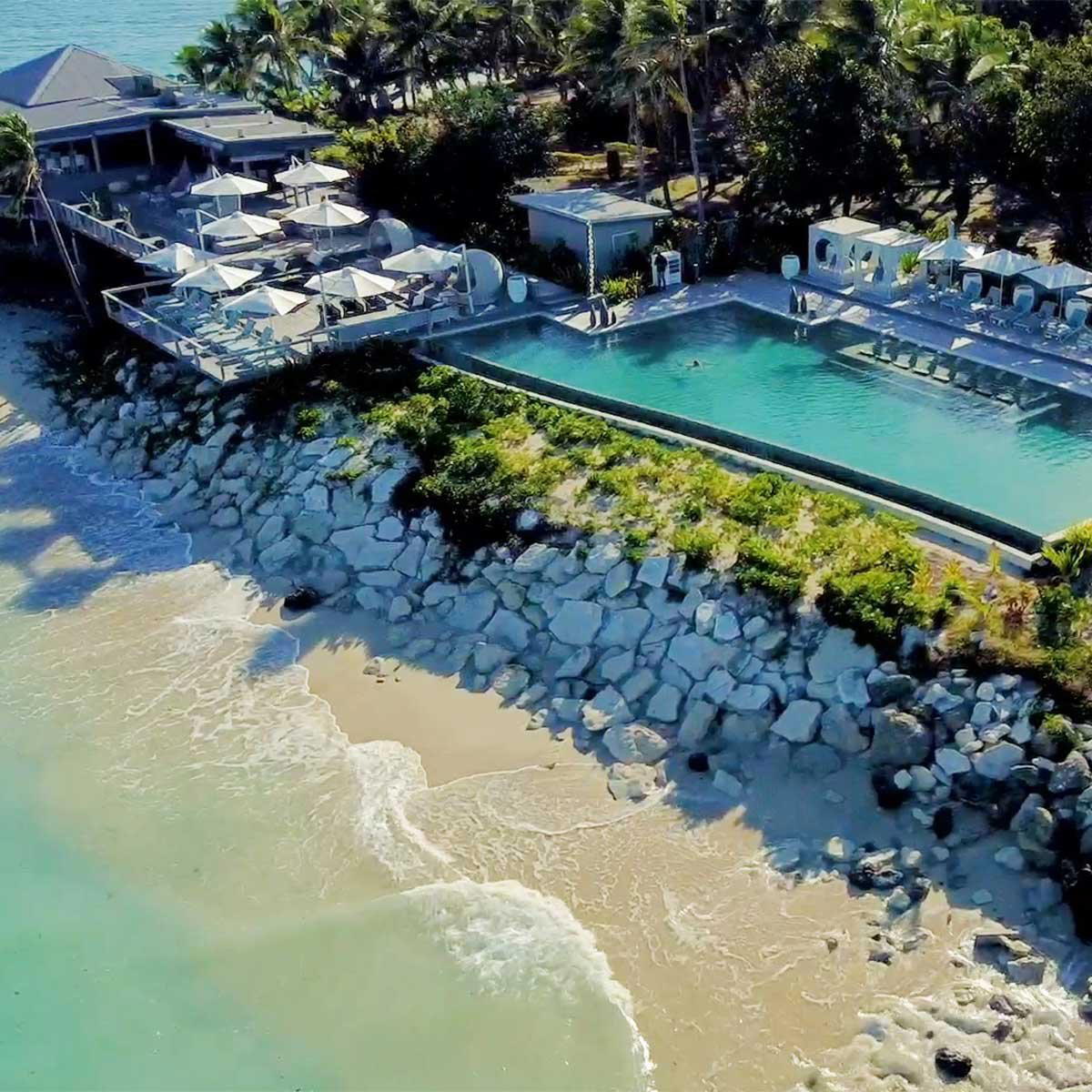
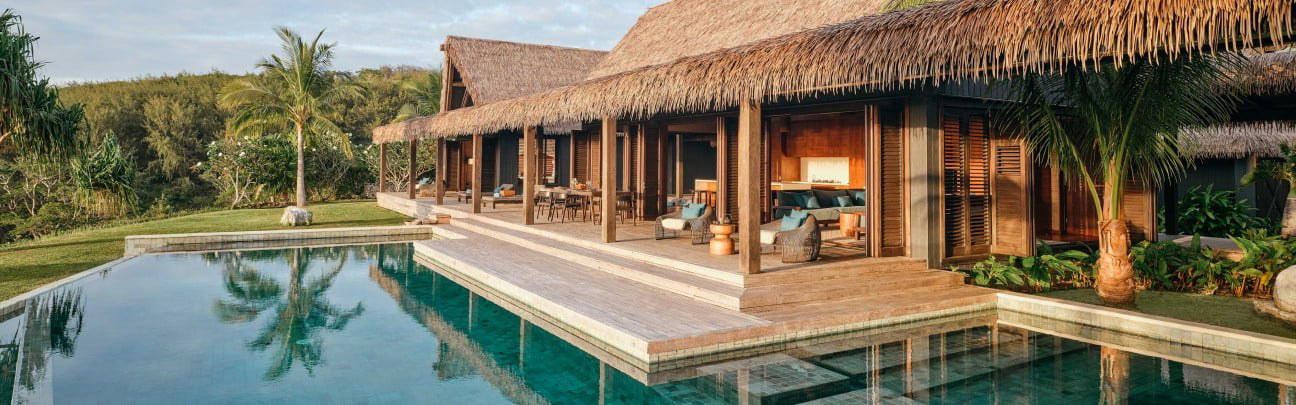
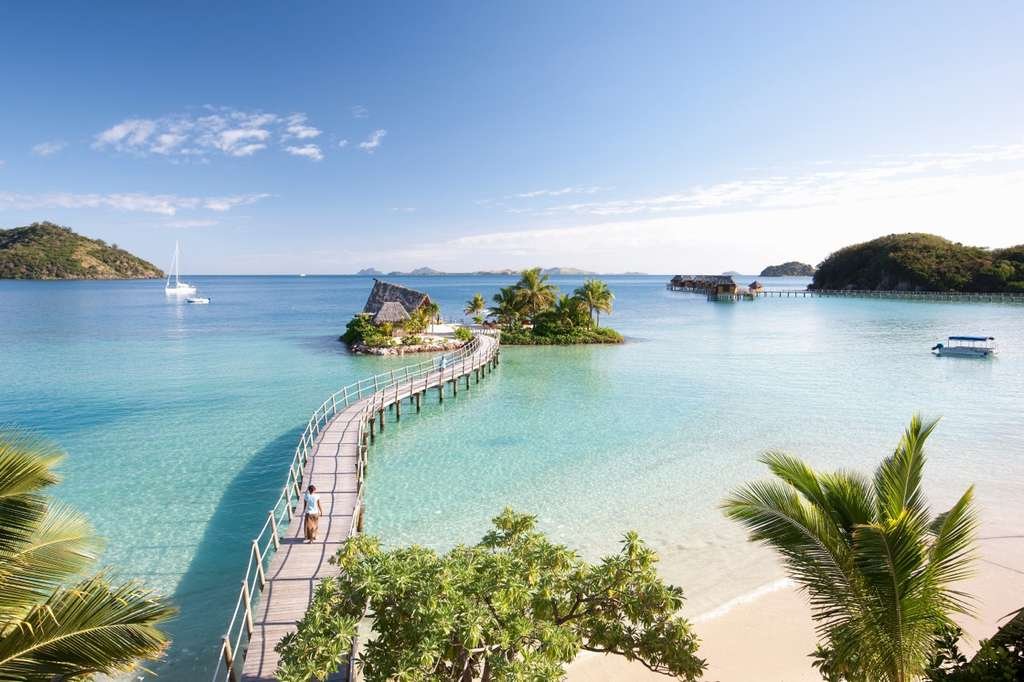
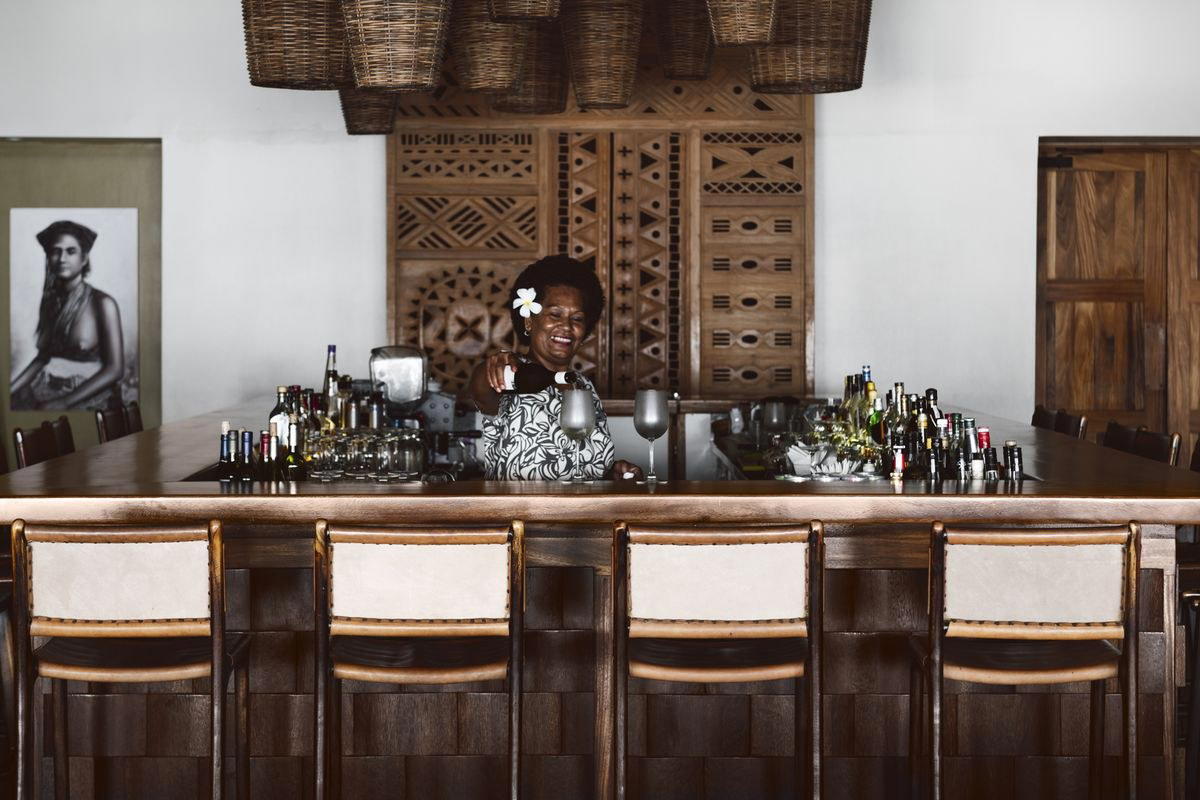
The approach to the space sets the register. The Cove's waterfront position means the harbour is present whether you want it or not, the salt air reaching the table before the menu does. This is a different setting from the controlled interiors of city restaurants. Nadina operates in a different register, one where the outdoor geography of the Pacific does some of the work. The harbour view and open air are part of the setting.
Sourcing as the Argument
Authentic Fijian cooking has always been inseparable from its ingredient geography. The archipelago's agricultural base, taro, cassava, breadfruit, locally caught reef fish and the lovo pit shape a distinct flavour profile. It sits in its own tradition, shaped by the islands' volcanic soil, the surrounding reef system, and the agricultural practices of iTaukei communities that predate colonial contact by millennia.
Restaurants that genuinely commit to this sourcing framework are rare on the Denarau peninsula, where the gravitational pull of international supply chains is strong and most kitchens default to imported proteins and standardised produce. The decision to build a menu around authentic Fijian ingredients is therefore also a logistical position: it requires supplier relationships with local farmers and fishermen rather than the centralised distributors that serve the resort sector. That kind of sourcing commitment is what distinguishes kitchens with a genuine regional identity from those running a cultural theme over an internationally sourced larder.
For context, this is the same question that animates particularly discussed restaurants globally. Arzak in San Sebastián built its reputation on the argument that Basque ingredients required Basque cooking. Azurmendi in Larrabetzu made its own agricultural sourcing a structural part of the dining experience. Aponiente in El Puerto de Santa María built an entire kitchen language around marine ingredients from its immediate coastal geography. The scale and formality differ enormously, but the underlying argument is the same: that where food comes from shapes what it can mean.
Fijian Cooking in Its Own Terms
The lovo, Fiji's traditional earth oven, is a central technique in the indigenous culinary repertoire. Proteins and root vegetables wrapped in banana leaf and slow-cooked over heated stones in a ground pit develop a smoke and earthiness that no above-ground equivalent replicates. It has ceremonial roots, used for feasts marking births, deaths, and the welcoming of significant guests. A restaurant that treats it as a centrepiece rather than an occasional weekend special is making a statement about cultural seriousness.
Root vegetables in Fijian cooking are not sides or fillers. Taro, dalo in Fijian, has been cultivated in the islands for over three thousand years and carries both nutritional and cultural weight. The variety grown in Fiji's highland districts develops a starchiness and density distinct from the taro varieties common in Hawaiian or Samoan cooking. Cassava, introduced later, has become a staple with its own preparation traditions. These are not interchangeable ingredients. They carry specific textural and flavour identities that reward a kitchen paying attention to provenance.
Kokoda, Fiji's answer to ceviche, uses fresh reef fish cured in citrus and finished with coconut cream. The technique has parallels across the Pacific, but the specific fish species available in Fijian waters, and the particular richness of local coconut cream pressed from mature nuts rather than reconstituted from commercial product, produce a version with a regional specificity that matters. For visitors whose main reference point for Pacific fish preparation might be something like the refined seafood work at Le Bernardin in New York, kokoda represents a different tradition entirely: curing as preservation technique and celebratory preparation simultaneously.
Port Denarau's Dining Context
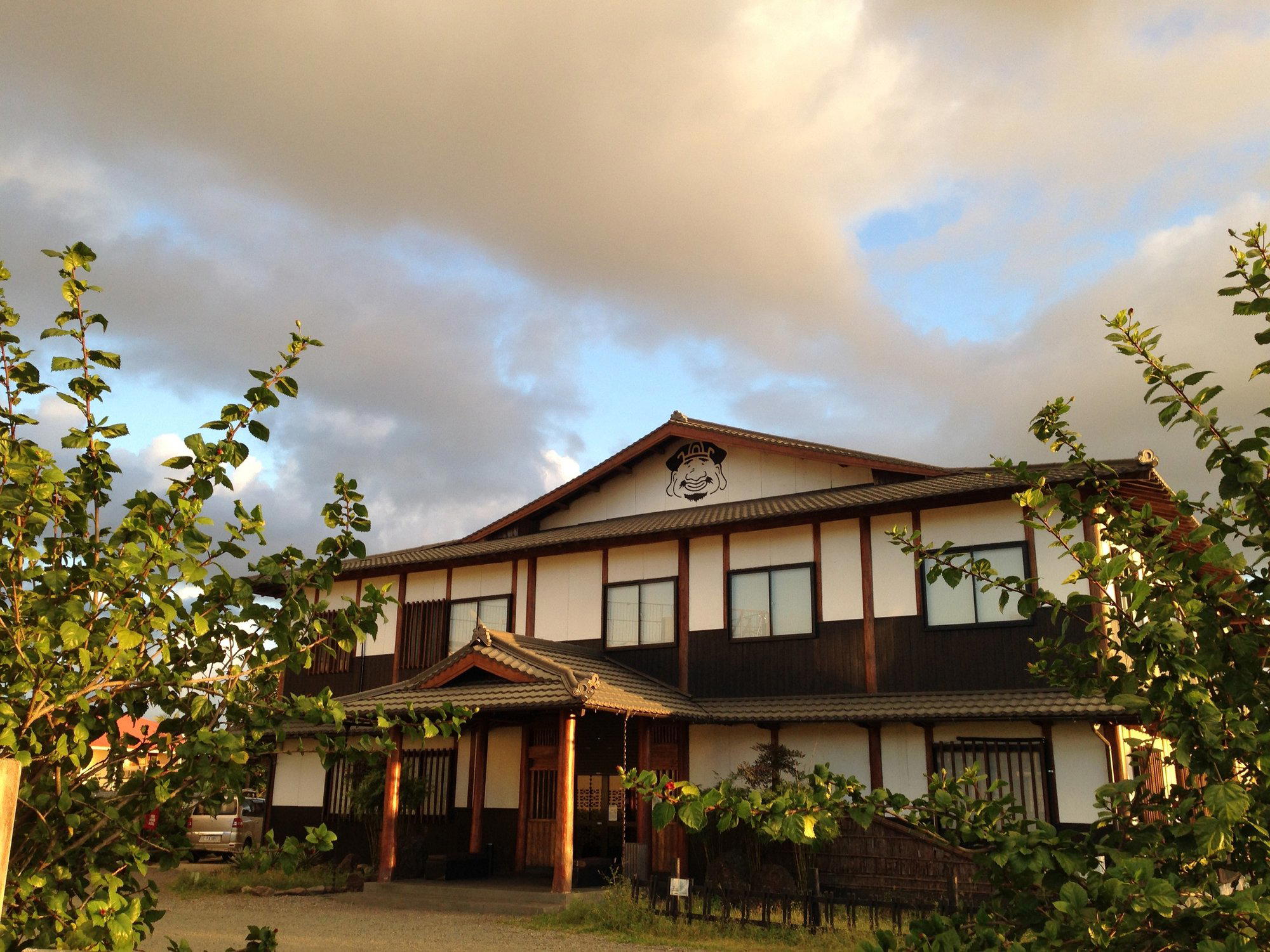
The Denarau peninsula functions primarily as a resort and marina hub, with most dining options oriented toward the preferences of international visitors passing through to the Mamanuca and Yasawa island groups. The nearby Daikoku Restaurant in Nadi represents the kind of transplanted international format that dominates the area. Against that backdrop, a restaurant with a genuine commitment to local culinary tradition occupies a specific and underserved niche.
For visitors with limited time in Denarau before or after island transfers, the marina precinct location at The Cove is convenient.
See our full Port Denarau restaurants guide for broader context on the area's dining options and how they compare across cuisine type and price bracket.
Placing Nadina in Its comparable set
Globally, the restaurants receiving sustained critical attention are increasingly those that make legible arguments about place and ingredient origin. Atelier Crenn in San Francisco, Lazy Bear in the same city, and Atomix in New York all built their reputations partly on the coherence between their sourcing frameworks and their culinary identity. The comparison is not one of scale or ambition level; it is one of underlying logic. A restaurant in Port Denarau committed to authentic Fijian ingredients and techniques is operating from the same underlying conviction, applied to a cuisine that receives far less international critical infrastructure.
Restaurants like Arpège in Paris or Alain Ducasse at Louis XV in Monte Carlo operate with enormous institutional support behind their regional identities. Fijian cuisine gets none of that, which means the work of preservation and presentation falls to individual kitchens without external validation scaffolding.
Planning a Visit
The marina location at The Cove, Port Denarau, places Nadina within walking distance of the main ferry terminal, which is practical for visitors with early morning or late afternoon departures to the outer islands. Reservations are recommended, and visitors should confirm current hours directly with the restaurant. The restaurant's position in the marina complex means it is accessible without a vehicle from the main resort hotels on the peninsula.
In Context: Similar Options
Comparable venues nearby, for context on price, style, and recognition.
| Venue | Cuisine | Price | Notes |
|---|---|---|---|
| Nadina Authentic Fijian RestaurantThis venue — the venue you are viewing | Authentic Fijian Seafood | $$$ | Not listed |
| Daikoku Restaurant | Authentic Japanese Teppanyaki & Sushi | $$ | Martintar |
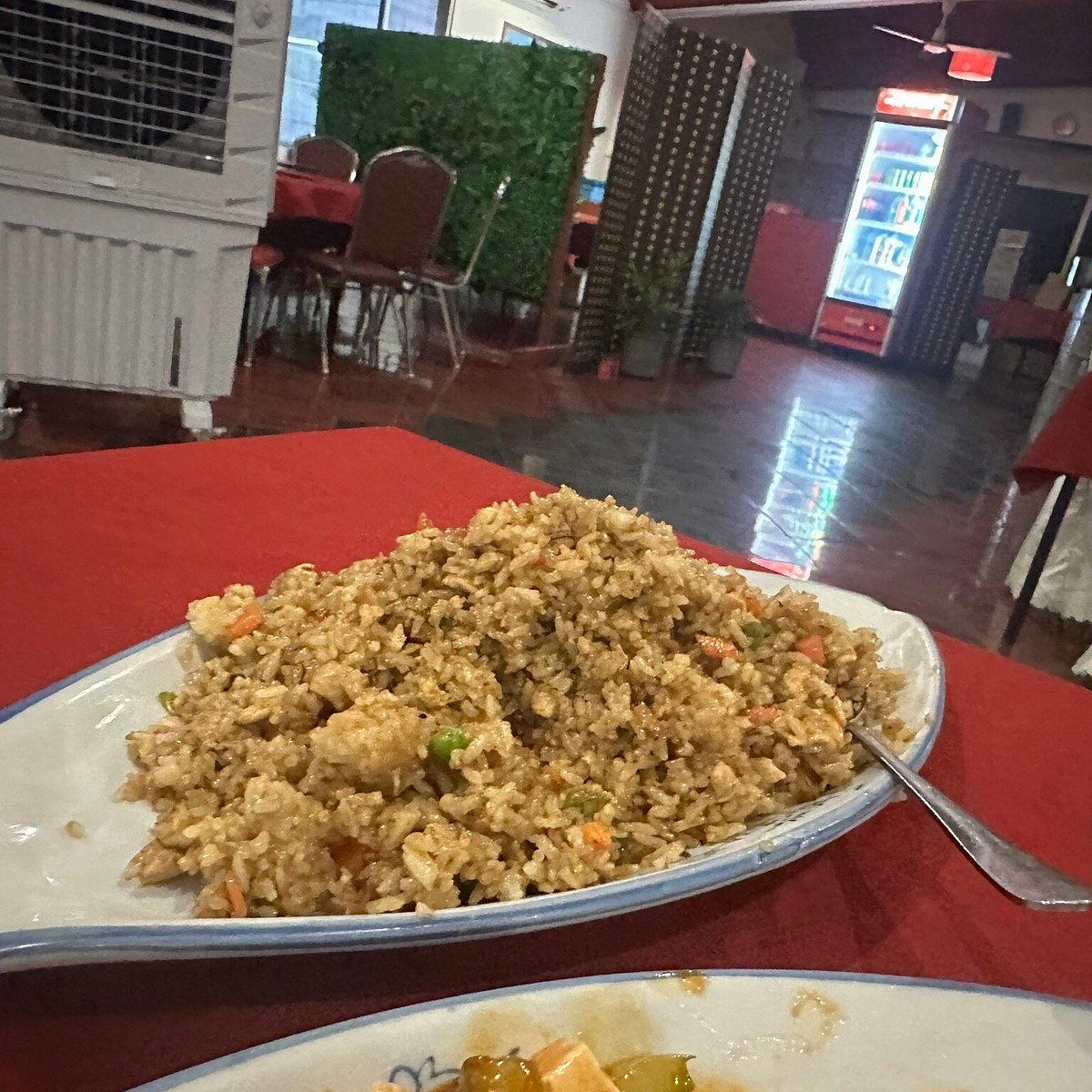
| Dongsheng's Restaurant 东盛海鲜餐厅 | Authentic Cantonese Seafood | $$ | Nadi |
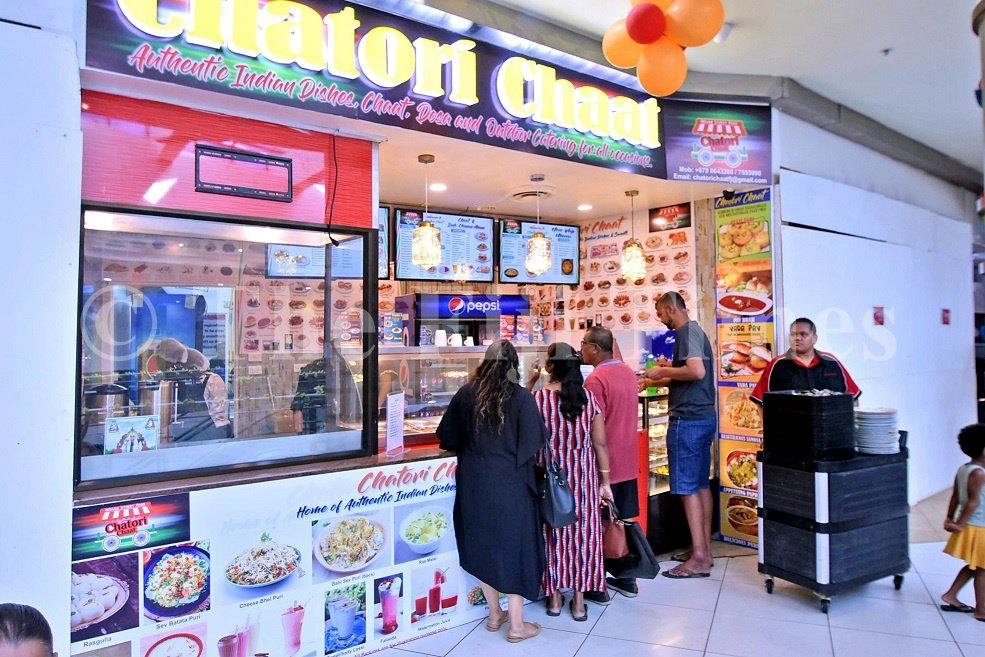
| Chatori Chaat | Authentic Indian Street Food | $$ | Namaka |
| LC's Chinese Restaurant | Chinese with Fijian Influences | $$ | Namaka |
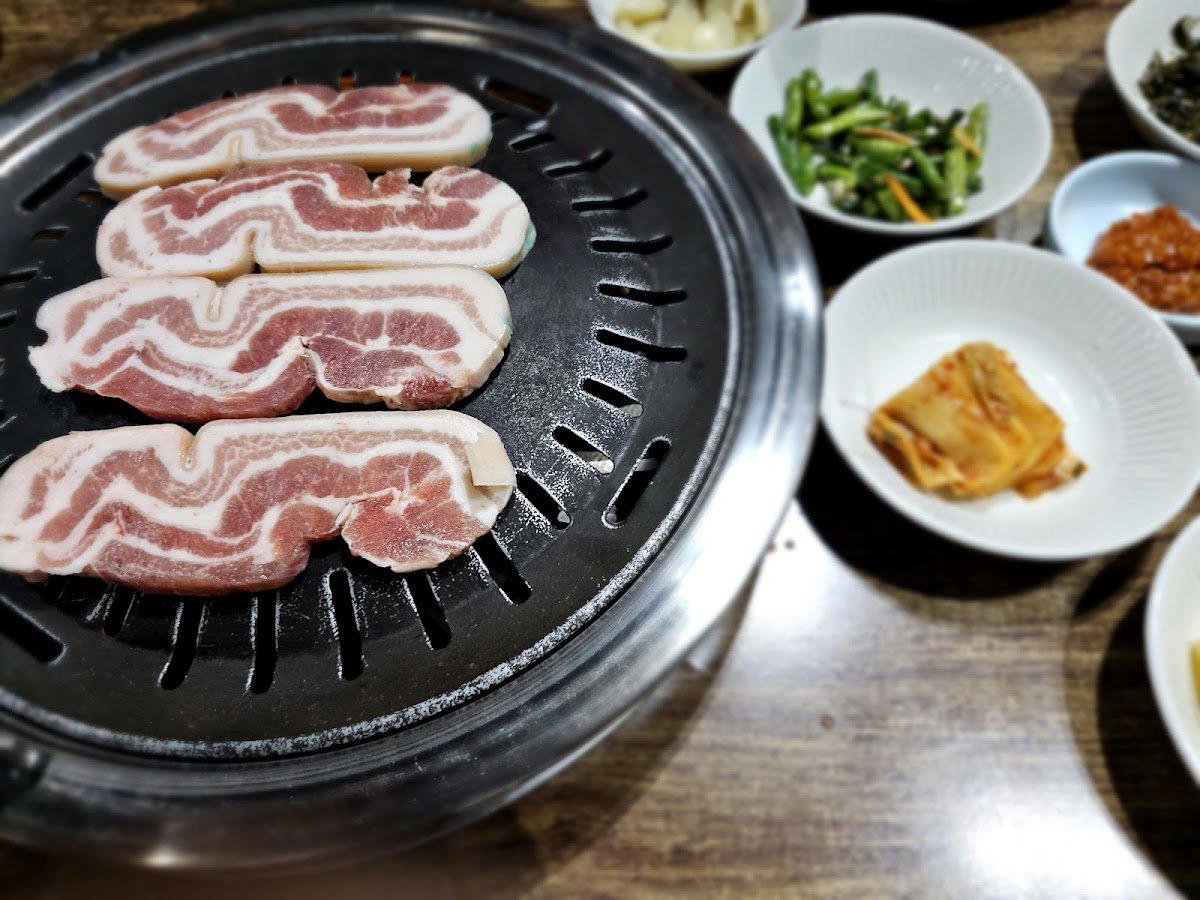
| Gen Korean Bbq House | Authentic Korean BBQ | $$ | Martintar |
Continue exploring
More in Port Denarau
Restaurants in Port Denarau
Browse all →
Bars in Port Denarau
Browse all →
At a Glance
- Scenic
- Lively
- Cozy
- Family
- Celebration
- Casual Hangout
- Live Music
- Waterfront
- Local Sourcing
- Waterfront
Lively waterside atmosphere with live Fijian music, sunset marina views, and warm inviting service.