On Wailoaloa Road in Nadi, Daikoku Restaurant occupies a specific niche in a town where Asian dining options span several traditions. The address places it within reach of both resort visitors and local regulars, and the name signals Japanese lineage in a city where Chinese and Korean formats dominate the Asian dining scene. Booking ahead is advisable, particularly during the peak visitor season.
Pearl is the En Primeur Club membership app — saves, bookings, and concierge access live there. Same editors, same standards.
- Address
- Wailoaloa Rd., Nadi
- Directions
- Get directions
 Saves & bookings on Pearl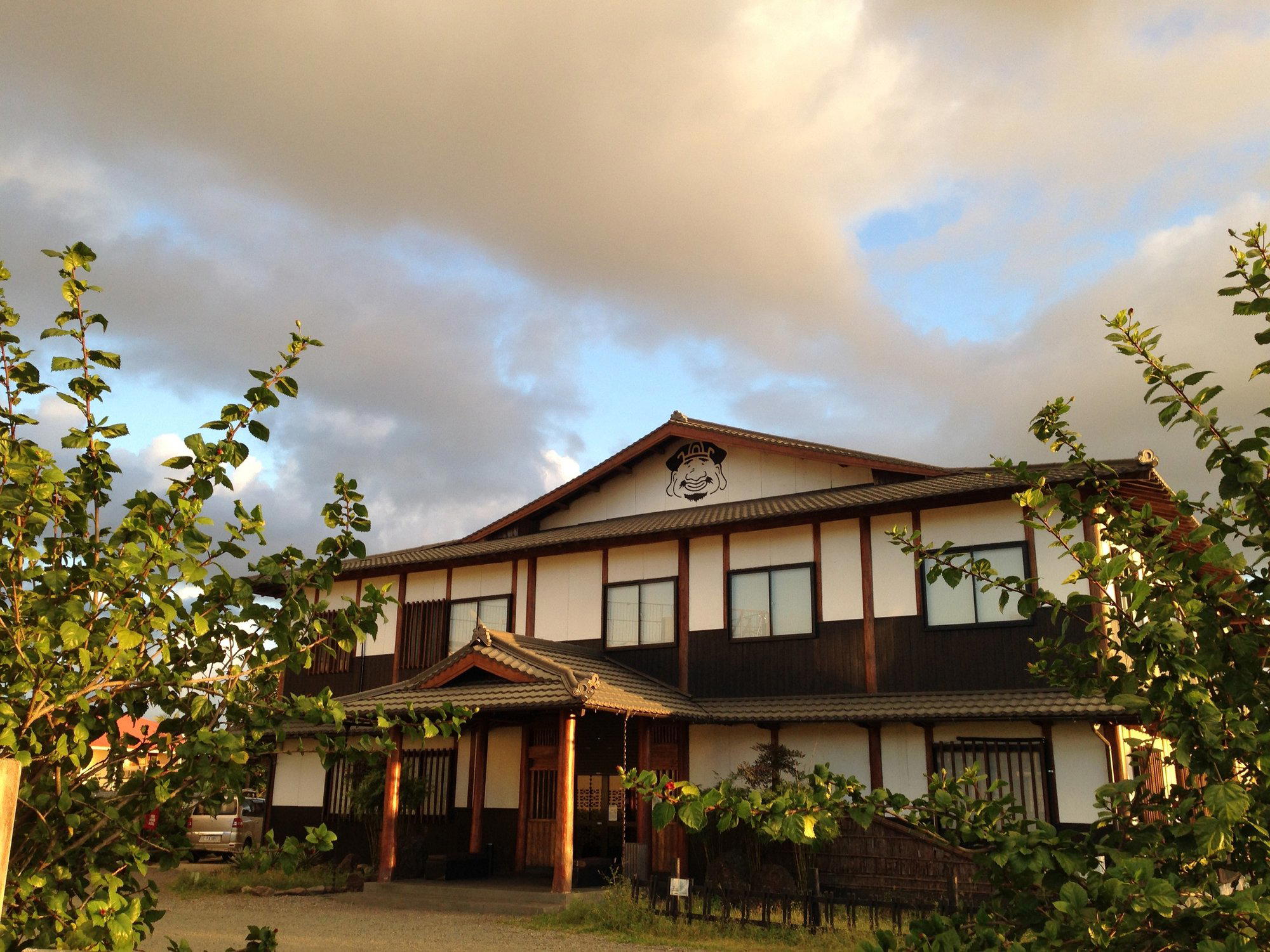
Where Nadi's Asian Dining Scene Places Japanese Cuisine
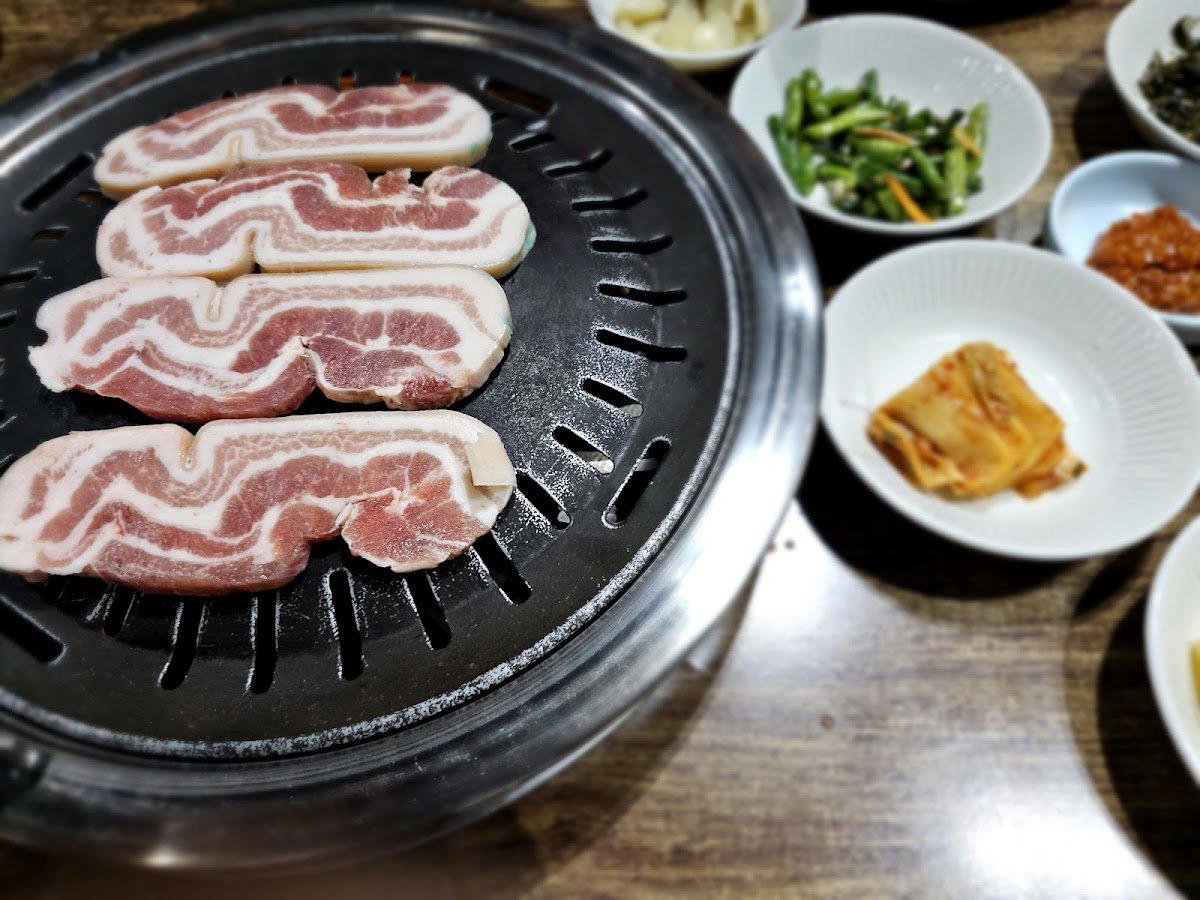
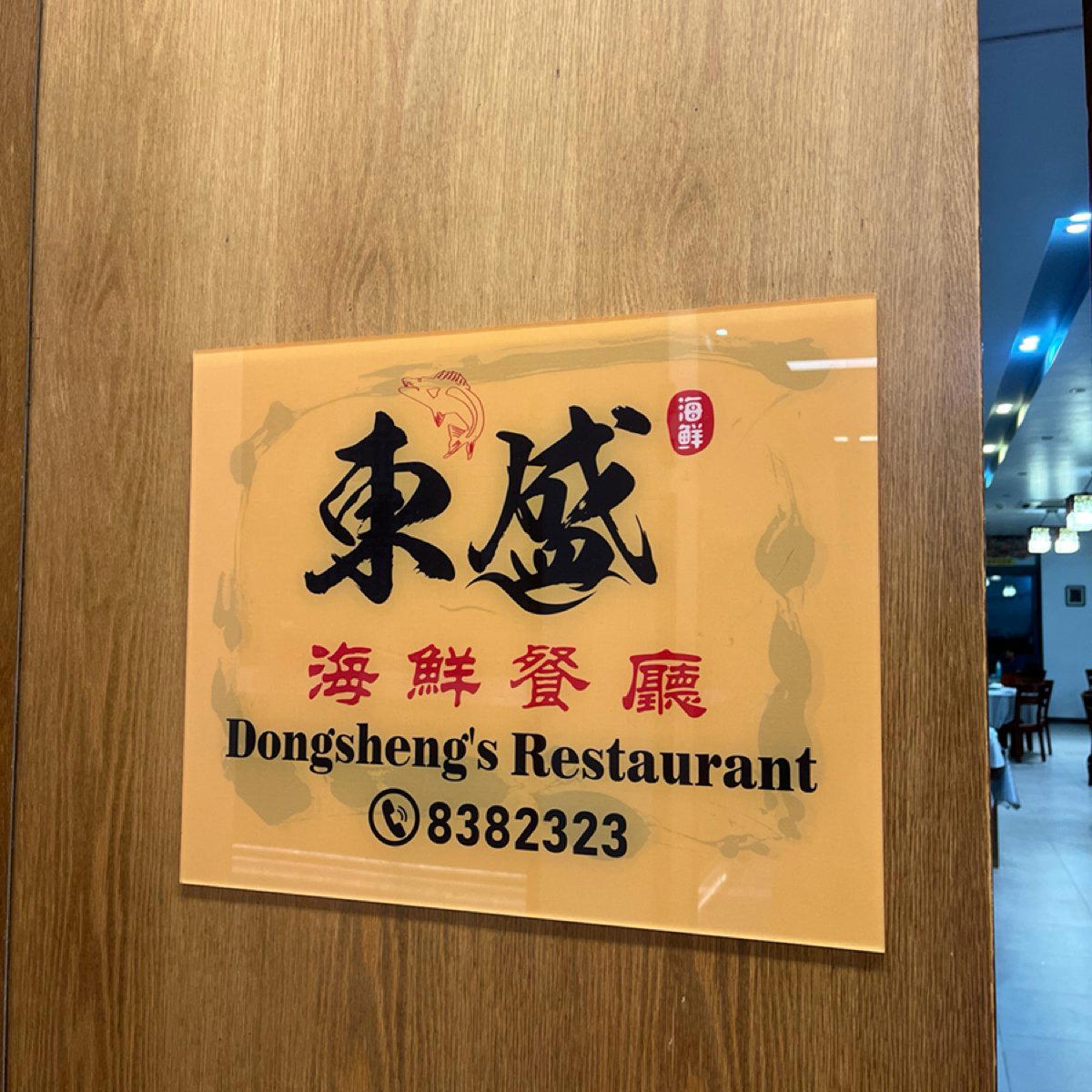
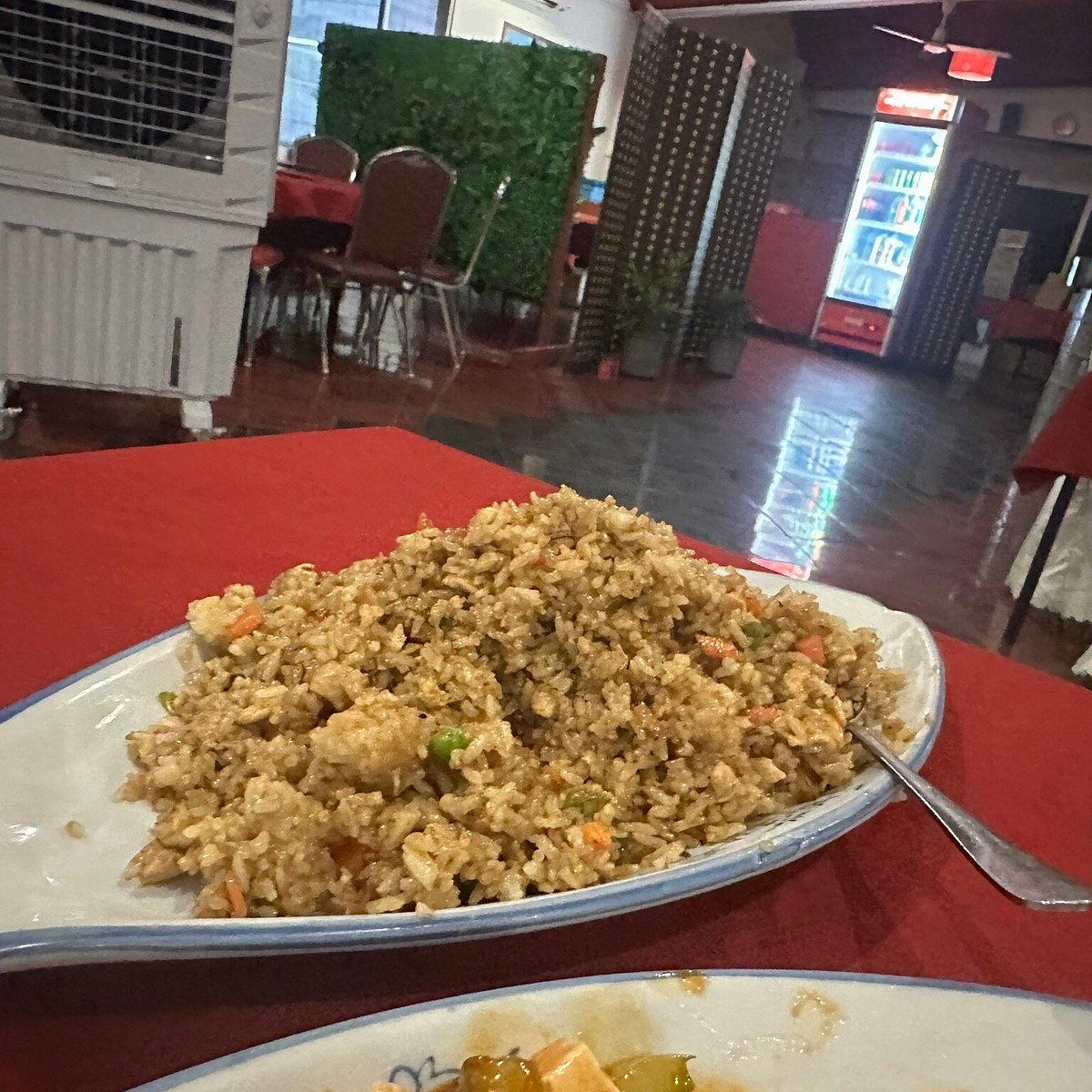
Daikoku Restaurant is a casual Japanese teppanyaki and sushi restaurant in Nadi, Fiji, on Wailoaloa Rd. with dining priced at about US$35 per person. The town functions primarily as Fiji's main gateway, the international airport draws visitors who often pass through rather than settle in, and its dining character reflects that transit logic. Most of the credible Asian restaurant options along and around Wailoaloa Road lean toward Chinese seafood formats, with venues like Dongsheng's Restaurant 东盛海鲜餐厅 and LC's Chinese Restaurant serving the Cantonese and Fujian-influenced cooking that has deep roots in Fiji's Chinese-Fijian community. Korean formats, represented by places like Gen Korean BBQ House, have also gained traction. Japanese dining, by contrast, occupies a smaller, less crowded tier in this specific city context.
Daikoku Restaurant, on Wailoaloa Road, sits within that Japanese tier. The address places it in a part of Nadi that functions as a practical dining corridor for both resort visitors staying near the beach strip and locals who use the area regularly. Wailoaloa is not a destination street in the way that a curated restaurant quarter in a larger city might be, but it draws consistent foot traffic, and a Japanese restaurant on that strip competes on a different axis than its Chinese or Korean neighbours. In a market where Cantonese-style seafood cooking has the deepest local roots, a Japanese format represents a different sourcing logic, a different approach to protein preparation, and a different set of expectations from the diner.
The Ingredient Question in a Pacific Context
Any discussion of Japanese cooking in Fiji eventually arrives at the same question: where does the fish come from, and how does the answer shape what ends up on the plate? Fiji sits inside the Pacific's tuna corridor, and the waters around the island group produce yellowfin and bigeye tuna that, when handled correctly from catch to kitchen, can hold their own against the product used in urban Japanese restaurants operating far from any coastline. The proximity to that supply chain is one of the structural advantages that Japanese-leaning restaurants in Pacific island settings can draw on, provided the kitchen has the discipline to work with fresh product rather than frozen import alternatives.
This sourcing dynamic distinguishes the Pacific context meaningfully from the situation facing, say, a Japanese restaurant in a landlocked European city. Venues like HAJIME in Osaka operate within Japan's own deeply structured supply infrastructure. A restaurant operating on a Pacific island routes around those systems entirely and works with what arrives locally. That localism is either a constraint or an asset depending on how the kitchen approaches it. The leading outcomes in similar Pacific markets tend to come when kitchens commit to the local catch rather than approximating the imported product profiles that Japanese dining in wealthier urban markets takes for granted.
For diners visiting Nadi primarily through the resort corridor, the comparison point is often the Japanese restaurant options inside the major resort properties, which typically rely on controlled supply chains and may use frozen imports to maintain menu consistency year-round. A standalone restaurant on Wailoaloa Road operates with different overhead and different supply relationships, which can mean greater variability but also greater proximity to whatever the local market is offering in a given week.
The Wailoaloa Road Setting
Approaching Daikoku from the main road, the surrounding environment reads as working-town Nadi rather than resort-adjacent Nadi. The street operates at a human scale, with the kind of low-rise commercial development that characterises functional Pacific town centres rather than the landscaped approaches of the Denarau corridor. For travellers who have spent time in the resort bubble, that shift in register is itself informative. Dining here is an act of engagement with a different layer of the city. For visitors interested in understanding Nadi beyond its tourism infrastructure, Wailoaloa Road represents one of the more accessible entry points.
That context matters when calibrating expectations. This is not a high-production dining environment in the mode of the restaurants that draw international critical attention, venues like Le Bernardin in New York City or Waterside Inn in Bray represent a category of investment and infrastructure that has no direct parallel in a Nadi street-level setting. The relevant comparison is the local tier: how does Daikoku perform against what Nadi's Asian dining scene offers at a similar price point and format level? On that measure, a Japanese option on Wailoaloa diversifies a scene otherwise dominated by Chinese and Korean formats, and that diversity has value in a city where dining choices at the casual to mid-range level can feel repetitive for longer-stay visitors.
For context on what is available across the full spectrum of Nadi dining,
How Daikoku Fits the Broader Asian Dining Picture in Fiji
Fiji's Asian restaurant scene reflects the island nation's own demographic history. Chinese migration to Fiji dates to the late nineteenth century, and the cooking traditions that came with those communities have had over a century to adapt to local ingredients and local tastes. Japanese cuisine arrived later and through different channels, carried primarily by the tourism economy rather than by community migration. That distinction matters for understanding why Chinese formats have deeper roots and wider reach in Fijian cities, while Japanese dining tends to occupy a smaller, more tourism-dependent tier.
Restaurants anchored in ingredient-driven cooking traditions, whether they draw on European classical techniques as venues like Dal Pescatore in Runate or Piazza Duomo in Alba do, or on Japanese discipline around raw and minimally processed protein, share a common dependency on supply chain quality. In Fiji, that dependency plays out differently than it would in Europe or Japan, but the Pacific's own seafood resources provide a credible foundation for Japanese-adjacent cooking when kitchens commit to working with what the local market provides rather than against it.
Planning a Visit
Daikoku Restaurant is on Wailoaloa Rd. Nadi. Reservations are recommended, and the dress code is casual.
Comparable Venues
Comparable venues nearby, for context on price, style, and recognition.
| Venue | Cuisine | Price | Notes |
|---|---|---|---|
| Daikoku RestaurantThis venue — the venue you are viewing | Authentic Japanese Teppanyaki & Sushi | $$ | Not listed |
| Dongsheng's Restaurant 东盛海鲜餐厅 | Authentic Cantonese Seafood | $$ | Nadi |
| Gen Korean Bbq House | Authentic Korean BBQ | $$ | Martintar |
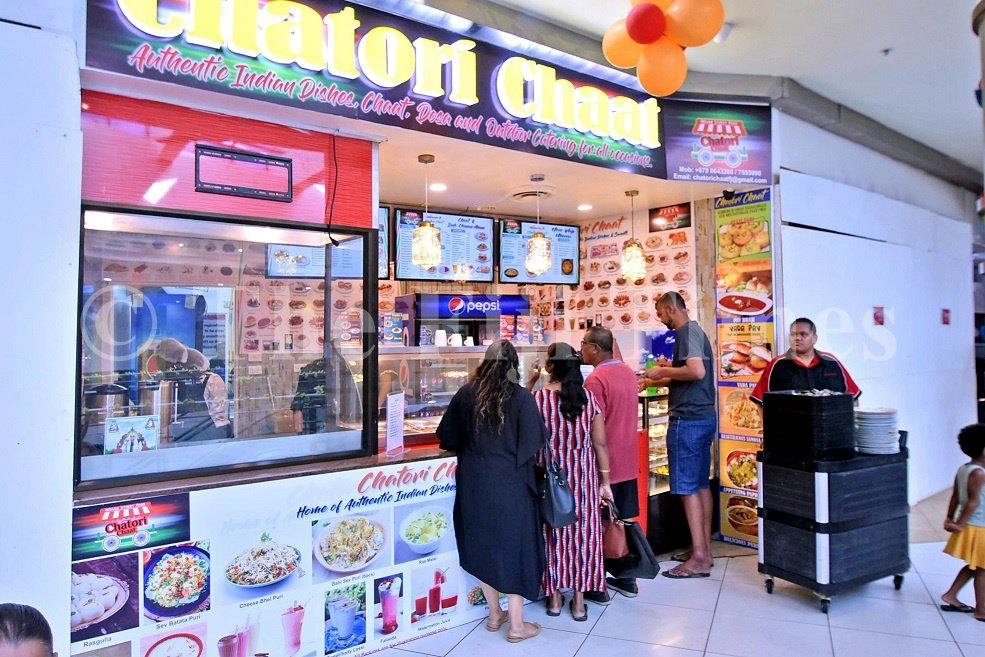
| Chatori Chaat | Authentic Indian Street Food | $$ | Namaka |
| LC's Chinese Restaurant | Chinese with Fijian Influences | $$ | Namaka |
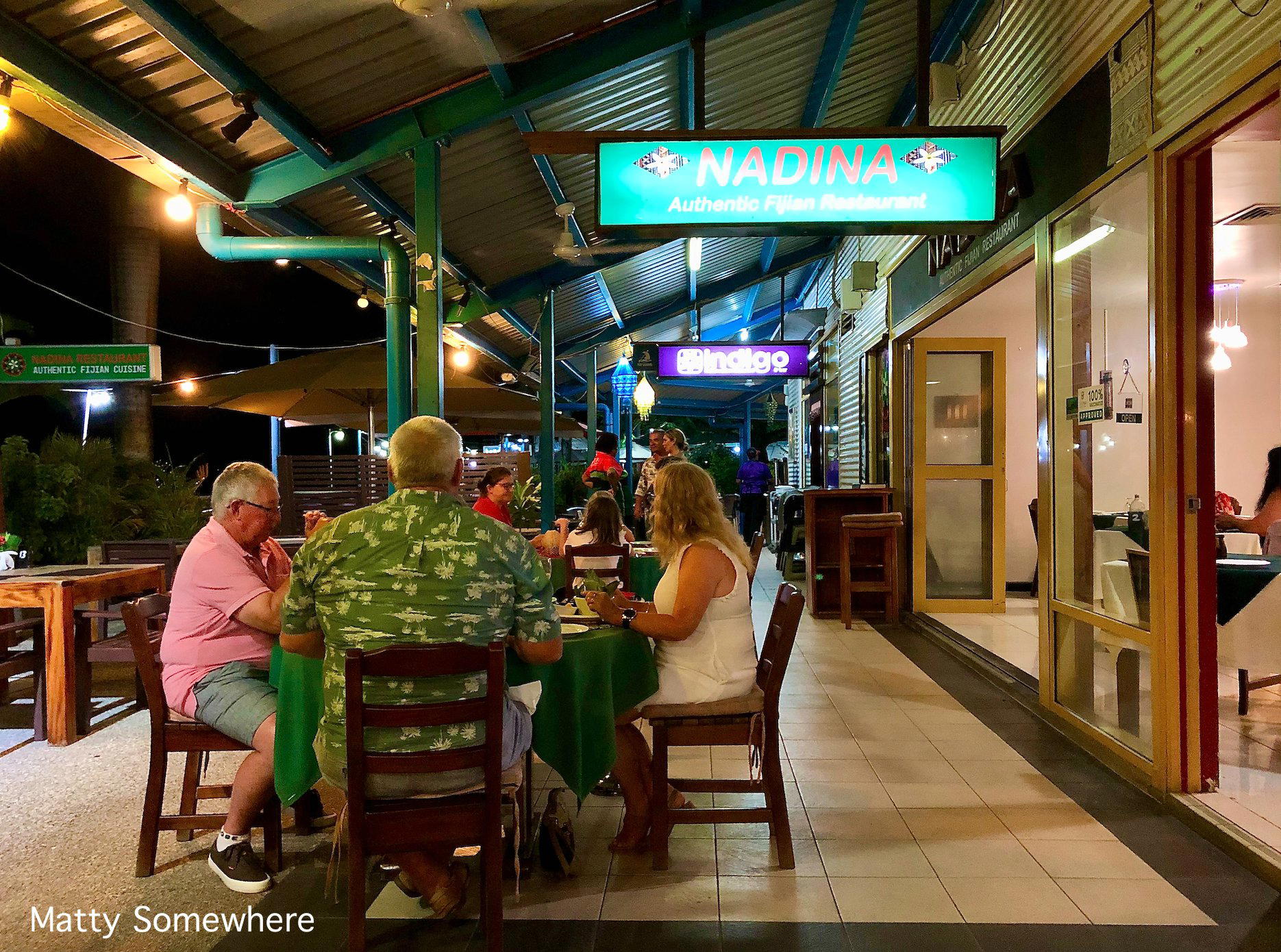
| Nadina Authentic Fijian Restaurant | Authentic Fijian Seafood | $$$ | Port Denarau |

At a Glance
- Lively
- Elegant
- Intimate
- Family
- Group Dining
- Date Night
- Celebration
- Open Kitchen
- Chefs Counter
- Beer Program
- Local Sourcing
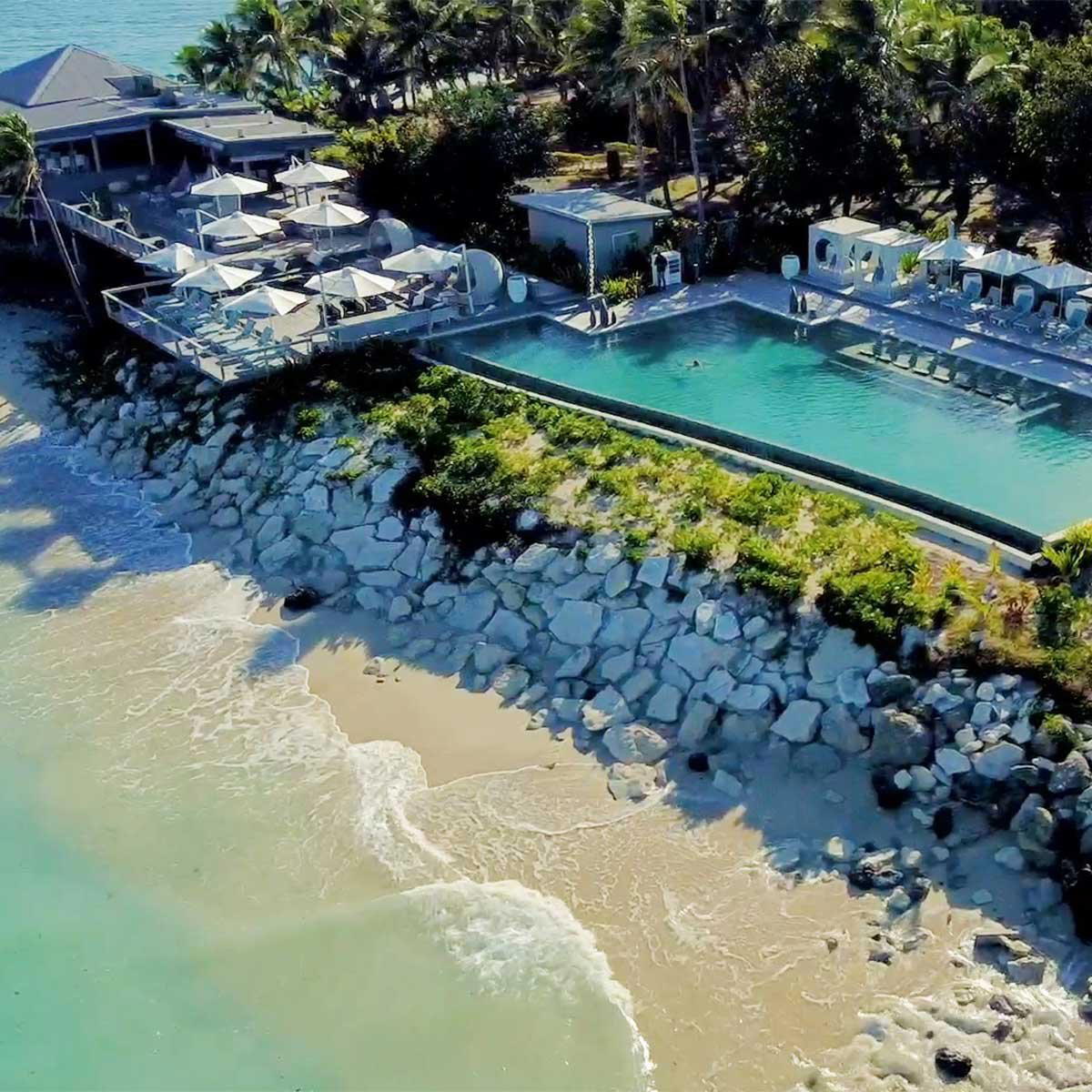
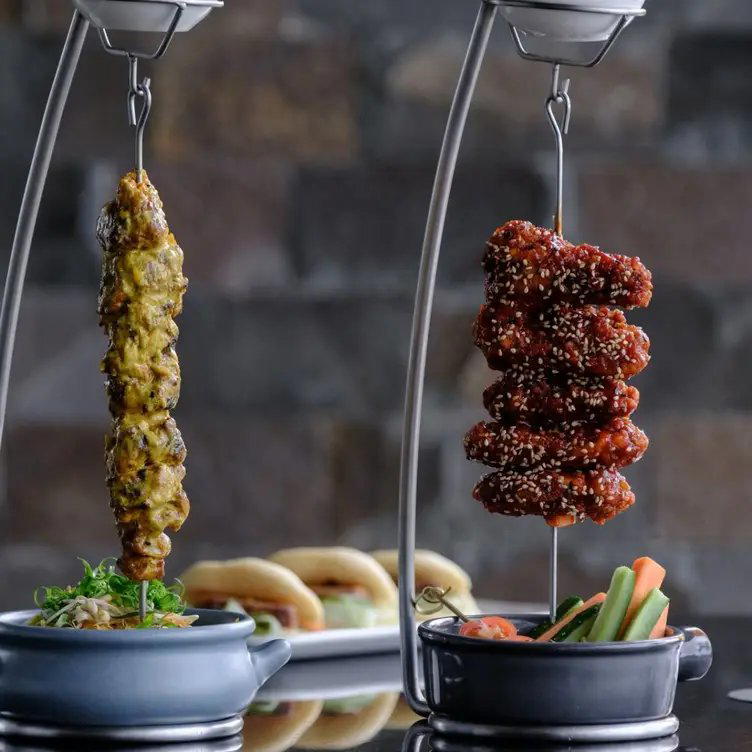
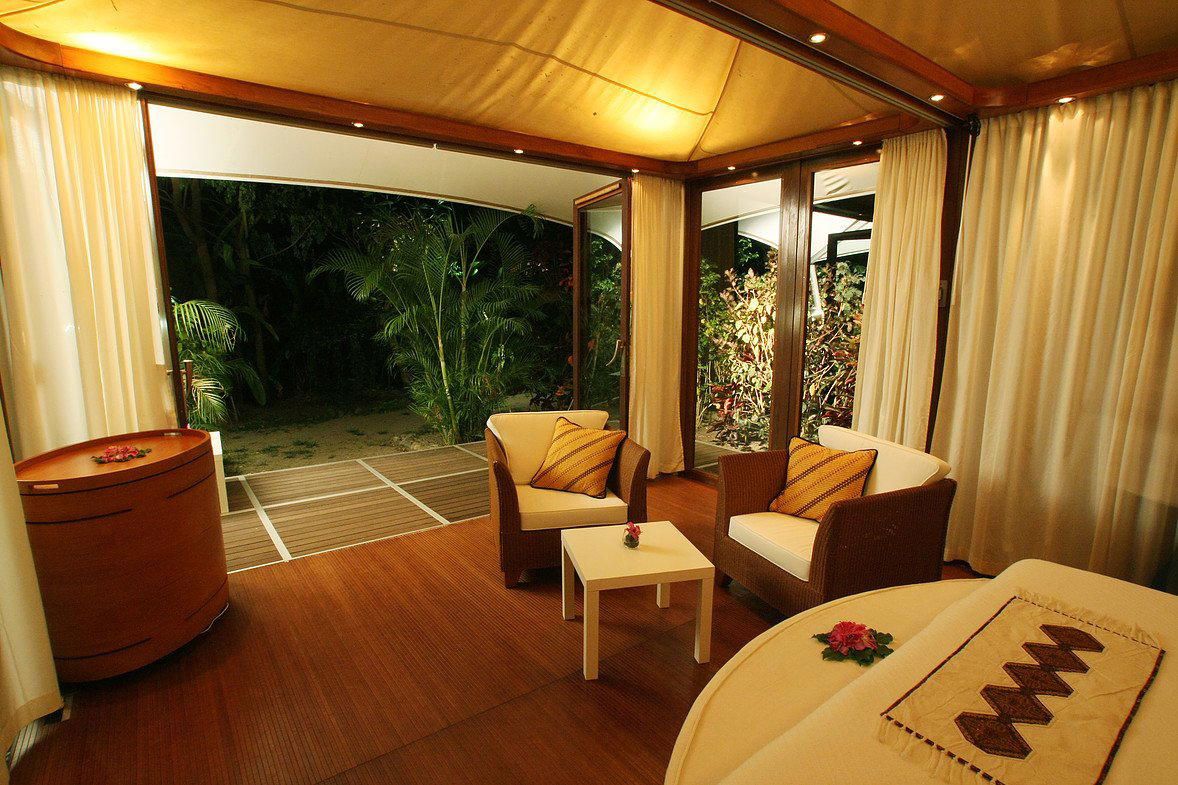
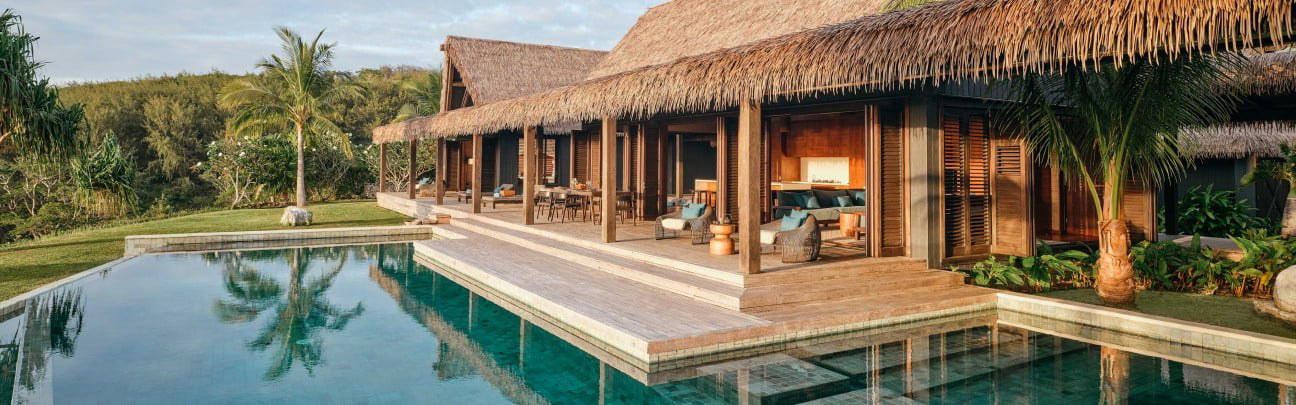
Energetic and entertaining atmosphere with open kitchen teppanyaki stations where chefs perform cooking in front of diners; warm and welcoming setting with two-level layout.