
Tabelog 100 #72
Our verdict
Yurihonjo is not an obvious place to look for Spanish cooking with national recognition, which is precisely why Don Quixote matters. Its Tabelog 100 selection for Spanish cuisine in 2024 and 2026 puts a small Akita house restaurant into a category usually dominated by larger urban dining markets, with Spanish, Italian and European cooking anchored by wine, counter seating and a compact room.

Pearl is the En Primeur Club membership app — saves, bookings, and concierge access live there. Same editors, same standards.
- Address
- 3-7 Higashimachi, Yurihonjo, Akita 015-0076, Japan
- Phone
- +81 184-23-4489
- Hours
- Daily 11:30 AM–2 PM, 5–9 PM
- Website
- tabelog.com
- Directions
- Get directions
The menu
What to order
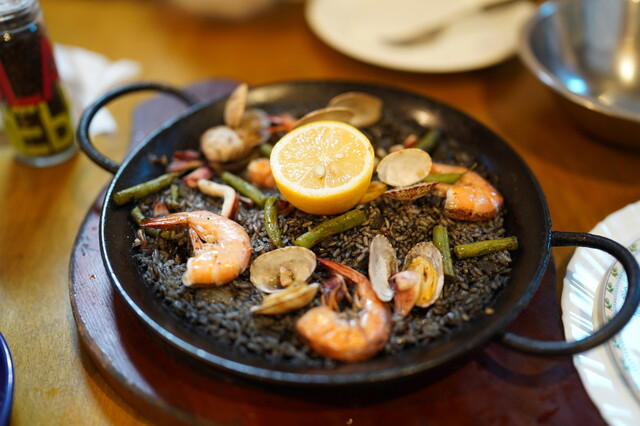
- Seafood paella
- Valencian-style paella
- Squid-ink paella
A restaurant in Yurihonjo changes expectations before the first course because its profile is more specific than a generic local dining room. Yurihonjo is better read as a regional Akita city than through the metropolitan Spanish-dining map. Spanish cooking in Japan often splits between city-center tapas bars, polished paella specialists and wine-led neighborhood rooms; here, the frame is regional, practical and less dependent on urban theatre.
Don Quixote brings unusually concrete credentials for its location: selection in the 2026 Tabelog Hyakumeiten field, a 3.59 Tabelog score, and a format spanning Spanish, Italian and European categories rather than one narrow label. In a city where discovery is local and practical, national recognition gives the room different weight. It is not presented here as a Tokyo or Osaka transplant. More interesting is that a Yurihonjo restaurant can carry a European table without turning it into novelty.
Spanish cooking in Akita works when the category has a clear anchor
The strongest argument for Spanish cooking outside Japan’s large cities is not décor or imported vocabulary, but whether the restaurant’s identity is legible. Spain’s repertoire is broad enough to travel through many formats; northern Japan has a different dining context, but many structural pleasures can still translate. At Don Quixote, the listed Spanish, Italian and European categories give the cooking a clearer anchor than a generic all-purpose dining room.
Japanese Spanish restaurants often succeed or fail on proportion. Too much fidelity can feel museum-like; too much adaptation becomes vague yoshoku. The better middle ground uses Spanish technique and pantry markers while letting local appetite shape the meal. In Yurihonjo, that can mean a room suited to European flavors and shared-table ease, but also to diners wanting substance rather than a snack circuit. The point is not novelty alone, but a working local restaurant with a European register.
The regional scale reinforces that reading. Don Quixote is best approached as a room where cooking is read through local dining habits rather than through ceremony. Unlike grander Spanish restaurants in major dining districts, where tasting menus, design budgets and imported ingredients can dominate, the competitive point here is smaller and more specific: a nationally recognized European table inside a regional city’s everyday dining life.
For Yurihonjo context, the local field is specific enough that comparisons need care. affetto and é®¨é§ help frame the city’s range, but Don Quixote is better understood through category discipline than simple local ranking. Readers planning beyond one meal can use broader Yurihonjo guides to see how food fits into the wider city rather than treating dinner as an isolated stop.
A regional European format, not a metropolitan Spanish showpiece
“Spanish, Italian, European” can sound unfocused, but in regional Japan it often means a kitchen positioned around Mediterranean and continental comfort rather than locked into purism. The category mix suggests a relaxed European table more than a rigid single-country formula.
The price band also shapes expectations, though the experience should not be judged against luxury Spanish dining in Tokyo. Dinner is listed at JPY 2,000 - JPY 2,999, with lunch listed up to JPY 999. National award recognition at this level is more interesting than at a high-spend destination restaurant, because it places a Yurihonjo restaurant with accessible listed pricing inside a wider category conversation.
The practical appeal is that Don Quixote gives Yurihonjo a nationally noticed European option without requiring travelers to treat the meal like a capital-city production. Its value is in the combination of accessible pricing, clear category identity and a score strong enough to make the room stand out in restaurant research. That is a different kind of confidence from luxury polish, but it is confidence nonetheless.
Travelers using Yurihonjo as a base in Akita should calibrate the meal against geography. This is Yurihonjo dining rather than a remote countryside detour. The meaningful logistical point is cultural: a nationally selected restaurant in this city rewards travelers who look beyond the default sushi, ramen and izakaya script. For broader Japan dining research, the spectrum runs from regional specialists to casual city formats, while overseas Japanese-food contexts differ again, with category identity shaped by another market entirely.
Why the recognition matters in a regional city
Tabelog’s Hyakumeiten recognition is a useful signal because it cuts across Japan’s dense restaurant geography rather than rewarding only capital-city visibility. A 2026 selection gives Don Quixote a stronger editorial case than an unrecognized local listing. Awards do not settle taste, but a Yurihonjo restaurant placed in a national category narrows risk for travelers making a deliberate stop within Akita.
The verdict is practical and specific. This is a Yurihonjo table to consider for European cooking with a Spanish center of gravity and evidence of national category recognition. It will suit diners who value provenance cues, modest pricing and regional context more than spectacle. In Akita, that combination is less routine than another familiar casual format, and that rarity is the point.
Frequently asked questions
Would Don Quixote be comfortable with kids?
Don Quixote’s listed dinner budget of JPY 2,000–JPY 2,999 and lunch budget up to JPY 999 make it an accessible option to consider in Yurihonjo. Families should confirm current details directly with the restaurant before visiting.
What should I expect atmosphere-wise at Don Quixote?
Expect a Yurihonjo restaurant whose listed categories are Spanish, Italian and European. The Tabelog Hyakumeiten recognition gives it editorial weight, while the appeal is regional and practical rather than metropolitan spectacle.
What's the price range at Don Quixote?
Pricing at Don Quixote is listed as JPY 2,000 - JPY 2,999 - JPY 999.
What days is Don Quixote closed?
Specific closing days are not provided in the available venue facts. Check directly with Don Quixote before planning a visit.
What's Don Quixote's location?
Yurihonjo.
Comparison Snapshot
Comparable venues by cuisine and price in the same metro.
| Venue | Cuisine | Price | Awards | Notes |
|---|---|---|---|---|
| Don QuixoteThis venue — the venue you are viewing | Authentic Spanish & Mediterranean House Restaurant | $20–30 | Tabelog 100 #72 | Not listed |
| é®¨é§ | Traditional Omakase Sushi | $500+ | Tabelog Silver #130 | Yurihonjo |
| affetto | Akita Italian with Local Seasonal Ingredients | $100–150 | Tabelog Bronze #6 | Honjo |
| 餃子歩兵 | Kyoto-style Gyoza | $10–20 | Not listed | Ginza |
| Mr Cheesecake | Cheesecake Specialty Café | $10–20 | Not listed | Ginza |
| St. Anton (レストラン サンアントン) | Grill Cuisine | Not listed | Not listed | Myoko City |
Recognition history
Dated appearances from independent guides and award organizations, with the underlying list record or original source where available.
Tabelog 100 #72 · No. 72
Tabelog · Tabelog 100 - Spanish cuisine - 2026
Continue exploring
More in Yurihonjo
Restaurants in Yurihonjo
Browse all →
Details
- Cozy
- Intimate
- Classic
- Casual Hangout
- Group Dining
- Date Night
- Solo
- Standalone
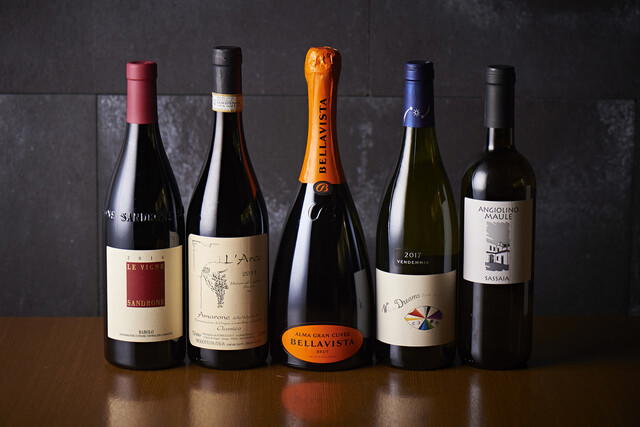
- Extensive Wine List
- A La Carte
- Small Plates
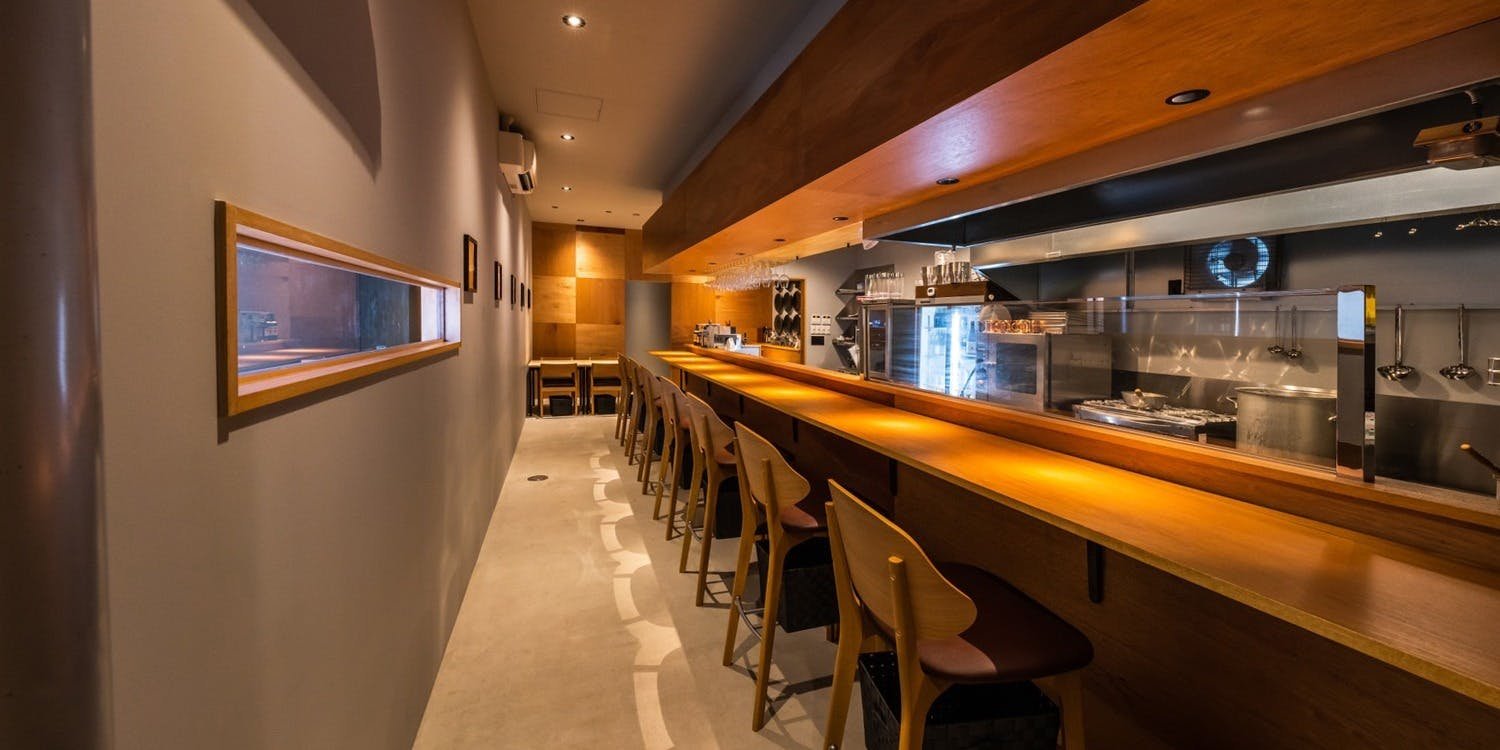
- Counter Dining
- Wine
Current opening hours
- Monday
- 11:30 AM–2 PM, 5–9 PM
- Tuesday
- 11:30 AM–2 PM, 5–9 PM
- Wednesday
- 11:30 AM–2 PM, 5–9 PM
- Thursday
- 11:30 AM–2 PM, 5–9 PM
- Friday
- 11:30 AM–2 PM, 5–9 PM
- Saturday
- 11:30 AM–2 PM, 5–9 PM
- Sunday
- 11:30 AM–2 PM, 5–9 PM
Hours can change for holidays and private events. Last verified .
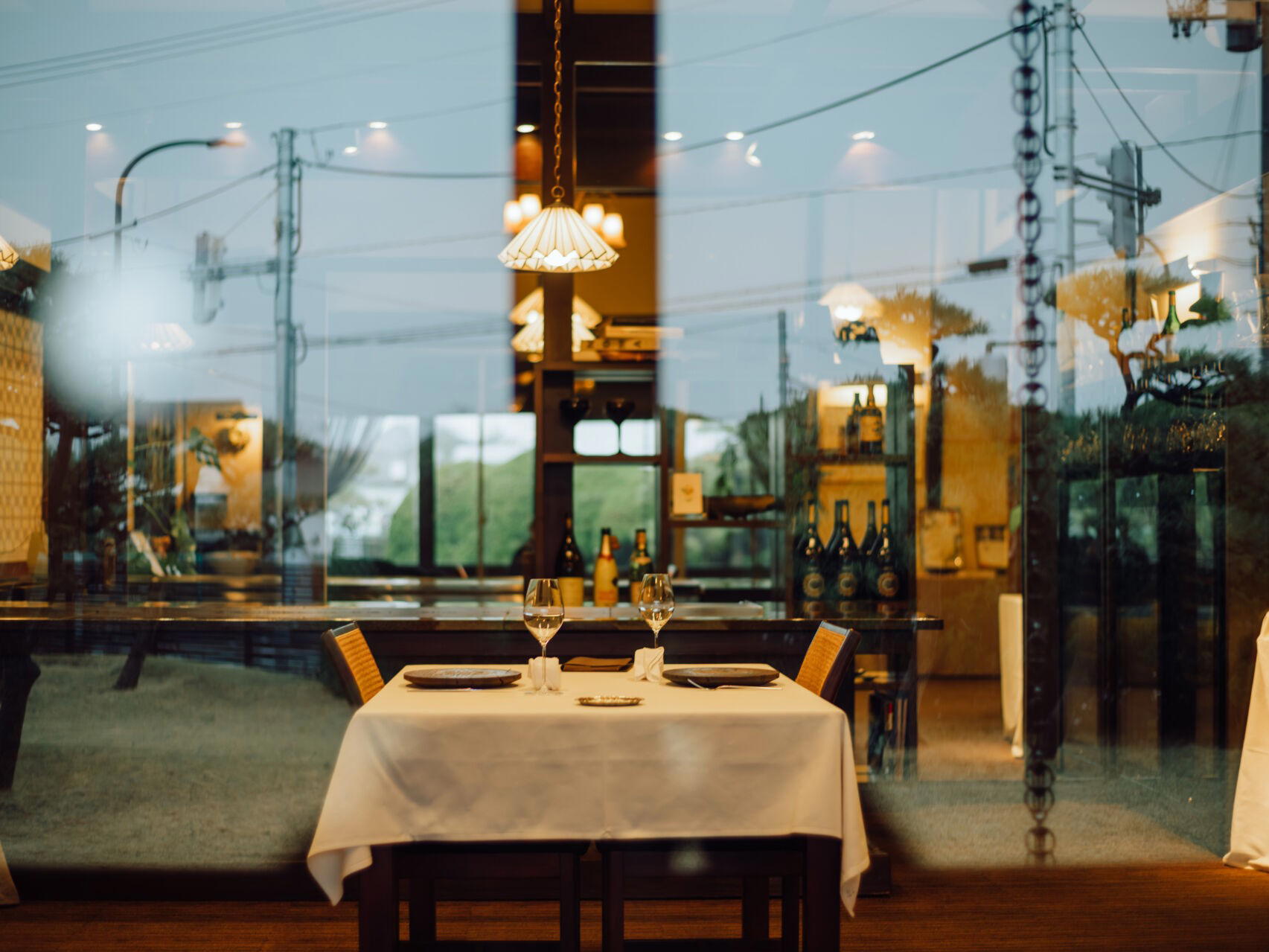
A cozy, house-like hideout with only about twenty non-smoking seats, relaxed conversational noise levels, and an intimate, homey feel suited to casual meals with friends.