Our verdict
Figueira Restaurante occupies a address on Rua Mariana Bronnemann in Blumenau's Velha district, operating within a city whose German-Brazilian identity shapes how restaurants are built and how meals unfold. As part of a dining scene that sits well outside Brazil's São Paulo–Rio axis, it offers a window into Santa Catarina's quieter, more deliberate restaurant culture.

Pearl is the En Primeur Club membership app, where members save venues, book tables and use the concierge.
The menu
What to order
- Filé Mignon à Boheme
- Picanha
Eating in Blumenau: What the City's Dining Ritual Actually Looks Like
Santa Catarina's interior cities do not eat the way São Paulo eats. The pace is slower, the rooms are quieter, and the expectation of a meal as an extended social ritual is more deeply embedded in daily life here than in Brazil's restaurant-centric capitals. Blumenau, shaped by 19th-century German immigration and still wearing that heritage visibly in its architecture and food culture, tends toward table experiences where the meal itself is the event rather than a backdrop to it. Figueira Restaurante, on Rua Mariana Bronnemann in the Velha neighbourhood, sits inside that tradition.
The Velha district is residential in character, positioned away from the more touristic centro with its half-timbered facades and Oktoberfest infrastructure. Restaurants that operate in areas like Velha tend to draw a local clientele rather than passing visitors, which usually means the room expects guests who know the rhythm of a meal here: unhurried, sequenced, with conversation built into the time between courses rather than compressed into a quick turnaround. That kind of dining culture is not unique to Blumenau, but it is pronounced in cities of this size in the South Brazilian interior.
Where Figueira Sits in Blumenau's Restaurant Mix
Blumenau's restaurant offering is more varied than its tourist-facing identity suggests. The city has a working sushi culture, represented by spots like Nagairô Sushi at Neumarkt Blumenau, alongside poke formats such as Aikau Poke, Italian-leaning tables including Don Peppone Ristorante e Pizzeria, and casual international options like Nacho Man Blumenau. Norden Blumenau represents a more Scandinavian-inflected direction. Within this spread, Figueira operates in a neighbourhood context that positions it toward a regular local dining clientele rather than the destination-visitor market.
That positioning matters when thinking about how Brazilian regional dining works outside the headline cities. Restaurants like Oteque in Rio de Janeiro or D.O.M. in São Paulo operate at the apex of a national fine-dining conversation that has significant international recognition. Restaurants in cities like Blumenau occupy a different register entirely, one that is less oriented toward accolade-seeking and more toward serving the immediate community. That is not a lesser ambition; it is a different one, and it produces a different kind of table.
The Ritual of a Southern Brazilian Meal
The dining ritual in smaller Brazilian cities often reflects a more European pacing than visitors expect. In the South particularly, where German, Italian, and Polish immigration ran deep, the midday meal still carries weight as a structured occasion in ways that have largely eroded in São Paulo's lunch-counter culture. An evening at a restaurant in a neighbourhood like Velha typically begins with drinks and appetisers treated as their own stage, not as something to rush through before the main course arrives.
This sequencing is worth understanding before you arrive. Brazilian hospitality norms, especially outside the major cities, favour abundance over restraint: tables tend to fill with small dishes, bread, and accompaniments before the centrepiece proteins appear. The expectation of lingering is built into pricing and service pacing alike. What might read as slow service in a city where speed is a selling point reads as attentiveness in a context where the meal is expected to last two hours.
For comparison, similar rhythms define the experience at restaurants in other interior Brazilian destinations: Mina in Campos do Jordão and Birosca S2 in Belo Horizonte both operate in the tradition of the generous, unhurried Brazilian table, though with very different regional ingredients and culinary reference points.
Santa Catarina's Food Identity and What It Means at the Table
Santa Catarina produces some of Brazil's most significant agricultural output, including pork, trout, oysters from the Florianópolis coast, and a breadth of German-heritage charcuterie and cured preparations. The state's food identity is less glamorised nationally than the Amazon-derived ingredients favoured by tasting-menu restaurants in the big cities, but it is grounded in a genuine regional larder. Restaurants in Blumenau that draw on this local supply base have access to ingredients that rarely appear on menus further north.
This places Blumenau dining in an interesting position relative to the broader Brazil restaurant conversation. While Orixás in Itacaré works with Bahian coastal ingredients and restaurants in Espírito Santo reflect capixaba traditions, the South offers a quieter, less-documented culinary identity that rewards the traveller willing to move beyond Brazil's better-publicised food destinations.
For context on what the South's dining culture looks like at its more polished end, Manu in Curitiba has established itself as a benchmark for the region, and the mountain town circuits around Primrose in Gramado and Castelo Saint Andrews in Vale do Bosque show the range of formats that Southern Brazilian hospitality has developed. Blumenau's neighbourhood restaurants operate at a less theatrical scale, which is precisely what makes them useful reference points for how people in this region actually eat.
Planning a Meal at Figueira
Figueira Restaurante is located at Rua Mariana Bronnemann, 527, in the Velha district of Blumenau, a residential neighbourhood most easily reached by car or rideshare from the city centre. The address places it away from Blumenau's main tourist corridor, so arriving without a plan is less reliable than it would be in a denser restaurant district. For a broader orientation to the city's dining options, our full Blumenau restaurants guide provides category-level context.
Travellers who have recently returned from Le Bernardin in New York or Lazy Bear in San Francisco will find the register here very different: not in quality of intention but in scale, formality, and the kind of experience each format is designed to produce. Blumenau's neighbourhood restaurants are not positioned against those rooms. They are positioned against each other, and against the expectation of a satisfying local meal delivered at a civilised pace. That is the relevant benchmark, and within it, a restaurant in a residential quarter like Velha that draws a regular community clientele is making its own, distinct argument for what eating well in this city can look like. Olivetto in Campinas offers a useful parallel: a city-specific dining institution that operates at the level of its own community rather than the national critical conversation, and is more honest for it.
Frequently asked questions
Where is Figueira Restaurante located?
Figueira Restaurante is located at R. Mariana Bronnemann, 527 - Velha, Blumenau - SC, 89036-080, Brazil, Blumenau.
Is Figueira Restaurante a good option for a long, sit-down lunch in Blumenau?
Figueira's location in the Velha district, away from Blumenau's busier commercial corridors, suits the slower meal pace that defines dining in Santa Catarina's interior cities. Southern Brazilian lunch culture, particularly in smaller cities with European settler roots, tends toward extended table time rather than quick-turn covers. The address at Rua Mariana Bronnemann, 527 places it in a neighbourhood where that rhythm is the norm rather than the exception.
What do people recommend at Figueira Restaurante?
In Santa Catarina's interior dining culture, restaurants at this address tier tend to centre their offer on regional proteins, pork, freshwater fish, and dishes shaped by the state's German and Italian settlement history. Asking the floor team on arrival for the day's stronger preparations is the practical approach.
Can I walk in to Figueira Restaurante?
Velha is a residential neighbourhood in Blumenau, not a high-footfall dining strip, so walk-in availability is more likely here than at a city-centre address with tourist pressure. That said, no published booking policy exists for Figueira, and smaller southern Brazilian restaurants with a local following do fill at peak lunch and weekend dinner hours. Calling ahead or arriving early in the service is the lower-risk approach.
What's the signature at Figueira Restaurante?
The restaurant's placement in Blumenau, a city whose food identity draws heavily on German settlement, Santa Catarina pork production, and freshwater fish, suggests the kitchen works within that regional grammar. What distinguishes southern Brazilian restaurants at this level is typically the pacing and proportion of the meal rather than a single marquee preparation.
What It’s Closest To
Comparable venues nearby, for context on price, style, and recognition.
| Venue | Cuisine | Price | Notes |
|---|---|---|---|
| Figueira RestauranteThis venue (the venue you are viewing) | Brazilian Steakhouse | $20–30 | Not listed |
| Nacho Man Blumenau | Authentic Mexican Taqueria | $10–20 | Vila Nova |
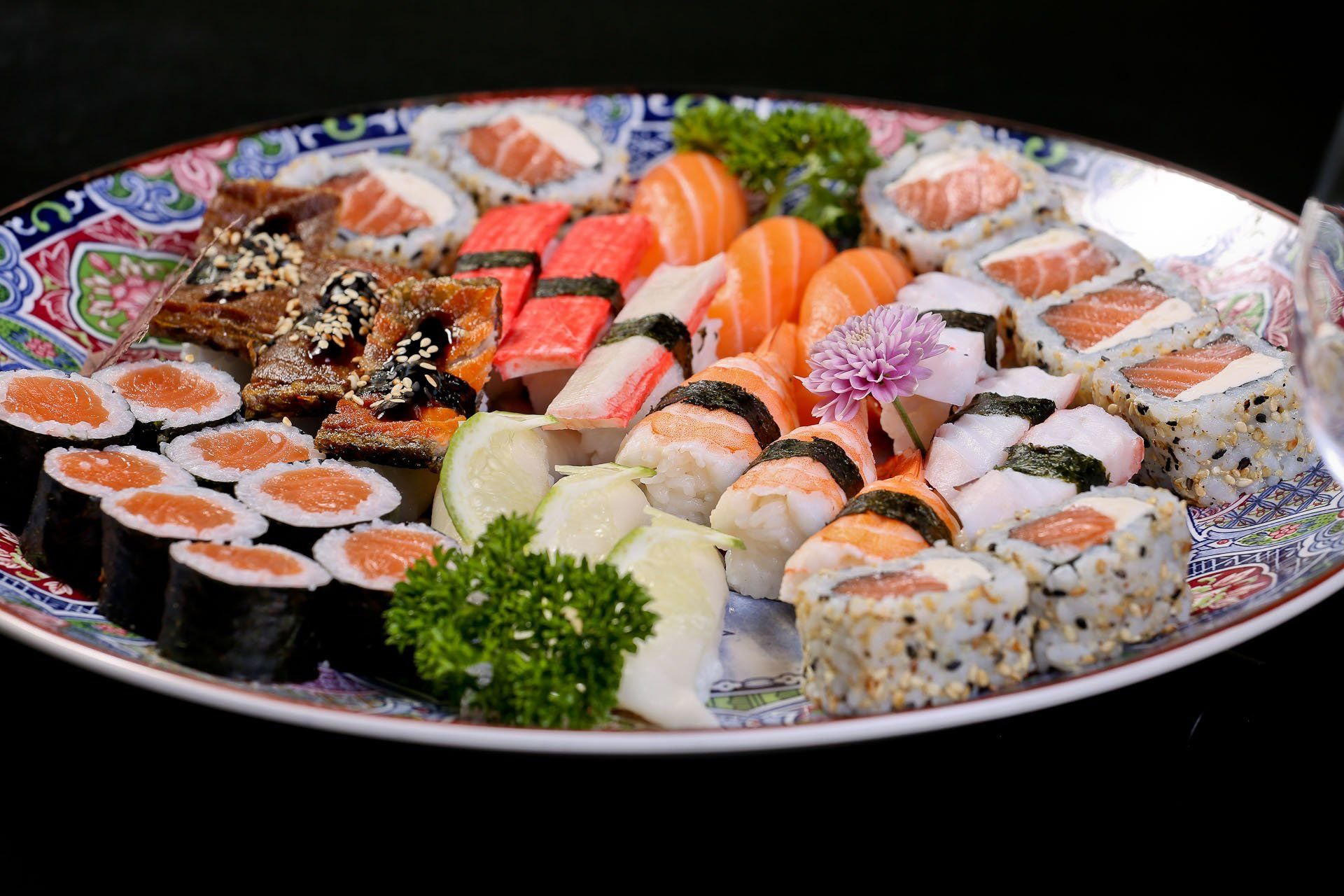
| Sushi Garden | Japanese Sushi | Not listed | City Center |
| Norden Blumenau | German Biergarten | $20–30 | Not listed |
| Nagairô Sushi - Neumarkt Blumenau | Japanese | Not listed | Neumarkt |
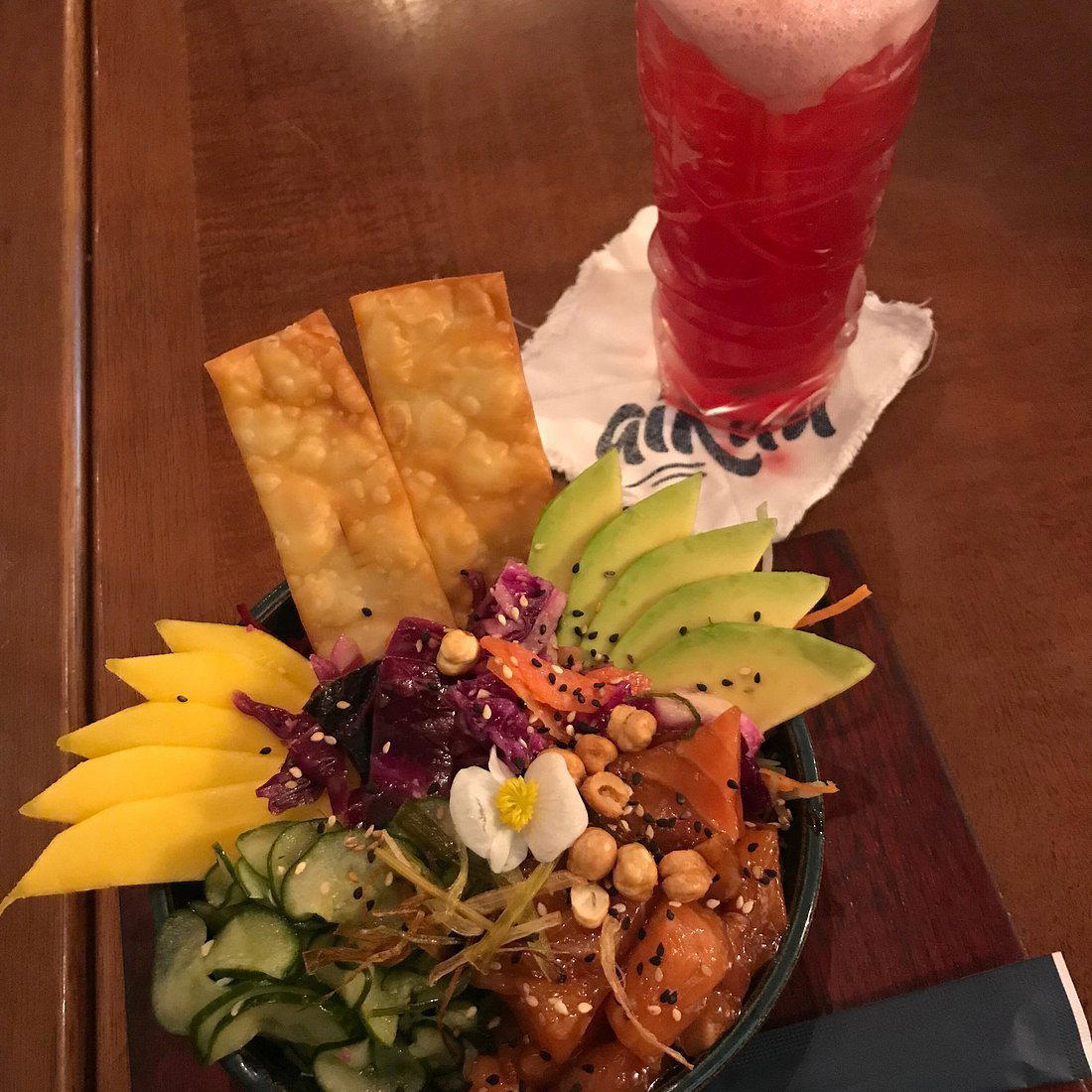
| Aikau Poke | Hawaiian Poke | Not listed | Centro |
Continue exploring
More in Blumenau
Restaurants in Blumenau
All restaurants in Blumenau →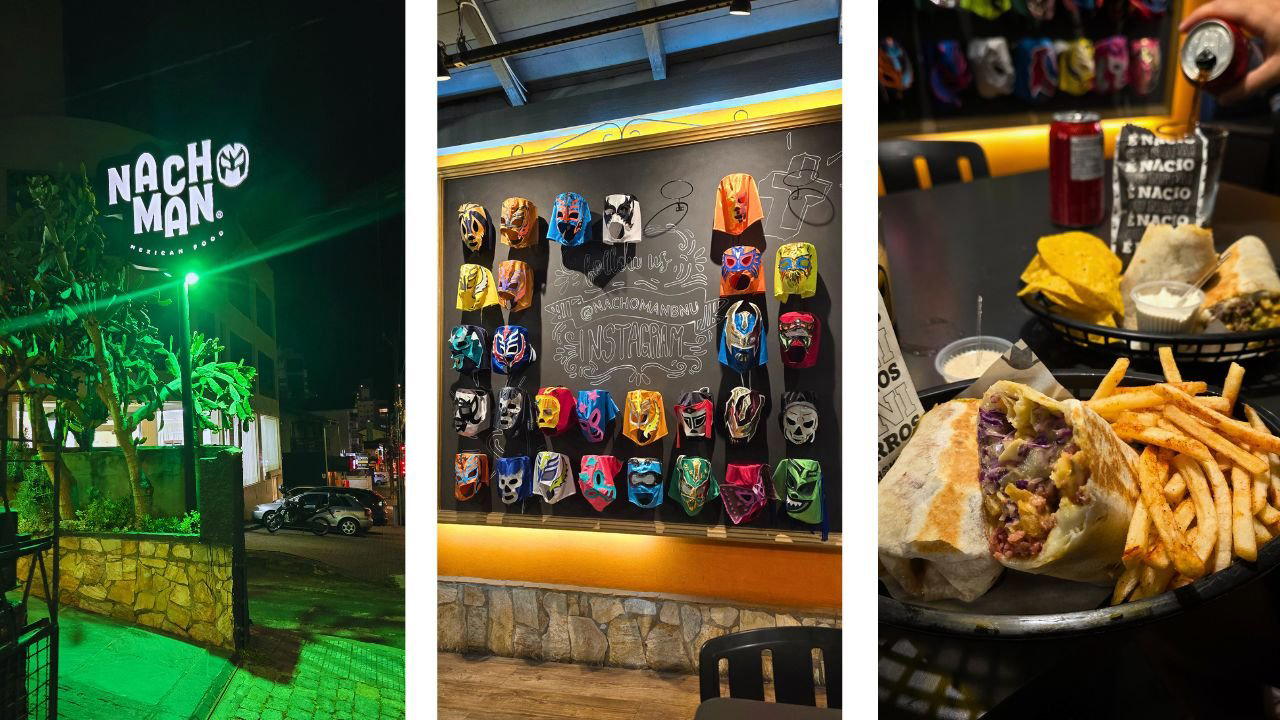
Bars in Blumenau
Browse all →
Details
- Cozy
- Rustic
- Elegant
- Intimate
- Business Dinner
- Family
- Date Night
- Celebration
- Private Dining
- Extensive Wine List
- Garden
- A La Carte
- Wine
- Beer
Current opening hours
- Monday
- Closed
- Tuesday
- 6:30 PM–12 AM
- Wednesday
- 6:30 PM–12 AM
- Thursday
- 6:30 PM–12 AM
- Friday
- 11:30 AM–2:30 PM, 6:30 PM–12 AM
- Saturday
- 11:30 AM–2:30 PM, 7 PM–12 AM
- Sunday
- 11:30 AM–2:30 PM
Hours can change for holidays and private events. Hours as of .
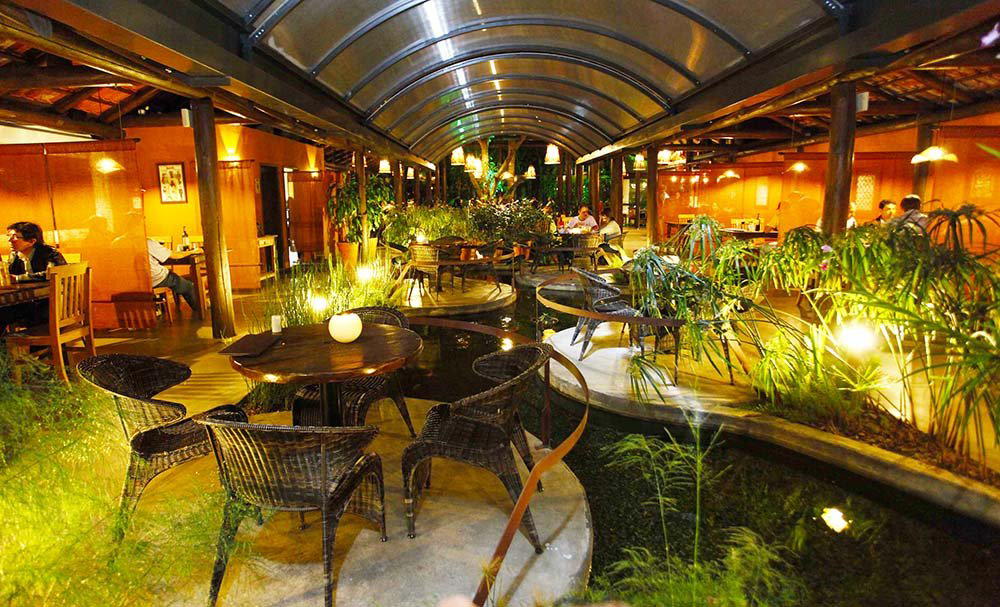
Cozy and welcoming with nature-integrated rustic elements, well-spaced tables for private conversations, and a relaxing family-friendly environment.