Our verdict
On Rue des Cordeliers in the old town of Limoux, L'Odalisque occupies a corner of a market town better known for Blanquette de Limoux than for destination dining. The address places it within walking distance of the Saturday market and the medieval arcades that frame this Aude river town. For visitors passing through the southern Languedoc, it represents a locally embedded dining option in a city where the restaurant scene remains compact and largely untested by international review circuits.

Pearl is the En Primeur Club membership app — saves, bookings, and concierge access live there. Same editors, same standards.
- Address
- 38 Rue des Cordeliers, 11300 Limoux, France
- Phone
- +33468743175
- Hours
- Mon ClosedTue–Sat 12–1:30 PM, 7–8:30 PMSun Closed
- Website
- restaurant-odalisque.fr
- Directions
- Get directions
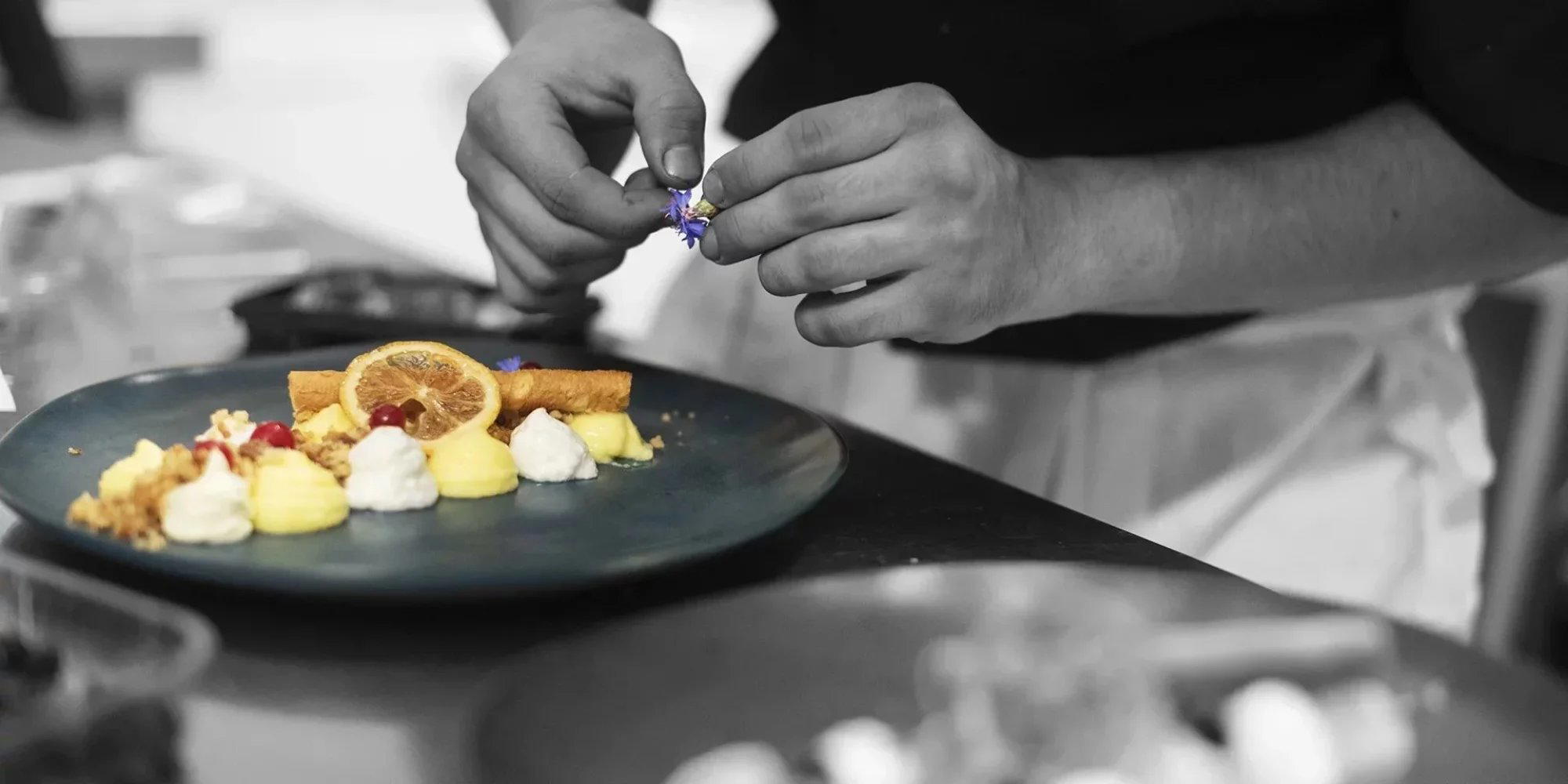
The menu
What to order
- Fish soup with lobster bisque
- Scallops
- Turbot
Limoux at the Table: What Dining Here Actually Means
Limoux is a wine town first and a dining destination a distant second. The Aude department's most famous export is sparkling wine, specifically Blanquette de Limoux, which predates Champagne by the account of most ampelographers and holds a quiet pride of place on local menus. The town itself, roughly 25 kilometres south of Carcassonne along the Aude valley, draws visitors for its February carnival, its medieval street plan, and as a staging point for excursions into Cathar country. What it has not traditionally produced is a restaurant culture that draws travellers on its own terms. That context matters when reading any Limoux address: a room that would be invisible in Lyon or Bordeaux reads differently against the town's compact and largely provincial dining scene.
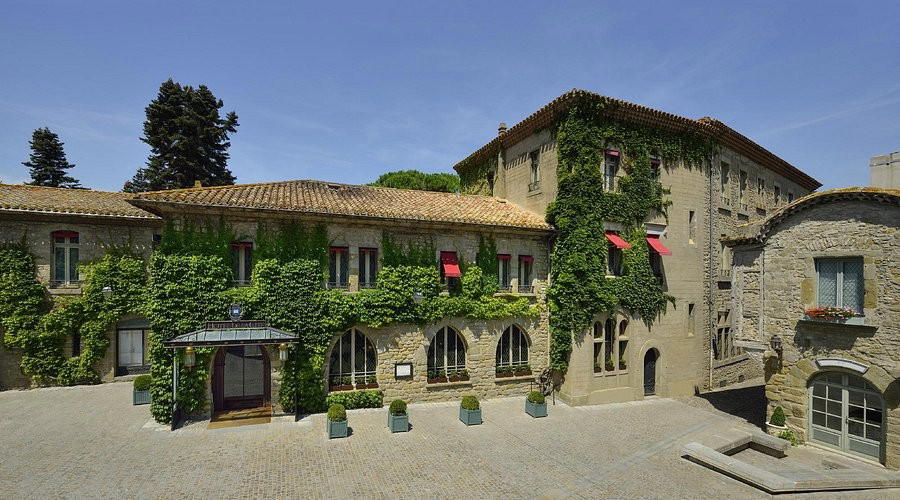
Rue des Cordeliers, where L'Odalisque operates at number 38, runs through the older quarter of the town centre. The street name itself carries a Franciscan echo, the Cordeliers being the popular name for the Franciscan order in medieval France, and this part of Limoux retains the layered architectural character typical of Occitan market towns: narrow frontages, stone detailing, and a commercial rhythm shaped by the weekly Saturday market rather than tourist flows. Arriving here by foot from the central Place de la République takes fewer than five minutes. Arriving by car requires navigating the one-way system that threads through the old town, and parking is easier on the market square perimeter than on the street itself.
Southern French Cooking and Its Regional Grammar
The culinary tradition of the Languedoc-Roussillon operates on different registers than the haute cuisine of Paris or Lyon. The region's cooking draws from a Mediterranean pantry, duck fat and preserved meats from the Aude's inland farms, fish from the étangs of the littoral, and a vegetable abundance that peaks through summer and early autumn. Cassoulet in its Castelnaudary form sits as the area's most exported dish, but the everyday table of the Aude is more varied: salt cod preparations, wild herb sauces, and game in season reflect a kitchen tradition shaped by relative historical poverty and extraordinary ingredient quality.
What this means for a Limoux restaurant is that the strongest version of the local offer is not a reduced copy of Parisian technique applied to southern ingredients, but a direct engagement with what the Aude valley and the Corbières hills actually produce. The wine list logic is equally regional: Limoux's own AOC covers still whites built primarily on Chardonnay and Chenin, alongside the traditional Blanquette and the more recent Crémant de Limoux. Any table serious about its beverage program here has considerable local material to work with before moving beyond the département.
Across France, the gap between Paris and the provincial dining scene has narrowed considerably in the past decade. Tables like Auberge du Vieux Puits in Fontjoncouse, which holds three Michelin stars in a village of fewer than 200 inhabitants roughly 60 kilometres east of Limoux, demonstrated that the Aude could sustain serious cooking at an international level. Further afield in southern France, Mirazur in Menton and AM par Alexandre Mazzia in Marseille have pushed the Mediterranean French register into genuinely distinct territory. Those reference points sit well above Limoux's current dining tier, but they establish what provincial ambition can look like in the south of France when the conditions align.
Where L'Odalisque Sits in the Local Picture
Within Limoux itself, the restaurant offer is compact. La Taverne à Bacchus and ME. (Modern Cuisine) represent other points on the local dining map, and the town's limited size means the competitive set is genuinely small.
For context on what mid-tier provincial French dining looks like at its stronger end, addresses like Bras in Laguiole, Flocons de Sel in Megève, and Georges Blanc in Vonnas illustrate how deeply regional identity can root a serious table outside the capital. Paul Bocuse - L'Auberge du Pont de Collonges, Troisgros in Ouches, and Au Crocodile in Strasbourg each show how decades of sustained commitment produce restaurants that need no external context to justify the trip. L'Odalisque does not yet have a comparable data trail, and for a traveller weighing a specific dining decision in the Aude, that gap matters.
For a broader orientation on where L'Odalisque fits among the town's options, the full Limoux restaurants guide covers the local scene with more comparative detail. Those travelling with an international dining frame of reference might also consider how French provincial cooking translates across the Atlantic at tables like Le Bernardin in New York City, or how non-French kitchens in the same city such as Atomix and Christopher Coutanceau in La Rochelle handle the relationship between regional identity and technical ambition.
Planning Your Visit
Limoux is accessible by train from Carcassonne, with a journey of approximately 40 minutes on the regional line. The town centre and Rue des Cordeliers are within walking distance of the station.
Frequently asked questions
Is L'Odalisque child-friendly?
No confirmed family policy or children's menu has been published for this Rue des Cordeliers address. The safest approach is to check the venue's official channels before visiting with young children, as Limoux's smaller dining rooms tend to set their own informal house rules rather than advertising a fixed policy.
What's the overall feel of L'Odalisque?
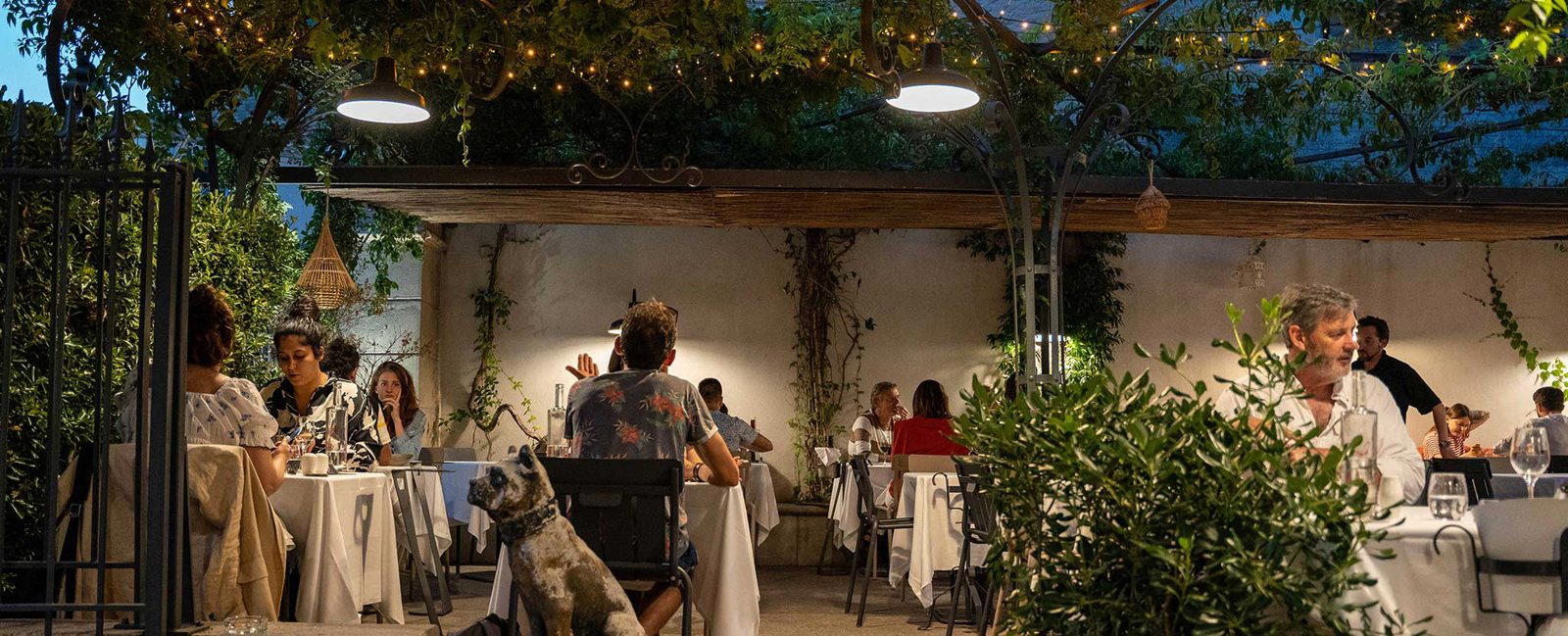
The address on Rue des Cordeliers places it in the pedestrian core of Limoux, a compact Aude town whose rhythm is shaped more by weekly markets and the sparkling wine trade than by high-volume tourism.
Is L'Odalisque a good option for dining near the Blanquette de Limoux wine region?
The restaurant sits at 38 Rue des Cordeliers in Limoux, the town that gives its name to Blanquette de Limoux, France's oldest documented sparkling wine appellation. The surrounding appellation covers still Limoux whites and the Crémant de Limoux designation alongside the classic Blanquette.
What should I order at L'Odalisque?
In the broader Languedoc-Roussillon tradition, expect cooking anchored by duck, lamb from the Pyrenean foothills, and freshwater fish from the Aude river corridor — all of which pair logically with the region's Blanquette de Limoux and still wines from the surrounding appellation.
What part of town is L'Odalisque in?
L'Odalisque is located at 38 Rue des Cordeliers, 11300 Limoux, France, Limoux.
How far ahead should I plan for L'Odalisque?
No published booking window exists for this Limoux address. Given the town's small size and the limited number of restaurants operating at any given time in the centre, calling a few days ahead is a reasonable baseline — particularly around the summer market season or during Limoux's winter carnival period when local footfall rises sharply.
Price and Recognition
Comparable venues nearby, for context on price, style, and recognition.
| Venue | Cuisine | Price | Awards | Notes |
|---|---|---|---|---|
| L'OdalisqueThis venue — the venue you are viewing | Bistronomic French with Breton Accents | $50–100 | Not listed | Not listed |
| ME. | Modern French Bistro | $30–50 | Michelin Plate | Limoux, Modern French Bistro |
| La Taverne à Bacchus | Traditional French Grill | $20–30 | Not listed | Limoux, Traditional French Grill |
| Domaine Gayda | Not listed | Not listed | Not listed | Brugairolles, French Bistro with Wine Estate Focus |
| Saturne | Not listed | Not listed | Not listed | 2nd Arrondissement, Modern French with Nordic Influences |
| Bienheureux | Modern French Creative | Not listed | Michelin Plate | Wasquehal, Modern French seasonal tasting menu |
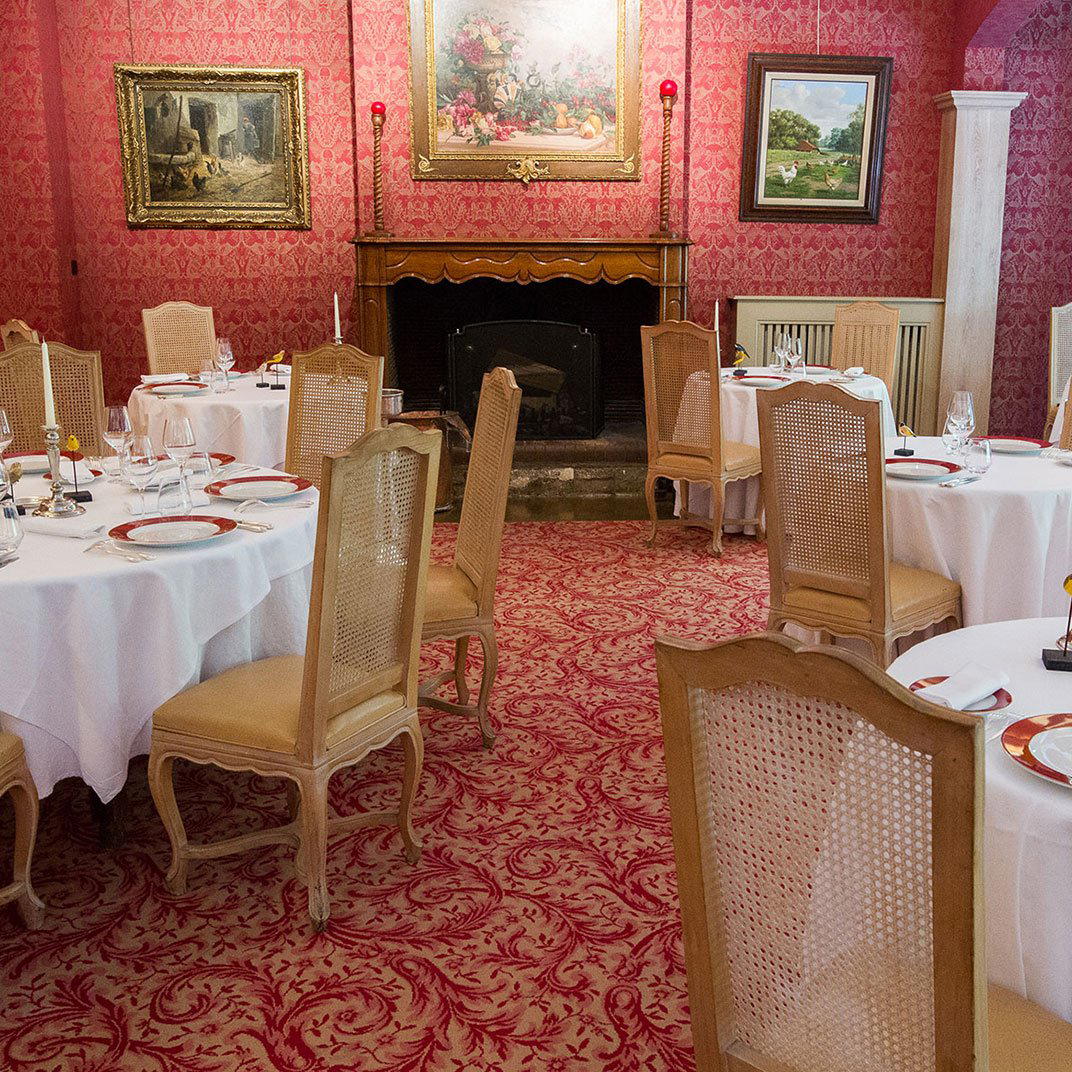
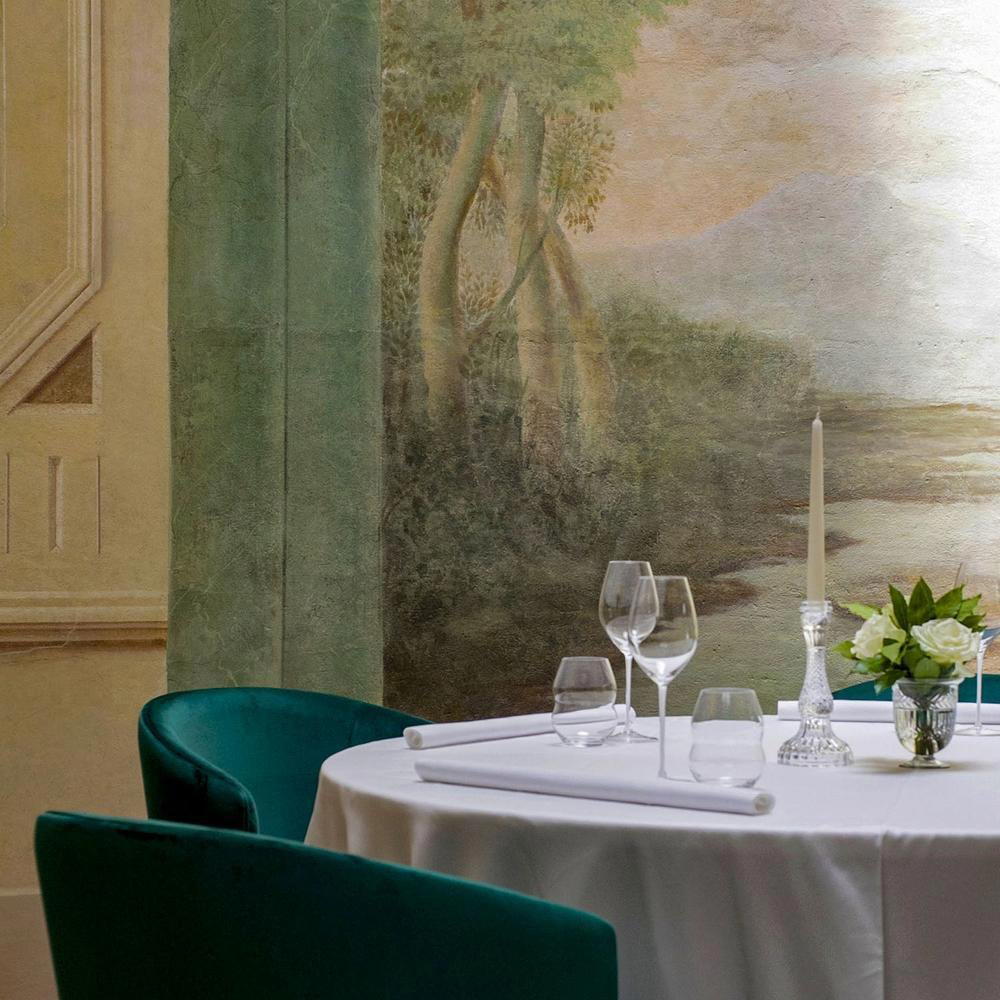
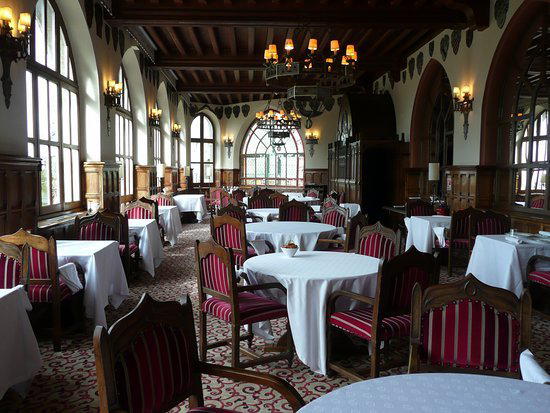

Details
- Romantic
- Elegant
- Intimate
- Cozy
- Date Night
- Special Occasion
- Group Dining
- Historic Building
- Extensive Wine List
- Local Sourcing
- A La Carte
- Set Menu
- Wine
- Gluten Free Options
Current opening hours
- Monday
- Closed
- Tuesday
- 12–1:30 PM, 7–8:30 PM
- Wednesday
- 12–1:30 PM, 7–8:30 PM
- Thursday
- 12–1:30 PM, 7–8:30 PM
- Friday
- 12–1:30 PM, 7–8:30 PM
- Saturday
- 12–1:30 PM, 7–8:30 PM
- Sunday
- Closed
Hours can change for holidays and private events. Last verified .
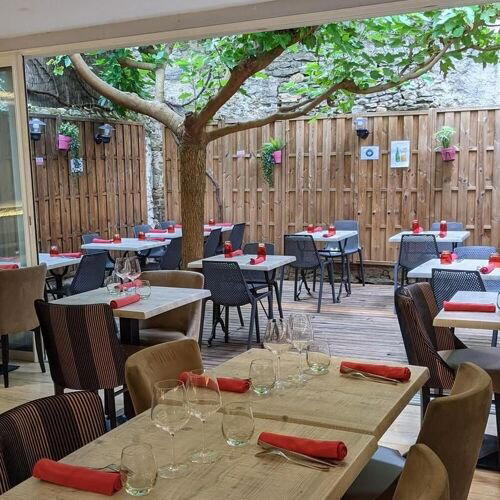
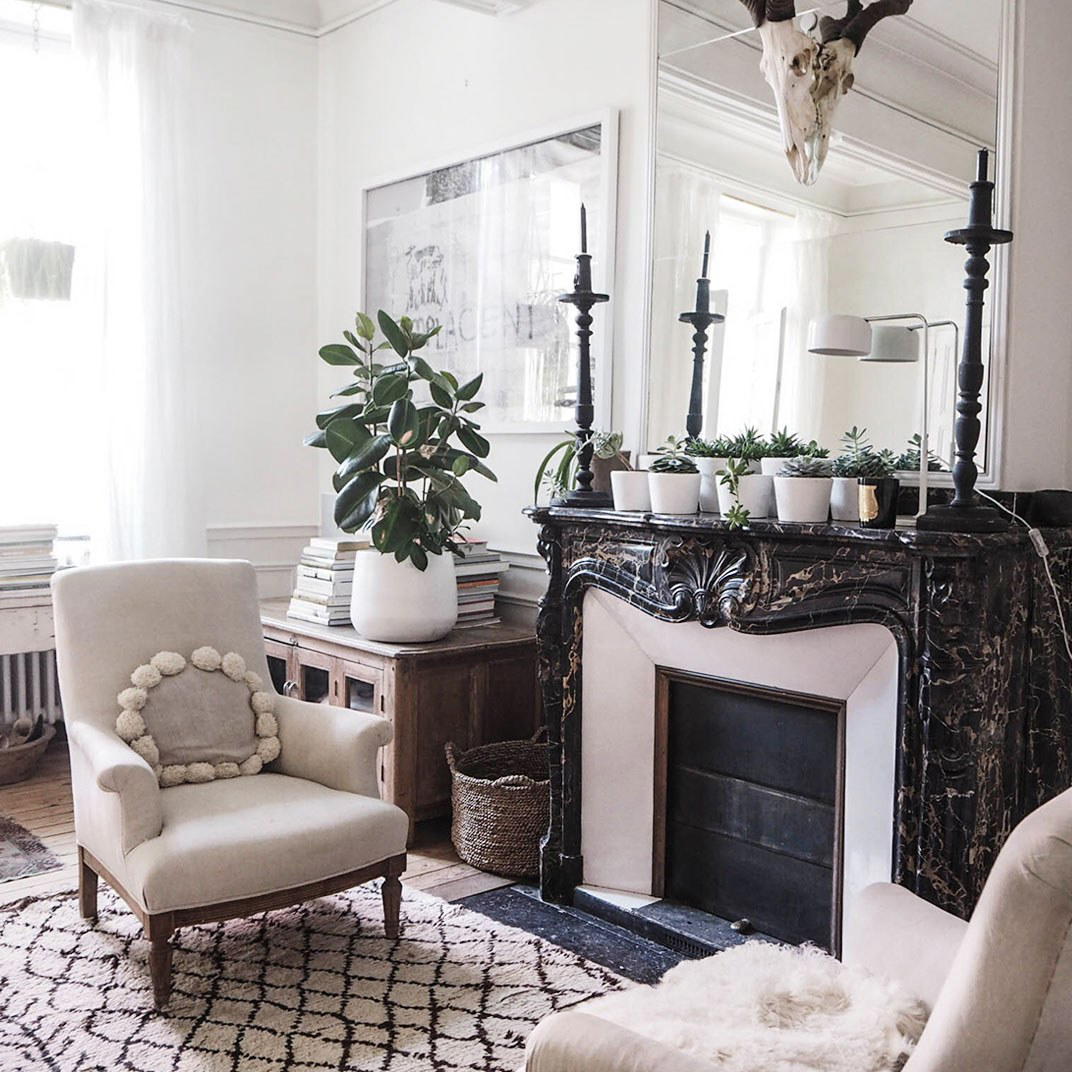
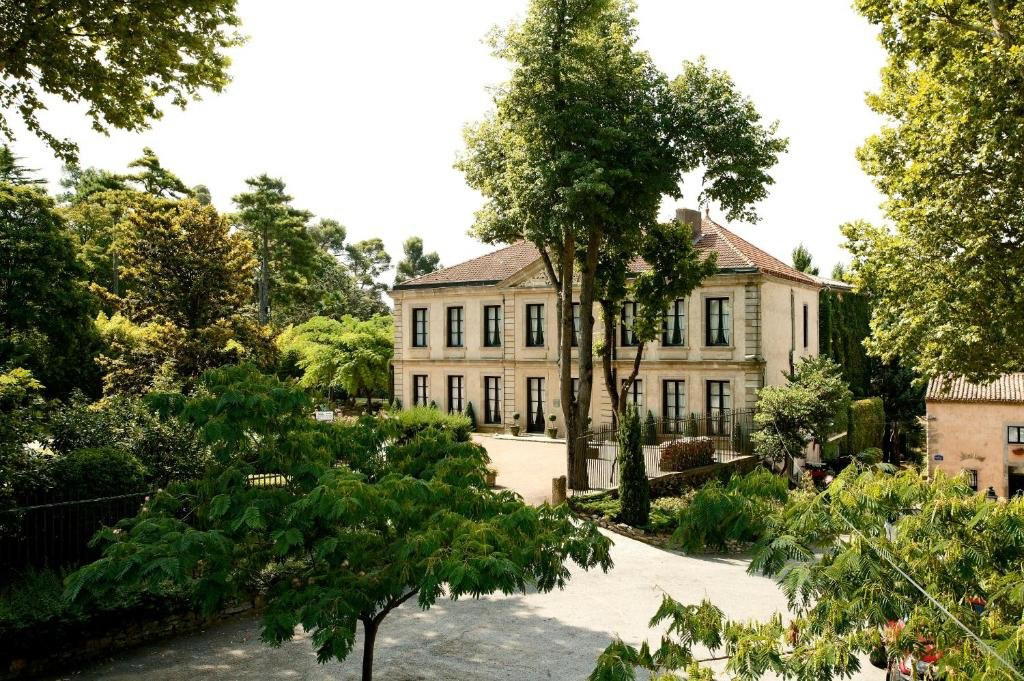
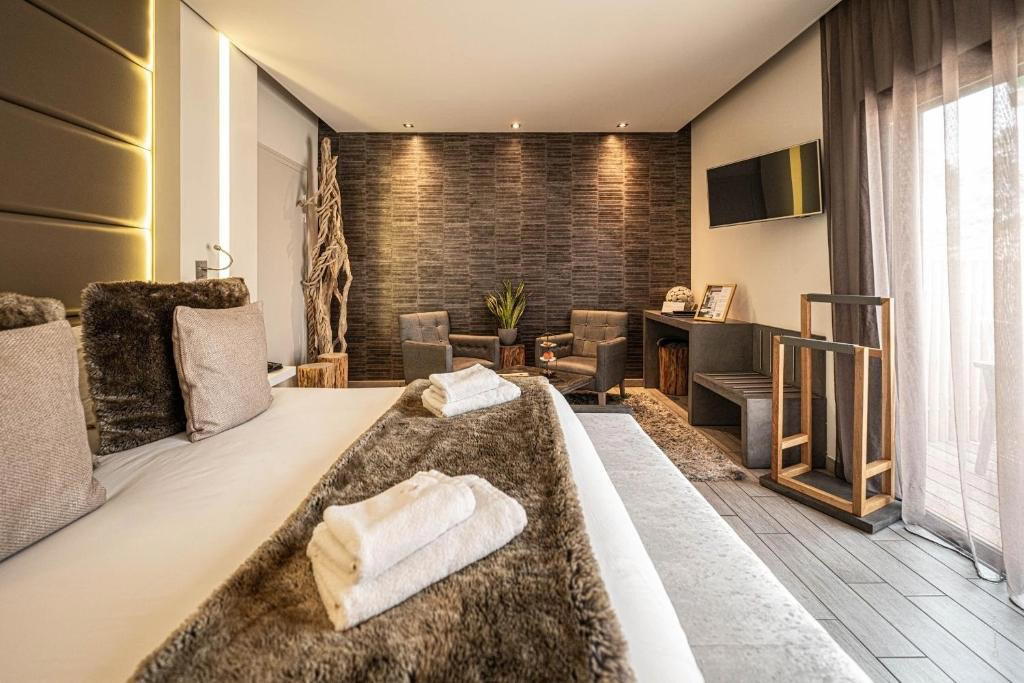
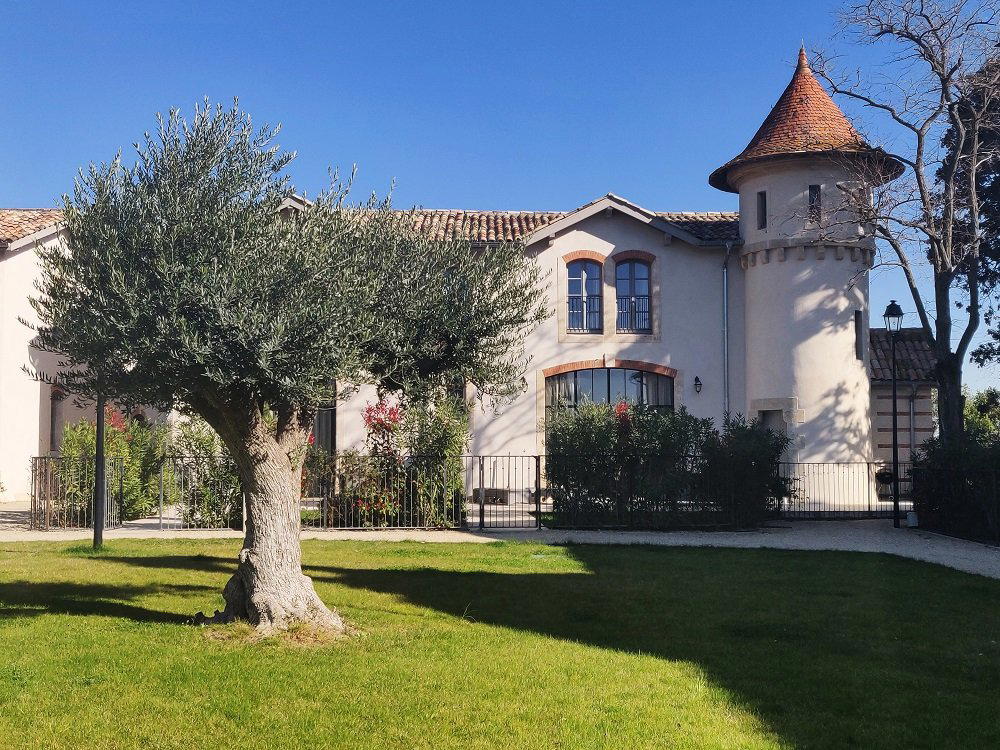
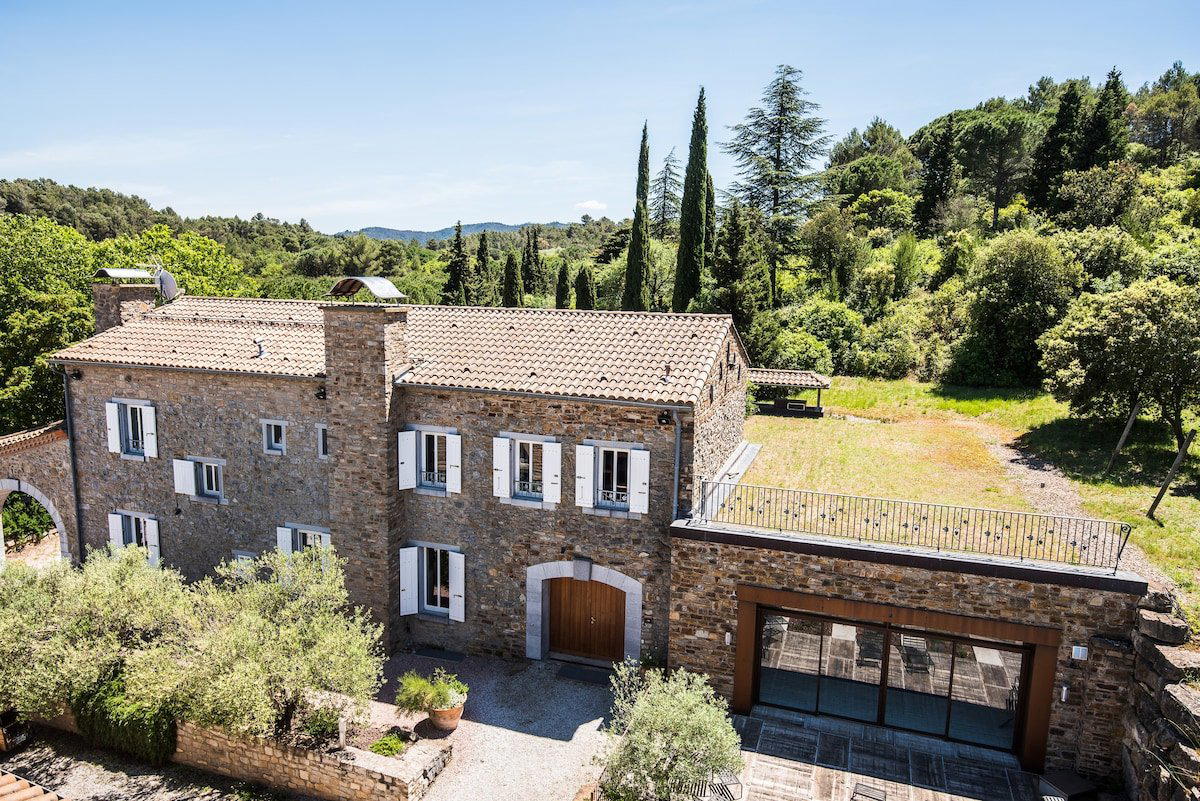
Subdued atmosphere in a stone vaulted cellar with exposed beams and carefully decorated rooms creating an authentic, warm, and relaxing setting.