Dolcissimo is a fixture on Ramsay Street in Haberfield, Sydney's most concentrated Italian precinct, where the ritual of a slow afternoon coffee or a carefully selected pastry carries as much weight as any formal dining room. The suburb has long functioned as the city's reference point for southern Italian sweet traditions, and Dolcissimo sits within that lineage without apology.
- Address
- 98/100 Ramsay St, Haberfield NSW 2045, Australia
- Phone
- +61297164444
- Website
- opentable.com
- Directions
- Get directions
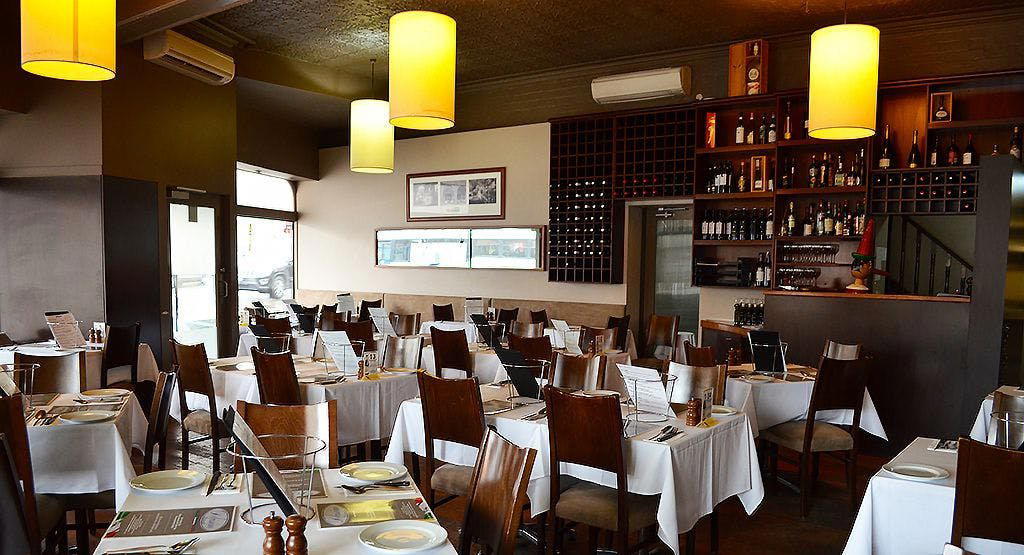
Ramsay Street and the Weight of Italian Haberfield
Dolcissimo Haberfield is a restaurant in Haberfield, Sydney, with a price tier of $25 per person. Ramsay Street in Haberfield is one of them. The suburb carries a designation that locals repeat with some pride: it has been called Sydney's Italian quarter for the better part of a century, shaped by successive waves of southern Italian migration that left behind not just restaurants but a specific set of expectations around food, pacing, and the social function of a sweet shop. Dolcissimo at 98/100 Ramsay St operates inside that expectation. It does not exist in isolation from the street around it; it is read against it, as every serious pasticceria in a neighbourhood with a long memory must be.
Comparisons to 10 William St in Paddington or 1021 Mediterranean point toward a different register of Italian dining in Sydney, but Haberfield's gravity is older and more neighbourhood-rooted. Where those addresses operate in a self-consciously modern Italian idiom oriented toward wine and produce, Haberfield's Ramsay Street speaks a dialect of ritual and repetition: the Sunday morning sfogliatelle, the cannoli ordered for a family gathering, the coffee taken standing at a counter.
The Ritual of the Italian Sweet Shop
In southern Italian tradition, the pasticceria is not simply a place to buy dessert. It functions as a secular anchor point in the week, a location where arrival, selection, and consumption follow a loosely understood sequence that most regulars observe without discussion. You scan the display. You make a choice that reflects the occasion. You take coffee alongside, or you don't, but the decision is deliberate. The transaction is unhurried. This is not a grab-and-go format in its truest expression, even when the physical pace of a busy Saturday morning might suggest otherwise.
Dolcissimo sits within this tradition. The address on Ramsay Street places it in direct conversation with the generational habits of Haberfield's Italian community and with the expectations of Sydney diners who make the trip specifically for this kind of experience. That trip itself is part of the ritual for many: Haberfield is not a suburb you pass through on the way to somewhere else. You go there with purpose, which gives every purchase a slightly ceremonial quality that a pastry bought from a CBD food court will never carry.
This dynamic is not distinctive to Sydney. Comparable precincts exist in Melbourne's Carlton, in Adelaide's suburban Italian belts, and internationally in districts of Buenos Aires and New York where diaspora communities built their food culture from scratch. What makes the Haberfield version distinctive is its compression: the relevant shops are within a few hundred metres of each other on a single street, which creates a comparison culture that keeps standards visible. Dolcissimo's neighbours on Ramsay Street are its most immediate comparable set, and the proximity is competitive in the way that market stalls are competitive, through daily, public proximity rather than awards cycles.
How to Approach a Visit
Visiting Haberfield's Ramsay Street on a weekend morning places you inside the neighbourhood's peak ritual moment. The street draws from a wide catchment at that time, with Italian-Australian families running regular routes alongside newer visitors making a deliberate excursion. Arriving mid-morning rather than at opening gives the display cases time to fill and the counter a chance to find its rhythm, though the trade-off is a busier room. Weekday visits are quieter and allow for a more considered browse, which suits a first visit better if the aim is orientation rather than the comfort of a familiar order.
Because Dolcissimo is recommended for reservations, though the format still suits a casual walk-in visit. For those planning a broader Sydney food day, Haberfield pairs logically with a westward arc that could include stops toward bills in Bondi Beach on the return, though the tonal gap between the two is considerable: one is embedded in neighbourhood ritual, the other in a more internationally legible brunch culture.
For those travelling from further afield or building a broader Australian itinerary, Sydney's Italian food scene occupies a different register from the formal dining tracked at Rockpool or the produce-led seafood focus at Saint Peter. It is a parallel track, rooted in community rather than critique, and Haberfield is its most legible address. Melbourne's equivalent Italian gravity sits further south, with comparisons possible through venues like Bar Carolina in South Yarra or the more casual Italian-adjacent energy of Barry Cafe in Northcote.
Haberfield in the Wider Sydney Context
Sydney's Italian dining map has expanded significantly in the past decade, with new-wave Italian wine bars and pasta-focused openings drawing attention toward Surry Hills, Paddington, and the inner east. That expansion has not diminished Haberfield's position so much as clarified it. The suburb now reads as the heritage anchor in a more diverse Italian food scene, the address that provides historical depth against which newer formats are measured.
This is a pattern visible in other cities. In New York, where restaurants like Le Bernardin and Atomix define one tier of the dining conversation, the Italian-American neighbourhood institutions of Carroll Gardens or Arthur Avenue occupy a completely separate register that coexists rather than competes. Sydney's version of that coexistence plays out between Haberfield and the inner-city newcomers. The broader Sydney dining map ranges from destination fine dining to neighbourhood anchors like Dolcissimo.
For a different reading of how regional Australian dining handles deep local identity, Brae in Birregurra and Attica in Melbourne work from a philosophy of place and provenance. The comparison is oblique but instructive: all three venues draw meaning from a specific relationship to location and community. Dolcissimo's version of that relationship is more vernacular and less theorised, which makes it more durable. Neighbourhood institutions do not require a conceptual framework to justify continued relevance; they require only that the community keeps returning, and on Ramsay Street, the evidence of that is visible every weekend morning.
Fast Comparison
Comparable venues nearby, for context on price, style, and recognition.
| Venue | Cuisine | Price | Notes |
|---|---|---|---|
| Dolcissimo HaberfieldThis venue — the venue you are viewing | Authentic Italian Wood-Fired Pizza & Pasta | $$ | Not listed |
| Farina Pizzeria Roseville | Authentic Italian Pizza | $$ | Roseville Chase |
| Criniti's Brighton-Le-Sands | Southern Italian Wood-Fired Pizza | $$ | Brighton-Le-Sands |
| Mama & Papas Restaurant Parramatta | Italian & Mediterranean | $$ | Parramatta |
| Bill & Toni's | Traditional Italian | $$ | Darlinghurst |
| Farina Pizzeria Turramurra | Italian Pizza and Pasta | $$ | North Turramurra |
Continue exploring
More in Sydney
Restaurants in Sydney
Browse all →
Bars in Sydney
Browse all →
Hotels in Sydney
Browse all →

At a Glance
- Lively
- Classic
- Rustic
- Casual Hangout
- Group Dining
- Family
- After Work
- Late Night
- Open Kitchen
- Standalone
- Beer Program
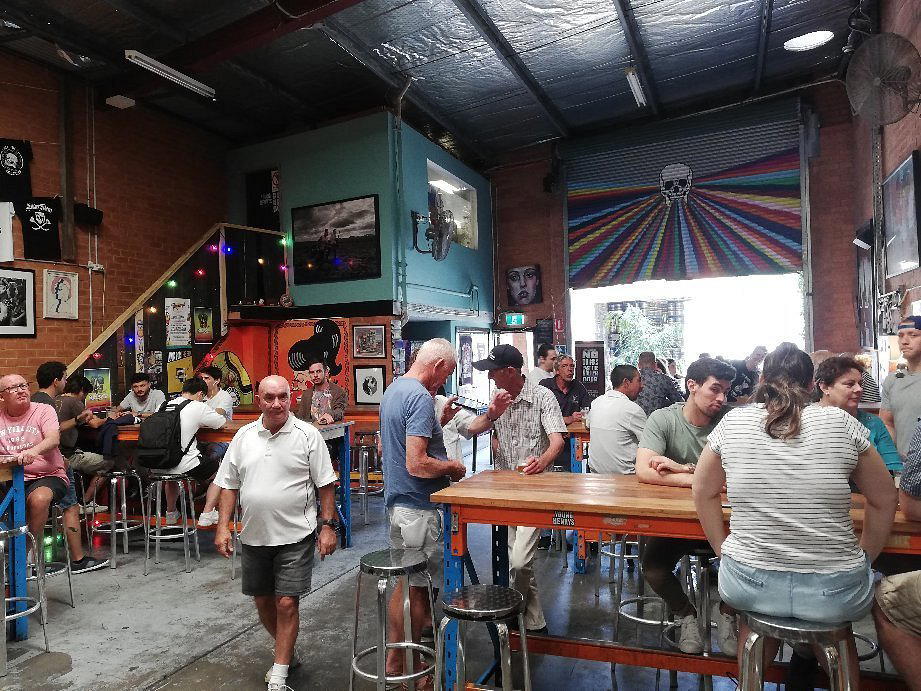
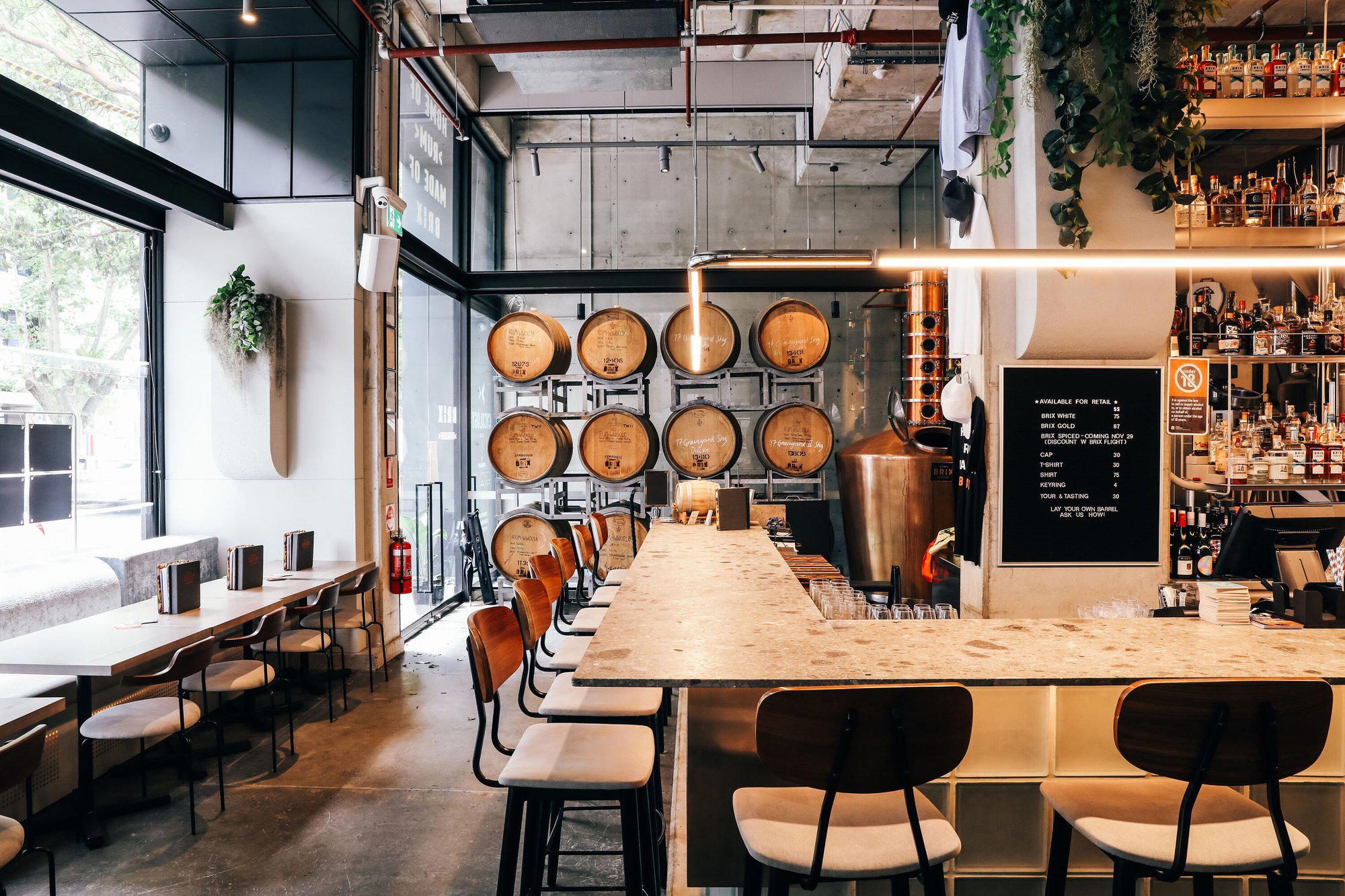
Lively and busy atmosphere with warm traditional Italian hospitality, featuring the aroma of freshly baked wood-fired pizza.