DIO/MIO Neapolitan Pizza
Neapolitan pizza in Basel's theatre district, DIO/MIO on Theaterstrasse 10 sets itself apart from the city's fine-dining circuit by committing to the Neapolitan tradition at an accessible register. In a city where serious eating tends to run French and formal, this is a different kind of deliberate choice, one that rewards guests who know what they're looking for and plan accordingly.
Pearl is the En Primeur Club membership app — saves, bookings, and concierge access live there. Same editors, same standards.
- Address
- Theaterstrasse 10, 4051 Basel, Switzerland
- Phone
- +41612839000
- Website
- diomio.ch
- Directions
- Get directions
 Saves & bookings on Pearl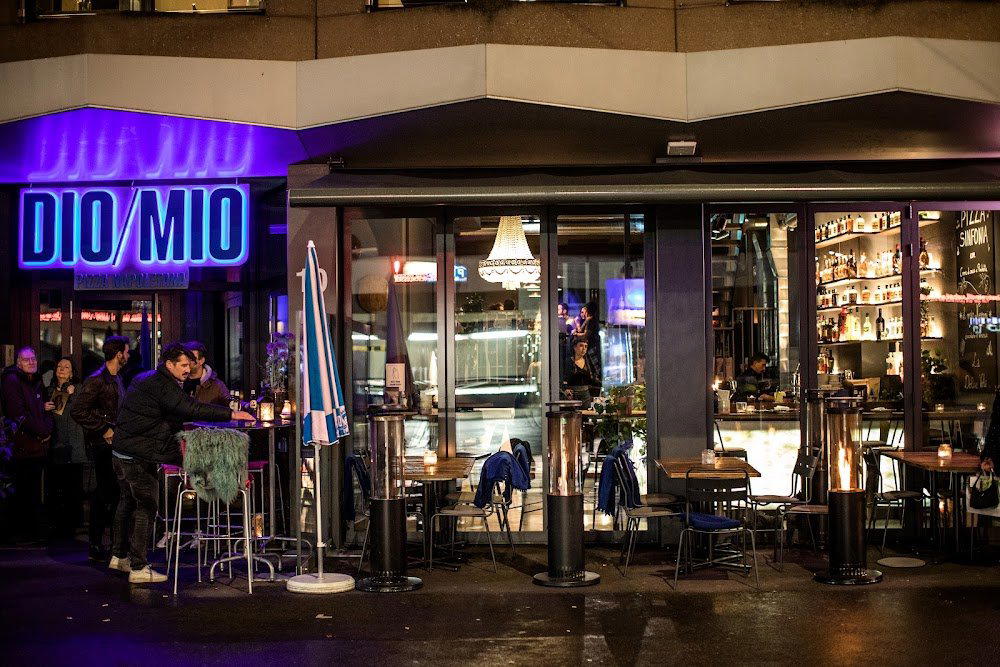
Where Basel's Theatre District Meets Southern Italian Dough
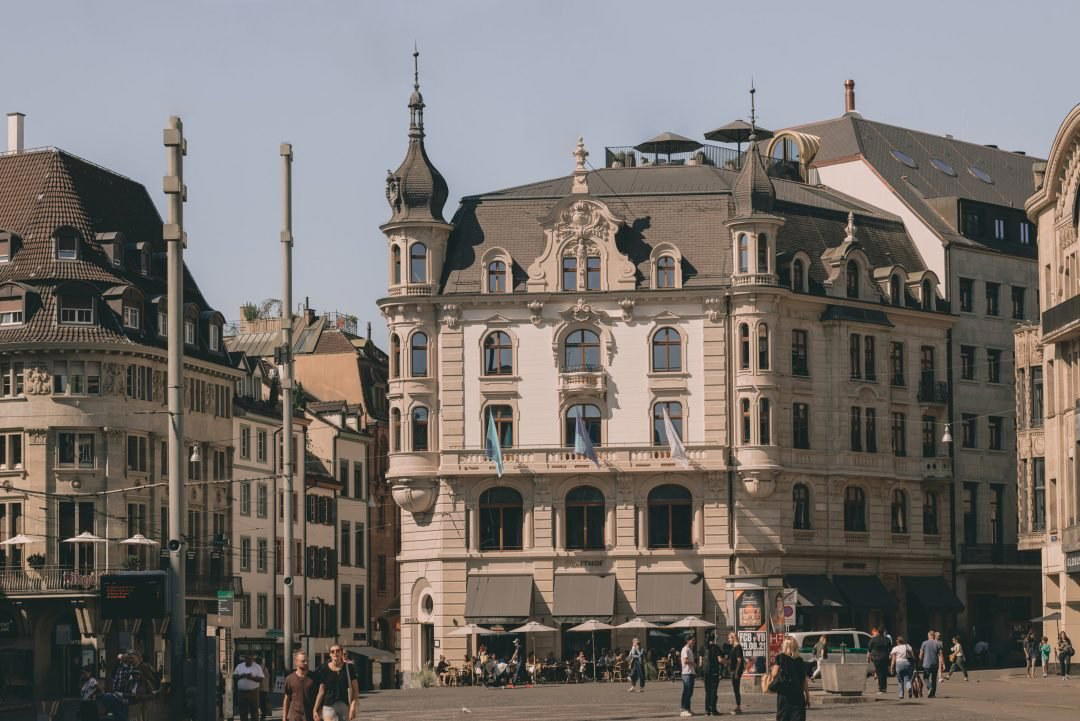
Theaterstrasse cuts through one of Basel's more animated central corridors, a street that connects the cultural gravity of the Theater Basel with the retail and pedestrian energy of the inner city. The address positions DIO/MIO Neapolitan Pizza in a neighbourhood that draws an evening crowd already in the frame of mind for a proper night out, rather than a quick stop. Walking up to number 10, the setting itself signals intent: this is not a peripheral spot filling a gap in the market, but a deliberate placement inside a part of the city where the density of foot traffic and the expectations of diners are both consistently high.
Basel's restaurant scene is shaped, more than most Swiss cities its size, by a cluster of haute cuisine anchors. Cheval Blanc by Peter Knogl and Stucki - Tanja Grandits set the upper register, drawing serious diners to multi-course French-influenced tasting formats. roots operates in the creative-vegetarian bracket at a comparable price tier. Against this backdrop, a Neapolitan pizza address occupies a structurally different position: single-focus, traditionally rooted, and priced for regularity rather than occasion dining. That contrast is not a weakness. It reflects a broader European pattern in which Italian pizza of genuine provenance has carved out its own serious niche, distinct from fine dining but not subordinate to it.
The Neapolitan Standard and What It Demands
Neapolitan pizza is one of the more codified food traditions in Europe. The Associazione Verace Pizza Napoletana has set production guidelines covering dough hydration, fermentation time, flour type, tomato origin, and oven temperature since the 1980s, and the tradition received EU Protected Geographical Indication status in 2023 as a TSG (Traditional Speciality Guaranteed). For a Swiss restaurant to operate under the Neapolitan banner is to invite comparison against that standard, not just against local competition.
The key variables in Neapolitan execution, the cornicione, or raised crust edge, the balance between char and chew from a wood-fired oven running at 450 to 485°C, the sourcing of San Marzano tomatoes and fior di latte, are what distinguish a serious Neapolitan address from a general pizza restaurant. In cities outside Naples, the credibility of a Neapolitan claim rests almost entirely on those technical markers and the quality of sourcing decisions made before a pizza enters the oven. Basel diners accustomed to precision in French and contemporary cooking will find the same logic applies here, applied to a different tradition.
Across Switzerland, the Italian culinary tradition is well-represented but unevenly executed. The country's proximity to Italy and its large Italian-speaking canton have produced some serious Italian tables, though Swiss fine dining tends to frame Italian influence through the lens of French technique. A straightforwardly Neapolitan address, committed to the southern Italian popular tradition rather than a refined hybrid, sits in a distinct category. For reference, Da Vittorio - St. Moritz in St. Moritz represents Italian dining at its most formal Swiss expression. DIO/MIO operates in a different register entirely, closer in spirit to the neighbourhood pizzerie that drive the Neapolitan tradition than to its luxury iterations.
Planning Your Visit: What to Know Before You Go
Basel's central dining corridor is a competitive environment, and restaurants on or near Theaterstrasse draw both pre-theatre traffic and general evening diners, which means demand concentrates around specific windows. The practical advice for a Neapolitan address in this location is the same as it would be for any well-regarded single-focus restaurant in a dense urban centre: book ahead, particularly for Thursday through Saturday evenings and for any night that coincides with programming at the Theater Basel.
Reservations are recommended. Theaterstrasse 10 is centrally located and accessible on foot from Basel's main pedestrian zones. The address is well within the inner-city perimeter and does not require a tram journey from the city centre.
For visitors building a multi-day Basel itinerary that covers the city's broader dining range, DIO/MIO sits usefully at the more accessible end of the spectrum, offering a clear contrast to the formal French-rooted dining at Cheval Blanc by Peter Knogl or the creative contemporary format at roots. It also functions as a logical anchor for an evening that begins or ends at the theater. The 1777 and Ackermannshof round out the mid-range Basel dining circuit for visitors covering multiple nights.
Basel in the Wider Swiss Dining Context
Switzerland's serious dining destinations extend well beyond its cities. Hotel de Ville Crissier in Crissier, Schloss Schauenstein in Fürstenau, Memories in Bad Ragaz, and Maison Wenger in Le Noirmont each represent the country's high-end dining in different formats and regions. Einstein Gourmet in Sankt Gallen, Mammertsberg in Freidorf, La Table du Valrose in Rougemont, and focus ATELIER in Vitznau demonstrate the geographic spread of Swiss fine dining. The Japanese Restaurant in Andermatt shows how specific culinary traditions embed themselves in unexpected Swiss locations.
Against that backdrop, a Neapolitan pizza restaurant in Basel represents a different kind of editorial interest: not altitude, but specificity. The tradition it draws from is as technically demanding in its own terms as any tasting menu, and the cities where it is done well, whether in Naples, London, or New York (see Le Bernardin and Lazy Bear for two different American benchmarks of culinary commitment), share a common quality: the kitchen takes the tradition seriously on its own terms, without borrowing prestige from neighbouring categories.
For a full picture of eating and drinking in Basel, the EP Club Basel restaurants guide maps the city's dining options across formats, price points, and neighbourhoods.
Comparable Venues
Comparable venues nearby, for context on price, style, and recognition.
| Venue | Cuisine | Price | Notes |
|---|---|---|---|
| DIO/MIO Neapolitan PizzaThis venue — the venue you are viewing | Neapolitan Pizza | $$ | Not listed |
| Artigiano Café | Authentic Neapolitan Pizza | $$ | Aeschen |
| Chez Donati | Classic Italian Fine Dining | $$$ | Aeschen |
| LAMIA PASTARIA | Authentic Italian Handmade Pasta | $$$ | Messe |
| Mister Momo Dumplings | Tibetan & Bhutanese Momos | $$ | Aeschen |
| Da Gianni | Authentic Italian Trattoria & Pizzeria | $$ | Messe |
At a Glance
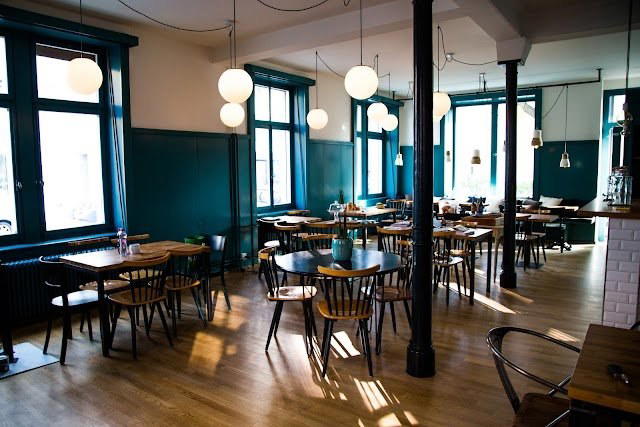
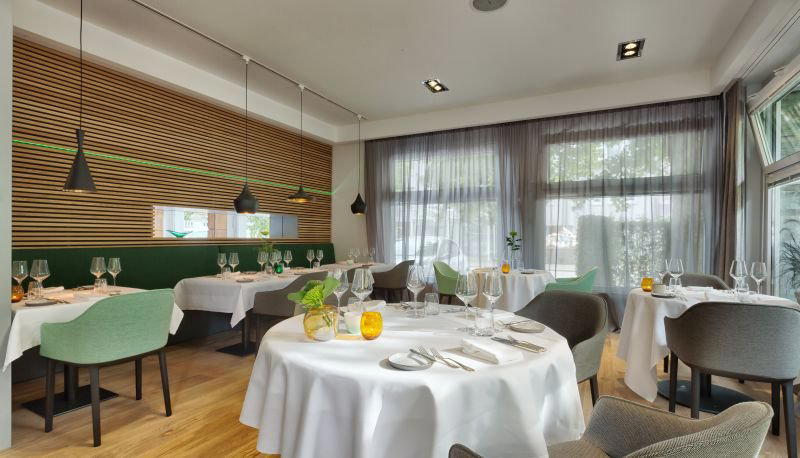
- Cozy
- Intimate
- Modern
- Casual Hangout
- Date Night
- Open Kitchen
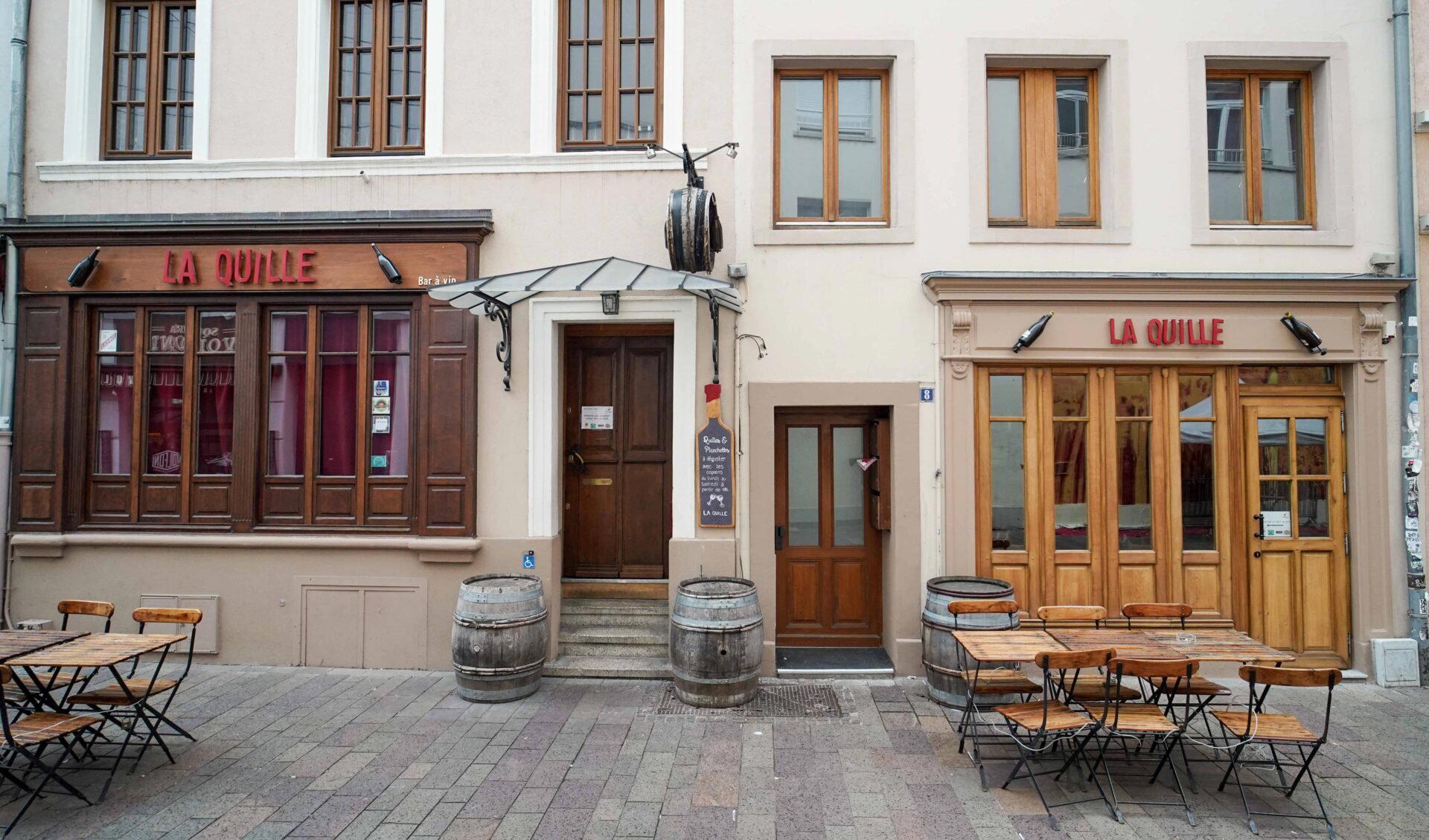
- Street Scene
Current opening hours
- Monday
- 11:30 AM–2 PM, 5:30–11 PM
- Tuesday
- 11:30 AM–2 PM, 5:30–11 PM
- Wednesday
- 11:30 AM–2 PM, 5:30–11 PM
- Thursday
- 11:30 AM–2 PM, 5:30–11 PM
- Friday
- 11:30 AM–2 PM, 5:30 PM–12 AM
- Saturday
- 12 PM–12 AM
- Sunday
- 1–11 PM
Hours can change for holidays and private events. Last verified .
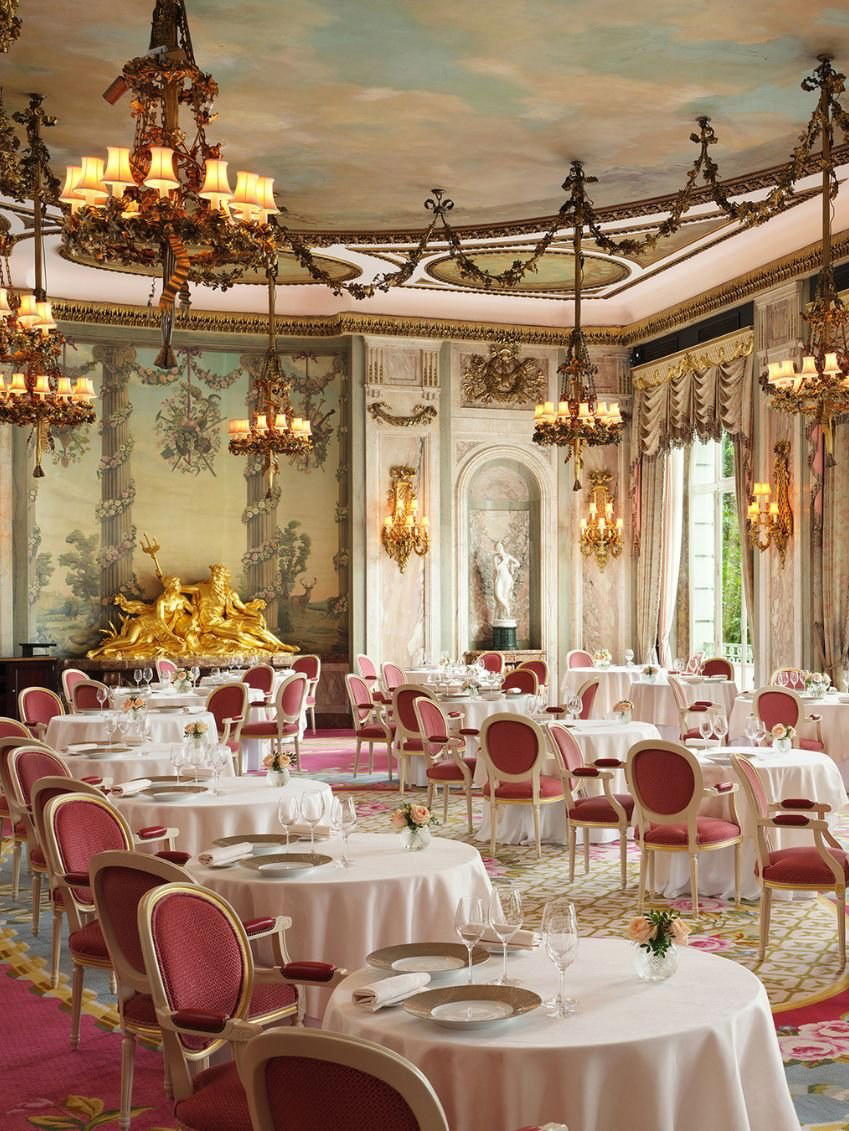
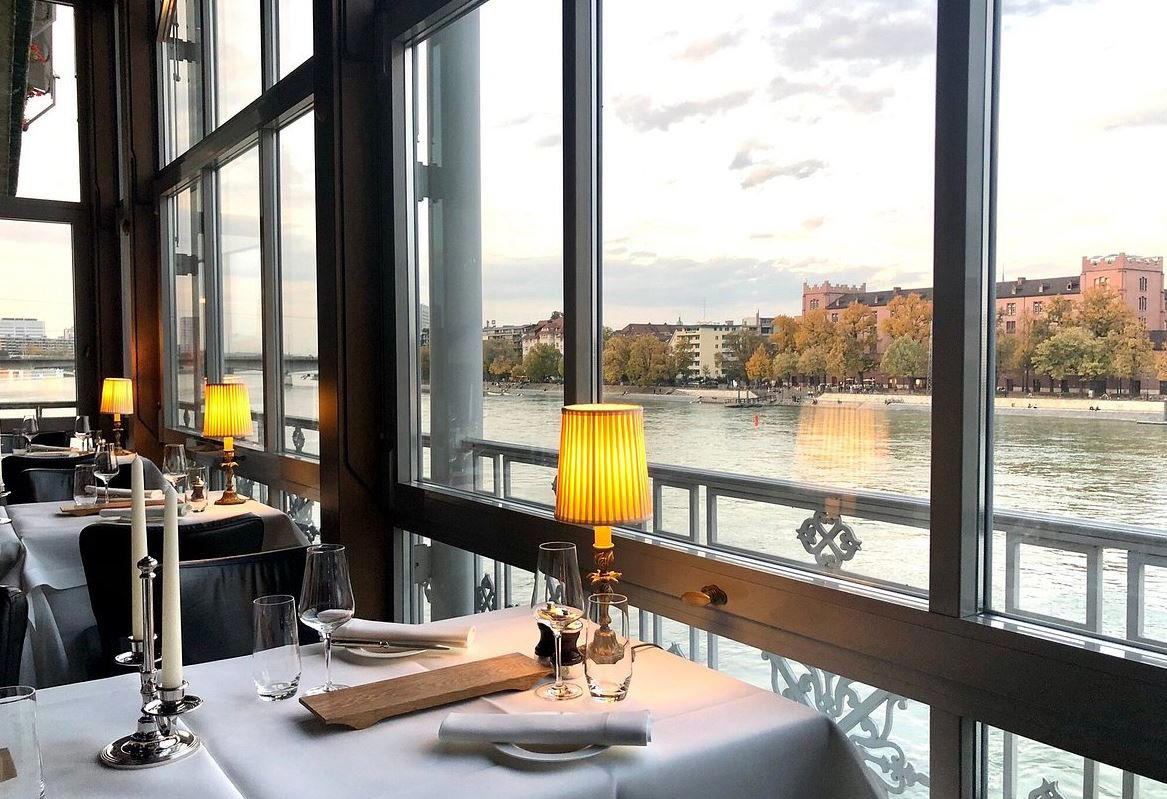
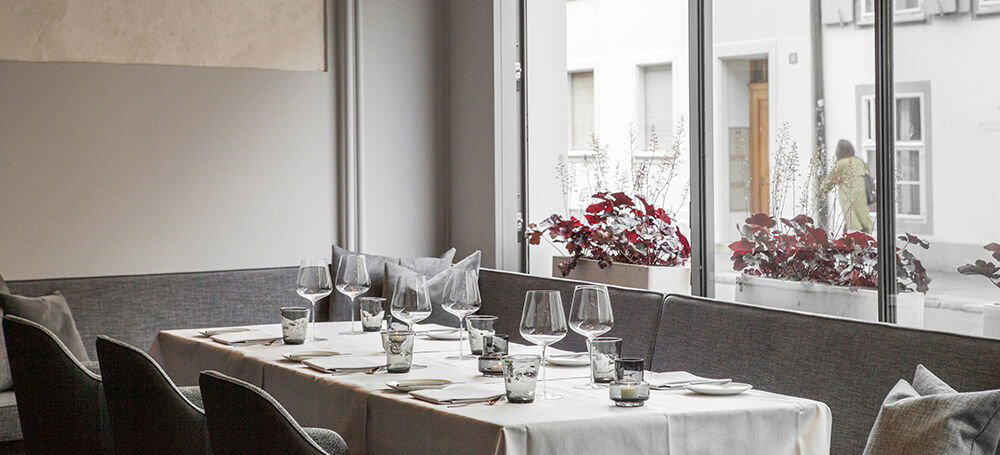
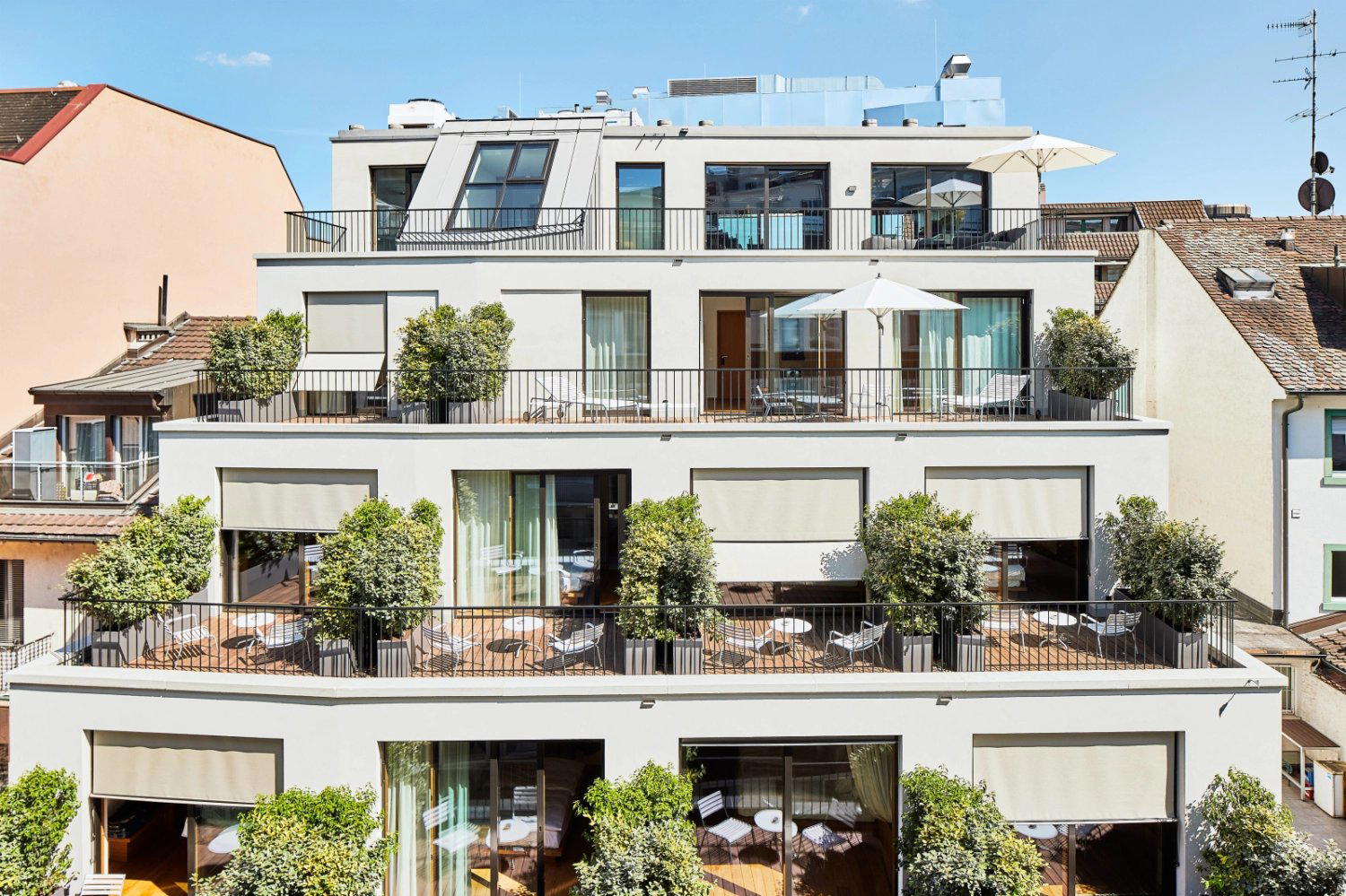
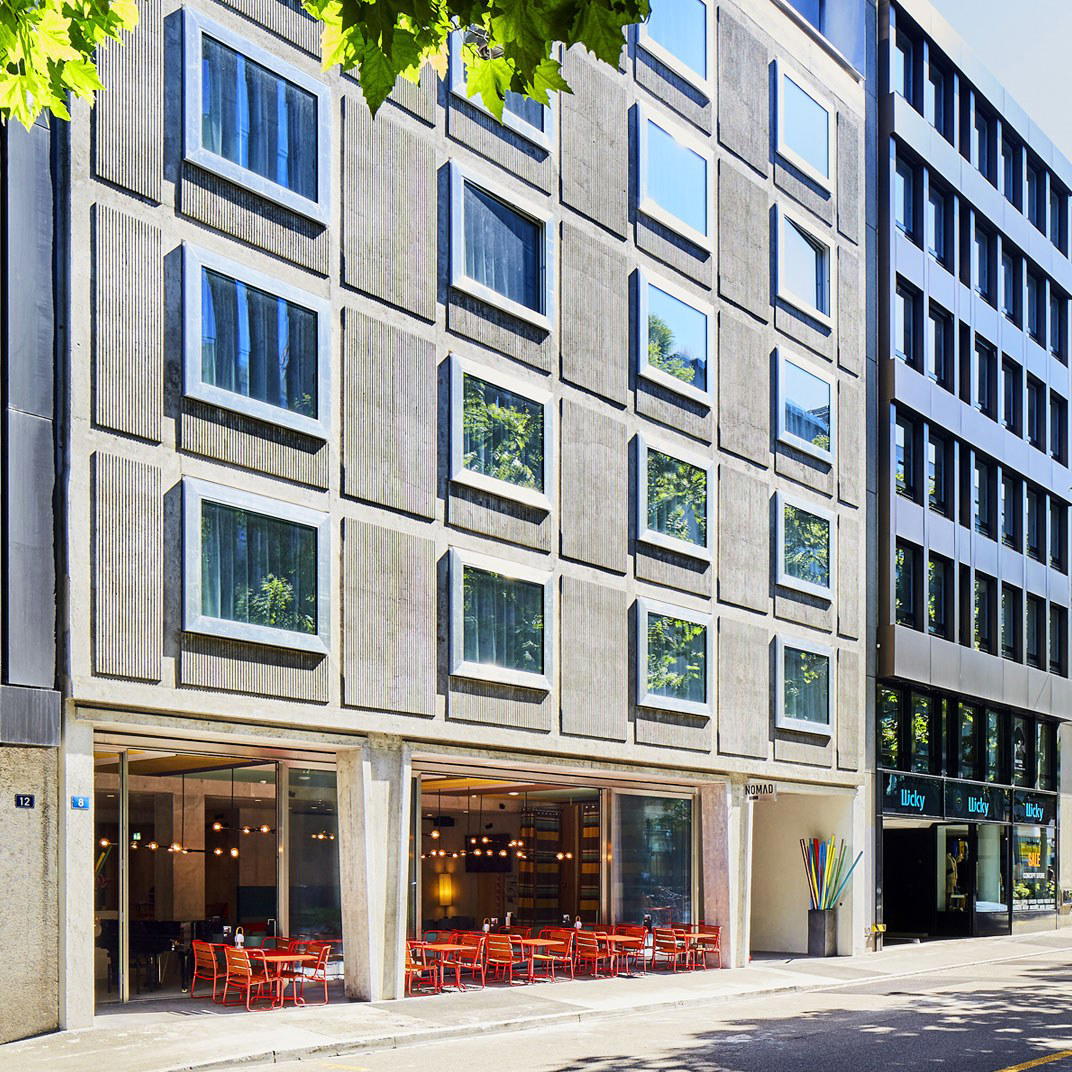
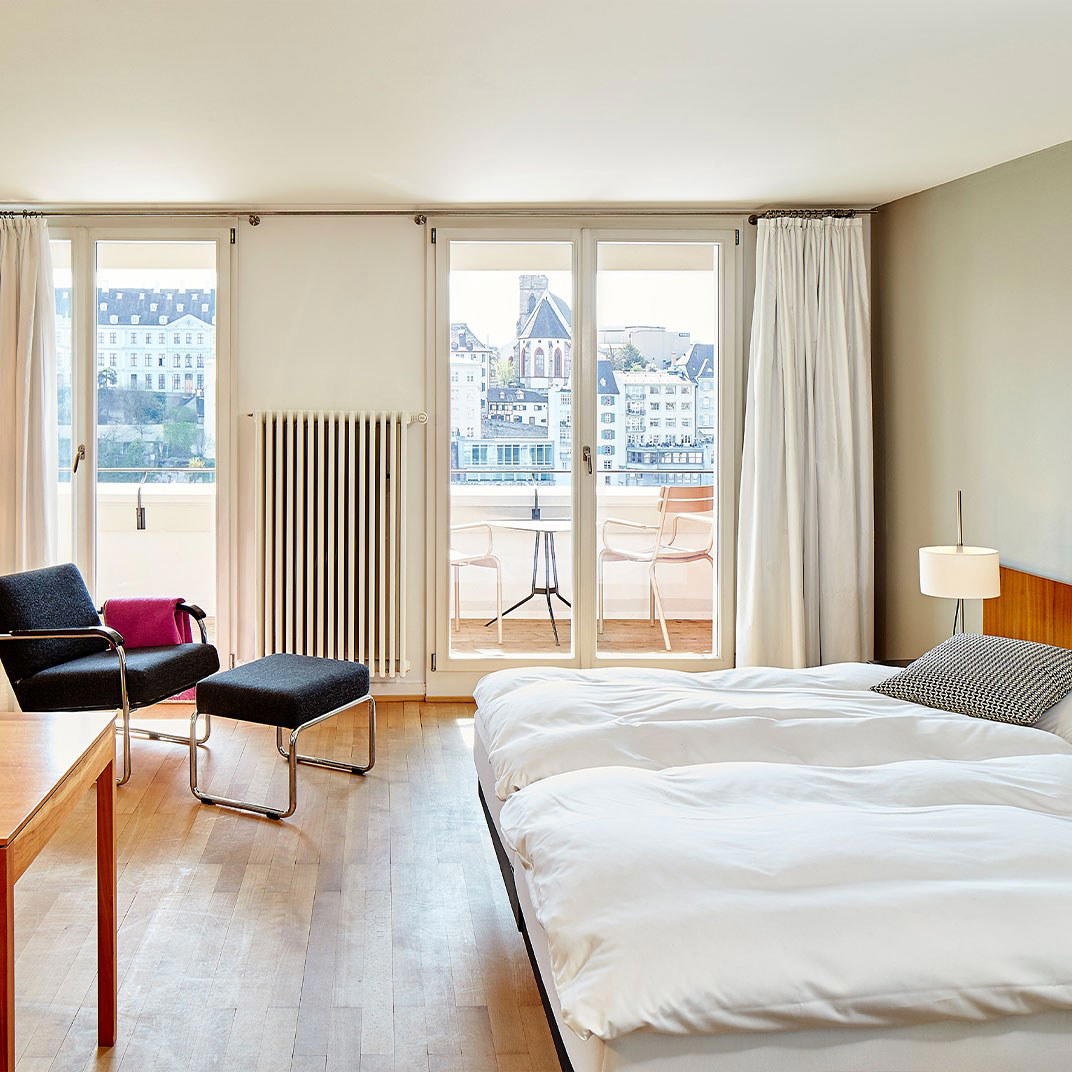
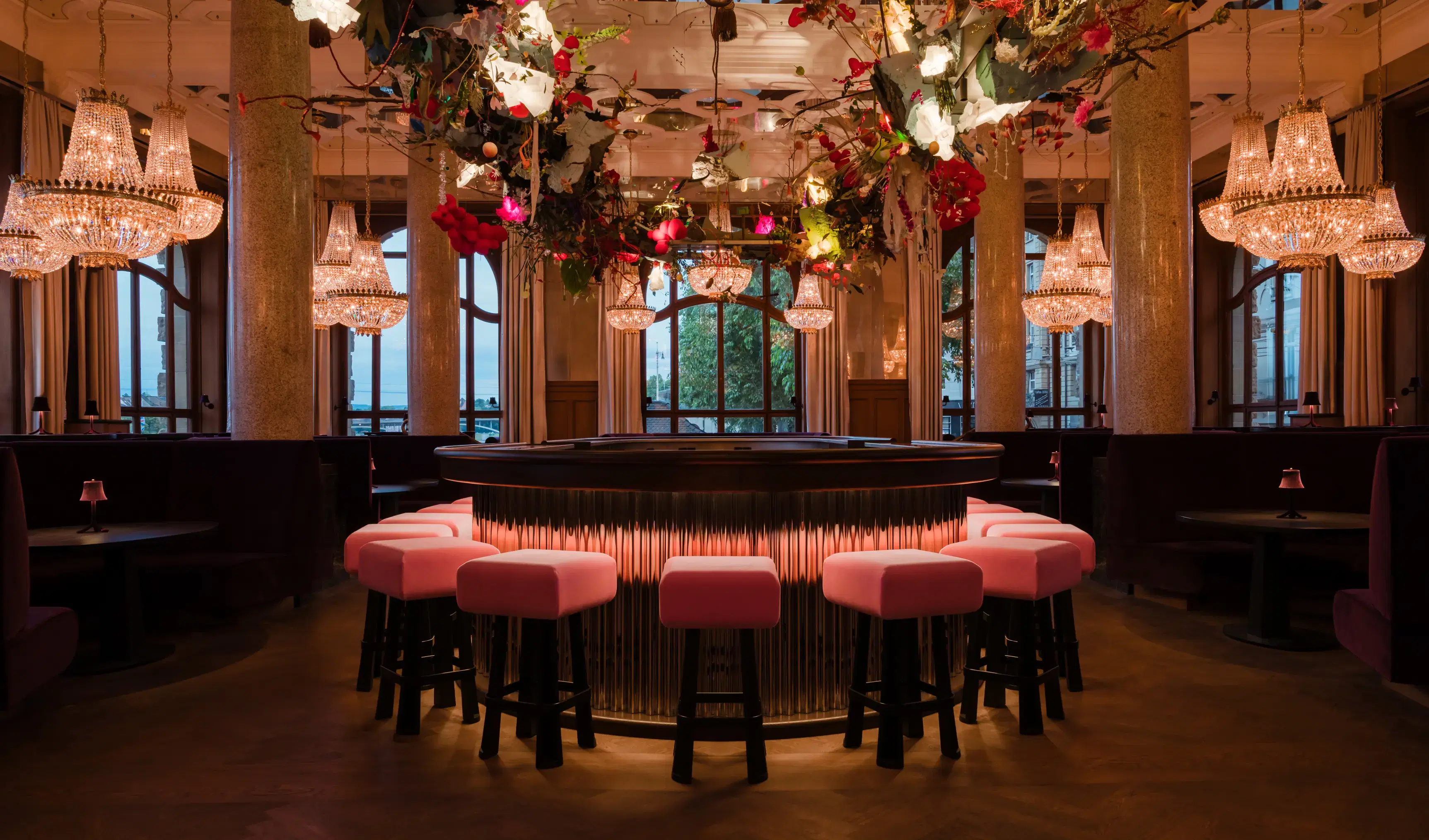
Intimate and cozy atmosphere with view of the central pedestrian area.