Diket


Star Wine List · White Guide Sweden Restaurants - Fine Level
Our verdict
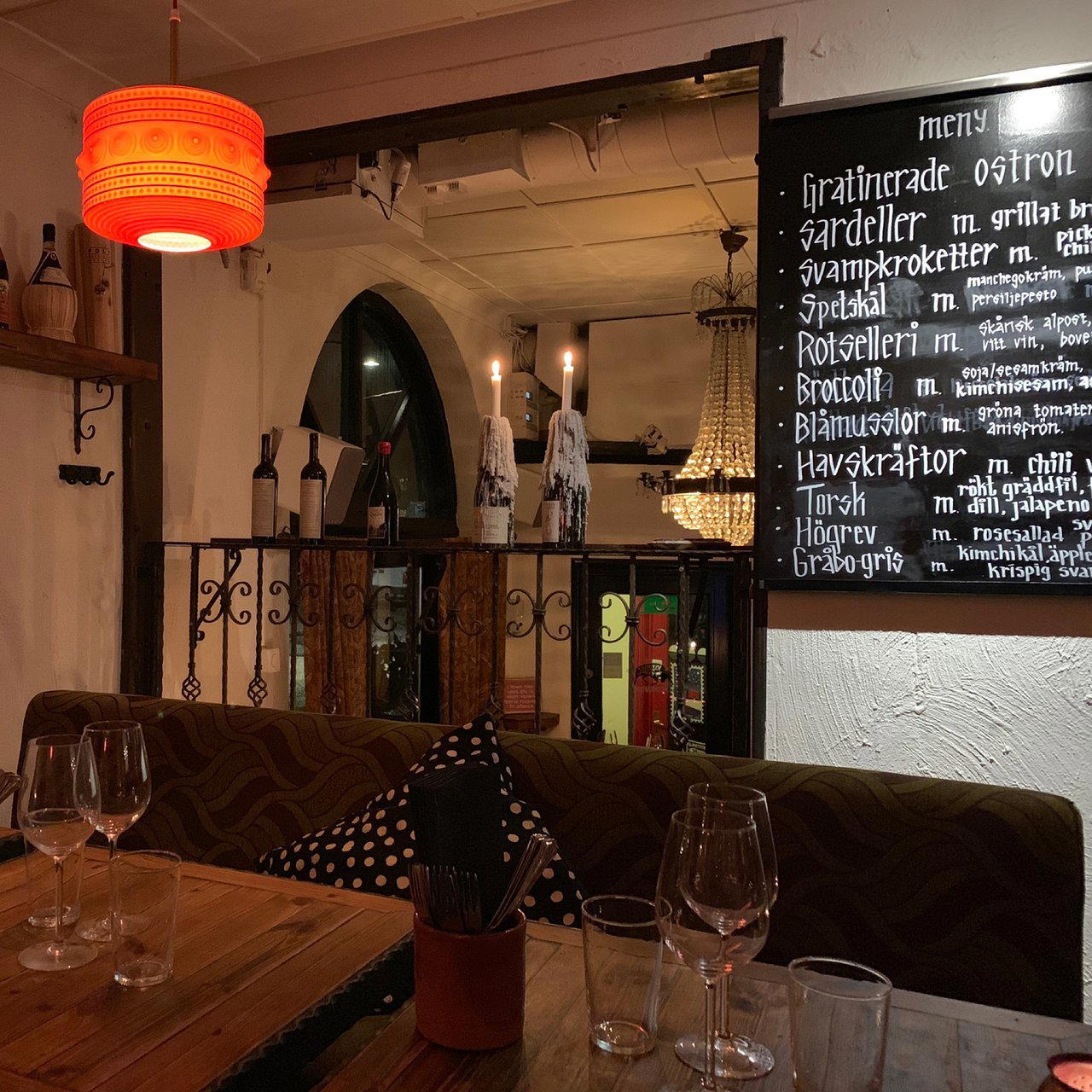
Diket occupies a particular corner of Gothenburg's neighbourhood dining scene: a Majorna local that pulls wine-focused crowds from across the city with a format built around small plates, natural pours, and the kind of unhurried atmosphere that feels earned rather than engineered. The menu offers a set option alongside a flexible selection of bites, making it a reliable anchor for both committed diners and those who want to graze.

Pearl is the En Primeur Club membership app — saves, bookings, and concierge access live there. Same editors, same standards.
- Address
- Karl Johansgatan 11, 414 59 Göteborg, Sweden
- Phone
- +46 31 13 13 23
- Hours
- Mon–Wed 5–10 PMThu 5–10:30 PMFri 5–11:30 PMSat–Sun Closed
- Website
- diket.se
- Directions
- Get directions
- Booking
- Book on the venue's website
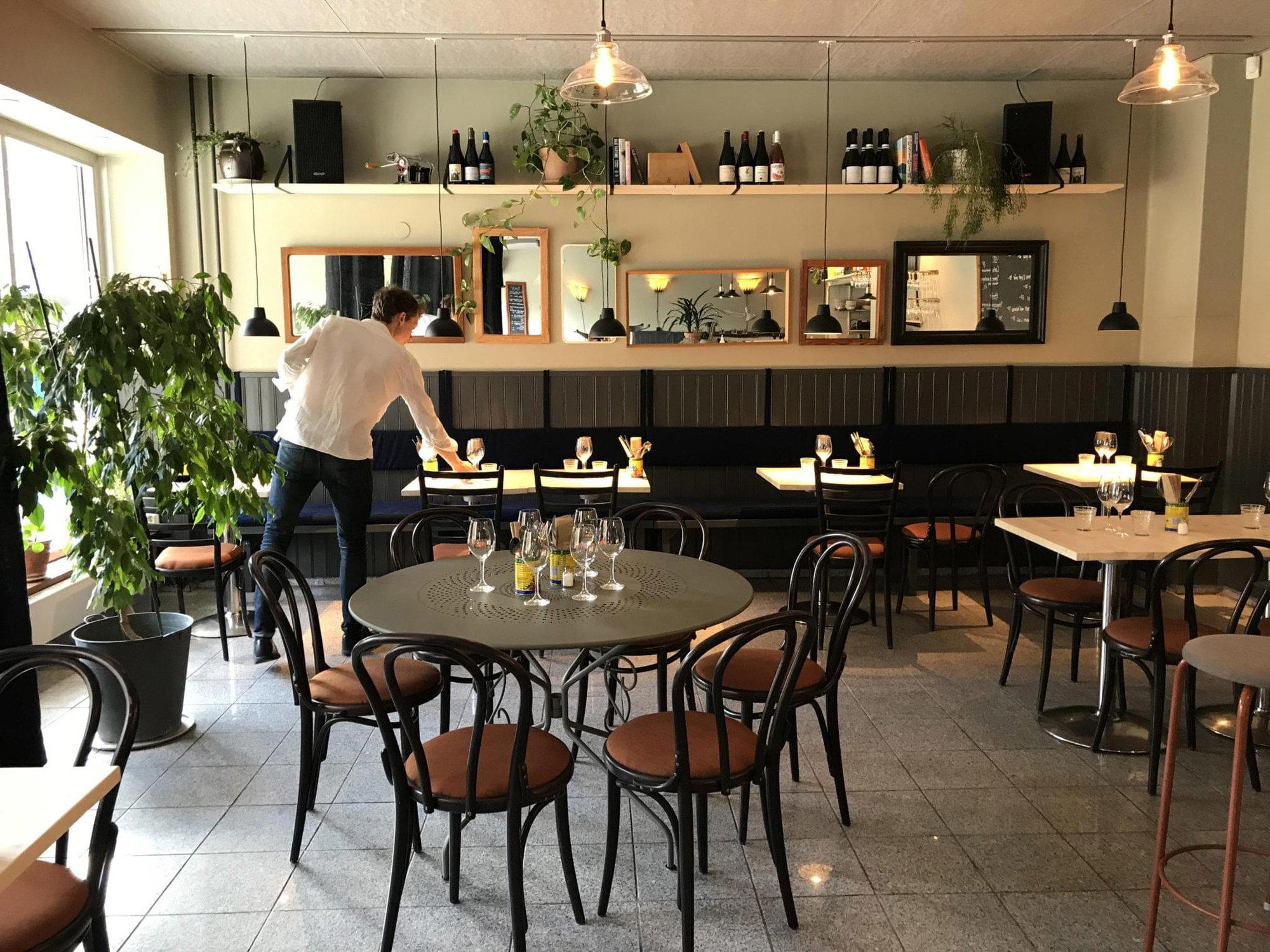
Majorna's Quiet Pull
Gothenburg's dining energy tends to concentrate in Vasastan and along Avenyn, where the city's more formal restaurant culture plays out. Majorna operates differently. The western district has a residential density and a slower cadence that shapes how its restaurants function: less destination theatre, more habitual return. Diket sits at Karl Johansgatan 11 inside that logic, drawing wine-curious regulars from across the city to a room that doesn't announce itself.
That kind of cross-city draw, for a neighbourhood address without the usual institutional signals, tells you something specific about what Gothenburg's wine-and-small-plates circuit values. At a moment when the city's higher-end options include Hoze at the €€€€ tier, and well-regarded modern Swedish kitchens like Koka and SK Mat & Människor occupying the €€€ band, there is room for a looser, lower-commitment format that still satisfies informed palates. Diket appears to fill that gap without straining toward formality.
The Format and What It Signals
The menu structure at Diket is a telling architectural choice. Offering both a set option and a selection of individual small plates and bites places it in a category that resists easy classification: it is not a tasting menu destination in the mode of Project or 28+, and it is not a casual bar with snacks. It sits between those poles, which is itself an editorial position. Guests who arrive knowing what they want can eat tightly and leave satisfied; those who settle in can extend the evening course by course.
This kind of dual-track menu format has become a marker of a particular strain of European neighbourhood dining, most visible in wine bars across Copenhagen, Lisbon, and Lyon, where the kitchen and the cellar carry roughly equal weight. The eating is the frame; the drinking is the argument. At Diket, the wine focus is a known part of its identity, drawing a crowd that treats the glass as seriously as the plate.
Across Sweden more broadly, the small-plates and natural wine format has expanded steadily over the past decade, with city-level nodes in Stockholm and Malmö mirroring what Gothenburg's neighbourhood scene has developed independently. The comparison with Stockholm's more institutionally recognised addresses, including Frantzén, or with Malmö's more formal options like Vollmers, is not the relevant one here. Diket competes in a different register entirely, one where the absence of ceremony is the point.
Atmosphere as the Core Offering
The editorial angle on Diket is ultimately atmospheric, because atmosphere is what its reputation is built on. The venue operates as a local hangout in the precise sense: a room where the social temperature is set by repeat visitors who know the staff and the list, and where newcomers are admitted into that warmth rather than processed through it. That dynamic is harder to engineer than a tasting menu sequence, and it is what separates addresses like Diket from the many European wine bars that execute the format technically but feel transactional.
Majorna's street-level character reinforces this. Karl Johansgatan carries a mix of independent retail, residential buildings, and the kind of foot traffic that keeps neighbourhood spots honest. A restaurant that cannot hold its regular clientele in a district like this does not survive on destination diners alone. The fact that Diket draws from across Gothenburg while maintaining its neighbourhood-first identity suggests the two things are not in tension here.
For context on how demanding the Swedish dining public can be at this price tier, it is worth noting that internationally recognised kitchens like ÄNG in Tvååker, VYN in Simrishamn, and Knystaforsen in Rydöbruk have built their audiences partly by calibrating an atmosphere of considered informality alongside serious cooking. Diket operates in a more urban, more compressed version of that sensibility, without the rural landscape as a framing device.
Planning Your Visit
Diket's address at Karl Johansgatan 11 in Majorna puts it in the western reaches of central Gothenburg, accessible by tram from the city centre. The neighbourhood is walkable once you arrive, and the venue sits on a main residential artery rather than tucked down a side street. Given the venue's reputation and the fact that it draws a committed wine crowd from across the city, booking ahead for weekend evenings is the prudent approach rather than walking in.
Gothenburg's dining scene offers a wide enough range that Diket fits naturally into a longer itinerary. For a broader map of what the city offers, our full Gothenburg restaurants guide covers the spectrum from neighbourhood formats to formal tasting menus. Those planning a longer stay can also reference our Gothenburg hotels guide, our bars guide, and our experiences guide for a complete picture. For those interested in Swedish wine culture specifically, our Gothenburg wineries guide provides additional context. The Signum in Mölnlycke, a short distance outside the city, is worth noting for those who want to extend the trip into the wider Västra Götaland dining circuit.
Frequently asked questions
What distinctions does Diket have?
Diket has received recognition including: Diket is a local Majorna neighbourhood hangout that attracts wine lovers and foodies from across Gothenburg. The menu offers a set option, or a selection of small dishes and bites. At our last visit....
What part of town is Diket in?
Diket is located at Karl Johansgatan 11, 414 59 Göteborg, Sweden, Gothenburg.
What should I eat at Diket?
Diket's menu offers two routes: a set option or a selection of individual small plates and bites. The small-plates format suits grazing across several courses rather than committing to a single dish, which aligns with how the local crowd tends to use the space. Check the venue's official channels for the latest details.
Is Diket reservation-only?
Diket operates as a neighbourhood hangout in Majorna, drawing a loyal local crowd alongside visitors from across Gothenburg. That level of consistent demand suggests booking ahead is sensible, particularly on evenings and weekends. Contact details are not published in available listings, so approaching the venue directly via Karl Johansgatan 11 or local booking platforms is the practical option.
What do critics highlight about Diket?
Editorial coverage consistently positions Diket as a genuine Majorna local, drawing wine lovers and food-focused regulars rather than destination-dining tourists. The dual menu structure — set or small plates — gets noted as a format that suits the relaxed, counter-style atmosphere the venue is known for. Its pull comes less from formal accolades and more from a reputation built through repeat neighbourhood patronage.
Do they accommodate allergies at Diket?
Allergy and dietary accommodation policies are published details are limited for Diket. Given the small-plates format, which involves multiple components across a meal, raising any requirements directly with the venue before arrival is the reliable approach. Karl Johansgatan 11 is the address for in-person enquiries. Check the venue's official channels for the latest details.
Peers Worth Knowing
Comparable venues nearby, for context on price, style, and recognition.
| Venue | Cuisine | Price | Awards | Notes |
|---|---|---|---|---|
| DiketThis venue — the venue you are viewing | Modern European Bistro | $30–50 | Star Wine List · White Guide Sweden Restaurants - Fine Level | Not listed |
| 2112 | Gourmet Smash Burgers & Beer Hall | $20–30 | Not listed | Inom Vallgraven |
| Boqueria Göteborg | Spanish Tapas | Not listed | Star Wine List | Avenyn |
| Bistro Odette | French Bistro | $50–100 | Star Wine List · White Guide Sweden Restaurants - Very Fine Level | Linné |
| Musikens Hus | Vegetarian European & Swedish | $10–20 | Not listed | Majorna |
| Wagners Bistro | Modern French-Swedish Bistro | Not listed | Star Wine List | Kungsportshuset |
Recognition history
Dated appearances from independent guides and award organizations, with the underlying list record or original source where available.
Star Wine List
Star Wine List
White Guide Sweden Restaurants - Fine Level
White Guide
Continue exploring
More in Gothenburg
Restaurants in Gothenburg
Browse all →
Bars in Gothenburg
Browse all →
Details
- Cozy
- Modern
- Lively
- Date Night
- Casual Hangout
- Special Occasion
- Open Kitchen
- Natural Wine
- Local Sourcing
- Set Menu
- Small Plates
- A La Carte
- Wine
- Vegetarian Friendly
- Vegan Options
Current opening hours
- Monday
- 5–10 PM
- Tuesday
- 5–10 PM
- Wednesday
- 5–10 PM
- Thursday
- 5–10:30 PM
- Friday
- 5–11:30 PM
- Saturday
- Closed
- Sunday
- Closed
Hours can change for holidays and private events. Last verified .
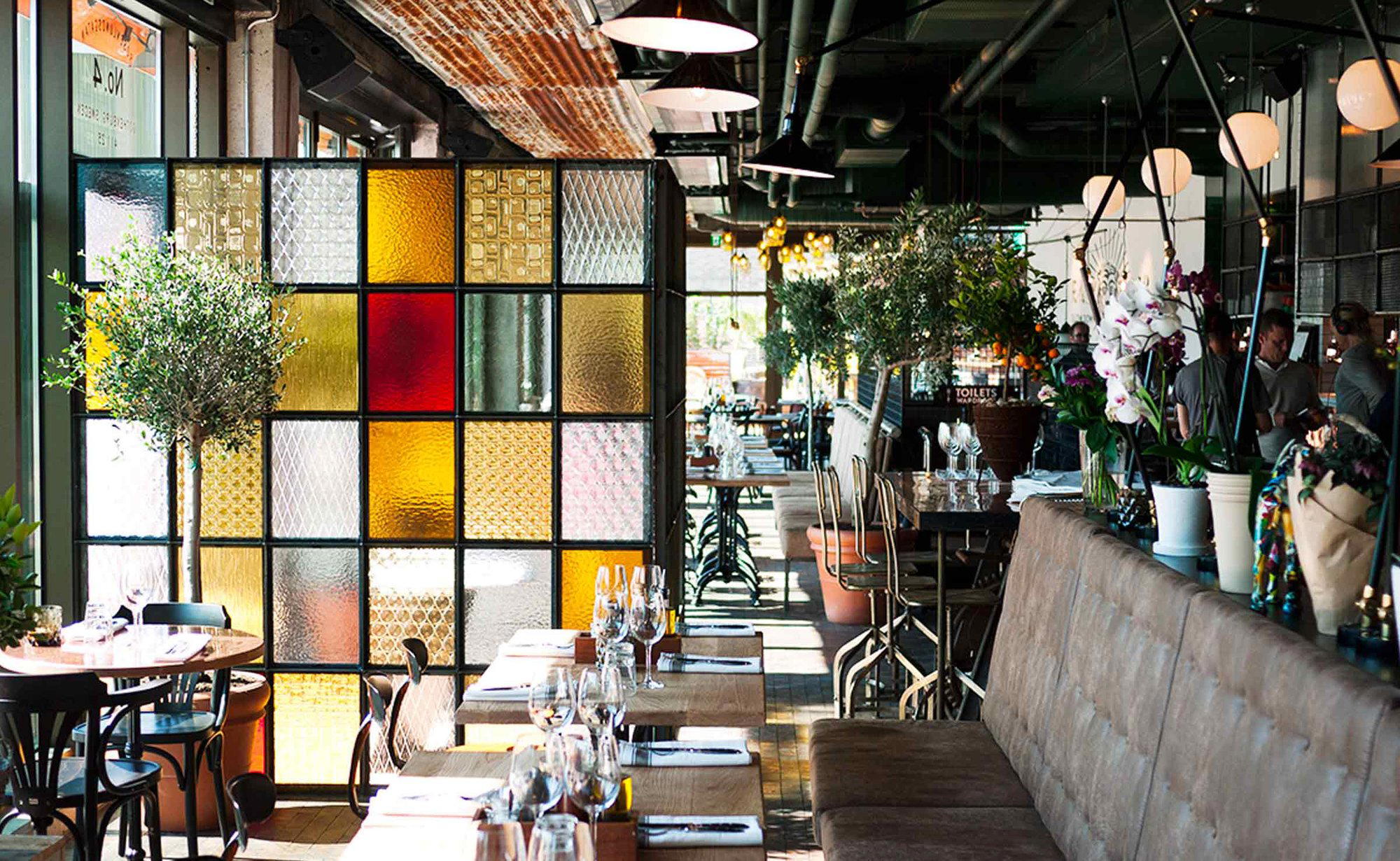
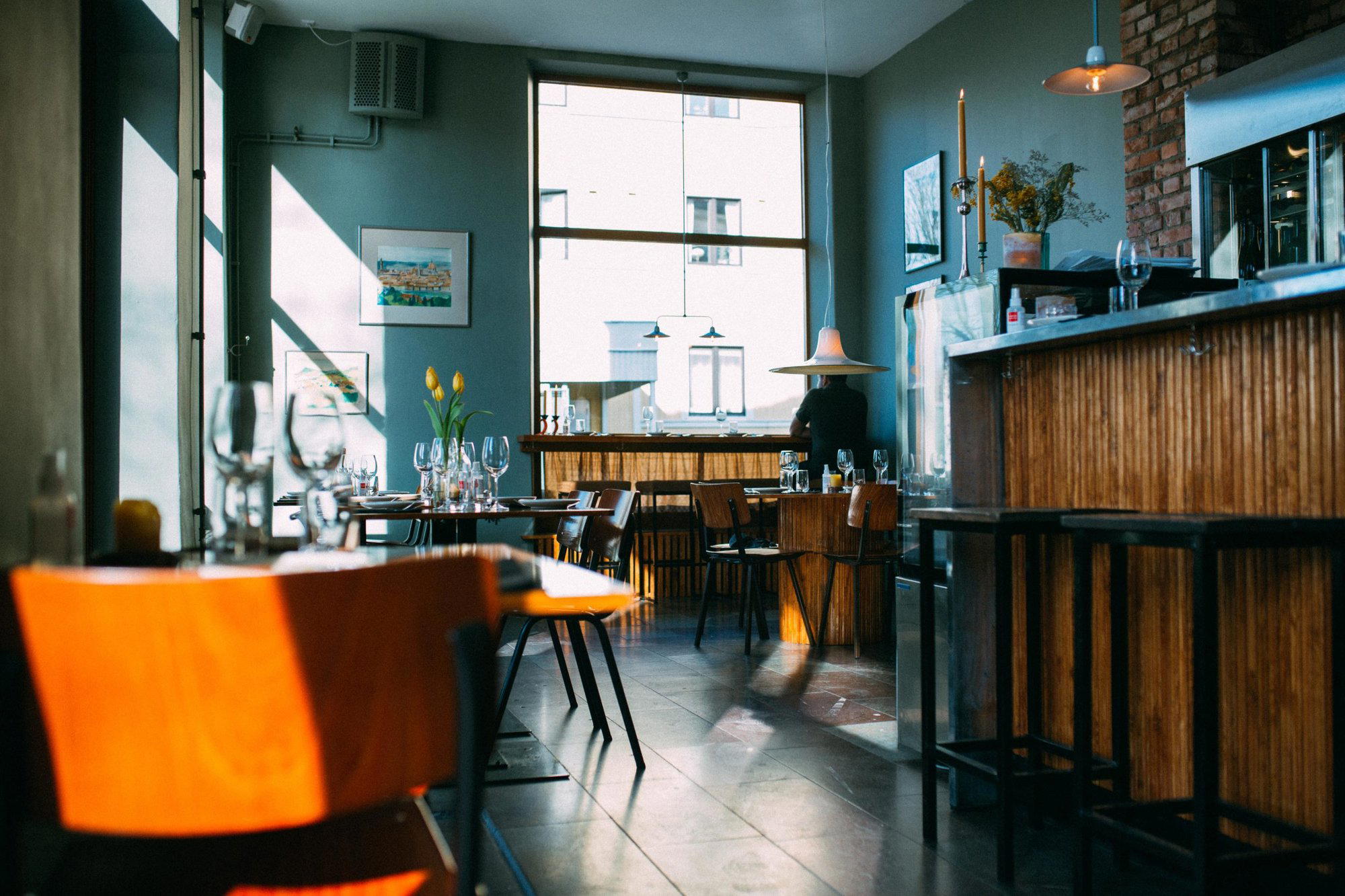
Relaxed and cozy with lush green plants, modern decor, and an unpretentious vibe.