
Michelin Plate
Our verdict
A Michelin Plate-recognised address on the wooded hillside above Salzburg, Die Gersberg Alm delivers serious regional Austrian cooking at a price point that sits well below the city's starred competition. It holds its position as one of the more compelling arguments for eating outside the Altstadt, honest, rooted, and worth the short drive up the hill.

Pearl is the En Primeur Club membership app, where members save venues, book tables and use the concierge.
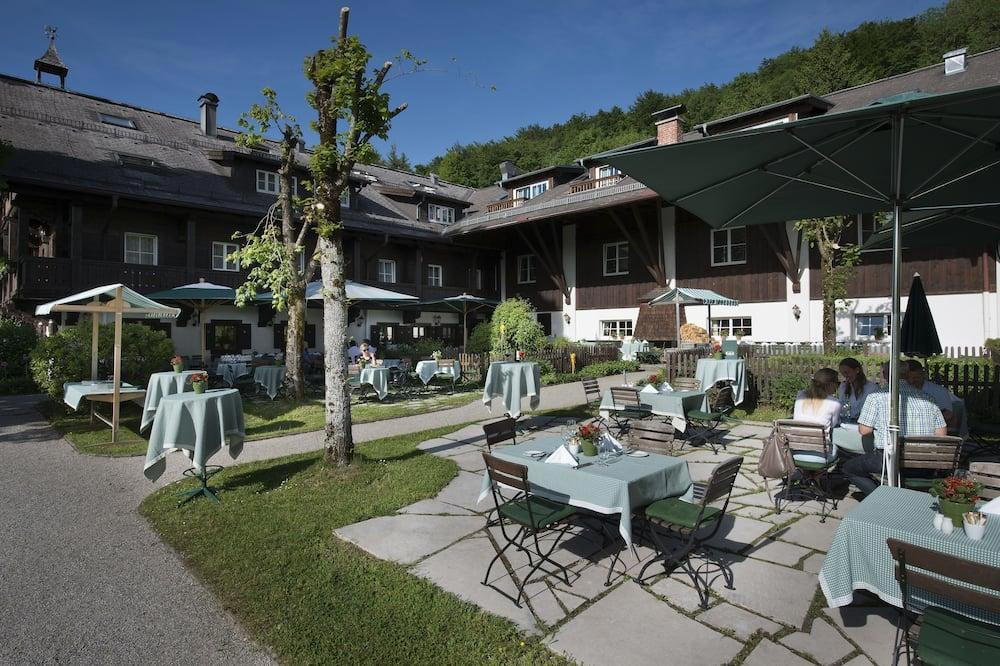
Up the Hill, Away from the Postcard
The approach to Die Gersberg Alm sets the register before a plate arrives. The road out of Salzburg's Altstadt climbs into the wooded slopes above the city, past residential streets and gradually thinning traffic, until the urban noise drops away entirely. This is not a dining destination you stumble across. You come here deliberately, which means almost everyone in the room has made the same calculation: that what awaits at Gersberg 37 is worth the detour from the more obvious addresses clustered around the old town.
That calculation has been made by enough people to leave a mark. At the €€ tier, the audience is broader, more varied, and less forgiving of off nights. The consistency implied by those numbers is itself a form of editorial endorsement.
Where Die Gersberg Alm Sits in the Salzburg Dining Picture
Salzburg's restaurant scene has a pronounced split between two categories. In one corner sit the destination fine-dining addresses: Ikarus, operating at €€€€ with two Michelin stars and a rotating guest-chef model that makes it arguably the most internationally discussed restaurant in the city; Esszimmer, with one Michelin star and a modern Austrian creative lens at €€€; and Pfefferschiff, a one-star creative address at €€€€ that draws serious diners out of the centre. Senns, holding two Michelin stars in its own right, anchors the upper end of Austrian cooking in the city.
In the other corner, far less discussed internationally, but doing meaningful work, are the mid-market regional restaurants that keep Salzburg's culinary identity grounded in something older and more local than tasting menus. Die Gersberg Alm operates in this second tier but with one distinguishing marker: a Michelin Plate, held in both 2024 and 2025. The Plate designation, often misread as a consolation prize, is more accurately understood as Michelin's signal that cooking at this address merits attention even without the star apparatus around it. It is quality recognition with a different flavour.
The value gap between a Michelin Plate at €€ and a Michelin star at €€€ or €€€€ is where Die Gersberg Alm makes its clearest argument. If you are working through Salzburg's dining options and trying to understand what each price band actually delivers, this address suggests that the regional register, unpretentious, rooted in Austrian culinary tradition, positioned away from tourist concentration, can reach a similar level of care and execution for considerably less outlay. The Glass Garden occupies a different creative lane at a comparable city location; Die Gersberg Alm's proposition is more traditional, and that is precisely the point.
The Regional Cuisine Argument
Austrian regional cooking, at its most committed, draws on a specific larder: lake fish from the Salzkammergut, game from alpine forests, cured meats shaped by centuries of mountain preservation, dairy products that reflect distinct microclimates. The leading expressions of this tradition are not replicas of Viennese Bürgerküche, which tends toward heavier court-influenced preparations. Salzburg's regional cooking is leaner in some respects, more directly tied to what the surrounding landscape produces.
Across Austria, the regional cuisine category has produced some serious benchmarks. Döllerer in Golling an der Salzach, just south of Salzburg, has built an international reputation on exactly this premise, that Austrian alpine ingredients, treated with technical precision, can sustain destination-level dining. Steirereck im Stadtpark in Vienna operates at the furthest extreme of this tradition, with multiple accolades and a global audience. Further afield, addresses like Gourmetrestaurant Tannenhof in Sankt Anton am Arlberg and Griggeler Stuba in Lech demonstrate how far the alpine regional category can travel when the kitchen has both produce access and technical ambition.
Die Gersberg Alm does not operate at those altitudes of ambition or price. What it represents, within the regional category, is the more accessible end of the same tradition: cooking that draws on local and seasonal ingredients without requiring the investment of a tasting menu to experience. For a comparable proposition in different Austrian geography, Kräuterreich by Vitus Winkler in Sankt Veit im Pongau and Landhaus Bacher in Mautern an der Donau both illustrate how the regional cuisine designation stretches across different parts of the country. Outside Austria, Fahr in Künten-Sulz and Gannerhof in Innervillgraten show the category's range in neighbouring Swiss and Tyrolean contexts.
Planning Your Visit
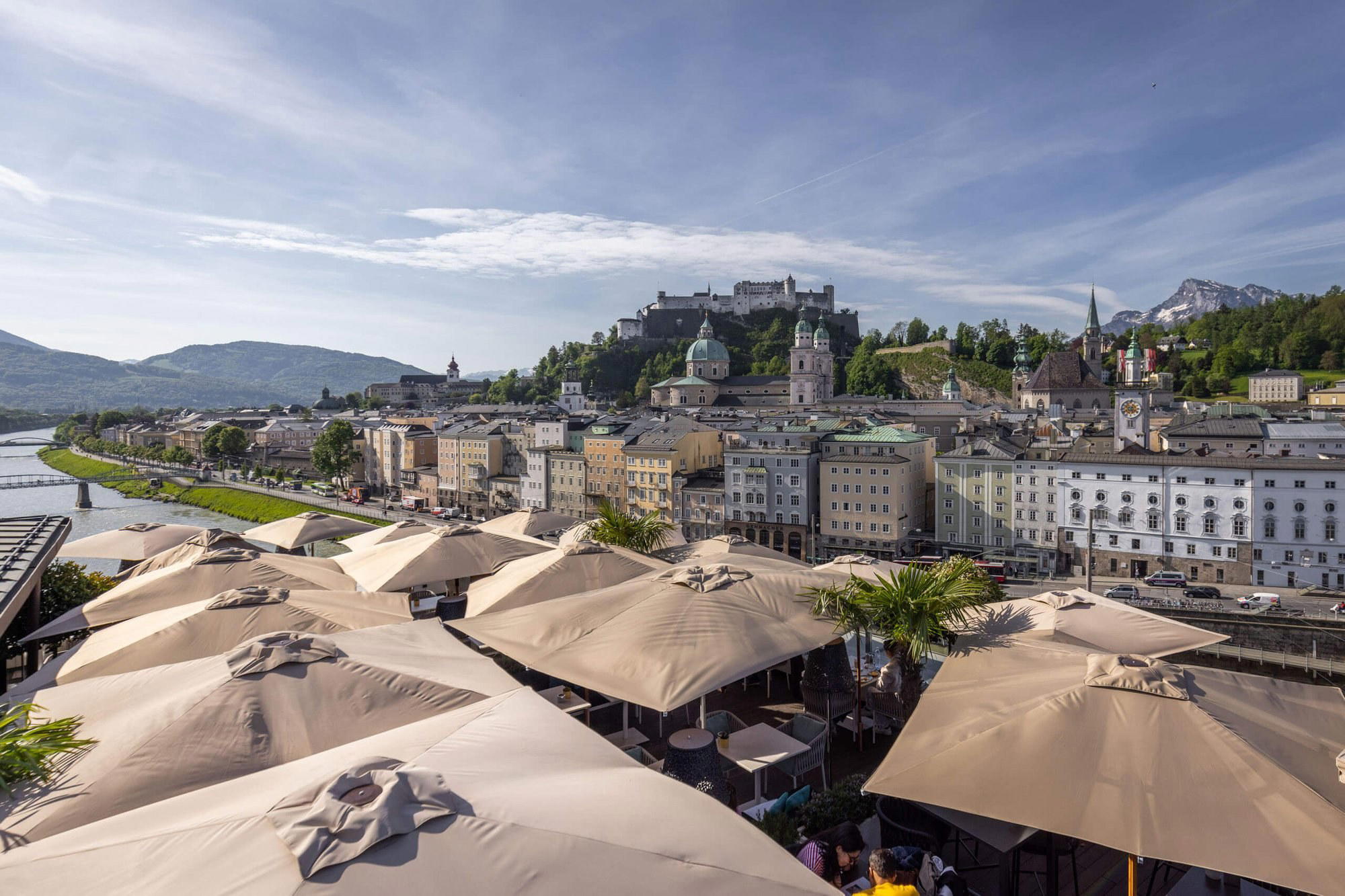
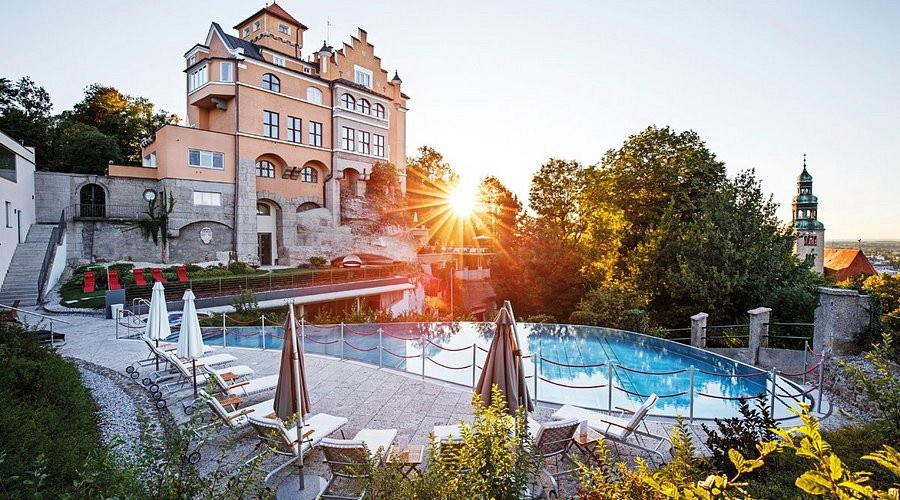
Die Gersberg Alm sits at Gersberg 37, which places it on the refined hillside northeast of Salzburg's centre, a short drive from the Altstadt, but removed enough from the pedestrian tourist circuit to feel like a genuine local dining address rather than a restaurant positioned for passing trade. The setting on the slope above the city, with its wooded surrounds and views back toward Salzburg, is a meaningful part of the proposition: this is not a room that could exist anywhere. It reflects the particular geography of the city's outer districts.
At the €€ price point, it falls well below Salzburg's starred options, making it accessible to travellers who want serious regional cooking without a multi-course tasting menu commitment. The Michelin Plate recognition across two consecutive years (2024 and 2025) gives it a verified quality signal that separates it from the broader mid-market field. Booking in advance is advisable, particularly during the Salzburg Festival period in July and August, when the entire city runs at refined demand across every dining category.
For those building a broader picture of eating and drinking in the city, our full Salzburg restaurants guide covers the complete range. If you are also planning accommodation or other activity, our Salzburg hotels guide, bars guide, wineries guide, and experiences guide map the city's broader offer.
Frequently asked questions
Where do I go for Die Gersberg Alm?
Die Gersberg Alm is located at Gersberg 37, 5020 Salzburg, Austria, Salzburg.
Recognition, Side-by-Side
| Venue | Cuisine | Price | Awards | Notes |
|---|---|---|---|---|
| Die Gersberg AlmThis venue (the venue you are viewing) | Traditional Austrian with Regional Influences | $50–100 | Michelin Plate | Not listed |
| Ikarus | Guest Chef Fine Dining | $200–300 | 2 Michelin Stars · La Liste Top Restaurants | Modern European, Creative |
| Esszimmer | Modern French Fine Dining | $100–150 | 1 Michelin Star · Falstaff Restaurant - 95 Falstaff Points | Modern Austrian, Creative |
| Senns | Modern Cosmopolitan Fine Dining | Not listed | 2 Michelin Stars · La Liste Top Restaurants | Austrian |
| Pfefferschiff | Modern Austrian Fine Dining | $100–150 | 1 Michelin Star · Falstaff Restaurant - 95 Falstaff Points | Creative |
| Animo by Aigner | Mediterranean Seasonal Trattoria | $50–100 | Michelin Plate | Not listed |
Recognition history
Dated appearances from independent guides and award organizations, with the underlying list record or original source where available.
Michelin Plate
Michelin
Full recognition history (3 entries)
Michelin Plate
Michelin
Michelin Plate
Michelin
Continue exploring
More in Salzburg
Restaurants in Salzburg
All restaurants in Salzburg →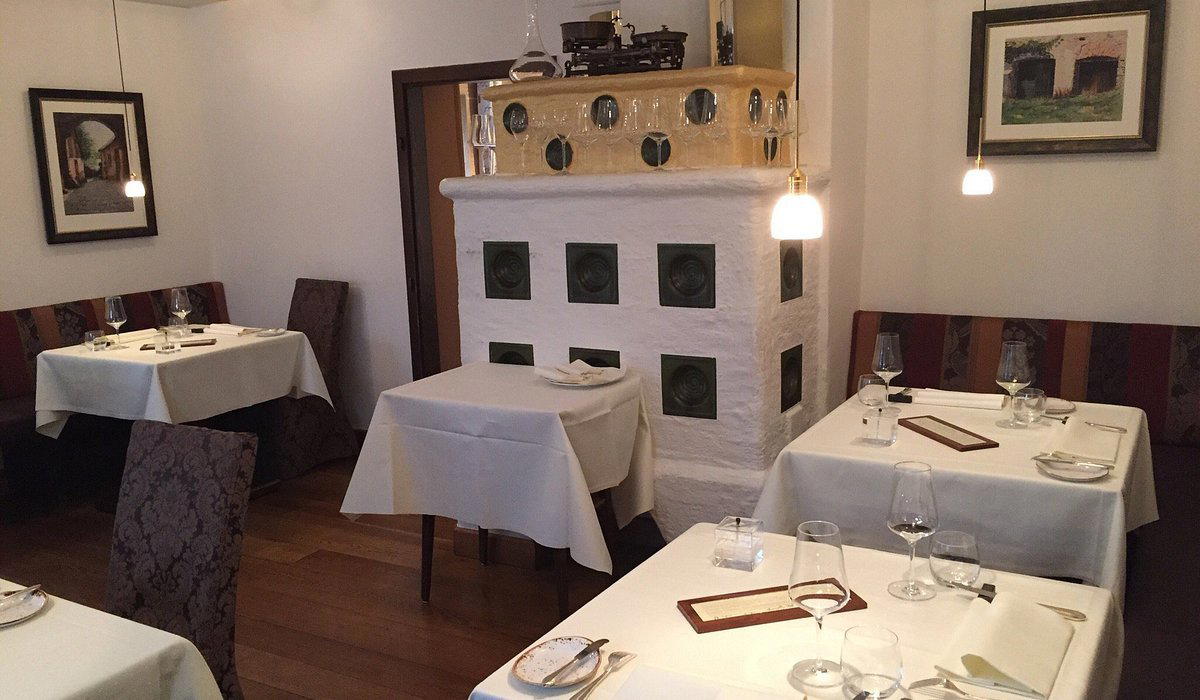
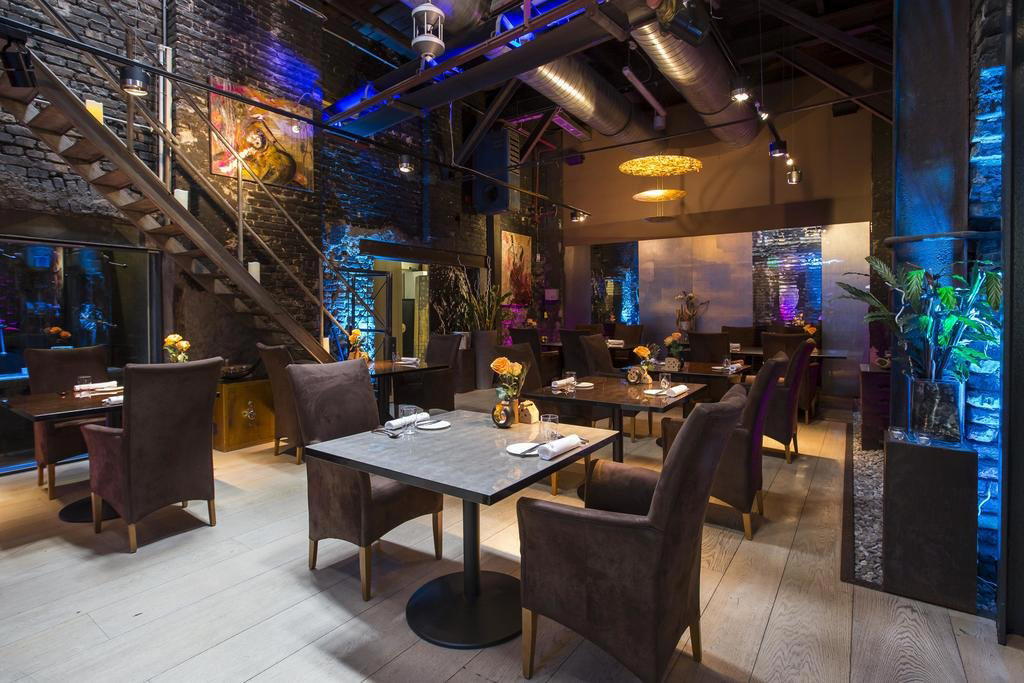
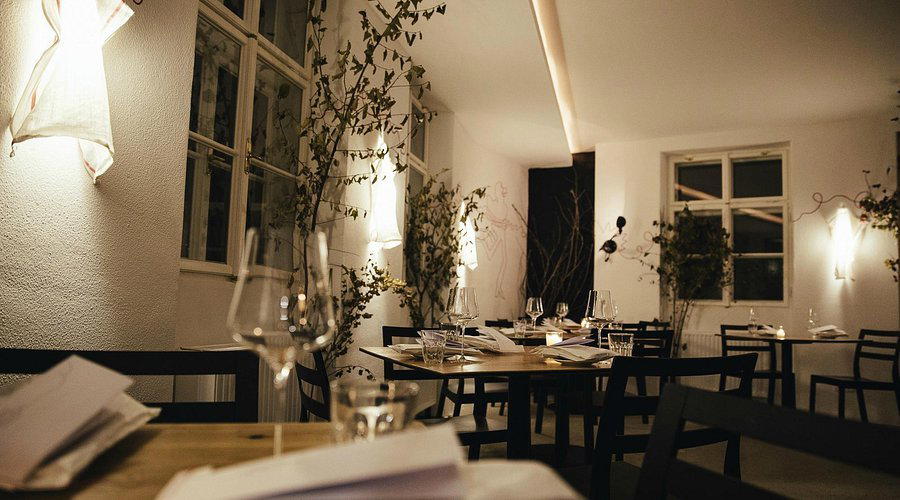
Bars in Salzburg
All bars in Salzburg →
Details
- Romantic
- Cozy
- Rustic
- Scenic
- Quiet
- Date Night
- Special Occasion
- Terrace
- Panoramic View
- Extensive Wine List
- Local Sourcing
- Mountain
- Skyline
- A La Carte
- Vegetarian Friendly
- Gluten Free Options
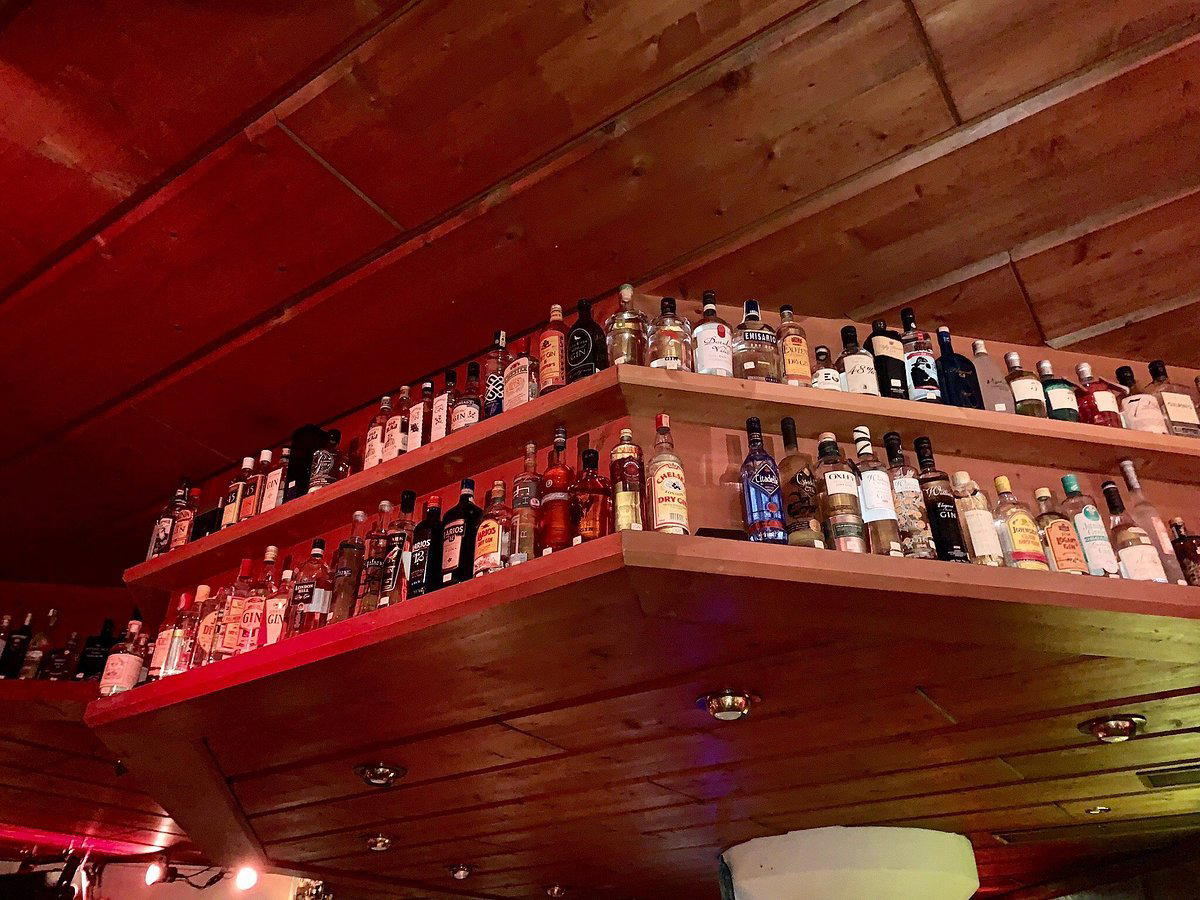
Cozy wood-panelled stuben with warm, rustic lighting and a relaxed, romantic atmosphere.