Ingredient Sourcing in a Canton Built Around Proximity
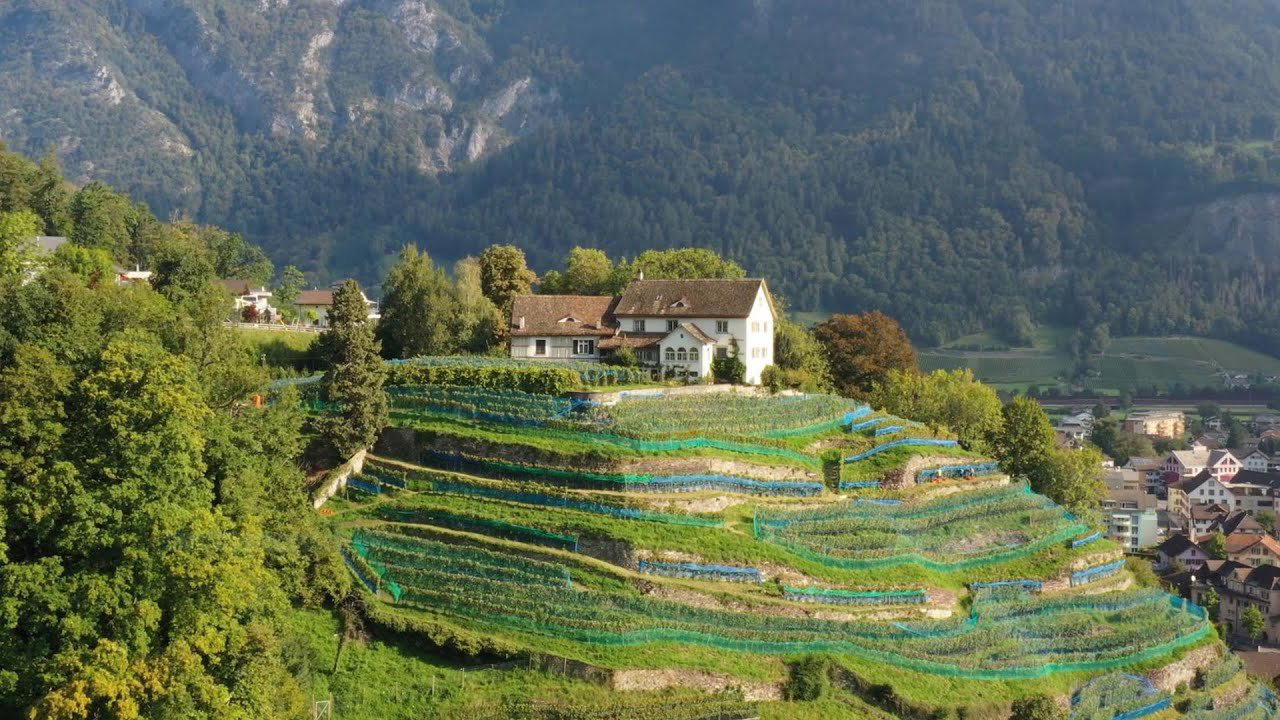
Glarus is one of Switzerland's smallest cantons by area and one of its most topographically compressed. That geography has historically shaped how food is produced and distributed here. The valley agriculture is modest but present, and the proximity to Alpine grazing land means that dairy and meat supply chains in the region are shorter than those supplying larger urban centres. Swiss food culture broadly, and Glarner food culture specifically, has long operated on a logic of proximity: what grows near is what gets used, not as a marketing strategy but as practical necessity.
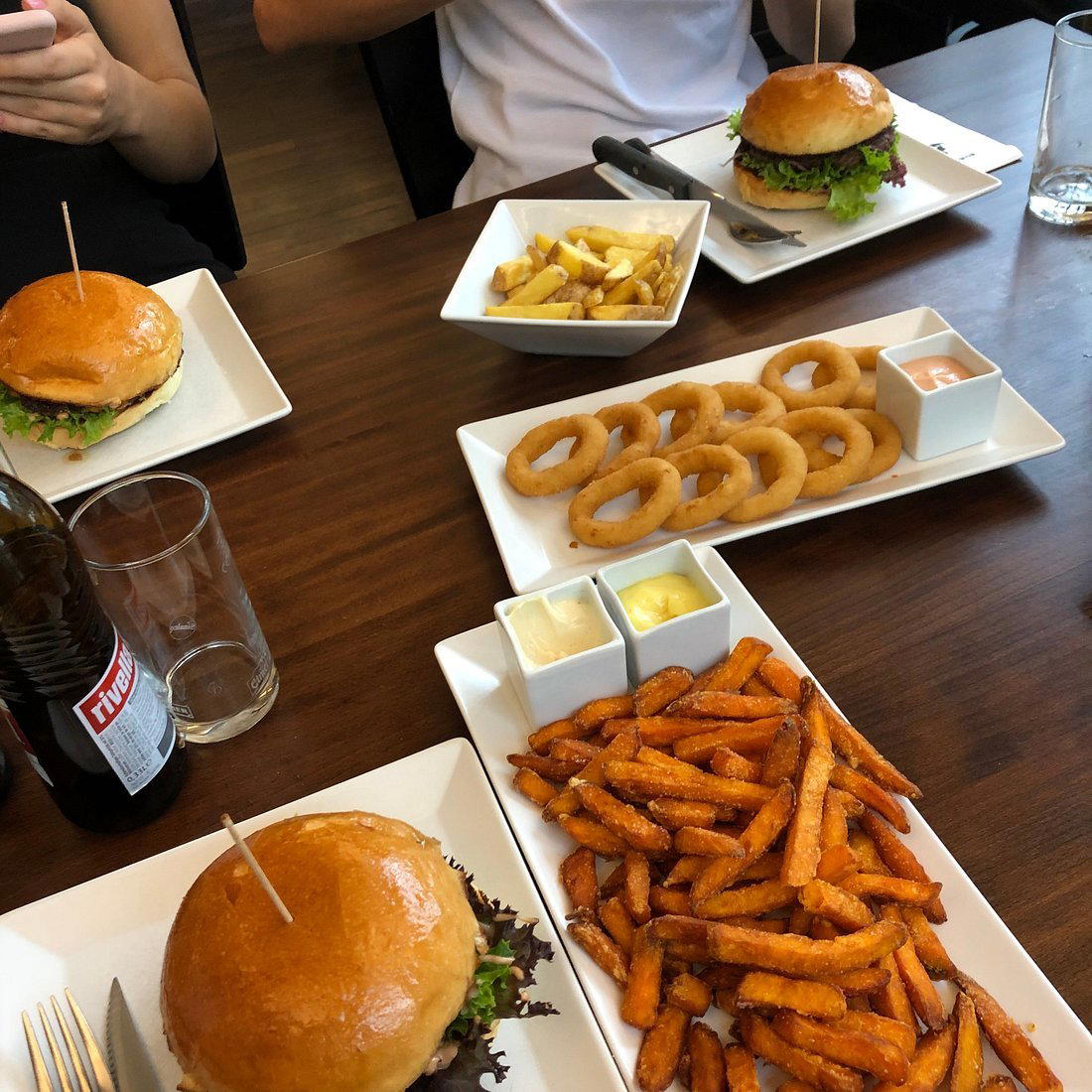
For a restaurant in Näfels, that sourcing logic is the background condition rather than a branding exercise. The name itself, Die Burgerei, signals a specific product focus. In German-speaking Switzerland, a Burgerei historically referred to civic or community institutions, but as a restaurant name, it aligns with the Burger format in the contemporary sense. This places it in a category where ingredient sourcing decisions are legible to the customer in a direct way: the quality of the meat, its provenance, and the handling of the bread and accompaniments are the entire visible argument. There is nowhere to hide behind sauce complexity or plating architecture.
This is a different sourcing conversation than the one happening at, for example, Magdalena in Schwyz, which operates an Alpine-vegetarian and modern cuisine programme at the €€€€ tier, or focus ATELIER in Vitznau, where modern Swiss creativity drives the menu. At that level, sourcing is part of an elaborate editorial: provenance is announced, producers are credited, and the sourcing story is woven into the tasting menu narrative. In a more direct format like Die Burgerei, the sourcing argument is made silently, through the result on the plate. That is in some ways a harder test.
Where This Sits in the Swiss Casual Dining Conversation
Switzerland's mid-tier casual dining segment has evolved considerably over the past decade. The country's high labour costs and ingredient prices create a floor beneath which quality is difficult to sustain profitably, which means that even informal restaurants here operate in a different economic register than their counterparts in Germany, France, or Italy. A burger-focused format in Switzerland carries cost structures that push it toward serious ingredient sourcing simply to justify the price point to a domestic audience that understands what things cost.
The regional comparison set for Die Burgerei is not the Michelin-starred addresses in neighbouring cantons. It is the collection of honest, local restaurants across German-speaking Switzerland that serve a community without performing for it. Taverne zum Schäfli in Wigoltingen operates in a Swiss and creative register at the premium tier, demonstrating that the Deutschschweiz casual category can carry serious culinary intent. Mammertsberg in Freidorf occupies a different register again, but both illustrate the range of formats operating below the starred tier in eastern Switzerland.
Internationally, the casual format that Die Burgerei represents has reference points at both ends of the quality spectrum. The evolution from fast-casual toward craft-focused burger restaurants has been documented across European cities for a decade. What distinguishes the Swiss iteration is the cost pressure that comes with local sourcing requirements and the customer expectation that comes with Swiss dining culture generally. For comparison, the technically precise kitchen culture visible at addresses like Le Bernardin in New York City or the community-embedded format of Lazy Bear in San Francisco both demonstrate, in very different ways, how format clarity and sourcing discipline tend to travel together in serious restaurant operations.
Planning a Visit to Näfels
Näfels is reachable by rail from Zurich in under an hour via the S-Bahn connection through Ziegelbrücke, making it accessible as a day visit from the city without requiring a car. Rösslistrasse 30 is a short walk from the train station, which matters in a town where parking is village-scale. Given the limited venue data available, specific hours, pricing, and booking arrangements are best confirmed directly. In a town of this size, walk-in availability is often more realistic than at urban addresses, but weekend demand from local regulars can shift that calculation.
For those building a broader itinerary around the Glarnerland, the canton rewards slower exploration. The area around Näfels connects naturally to Glarus town and the mountain roads toward Braunwald. For the high-end dining context that brackets the region, Einstein Gourmet in Sankt Gallen and Da Vittorio in St. Moritz represent the upper end of what the broader region offers, while Skin's in Lenzburg, La Brezza in Ascona, Maison Wenger in Le Noirmont, and Hotel de Ville Crissier map the wider Swiss dining range for those travelling across cantons. Our full Nafels restaurants guide covers the local options in more depth. And for vegetable-focused modern cooking in the Alpine Swiss register, La Table du Valrose in Rougemont and The Japanese Restaurant in Andermatt offer instructive contrast to the Glarnerland's more grounded style.