

Denis, on Via Statuto in Milan's Brera district, transplants the ingredient logic of the Dolomites into a pizza format that the city's fine-dining crowd has taken seriously. Chef Denis Lovatel works with alpine cheeses, mountain herbs, and Dolomite water to produce a long-leavened, low-calorie dough that changes with the seasons. The wine list and warm timber interiors complete a proposition that sits in a different register from Milan's mainstream pizzerie.
Pearl is the En Primeur Club membership app — saves, bookings, and concierge access live there. Same editors, same standards.
- Address
- Via Statuto, 16, 20121 Milano MI, Italy
- Phone
- +39 375 798 8835
- Website
- denispizza.it
- Directions
- Get directions
 Saves & bookings on Pearl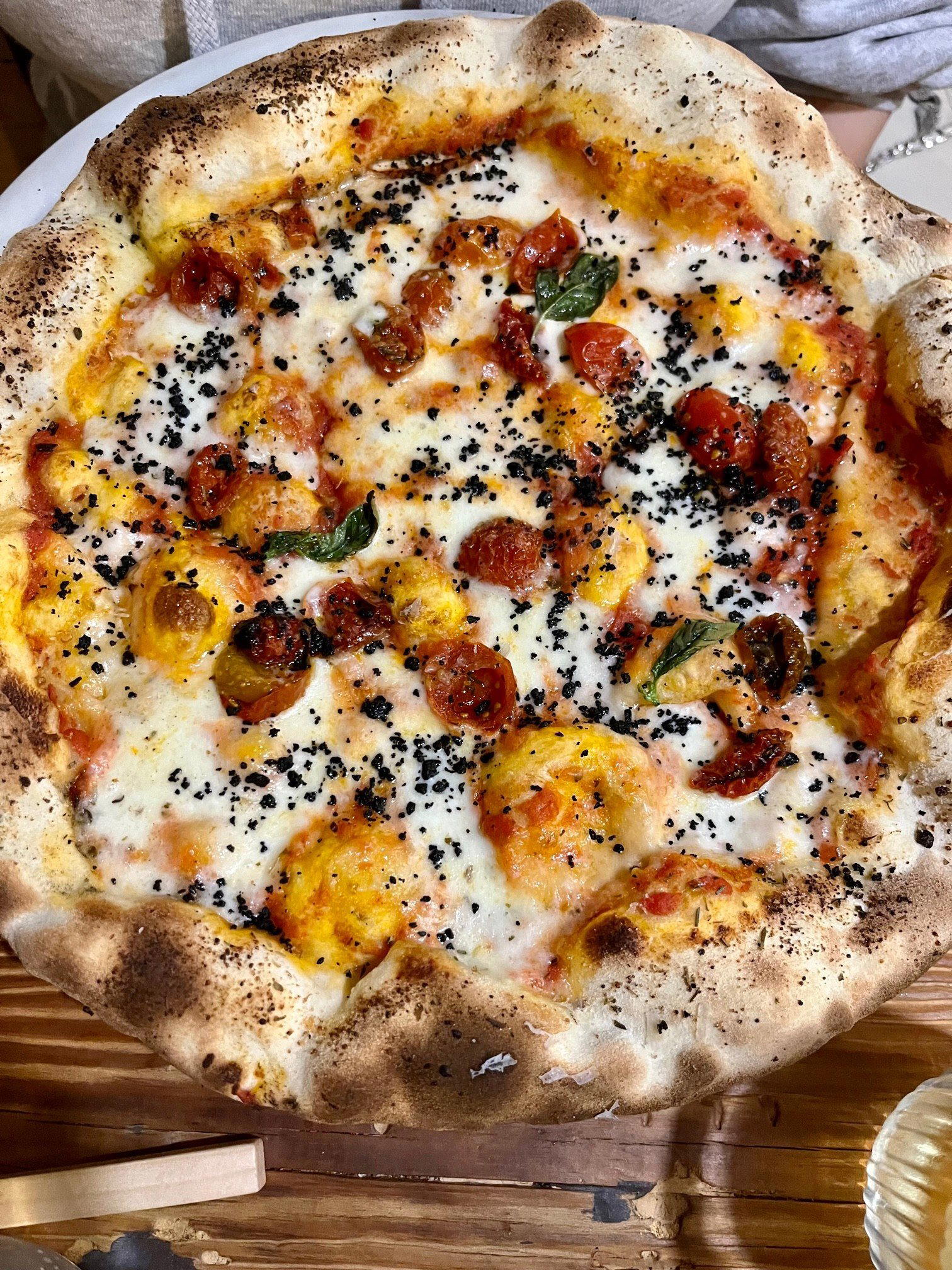
Wood, Altitude, and the Case for Seasonal Pizza in Milan
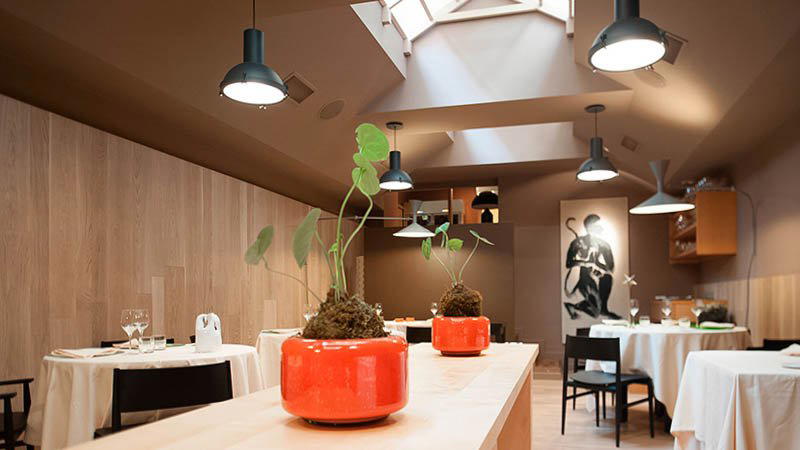
Via Statuto runs through the quieter, residential edge of Brera, a neighbourhood better known for aperitivo bars and modern Italian restaurants than for pizza done with any particular seriousness. Denis is a casual Modern Mountain Pizza restaurant in Milan, on Via Statuto in the Brera district. The interior at Denis signals a different intent from the street: warm timber surfaces, a considered use of natural materials, and an atmosphere closer to an alpine refuge than a casual neighbourhood slice shop. It is not the theatrics of a fine-dining room, but the calm specificity of a place that knows precisely what it wants to say. That clarity extends directly to the plate.
Mountain Ingredients as an Environmental Argument
The sourcing logic at Denis connects directly to a broader shift in how serious kitchens across northern Italy are thinking about provenance and ecological cost. Rather than pulling from global supply chains, Denis Lovatel anchors his menu to the Dolomites: alpine cheeses, forest fruits, mountain herbs, and, notably, water sourced from the same region. That last detail is not aesthetic; water chemistry affects gluten development and fermentation behaviour in dough, and using Dolomite water is a technical commitment as much as a localist one.
This kind of tight geographic sourcing reduces food miles in a meaningful way and creates a seasonal constraint that functions as both an environmental discipline and a culinary one. When the menu changes according to what the mountains produce at a given time of year, the kitchen cannot rely on ingredients flown in from warmer climates to maintain consistency. The result is a menu that reads as an honest register of altitude and season rather than a curated highlights reel. For anyone tracking how Italian restaurants are handling the tension between quality and environmental accountability, Denis offers a coherent position.
The Dough as a Technical Statement
Italian pizza culture has spent the last decade splitting into two distinct tracks: the Neapolitan tradition, which prizes char, chew, and high-heat speed, and a newer northern sensibility that favours long fermentation, lower hydration, and extended baking times. Denis sits firmly in the second camp. The dough is described as crispy rather than soft, lightly salted, built from selected flours, and given a long leavening period before it goes into the oven for a prolonged cook. The outcome is a pizza with a lower calorie count than its Neapolitan counterpart, a function of moisture reduction and the particular flour composition rather than any reduction in flavour.
Long leavening, typically 48 to 72 hours or more depending on ambient conditions, produces a more complex fermentation profile and a more digestible result. It is also, from a sustainability perspective, a more patient use of ingredients: the dough does more work over time rather than relying on additives or shortcuts. This is not a trivial point in a pizza category that often prioritises speed and throughput over process discipline.
Where Denis Sits in Milan's Restaurant Hierarchy
Milan's premium dining scene is dense with Michelin-starred modern Italian restaurants. Enrico Bartolini operates at three Michelin stars, Andrea Aprea and Seta at two, and Cracco in Galleria at one. Denis does not compete in that tier, and it does not need to. Its comparable set is the growing category of specialist pizza destinations that have moved the format away from casual dining and toward something that rewards attention. In that niche, the combination of alpine provenance, technical dough work, and a seasonal menu structure places Denis in a different competitive register from the city's mainstream pizzerie.
The wine list reinforces this positioning. A credible list alongside pizza signals that the kitchen expects guests to linger rather than turn tables quickly, and that the food is treated as worth pairing seriously. That expectation aligns with a Brera clientele that moves between Verso Capitaneo and other neighbourhood addresses with considered food programs.
Seasonal Menus and the Logic of Restraint
The decision to change menus with the seasons is standard language in modern restaurant marketing, but at Denis it carries actual mechanical weight. When the defining ingredients are alpine herbs and forest fruits, there is no off-season substitute that preserves the dish's logic. A spring menu built around mountain herbs cannot be replicated in January without abandoning the sourcing argument entirely. This constraint produces a menu that is genuinely different across the year rather than superficially rotated.
For visitors planning a first visit, this means timing matters. The menu in late summer, when mountain herbs are at their most developed and forest fruits are in full season, will differ substantially from a winter visit when the alpine larder narrows. Neither is a lesser experience; they are different expressions of the same sourcing philosophy. This seasonal discipline places Denis in useful company with institutions further afield that have built reputations on similar constraints: Dal Pescatore in Runate, Osteria Francescana in Modena, Le Calandre in Rubano, and Enoteca Pinchiorri in Florence all operate with a similar seriousness about sourcing, even if the format and price tier differ significantly. International visitors accustomed to the technical precision of places like Le Bernardin in New York or the seasonal discipline of Atomix will recognise the underlying logic.
Planning a Visit
Denis is located at Via Statuto 16 in the 20121 postcode, on the northern edge of the Brera district. The neighbourhood is walkable from the Moscova metro stop on Line 2, and the address sits within easy reach of several of Milan's better hotels. Service is described as quick and friendly, which suggests the format leans toward a convivial meal rather than a lengthy tasting experience. Reservations are recommended, particularly in high season when Brera dining fills early. The dress code is casual, and the warm timber interior suggests the register is relaxed without being indifferent to atmosphere.
Side-by-Side Snapshot
Comparable venues nearby, for context on price, style, and recognition.
| Venue | Cuisine | Price | Awards | Notes |
|---|---|---|---|---|
| DenisThis venue — the venue you are viewing | Modern Mountain Pizza | $$$ | Not listed | Not listed |
| Le Terrazze Restaurant | Traditional Italian with Lombard specialties | $$$ | Not listed | Buenos Aires - Porta Venezia - Porta Monforte |
| Belle Donne Bistrot | Modern Italian Mediterranean Bistro | $$$ | Not listed | Porta Genova |
| Antica Trattoria della Pesa | Traditional Lombard Trattoria | $$$ | Not listed | Porta Garibaldi - Porta Nuova |
| Pastamadre | Modern Sicilian Pasta | $$ | Not listed | Pta Romana |
| Innocenti Evasioni | Modern Italian Fine Dining | $$$ | Michelin Plate | Parco Sempione |
Recognition history
Dated appearances from independent guides and award organizations, with the underlying list record or original source where available.
Opinionated About Dining Cheap Eats in Europe Highly Recommended
Opinionated About Dining
Opinionated About Dining Newly Added European Restaurants
Opinionated About Dining
50 Top Pizza World Best Pizza #53
50 Top Pizza
50 Top Pizza Italy #23
50 Top Pizza
Continue exploring
More in Milan
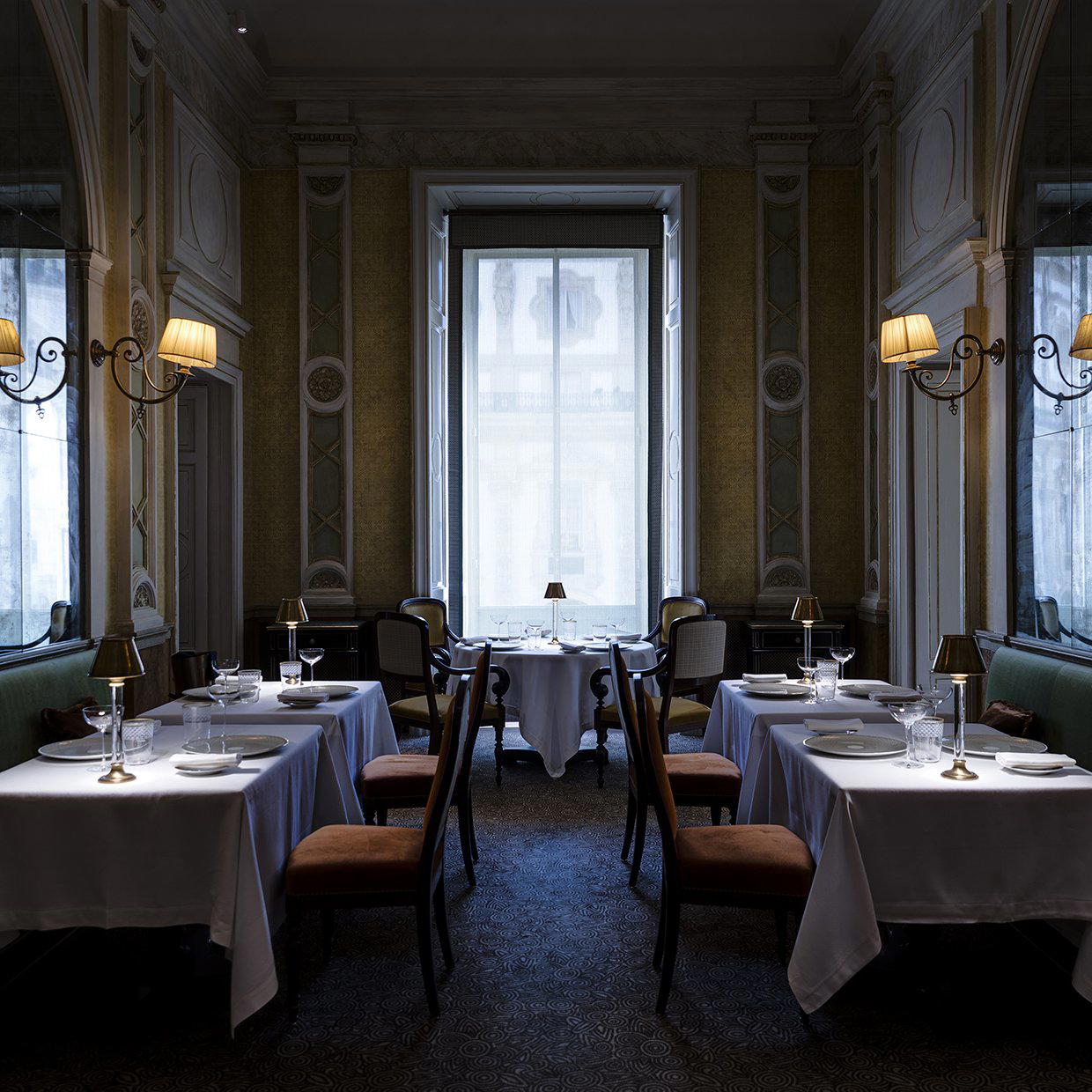
Restaurants in Milan
Browse all →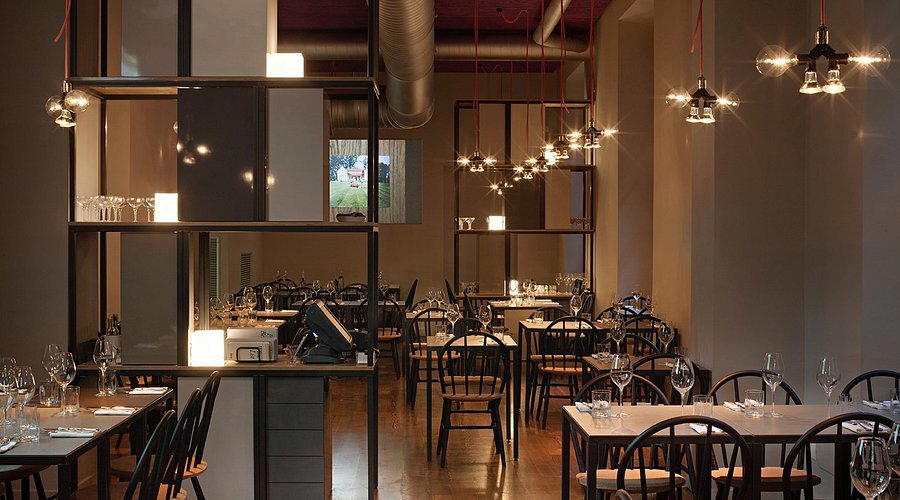
Bars in Milan
Browse all →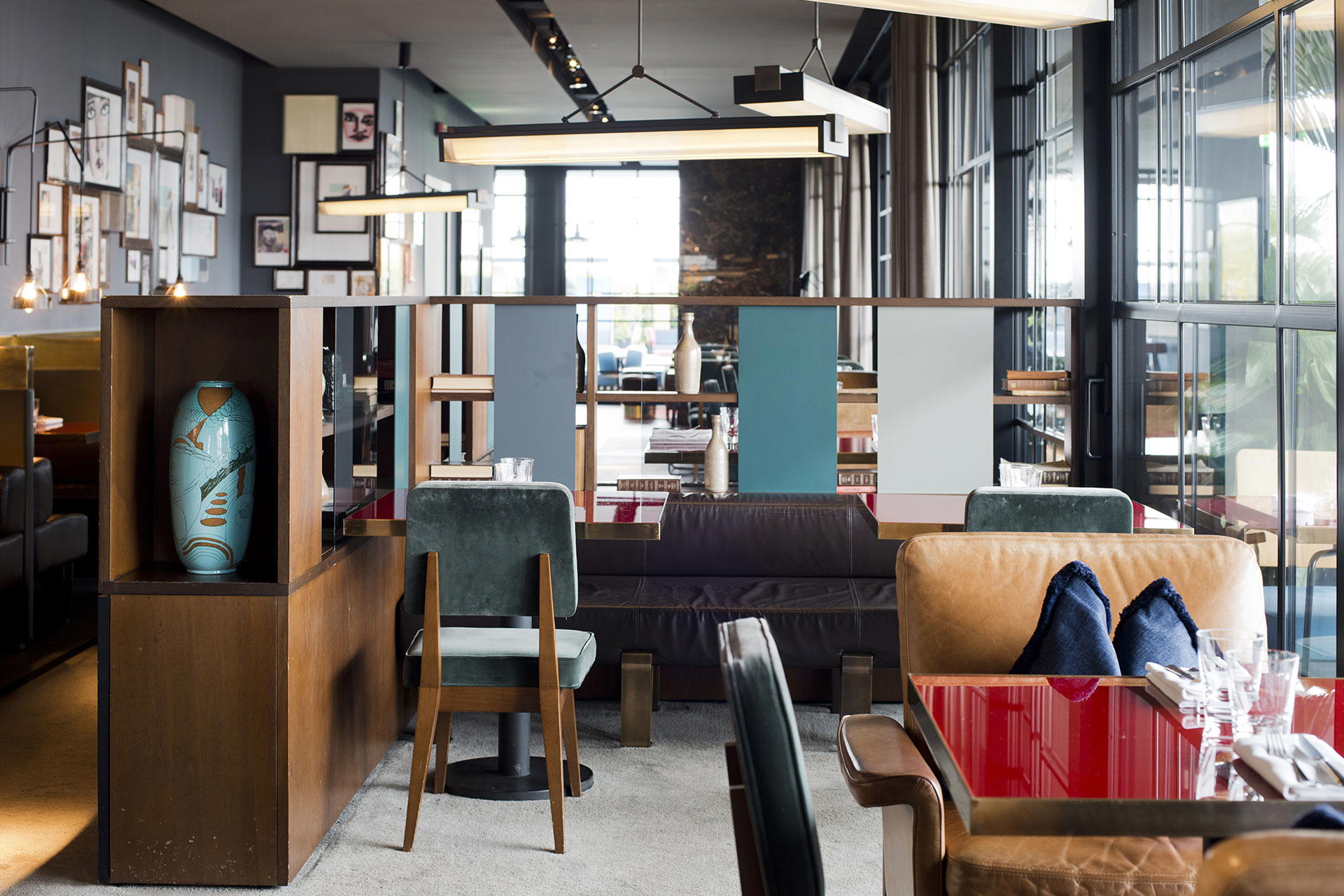
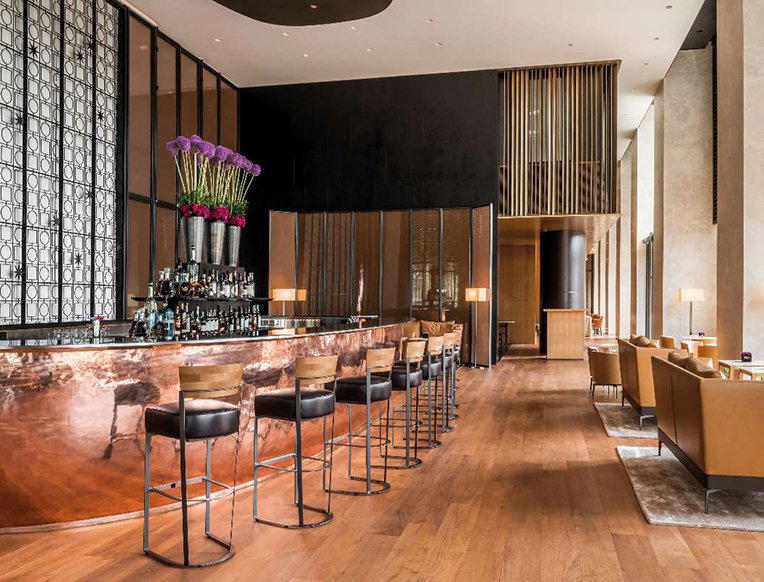
Hotels in Milan
Browse all →
At a Glance
- Rustic
- Cozy
- Trendy
- Casual Hangout
- Group Dining
- Date Night
- Open Kitchen
- Extensive Wine List
Current opening hours
- Monday
- 12:30–2:30 PM, 7:30–10:30 PM
- Tuesday
- 12:30–2:30 PM, 7:30–10:30 PM
- Wednesday
- 12:30–2:30 PM, 7:30–10:30 PM
- Thursday
- 12:30–2:30 PM, 7:30–10:30 PM
- Friday
- 12:30–2:30 PM, 7:30–11 PM
- Saturday
- 12:30–2:30 PM, 7:30–11 PM
- Sunday
- 12:30–2:30 PM, 7:30–11 PM
Hours can change for holidays and private events. Last verified .
Warm wooden interiors evoking a mountain hut with rustic paneling and green shades, though often crowded and noisy.