De Matroos en het Meisje

Sitting in Katendrecht, Rotterdam's former red-light district turned creative neighbourhood, De Matroos en het Meisje trades on its address as much as its cooking. The name translates as 'the sailor and the girl', a nod to the area's maritime past that shapes both the room's atmosphere and its relationship with the water's edge. It belongs to a tier of Rotterdam restaurants where neighbourhood provenance is part of the proposition.
Pearl is the En Primeur Club membership app — saves, bookings, and concierge access live there. Same editors, same standards.
- Address
- Delistraat 52, 3072 ZL Rotterdam, Netherlands
- Phone
- +31 6 42386976
- Website
- dematroosenhetmeisje.nl
- Directions
- Get directions
 Saves & bookings on Pearl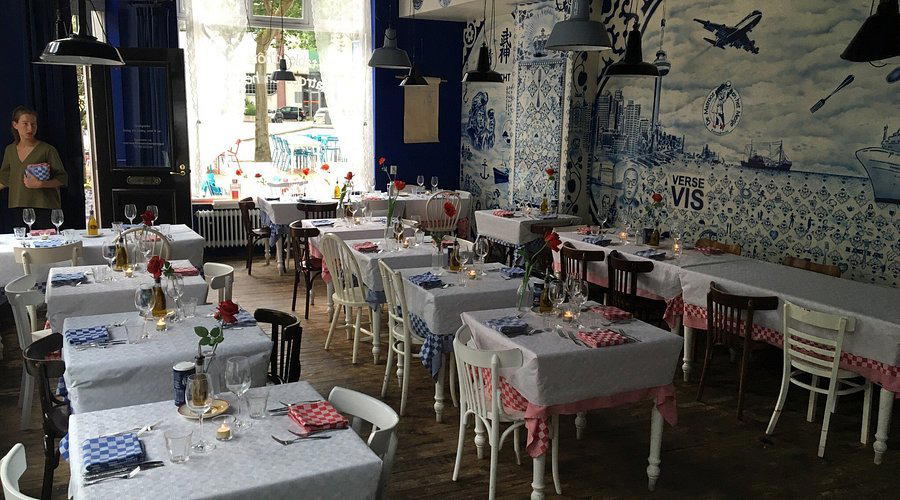
Katendrecht Before It Was Fashionable
Katendrecht did not become interesting by accident. For much of the twentieth century, this peninsula on Rotterdam's south bank was the kind of place that appeared in cautionary tales rather than restaurant guides: a working port district where merchant sailors docked, and where the entertainment on offer was suited to people with no intention of staying. The neighbourhood's transformation into one of Rotterdam's most compelling dining and drinking addresses took decades, driven by urban renewal funding, an influx of independent operators willing to take on cheap industrial space, and a city government that understood post-port neighbourhoods needed cultural anchors, not just apartment blocks.
De Matroos en het Meisje is a restaurant in Rotterdam, known for its Dutch Seafood Tasting Menu and priced at about $60 per person. Its identity is inseparable from the district's specific history. The address, Delistraat 52, sits in a part of Katendrecht that still carries the physical memory of its maritime past in its architecture and street scale, even as the clientele has shifted entirely. That friction between what a place was and what it has become is, in cities like Rotterdam, one of the more honest things a restaurant can draw on.
What Waterfront Provenance Actually Means on the Plate
Rotterdam's position as Europe's largest port is not incidental to how the city eats. The supply chains that move through this harbour make ingredients from the North Sea, the Maas estuary, and Dutch agricultural hinterlands consistently accessible in ways that inland cities cannot replicate at the same price or freshness. Restaurants in Katendrecht, by virtue of their proximity to the water, have long had a natural alignment with seafood and coastal produce, and the better operators in the neighbourhood build menus that reflect this geography rather than working against it.
De Matroos en het Meisje's positioning within this framework is part of what distinguishes it from Rotterdam's higher-bracket fine dining tier. Venues like Parkheuvel, FG - François Geurds, and Fred operate at the €€€€ tier with tasting menu formats that require advance planning and a specific kind of occasion. De Matroos en het Meisje occupies a different register: a neighbourhood restaurant whose sourcing story is embedded in its name and location rather than announced through a formal menu preamble. The sailor-and-the-girl narrative frames the food as something grown from place rather than constructed for prestige.
Across the Netherlands, the restaurants that have built particularly durable reputations in the past decade tend to be those that ground their cooking in regional supply with rigour, rather than importing luxury ingredients to signal ambition. De Librije in Zwolle built its three-star standing in part on an obsessive relationship with local producers. De Bokkedoorns in Overveen has long aligned its cooking with the North Sea coast it sits beside. The restaurant operates at a different scale and price point, but the underlying logic, that where food comes from shapes what it can be, is consistent with this Dutch tradition.
The Room and the Approach
Walking into Katendrecht's restaurant strip from the waterfront, the shift from port district to dining destination is visible but not complete: the industrial bones of the neighbourhood remain, and the better venues have chosen to work with that rather than paper over it. Spaces here tend toward exposed materials, honest volumes, and a deliberate lack of the decorative formality that signals fine dining in more established city-centre locations. The restaurant fits this template. The name above the door sets the tone before you're inside: this is a place that knows its context and isn't embarrassed by it.
For comparison, Rotterdam's more ceremonial dining addresses, places like Amarone or Fitzgerald, position themselves against the city's architectural showpieces and financial quarter. The restaurant draws its atmosphere from a different source entirely: from the specific gravity of a neighbourhood that has changed but remembers what it was. That distinction matters when you're deciding where to eat in Rotterdam. The question is not just which kitchen is technically accomplished, but which room you want to be in.
Rotterdam's Dining Tiers and Where This Sits
Rotterdam has assembled a serious restaurant culture relatively recently. The city's Michelin-starred tier now includes several addresses that sit comfortably alongside peers in Amsterdam, with Ciel Bleu and Aan de Poel in Amstelveen representing the kind of benchmark that Rotterdam's leading tables are increasingly measured against. Below that starred tier, though, is a more interesting conversation: the restaurants that define how a city actually eats day to day, and that carry neighbourhood character rather than tasting menu credentials.
The restaurant belongs to this second tier in the sense that its value is neighbourhood-anchored rather than credential-driven. It is the kind of address that locals understand as part of Katendrecht's identity, and that visitors to Rotterdam should engage with as a way of reading how the city's south bank has changed.
For context on what the Netherlands does at its most ambitious level, 't Nonnetje in Harderwijk and Brut172 in Reijmerstok represent the kind of destination-restaurant model that requires a journey rather than a neighbourhood walk. The restaurant asks for less commitment and rewards it differently: with a sense of place that more formally ambitious restaurants often trade away in pursuit of technical recognition.
Planning Your Visit
Katendrecht is accessible from central Rotterdam by a short tram or ferry crossing, with the waterfront walk from the Rijnhaven area adding to the sense of arrival. The neighbourhood's restaurant concentration means it functions well as an evening destination in its own right rather than a detour from the city centre. Dress code expectations here align with the neighbourhood's character: considered but not formal, consistent with a room that takes its cooking seriously without requiring you to perform occasion-dressing.
Comparable Spots, Quickly
Comparable venues nearby, for context on price, style, and recognition.
| Venue | Cuisine | Price | Notes |
|---|---|---|---|
| De Matroos en het MeisjeThis venue — the venue you are viewing | Dutch Seafood Tasting Menu | $$$ | Not listed |
| Bistro Eddie | Classic French Bistro | $$$ | Nieuwe Werk |
| EAUX POSSE | French-Basque Fine Dining | $$$ | Nieuw Mathenesse |
| The Rumah | Rum Cocktail Bar | $$ | Cool |
| Lucia | Modern Italian | $$ | Oude Noorden |
| De Prins Van Terbregge | Modern French-Dutch Fine Dining | $$ | Terbregge |
Recognition history
Dated appearances from independent guides and award organizations, with the underlying list record or original source where available.
Star Wine List
Star Wine List
Continue exploring
More in Rotterdam
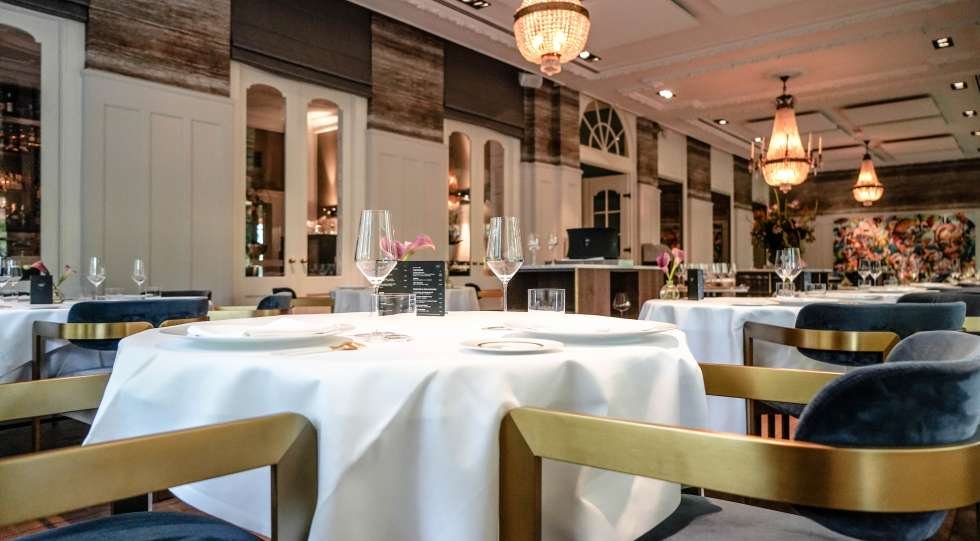
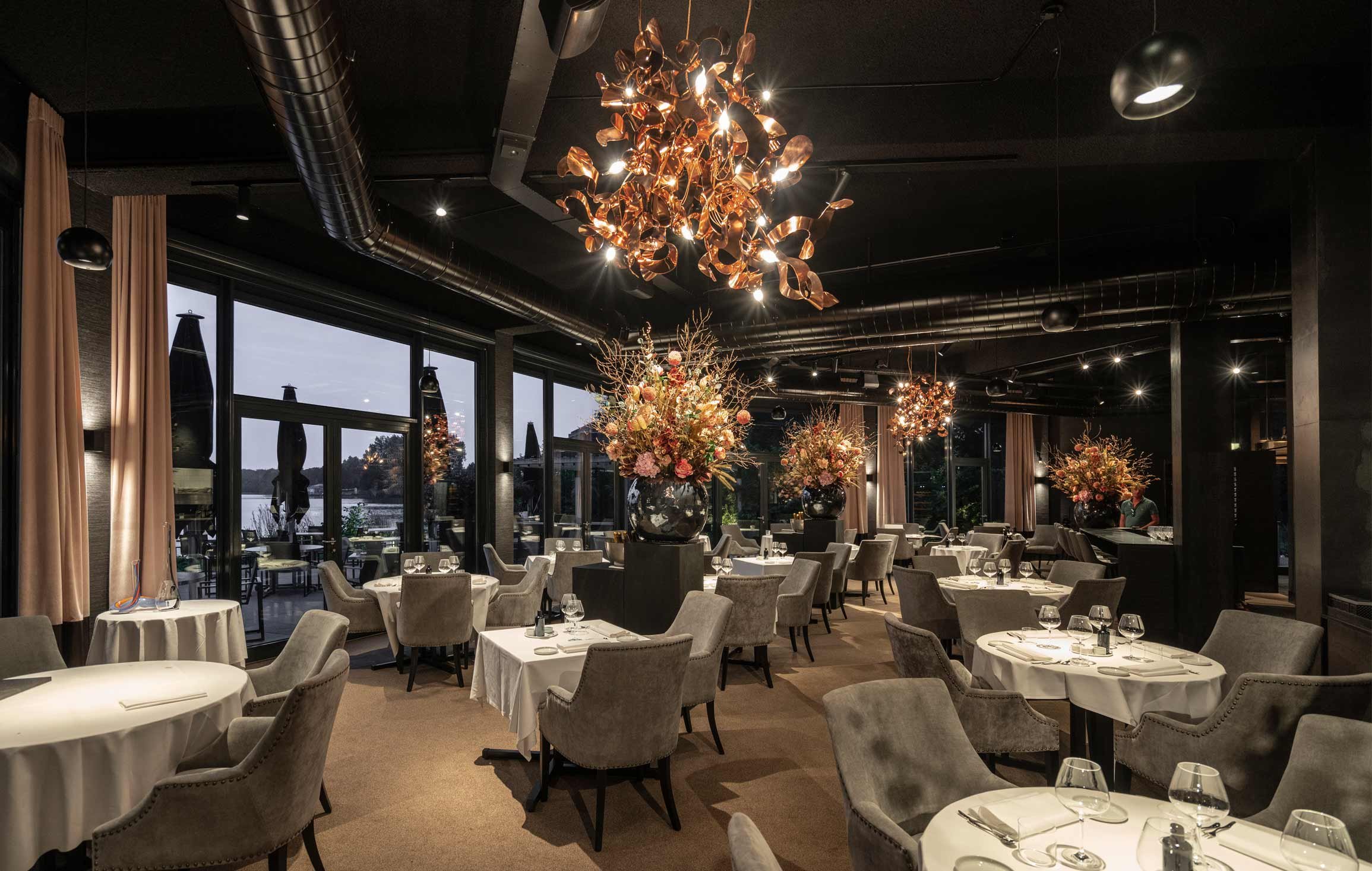
Restaurants in Rotterdam
Browse all →
Bars in Rotterdam
Browse all →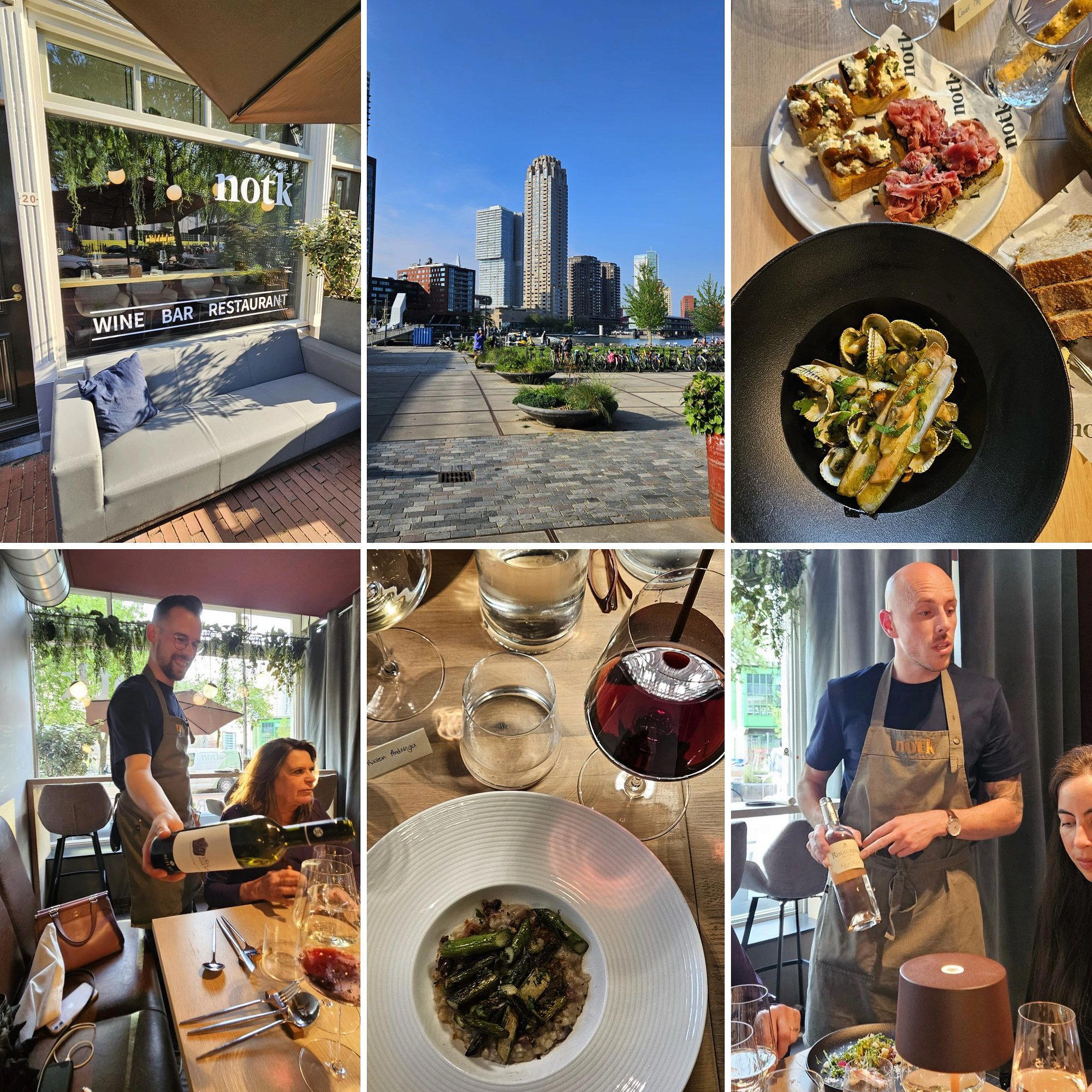
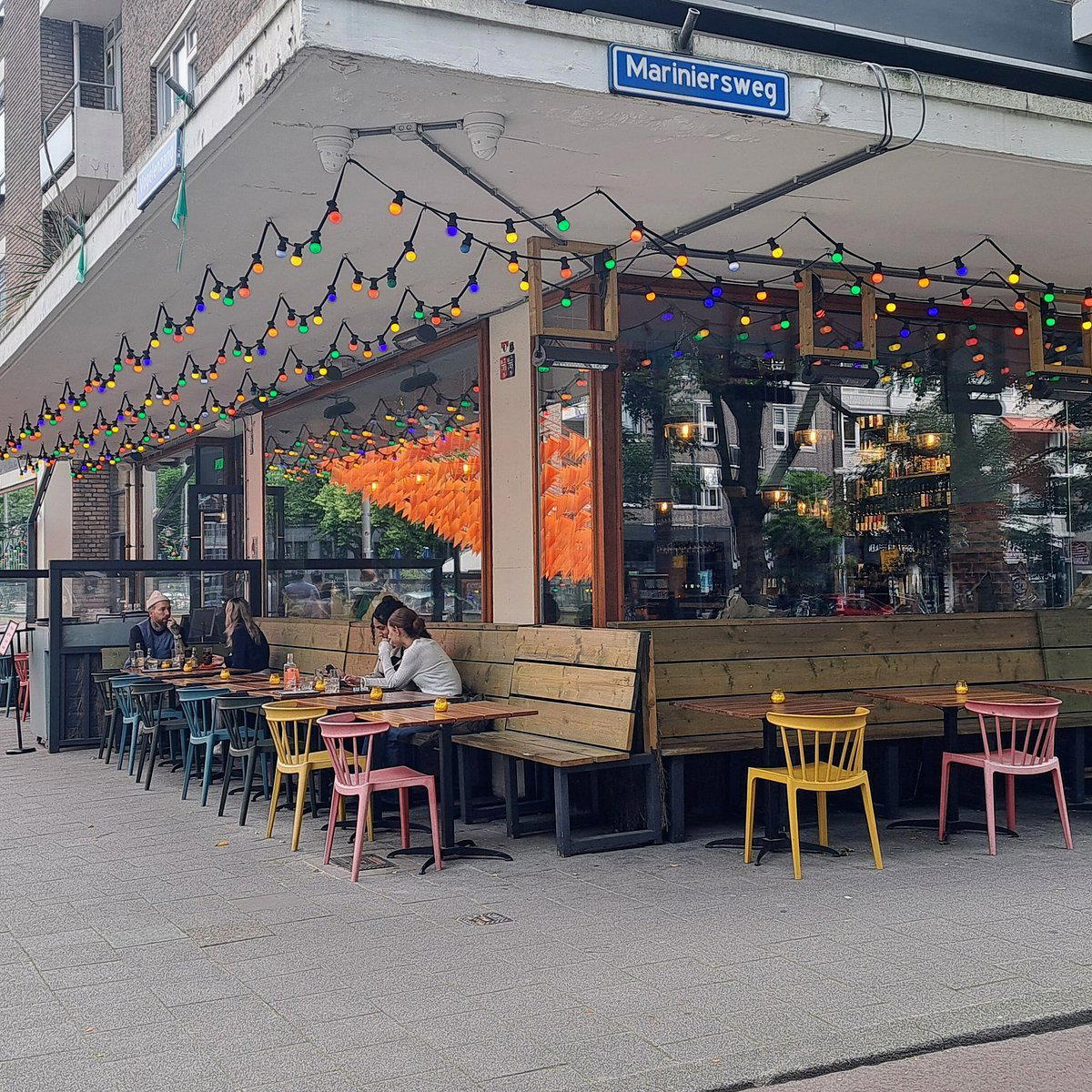
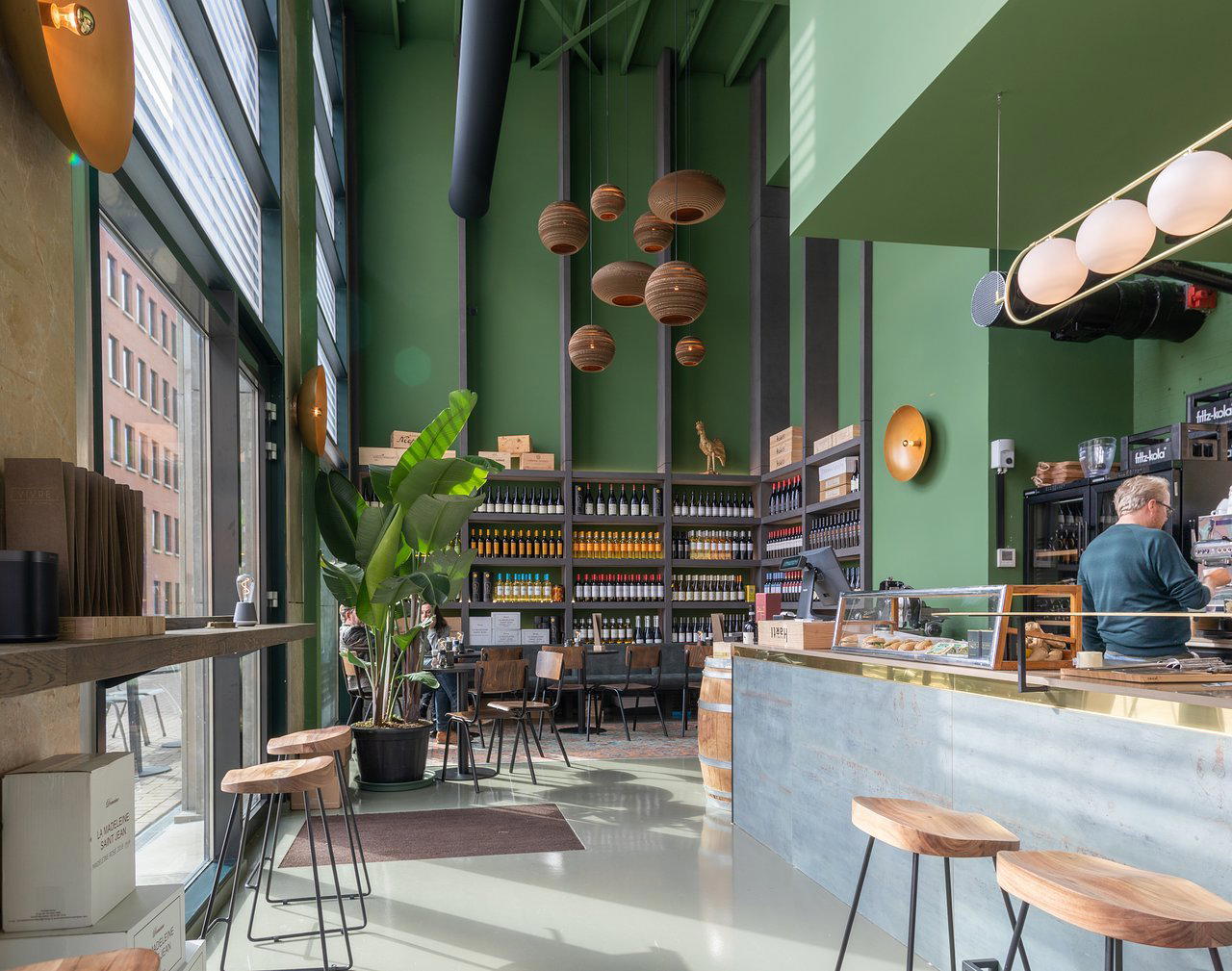
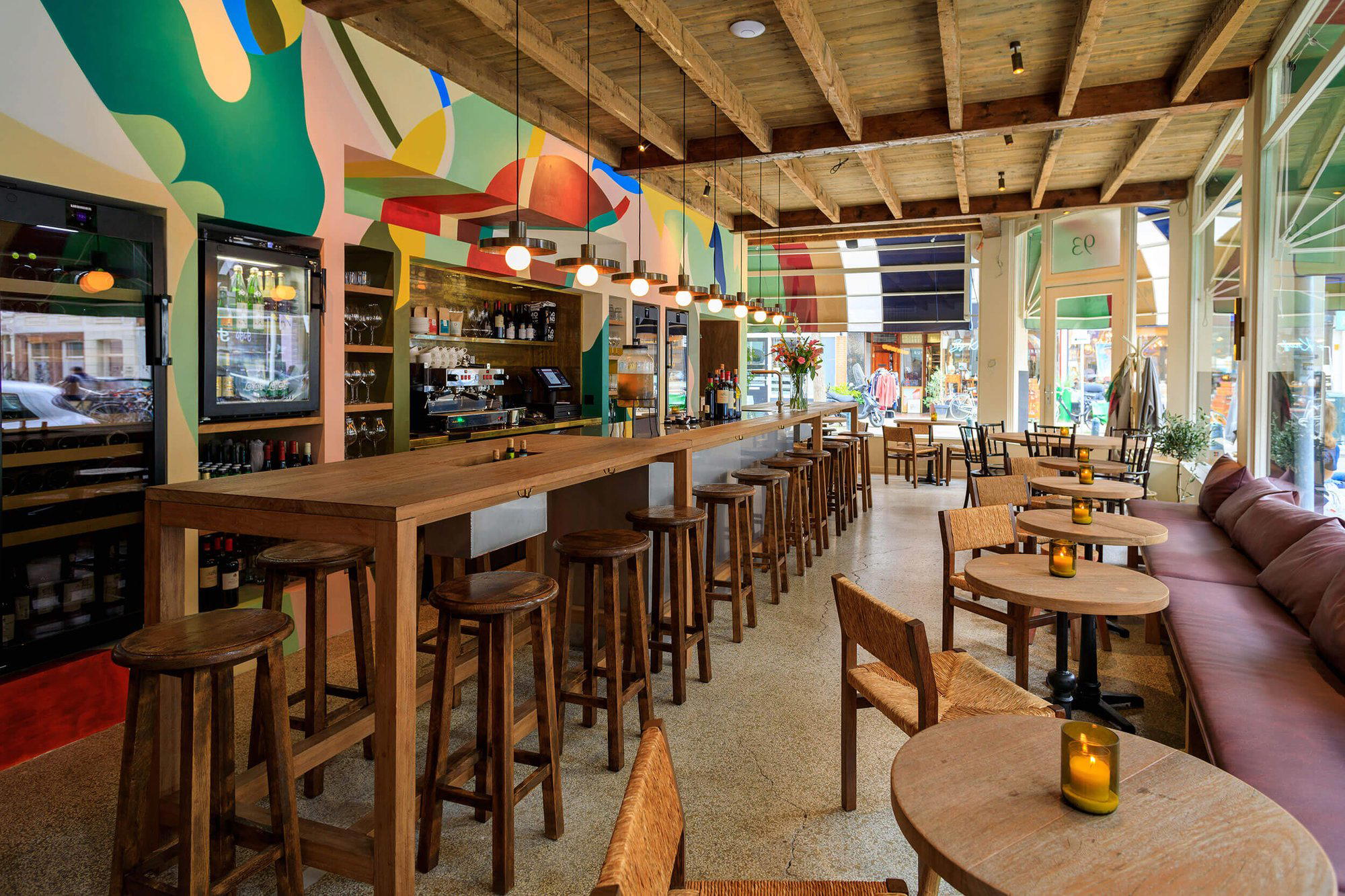
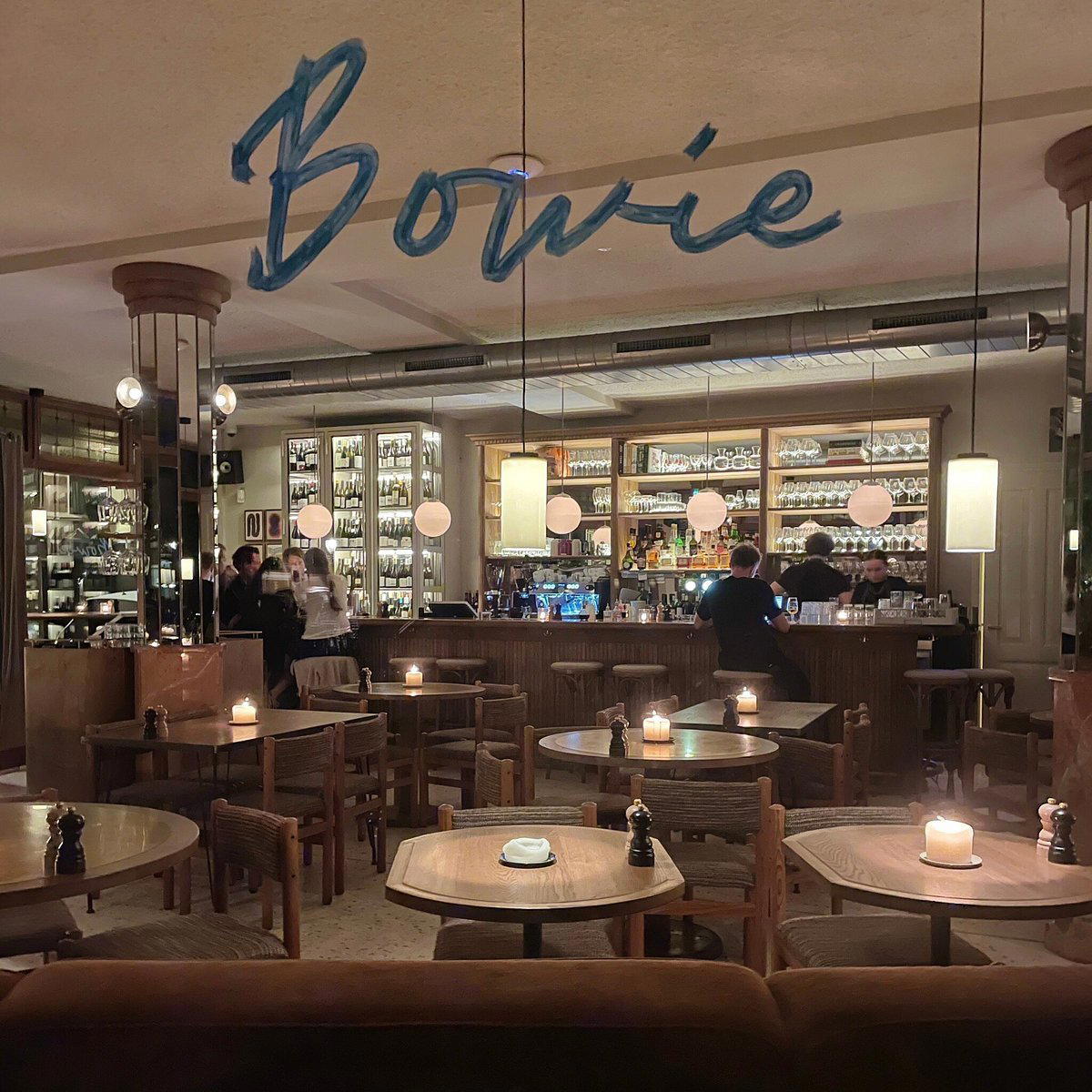
Hotels in Rotterdam
Browse all →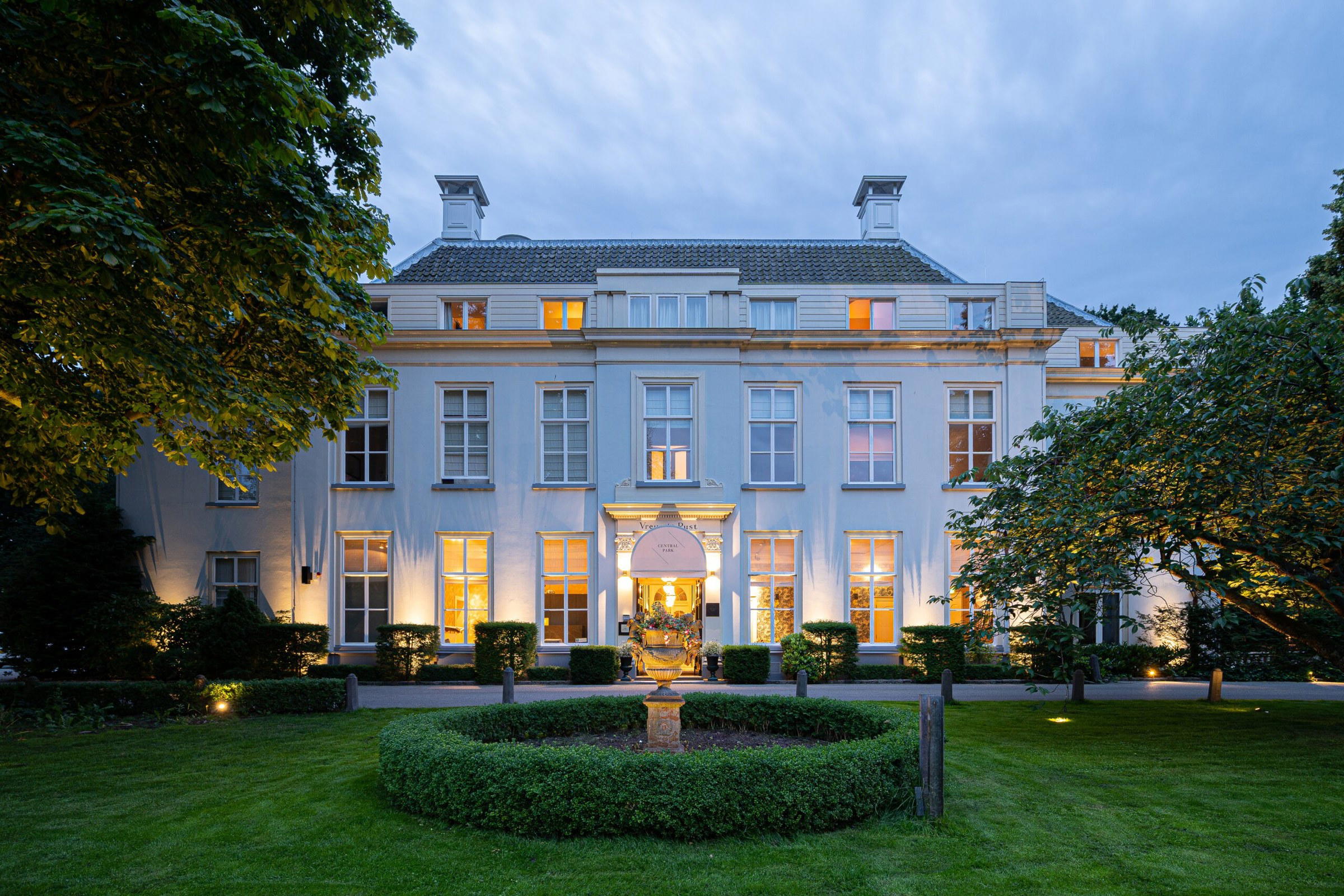
Wineries in Rotterdam
Browse all →
At a Glance
- Cozy
- Intimate
- Romantic
- Date Night
- Special Occasion
- Open Kitchen
- Extensive Wine List
- Local Sourcing
Current opening hours
- Monday
- 6 PM–12 AM
- Tuesday
- 6 PM–12 AM
- Wednesday
- 6 PM–12 AM
- Thursday
- 6 PM–12 AM
- Friday
- 12–4 PM, 6 PM–12 AM
- Saturday
- 12–4 PM, 6 PM–12 AM
- Sunday
- 12–4 PM, 6 PM–12 AM
Hours can change for holidays and private events. Last verified .
Tasteful, cozy interior with a welcoming, house-like atmosphere and friendly service.