De Coterie

Michelin Plate
Our verdict
De Coterie in The Hague presents contemporary European shared dining with Mediterranean flair. Must-try plates include the Rhubarb Textures with strawberry sorbet and elderflower–red pepper oil, Charred North Sea Fish with pickled wild garlic buds, and a selection of Iberico Pata Negra with Spanish olives and toasted almonds. The kitchen highlights Dutch ingredients—handpicked herbs from Wassenaar and North Sea fish—paired with an exclusively European wine list. A Michelin Guide recommendation and a Travelers’ Choice accolade attest to consistently high guest praise in an intimate, stylish gastrobar setting that favors convivial evenings and inventive flavour combinations.

Pearl is the En Primeur Club membership app, where members save venues, book tables and use the concierge.
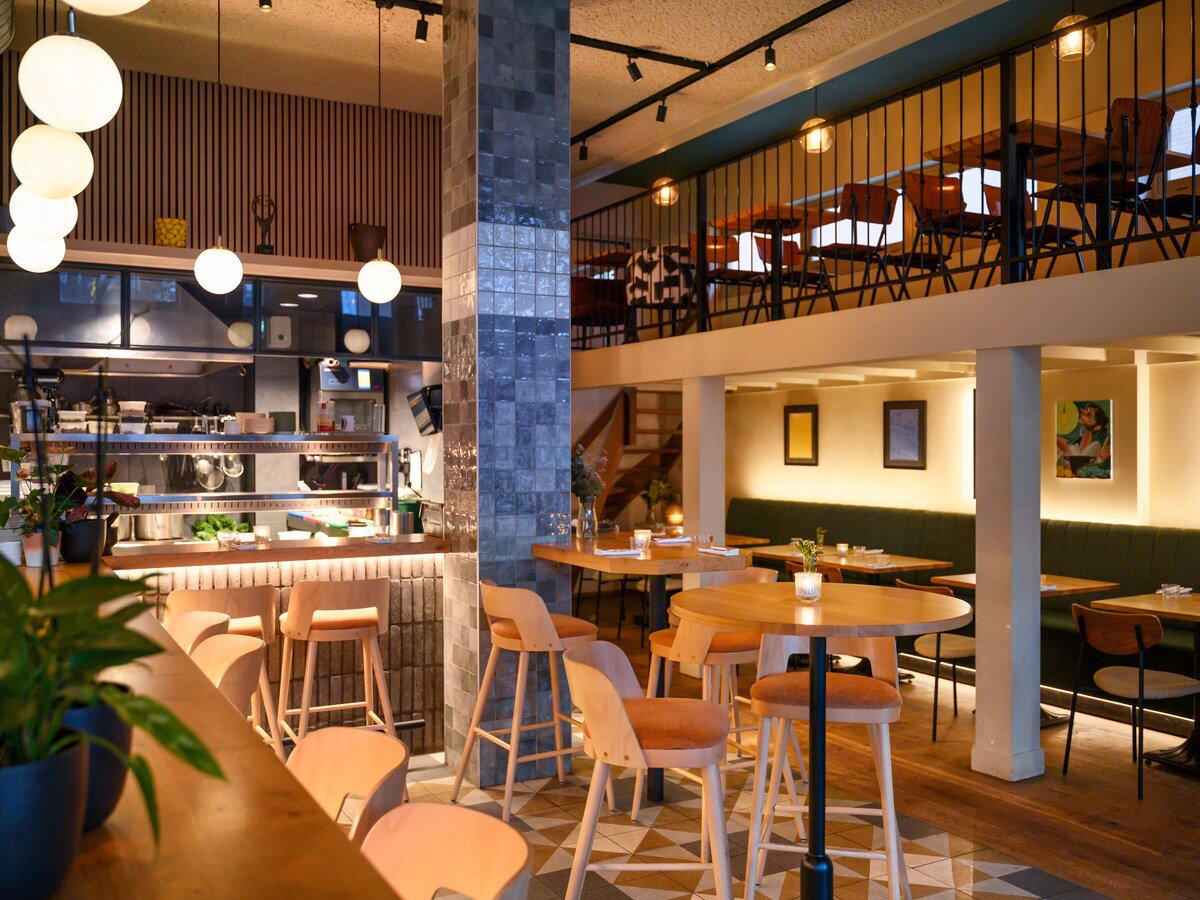
Where The Hague Eats When It Isn't Performing
Theresiastraat runs through a residential pocket of The Hague that most visitors never reach. The street sits south of the Statenkwartier, a neighbourhood whose ground-floor businesses serve a local clientele rather than a tourist circuit. Arriving at De Coterie, the room reads as deliberately unfussy: the kind of space where the confidence is in the food and the wine list rather than in a concept that needs explaining at the door. That positioning matters in a city that carries both a formal diplomatic register and a growing informal dining culture, and where the gap between those two modes is closing fast.
The Gastrobar Format and What It Signals
Across Dutch cities, the gastrobar format has settled into a recognisable grammar: a list of sharing plates assembled from seasonal and regional produce, a short but considered wine selection, and enough cocktail credibility to hold a pre-dinner crowd. De Coterie operates within that format without being defined by its limits. The menu is broadly European in reference, with Mediterranean emphasis, but the ingredient sourcing circles back to the Netherlands. That combination reflects a wider shift in Dutch casual dining, where the Franco-Italian plate vocabulary has been adopted as a vessel for local produce rather than imported wholesale as a style.
Dishes like a preparation of rhubarb with strawberry sorbet and elderflower syrup finished with red pepper oil show the kitchen thinking about contrast and structure in a register that goes beyond comfort-food assembly. The intensely reduced veal jus that accompanies other plates, and the use of pickled wild garlic buds as an acidic counterpoint, signal technical grounding applied at a price point where many kitchens settle for less. Within The Hague's mid-range tier, which also includes addresses such as Basaal (€€ · Seasonal Cuisine) and De Basiliek, the specificity of De Coterie's flavour combinations places it toward the more kitchen-driven end of the spectrum.
Reputation Without Ceremony
De Coterie has built its following the way neighbourhood restaurants tend to in cities like The Hague: through return visits rather than press cycles. Its position off the tourist trail is less a handicap than a self-selecting filter. The crowd that finds it tends to be local, and local approval in a city of civil servants, diplomats, and legal professionals constitutes a reasonably demanding audience. The fact that the gastrobar draws that audience consistently, without the scaffolding of a starred format or a chef-name marquee, says something about the kitchen's ability to hold a standard.
For context on where The Hague's formal recognition tends to concentrate, Calla's (€€€€ · Creative French) holds a Michelin star and operates at the city's highest price tier. Elsewhere in the Netherlands, the starred tier includes addresses such as De Librije in Zwolle, 't Nonnetje in Harderwijk, Aan de Poel in Amstelveen, Ciel Bleu in Amsterdam, De Bokkedoorns in Overveen, and Brut172 in Reijmerstok. De Coterie operates at neither that price point nor that register, and its appeal is partly a function of that distinction. The €€ tier in a city with The Hague's cost base represents genuine value when the kitchen is executing at this level.
How It Fits Into The Hague's Dining Geography
The Hague's dining scene does not consolidate around a single neighbourhood the way Amsterdam's does. Quality addresses are distributed across the city in a pattern that rewards exploration over convenience. The Statenkwartier and its surrounding streets have accumulated a cluster of restaurants that read as resident-facing rather than destination-facing. Bøg (€€€ · Creative) and 6&24 (€€€ · Modern Cuisine) operate in the tier above De Coterie and represent the city's more structured tasting-menu offer. De Coterie's sharing-plate format serves a different intention: it is a place where the evening is built around conversation rather than around a sequence.
For a fuller picture of where De Coterie sits in relation to the city's bar and wine culture, our full The Hague bars guide maps the cocktail and natural wine addresses that occupy the same informal register. The gastrobar's wine and cocktail offer means it functions as a plausible first stop before dinner elsewhere, or as a complete evening in itself, depending on appetite. That flexibility is one of the format's genuine strengths in a city where the dining evening does not always follow a single script.
Comparable mid-range modern cuisine addresses elsewhere in the Netherlands include Bij Hammingh in Garnwerd and Bistro Sophie in Eindhoven, both operating at the €€ tier with a similar emphasis on produce-led plates. The category has depth across the country, and De Coterie's position within it in The Hague is defined by its neighbourhood specificity and its flavour ambition rather than by any single credential.
Planning Your Visit
De Coterie is at Theresiastraat 37 in the 2593 AA postal district. The address sits outside the city's main tourist circuit, which means the walk or tram ride from the centre is part of the context: this is a restaurant you go to specifically rather than stumble upon. Given the format and the local following, booking ahead is advisable, particularly on weekend evenings when the sharing-plate format and the bar programme draw a full room. For accommodation options that place you within reach of the Statenkwartier and the wider city, our full The Hague hotels guide covers the relevant range. Those approaching The Hague's dining scene for the first time should also consult our full The Hague restaurants guide for the broader picture, alongside our wineries guide and our experiences guide for a complete itinerary across the city's offer.
Frequently asked questions
Do I need a reservation for De Coterie?
De Coterie draws a consistent local crowd at Theresiastraat 37, and The Hague's resident dining audience fills neighbourhood spots quickly on weekends. Booking ahead is advisable for Friday and Saturday evenings. Walk-ins are more feasible mid-week, though the gastrobar format means counter and bar seats sometimes turn over faster than full table bookings.
What do critics highlight about De Coterie?
Observers consistently focus on flavour specificity at this price point, the €€ bracket in a city with demanding resident diners. Details such as intensely reduced veal jus and pickled wild garlic buds signal kitchen discipline that exceeds casual expectations. The broadly European menu, with its Mediterranean emphasis and Dutch ingredient base, is noted as coherent rather than diffuse.
Is De Coterie suitable for vegetarians given its European sharing-plate menu?
The menu at De Coterie is broadly European with Mediterranean influences, and the sharing-plate format at Theresiastraat 37 includes preparations centred on seasonal produce, the rhubarb dish with elderflower syrup and strawberry sorbet being the clearest example. The kitchen works explicitly with Dutch ingredients and seasonal cycles, which tends to produce vegetable-forward options alongside meat-based plates. Confirming current options directly with the venue before visiting is advisable, as the menu shifts with the season.
At-a-Glance Comparison
Comparable venues nearby, for context on price, style, and recognition.
| Venue | Cuisine | Price | Awards | Notes |
|---|---|---|---|---|
| De CoterieThis venue (the venue you are viewing) | Modern European Shared Dining | Not listed | Michelin Plate | Not listed |
| Catch by Simonis | Seafood and Sushi | $50–100 | Michelin Plate | Scheveningen |
| Des Indes | Modern European Fine Dining | Not listed | Not listed | Voorhout |
| Houbolt | Dutch Bistro | Not listed | Not listed | Westduinen |
| 6&24 | Modern French Fine Dining | $100–150 | Michelin Plate · Star Wine List | Center of The Hague |
| Cottontree City by Dimitri | Contemporary French Bistro | $50–100 | Not listed | Voorhout |
Recognition history
Dated appearances from independent guides and award organizations, with the underlying list record or original source where available.
Michelin Plate
Michelin
Continue exploring
More in The Hague
Restaurants in The Hague
All restaurants in The Hague →
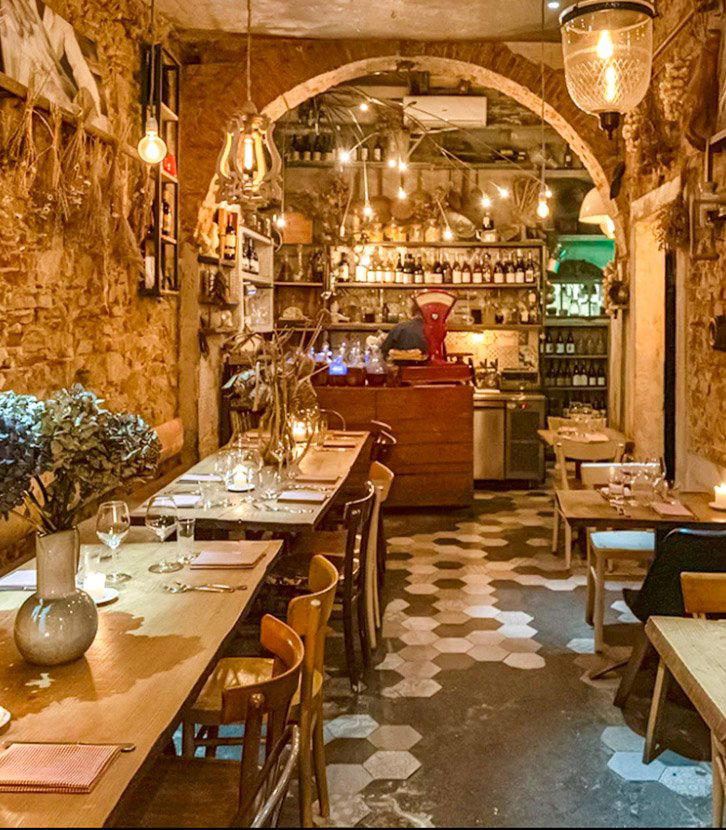
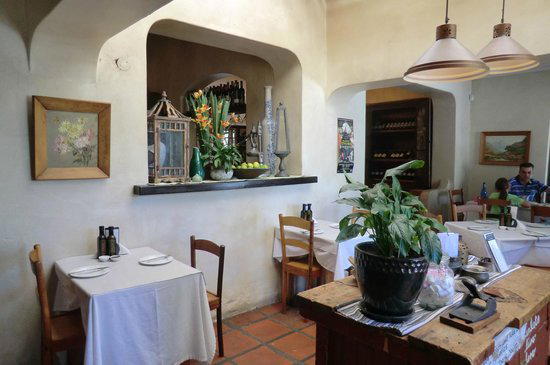
Bars in The Hague
All bars in The Hague →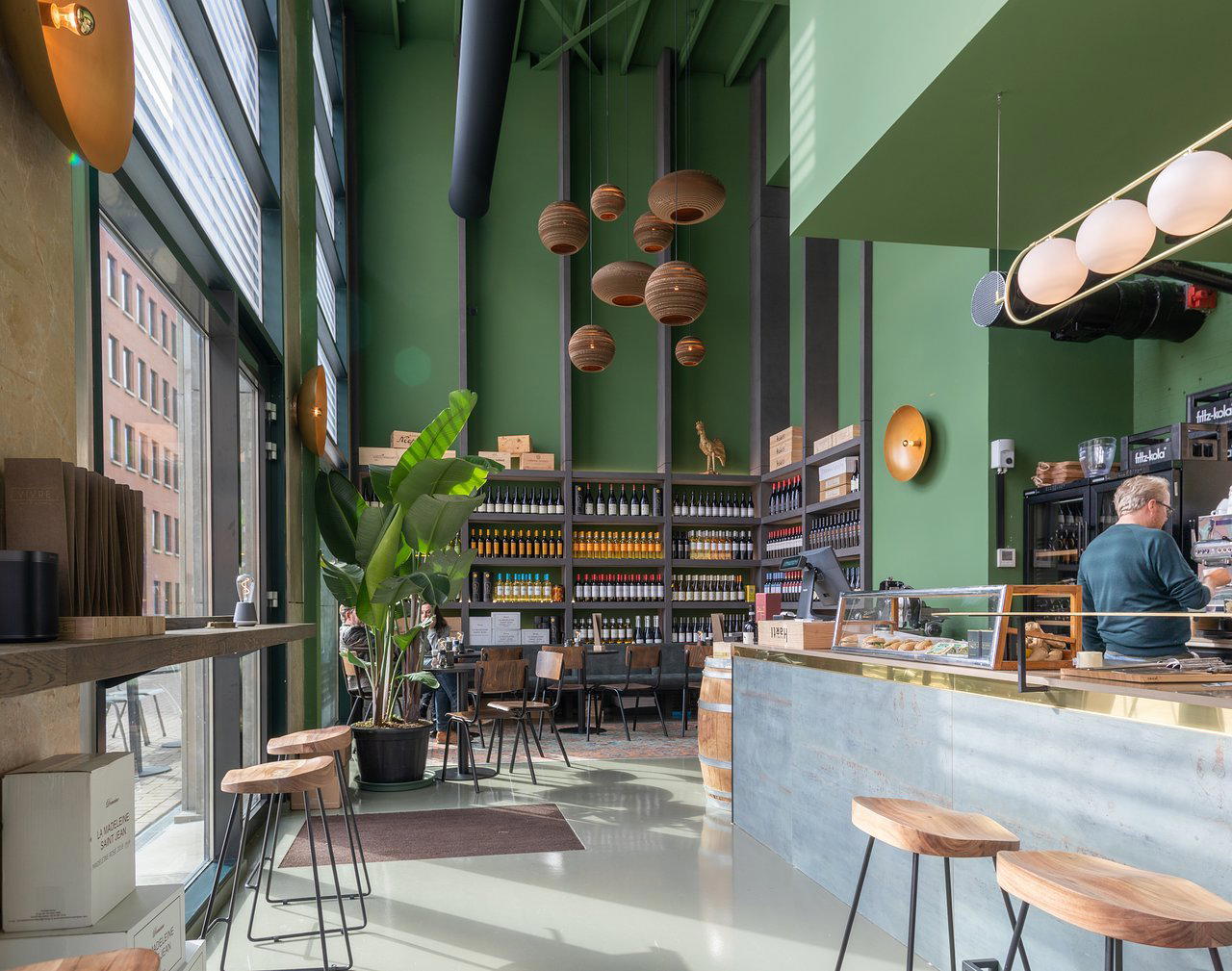
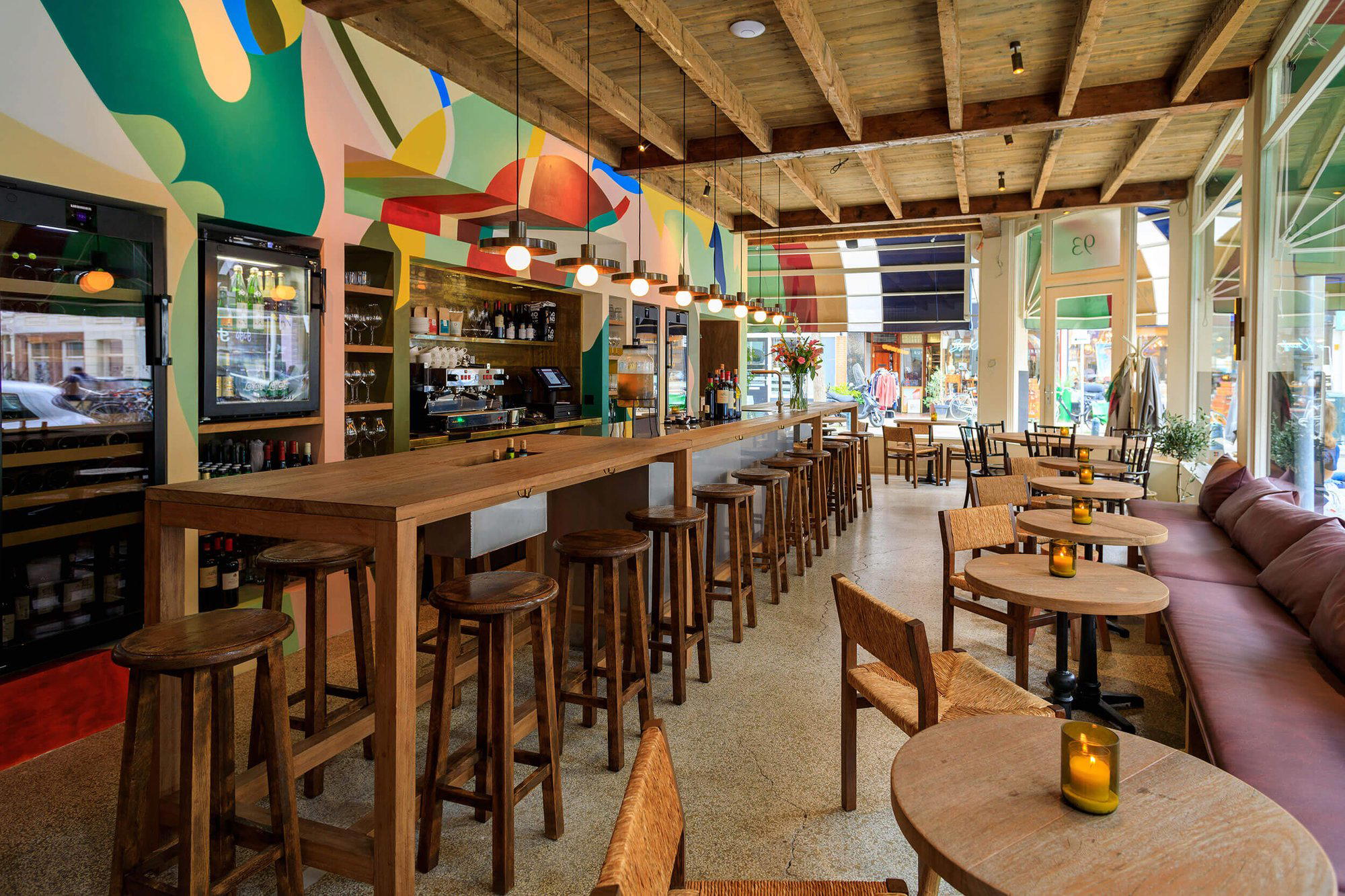
Hotels in The Hague
All hotels in The Hague →
Wineries in The Hague
All wineries in The Hague →
Details
- Cozy
- Modern
- Intimate
- Elegant
- Date Night
- Group Dining
- Special Occasion
- Open Kitchen
- Extensive Wine List
- Local Sourcing
- A La Carte
- European Wines
Current opening hours
- Monday
- Closed
- Tuesday
- 4 PM–12 AM
- Wednesday
- 4 PM–12 AM
- Thursday
- 4 PM–12 AM
- Friday
- 4 PM–12 AM
- Saturday
- 12 PM–12 AM
- Sunday
- Closed
Hours can change for holidays and private events. Hours as of .
Cozy and casual setting with a relaxed, beautiful space and open kitchen.