
A Michelin Plate-recognised Ethiopian restaurant in a classic Georgetown townhouse, Das presents a menu that spans traditional preparations and more adventurous territory, with strong options for vegetarians alongside combination samplers built around injera. The price point sits well below D.C.'s starred Ethiopian peers, making it one of the neighbourhood's more accessible arguments for the cuisine's depth.
Pearl is the En Primeur Club membership app — saves, bookings, and concierge access live there. Same editors, same standards.
- Address
- 1201 28th St NW, Washington, DC 20007
- Phone
- (202) 333-4710
- Website
- dasethiopian.com
- Directions
- Get directions
 Saves & bookings on Pearl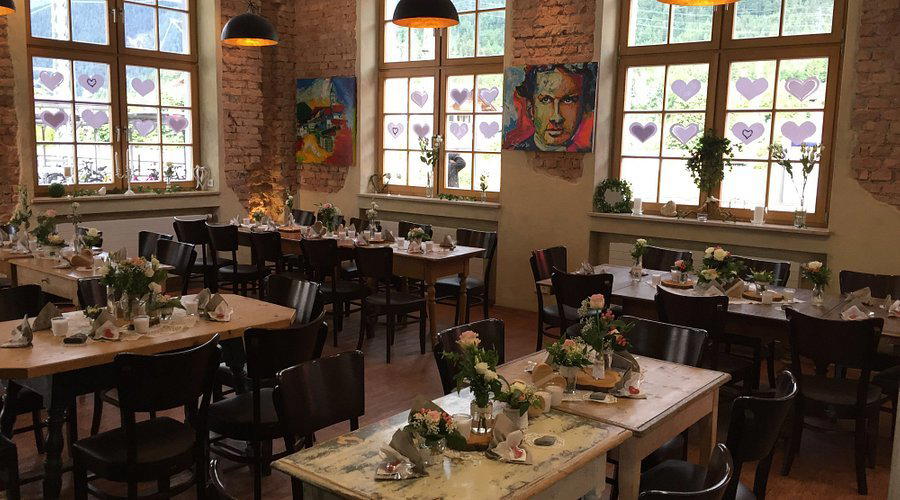
Georgetown's Quiet Case for Ethiopian Cooking
Georgetown is not where you expect to find one of Washington D.C.'s more considered Ethiopian tables. The neighbourhood runs toward expense-account steakhouses and French bistros housed in Federal-era brick, its dining character shaped more by proximity to power than by culinary adventurism. That makes the building at 1201 28th Street NW an interesting outlier: a classic townhouse whose interior has been given over to warm textiles, soothing colour palettes, and the kind of unhurried hospitality that Ethiopian dining, at its leading, is built around. Das earned a Michelin Plate in 2024, a distinction that signals consistent cooking and a considered kitchen.
What the Menu Is Actually Doing
Ethiopian cooking is, structurally, an ingredient-first cuisine. The slow-cooked wats depend on the quality of their spice blends, the patience of their reduction, and the character of the injera beneath them. Injera itself is a fermented teff flatbread, and its sourness is not incidental: it acts as a counterweight to the heat and fat of the dishes placed on top of it, and its spongy surface is the primary utensil. Kitchens that understand this relationship treat the injera as seriously as the stews.
At Das, the menu covers traditional Ethiopian preparations alongside dishes designed to test more adventurous palates. The flaxseed telba wat, a puree of roasted flaxseeds cooked in a spiced sauce, illustrates the kitchen's approach to the vegetable and legume end of the repertoire. The vegetarian spread at Das is extensive enough to constitute a full meal without concession, which matters in a cuisine where meat-based dishes often overshadow the plant-based ones in Western-facing presentations.
For those working through the menu for the first time, the chicken and beef combination sampler provides the broadest single reading of the kitchen's range. Combination platters are the standard orientation format in Ethiopian dining, and they serve a genuine editorial function: the contrasts in heat, texture, and sauce density across a shared plate tell you more about a kitchen's range than any single dish can. The injera here anchors the meal, and in Ethiopian dining that matters.
Where Das Sits in D.C.'s Ethiopian Scene
Washington D.C. has one of the largest Ethiopian populations in the United States, concentrated historically in the Shaw and U Street corridors, and the city's Ethiopian restaurant density reflects that. The community-rooted spots in those neighbourhoods, including Elfegne and Family Ethiopian, operate with different priorities: lower price points, larger portions, and a directness that comes from cooking for an audience that grew up with the food. Das operates in a different register. Its Georgetown setting, its design attention, and its Michelin Plate recognition place it in a tier where the cuisine is being presented to a broader, more mixed audience, and where the room itself is part of the proposition.
Ethiopian dining in its community context is communal, informal, and generous by default. The warmth described by the Michelin inspectors is not incidental styling: it reflects the hospitality tradition the food belongs to.
The price range at $$ puts Das well below the starred D.C. options like Oyster Oyster at $$$ or the $$$$-tier tables. For D.C. diners comparing Ethiopian options across price bands, Das represents a more accessible entry into a Michelin-acknowledged version of the cuisine than the city's higher-end contemporaries in other categories.
The Ingredient Logic Behind Ethiopian Cuisine
It is worth understanding why ingredient sourcing matters so specifically in Ethiopian cooking. Berbere, the spice blend that underpins many wats, is not a standardised product: its composition varies by region, family tradition, and the freshness of individual components including chilli, fenugreek, coriander, and rue. Niter kibbeh, the spiced clarified butter used in many preparations, develops its character through the aromatics infused during clarification. These are not background condiments. They are the flavour architecture of the cuisine, and the quality gap between a kitchen that sources and prepares them carefully and one that does not is immediately apparent in the finished dish.
The telba wat at Das, built on roasted flaxseeds rather than the more common legume base, points toward a kitchen that is engaging with ingredient specificity rather than defaulting to one recognisable format. Flaxseed has a high oil content and a deep, slightly bitter flavour when roasted, and using it as the primary ingredient in a spiced puree requires a different calibration of heat and aromatics than a lentil misir wat would. That kind of specificity, demonstrated across a broad menu, is what distinguishes a kitchen working with the cuisine from one simply reproducing its forms.
Planning Your Visit
Das is located at 1201 28th Street NW in Georgetown, accessible from the broader D.C. restaurant circuit that spans neighborhoods from Shaw to Penn Quarter. The $$$ price point makes it a reasonable option for a mid-week dinner or a neighbourhood meal. Reservations are recommended. Georgetown's dining stock otherwise runs toward higher price bands, so Das sits as an accessible option within a generally expensive neighbourhood.
For those interested in comparing Ethiopian cooking across American cities, Barcote and Café Romanat in San Francisco represent the West Coast community-rooted end of the spectrum, while Das occupies a distinct position as a design-attentive, Michelin-acknowledged version of the cuisine in a neighbourhood where Ethiopian cooking is not the default offer.
Cuisine and Recognition
Comparable venues nearby, for context on price, style, and recognition.
| Venue | Cuisine | Price | Awards | Notes |
|---|---|---|---|---|
| DasThis venue — the venue you are viewing | Ethiopian | $$$ | Michelin Plate | Not listed |
| Grazie Nonna | Modern Italian-American | $$$ | Michelin Plate | Downtown |
| Café Riggs | Contemporary French-American Brasserie | $$$ | Michelin Plate | East End |
| BlackSalt | Modern Seafood | $$$ | Michelin Plate | Berkley |
| Opal | Modern American Wood-Fired | $$$ | Michelin Plate | Chevy Chase |
| Chang Chang | Modern Chinese | $$$ | Michelin Plate | Dupont Circle |
Recognition history
Dated appearances from independent guides and award organizations, with the underlying list record or original source where available.
Michelin Plate
Michelin
Michelin Plate
Michelin
Continue exploring
More in Washington DC
Restaurants in Washington DC
Browse all →
Bars in Washington DC
Browse all →
Hotels in Washington DC
Browse all →
At a Glance
- Elegant
- Cozy
- Sophisticated
- Intimate
- Date Night
- Special Occasion
- Group Dining
- Open Kitchen
- Street Scene
Current opening hours
- Monday
- Closed
- Tuesday
- 5–9:30 PM
- Wednesday
- 5–9:30 PM
- Thursday
- 5–9:30 PM
- Friday
- 11 AM–10 PM
- Saturday
- 11 AM–10 PM
- Sunday
- 11 AM–9:30 PM
Hours can change for holidays and private events. Last verified .
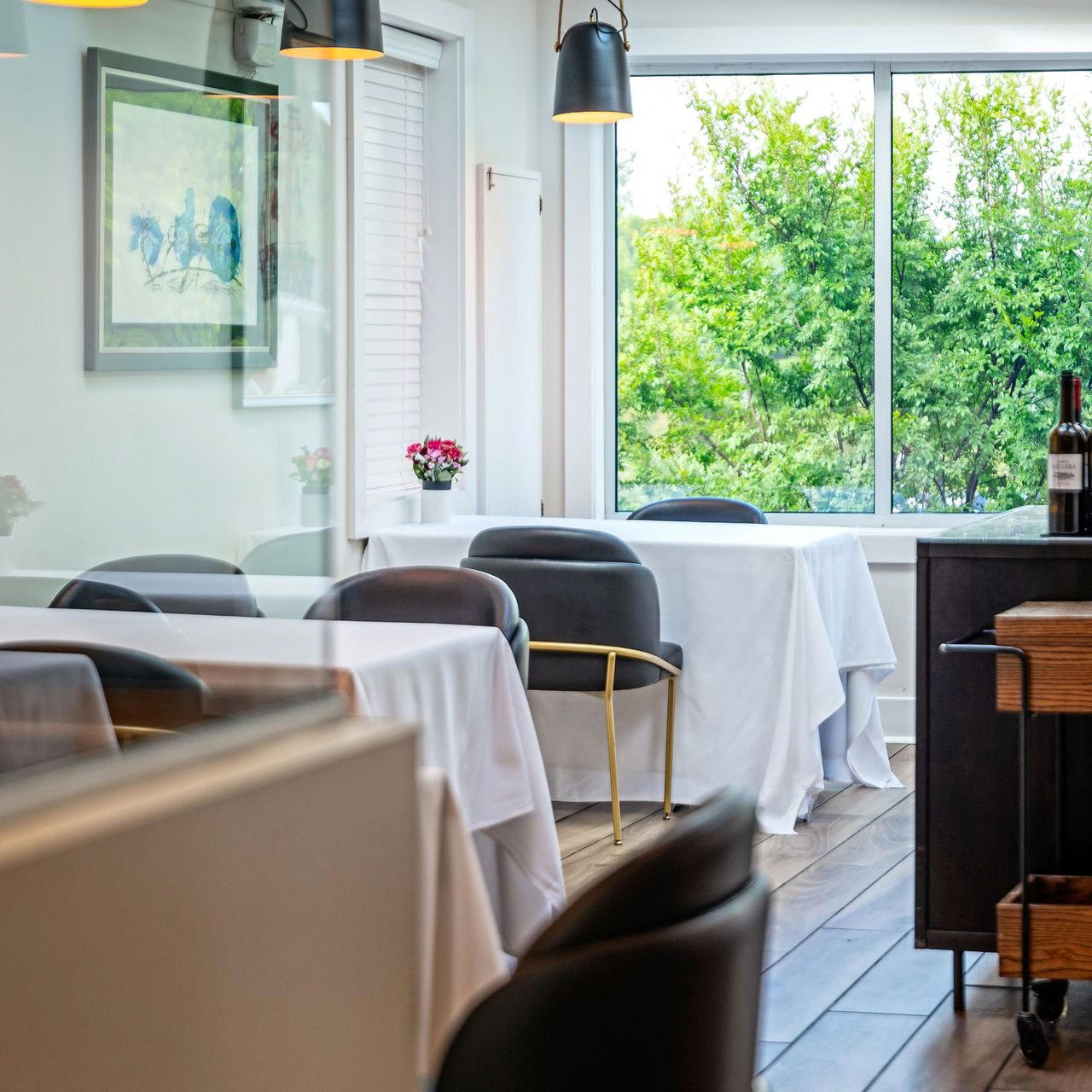
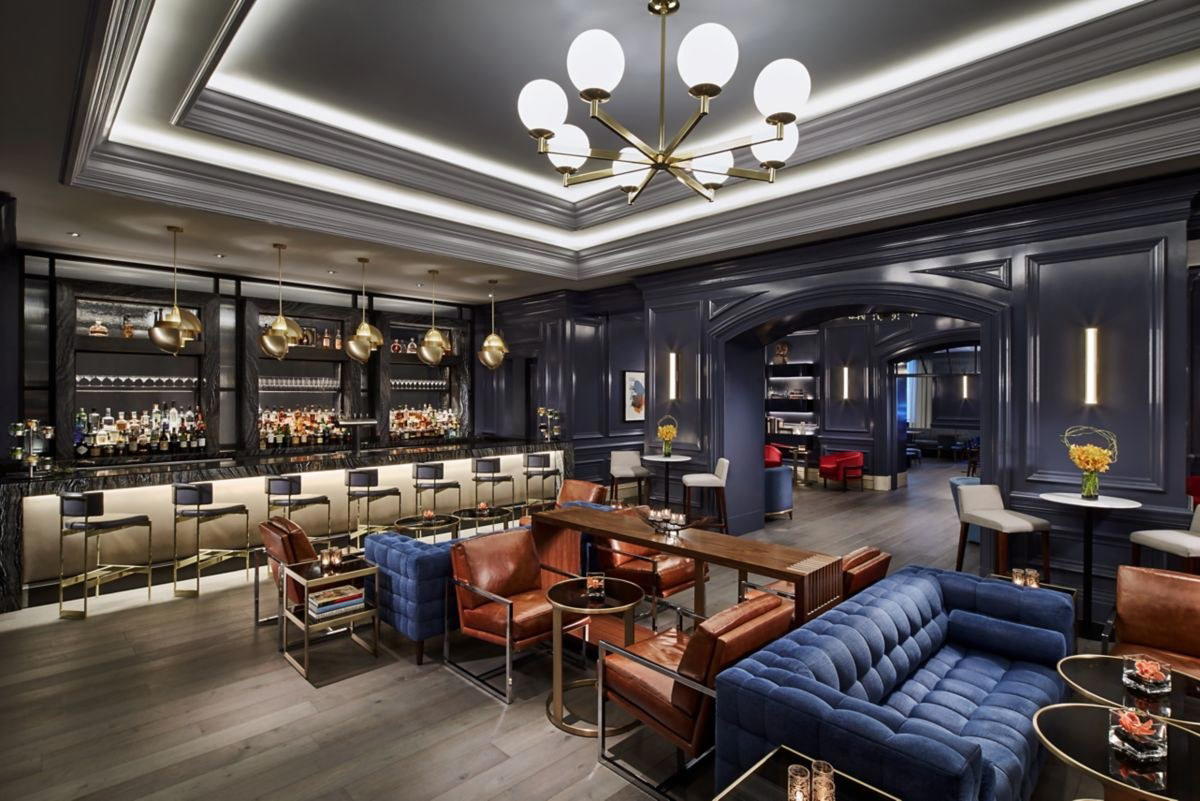
Low light, candles, white linens, soothing colors, lush fabrics, and relaxing jazz music create a fine dining atmosphere.