Family Ethiopian

A sibling-owned Ethiopian spot on 9th Street NW, Family Ethiopian earned a Michelin Plate in 2024 for cooking that prioritises complexity and care over novelty. The family platter, built around sour injera and a rotating cast of vegetarian and meat dishes, draws a loyal following to this Shaw-adjacent address.
Pearl is the En Primeur Club membership app — saves, bookings, and concierge access live there. Same editors, same standards.
- Address
- 1414 9th St NW, Washington, DC 20001
- Phone
- (202) 629-2950
- Directions
- Get directions
 Saves & bookings on Pearl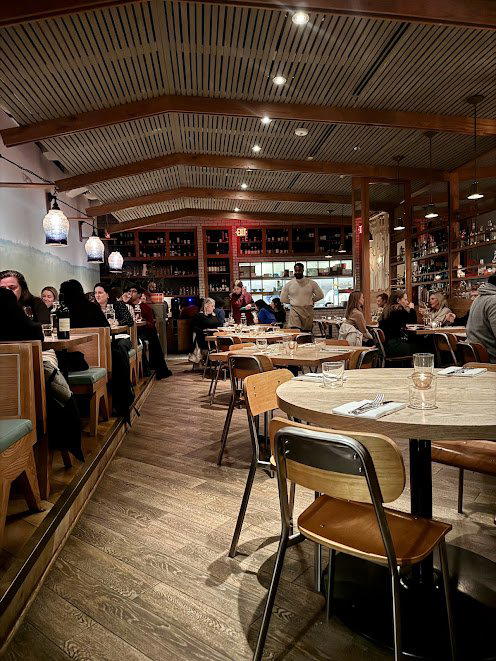
A Room That Announces Its Intentions
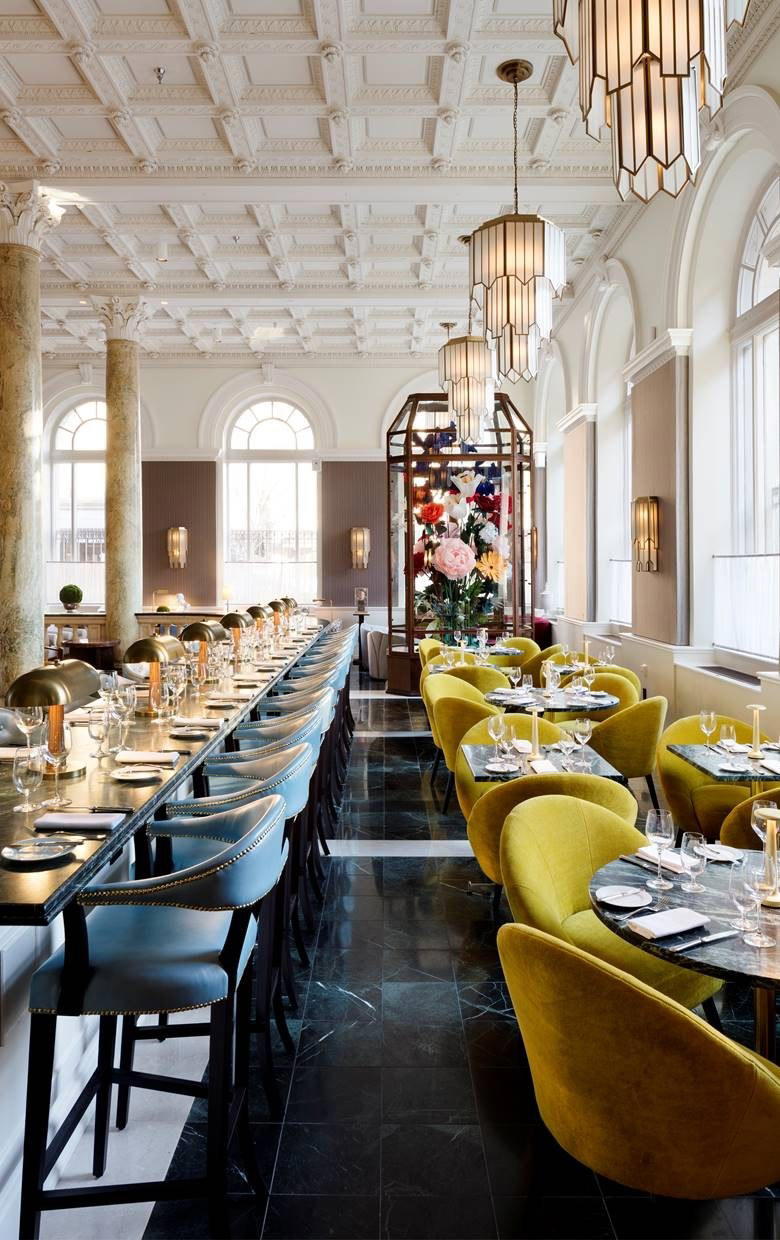
On 9th Street NW, a stretch of Shaw that has accumulated serious dining density over the past decade, Family Ethiopian announces itself through colour before you read the sign. Yellow metal chairs occupy the front of house in a way that reads less like casual seating and more like a deliberate visual statement: warm, alert, unapologetically present. The walls carry art that reflects the cultural ground the kitchen is working from, and the space as a whole communicates something that a great deal of Washington dining does not, that the room and the food were conceived together, rather than one being an afterthought to the other.
This matters more than it might first appear. Ethiopian restaurants in American cities have long operated across a wide spectrum of physical formats, from spartan carry-out operations to more formal dining rooms with traditional mesobs and low seating. Family Ethiopian sits in a middle register: accessible and informal in atmosphere, but with an interior confidence that signals the cooking will be taken seriously. The bright palette and the visible kitchen brigade make the kitchen visible as a statement of intent rather than an incidental backdrop.
What the Space Asks of You
The design logic of a room built around communal eating is worth understanding before you arrive. Ethiopian dining, centred on shared platters and injera used as both plate and utensil, is structurally communal. A room designed to support that format needs to encourage proximity without crowding, and to make the act of sharing feel natural rather than forced. The yellow chairs and art-covered walls at Family Ethiopian do that work efficiently. There is nothing about the space that nudges you toward individual plates or solitary eating; the room is oriented toward groups, toward the family platter, toward the kind of meal that generates conversation rather than silence.
That orientation connects the restaurant to a broader point about Ethiopian cuisine's relationship to the dining room. Unlike tasting-menu formats, where the sequence and pacing are controlled by the kitchen, as at Das or the more formal end of the city's Michelin-starred tier, Ethiopian communal eating places the sequence of the meal in the hands of the diners. The kitchen's job is to make the platter coherent; the table's job is to determine what gets eaten first, what gets saved, how the injera is torn and applied. The restaurant's room supports that dynamic.
The Kitchen's Register
Washington's Ethiopian dining scene is among the more developed in the United States, rooted in a community that has been established in the city for decades. That depth means the bar for technical credibility is set by diners who know the cuisine well, not by those encountering it for the first time. The restaurant operates within that context, and Michelin's 2024 Plate recognition positions it inside a comparable set that also includes Elfegne, another D.C. address drawing attention for Ethiopian cooking that takes its source material seriously.
The family platter functions as the clearest expression of the kitchen's range. Vegetarian dishes and meat preparations appear together, structured around injera: the sour, spongy flatbread that is simultaneously the starch, the utensil, and the flavour anchor of the meal. Gomen, collard greens with fresh garlic and onions, delivers the kind of earthiness that requires good sourcing and careful timing to achieve. Kik alicha, a yellow split pea stew with turmeric and ginger, demonstrates the subtler, less chilli-forward register of Ethiopian cooking that often gets flattened in restaurants aiming at accessibility. Tikil gomen with cabbage and potatoes represents the vegetarian canon at its most comforting. On the meat side, quanta firfir uses berbere and purified butter to produce beef with the kind of depth that comes from fat, spice, and time working together.
At that volume, ratings stabilise around genuine consensus rather than outlier enthusiasm. It places the restaurant in a different conversation than the $$$$ Michelin-starred D.C. rooms, Albi, Causa, Oyster Oyster, while also demonstrating that the Michelin Plate recognition reflects a sustained quality rather than a moment.
For comparison across U.S. cities, Barcote and Café Romanat in San Francisco represent the West Coast end of the Ethiopian dining conversation. Washington's version is shaped by its larger and longer-established Ethiopian-American community, which raises the internal standards for authenticity and technical rigour in ways that newer markets are still developing.
Price and Access
The restaurant sits at the $$ price point, which in Washington D.C. terms places it well below the starred fine-dining tier represented by venues like Le Bernardin in New York City, Alinea in Chicago, The French Laundry in Napa, Lazy Bear in San Francisco, Emeril's in New Orleans, or Single Thread Farm in Healdsburg. The address at 1414 9th St NW puts it in accessible Shaw territory.
The $$ price range means the family platter format offers strong value relative to the complexity of the cooking, particularly given the labour involved in preparing multiple simultaneous preparations to the standard that a 4.8 rating across a thousand-plus reviews implies. For diners exploring Washington's broader Ethiopian offer alongside the city's wider dining scene, our full Washington, D.C. restaurants guide covers the full range of cuisines and price tiers.
Booking and Cost Snapshot
Comparable venues nearby, for context on price, style, and recognition.
| Venue | Cuisine | Price | Awards | Notes |
|---|---|---|---|---|
| Family EthiopianThis venue — the venue you are viewing | Shaw, Ethiopian | $$ | Michelin Plate | Not listed |
| Elfegne | Washington Heights, Ethiopian | $$ | Michelin Plate | Not listed |
| Georgia Brown’s | Downtown, Dining | Not listed | Michelin Plate | Not listed |
| Hank’s Oyster Bar | Dupont Circle, Seafood Oyster Bar | $$ | Michelin Plate | Not listed |
| Timber Pizza Co | Petworth, Wood-Fired Artisan Pizza | $$ | Michelin Plate | Not listed |
| Reveler's Hour | Not listed | $$$ | Michelin Plate | Lanier Heights, Brazilian-Influenced Italian Pasta House |
Recognition history
Dated appearances from independent guides and award organizations, with the underlying list record or original source where available.
Michelin Plate
Michelin
Michelin Plate
Michelin
Continue exploring
More in Washington DC
Restaurants in Washington DC
Browse all →
Bars in Washington DC
Browse all →
Hotels in Washington DC
Browse all →

At a Glance
- Trendy
- Cozy
- Lively
- Family
- Group Dining
- Casual Hangout
- Open Kitchen
- Street Scene
Current opening hours
- Monday
- 11 AM–11 PM
- Tuesday
- 11 AM–11 PM
- Wednesday
- 11 AM–11 PM
- Thursday
- 11 AM–11 PM
- Friday
- 11 AM–11 PM
- Saturday
- 11 AM–11 PM
- Sunday
- 11 AM–11 PM
Hours can change for holidays and private events. Last verified .
Bright and trendy space with yellow chairs, lively art, sunlight through windows, and eclectic decor.